
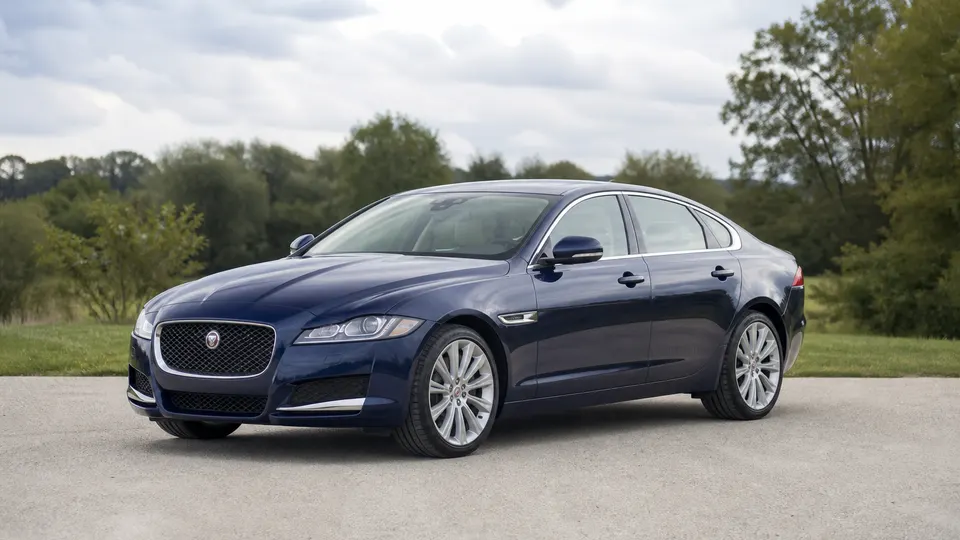
The Jaguar XF is a compelling executive sedan with sharp styling and genuine driving pleasure, but a handful of model years carry outsized repair costs and recall histories that can turn your ownership experience sour. You'll want to skip the first-generation problem years and focus your search on the cleaner second-generation cars. This guide uses data from NHTSA, CarComplaints, and RepairPal to tell you exactly which years to pass on and which ones to pursue.
For generations, engines, and ownership notes in one place, see the Jaguar XF hub.
Related: Jaguar E-Pace years to avoid, BMW 5 Series years to avoid.
At a glance
- Worst years
- 2009
- 2010
- 2011
- 2012
- 2013
- 2014
- Best years
- 2015
- 2016
- 2017
- 2019
- 2020
- 2021
- 2022
- Top failure
- 1st-gen (X250) electrical and engine issues, plus supercharger noise on 2014 (CarComplaints worst year by repair cost)
- Always do before buying
- run the VIN through NHTSA's recall checker, plus confirm the airbag recall (covering 2009, 2011, 2012, 2015) and any open fuel-system recall have been completed before purchase
How we rated the best and worst Jaguar XF years
The first-generation X250 years dominate the avoid list: CarComplaints notes that while the 2012 Jaguar XF has the most overall complaints, it rates the 2014 model year as worse because of higher repair cost or more problems at lower mileage. That distinction matters - CarComplaints ranks the worst year by repair cost and mileage-at-failure (its PainRank system), while NHTSA reflects raw complaint volume, and those two measures often point to different model years.
Our years to avoid methodology weights repair cost and mileage-at-failure alongside raw complaint volume, which is why the 2014 ranks as the worst year despite the 2012 holding more total complaints. For this guide, data sources include NHTSA complaints and recalls, CarComplaints PainRank, RepairPal reliability ratings, owner data from TrueDelta, and owner forums at JaguarForums.
| Jaguar XF Generation | Best Jaguar XF Years | Worst Jaguar XF Years |
|---|---|---|
| 1st Gen X250 (2009-2015) | 2015 | 2009, 2010, 2011, 2012, 2013, 2014 |
| 2nd Gen X260 (2016 - present) | 2016, 2017, 2019, 2020, 2021, 2022 | None |
Every Jaguar XF model year ranked
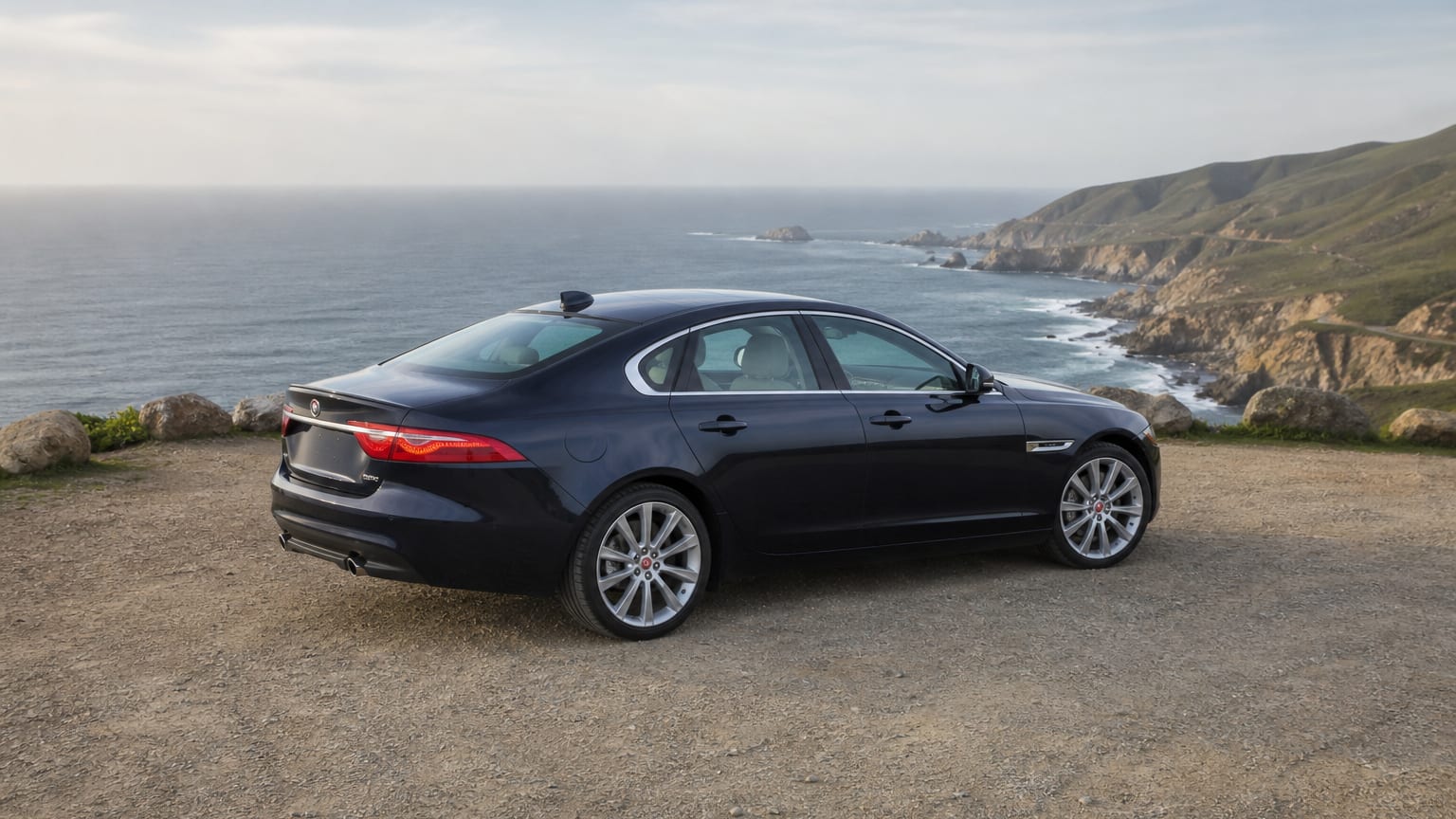
The Jaguar XF launched as the X250 generation in production from 2007 to 2015, succeeded by the X260, which has been available since 2015. The first-gen years carry the heaviest complaint and recall burden; the second-gen cars are substantially cleaner.
| Model Year | Generation | Verdict | Notes |
|---|---|---|---|
| 2009 | X250 (1st Gen) | Avoid | 41 NHTSA complaints; engine shutoff, electrical gremlins |
| 2010 | X250 (1st Gen) | Avoid | 11 recalls; fuel pump, fuel tank, electrical issues |
| 2011 | X250 (1st Gen) | Avoid | 98 CarComplaints reports; electrical and fuel system top complaints |
| 2012 | X250 (1st Gen) | Avoid | Most CarComplaints complaints of any XF year; airbag and fuel tank recalls |
| 2013 | X250 (1st Gen) | Avoid | 14 NHTSA recalls - most-recalled XF model year; 55 CarComplaints reports |
| 2014 | X250 (1st Gen) | Avoid | CarComplaints worst year by repair cost; supercharger noise at \~18k miles |
| 2015 | X250 (1st Gen) | Best | 33 CarComplaints reports; airbag recall completed on most examples |
| 2016 | X260 (2nd Gen) | Best | 8 CarComplaints reports; lowest first-gen complaint carryover |
| 2017 | X260 (2nd Gen) | Best | 6 CarComplaints reports; fewest complaints in the model's history |
| 2018 | X260 (2nd Gen) | OK/Mixed | Fuel system recall (NHTSA 18V-090); otherwise low complaint rate |
| 2019 | X260 (2nd Gen) | Best | Low complaints; refreshed infotainment |
| 2020 | X260 (2nd Gen) | Best | Very low NHTSA complaint volume |
| 2021 | X260 (2nd Gen) | Best | Very low NHTSA complaint volume |
| 2022 | X260 (2nd Gen) | Best | Latest available; low complaint and recall record |
Most common Jaguar XF problems
Problems with the fuel/propulsion system, airbags, and engine are the most frequent issues recorded by NHTSA from Jaguar XF owners, with electrical failures running as a consistent thread across both generations. The sections below cover the five biggest recurring failure categories, ordered most serious first.
1. Electrical system failures
Electrical gremlins are the single most documented category across the XF’s entire production run. The electrics can suffer, with warning lights staying on, the touchscreen sat-nav turning itself off, and the stereo acting up. On the X250 generation, complete unexpected shutdowns were also reported - one owner reported a complete shutdown of their 2010 XF at 7,000 miles while driving at 25-30 mph, losing all control over the vehicle.
TrueDelta data on the 2010 XF shows electrical and air conditioning issues accounting for 38% of all reported repairs, the single largest category. On the 2012 XF, electrical and A/C issues similarly account for 39% of repairs. On second-generation cars, the issue shifts to infotainment freezes - playing with the touchscreen is recommended on any test drive, as a frozen screen will need a Jaguar software update.
Repair costs for electrical issues vary widely, from a simple software update at no charge to cluster replacement bills owners have reported above $3,000. The 2011 Jaguar XF has 98 problems reported by owners on CarComplaints, with electrical and fuel system problems topping the complaint list. Before buying any X250-era XF, power the car fully on and test every screen, lock, and warning light.
2. Airbag recall (2009, 2011, 2012, 2015 XF)
Jaguar recalled certain 2009, 2011, 2012, and 2015 XF vehicles manufactured February 6, 2008 to October 20, 2014, because the driver frontal airbags may be missing a chemical enhancer required for the second stage deployment, resulting in the second stage deploying improperly in certain crashes. This is the single most safety-critical recall on the XF nameplate.
Jaguar’s manufacturer number for this recall is J065. The NHTSA campaign number for this action is 16V-373. Jaguar notified owners, and dealers replaced the driver frontal airbag module free of charge; the recall began May 5, 2016.
This recall spans multiple model years, and used examples change hands without the repair being completed. Always run the VIN before buying any 2009, 2011, 2012, or 2015 XF to confirm J065 has been closed.
3. Fuel system leaks and fuel pump failures
A concern was identified with 5,048 2010 model year Jaguar XF vehicles fitted with the 5.0L V8 engine, where the in-tank electric fuel pump may not be correctly activated. The engine can cut out without any detectable warning signs; fuel starvation leads to engine stumble followed by cutout with minimal warning, potentially causing a crash.
A separate recall (manufacturer campaign J027) covered 2010-2012 XF vehicles with the 5.0L engine, where the fuel tank fuel outlet flange may crack, potentially resulting in fuel leakage onto the ground - a fire risk if an ignition source is present. The NHTSA campaign for this action is 12V-521. A further recall covered 2013-2015 XF vehicles equipped with 2.0L GTDi engines for insufficient clearance between the underfloor fuel delivery lines and the under shield, allowing the lines to chafe and possibly resulting in a fuel leak.
A transmission fluid leak when parked combined with a fuel smell warrants immediate inspection - on these recall-affected years the two issues can be confused. Confirm all three fuel-system actions are closed before buying any 2010-2015 XF.
4. Engine problems - supercharger noise and seized engines
The most-reported single problem on CarComplaints for the XF model line is the engine seized complaint on the 2014 Jaguar XF. On the 2014, the more common owner-reported fault is a knocking or rattling noise from the supercharger. TSB #JTB00356NAS1 was released in June 2014 to address clattering or knocking noise from the engine, possibly caused by a worn torsional isolator or torsional isolator spring support shaft triggering excessive backlash in the supercharger drive.
According to the affected owner, the issue appeared at around 18,300 miles and cost $1,900 to repair. A knocking that sounds like it comes from the top of the engine on a supercharged 5.0L XF is a direct pointer to this fault - the kind of bad timing chain symptom noise that should prompt a pre-purchase inspection. The 3.0L supercharged V6 and 5.0L V8 are reliable if maintained properly but can suffer from expensive timing chain issues.
5. Transmission shift problems
The automatic transmission of the Jaguar XF shows various weak points; 2016 models in particular are affected by problems where the transmission does not shift properly, with the most common complaints including delayed shift responses, hard-shifting jerks between gears, and occasional sticking in a gear. Water pump defects are also common between 80,000 and 120,000 km, leading to coolant loss.
The gear selector that rises from the center console can get stuck, stopping you from putting the car into drive; a weak battery or faulty brake switch is often the cause. Water pump failure symptoms - overheating, a whining accessory belt, coolant in the drip tray - are an early warning that the XF’s cooling system needs attention before a blown head gasket follows. Budget $500 - $900 for a water pump replacement on X260-era cars.
Which Jaguar XF years should you avoid?
The Jaguar XF years to avoid are 2009, 2010, 2011, 2012, 2013, and 2014. CarComplaints rates the 2014 the worst by repair cost and mileage-at-failure, while on raw NHTSA complaint volume, the 2011 stands out with the most CarComplaints-reported complaints (98) of any single year, and the 2013 holds the most NHTSA recalls of any XF model year, with 14 on record.
| Jaguar XF Generation | Model Years | Verdict | Main Issues |
|---|---|---|---|
| 1st Gen X250 (2009-2015) | 2009, 2010, 2011, 2012, 2013, 2014 | Worst | Electrical failures, airbag recall, fuel system leaks, engine/supercharger faults |
| 1st Gen X250 (2009-2015) | 2015 | Best | Lowest first-gen complaint count; recall-era fixes resolved |
| 2nd Gen X260 (2016 - present) | 2016, 2017, 2019, 2020, 2021, 2022 | Best | Low complaint volume; no wide-scale safety recall |
| 2nd Gen X260 (2016 - present) | 2018 | Mixed | Fuel system recall (18V-090) affects some examples |
Worst Jaguar XF years: 2009, 2010, 2011, 2012, 2013, 2014
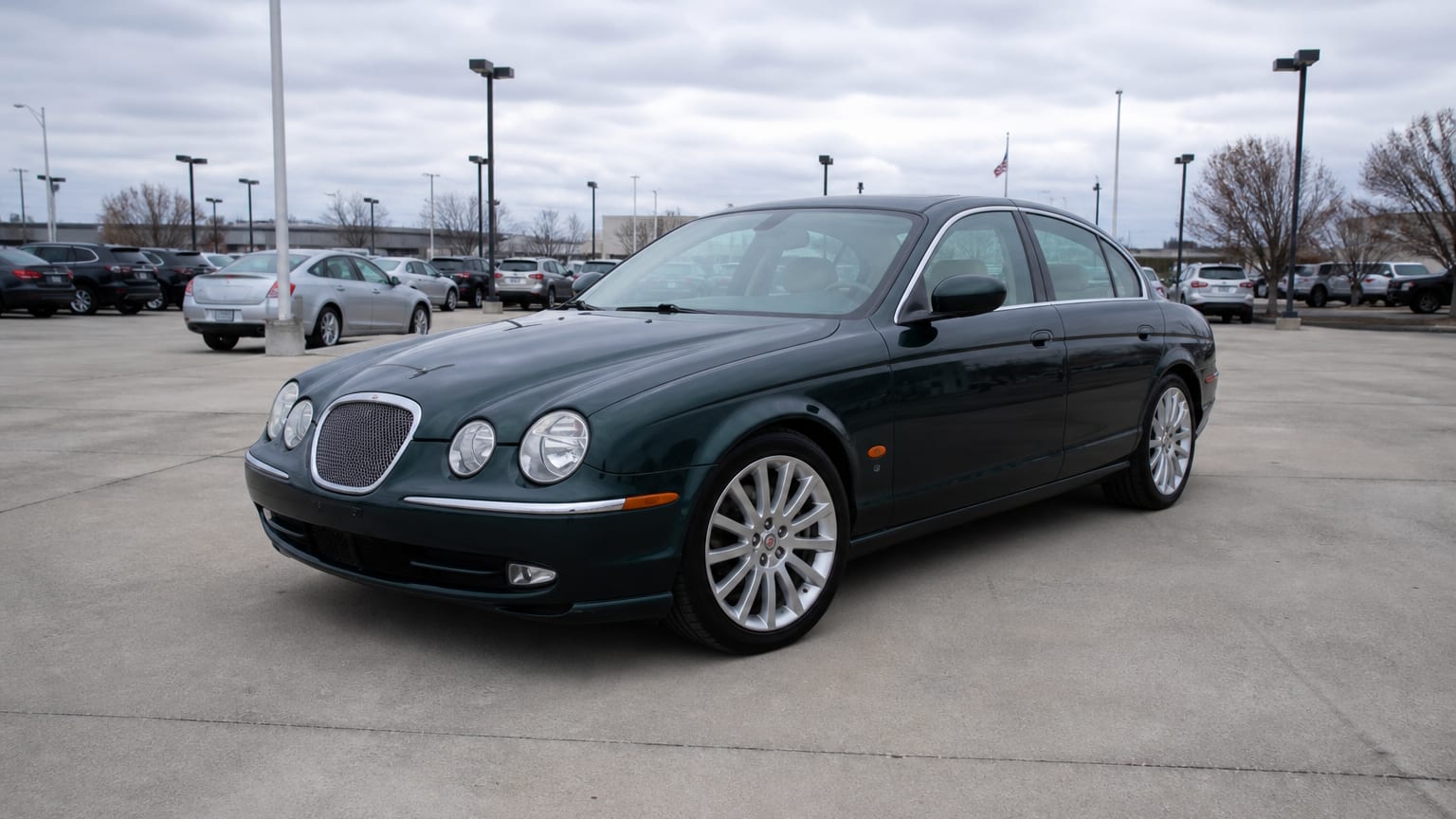
First-generation Jaguar XF (2009-2015)
The 2009 Jaguar XF has 127 problems reported on CarComplaints, with engine and transmission problems topping the complaint list. On NHTSA’s own dataset, the 2009 XF has 41 complaints filed. The gap between those two figures reflects the two different datasets - CarComplaints aggregates multiple NHTSA and owner-submitted sources, NHTSA logs only its own directly filed complaints.
The 2011 Jaguar XF has 98 problems reported on CarComplaints. The 2013 Jaguar XF has 55 problems on CarComplaints, with engine, electrical, and transmission problems as the worst complaints. Maintenance costs also rise sharply on these years: the annual maintenance cost of a 2013 Jaguar XF is $1,244, and the 2012 XF averages $1,142 annually.
The 2009 XF on NHTSA shows 6 safety recalls, including the airbag campaign and the rear safety belt D-ring assembly fault. The fuel tank fuel outlet flange recall covered 2010-2012 XF vehicles equipped with a 5.0L gasoline engine, where the affected flange may crack.
Second-generation Jaguar XF (2016 - present)
The 2016 Jaguar XF has 8 problems reported by owners on CarComplaints, with the worst complaints in accessories and interior. The 2017 XF has just 6 problems reported on CarComplaints - the lowest count in the nameplate’s US history. The reduction in complaint volume from X250 to X260 is stark. One documented recall covers cars built between April 20, 2015 and May 23, 2016 for a misrouted fuel pipe that can chafe and lead to a fuel leak; the dealer re-routes the pipe and replaces any damaged lines.
On the 2018, NHTSA campaign 18V-090 covers a fuel system issue on roughly 10,073 vehicles - confirm this has been resolved on any 2018 XF you consider. Outside that campaign, the second-gen cars have a substantially lighter recall and complaint footprint.
What are the best Jaguar XF years to buy?
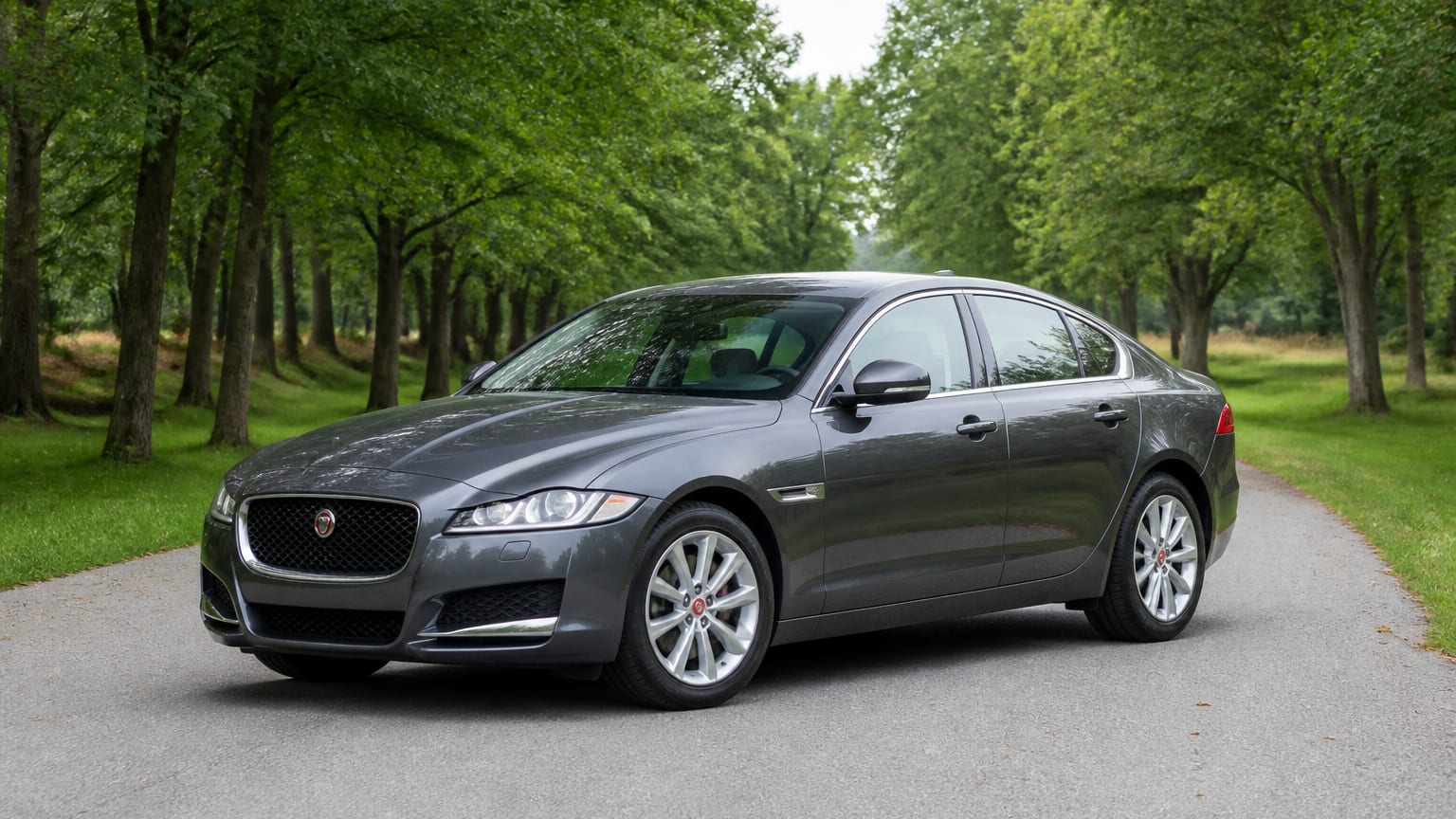
The best Jaguar XF years to buy are 2015, 2016, 2017, 2019, 2020, 2021, and 2022. Many experts point to the 2015 XF as the most reliable year within the first generation. For the broader market, the second-gen X260 cars from 2016 onward represent the cleanest ownership proposition.
| Best Jaguar XF Year | Why It's a Strong Buy |
|---|---|
| 2015 | Lowest first-gen complaint count (33 on CarComplaints); most recall repairs completed on existing fleet |
| 2016 | Only 8 CarComplaints reports; new X260 platform; reduced electrical issues |
| 2017 | Just 6 CarComplaints reports; fewest complaints of any XF model year |
| 2019 | Refreshed infotainment; low complaint and recall record |
| 2020 | Very low NHTSA complaint volume; well-sorted X260 platform |
| 2021 | Clean NHTSA complaint record; modern safety features as standard |
| 2022 | Latest available; low complaint and recall record |
Most reliable Jaguar XF years: 2015, 2016, 2017, 2019, 2020, 2021, 2022
2017 Jaguar XF
The 2017 Jaguar XF has just 6 problems reported by owners on CarComplaints - the cleanest record of any model year in the nameplate’s history. It sits on the proven X260 platform with revised engines and is far enough from the first-gen problem window to have shed most of the inherited issues.
The Jaguar XF overall Reliability Rating is 3.0 out of 5.0 from RepairPal, ranking it 22nd out of 31 luxury midsize cars, with an average annual repair cost of $1,066. The 2017 sits at the better end of that range; while repair frequency is higher than normal, the severity of those issues is average.
2021 Jaguar XF
The 2021 XF is one of the later production cars under the current generation and carries a very low NHTSA complaint count. It benefits from over five years of X260 platform refinement and comes with modern active safety systems. A What Car? reliability survey gave the XF a score of 94.7%, placing it above the Alfa Romeo Giulia and Audi A6 for reliability among luxury cars. For buyers wanting a used XF with the most development miles behind it, 2020-2021 cars are the strongest picks in the current range.
Jaguar XF submodel years to avoid
The XF range includes two performance-oriented variants - the XF S and the XFR - each with its own engine, model-year span, and distinct considerations. Both are assessed here on their own complaint and recall records, not the parent XF’s figures.
Jaguar XF S years to avoid
The XF S is a second-generation X260 performance derivative, offered with a 3.0-liter supercharged V6 petrol engine producing approximately 380 hp, rather than the standard turbocharged four-cylinder. Its US availability ran as part of the X260 lineup from 2016 onward.
Because the XF S sits within the X260 generation, it shares the generally low complaint record of its sibling years - the 2016 XF overall has just 8 reported problems on CarComplaints, and the S trim has not accumulated a distinct avoid-year record of its own in NHTSA or CarComplaints data. No XF S model year has yet generated enough standalone complaint data to flag a specific year to avoid.
The meaningful buyer checks for the XF S are specific to its supercharged V6:
- Listen for supercharger whine or rattles at idle (the same torsional isolator fault documented on the 5.0L supercharged engine can manifest here)
- Verify full service records including supercharger oil changes
- Confirm no open recalls via NHTSA VIN lookup - the fuel-line chafing recall affecting some 2015-2016 build-date cars applies to the S trim as well as the base model
Jaguar XFR years to avoid
The XFR is a first-generation X250 performance variant, powered by a supercharged 5.0L V8 producing 510 hp. Jaguar recalled certain 2013-2014 XF XFR-S vehicles manufactured July 2, 2013 to April 11, 2014, because a component within the Power Assist Steering system may collapse and restrict fluid flow within the PAS hose, causing a loss of power steering. That specific recall (manufacturer number J042) is XFR/XFR-S-specific and does not apply to base XF models.
The XFR’s supercharged 5.0L V8 places it squarely inside the engine and electrical complaint window that makes 2009, 2010, 2011, 2012, 2013, and 2014 the worst years for the parent XF. TrueDelta repair data on the 2011 XF shows the engine accounting for 29% of all repairs and electrical/A/C a further 34% - on the higher-output XFR variant, the same platform faults apply with no relief. A whining noise when accelerating on a supercharged XFR is an early warning sign that the supercharger drive needs inspection.
Buyers considering a used XFR should treat 2009-2014 as the years to approach most cautiously, consistent with the parent XF’s worst-year set, and confirm the J042 PAS recall and the J065 airbag recall are both closed on the specific VIN.
Jaguar XF pre-purchase checklist
Before you hand over money for any used Jaguar XF, work through these model-specific checks. Our editorial guidelines for automotive research require that every recommended check below be traceable to documented complaints, NHTSA recall records, or TSB data - nothing here is speculative.
- Run the VIN through NHTSA’s recall checker - confirm every open recall is resolved, especially the airbag recall (J065 / NHTSA 16V-373) on 2009, 2011, 2012, and 2015 cars, and the fuel tank flange recall (J027 / 12V-521) on 2010-2012 5.0L cars.
- On 2009-2014 cars, test every electrical function - turn on all screens, lock/unlock all doors, cycle the rotary gear selector fully; the fuel filler cap can refuse to open along with doors, and door trim can work itself loose.
- On any supercharged 5.0L V8 XF (2009-2015), listen for supercharger knock at idle - the torsional isolator fault covered by TSB #JTB00356NAS1 produces a clatter or rattle from the top of the engine; if you hear it, factor in at least $1,900 for the repair.
- Ask for full service records - the average annual maintenance cost for a Jaguar XF is $1,066, compared to $739 for other luxury midsize cars; a car with no records is a major risk on a model with above-average shop visits.
- On 2013-2015 XF cars with the 2.0L GTDi four-cylinder, check under the car for signs of fuel pipe chafing and confirm the NHTSA 16V-137 recall (FEAD pulley / engine failure) has been completed.
- Check for dashboard leather bubbling - the leather covering of the dashboard can start to separate and bubble from the underlayers on earlier cars, typically around 65,000 miles; there is no recall or TSB for this specific cosmetic issue, so any bubbling is your negotiating point.
- On 2016+ cars with the Ingenium diesel (if available in your market), a clogged diesel particulate filter is common on the 2.0L Ingenium diesel, particularly early examples; watch for reduced performance or blue smoke on the test drive.
Better alternatives to consider
If the Jaguar XF years in your budget land on the avoid list, consider these alternatives:
- BMW 5 Series - a benchmark in the luxury midsize segment with stronger long-term reliability data and a wider dealer network for used-car buyers
- Jeep Grand Cherokee - a more truck-based option with better parts availability and lower average repair costs for buyers who want space and presence without European running costs
- Mercedes-Benz E-Class - a direct competitor in the executive sedan class with comparable luxury and which Mercedes class is the best comparisons often favoring it on long-term dependability scores
Is the Jaguar XF worth buying?
Yes, the Jaguar XF is worth buying - as long as you stick to 2016 and newer, or a well-documented 2015. RepairPal’s reliability rating of 3.0 out of 5.0 and $1,066 average annual repair cost mean you’ll pay a premium to keep it running, but the second-gen X260 cars have a dramatically lower complaint and recall record than their predecessors. A recent What Car? reliability survey gave the XF a score of 94.7%, placing it above the Alfa Romeo Giulia and Audi A6. Run the VIN through NHTSA’s recall database and verify full service history before any purchase.