
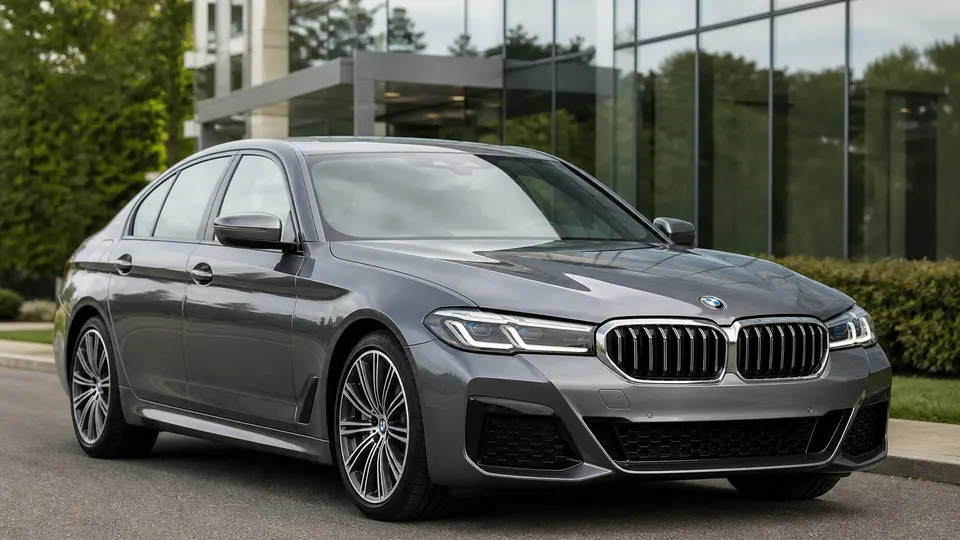
The BMW 5 Series is one of the most respected luxury sedans on the market, and most model years deliver the performance and refinement you'd expect. That said, specific generations carry documented engine, cooling, and electrical problems that push repair bills well into four figures - and knowing which years to skip can save you thousands. This guide draws on NHTSA complaint data, CarComplaints rankings, RepairPal, and owner-forum research to give you a data-backed, year-by-year breakdown of the best and worst 5 Series to buy used.
At a glance
- Worst years
- 2004
- 2006
- 2008
- 2012
- 2013
- 2018
- Best years
- 2015
- 2016
- 2019
- 2020
- 2021
- 2022
- Top failure
- E60-generation electric water pump failure and N20 timing chain stretch (F10, CarComplaints / NHTSA)
- Always do before buying
- run the VIN through NHTSA's recall checker; on 2012-2015 cars, ask specifically about the N20/N26 timing chain warranty history under TSB SIB 11 03 17
How we rated the best and worst BMW 5 Series years
The E60 and F10 generations (2004-2016) are responsible for the majority of documented BMW 5 Series complaints, with the 2008 model year standing out as the single worst on repair-cost grounds and the 2018 G30 drawing the most NHTSA-era airbag-related complaints. CarComplaints rates 2008 as the worst model year based on several factors including repair cost and average mileage when problems occur, with the 2008 BMW 535's water pump failure being the most-reported problem.
Our rating pulls from multiple sources: NHTSA complaints and recalls, CarComplaints (which ranks a year's severity by repair cost and mileage-at-failure, its "PainRank"), RepairPal, Edmunds, KBB, J.D. Power, and owner forums including BimmerFest. CarComplaints' PainRank is based on repair cost and mileage-at-failure - it identifies the 2008 as worst on those cost grounds - while NHTSA complaint volume measures raw complaint counts, which are highest in the E60 generation overall.
These are different metrics and often point to different years. Our years to avoid methodology combines these sources into a consistent verdict rather than relying on any single ranking.
| BMW 5 Series Generation | Best BMW 5 Series Years | Worst BMW 5 Series Years |
|---|---|---|
| E39 (1996-2003) | None | None |
| E60 (2004-2010) | None | 2004, 2006, 2008 |
| F10 (2011-2016) | 2015, 2016 | 2012, 2013 |
| G30 (2017-2023) | 2019, 2020, 2021, 2022 | 2018 |
| G60 (2024+) | None | None |
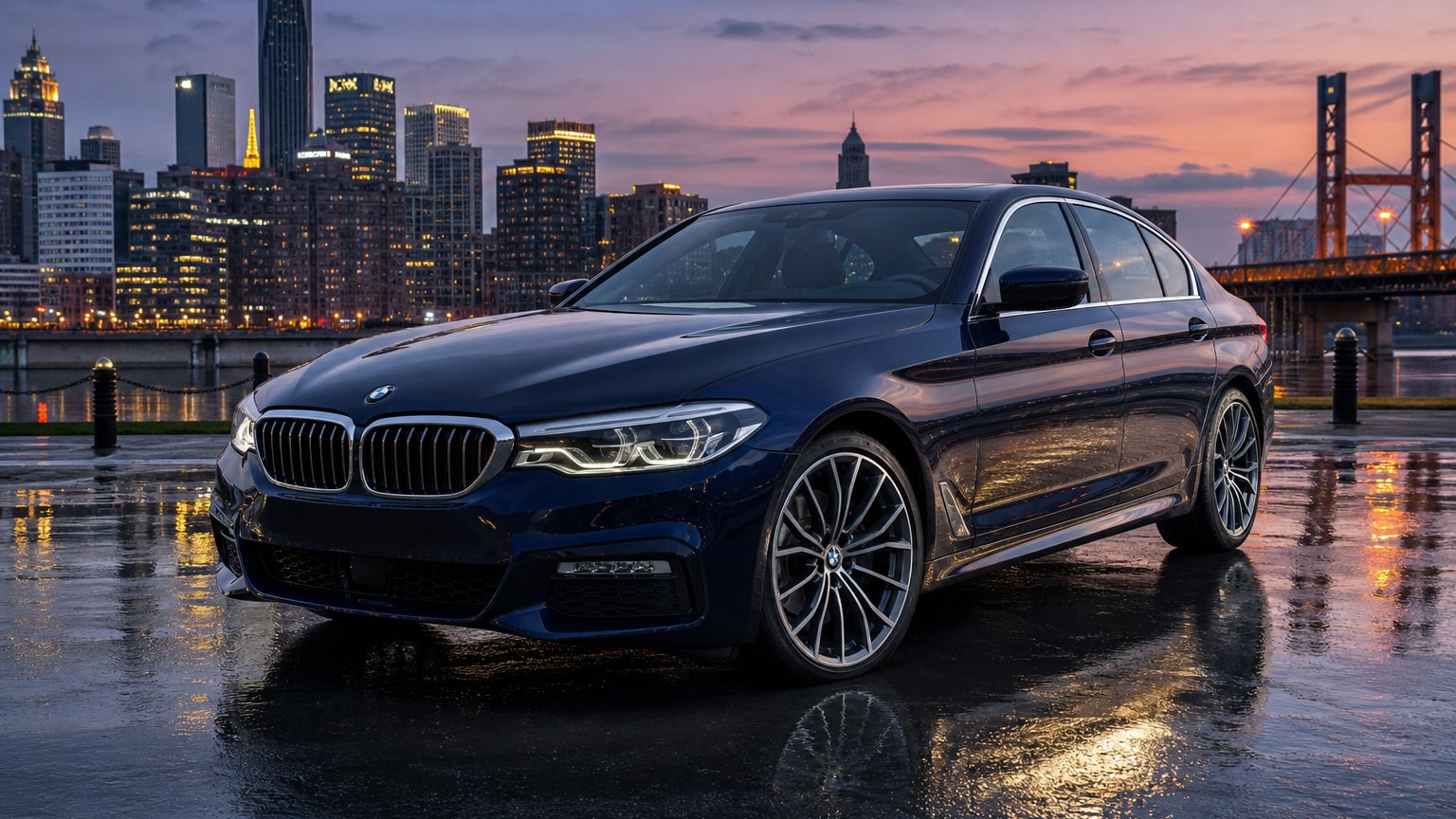
Every BMW 5 Series model year ranked
The data-backed verdict is that the E60 (2004-2010) and early F10 (2011-2013) carry the most serious documented failure patterns; the G30 post-2018 and the late F10 are the safer used buys. The earliest E39 years (1996-2001) are a separate collector-era market assessed differently from daily-driver used cars; they appear below as OK/Mixed because the used-car shopper pool for those years is small and conditions vary widely.
| Model Year | Generation | Verdict | Notes |
|---|---|---|---|
| 1996 | E39 | OK/Mixed | Classic-era; low supply, collector market |
| 1997 | E39 | OK/Mixed | M54 inline-6 praised for durability |
| 1998 | E39 | OK/Mixed | Widely regarded as solid |
| 1999 | E39 | OK/Mixed | Clean reliability record |
| 2000 | E39 | OK/Mixed | Generally praised, pre-iDrive simplicity |
| 2001 | E39 | OK/Mixed | Regarded as dependable daily driver |
| 2002 | E39 | OK/Mixed | Elevated electrical complaint reports |
| 2003 | E39 | OK/Mixed | Torque converter slipping reported by multiple owners |
| 2004 | E60 | Avoid | N62 V8 cooling issues; MPM electrical failures |
| 2005 | E60 | OK/Mixed | Fewer complaints than launch year |
| 2006 | E60 | Avoid | High NHTSA complaint volume; MPM flooding, fuel injector faults |
| 2007 | E60 | OK/Mixed | 278 NHTSA complaints; iDrive reliability concerns |
| 2008 | E60 | Avoid | CarComplaints worst year (repair cost/mileage); 422 NHTSA complaints |
| 2009 | E60 | OK/Mixed | Fewer complaints; N52 engine more dependable |
| 2010 | E60 | OK/Mixed | Last E60; lower complaint rate than peak years |
| 2011 | F10 | OK/Mixed | Launch year; some electrical teething issues |
| 2012 | F10 | Avoid | N20 [timing chain failure](/articles/timing-belt-vs-timing-chain/)s; peak F10 complaint year |
| 2013 | F10 | Avoid | N20 timing chain continues; high complaint volume |
| 2014 | F10 | OK/Mixed | Mid-cycle; N20 still affected but improving |
| 2015 | F10 | Best | Late F10; cleaner complaint record, updated N20 parts |
| 2016 | F10 | Best | Final F10 year; lowest complaints in generation |
| 2017 | G30 | OK/Mixed | Launch G30; some early electrical reports |
| 2018 | G30 | Avoid | 212 NHTSA complaints; 17 recalls; airbag issues |
| 2019 | G30 | Best | Post-diesel, post-CarPlay fee fixes; strong record |
| 2020 | G30 | Best | 10 NHTSA complaints; 7 recalls; good reliability score |
| 2021 | G30 | Best | Facelift year; strong owner ratings |
| 2022 | G30 | Best | Among lowest complaint rates in G30 era |
| 2023 | G30 | OK/Mixed | 7 NHTSA complaints; solid but transition year |
| 2024 | G60 | OK/Mixed | Too new; limited reliability data |
| 2025 | G60 | OK/Mixed | Too new; 0 owner complaints on file |
Most common BMW 5 Series problems
The single biggest failure across the 5 Series lineup is cooling-system breakdown - primarily the electric water pump on E60 and early F10 models - followed closely by the N20 timing chain defect on 2012-2015 F10 cars. Below are the top documented failure categories, ranked from most serious to least.
1. Electric water pump failure (E60 / early F10, 2004-2013)
BMW water pumps are one of the most common failure points, especially on models from 2007 to 2016 that use electric pumps, which often break without warning and lead to rapid overheating and the risk of severe engine damage. On the E60, the electrically driven pump is mounted in a tight location and runs on a circuit board that can fail completely without warning, leaving you with a sudden overheating event rather than a slow coolant leak you might catch in time.
Owners of 2008 535i models report water pump failure at around 102,000 miles, confirming the electric water pump as a common problem on that generation. Repair costs at a dealer run roughly $1,200 to $1,600 for pump and thermostat combined, with independent shop estimates often landing in the same range. Signs of water pump failure symptoms include a coolant-low warning light, rising temperature gauge, and a loss of heat from the cabin.
A safety recall (NHTSA Campaign ID: 18V-248) was issued for the auxiliary coolant pump on many E60 and related models, primarily affecting 2008 to 2012 model years, because the pump's internal circuit board could short-circuit and overheat, potentially causing the pump to smolder and lead to an engine compartment fire. Before buying any 2008-2012 car, confirm this recall was completed using the NHTSA VIN lookup tool.
2. N20 engine timing chain stretch (F10 528i, 2012-2015)
For the 2012 model year, the 528i switched to the turbocharged four-cylinder N20 engine, which had numerous engine failures in its early years due to premature timing chain problems. The chain, guides, and tensioner can wear far earlier than expected. The result is a rattling timing chain at startup that can escalate to sudden engine shutdown if ignored.
BMW issued TSB SIB 11 03 17 (a limited warranty extension bulletin, revised through 2021), covering F10 528i Sedan and xDrive Sedan with the N20 engine produced from August 2011 through June 2015, extending the warranty for the timing chain and oil pump drive chain to 7 years or 70,000 miles from the vehicle's original in-service date. This bulletin is explicitly NOT a recall - no immediate repair is required unless the vehicle is currently experiencing a timing chain problem.
Repair at the dealer runs close to $5,000, covering the chain, tensioner, guide rails, and often the oil pump. Most cars built before 2011 are now past the 7-year warranty window, so ask for documentation that the repair was done before buying any 2012-2015 528i.
3. N54 / N55 high-pressure fuel pump failure (535i, 2008-2011)
BMW's N54 turbocharged inline-6 engine powered the 535i for the first time in 2008; while highly effective and tunable, it suffers from numerous known faults that can be costly to address. The high-pressure fuel pump (HPFP) on the N54 is the most-reported single component failure, causing hard starts, rough idle, and sudden loss of power.
Owners of 2008 535i models report being forced into limp mode multiple times, with some needing their HPFP replaced twice and five injectors replaced before the problem was resolved. Replacement of the HPFP runs roughly $800 to $1,500 at an independent shop. A drivetrain malfunction warning on BMW models is often the first dashboard signal of an N54 fuel-system fault.
4. Airbag and electrical system faults (G30, 2018)
The 2018 BMW 5 Series has 17 recalls and 212 NHTSA owner complaints on file, with severity signals including 15 crash-related complaints and 4 fire-related complaints; the most commonly reported problem areas are airbags (62 complaints), electrical system (29 complaints), and engine (24 complaints).
The 2018 model year scores significantly below the model average, with a reliability score of 59 out of 100, making it the single weakest year in the G30 generation. The elevated airbag complaint count is tied in part to the Takata-related recall campaigns affecting a wide range of manufacturers in that era. Verify every open recall is closed before purchasing a 2018 car.
5. Micro Power Module (MPM) flooding and electrical faults (E60, 2004-2006)
2006 and older E60 model years had a component called the Micro Power Module (MPM) in the trunk that had a tendency to get flooded and cause significant electrical problems throughout the car. Water intrusion - typically from a blocked trunk drain or a failing trunk seal - shorts the MPM and can trigger everything from dead windows and failing door locks to complete power loss.
Many dozens of owners across multiple trims reported bad fuel pumps that caused stalling and sudden power loss, and BMW was still working through electrical system development in this generation, leading to a wide variety of electrical faults from malfunctioning door locks to inaccurate gauges. Repair costs for an MPM replacement can run $500-$1,500 depending on whether ancillary wiring is damaged.
6. Cooling system leaks and overheating (E60, all years)
The 2004-2010 BMW 5 Series accumulated 1,930 NHTSA complaints, with the most frequently reported problem areas being safety systems, electrical systems, and the engine - a category that includes cooling failures. Plastic coolant hoses, the expansion tank, and thermostat housing are age-prone failure points on the E60 that can send coolant pooling under a parked car.
The root cause of one of the more serious recall events comes down to a PCV heater short-circuiting, thereby melting internal parts and catching fire. A radiator leak or coolant pooling under the car is an early warning sign on any E60. Budget $300-$800 for hose and expansion-tank work on a high-mileage E60.
Checking a used BMW?
Scan for hidden fault codes from your phone in minutes — before you buy.
REREV may earn a commission if you sign up through this link. Learn more.
Which BMW 5 Series years should you avoid?
The BMW 5 Series years to avoid are 2004, 2006, 2008, 2012, 2013, and 2018. CarComplaints rates 2008 as the worst model year based on repair cost and average mileage when problems occur, with the 2008 BMW 535's water pump failure being the most-reported single problem. On NHTSA raw complaint volume, the 2008 5 Series carries 422 NHTSA complaints, the highest single-year total in the E60 era - making 2008 the standout year to avoid by both measures.
| BMW 5 Series Generation | Model Years | Verdict | Main Issues |
|---|---|---|---|
| E60 | 2004, 2006, 2008 | Worst | Electric water pump, MPM flooding, N54 HPFP, PCV fire recall |
| F10 | 2012, 2013 | Worst | N20 timing chain failures |
| G30 | 2018 | Worst | Airbag/recall cluster; highest complaint count in G30 generation |
Worst BMW 5 Series years: 2004, 2006, 2008, 2012, 2013, 2018
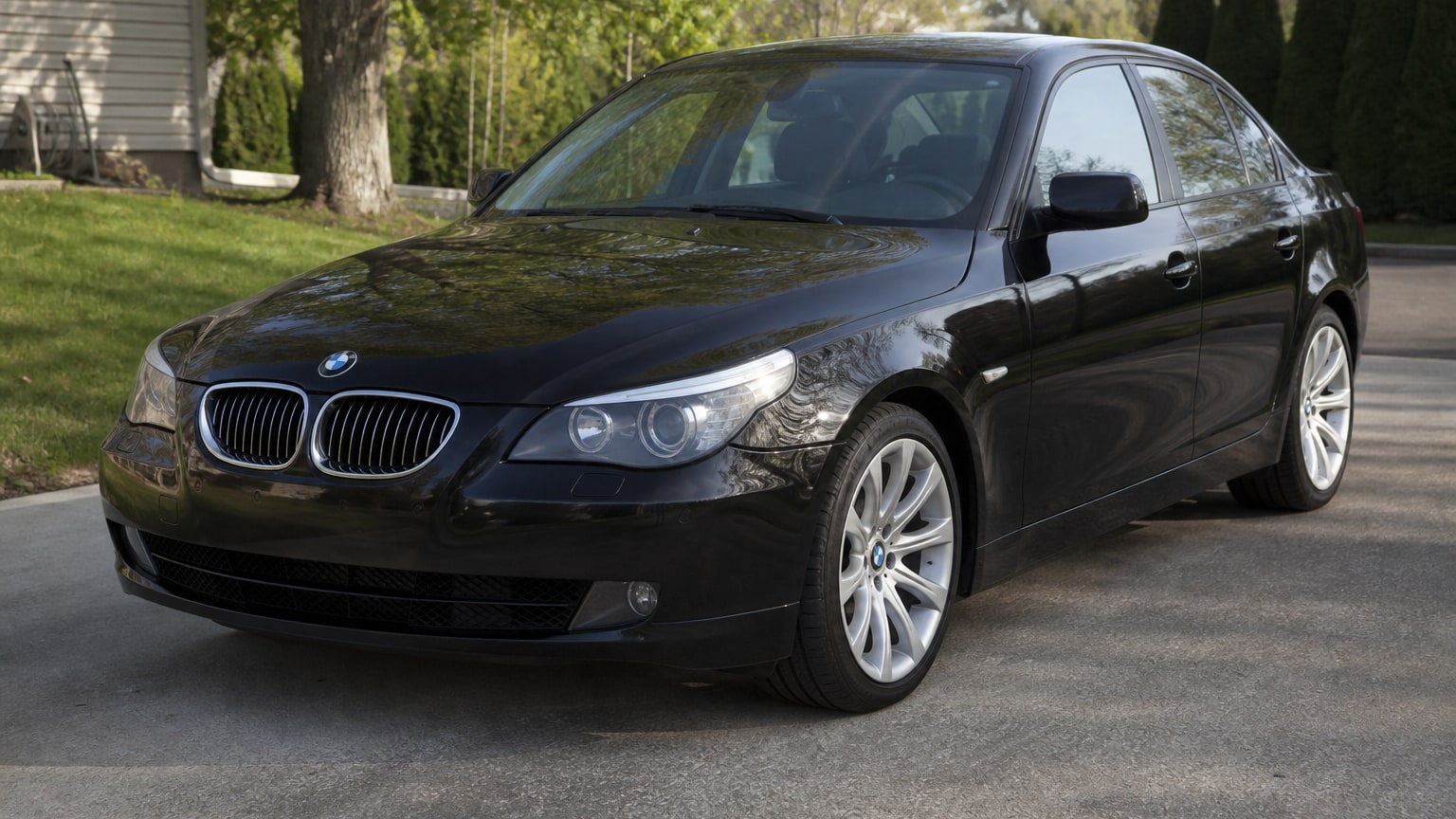
E60-generation BMW 5 Series (2004-2010)
The E60 and F10 series, built from 2004 to 2010 and from 2011 to 2016, generate the most complaints from owners, with the issues largely centered around engine and electrical problems. Within the E60 generation, 2004 carries the launch-year N62 V8 cooling issues and MPM problems; 2006 has high NHTSA complaint volume with similar electrical faults; and 2008 is the statistical worst by CarComplaints cost ranking with 422 NHTSA complaints.
Depending on model year, the E60 generation has between five and twelve recalls, with the most serious covering the PCV heater short-circuiting issue affecting over one million vehicles across two NHTSA campaigns. If you're set on an E60, stick to 2009-2010 with the N52 naturally aspirated engine, and budget for cooling system preventive work.
F10-generation BMW 5 Series (2011-2016)
The 2012 and 2013 528i with the N20 engine are the two years to avoid within this generation, largely due to timing chain failures that can cost up to $5,000 to repair out of warranty.
The tail end of the F10's production was one of the best periods for reliability, so the 2015-2016 cars with the updated N20 parts from the factory are solid choices if you want an F10.
G30-generation BMW 5 Series (2017-2023)
The 2018 BMW 5 Series has 17 recalls and 212 owner complaints on file, with severity signals including 15 crash-related and 4 fire-related complaints, making it the weakest G30 year by a significant margin. The 2019 model corrected several first-year issues: in 2019, BMW eliminated the diesel model and dropped the Apple CarPlay subscription fee that had drawn heavy criticism.
What are the best BMW 5 Series years to buy?
The best BMW 5 Series years to buy are 2015, 2016, 2019, 2020, 2021, and 2022. Among newer models, the 2019 to 2023 G30 series models are the most reliable, while the new-for-2024 G60 generation still has very little reliability data.
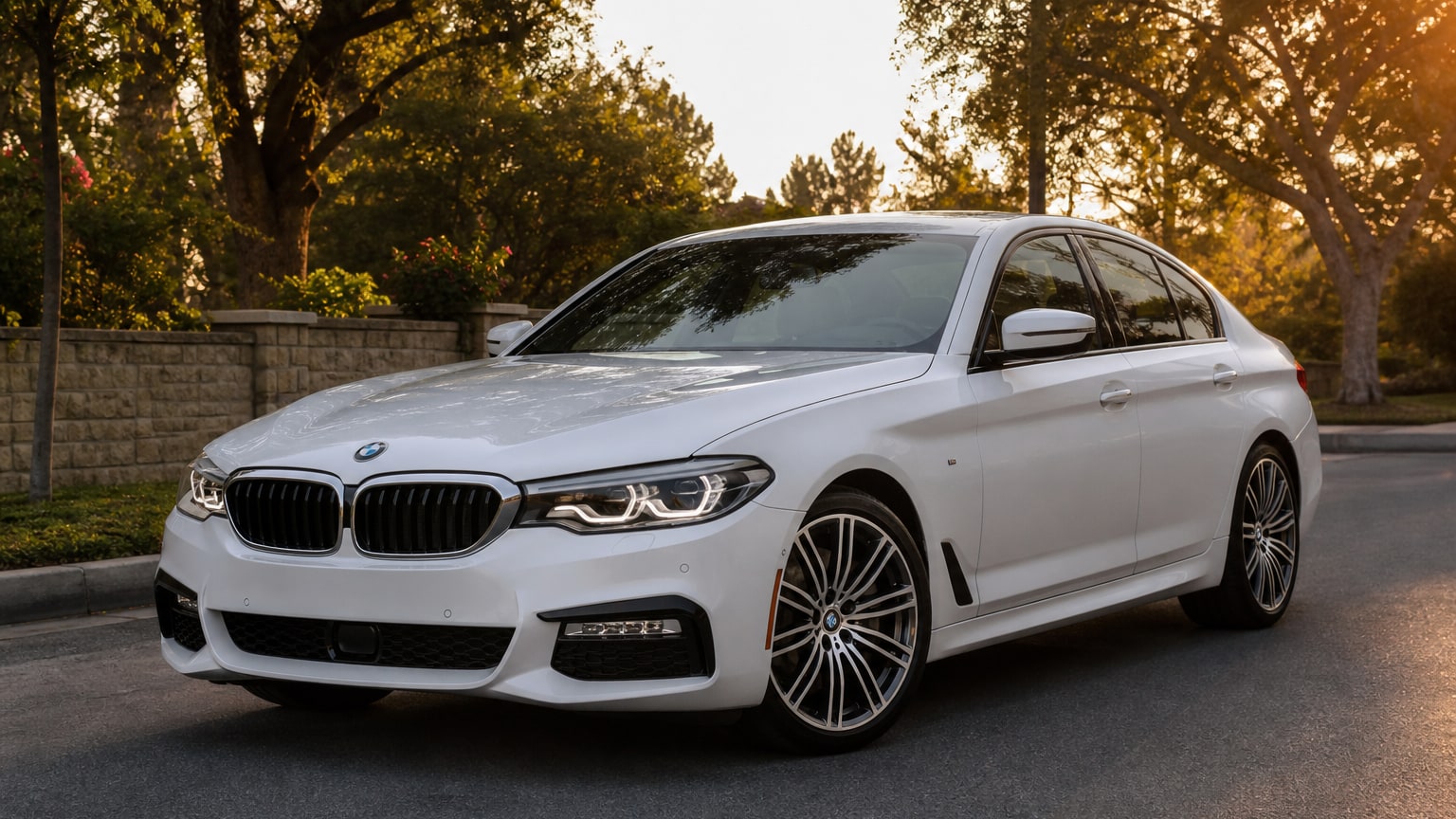
| Best BMW 5 Series Year | Why It's a Strong Buy |
|---|---|
| 2015 | Late F10 with updated N20 timing chain parts from factory; low complaint count |
| 2016 | Final F10 model year; lowest F10 complaint rate |
| 2019 | Post-CarPlay fee fix; no diesel; strong G30 reliability; cleaner NHTSA record than 2017-2018 |
| 2020 | Only 10 NHTSA complaints; 7 recalls; reliability score of 67/100 |
| 2021 | Facelift year with larger screen, mild hybrid 540i; strong owner ratings |
| 2022 | Among the lowest complaint counts in G30 history |
Most reliable BMW 5 Series years: 2015, 2016, 2019, 2020, 2021, 2022
2020 BMW 5 Series
The 2020 BMW 5 Series has good reliability, with only 7 recalls and 10 NHTSA owner complaints on file; severity signals include just 3 crash-related complaints, and the most commonly reported problem areas are exterior lighting, steering, and engine - each with a single complaint. That makes the 2020 one of the cleanest years in the entire G30 run by NHTSA volume.
2021 BMW 5 Series
The 2021 model year was the first year of the G30 facelift, featuring new headlights, taillights, and a revised front grille, plus a larger 12.3-inch touchscreen and a 48V mild hybrid system on the mid-level 540i. Newer model years only updated some options, but they are essentially the same vehicle as the 2021 model, and the seventh-generation 5 Series has a good reputation for reliability.
2015 BMW 5 Series
The N20 timing chain issue primarily affects BMW models produced between 2012 and early 2015; later-production N20 engines and the successor B48 engine received updated parts from the factory. A 2015 528i built after the parts changeover is notably safer than a 2012 or 2013 of the same model. Combined with the low overall complaint rate at the tail end of the F10's run, the 2015 is one of the better values in the used 5 Series market.
BMW 5 Series pre-purchase checklist
Before handing over a deposit on any used BMW 5 Series, run through these model-specific checks:
- VIN recall lookup: Run the VIN through NHTSA's recall checker to confirm every open campaign - especially the auxiliary water pump recall (NHTSA 18V-248 on 2008-2012 models) - has been completed.
- N20 timing chain history (2012-2015 cars): Ask for documentation of timing chain work or a dealer inspection confirming no rattle at startup. TSB SIB 11 03 17 extended warranty coverage to 7 years/70,000 miles - verify whether that window has expired for the specific VIN.
- Cooling system inspection (E60, 2004-2010): Check coolant level, hose condition, and the expansion tank for cracks. On 2008 and earlier cars, a coolant pooling under a parked car is a red flag worth a pre-purchase inspection.
- Water pump and thermostat records: On any E60 or early F10 with over 80,000 miles, ask for receipts showing the electric water pump has been replaced. Factory-spec pumps routinely fail between 60,000 and 100,000 miles.
- Fuel pump check (N54, 2008-2011 535i): Test the HPFP by doing a cold start - hesitation, rough idle, or loss of power under throttle suggests a failing pump.
- MPM / trunk drainage (2004-2006 cars): Open the trunk and check for water stains or a musty smell; a blocked drain floods the Micro Power Module and triggers widespread electrical faults.
- Service records: Request a full maintenance history. The BMW 5 Series rewards consistent oil changes and cooling-system maintenance; a car with gaps in records on an E60 is a liability.
- Pre-purchase inspection: Have an independent BMW specialist inspect any E60 or early F10 before buying - a $150 inspection can uncover thousands in pending work.
Better alternatives to consider
If the BMW 5 Series years in your budget land on the avoid list, consider these alternatives instead:
- Mercedes-Benz E-Class - a direct cross-shop in the same luxury-sedan segment, with its own distinct reliability pattern by year worth researching before committing
- BMW 7 Series - the step-up sibling with a similar platform and engine family, useful if budget allows and you want more interior space
- BMW 8 Series - the grand-touring coupe/convertible sibling if you want more style and performance than a 5 Series sedan
- BMW 335i - a smaller, sportier sibling on a shared platform; worth knowing which years to avoid before buying
- Audi A6 - a close competitor in price and class, with a different reliability profile that can be stronger in certain model years, particularly the post-2016 generation
Is the BMW 5 Series worth buying?
Yes - as long as you avoid 2004, 2006, 2008, 2012, 2013, and 2018. The BMW 5 Series has an average reliability score of 66 out of 100 across all model years in the database, rated "good," and is an overall reliable vehicle, though some model years perform better than others. The 2019-2022 G30 cars represent the best of the modern lineup, with low NHTSA complaint counts and a generation-wide track record that improves year over year. Our editorial guidelines require that every verdict be grounded in NHTSA data, owner complaint records, and third-party reliability sources rather than manufacturer claims.
Among newer models, the 2019 to 2023 G30 series models are the most reliable. Pick one in that window with a verified service history, run the VIN through NHTSA's recall database, and confirm any open recall is closed - that combination gives you one of the better used luxury sedans in the segment.