

The Toyota RAV4 is one of the best-selling compact SUVs in the U.S., but certain model years carry far more owner complaints, recalls, and repair bills than others. This guide ranks every RAV4 year currently on the used and new market through the 2026 model year, using NHTSA complaints and recalls, CarComplaints category data, and our years to avoid methodology so you can shop with clear best/worst verdicts.
Related: Honda CR-V years to avoid, Subaru Forester years to avoid.
At a glance
- Worst years
- 1996
- 2002
- 2006
- 2007
- 2008
- 2013
- 2019
- Best years
- 2009
- 2010
- 2016
- 2018
- 2021
- 2022
- Top failure
- 2019 transmission hesitation/lurching and electric power-steering loss (highest NHTSA complaint volume of any recent RAV4 year)
- Always do before buying
- Run the VIN through NHTSA's recall checker; on 2019–2020 cars, confirm fuel-pump, suspension-arm, and steering-gear recalls are closed
Recalls by year
How we rated the best and worst Toyota RAV4 years
We weight NHTSA complaint volume and recall severity first, then CarComplaints problem categories (which separate transmission, engine, and electrical themes), and finally owner-survey direction from Consumer Reports where a model year is covered. CarComplaints PainRank and raw NHTSA counts measure different things; when both flag the same year, as they do for the 2019 RAV4, we treat that year as a clear avoid.
The fifth-generation RAV4 (2019–2024) launched with a spike in complaints that eased after 2021. Toyota introduced a redesigned sixth-generation RAV4 for the 2025 model year; 2025 and 2026 are on sale now but do not yet have enough long-term ownership data for a strong reliability verdict.
| Toyota RAV4 generation | Best Toyota RAV4 years | Worst Toyota RAV4 years |
|---|---|---|
| 1st generation (1996–2000) | 1998 | 1996 |
| 2nd generation (2001–2005) | 2004 | 2002 |
| 3rd generation (2006–2012) | 2009, 2010 | 2006, 2007, 2008 |
| 4th generation (2013–2018) | 2016, 2017, 2018 | 2013 |
| 5th generation (2019–2024) | 2021, 2022, 2023 | 2019, 2020 |
| 6th generation (2025–2026) | Too new to judge | Too new to judge |
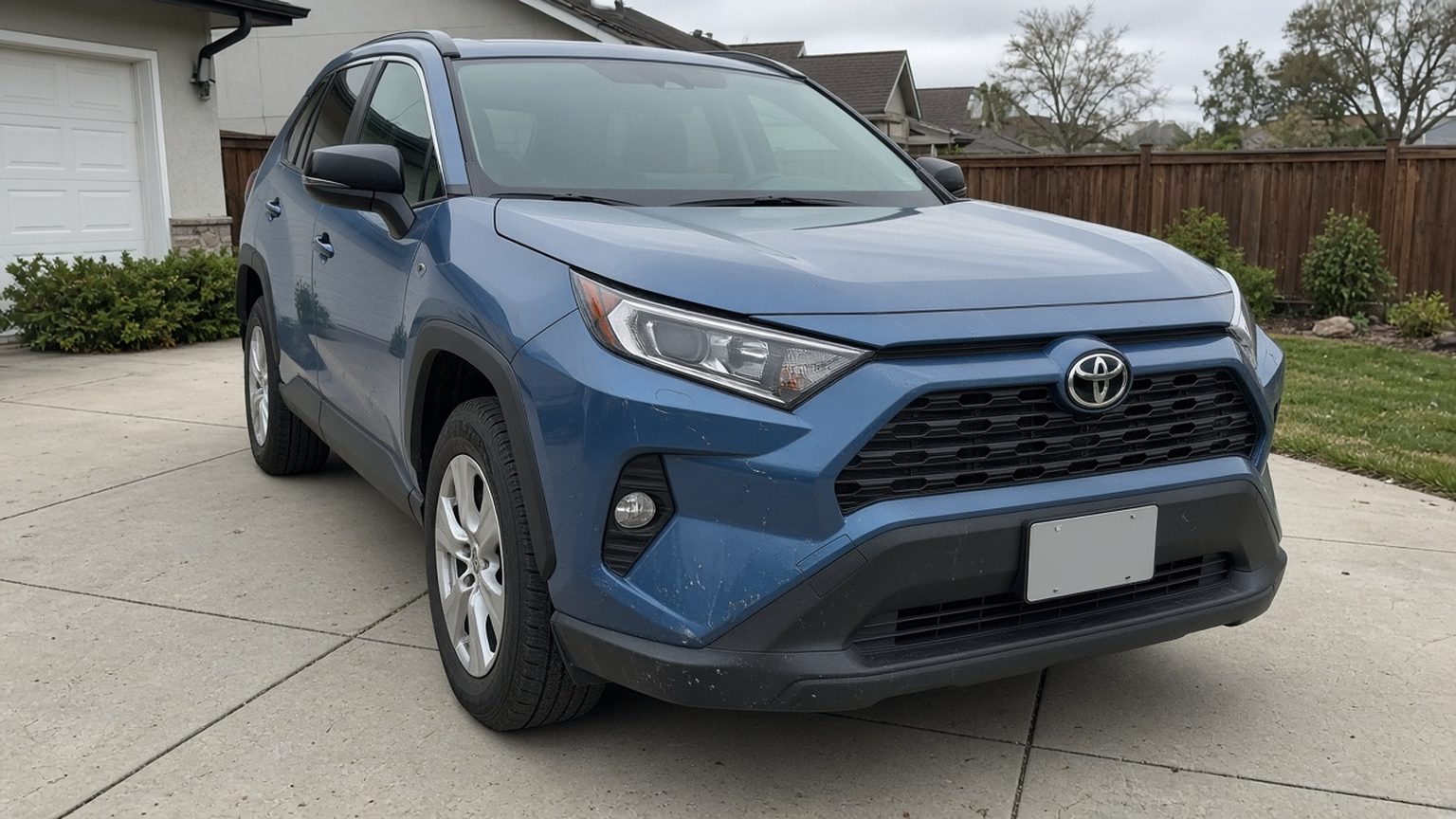
Every Toyota RAV4 model year ranked
The table below covers every model year from the current on-sale range (2025–2026) back through the fifth-generation launch. Older generations are summarized in the avoid/best sections below; their complaint counts come from long-running owner databases such as CarComplaints rather than same-day NHTSA totals.
| Model year | Generation | Verdict | Notes (NHTSA unless noted) |
|---|---|---|---|
| 2019 | 5th | Avoid | 883 complaints, 7 recalls; CarComplaints lists 61 transmission complaints — highest category count for this year |
| 2020 | 5th | Caution | 636 complaints, 6 recalls (fuel pump 20V-682, engine porosity 20V-064, EPS 20V-373, lower arms 20V-286) |
| 2021 | 5th | Best | 389 complaints, 1 recall (OCS airbag sensor 23V-865); complaint volume down sharply vs. 2019–2020 |
| 2022 | 5th | Best | 149 complaints, 1 recall; lowest complaint count of the fifth generation so far |
| 2023 | 5th | OK | 163 complaints, 3 recalls (includes 25V-595 instrument panel, 25V-744 rear camera) |
| 2024 | 5th | OK | 176 complaints, 3 recalls (same 25V-595 / 25V-744 campaigns as 2023) |
| 2025 | 6th | Too new to judge | 90 complaints, 3 recalls (25V-595, 25V-744, 26V-256 front seat bracket welds); redesigned model on sale |
| 2026 | 6th | Too new to judge | 0 complaints and 0 recalls filed under model year 2026 as of October 2026 — not enough data to rate |
Most common Toyota RAV4 problems
These are the problem themes that show up most often across RAV4 generations in NHTSA complaints and CarComplaints owner reports. Severity varies by model year; the fifth-generation launch years (2019–2020) concentrate several of them at once.
1. Transmission hesitation and lurching (2019–2020)
CarComplaints lists transmission hesitation and lurching at low speeds as the most-reported single defect on the 2019 RAV4, with 61 complaints in that category alone. Owners describe surging, lag, and occasional harsh shifts with the 8-speed automatic on early fifth-generation gas models. NHTSA logged 883 total complaints for the 2019 model year — the highest count of any recent RAV4 year in the federal database. Buyer takeaway: treat 2019 (and to a lesser extent 2020) as launch-year powertrain risk; a clean Carfax alone does not replace a thorough test drive in stop-and-go traffic.
2. Electric power steering assist loss (2019–2020)
Toyota recalled certain 2019–2020 RAV4 and RAV4 Hybrid vehicles because water may enter the steering gear box and cause a loss of electric power steering assist (NHTSA 20V-373, Toyota 20TB11/20TA11). A sudden increase in steering effort at parking speeds is the practical symptom. Dealers replace the power steering gear box at no charge. Confirm this recall is closed before you buy any 2019–2020 RAV4.
3. Front lower suspension arm cracks (2019–2020)
NHTSA campaign 20V-286 covers 2019–2020 RAV4 and RAV4 Hybrid models whose front lower suspension arms may crack and separate from the wheel assembly. That is a direct stability concern, not a wear item. Toyota replaces both front lower arms under the recall. Check recall status and inspect for uneven tire wear or clunks over bumps on any candidate vehicle.
4. Low-pressure fuel pump failure (2019–2020)
Campaign 20V-682 (Toyota 20TA02) recalls certain 2019–2020 RAV4 vehicles because the in-tank low-pressure fuel pump may fail and stall the engine while driving. The same campaign covers many other Toyota models from this era. Stalling in traffic is the real-world risk. Verify the fuel pump recall is complete; hesitation on acceleration after a cold start can be a warning sign on cars that missed the fix.
5. Engine casting porosity / coolant leak (2019–2020 2.5L)
Recall 20V-064 (Toyota 20TA04) addresses porosity in 2.5-liter engine castings on certain 2019–2020 RAV4 and RAV4 Hybrid models that can allow coolant leaks, overheating, stalling, or—in severe cases—engine oil leaks with fire risk. Toyota inspects and may replace the entire engine under the recall. Any fifth-generation RAV4 you consider should show documented completion of this campaign if the VIN is affected.
6. Occupant classification airbag sensor (2020–2021)
NHTSA recall 23V-865 (Toyota 23TB15/23TA15) covers certain 2020–2021 RAV4 and RAV4 Hybrid models where a short circuit in the front passenger Occupant Classification System sensor can prevent the passenger air bag from deploying. Toyota is replacing sensors in phases through January 2026. Run the VIN and ask for dealer paperwork on any 2020–2021 car.
7. Instrument panel and rear-camera software (2023–2026)
Later fifth-generation and new sixth-generation RAV4s share newer software-related campaigns. 25V-595 (Toyota 25TB08/25TA08) can leave the instrument panel without speed or warning indicators at startup on certain 2023–2025 RAV4 models. 25V-744 (Toyota 25TB13) addresses Panoramic View Monitor rear-camera freeze or blank screen on 2022–2026 Toyota models including the RAV4. These are not mechanical failures, but they are federal safety recalls — confirm they are closed and test reverse camera and gauge behavior on your test drive.
8. Legacy issues on older RAV4s (1996–2013)
On much older RAV4s, owner databases still flag cylinder head gasket failures (1st/2nd gen), excessive oil consumption and airbag non-deployment (2006–2008), and unintended-acceleration reports tied to the 2013 model year (Consumer Reports owner satisfaction remains weak for that year). The 2002 model year remains the CarComplaints standout for total reports in the second generation (2002 RAV4 complaints). These years are less common on the used market now but still worth avoiding if price is the only attraction.
Checking a used Toyota?
Scan for hidden fault codes from your phone in minutes — before you buy.
REREV may earn a commission if you sign up through this link. Learn more.
Which Toyota RAV4 years should you avoid
Clear avoid list: 1996, 2002, 2006, 2007, 2008, 2013, and 2019. Add 2020 as a caution year unless every fifth-generation launch recall on the VIN is documented complete.
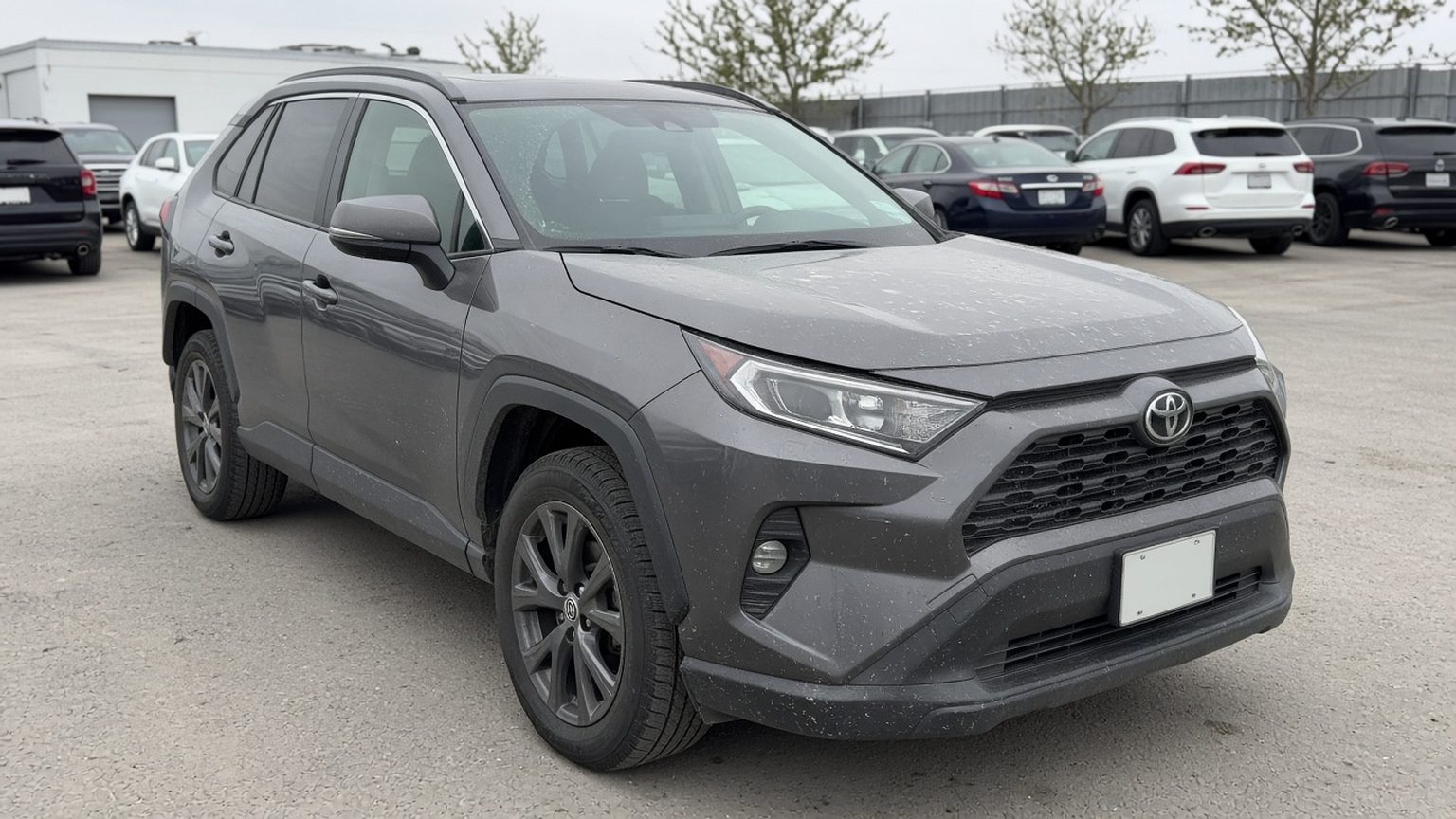
Fifth-generation launch years (2019–2020)
The 2019 RAV4 is the worst recent year by a wide margin: 883 NHTSA complaints and seven recalls, including fuel pump, engine porosity, electric power steering, lower control arms, backup camera compliance, and load-label issues (NHTSA 2019 RAV4 recalls). CarComplaints groups 61 transmission complaints on the 2019 alone — more than any other category that year. The 2020 model shares several of the same campaigns and still logged 636 NHTSA complaints and six recalls. If your budget forces you into a 2019–2020 RAV4, price in recall completion and a independent pre-purchase inspection focused on steering, suspension, and driveline behavior.
Third-generation oil consumption and airbags (2006–2008)
Owner reports on CarComplaints and NHTSA still make 2006–2008 RAV4s risky buys: excessive oil consumption, engine and steering complaints, and — on 2008 — airbag non-deployment reports with very high severity scores in owner databases. Consumer Reports reliability scores for these years remain below the class leaders.
Fourth-generation 2013
The 2013 RAV4 shows strong reliability scores in some surveys but weak owner satisfaction and reports of unintended acceleration and ventilation odors (2013 owner satisfaction). It remains on our avoid list for used shoppers who want fewer surprises.
What are the best Toyota RAV4 years to buy
Top recent picks: 2021 and 2022 fifth-generation RAV4s. NHTSA logged 389 complaints on 2021 and 149 on 2022, each with a single major recall campaign on file (23V-865 OCS sensor) compared with the seven campaigns that hit 2019. 2023 is a reasonable buy if recalls 25V-595 and 25V-744 are closed — complaint volume (163) is still moderate.
Proven older picks: 2009, 2010, 2016, and 2018 remain the standouts from earlier generations, with relatively low CarComplaints totals (2009, 2018) and strong owner satisfaction on 2018 (Consumer Reports).
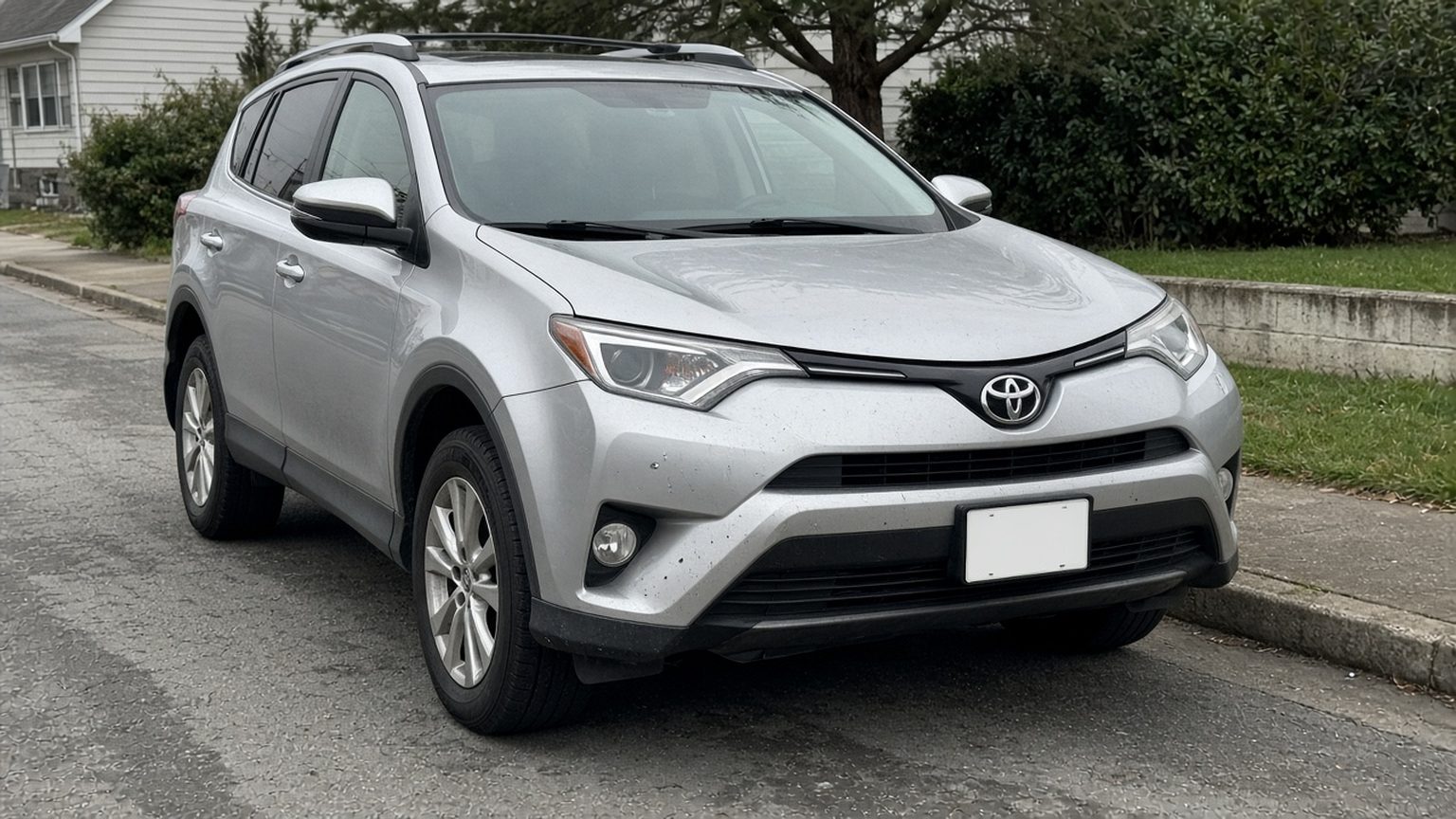
2021–2022 Toyota RAV4
These two years mark the point where fifth-generation complaint volume drops sharply in NHTSA data while the RAV4 kept the same basic platform and powertrains. Neither year is recall-free — budget time for a VIN check — but they avoid the stacked launch-recall load that defines 2019–2020.
2016 and 2018 Toyota RAV4
The 2016 RAV4 earned a 4/5 reliability score from Consumer Reports with low repair-cost reports in owner databases (2016 overview). The 2018 model had only 27 complaints on CarComplaints at the time of our last deep review and strong owner satisfaction. Both are strong fourth-generation choices if you want a lower purchase price than a late fifth-generation car.
2025–2026 sixth-generation RAV4
Toyota sells a redesigned RAV4 starting with the 2025 model year. NHTSA shows 90 complaints and three recalls for 2025 (including 26V-256 front seat bracket welds), and no complaint or recall filings yet for model year 2026 as of October 2026. That is normal for brand-new model years, not evidence of perfect reliability. Treat 2025 as too new to judge for long-term dependability; treat 2026 as too new to judge entirely until more ownership and recall data accumulates.
Toyota RAV4 pre-purchase checklist
Before you buy any used Toyota RAV4:
- Run the VIN through NHTSA's recall lookup and save the printout.
- On 2019–2020 cars, confirm completion of recalls 20V-682 (fuel pump), 20V-064 (engine porosity), 20V-373 (steering gear), and 20V-286 (lower control arms).
- On 2020–2021 cars, confirm 23V-865 (passenger OCS airbag sensor) is closed or scheduled.
- On 2023–2025 cars, confirm 25V-595 (instrument panel software) and 25V-744 (rear camera / PVM software).
- Test drive in slow traffic and listen for transmission shudder, EPS warning lights, or steering heaviness.
- On sixth-generation 2025 models, ask whether 26V-256 (front seat bracket weld inspection) has been performed if the VIN is included.
Better alternatives to consider
If the RAV4 years in your budget land on the avoid list, cross-shop these compact SUVs with their own year-by-year guides:
- Honda CR-V — similar size and resale strength; different weak years (2017–2018 oil dilution era)
- Subaru Forester — standard all-wheel drive; watch 2014–2015 and 2019–2020 in our Forester guide
- Mazda CX-5 — sharper driving feel with a clearer mid-generation reliability window
- Hyundai Tucson — often cheaper on the used market; verify model year against our Tucson avoid list
Is the Toyota RAV4 worth buying?
Yes — if you match the model year to the risk you can tolerate. The RAV4 still leads its class for resale and everyday usability, and years like 2021, 2022, 2016, and 2018 combine strong owner data with manageable recall loads. Avoid treating the nameplate as uniformly bulletproof: 2019 is a statistically obvious outlier in NHTSA complaint volume, and 2025–2026 sixth-generation trucks are simply too new to judge for multi-year reliability.
Need another compact SUV angle? Compare Ford Escape years to avoid and Nissan Rogue years to avoid before you commit.