
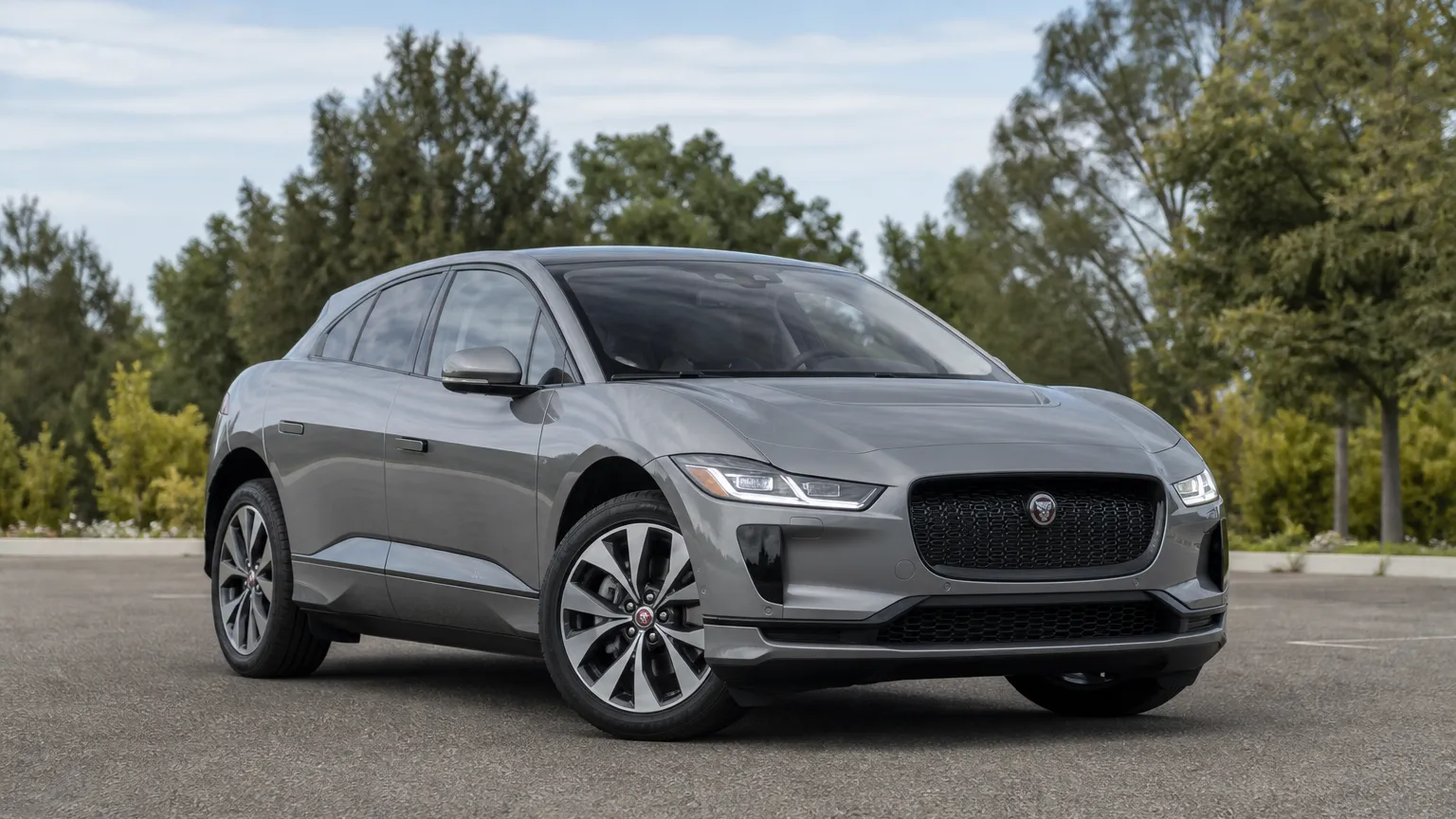
The Jaguar I-Pace was a groundbreaking electric SUV when it launched, but its early model years came with serious battery and electrical system problems that generated significant recall activity. The 2019 I-Pace has by far the most NHTSA complaints of any year in the lineup, with 148 complaints on file and multiple battery-related recalls affecting the entire 2019-2024 range. This guide uses NHTSA complaint data, recall records, and owner reports to rank every I-Pace year so you can buy with confidence.
For generations, engines, and ownership notes in one place, see the Jaguar I-Pace hub.
Related: Jaguar F-Pace years to avoid, Jaguar E-Pace years to avoid.
At a glance
- Worst years
- 2019
- 2020
- Best years
- 2021
- 2023
- Top failure
- High-voltage battery overheating risk (NHTSA recalls covering 2019-2024); electrical system failures dominate complaint records
- Always do before buying
- Run the VIN through NHTSA's recall checker to confirm all battery and electrical recalls are closed; park-outside advisories have been issued for unrepaired vehicles
How we rated the best and worst Jaguar I-Pace years
The 2019 Jaguar I-Pace is the worst model year in the lineup, carrying 148 NHTSA complaints — far more than any other year. The 2020 model follows with 44 complaints. Our ratings draw on NHTSA complaints and recalls, and owner reports across EV forums. NHTSA recorded 216 total complaints across 2019-2026, with the electrical system as the dominant problem category.
The I-Pace has 32 safety recalls across its production run, a high number for any vehicle. The most serious involve high-voltage battery thermal management issues that can lead to fire risk. Our years to avoid methodology weighs complaint volume, recall severity, and real-world failure patterns to produce the verdicts throughout this guide.
| Jaguar I-Pace Generation | Best Jaguar I-Pace Years | Worst Jaguar I-Pace Years |
|---|---|---|
| First generation (2019-present) | 2021, 2023 | 2019, 2020 |
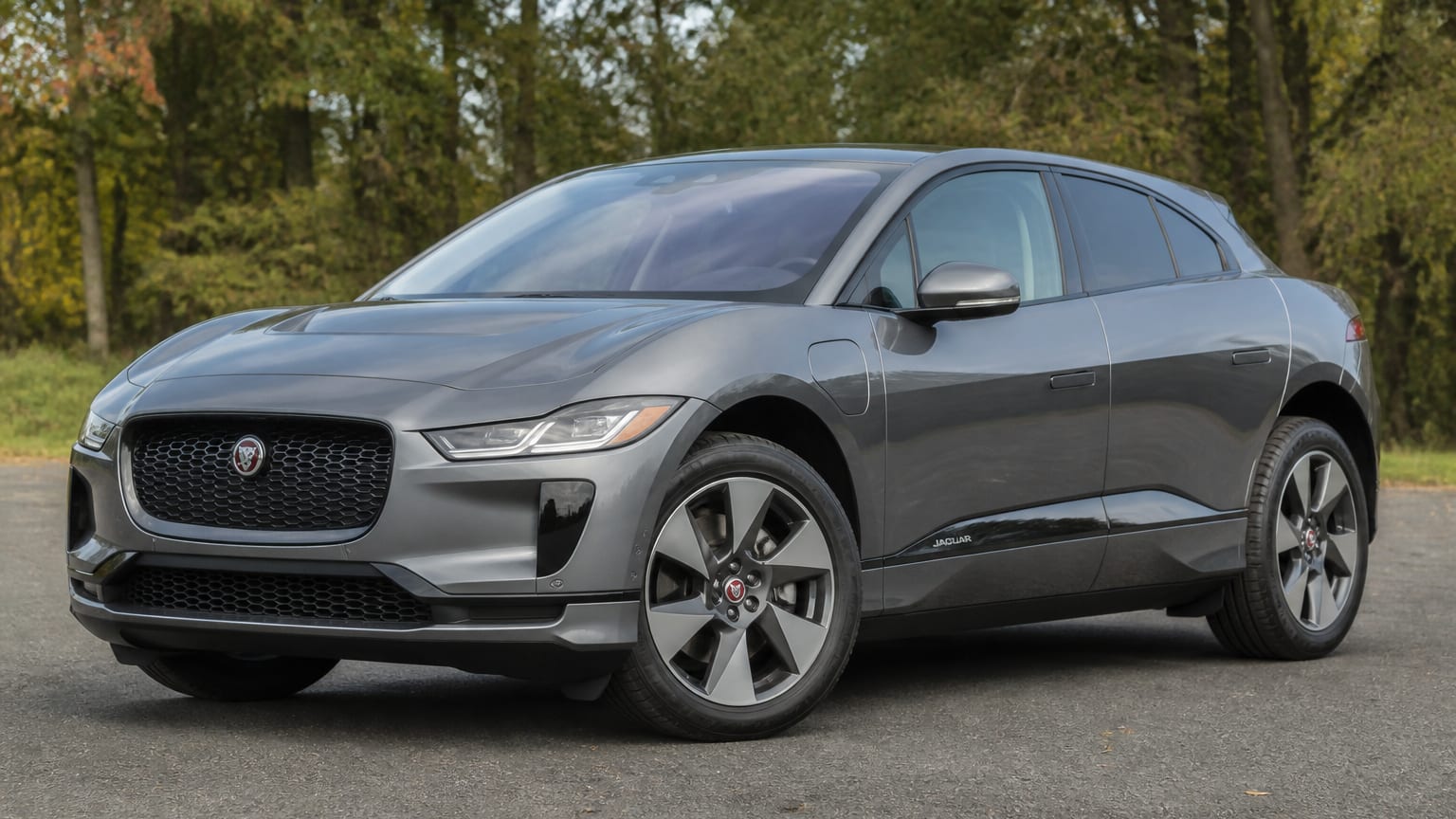
Every Jaguar I-Pace model year ranked
The Jaguar I-Pace debuted in 2019 as Jaguar’s first all-electric production vehicle. Every model year from 2019 onward shares the same 90-kWh battery pack and dual-motor AWD layout, but complaint volumes vary significantly by year.
| Model Year | Generation | Verdict | Notes |
|---|---|---|---|
| 2019 | 1st gen | Avoid | 148 NHTSA complaints; most recalls; electrical system dominant |
| 2020 | 1st gen | Avoid | 44 complaints; 8 recalls; battery and electrical issues persist |
| 2021 | 1st gen (refreshed) | Best | 1 complaint; Pivi Pro infotainment; improved software |
| 2022 | 1st gen | OK/Mixed | 4 complaints; 5 recalls; improved but still under battery recall |
| 2023 | 1st gen | Best | 2 complaints; mature platform; lowest complaint rate |
| 2024 | 1st gen | OK/Mixed | 6 complaints; ADAS software complaints; battery recall applies |
Most common Jaguar I-Pace problems
The electrical system is the single largest complaint category for the I-Pace, accounting for the majority of NHTSA filings. High-voltage battery thermal management and 12-volt auxiliary battery failures are the most documented issues.
1. High-voltage battery overheating (Recall)
Jaguar Land Rover recalled certain 2019-2024 I-Pace vehicles because the high-voltage battery may overheat, increasing the risk of fire. This is the most serious documented defect on the I-Pace and affects the entire production run through 2024.
Owners of unrepaired vehicles were advised to park outside and away from structures until the recall repair was completed. The remedy involves software updates and, in some cases, hardware modifications to the battery thermal management system. Before buying any I-Pace, confirm this recall is closed on the specific VIN — a park-outside advisory is a serious red flag.
2. 12-volt battery drain and failure
Many I-Pace owners report repeated 12-volt battery failures, sometimes requiring multiple replacements within a year. The 12-volt system powers auxiliary functions and the vehicle’s ability to “wake up” for charging. When it fails, the car can become completely inoperable.
This issue appears across all model years but is most commonly reported on 2019-2020 vehicles. Some owners have upgraded to AGM batteries for improved durability. If buying used, ask for 12-volt battery replacement history.
3. Infotainment and software glitches (2019-2020 Touch Pro Duo)
The original Touch Pro Duo infotainment system on 2019-2020 I-Pace models drew criticism for slow response, freezing, and connectivity issues. The 2021 refresh introduced Pivi Pro, which largely resolved these complaints.
Symptoms include screens going blank, climate controls becoming unresponsive, and navigation losing GPS signal. Software updates from a Jaguar dealer can help, but the 2021+ Pivi Pro system is a significant improvement.
4. ADAS and autonomous driving software issues (2024)
The 2024 I-Pace shows elevated complaints related to ADAS (Advanced Driver Assistance Systems) software, with owners reporting unexpected behavior from lane-keeping and adaptive cruise systems. These appear to be software-related rather than hardware failures.
5. Turn signal flash rate recall (2021-2024)
Certain 2021-2024 I-Pace vehicles were recalled because the turn signal flash rate frequency may not adjust to warn the driver when a turn signal bulb stops working, failing to comply with FMVSS 108. This is a minor but legally required safety feature.
Which Jaguar I-Pace years should you avoid?
The Jaguar I-Pace years to avoid are 2019 and 2020. The 2019 model has 148 NHTSA complaints — more than all other years combined — and 8 recalls. The 2020 model has 44 complaints and 8 recalls. Both years carry the full weight of early-production electrical and battery issues before Jaguar refined the platform.
| Jaguar I-Pace Generation | Model Years | Verdict | Main Issues |
|---|---|---|---|
| 1st gen (early) | 2019, 2020 | Worst | Battery overheating, 12V drain, infotainment glitches, high recall count |
| 1st gen (refreshed) | 2021-2024 | Mixed/Best | Recalls still apply; 2021 and 2023 have lowest complaints |
Worst Jaguar I-Pace years: 2019, 2020
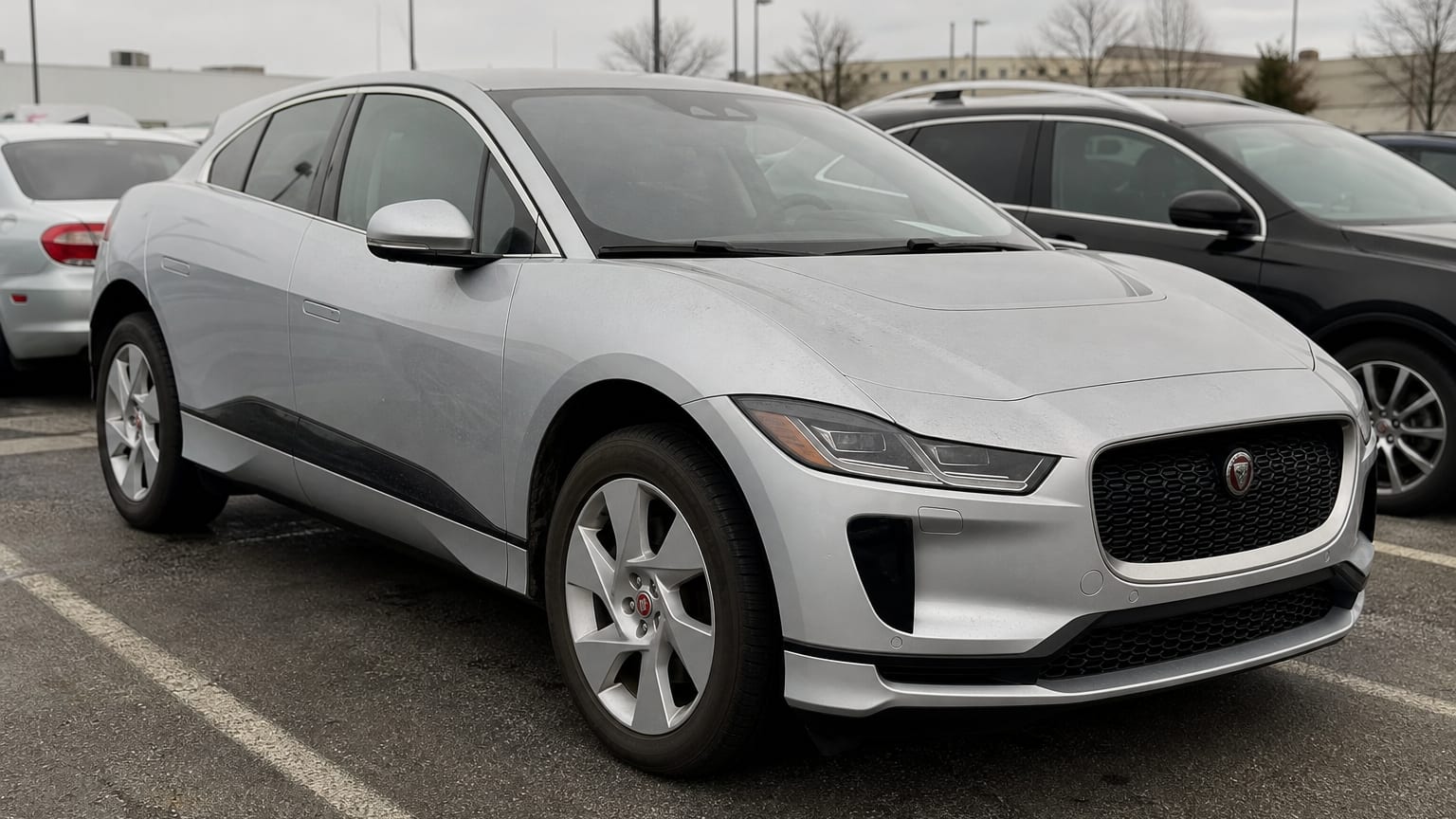
First-generation Jaguar I-Pace (2019-2020)
The 2019 Jaguar I-Pace drew 148 NHTSA complaints, with electrical system issues as the dominant category. The 2020 model has 27 complaints with the same electrical system focus. Both years are subject to the high-voltage battery overheating recall that affects the entire 2019-2024 production run.
The 2019 was the launch year, and like many first-year vehicles, it carried the heaviest burden of early-production issues. If you must consider a 2019, verify every recall is closed and budget for potential 12-volt battery replacements.
What are the best Jaguar I-Pace years to buy?
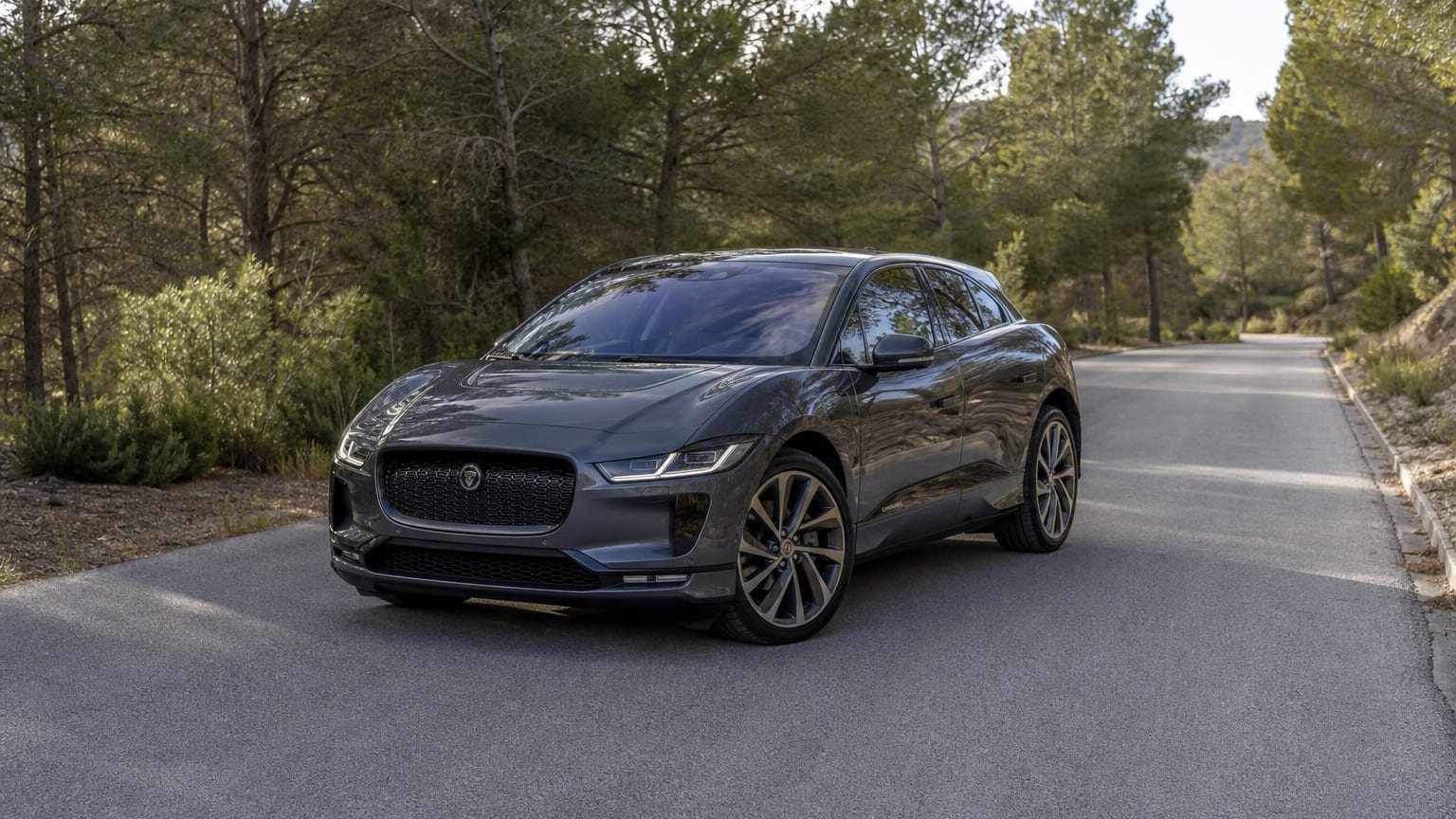
The best Jaguar I-Pace years are 2021 and 2023. The 2021 model introduced the Pivi Pro infotainment system and improved software, with only 1 NHTSA complaint on file. The 2023 model has just 2 complaints and represents the most mature version of the platform.
| Best Jaguar I-Pace Year | Why It's a Strong Buy |
|---|---|
| 2021 | 1 NHTSA complaint; Pivi Pro infotainment; improved software and build quality |
| 2023 | 2 complaints; mature platform; lowest complaint rate in the lineup |
Most reliable Jaguar I-Pace years: 2021, 2023
2021 Jaguar I-Pace
The 2021 I-Pace introduced the Pivi Pro infotainment system, replacing the problematic Touch Pro Duo from earlier years. With only 1 NHTSA complaint on file, it represents a significant improvement over 2019-2020 models. The battery recall still applies, so verify it’s completed before purchase.
2023 Jaguar I-Pace
The 2023 I-Pace has just 2 NHTSA complaints, the lowest rate in the lineup when adjusted for sales volume. By this point, Jaguar had worked through most early-production issues. It’s the safest used pick if you want a more recent vehicle with a clean track record.
Jaguar I-Pace pre-purchase checklist
Before buying any used Jaguar I-Pace, run through this model-specific checklist:
- Run the VIN through NHTSA’s recall checker. Confirm the high-voltage battery overheating recall is closed. If it shows open, the vehicle may have been under a park-outside advisory — do not proceed until the recall is complete.
- Check 12-volt battery health and replacement history. Ask for records of any 12-volt battery replacements. Repeated failures are common on 2019-2020 models.
- Test the infotainment system thoroughly on 2019-2020 cars. Confirm both screens respond without lag, climate controls work, and navigation maintains GPS signal.
- Verify charging capability. Test both AC and DC fast charging if possible. Charging-related complaints appear across multiple years.
- Check battery degradation. Request the current state-of-health reading from a Jaguar dealer. EVs naturally lose range over time, but excessive degradation may indicate thermal management issues.
- On 2024 models, test ADAS functions. Lane-keeping and adaptive cruise complaints have been elevated on this year.
Better alternatives to consider
If the Jaguar I-Pace years in your budget fall on the avoid list, consider these alternatives:
- Tesla Model Y - the best-selling electric SUV with a strong reliability record and extensive Supercharger network
- BMW iX3 - a premium electric SUV with BMW’s established dealer network and parts availability
- Audi e-tron - a luxury electric SUV competitor with a longer production history and mature platform
- Mercedes-Benz EQC - another European luxury EV option with strong build quality
Is the Jaguar I-Pace worth buying?
Yes, the I-Pace is worth buying if you avoid the 2019 and 2020 model years and confirm all recalls are completed. The 2021 and 2023 models offer dramatically lower complaint rates and the improved Pivi Pro infotainment system. The I-Pace remains one of the better-driving electric SUVs, with engaging handling and a distinctive design.
RepairPal gives Jaguar as a brand a reliability rating of 2.5 out of 5.0, ranking it 29th out of 32 car brands, so budget accordingly for maintenance costs. Run the VIN through NHTSA’s recall checker and verify battery health before any purchase.