
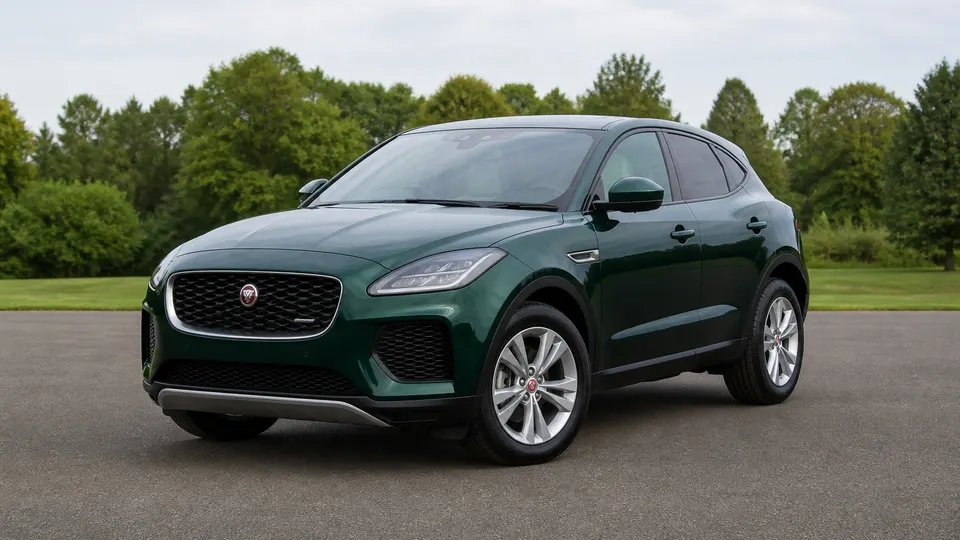
The Jaguar E-Pace is a stylish compact luxury SUV that, for most of its production run, delivers a premium driving experience at a competitive price. The 2018 Jaguar E-Pace has the most overall complaints, and CarComplaints also rates 2018 as the worst model year ranked on several factors such as repair cost and average mileage when problems occur. You'll want to target the post-refresh years and steer clear of the first two model years, and this guide gives you a data-backed ranking of every year so you can buy with confidence.
For generations, engines, and ownership notes in one place, see the Jaguar E-Pace hub.
Related: Jaguar XF years to avoid, BMW X3 years to avoid.
At a glance
- Worst years
- 2018
- 2019
- Best years
- 2020
- 2021
- 2022
- Top failure
- Engine power loss / limp mode on the 2018-2019 Ingenium turbocharged engine (CarComplaints, NHTSA)
- Always do before buying
- Run the VIN through NHTSA's recall checker to confirm all open recalls are closed, and on 2018-2019 cars, test-drive at highway speed to verify no sudden power loss or limp-mode activation
How we rated the best and worst Jaguar E-Pace years
The 2018 E-Pace is the single worst year in the lineup, carrying the most overall complaints and the most-reported problem of engine suddenly losing power, according to CarComplaints. The 2019 model year extends many of the same defects with elevated complaints and above-average recalls, making the first two model years the ones to avoid.
Data for this guide comes from CarComplaints, NHTSA complaints and recall data, RepairPal, Consumer Reports, Edmunds, and Kelley Blue Book owner reviews. CarComplaints ranks the worst year by repair cost and mileage-at-failure (its PainRank system), while NHTSA tracks raw complaint volume - these are different datasets and are attributed separately throughout this guide. NHTSA recorded 29 complaints across 2018-2024 for the E-Pace, and most model years show comparable, moderate complaint volumes with no specific year standing out as dramatically worse than its siblings. CarComplaints’ PainRank, which weights repair cost and how early problems appear, tells a different story: 2018 is clearly the outlier. Our years to avoid methodology combines these complaint-weighted and recall-severity signals to produce the verdicts you see throughout this guide.
| Jaguar E-Pace Generation | Best Jaguar E-Pace Years | Worst Jaguar E-Pace Years |
|---|---|---|
| First generation (2018-2020) | 2020 | 2018, 2019 |
| First gen. refreshed (2021 - present) | 2021, 2022 | None |
Every Jaguar E-Pace model year ranked
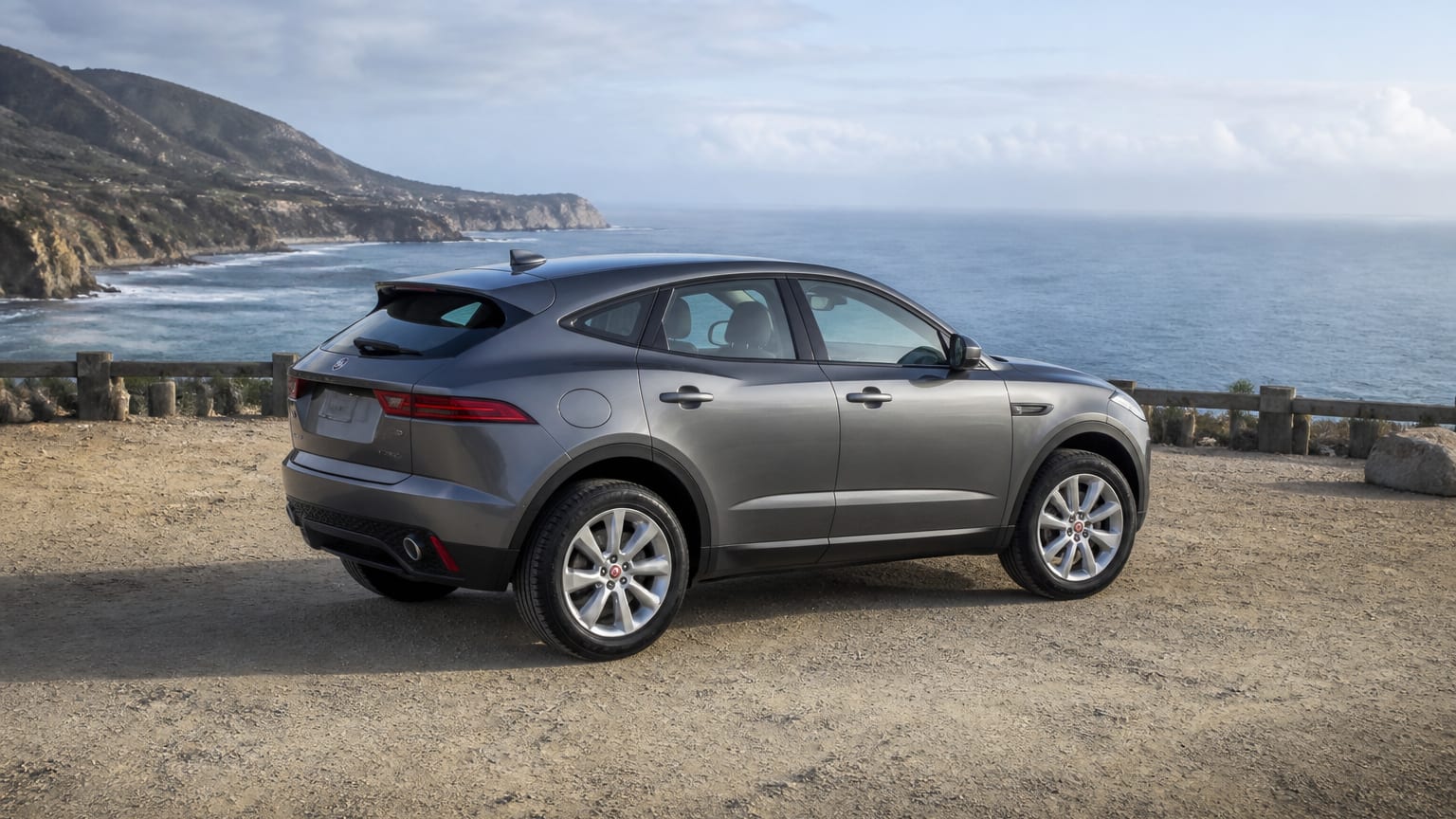
The Jaguar E-Pace debuted in 2018 as Jaguar’s first compact SUV, featuring a turbocharged four-cylinder engine, all-wheel drive, and a nine-speed automatic transmission. Every model year from 2018 onward is covered below; the 2021 mid-cycle refresh is the key dividing line between the more troublesome early cars and the improved later ones.
| Model Year | Generation | Verdict | Notes |
|---|---|---|---|
| 2018 | 1st gen (pre-refresh) | Avoid | Most complaints; engine power loss; brake hose recall |
| 2019 | 1st gen (pre-refresh) | Avoid | Elevated complaints; electrical and engine faults |
| 2020 | 1st gen (pre-refresh) | Best | Fewest pre-refresh complaints; improved build quality |
| 2021 | 1st gen (refreshed) | Best | Pivi Pro infotainment; exterior refresh; 4 NHTSA recalls but all safety-addressed |
| 2022 | 1st gen (refreshed) | Best | Consistent reliability; minor updates; low complaint count |
| 2023 | 1st gen (refreshed) | OK/Mixed | 3 NHTSA recalls; solid reliability but airbag recall to verify |
| 2024 | 1st gen (refreshed) | OK/Mixed | Minor updates; strong reliability; some open recall campaigns to check |
Most common Jaguar E-Pace problems
The single biggest documented failure on the E-Pace is engine power loss leading to limp mode, which is most concentrated in the 2018-2019 model years and is the top complaint category at both CarComplaints and NHTSA. Below are the four recurring failure categories found in research, ordered most serious first.
1. Engine power loss and limp mode (Ingenium turbo / VCT solenoid)
The most commonly reported Jaguar E-Pace problem documented by RepairPal is engine noise and lack of power due to a Variable Camshaft Timing (VCT) solenoid issue. The VCT solenoid controls oil flow to the camshaft actuators; when it sticks or fails, the engine management system cuts power as a protective measure and the car enters limp mode, limiting speed to around 20-30 mph.
The engine power loss and limp-home mode are well-known defects that Jaguar attempted to fix with a software patch, but the patch caused further issues with the start/stop function and synchronization between the engine and transmission. The most-reported problem on the 2018 E-Pace specifically is engine suddenly losing power. The 2018 and 2019 model years are the primary affected vehicles. Repair costs for a VCT solenoid replacement typically run $300 - $600 at a dealership; if the problem has progressed to turbocharger damage, costs climb considerably higher.
A whining noise when accelerating combined with a check-engine light is often the first sign of a VCT solenoid problem on the E-Pace. If you are inspecting a 2018 or 2019 car, ask the seller for any software update records from Jaguar and test the car at highway speeds before buying.
2. Turbocharger problems (diesel and petrol Ingenium engines)
The 2.0 diesel Ingenium engine shows significant weaknesses in the turbocharger system that typically manifest between 60,000-80,000 km, with common faults including power loss of up to 25% and characteristic whistling noises when accelerating. The reliability of the Ingenium diesel engine is affected by problems with the variable turbocharger geometry, where variable vanes become blocked by soot deposits.
With advanced damage, the engine can switch to emergency running, limiting power to around 1,200 rpm. This is the same limp-mode symptom described above but triggered by a different root cause - turbo vane fouling rather than VCT solenoid failure. Diesel models are the most prone to DPF, EGR, and turbo faults. Turbo replacement or rebuild typically costs $1,500 - $3,000 in the US market.
3. DPF / limp mode on 2.0 diesel models
The standard EU6 exhaust system used on 2.0 diesel XE models would not fit the E-Pace as the bulkhead got in the way, so Jaguar engineered a longer exhaust that runs around the bodywork obstruction. This causes heat losses in the system, meaning the DPF will struggle to regenerate properly, especially on short journeys, increasing the risk of a blocked DPF. This typically results in the car going into “Limp Mode” and the engine management light illuminating.
A vehicle running with a partially blocked DPF can cause excess fuel to be used in the injection process, effectively diluting the engine oil with diesel and reducing its ability to lubricate the engine. DPF blockages can often only be remedied with an expensive replacement filter. This problem can affect all 2.0 diesel models but seems most common on the D150 models. DPF replacement costs range from $1,200 upward. While diesel E-Pace models are less common in the US, buyers sourcing from imports or in markets where diesel was sold should inspect DPF status carefully.
4. Infotainment system glitches (2018-2020 Touch Pro)
The early E-Pace models (2018-2020) were known for their problematic infotainment systems, and buyers should pay close attention to the responsiveness, functionality, and software updates of the system during a test drive. The 2021 and later models, equipped with the Pivi Pro system, offer a much-improved experience.
Issues include the Engine Transmission Alert coming on and not turning off, the engine losing power during driving, loose bolts, issues with Apple CarPlay, and a small trunk. The 2018-2020 Touch Pro unit is prone to freezing, slow response, and losing CarPlay/Android Auto connectivity. Software updates from a Jaguar dealer can resolve some but not all of these problems. The 2021 refresh introduced the Pivi Pro system, which largely eliminates this complaint category.
5. Passenger airbag and brake system recalls (2021-2024)
JLR conducted a voluntary safety recall involving certain 2021-2023 Jaguar E-Pace vehicles in which, during a passenger airbag deployment, the airbag may tear as a result of the instrument panel airbag deployment door panel not being sufficiently reinforced. A torn airbag may reduce occupant protection, and a torn airbag may also allow the escape of hot gases which may cause burns to occupants. Jaguar’s recall number for this campaign is H491, covering 2021-2023 model years.
A separate recall covers certain 2021-2024 E-Pace vehicles in which the brake pad wear warning light may not appear on the instrument cluster as intended, failing to warn the driver that the brake pads are worn out - a violation of Federal Motor Vehicle Safety Standard 135. Driving with worn brake pads reduces braking ability. Dealers update the car configuration file software, free of charge. Jaguar’s number for this recall is H481 (NHTSA campaign 24V-201). A further recall covers 2021-2024 E-Pace vehicles where the passenger air bag may tear during deployment. Jaguar’s number for this expanded airbag campaign is H552. Always verify these three campaigns are closed on any 2021-2024 E-Pace you consider buying - all repairs are free at a Jaguar dealer.
An illuminated SRS warning light on a 2021-2023 E-Pace could be related to the airbag recall and should be investigated at a dealer before purchase.
Which Jaguar E-Pace years should you avoid?
The Jaguar E-Pace years to avoid are 2018 and 2019. CarComplaints rates 2018 as the worst model year, ranked on repair cost and average mileage when problems occur, and the 2018 E-Pace carries the most overall complaints in the entire lineup. On NHTSA complaint volume, the E-Pace accumulated 29 complaints across 2018-2024, with most model years showing comparable, moderate volumes - but it is the 2018 and 2019 years that both data sources flag as the most problematic when complaints are weighed against the severity and early mileage of failures.
| Jaguar E-Pace Generation | Model Years | Verdict | Main Issues |
|---|---|---|---|
| 1st gen pre-refresh | 2018, 2019 | Worst | Engine power loss, VCT solenoid, brake recall, high repair cost |
| 1st gen pre-refresh | 2020 | Best | Low complaint count, improved build quality |
| 1st gen refreshed | 2021, 2022, 2023, 2024 | Mixed | Airbag and brake recalls (resolved), improved reliability |
Worst Jaguar E-Pace years: 2018, 2019
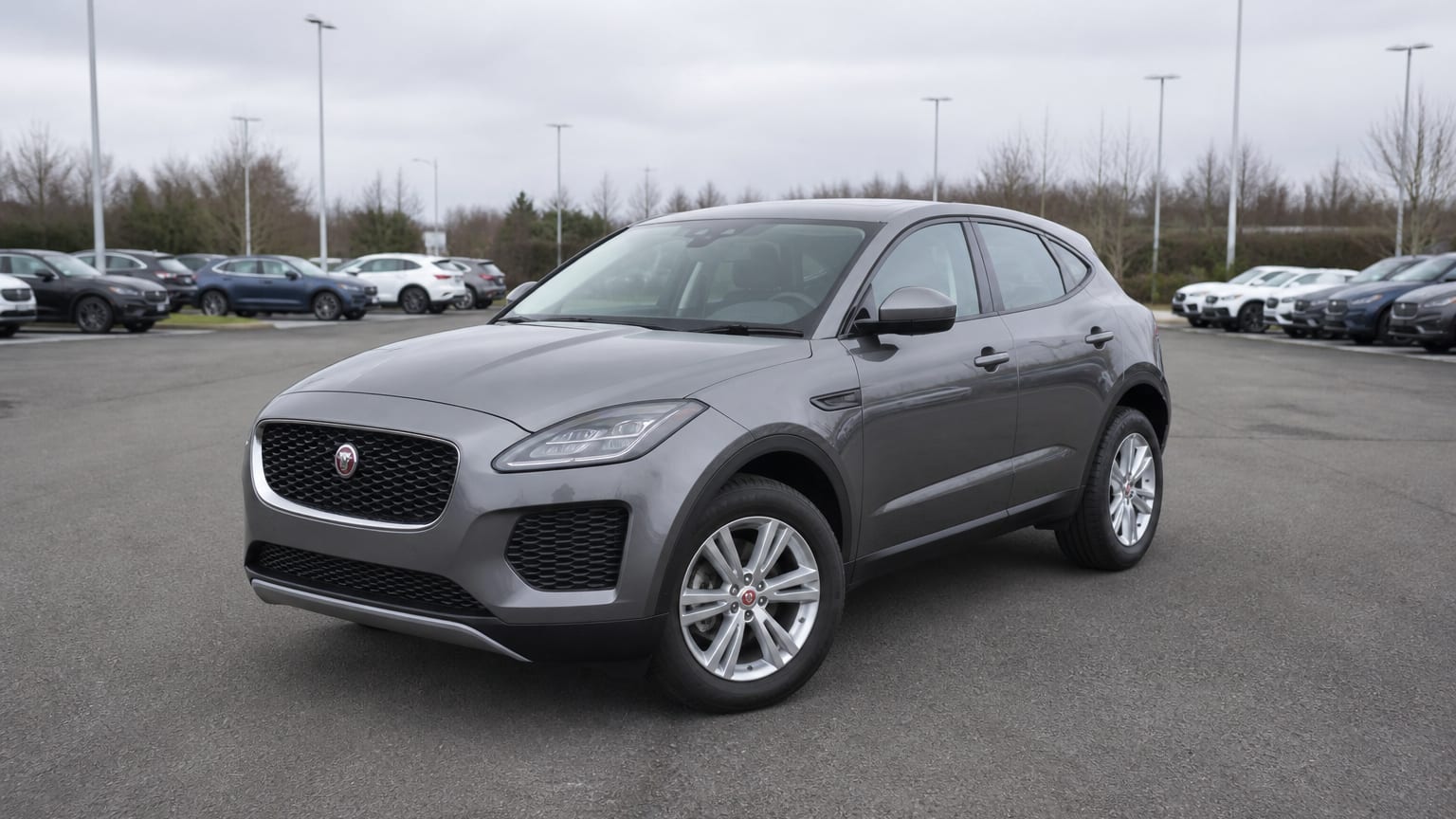
First-generation Jaguar E-Pace (2018-2019)
The 2018 Jaguar E-Pace has 13 problems and defects reported by E-Pace owners on CarComplaints, with the worst complaints in the engine, lights, and suspension categories. The engine power loss and sudden shutdown complaints are the most serious, often appearing early in the vehicle’s life and requiring dealer intervention that may not fully resolve the problem.
The 2019 Jaguar E-Pace has 6 problems and defects reported by E-Pace owners on CarComplaints. While that is fewer than 2018, the 2019 E-Pace reliability rating shows fewer issues than 2018 but still above-average complaints, with electrical and engine problems reported. The 2018 also carries NHTSA recall 18V-140 (Jaguar number H074) for improperly installed front brake hose brackets that could contact the tires and cause a brake fluid leak, affecting 41 vehicles built in early 2018.
What are the best Jaguar E-Pace years to buy?
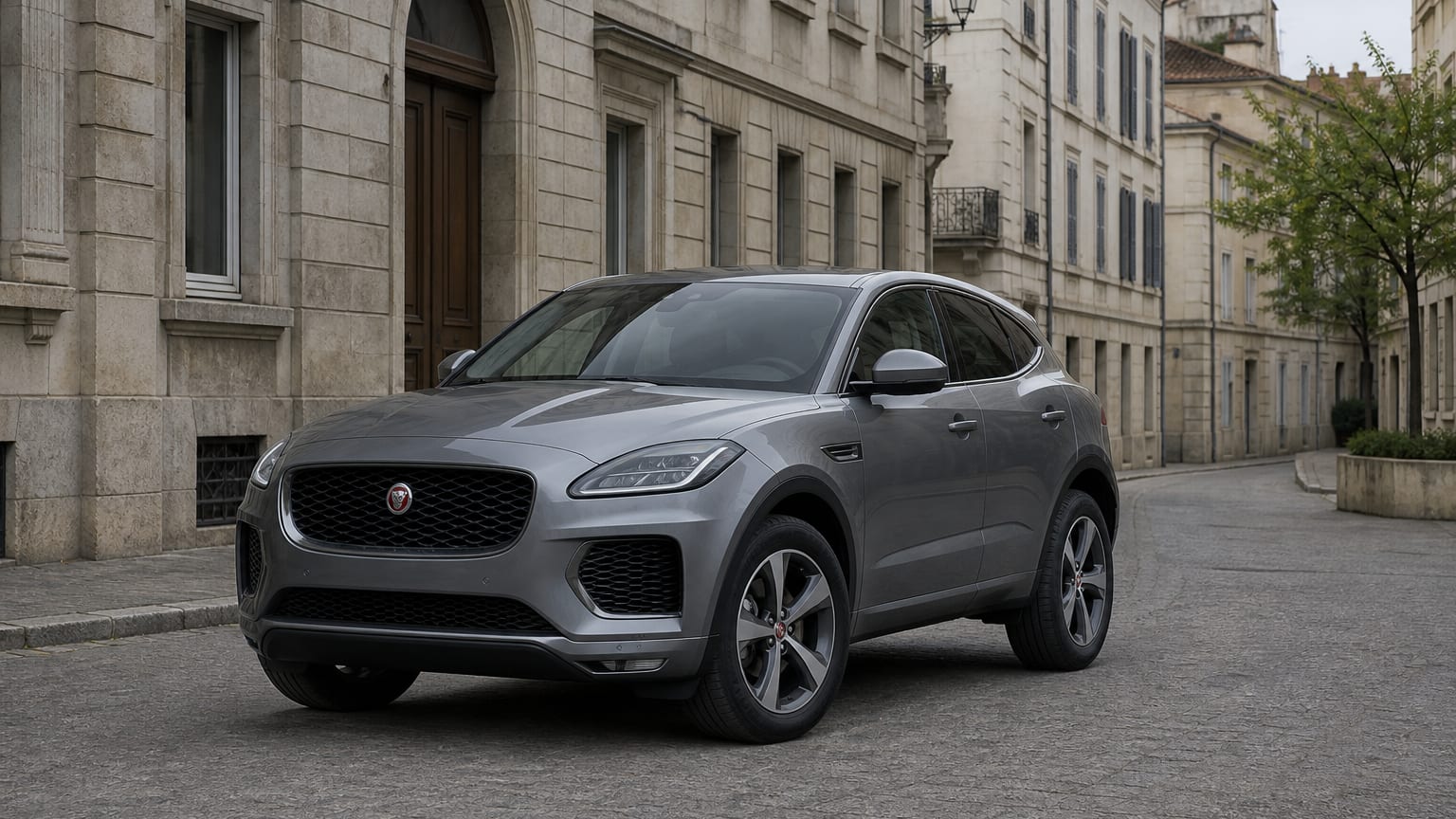
The 2020 and 2021 model years offer the best reliability and fewer owner complaints, and the 2022 continues that trend with further refinement. These three years give you the most confidence in a used E-Pace purchase.
| Best Jaguar E-Pace Year | Why It's a Strong Buy |
|---|---|
| 2020 | Only 4 reported problems on CarComplaints; improved build quality over first two years |
| 2021 | Pivi Pro infotainment replaces problem-prone Touch Pro; exterior refresh; 5 years / 60,000 miles basic warranty |
| 2022 | Minor changes including optional 3D Surround camera; reliability is consistent |
Most reliable Jaguar E-Pace years: 2020, 2021, 2022
2020 Jaguar E-Pace
The 2020 Jaguar E-Pace has only 4 problems and defects reported on CarComplaints, with the worst complaints being engine problems - a significant drop from the 13 on the 2018. The 2020 E-Pace reliability rating shows fewer complaints and better build quality, with long-term dependability described as strong. It is a solid pick for buyers who want a pre-refresh car at a lower price point.
2021 Jaguar E-Pace
The 2021 model introduced a refreshed exterior and a new infotainment system, while later years saw further tech and safety enhancements. The Pivi Pro infotainment replaces the notoriously glitchy Touch Pro unit, addressing one of the most consistent owner grievances from 2018-2020. The 2021 E-Pace reliability rating is above average for the E-Pace lineup. Just make sure recall H491 (airbag) and H481 (brake pad warning light) are both completed before you finalize a purchase - both are free dealer fixes.
2022 Jaguar E-Pace
The 2022 E-Pace received minor changes including an optional 3D Surround camera, and reliability is consistent. Complaint volume on both CarComplaints and NHTSA is low for this year. The 2022 also benefits from all the 2021 refresh improvements while being slightly newer - making it one of the safer late-model used picks in the lineup.
Jaguar E-Pace pre-purchase checklist
Before you commit to any used E-Pace, go through these model-specific checks:
- Run the VIN through NHTSA’s recall checker to confirm every open recall - especially H074 (2018 brake hose), H481 (2021-2024 brake pad warning light, NHTSA 24V-201), H491 (2021-2023 airbag, NHTSA 24V-278), and H552 (2021-2024 airbag expansion) - has been completed. A recall does not expire as long as the vehicle manufacturer remains in business and generally can be fixed for free up to 15 years after manufacture.
- On 2018-2019 cars, test for engine power loss: Accelerate firmly onto a highway on-ramp and hold speed. Any hesitation, a dashboard warning, or a sudden power cut is a sign of VCT solenoid trouble or early limp-mode behavior. Ask for documentation of any software updates from Jaguar.
- Check the infotainment system thoroughly on 2018-2020 cars: Confirm Apple CarPlay and Android Auto connect and stay connected, and that the screen responds without lag. A non-responsive Touch Pro unit can cost $1,000+ to replace.
- Inspect the DPF on any diesel model: Ask for DPF service records and check for any stored fault codes. The E-Pace diesel’s engineered-longer exhaust causes heat losses that make the DPF struggle to regenerate, especially on short journeys, and a blocked DPF leads to limp mode.
- Check for suspension creaking, especially at the rear: The E-Pace has had reported issues with creaking rear suspension and glitches with the infotainment system, along with panel fit and paint defects and AdBlue fluid leaking from hoses and filler caps. Push down on each corner of the car and listen for any knocking or groaning.
- Verify brake pad condition on 2021-2024 cars: The brake pad wear warning light may not appear on the instrument cluster as intended, failing to warn the driver that the brake pads are worn out - so even if no warning light has appeared, ask for a physical pad inspection as part of any pre-purchase check.
- Request full service records: Most E-Pace models can reach 100,000 miles with proper maintenance, but major repairs become more likely after 80,000 miles. A full service history is non-negotiable on a Jaguar at higher mileage.
Better alternatives to consider
If the Jaguar E-Pace years in your budget land on the avoid list, consider these alternatives instead:
- BMW X3 - a well-documented compact luxury SUV with a longer production run and a clearer year-by-year reliability record across multiple generations
- Volvo XC40 - strong safety ratings, a straightforward infotainment system, and a reliability profile that tends to outperform the E-Pace in the same price bracket
- Audi Q3 - in terms of size and price, the Audi Q3 and BMW X1 are the E-Pace’s closest established subcompact SUV rivals, with both offering stronger dealer networks and parts availability in the US; buyers stepping up in size might also weigh the Audi Q5 compact luxury SUV against comparable E-Pace asking prices before deciding
- Land Rover Range Rover Evoque - shares the E-Pace’s platform and some components but has a longer sales history and more owner data, making year-by-year avoidance easier to calibrate; shoppers who also consider American luxury options will find the Cadillac XT5 worth comparing on reliability and running costs
Is the Jaguar E-Pace worth buying?
Yes, the E-Pace is worth buying - as long as you avoid the 2018 and 2019 model years. The E-Pace gained a five-star Euro NCAP safety rating, scoring highly for both adult and child occupant safety, and owners with well-maintained cars have put close to 60,000 miles on them with overall satisfaction. The 2020, 2021, and 2022 model years give you the best combination of safety, low complaint count, and the fixed infotainment system that plagued earlier cars.
RepairPal gives Jaguar as a brand a reliability rating of 2.5 out of 5.0, ranking it 29th out of 32 car brands - so go in with realistic expectations about ownership costs. Your final step before signing anything: run the VIN through NHTSA’s recall checker and verify a complete maintenance history.