
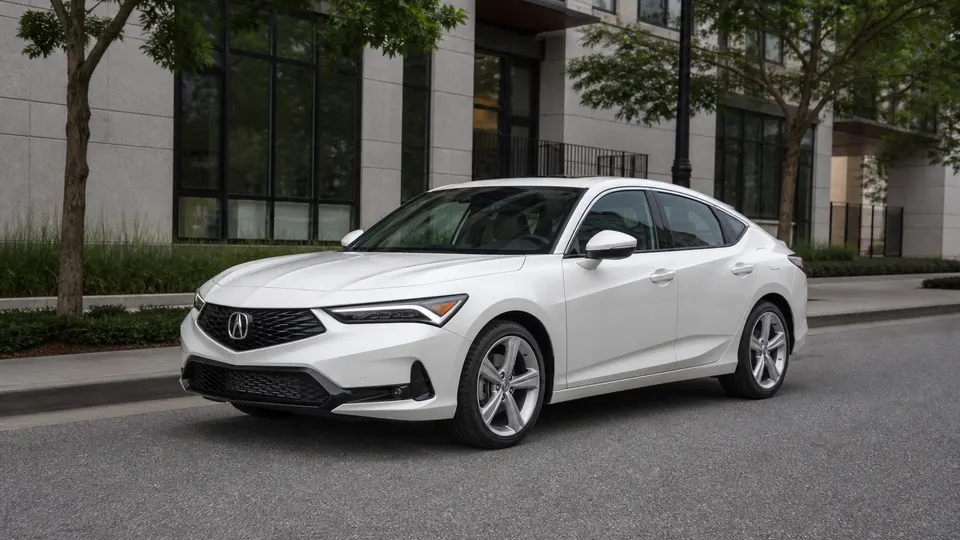
The Acura Integra is a well-engineered compact with a long track record, but the 2023 model year - the first of the revived nameplate - arrived with a significant steering defect that generated more complaints than any other modern Integra year. You can own one of these cars confidently if you pick the right year, but skipping the 2023 model, or at minimum confirming every recall has been completed, can save you real headaches. This guide uses data from NHTSA, CarComplaints, and owner reports to show you exactly which years to avoid and which to target.
For generations, engines, and ownership notes in one place, see the Acura Integra hub.
Related: Acura TLX years to avoid, Honda Civic years to avoid.
At a glance
- Worst years
- 2023
- Best years
- 2025
- 2026
- Top failure
- 2023-2025 steering gearbox defect - excessive friction causing difficulty steering (NHTSA recall 24V-744, CarComplaints highest repair-cost ranking for modern Integra)
- Always do before buying
- Run the VIN through NHTSA's recall checker to confirm recall 24V-744 (steering) and any seat recall are closed; on a 2023, physically test the steering feel before signing anything
How We Rated the Best and Worst Acura Integra Years
CarComplaints rates the 2023 model year as the worst modern Acura Integra because of higher repair cost and more problems at lower mileage. NHTSA complaint volume tells the same story for the modern generation: the 2023 Acura Integra has 204 NHTSA owner complaints on file, with 4 crash-related complaints and steering problems (186 of those complaints) as the dominant reported issue.
Our ratings draw on NHTSA complaints and recalls (nhtsa.gov), CarComplaints PainRank (repair cost and mileage at failure), and owner discussions at IntegraForums. CarComplaints ranks the worst year by repair cost and mileage-at-failure - its PainRank - while NHTSA shows raw complaint volume. For the modern Integra, both measures point to 2023. The classic-era Integra (1986-2001) is a separate collector market assessed differently; this guide covers the modern revived generation (2023-present) that used buyers actually shop today.
Our years to avoid methodology weighs complaint volume, recall severity, and mileage-at-failure together rather than relying on any single source.
| Acura Integra Generation | Best Acura Integra Years | Worst Acura Integra Years |
|---|---|---|
| Modern / Revived (2023-present) | 2025, 2026 | 2023 |
Every Acura Integra Model Year Ranked
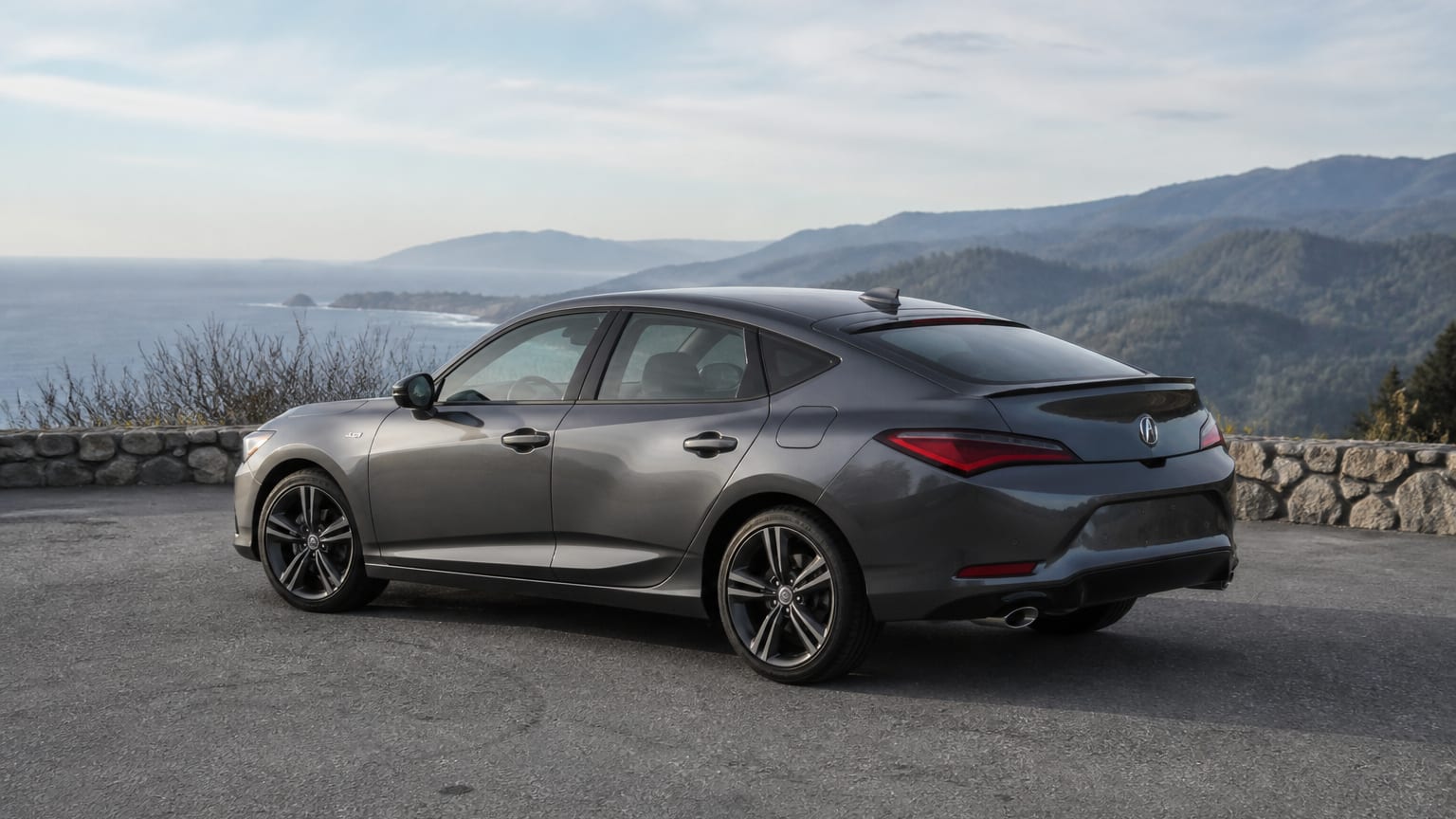
The modern Acura Integra, reviewed from 2023 to 2026, shows a reliability score ranging from 63 to 76 out of 100 - placing the entire generation in the “Good” category - but the gap between 2023 and 2025 is meaningful for a used buyer.
| Model Year | Generation | Verdict | Notes |
|---|---|---|---|
| 1986-2001 | Classic (1st - 3rd gen) | OK/Mixed | Separate collector market; not assessed here |
| 2023 | Modern (1st year) | Avoid | 204 NHTSA steering complaints; highest repair cost per CarComplaints |
| 2024 | Modern | OK/Mixed | 61 NHTSA complaints; steering still dominant; 5 recalls |
| 2025 | Modern | Best | 2 NHTSA complaints; 2 recalls; cleanest modern year |
| 2026 | Modern | Best | Minimal complaint data; highest Auto Reliability Index score |
Most Common Acura Integra Problems
The single biggest documented failure on the modern Acura Integra is the steering gearbox defect, which triggered a major safety recall and accounts for the majority of all NHTSA complaints filed against the model. Below are the recurring failure categories found in research, most serious first.
1. Steering Gearbox Defect (Recall 24V-744)
Honda recalled certain 2023-2025 Acura Integra vehicles because the steering gearbox assembly may have been manufactured incorrectly, causing excessive internal friction and difficulty steering, which increases the risk of a crash. This is the most widely documented fault on the modern Integra, and it is not subtle: owners describe a “sticky” or jerky steering wheel that requires extra force at highway speeds and during turns.
On the 2023 Integra alone, 186 of 204 NHTSA owner complaints are categorized under steering. The NHTSA recall campaign number is 24V-744 (written in NHTSA’s short form), covering model years 2023-2025. The remedy is dealer replacement of the worm gear spring with redistribution or addition of grease, free of charge, with owner notification letters mailed November 18, 2024. Honda’s internal service bulletin for this repair is numbered 24-054.
Honda received the first confirmed complaint of the problem in September 2021, opened its own investigation in November 2022, and the NHTSA opened an investigation in March 2023. If you’re buying any 2023-2025 Integra, the first thing to verify is whether recall 24V-744 has been completed on that specific VIN.
2. Driver’s Seat Cushion Frame - Loose Seat Recall
Honda recalled certain 2023-2024 Acura Integra and Integra Type S vehicles because the driver’s seat cushion frame bolts may not have been properly tightened, resulting in an unsecured seat that may not adequately restrain the driver in a crash. This is a safety-compliance issue under Federal Motor Vehicle Safety Standard 207.
Dealers will replace the driver’s seat cushion frame free of charge; owner notification letters were mailed January 6, 2025. A subsequent expansion of this seat recall, which expands previous NHTSA recall number 24V-859, broadened coverage further. Before buying a 2023 or 2024 Integra, confirm the seat recall is closed on that VIN - a loose seat is a crash-risk item, not a minor inconvenience.
3. VSA Brake Fluid Leak (2023 Integra)
Honda recalled certain 2023 Acura Integra vehicles because a ball valve in the Vehicle Stability Assist (VSA) modulator may leak brake fluid, which can result in unintended vehicle movement when the brake hold feature is engaged or an unexpected increase in brake pedal travel. This issue is specific to the 2023 model year and adds to the case for avoiding the launch year entirely.
The symptom is an unexpected surge or roll when the electronic brake hold is active - a situation most owners would not immediately associate with a brake-fluid leak. If you’re test-driving a 2023 Integra, engage the brake hold feature on a flat surface and verify there is no unexpected movement. Confirm with the dealer that this recall has been completed.
4. Transmission Stiffness (6-Speed Manual)
Owner reports to NHTSA describe the manual gearbox shifter as very stiff and difficult to engage a gear despite the clutch pedal being fully depressed, with no warning lights or dashboard alerts prior to the incident. Transmission issues with the six-speed manual dominated early owner complaints alongside the steering system defects.
This is not a recall-level defect but a quality-control concern on early-production 2023 models. The 1.5L turbo paired with the CVT does not share this complaint. Based on NHTSA complaint data, the 1.5L Turbo 4-cylinder has the lowest complaint density and is considered the most reliable powertrain choice. If manual-equipped, a thorough test drive through all six gears is a non-negotiable step.
5. Infotainment and Electronics Glitches (2023-2024)
The 2023 Integra’s NHTSA complaint breakdown lists electrical system issues as one of its top reported problem areas alongside steering. Consumer Reports notes the 2024 Integra has about average reliability, with in-car electronics cited as a common trouble spot.
Reported symptoms include wireless charging inconsistency, backup camera glitches, and minor instrument-cluster fault messages. One long-term test of a 2025 Type S documented two strange fault messages around 2,000 miles related to emissions and the automatic rev-match function; the dealer cleared the codes under warranty. These are nuisance-level issues for most owners, but worth checking during a pre-purchase inspection on any 2023-2024 car.
Which Acura Integra Years Should You Avoid?
The Acura Integra year to avoid is 2023. CarComplaints rates the 2023 model year as worse than all other modern years based on higher repair cost and more problems at lower mileage. The 2023 model scores 63/100 on the Auto Reliability Index - the worst of the modern generation - primarily due to its 186 steering complaints. NHTSA complaint volume for 2023 is also the highest of any modern Integra year, at 204 complaints.
| Acura Integra Generation | Model Years | Verdict | Main Issues |
|---|---|---|---|
| Modern / Revived | 2023 | Worst: 2023 | Steering gearbox, loose seat, VSA brake leak, manual gearbox stiffness |
Worst Acura Integra years: 2023
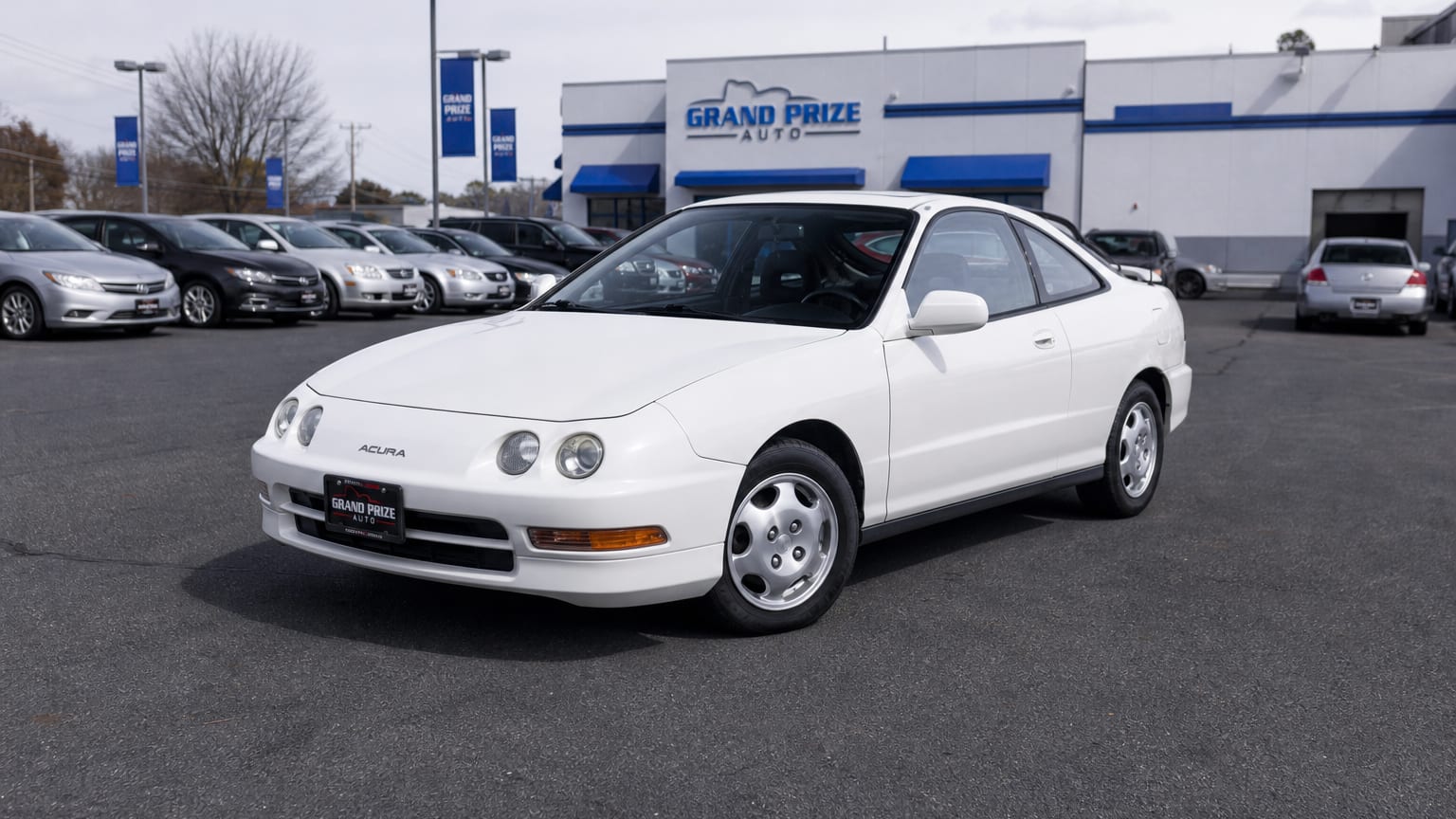
1st Modern-Generation Acura Integra (2023-present)
The 2023 Acura Integra has 207 problems and defects reported by Integra owners on CarComplaints, with steering problems as the worst complaints. The 2023 was the launch year after a 22-year hiatus for the nameplate, and Honda’s production ramp-up clearly introduced quality issues - particularly in the steering rack assembly - that took a full recall campaign to address.
The 2024 Integra has 61 NHTSA owner complaints on file, with 5 recalls and 2 crash-related severity signals; steering complaints (51 of 61) remain the dominant issue. The 2024 is an improvement over 2023 but still carries the tail end of the steering-rack problem and the seat recall. Check the NHTSA complaints page for the 2024 Integra before committing.
What Are the Best Acura Integra Years to Buy?
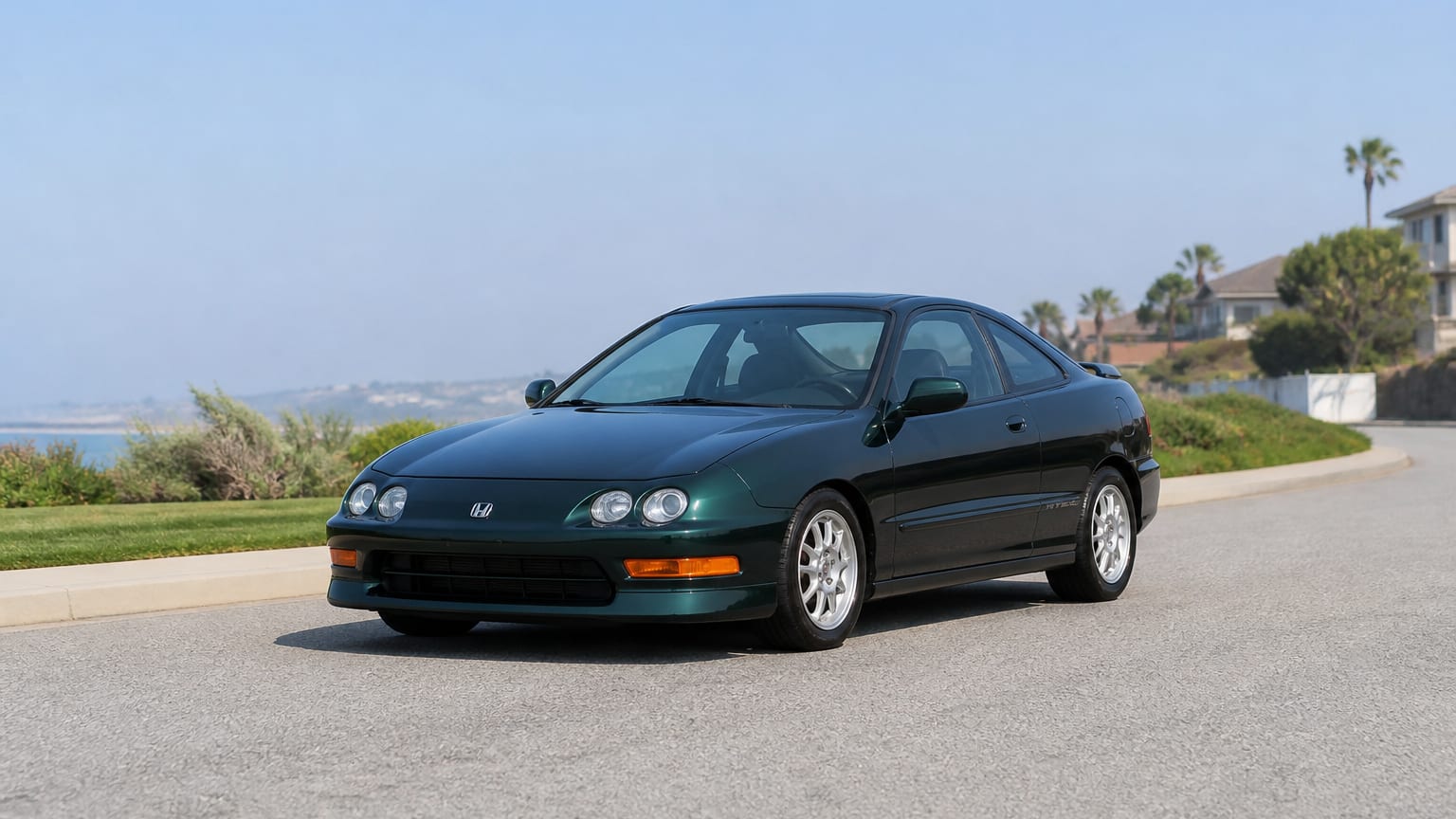
The best Acura Integra year in the modern generation is 2026 with a reliability score of 76/100; the 2025 is also a strong pick at 74/100. Both years benefit from resolved recall campaigns on the steering and seat issues and carry significantly lower complaint volumes than 2023.
| Best Acura Integra Year | Why It's a Strong Buy |
|---|---|
| 2025 | 2 NHTSA complaints; steering recall covered and available as dealer fix; 5-star NHTSA safety |
| 2026 | Lowest complaint rate (1.7 per 10,000 sold); highest Auto Reliability Index score for the model |
Most reliable Acura Integra years: 2025, 2026
2025 Acura Integra
The 2025 Acura Integra has a “Good” reliability rating with a score of 74/100 and only 2 recalls and 2 NHTSA owner complaints on file. The steering recall (24V-744) applies to 2025 as well, but a 2025 purchased today will almost certainly have had it completed already - verify the VIN. The 2025 Acura Integra received an overall 5-star safety rating from NHTSA.
2026 Acura Integra
The 2026 model has a complaint rate of just 1.7 per 10,000 sold, compared to 63.6 per 10,000 for the 2023. Among owners who provided KBB feedback on the 2026 Integra, 100% recommend the vehicle, rating reliability as one of its strongest features. It is too new for long-term data, but early signs are encouraging.
Acura Integra Submodel Years to Avoid
The modern Integra lineup includes two performance variants: the Integra Type S and, in the classic era, the Integra Type R. Each is assessed on its own record below.
Acura Integra Type S Years to Avoid
The Acura Integra Type S (model code DE5) uses a 2.0-liter K20C8 DOHC turbocharged inline-four producing 320 horsepower, paired exclusively with a 6-speed manual transmission. It launched for the 2024 model year and is mechanically related to the Honda Civic Type R’s FL5 platform, sharing many components. The standard Integra (DE4) uses the 1.5L turbo with a CVT or 6-speed manual.
The steering recall (24V-744) covers 2024-2025 Acura Integra Type S vehicles, since the Type S shares the same steering gearbox assembly as the base car. The seat cushion frame recall (24V-859) similarly covers 2024 Acura Integra Type S vehicles as part of the same Honda-wide campaign. These are the only documented recall-level issues specific to the Type S as of this research.
No Acura Integra Type S model year has yet accumulated enough independent NHTSA complaint data to flag a distinct “avoid” year beyond what the standard Integra already carries. The Type S is low-volume and recent; long-term owner testing describes it as rock-solid reliable apart from minor, quickly resolved issues. Before buying:
- Verify recall 24V-744 (steering) is closed on the specific VIN
- Verify the seat recall (expansion of 24V-859) is closed
- Test all six manual gears - the K20C8’s gearbox is shared with the Civic Type R and should shift cleanly
Acura Integra Type R Years to Avoid
The Acura Integra Type R is a nameplate from the classic era (third generation, specifically available in the late 1990s for certain markets) and has not been offered on the modern revived Integra platform. It is a separate model from a different generation and from a different collector market. A modern Acura Integra Type R has not been produced, so there is no modern-era avoid list to compile.
If you are researching the classic Type R (available in limited US-market years), treat it as a collector car with its own valuation, inspection standards, and parts-sourcing challenges - outside the scope of this used-car buying guide.
Acura Integra Pre-Purchase Checklist
Before buying any used modern Acura Integra, run through this model-specific checklist:
- Run the VIN through NHTSA’s recall tool. Confirm that recall 24V-744 (steering gearbox) and the seat cushion frame recall (expansion of 24V-859) are both closed. These affect 2023-2025 models and are the two highest-priority open items.
- On a 2023, test the steering at highway speed. Owners described moments of difficulty steering that required extra force to maintain course, switch lanes, or make turns - a symptom that should be immediately obvious on a proper test drive.
- On a 2023, engage the electronic brake hold on a flat surface. A ball valve in the VSA modulator may leak brake fluid, causing unintended vehicle movement when brake hold is engaged. Any unexpected roll is a disqualifier until the recall is confirmed complete.
- On a 6-speed manual, test all gears cold and warm. Early-production 2023s with the manual transmission have documented stiffness complaints. Gears should engage cleanly with the clutch fully depressed.
- Request full service records and verify the recall work was done at an authorized Acura dealer, not just noted as “pending.”
- On a 2024, check the infotainment system. Consumer Reports flags in-car electronics as a common trouble spot on the 2024 Integra. Test wireless charging, backup camera, and Google/Apple CarPlay pairing before purchase.
- For the 2025 or 2026, still check the VIN - the steering recall covers 2025 cars built before the remedy was fully rolled out, and individual VINs vary.
Better Alternatives to Consider
If the Acura Integra years in your budget land on the avoid list, consider these alternatives in the same compact-premium sport segment:
- Acura TLX - a larger Acura sport sedan with its own documented year-by-year reliability record for buyers who want more room alongside the Acura badge
- Honda Civic (2022-2025) - the Integra’s mechanical sibling on the same platform, often several thousand dollars cheaper with a comparable reliability record and wider parts availability
- Mazda 3 (2019-present) - one of the class’s consistently high-scoring compact sport cars, with strong reliability data and a driver-focused interior that competes directly with the Integra’s positioning
- Acura TL - for buyers open to a slightly older Acura with a proven V6, the TL has a deep reliability and complaint record that makes year selection straightforward
Is the Acura Integra Worth Buying?
Yes - as long as you avoid the 2023 model year or confirm every recall has been completed before purchase. The 2025 Acura Integra received an overall 5-star NHTSA safety rating, and the 2025 and 2026 model years carry reliability scores of 74/100 and 76/100 respectively - among the better scores in the modern compact-premium segment. The steering flaw that defined the 2023 launch year has a dealer fix covered under recall, so even a 2023 with confirmed recall completion is a manageable buy - just price it accordingly. Run the VIN through NHTSA’s recall checker and verify maintenance history before any purchase. Our editorial guidelines require that every vehicle assessment be grounded in NHTSA complaint data, recall records, and verified owner reports rather than manufacturer claims alone.