
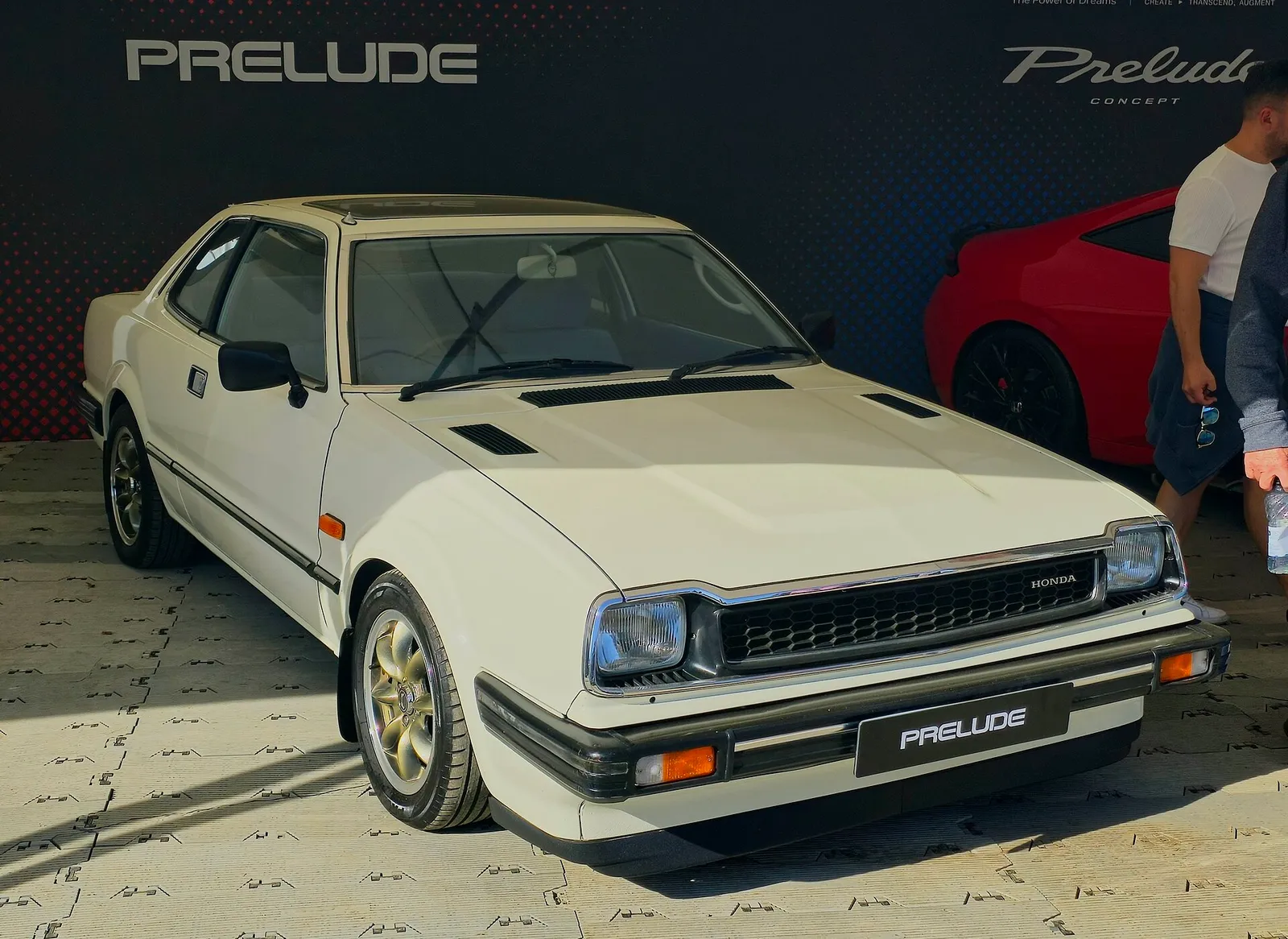
The Honda Prelude is a well-regarded front-wheel-drive sports coupe. Average annual repair cost is about $375, which is low for the class.
Some years still cost more to own and break more often. This Honda Prelude years to avoid guide uses CarComplaints PainRank, NHTSA complaint volume, and owner filings to show which years to skip — and which to buy.
For tire sizes, H-series notes, and buying advice in one place, see the Honda Prelude hub.
At a glance
- Worst years
- 2001
- 1997
- 1998
- 1992
- 1993
- 1994
- 1995
- Best years
- 1999
- 2000
- Top failure
- 4th-gen powertrain and engine problems, plus 5th-gen water intrusion (CarComplaints most-reported single complaint)
- Always do before buying
- Run the VIN through NHTSA's recall checker to confirm all open recalls are closed, plus check for water staining in the rear seat wells and footwells on any 1997-2001 car
Recalls by year
How we rated the best and worst Honda Prelude years
The fourth-generation (1992-1996) and the final 2001 model year carry the most serious reliability flags: the 1992 has the highest raw CarComplaints complaint count, while CarComplaints rates the 2001 the worst overall year based on higher repair costs and problems occurring at lower mileage.
Data for this guide comes from NHTSA complaints and recall campaigns, CarComplaints PainRank scores, RepairPal repair costs, and PreludePower / PreludeOnline owner reports.
CarComplaints ranks its worst year by repair cost and mileage at failure. NHTSA shows raw complaint volume. Those often disagree. On NHTSA, complaint volume peaks in 1997 (88), 1998 (86), and 1999 (40). On CarComplaints, 2001 tops the worst list.
The same years to avoid methodology applies across this site. It weights repair cost, mileage at failure, and complaint volume together — not any single metric alone.
| Honda Prelude Generation | Best Honda Prelude Years | Worst Honda Prelude Years |
|---|---|---|
| 1st Gen (1979-1982) | 1980, 1981 | 1979 |
| 2nd Gen (1983-1987) | 1986, 1987 | 1983, 1984 |
| 3rd Gen (1988-1991) | 1990, 1991 | 1988, 1989 |
| 4th Gen (1992-1996) | 1996 | 1992, 1993, 1994, 1995 |
| 5th Gen (1997-2001) | 1999, 2000 | 1997, 1998, 2001 |
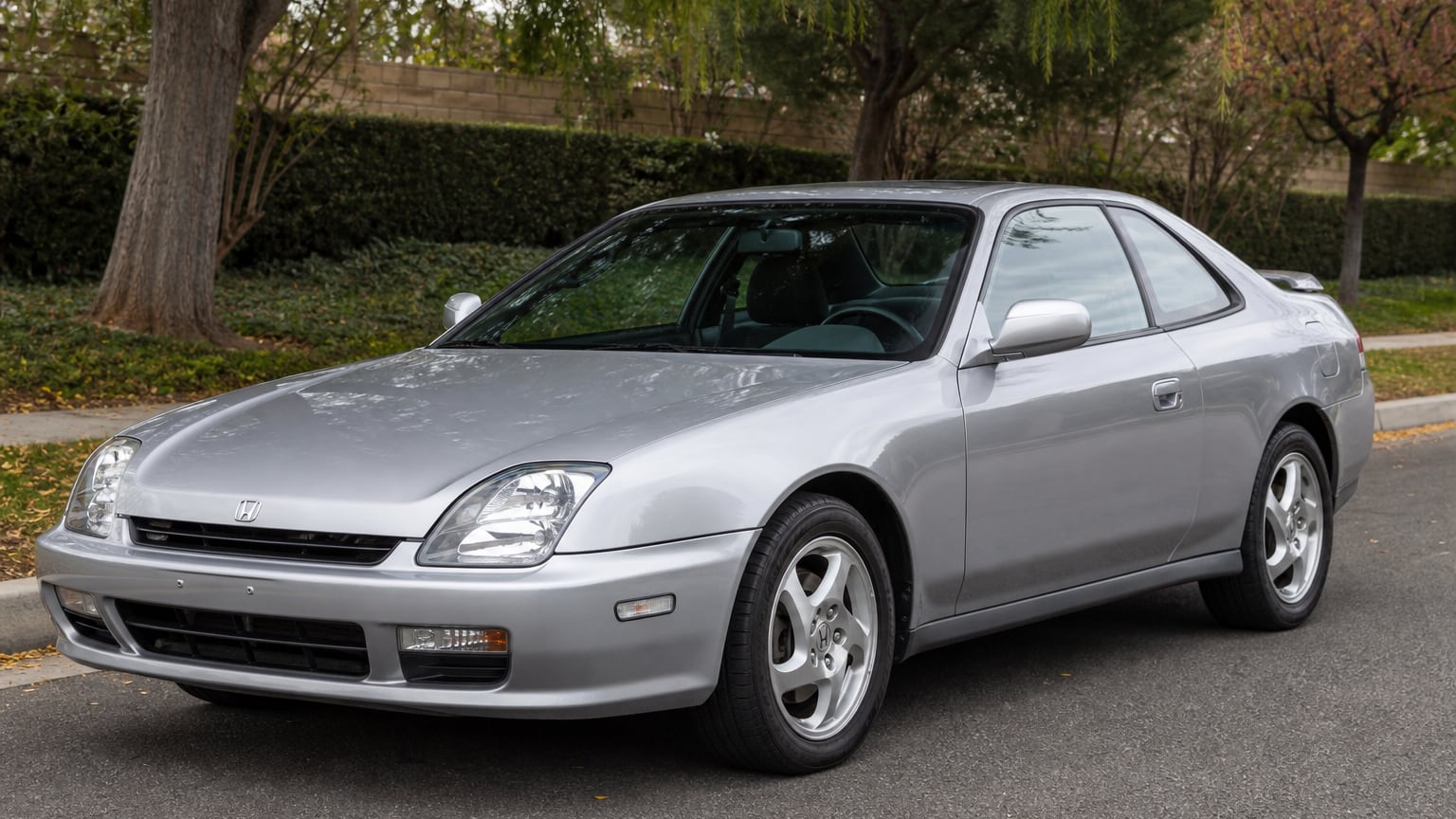
Every Honda Prelude model year ranked
Complaint counts drop steadily toward the end of the fifth generation, with 31 complaints by 1999 and just 13 by 2000, making those the clearly lower-risk picks in the lineup.
| Model Year | Generation | Verdict | Notes |
|---|---|---|---|
| 1979 | 1st Gen | OK/Mixed | Age, mechanical wear, minimal data |
| 1980 | 1st Gen | OK/Mixed | Fewer documented issues |
| 1981 | 1st Gen | OK/Mixed | Low sales, age concerns remain |
| 1982 | 1st Gen | OK/Mixed | Final 1st-gen; age-related wear |
| 1983 | 2nd Gen | OK/Mixed | Early 2nd-gen teething issues |
| 1984 | 2nd Gen | OK/Mixed | Carbureted engine, early build quality |
| 1985 | 2nd Gen | OK/Mixed | Fuel injection introduced |
| 1986 | 2nd Gen | Best | DOHC option arrives, more refined |
| 1987 | 2nd Gen | Best | Car of the Year (Wheels magazine) |
| 1988 | 3rd Gen | OK/Mixed | First-year 3rd-gen issues |
| 1989 | 3rd Gen | OK/Mixed | First full year, recall activity |
| 1990 | 3rd Gen | Best | Mid-cycle, lower complaint count |
| 1991 | 3rd Gen | Best | Last 3rd-gen, well sorted |
| 1992 | 4th Gen | Avoid | Highest CarComplaints complaint count (24); 5 recalls |
| 1993 | 4th Gen | Avoid | 5 recalls; engine, body/paint, cooling system complaints |
| 1994 | 4th Gen | Avoid | 5 recalls |
| 1995 | 4th Gen | Avoid | 5 recalls |
| 1996 | 4th Gen | OK/Mixed | 6 recalls; low complaint count post-fix |
| 1997 | 5th Gen | Avoid | Highest NHTSA complaint volume (88); 5 recalls |
| 1998 | 5th Gen | Avoid | 86 NHTSA complaints; 5 recalls; water intrusion top complaint |
| 1999 | 5th Gen | Best | Complaints drop sharply; 4 recalls |
| 2000 | 5th Gen | Best | 3 recalls; fewest reported issues of any year |
| 2001 | 5th Gen | Avoid | 3 recalls; CarComplaints worst year by PainRank/repair cost |
Most common Honda Prelude problems
These failures drive most Honda Prelude years to avoid calls. The single most commonly reported Honda Prelude problem across all years is warped front brake rotors causing vibration when braking, followed by a misaligned fifth shift fork causing fifth-gear grinding on upshift in manual-transmission cars.
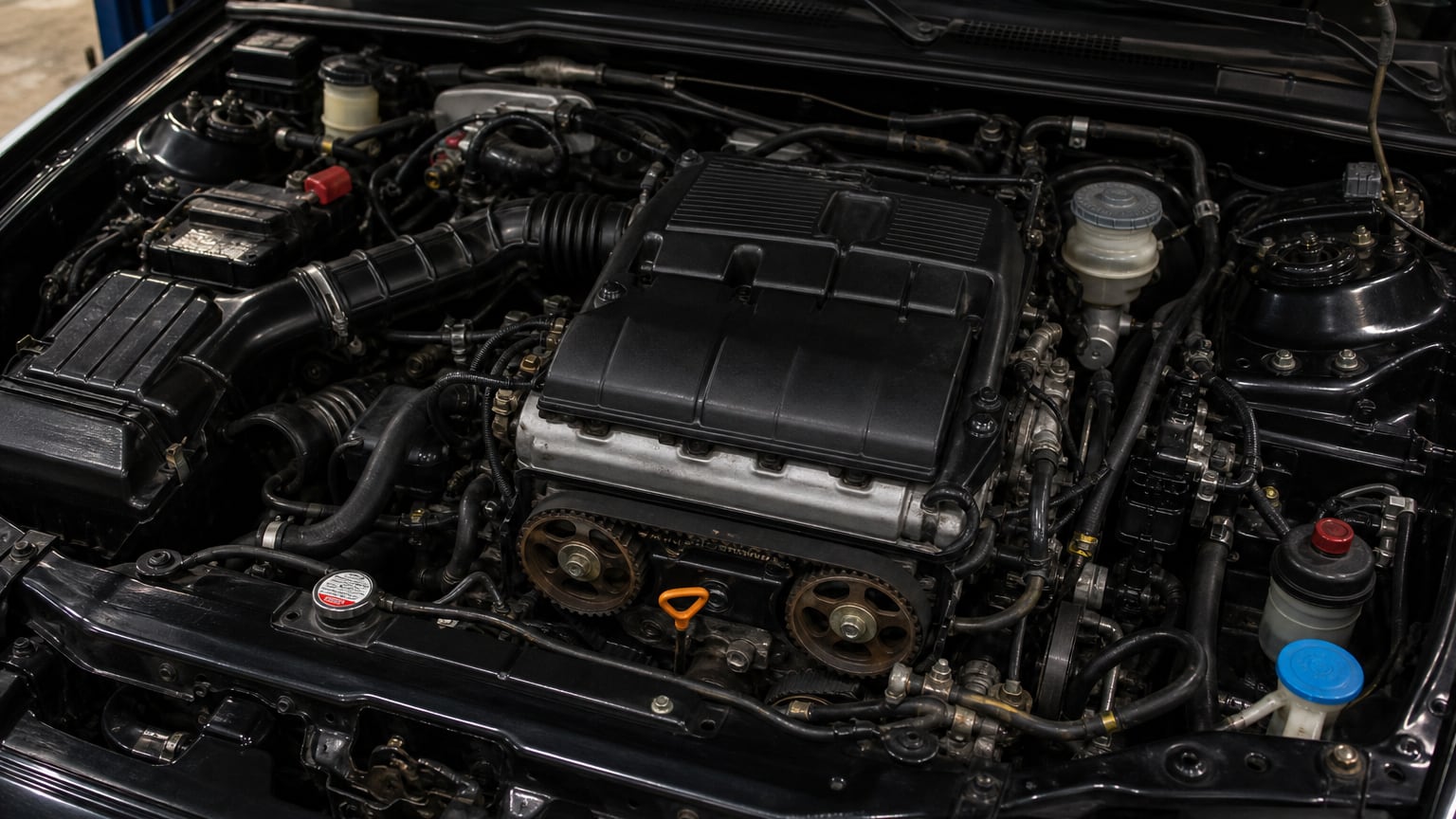
1. Powertrain and engine problems
Powertrain issues are the most frequently cited problem category in NHTSA data for the Prelude, with 52 reports across all model years. Symptoms range from rough idling and stalling to gear slippage and outright engine failure. A rough idle on a Prelude is often the first sign that the engine management system or a vacuum leak is present.
Specific complaints from fifth-gen owners include powertrain and transmission issues such as grinding gears, jerky shifts, or gear slippage, as well as electrical and ignition issues that cause stalling. Across the entire 1979-2001 production run, NHTSA logged 30 recall campaigns and 463 complaints, with the most commonly reported problem areas being powertrain, engine and engine cooling, and electrical system.
No manufacturer warranty extension or TSB covering a specific powertrain defect could be confirmed in available research for the Prelude. Honda issued 122 technical service bulletins (TSBs) for the Prelude in total, with the 1997 model year involved in the most bulletins of any single year.
2. Timing belt failure (4th gen, 1992-1996)
The 1992 Prelude in particular had the most complaints filed with both NHTSA and CarComplaints, with the latter listing timing belts and rust as the most common problems for this generation. The H22 and H23 engines in the fourth generation use an interference design, meaning a snapped timing belt causes immediate, expensive internal engine damage - bent valves and possible piston contact.
The typical repair cost for a premature timing belt failure on the 1992 model is around $2,150, occurring at an average of 110,000 miles. The belt should be replaced every 60,000-90,000 miles on these cars. Before buying any 1992-1996 Prelude, ask for documented timing belt service history and look for signs of internal engine damage if those records are missing.
3. Water intrusion in rear seat wells (1997-2001)
The most-reported single problem across the entire Prelude lineup on CarComplaints is water pooling in the rear seat wells and footwells of the 1998 model. The cause is typically a failed or clogged weatherstrip seal around the rear windows or sunroof drain tubes. Owners describe sitting down and getting a wet rear end from water-saturated seat foam, with books and clothing also ruined.
This issue affects primarily 1997-2001 (fifth-generation) cars and is not covered by a recall. The fix ranges from resealing weatherstrips to clearing drain tubes, with costs typically falling under $300 at an independent shop. Check the underside of the rear seat foam and the carpet for mold or water staining before buying any fifth-gen Prelude.
4. Warped front brake rotors
The most commonly reported Honda Prelude problem on RepairPal is warped front brake rotors causing a vibration when braking - felt as a pulsing through the steering wheel and brake pedal during stops. This affects cars across multiple generations and tends to appear after higher-mileage use or aggressive braking without allowing proper cool-down time.
The fix is rotor resurfacing (machining) or full replacement. Rotor resurfacing is a cost-effective option when rotor thickness is still within spec. Replacement rotors for the Prelude are inexpensive and widely available. Budget $150-$400 for a full front brake service at an independent shop.
5. Fifth-gear grind in manual transmissions
On some manual-transmission Prelude models, the fifth gear can grind on upshift due to a misaligned fifth shift fork inside the gearbox. The symptom is a grinding or crunching noise when shifting into fifth at highway speeds, often worsening as mileage climbs. This is most commonly reported on 1997-2001 cars with the H22A engine and five-speed manual.
A transmission fluid leak when parked can accelerate synchronizer wear, so check underneath any used Prelude for fluid spots. Repair involves dropping the transmission and replacing the shift fork and synchronizer, with costs running $600-$1,200 at an independent shop depending on labor rates in your area.
6. Rust and body/paint degradation
NHTSA recall data covers a known rust concern where road salt can cause the metal spring support around each shock absorber to rust, potentially allowing the coil spring to break through the support - a safety-relevant structural failure. This affected cars driven regularly in salt-belt states and is common on older third- and fourth-generation models.
The 1992 model’s worst complaints on CarComplaints include electrical, engine, and accessories-exterior problems, with body and paint degradation also appearing in that year’s complaint profile. On any pre-1997 Prelude, inspect the wheel wells, rocker panels, and rear subframe for rust before buying.
Which Honda Prelude years should you avoid?
Shoppers asking which Honda Prelude years to avoid should start with 2001, 1997, 1998, 1992, 1993, 1994, and 1995.
CarComplaints rates the 2001 model year as the worst because of higher repair costs and more problems occurring at lower mileage, even though the 1992 has the most raw complaints on file. On the NHTSA side, 1997 carries the highest complaint volume of any single year at 88 complaints, followed closely by 1998 with 86. Those two measures point to different years, so both need to be on your avoid list.
| Honda Prelude Generation | Model Years | Verdict | Main Issues |
|---|---|---|---|
| 1st Gen (1979-1982) | 1979 | Avoid | Age-related wear, sparse data |
| 2nd Gen (1983-1987) | 1983-1984 | Avoid | Early carbureted engine issues, early build quality |
| 3rd Gen (1988-1991) | 1988-1989 | Avoid | First-year model issues, recall activity |
| 4th Gen (1992-1996) | 1992-1995 | Worst | Timing belt, rust, engine/electrical, 5 recall campaigns |
| 5th Gen (1997-2001) | 1997, 1998, 2001 | Avoid | Water intrusion, powertrain complaints, highest NHTSA volume |
Worst Honda Prelude years: 2001, 1998, 1997, 1995, 1994, 1993, 1992
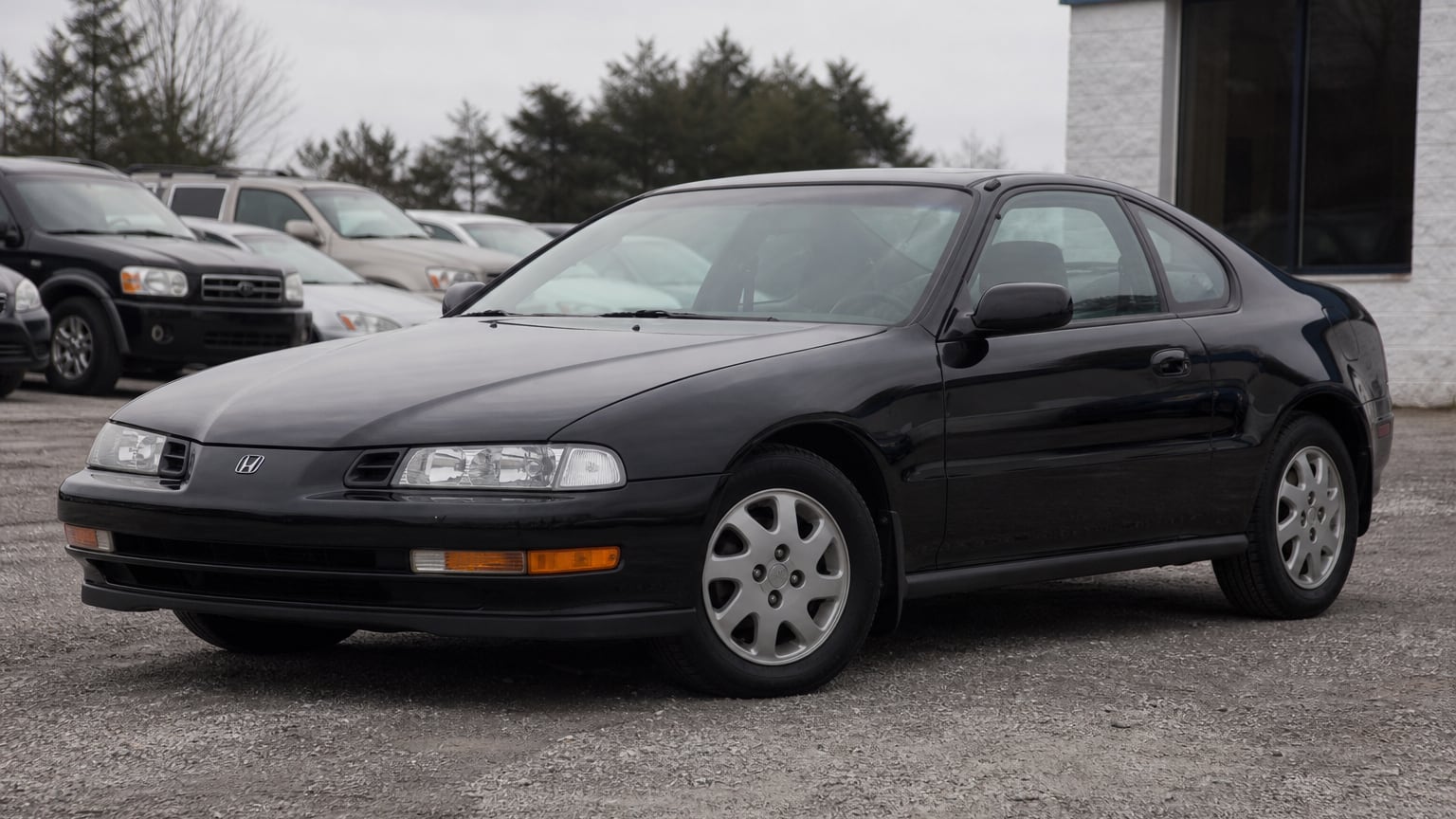
Fourth-generation Honda Prelude (1992-1996)
The 1992 Prelude has 24 complaints on file at CarComplaints, with the worst categories being electrical, engine, and accessories-exterior problems. Recall activity across this generation is heavy: the 1992-1995 models were each involved in 5 recall campaigns, and the 1996 model was involved in 6. The timing belt risk (around $2,150 to fix) and rust concerns make any unserviced fourth-gen a significant gamble.
The last model year in the fourth generation, 1996, also had problems with ball joints wearing excessively, resulting in a recall for 1996 model year cars specifically. If you want a fourth-gen Prelude, the 1996 is the least risky pick, but only with documented recall repairs and a clean undercarriage inspection.
Fifth-generation Honda Prelude (1997-2001)
Five recalls are logged with NHTSA for the 1997 model year, covering ignition switch and parking brake concerns, dropping to four recalls by 1999 and three for the 2000 and 2001 models. The 1997 and 1998 cars also carry the highest NHTSA complaint volumes of the entire production run.
The 2001 model year, the Prelude’s final production year, tops CarComplaints’ PainRank because its problems tend to occur at lower mileage with higher repair costs than any other year. US dealers had sold only 3,500 examples through the first five months of 2001, suggesting limited demand, which may have also meant less rigorous end-of-run quality control.
What are the best Honda Prelude years to buy?
Once you clear the Honda Prelude years to avoid, the best years to buy are the 1999 and 2000 model years, which have the fewest serious concerns and generally show the best owner experiences on forums and official reporting channels.
| Best Honda Prelude Year | Why It's a Strong Buy |
|---|---|
| 1999 | Sharp complaint drop vs. 1997-1998; 4 recalls, most already addressed |
| 2000 | Fewest reported issues of any fifth-gen year; low complaint count |
| 1990 | Solid mid-cycle third-gen; low complaint count |
| 1991 | Well-sorted final third-gen year; rare but good |
| 1996 | Best of the fourth-gen; lower complaints than 1992-1995 if recalls done |
Most reliable Honda Prelude years: 1999, 2000, 1990, 1991, 1996
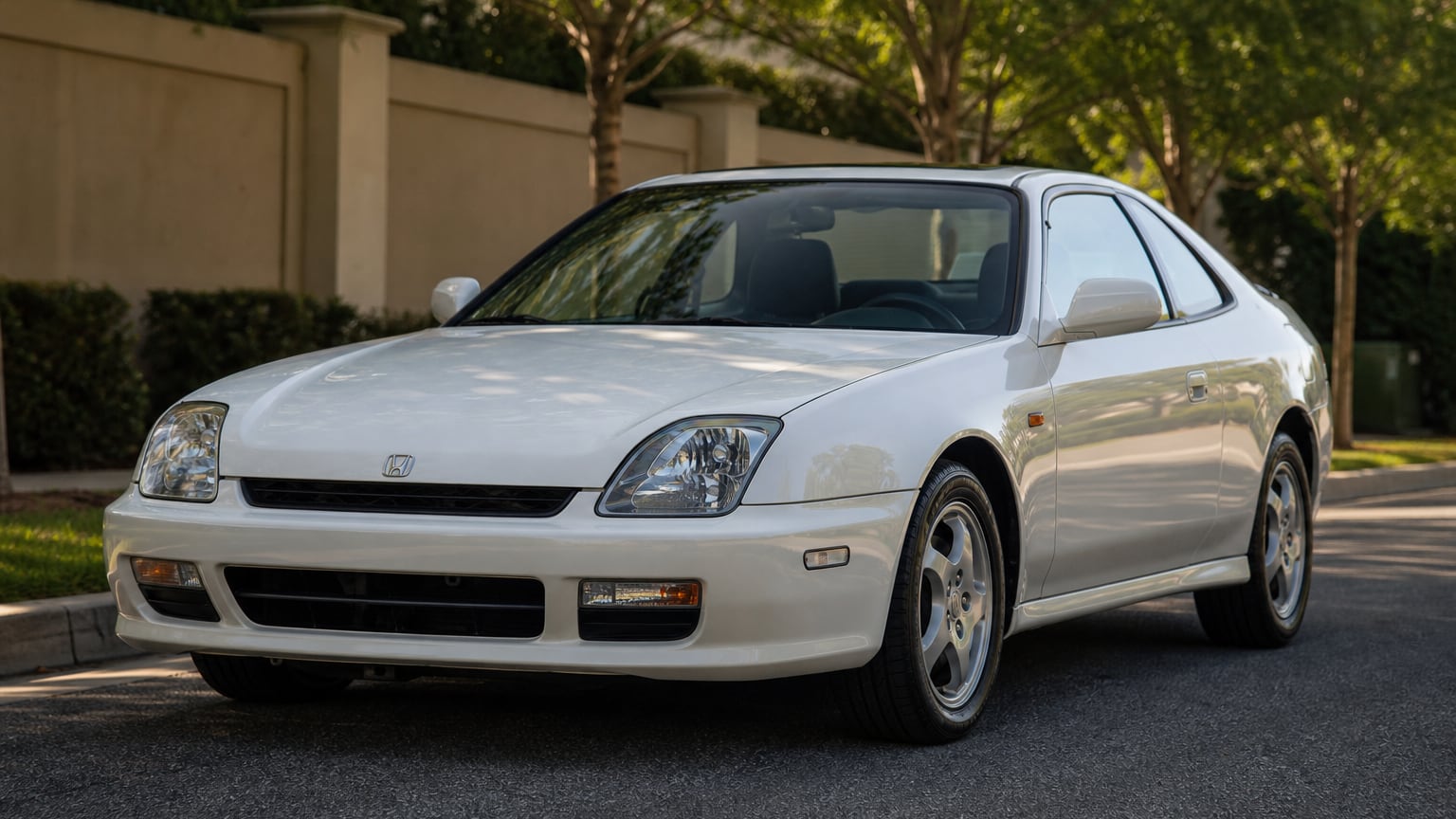
2000 Honda Prelude
The 2000 model year shows the fewest reported issues of any year in NHTSA’s database, making it the safest single pick in the entire lineup. The 2000 Honda Prelude has only 14 problems and defects reported by owners on CarComplaints - a fraction of the 1992’s 24 or the 1997’s 88 NHTSA complaints. It also carries only 3 recall campaigns, fewer than any other fifth-gen year except 2001, and the recall-to-complaint ratio is far better than the 2001.
1999 Honda Prelude
The 1999 Honda Prelude has 42 problems reported on CarComplaints, which looks higher in isolation, but most of these are minor brakes and transmission complaints - not major structural or engine failures. The 1999 benefits from two full model years of fifth-gen refinement compared to the problem-heavy 1997 launch year. KBB owners give the fifth-gen Prelude an average reliability score of 4.9/5 stars from 291 reviews, with 98% of owners recommending the car.
Honda Prelude pre-purchase checklist
Before buying any used Honda Prelude, work through these model-specific checks to avoid inheriting someone else’s problem:
- Run the VIN through NHTSA’s recall lookup tool to confirm that all open recall campaigns - especially the steering/suspension and electrical recalls - have been completed.
- On any 1992-1996 Prelude, ask for timing belt service records. If the belt has not been replaced in the past 60,000-90,000 miles, budget for a $2,150 repair or negotiate the cost into the purchase price.
- On 1997-2001 cars, check the rear seat wells and footwells for water staining, mold, or damp foam. Water pooling in the rear seat wells and footwells is the most-reported single Prelude complaint on CarComplaints.
- Test-drive the manual transmission through all five gears, including repeated fifth-gear shifts. Any grinding noise on fifth-gear upshifts points to the known shift-fork misalignment issue, which costs $600-$1,200 to repair.
- Inspect the brake pedal feel and check for steering-wheel vibration during a hard stop. Warped front brake rotors causing vibration when braking is the most commonly reported problem on RepairPal for the Prelude.
- Inspect the wheel wells, rocker panels, floor pan, and rear subframe for rust, especially on cars from salt-belt states. Fourth-gen (1992-1996) cars are most at risk.
- Check the NHTSA complaint page for your specific year for any open investigations or campaign expansions beyond the base recall count.
- Request full service records and confirm the car has had regular oil and transmission fluid changes - especially on the manual-gearbox cars, where neglected fluid accelerates synchronizer wear.
Better alternatives to consider
If the Honda Prelude years in your budget land on the avoid list, consider these alternatives instead:
- Toyota Celica - a direct class rival with a similarly sporty character and a comparable used-car reliability record, particularly in its 2000-2005 (seventh-gen) form
- Honda Civic - shares much of the Prelude’s drivetrain DNA with a wider parts network, lower purchase prices, and a longer production run making year-by-year picks easier; the Honda Civic follows a similar pattern of first-year generation launches carrying the most risk
- Mazda MX-5 Miata - offers a similar two-door sports car experience with one of the best long-term reliability records in its segment and strong owner community support
- Acura Integra (DC2, 1994-2001) - mechanically close to the Prelude with a stronger parts-and-service ecosystem and generally lower complaint counts for the same era
Is the Honda Prelude worth buying?
Yes, the Honda Prelude is worth buying - as long as you avoid the 2001, 1997, 1998, and 1992-1995 model years. RepairPal estimates a yearly ownership cost of around $375, and the bulk of reported issues are normal high-mileage items like warped brake discs and the occasional oil leak - nothing that should put you off a well-maintained example. The 1999 and 2000 fifth-generation cars represent the strongest used-market picks, combining low complaint counts with a sorted, mature version of the H22A platform.
KBB owners give the fifth-gen Prelude a 4.9/5 reliability score from 291 reviews, which is among the highest owner-satisfaction ratings for any sports coupe in this price range. Run the VIN through NHTSA’s recall checker and verify the maintenance history - particularly the timing belt on fourth-gen cars - before handing over your money.