
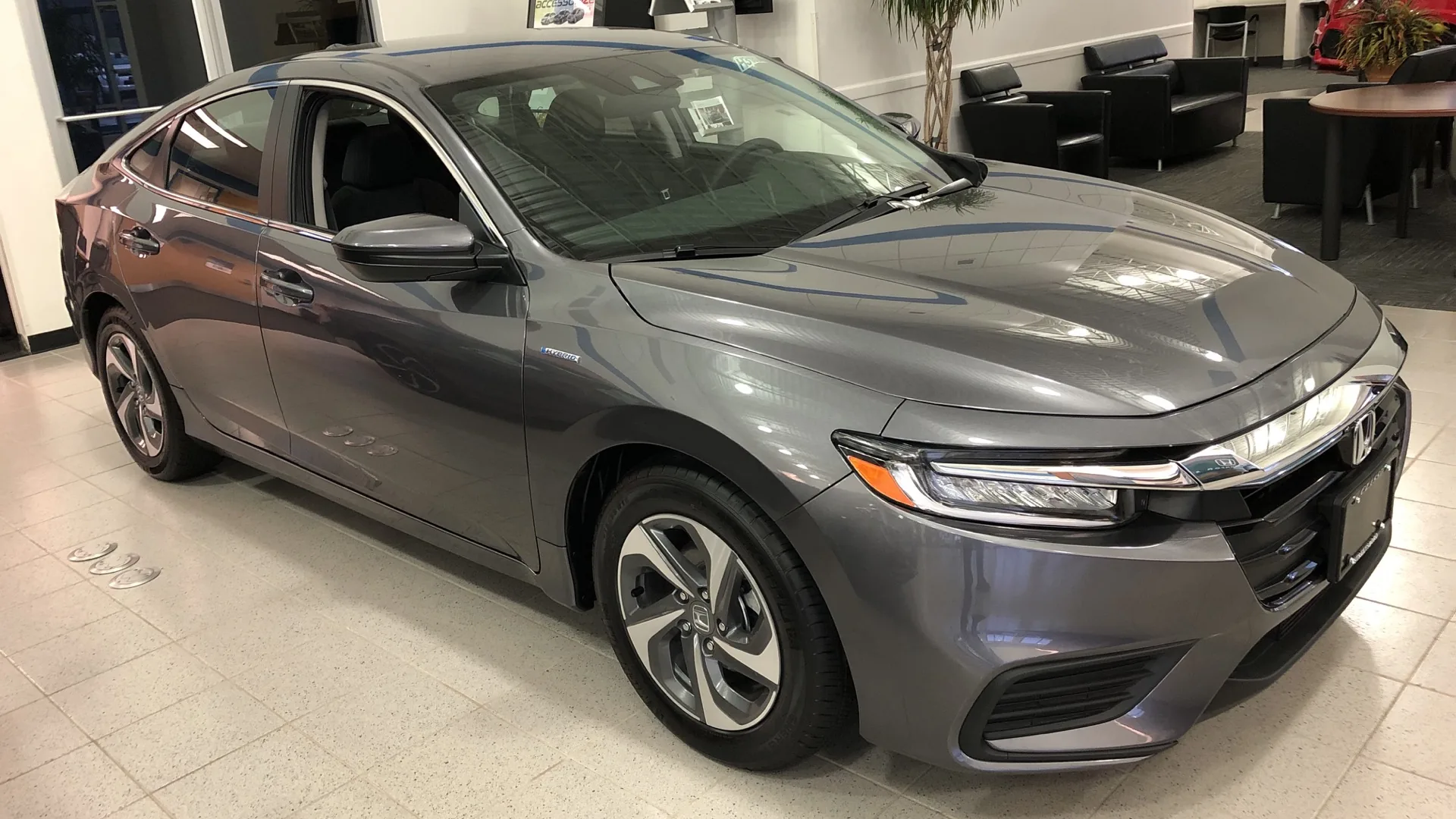
The Honda Insight is a fuel-efficient hybrid with a low average annual repair cost and a solid track record across most of its production run, but specific model years carry problems serious enough to cost you thousands. If you're shopping for a used Insight, you'll want to know exactly which years to pass on and which ones represent the best value. This Honda Insight years to avoid guide ranks every model year using NHTSA, CarComplaints, RepairPal, and owner forums so you can make an informed decision.
For tire sizes, hybrid ownership notes, and buying advice in one place, see the Honda Insight hub.
At a glance
- Worst years
- 2010
- 2011
- 2012
- 2013
- 2014
- 2019
- Best years
- 2004
- 2005
- 2006
- 2020
- 2021
- 2022
- Top failure
- 2nd-gen excessive oil consumption, 2012-2013 (CarComplaints PainRank worst year: 2012)
- Always do before buying
- Run the VIN through NHTSA's recall checker, plus check the oil level and ask about TSB/warranty-extension status on any 2012-2013 car
Recalls by year
Gray bands mark years the model was not produced.
How we rated the best and worst Honda Insight years
The 2012 Honda Insight is rated the worst model year by CarComplaints, which ranks it on repair cost and average mileage when problems occur. For raw complaint volume by year, NHTSA data tells a different story: NHTSA-based rankings flag the 2010 Honda Insight as the highest-volume complaint year, which is a separate measure from CarComplaints’ cost-and-mileage PainRank. The two sources measure different things, and the single worst year is not the same across both.
CarComplaints’ PainRank algorithm uses complaint data, average mileage of failures, cost to repair, relative complaint analysis, sales numbers, NHTSA data, and owners’ own vehicle rankings to produce a score - the higher the score, the more painful a car is to own. Our years to avoid methodology weighs these inputs against each other to arrive at consistent verdicts across model years. This guide also draws on RepairPal reliability ratings, owner threads at InsightCentral, and NHTSA complaint and recall data at nhtsa.gov.
| Honda Insight Generation | Best Honda Insight Years | Worst Honda Insight Years |
|---|---|---|
| 1st gen (2000-2006) | 2004, 2005, 2006 | 2000, 2001 |
| 2nd gen (2010-2014) | None | 2010, 2011, 2012, 2013, 2014 |
| 3rd gen (2019-2022) | 2020, 2021, 2022 | 2019 |
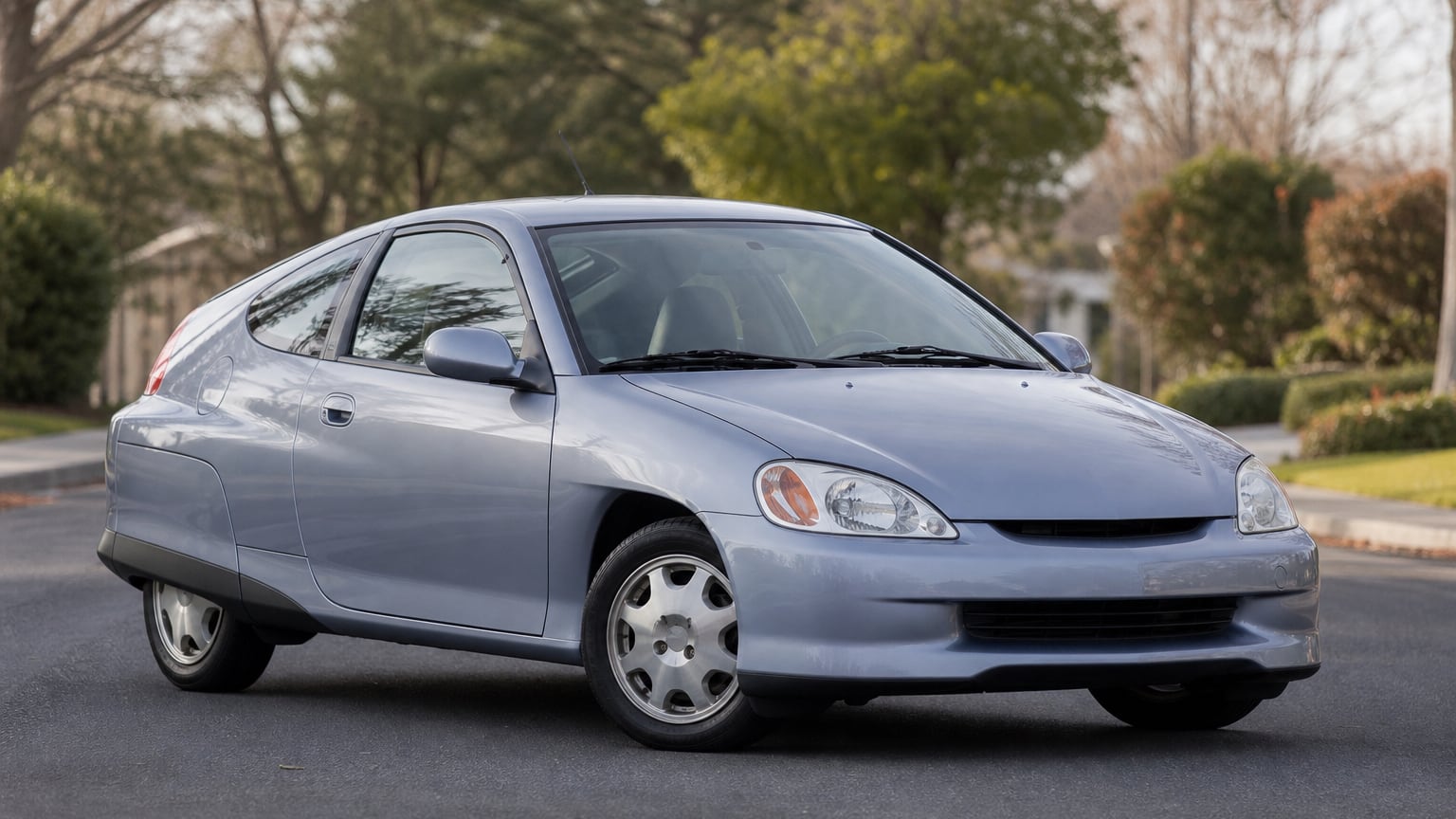
Every Honda Insight model year ranked
The Insight spans three generations, and CarComplaints’ PainRank system rates the 2nd generation (2010-2014) as the one to avoid across the board. The table below gives you a quick verdict for every model year with data.
| Model Year | Generation | Verdict | Notes |
|---|---|---|---|
| 2000 | 1st gen | Avoid | Earliest build quality; 1 recall; accumulating age risk |
| 2001 | 1st gen | Avoid | 2 recalls; high IMA battery age risk |
| 2002 | 1st gen | OK/Mixed | 1 recall; fewer complaints than 2000-2001 |
| 2003 | 1st gen | OK/Mixed | 0 recalls; low NHTSA complaint record |
| 2004 | 1st gen | Best | 0 recalls; very low complaints; strong owner reviews |
| 2005 | 1st gen | Best | 0 recalls; low complaints; reliable |
| 2006 | 1st gen | Best | 1 recall; lowest NHTSA complaint score of any year |
| 2010 | 2nd gen | Avoid | 10 recalls; highest NHTSA raw complaint volume; Takata airbag recall |
| 2011 | 2nd gen | Avoid | 10 recalls; Takata recall; engine and interior concerns |
| 2012 | 2nd gen | Avoid | 8 recalls; CarComplaints worst-ranked year; oil consumption at \~64k miles |
| 2013 | 2nd gen | Avoid | 6 recalls; oil consumption; engine damage risk |
| 2014 | 2nd gen | Avoid | 3 recalls; end of 2nd gen; lingering oil and IMA battery concerns |
| 2019 | 3rd gen | Avoid | 8 recalls; highest 3rd-gen NHTSA complaint score; phantom braking investigation |
| 2020 | 3rd gen | Best | 6 recalls; lower complaints than 2019; refreshed tech |
| 2021 | 3rd gen | Best | 3 recalls; low problem points in NHTSA data |
| 2022 | 3rd gen | Best | 3 recalls; 5-star NHTSA safety rating; final and most refined year |
Most common Honda Insight problems
These failures drive most Honda Insight years to avoid calls. The worst overall problem category across all Honda Insight model years is engine problems. Here are the top recurring failures, ordered from most serious to least.
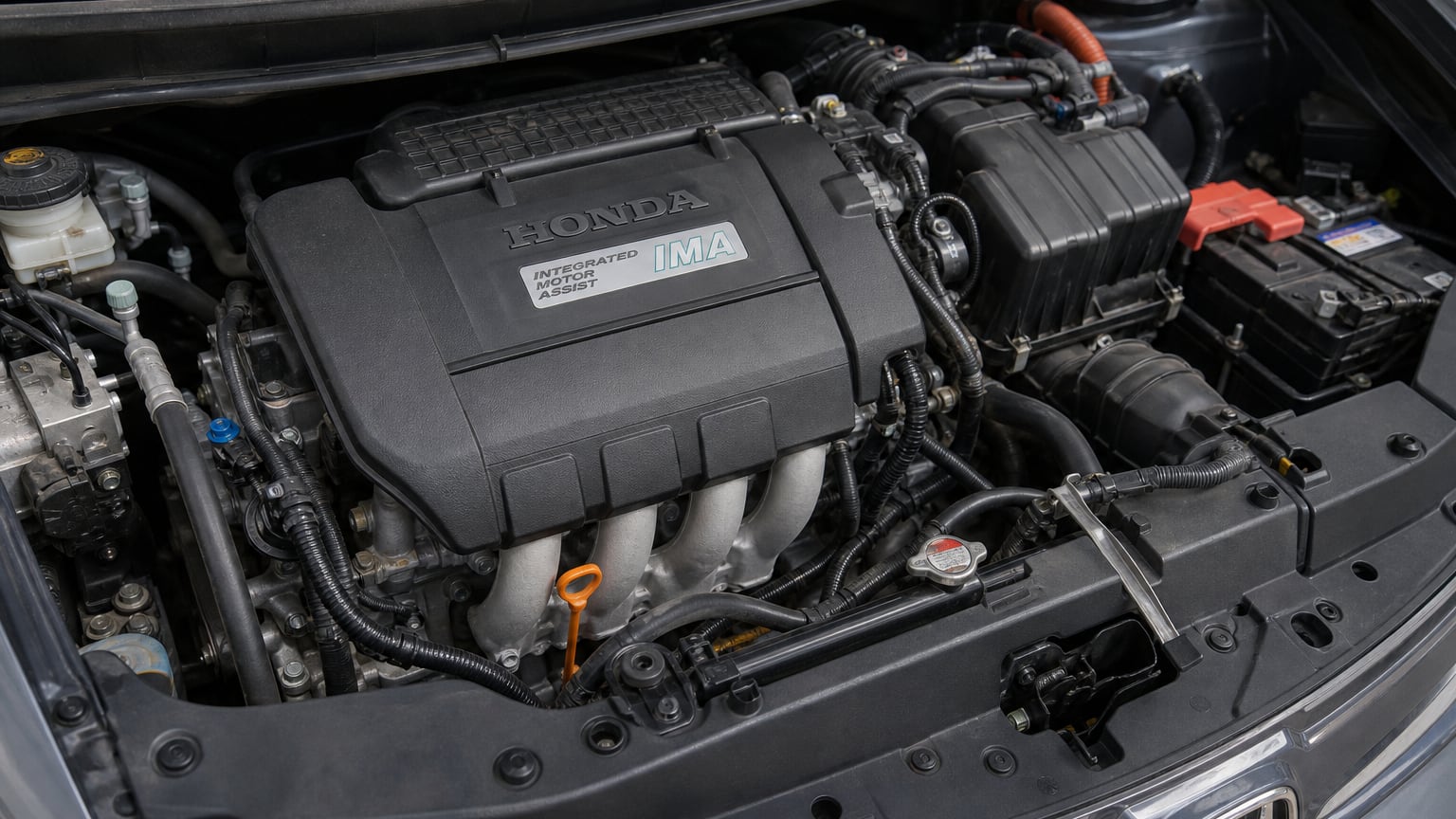
1. Excessive oil consumption (2012-2013)
The oil control rings in these engines can become clogged with carbon deposits, which restricts their ability to scrape and return oil from the cylinder walls to the crankcase, causing misfires, engine cylinder damage, head damage, and oil consumption that may exceed customer expectations. Owners on CarComplaints report burning roughly one quart every 700-1,000 miles, with the symptom usually appearing around the 63,000-65,000-mile mark.
The 2012 Honda Insight has 77 complaints filed for excessive oil consumption, with an average repair cost of $2,070 at 64,400 miles. Dealer repair estimates for piston ring replacement run around $2,500, and a full engine replacement can reach $6,500. The good news is that Honda acknowledged this defect and responded with a warranty extension.
Honda extended the warranty on the engine related to oil consumption to 8 years from the original date of purchase, and issued service bulletin 16-101 in support of this campaign. The warranty extension covers 8 years from the original purchase date with no mileage limit. In most cases, the repair requires replacement of the pistons, piston pins, rings, and spark plugs. If you’re buying a 2012 or 2013 Insight, ask the seller for documentation showing the oil consumption test was performed and TSB 15-015 / warranty bulletin 16-101 was addressed. Owner discussions of this repair are active on the InsightCentral forum.
2. Takata airbag inflator failure (2010-2014)
The ammonium nitrate propellant in Takata inflators can become unstable over time, particularly when exposed to high temperatures and humidity, and NHTSA reports at least 15 U.S. deaths and more than 250 injuries linked to these inflators. The Honda Insight was directly caught up in this recall. The recall covers 2010-2014 Honda Insight vehicles, among dozens of other Honda and Acura models.
The Insight has been recalled 15 times overall, and the 2010 and 2011 model years have been involved in the most recall campaigns. Before buying any 2010-2014 Insight, use the NHTSA recall checker to confirm the Takata airbag campaign has been completed on that specific VIN. The remedy is free; dealers replace the inflator at no charge.
3. IMA hybrid battery failure (1st gen and early 2nd gen)
The Integrated Motor Assist (IMA) battery is the heart of the Insight’s hybrid system. When it degrades, the IMA warning light illuminates, the engine stops auto-shutting off at stops, and fuel economy drops noticeably. RepairPal lists IMA battery failure as the most commonly reported problem for the 2010 Honda Insight.
Replacement packs from third-party suppliers start around $1,300 with a one-year warranty, $2,100 for a three-year warranty, and about $2,400 for a five-year warranty. Dealer pricing can run higher. Owners on InsightCentral discuss the full range of options, from OEM to third-party packs. On any 1st-gen or early 2nd-gen Insight, check the IMA indicator during a test drive and ask whether the pack has ever been replaced.
4. CVT transmission shudder (2010-2014)
The CVT (continuously variable transmission) in 2nd-gen Insights can develop a shudder caused by a worn start clutch, and replacing the start clutch is the recommended fix. The shudder typically feels like a vibration or brief hesitation when pulling away from a stop. RepairPal’s average repair cost estimate for a 2011 Honda Insight ranges from $354 to $433 for common repairs, though a start clutch job is on the higher end. Test-drive any 2nd-gen Insight from a full stop to feel for this symptom before buying.
Transmission fluid condition matters here too. A dark or burnt-smelling fluid on a transmission fluid leak when parked or contaminated CVT fluid can accelerate start-clutch wear significantly.
5. Phantom braking / AEB system malfunction (2019)
NHTSA opened an investigation into the 2019-2022 Honda Insight and the Honda Passport because Honda’s automatic emergency braking (AEB) software could cause the vehicle to brake randomly with no obstacle present. NHTSA cited 46 complaints when it opened the investigation, noting the AEB could cause the vehicle to brake sharply even when there are no visible obstacles in front of it.
This phantom braking (sudden hard braking with no apparent cause) is concentrated most heavily in the 2019 model year, which carries the highest overall problem score in NHTSA data for the 3rd generation, with 8 recalls and 58 owner complaints on record. The 2020-2022 models show a meaningfully lower complaint rate. If you test-drive a 2019 Insight, pay attention to any unexpected hard braking at highway speeds.
6. Soy-based wiring insulation (2019-2022)
Honda switched to a soy-based coating for their wiring that is more biodegradable, though the real driver was likely cost savings over plastic insulation. Rodents are attracted to this coating and can chew through wiring harnesses, causing electrical gremlins ranging from warning lights to no-start conditions. This affects all 3rd-gen Insights to varying degrees depending on where the car is stored. If you buy a 2019-2022 Insight that has been parked outdoors or near fields, inspect the engine bay for chew damage. An SRS warning light that appears out of nowhere on a 3rd-gen Insight is a common symptom of wiring damage from this issue.
Which Honda Insight years should you avoid?
The Honda Insight years to avoid, based on cost and complaint severity, are 2010, 2011, 2012, 2013, 2014, and 2019. CarComplaints rates the 2012 as the worst model year based on repair cost and average mileage at failure, while NHTSA complaint volume data identifies the 2010 as the highest raw-complaint year - two different measures that point to overlapping but not identical years. Both data sources agree the entire 2nd generation warrants extra caution.
| Honda Insight Generation | Model Years | Verdict | Main Issues |
|---|---|---|---|
| 1st gen (2000-2006) | 2000-2001 | Mixed | Aging IMA battery, early build quality |
| 2nd gen (2010-2014) | 2010-2014 | Worst | Oil consumption, Takata airbag recall, CVT shudder, IMA battery |
| 3rd gen (2019-2022) | 2019 | Worst | Phantom braking, highest 3rd-gen complaint score |
Worst Honda Insight years - full list:
- 2000
- 2001
- 2010
- 2011
- 2012
- 2013
- 2014
- 2019
2nd-generation Honda Insight (2010-2014)
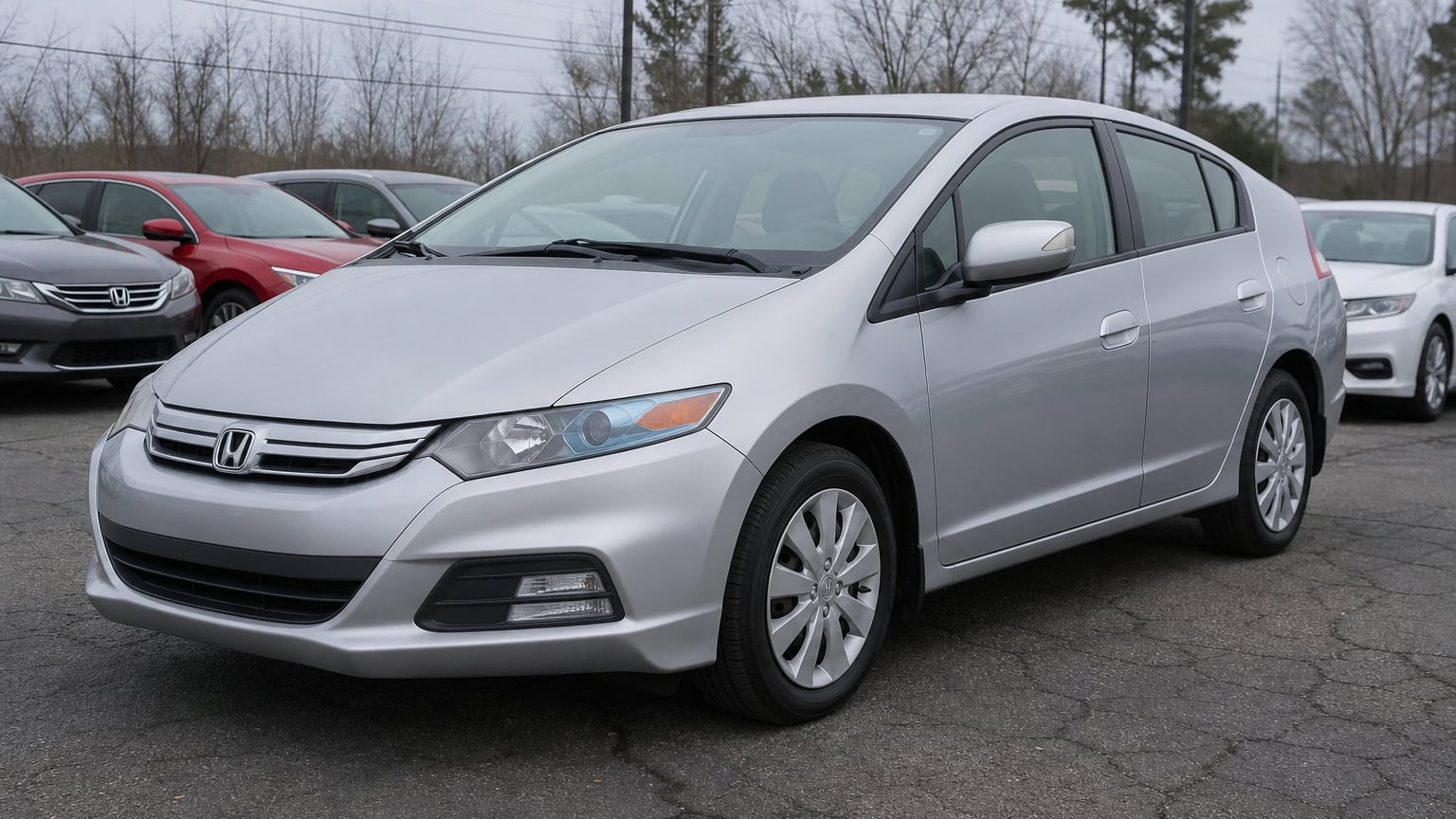
Insight owners filed 149 complaints about the 2010-2014 model years, and CarComplaints’ PainRank system ranked it 25th out of 58 Honda generations in overall reliability, with engine and interior concerns as the main drivers. The 2012 is the single most problematic year: the 2010 alone has 172 problems and defects reported by owners, with the worst complaint categories being body/paint, accessories/interior, and engine problems. The oil consumption defect affects 2012-2013 specifically, the Takata airbag recall covers the full 2010-2014 range, and the CVT shudder can show up anywhere in the generation.
Visit the CarComplaints 2012 Honda Insight page and the 2010 Honda Insight NHTSA complaints before purchasing any car from this generation.
3rd-generation Honda Insight - 2019
The 2019 Honda Insight carries 8 recalls and 58 owner complaints in NHTSA data, giving it the highest problem score in the 3rd-generation dataset. The phantom braking investigation is the most serious concern. The 2020-2022 cars share the same architecture but show a considerably lower complaint rate, making 2019 the one year of this generation worth skipping.
What are the best Honda Insight years to buy?
After you clear the Honda Insight years to avoid, the best Honda Insight years to buy are 2004, 2005, 2006, 2020, 2021, and 2022. The 2006 Honda Insight is the lowest-risk year in NHTSA analysis, with zero recalls and only one complaint on record. On the 3rd-gen side, the 2022 Honda Insight earned an overall 5-star NHTSA safety rating, with 5 stars each for frontal crash, side crash, and rollover protection.
| Best Honda Insight Year | Why It's a Strong Buy |
|---|---|
| 2004 | Very low NHTSA complaint record; well past early 1st-gen issues |
| 2005 | Low complaints; IMA battery most likely still healthy or already replaced |
| 2006 | Lowest NHTSA problem score of all years; 1 known recall (RepairPal) |
| 2020 | Lower complaint count than 2019; AEB software better addressed |
| 2021 | Low NHTSA problem points; refined 3rd-gen year |
| 2022 | 5-star NHTSA overall rating; final year with best-quality assembly |
Best and most reliable Honda Insight years - full list:
- 2004
- 2005
- 2006
- 2020
- 2021
- 2022
2004 Honda Insight
The 2004 Honda Insight is among the model years with the fewest documented complaints and problems in NHTSA records. By 2004, Honda had worked out the earliest 1st-gen production issues, and the IMA battery - while aging now - has had two decades to be replaced by diligent owners. Ask for service records showing a battery replacement or a recent IMA test result before buying.
2006 Honda Insight
The 2006 Insight carries an average annual repair cost of just $392 and, while the frequency of repairs is about average, the ownership cost remains excellent. RepairPal notes the 2006 Honda Insight has only 1 known recall, the lowest recall count of any production year. It’s the final model year of the 1st generation, and represents the most refined version of that era’s hybrid technology. Being a hybrid vs. a plug-in hybrid matters here: the 1st-gen Insight is a mild hybrid, so battery costs and management are different than what you’d see in a full PHEV.
2022 Honda Insight
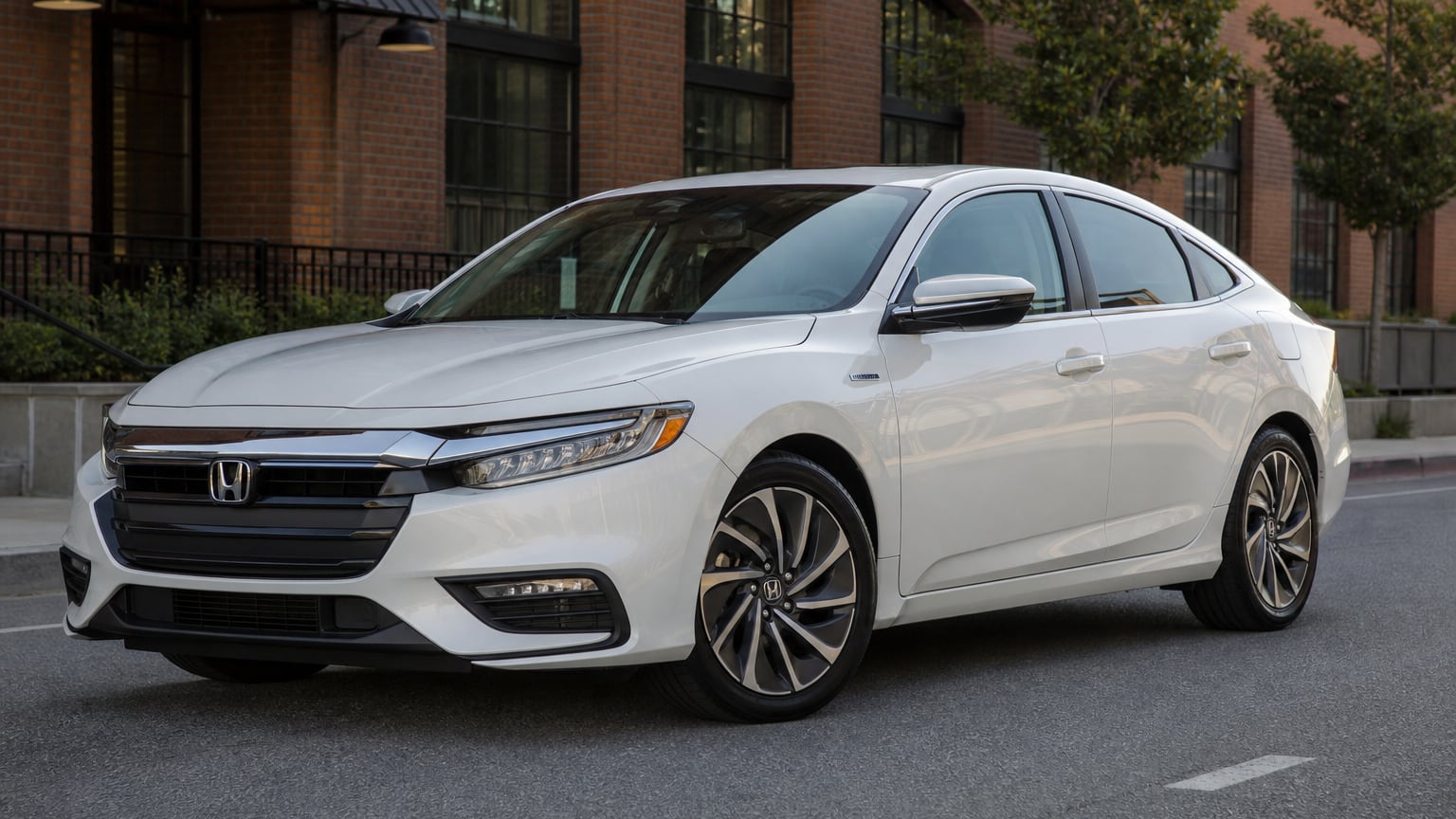
The 2022 is the last Insight ever made, and it went out on a high note. The total average annual cost for repairs and maintenance on a Honda Insight is $392, compared to $471 for alternative fuel vehicles and $652 for all vehicle models. The 3rd-gen cars, especially the 2022, benefit from Honda Sensing driver assistance features and the most mature version of the two-motor hybrid system. The third-gen Insight was discontinued after the 2022 model year, so parts support from Honda’s existing Civic hybrid lineup remains strong.
Honda Insight pre-purchase checklist
Before you hand over money for a used Honda Insight, run through these checks - they’re specific to known Insight failure points.
- Run the VIN through the NHTSA recall checker. Go to nhtsa.gov/recalls and enter the VIN. Confirm every open campaign - especially the Takata airbag recall on 2010-2014 cars - has been completed. This takes two minutes and costs nothing.
- On 2012-2013 cars, check the oil level cold before starting. A dry or very low dipstick on a cold engine is the clearest sign of active oil consumption. Ask the seller how often they top off the oil and whether TSB 15-015 / warranty bulletin 16-101 was addressed.
- Ask for proof of IMA battery health on any 1st-gen or 2nd-gen Insight. The IMA light should not be illuminated. Ask whether the pack has ever been replaced and, if so, by which supplier and under what warranty.
- Test-drive the CVT from a complete stop. Any shudder or hesitation when pulling away from a light on a 2010-2014 car points to a worn start clutch in the continuously variable transmission.
- On 2019 Insights, test the Honda Sensing / AEB at highway speeds. Any unexpected hard braking with no obstacle ahead is a direct symptom of the phantom braking issue under NHTSA investigation.
- Inspect the engine bay on 2019-2022 cars for rodent damage. Look for chewed wires near the firewall and battery tray. The soy-based wiring insulation attracts rodents, especially on cars that sat in storage or rural areas.
- Request a full service history. Oil changes, IMA battery service, and recall remedy documentation are the three most critical records for an Insight.
- Have an independent mechanic inspect before purchase. A pre-purchase inspection costs $100 - $200 and can identify early-stage oil consumption, IMA battery degradation, or metal shavings in the oil - a sign of serious internal engine wear.
Better alternatives to consider
If the Honda Insight years you can afford fall on the avoid list, these hybrids and Honda alternatives are worth a look:
- Toyota Prius — the volume hybrid benchmark; longer production run and a clearer year-by-year reliability map.
- Honda Civic — non-hybrid Civic years can undercut Insight pricing with simpler ownership, if mpg is secondary.
- Honda Fit — smaller, cheaper to insure, and easier to maintain than aging IMA Insights.
- Honda Clarity — a roomier plug-in hybrid if you want more EV range than a mild hybrid Insight.
- Honda CR-Z — a sportier IMA hybrid coupe for buyers who want the hybrid badge with a more engaging drive.
Is the Honda Insight worth buying?
The Honda Insight is worth buying, as long as you avoid the 2010-2014 and 2019 model years. Its average annual repair cost of $392 is well below the $652 average across all vehicle models, which makes it an economical used car when you pick the right year. The 2022 Honda Insight earned an overall 5-star NHTSA safety rating, making the final model year one of the safer compact cars you can buy used. Aim for a 2004-2006 or 2020-2022, run the VIN through NHTSA’s recall checker, and verify the oil consumption TSB and IMA battery status before signing anything.