
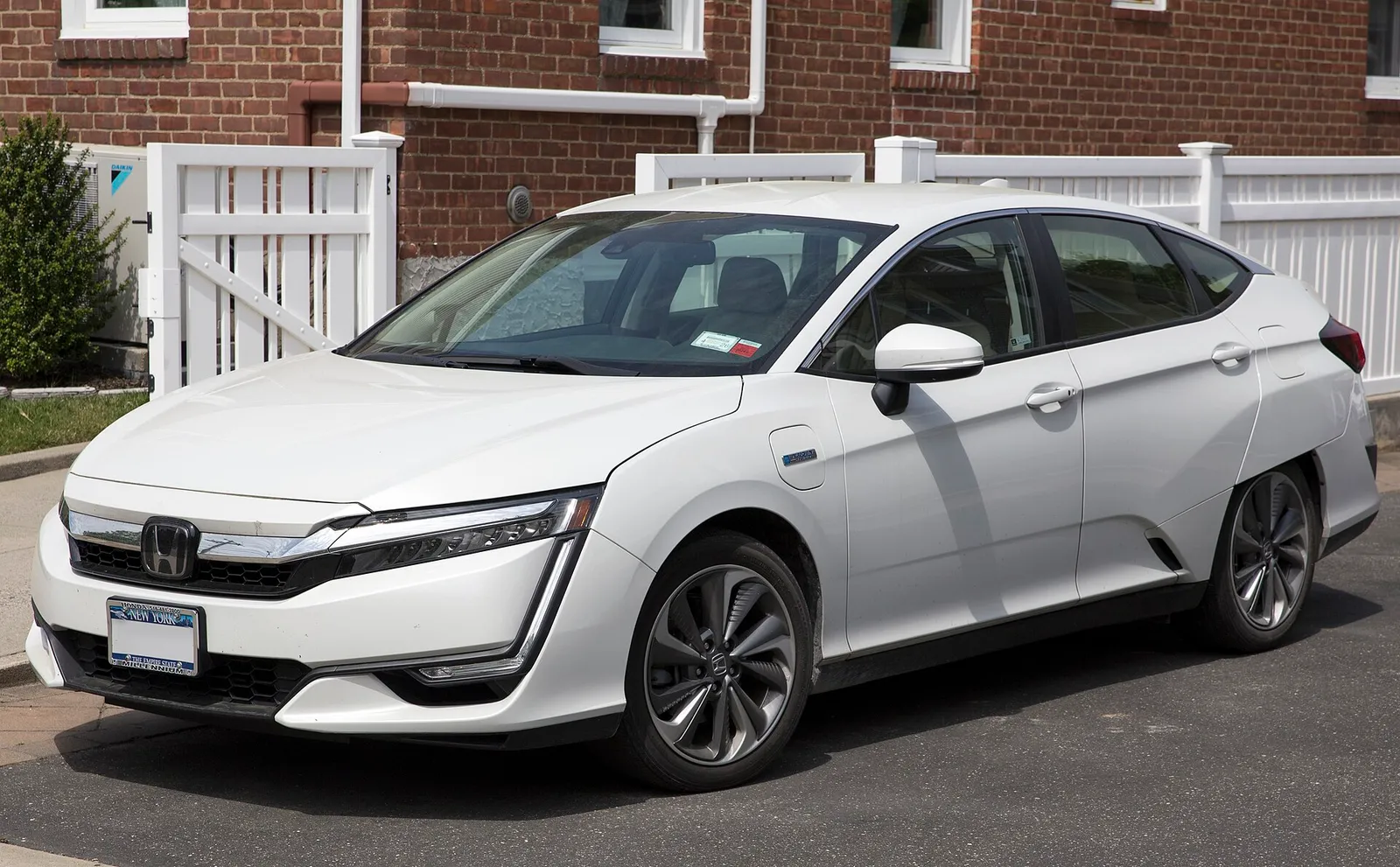
The Honda Clarity is a roomy, efficient plug-in hybrid sedan. Two model years still stand out for high complaint volume and serious safety recalls.
Before you buy, confirm which Honda Clarity years to avoid — and which ones are safer used picks. This guide uses NHTSA data, CarComplaints PainRank, and owner-forum reports for every Clarity year.
For tire sizes, PHEV ownership notes, and buying advice in one place, see the Honda Clarity hub.
At a glance
- Worst years
- 2018
- 2019
- Best years
- 2020
- 2021
- Top failure
- Fuel pump failure / engine power loss - 2018-2019 PHEV (NHTSA recall 20V-314 and expansion 23V-858; CarComplaints rates 2018 as worst on repair cost and complaint volume)
- Always do before buying
- Run the VIN through NHTSA's recall checker to confirm every open recall is closed, plus verify the fuel pump recall (20V-314 / 23V-858) has been completed on any 2018-2019 PHEV
Recalls by year
How we rated the best and worst Honda Clarity years
The 2018 Honda Clarity PHEV is the single worst model year. It has the highest complaint volume and the worst CarComplaints PainRank score of any Clarity year.
We pulled data from CarComplaints, which ranks 2018 worst on repair cost and mileage at failure. We also used NHTSA complaint and recall filings, Consumer Reports owner surveys, Kelley Blue Book ratings, and Honda Clarity Forum reports.
CarComplaints measures severity by cost and failure mileage. NHTSA measures raw complaint volume. For the Clarity, 2018 is worst on both.
| Honda Clarity Generation | Best Honda Clarity Years | Worst Honda Clarity Years |
|---|---|---|
| 1st Gen PHEV (2018-2021) | 2020, 2021 | 2018, 2019 |
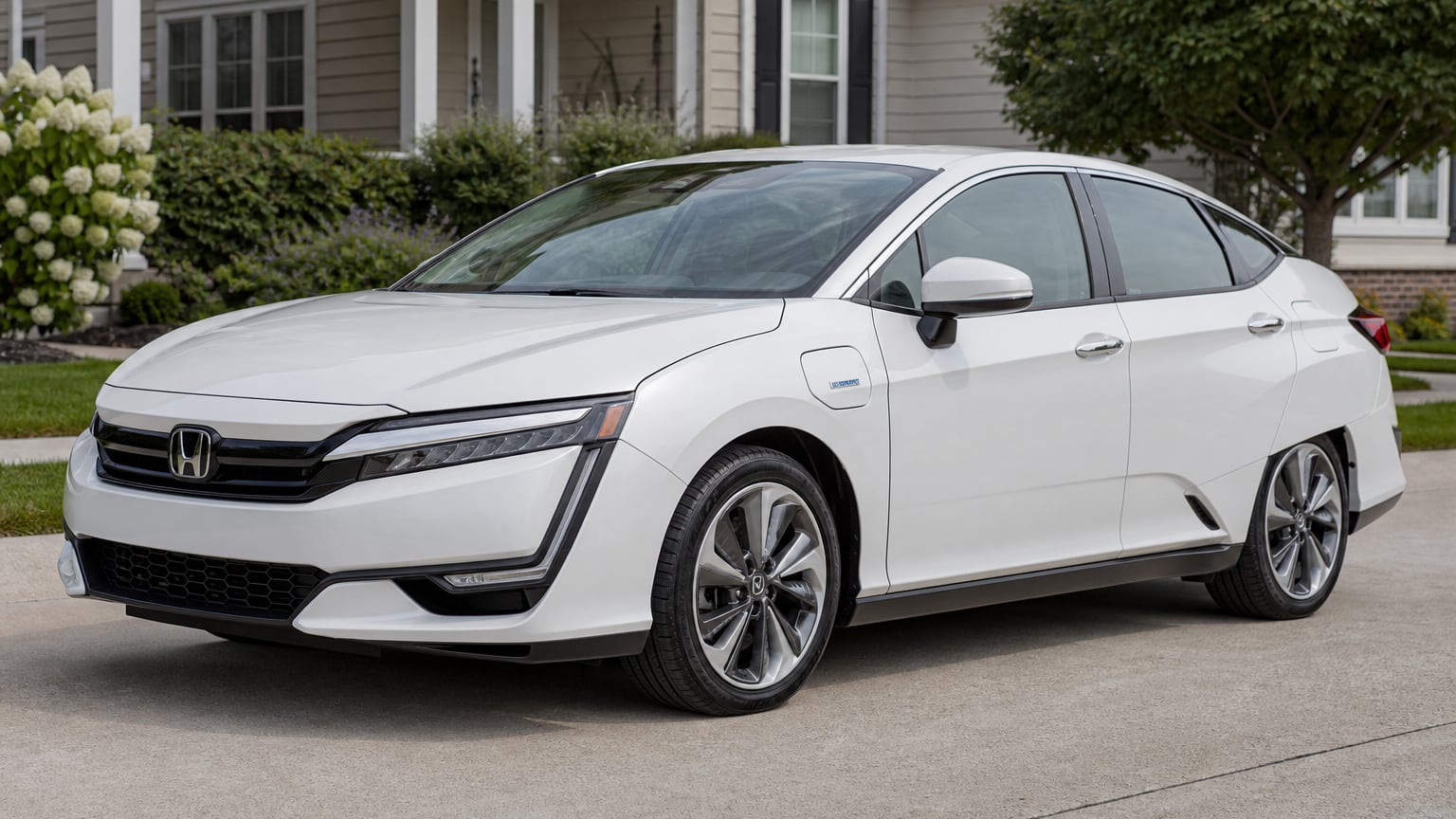
Every Honda Clarity model year ranked
The Honda Clarity Plug-In Hybrid was sold mainly for 2018-2020 model years in the U.S. and is now discontinued, with a final 2021 model year. The table below covers the PHEV - the highest-volume variant and the one most shoppers will find used.
| Model Year | Generation | Verdict | Notes |
|---|---|---|---|
| 2018 | 1st Gen PHEV | Avoid | Most complaints (191 on CarComplaints); 3 recalls including fuel pump and airbag |
| 2019 | 1st Gen PHEV | Avoid | 50 CarComplaints reports; 2 recalls including fuel pump (20V-314) and seat belt (20V-326) |
| 2020 | 1st Gen PHEV | Best | Only 6 CarComplaints reports; 0 recalls; minor cosmetic updates; low complaint rate |
| 2021 | 1st Gen PHEV | Best | Final model year; KBB #1 Mid-Size Car of 2021; 0 recalls; earlier campaigns addressed |
Most common Honda Clarity problems
These failures drive most Honda Clarity years to avoid calls. The single biggest failure category across all Honda Clarity model years is engine problems. The sections below rank the most-reported defects by severity, with the fuel pump recall leading the list.
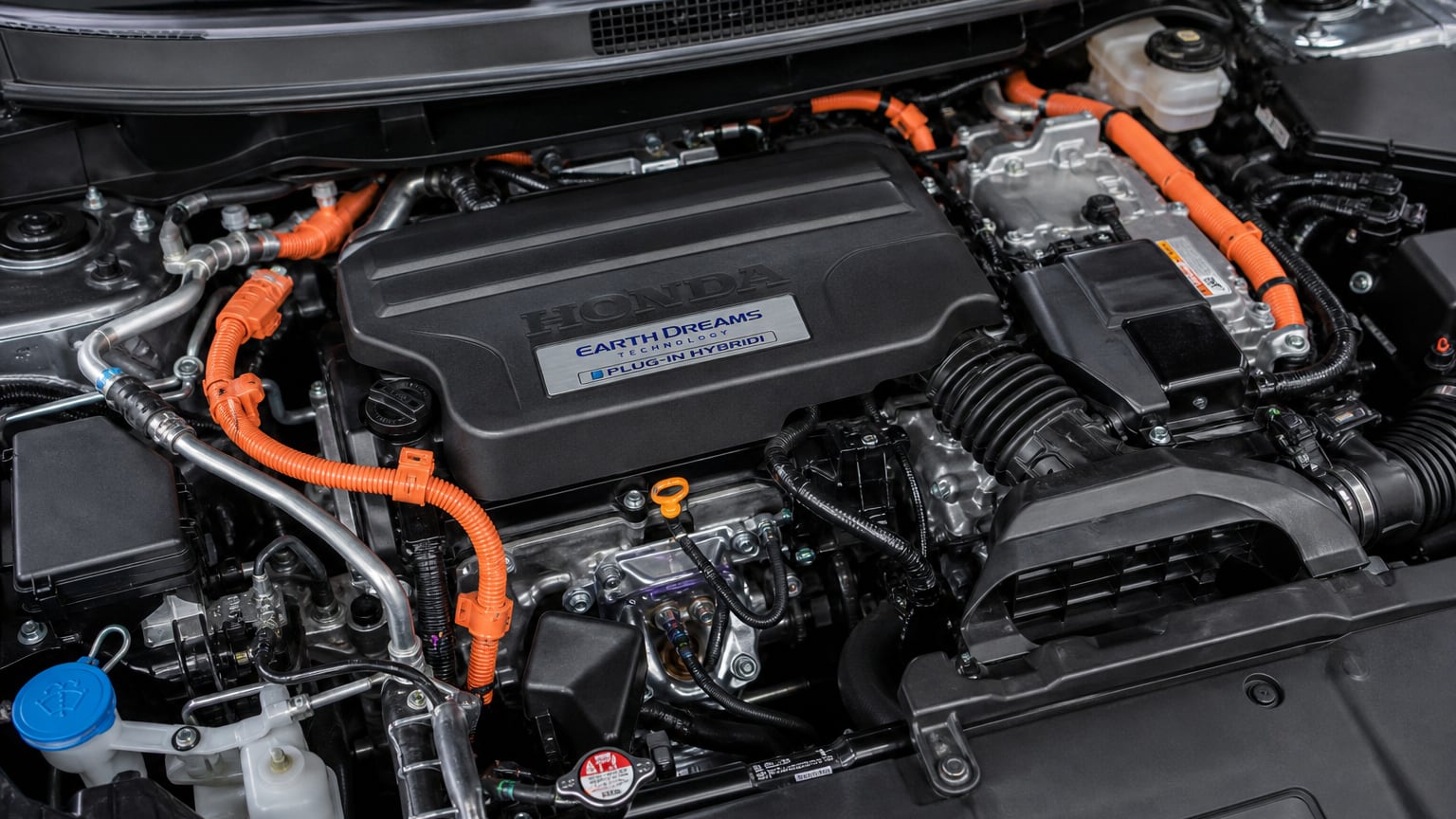
1. Fuel pump failure and engine stall (2018-2019 PHEV)
A widespread safety recall is the most significant issue affecting the 2018-2019 Honda Clarity PHEV. Honda issued recalls including NHTSA campaign numbers 20V-314 and its expansion 23V-858 because the fuel pump impeller was made from a low-density material. Over time, this impeller can absorb fuel, swell, and deform, causing it to interfere with the fuel pump housing and potentially seize entirely.
The primary safety risk is that the fuel pump can fail while driving, causing the engine to stall and a loss of motive power, which increases the risk of a crash. The recall remedy involves dealers replacing the entire fuel pump module with an improved part, free of charge.
Key failure symptoms include engine stalling, difficulty starting, and hesitation, often accompanied by a P0087 trouble code. Buyer takeaway: before purchasing any 2018-2019 Clarity PHEV, confirm this recall has been completed using the NHTSA VIN checker - parts shortages delayed repairs well into 2024-2025 for some owners, per CarComplaints complaint reports.
2. High revving and loss of power in hybrid mode (2018 PHEV)
The 2018 Honda Clarity is known for engine problems, most notably the car slowing down and over-revving. This is a common problem faced by 2018 Clarity hybrid owners, and Honda dealerships have struggled to identify the root cause.
NHTSA recorded 10 complaints for the 2018 Clarity PHEV vehicle speed control category alone, at an average of 5,174 miles - meaning the problem appeared very early in ownership. Separately, NHTSA logged 22 complaints in the fuel/propulsion system category at an average of 3,672 miles.
Once the car loses power to regain its set cruising speed, switching from HV to EV mode and back can temporarily restore power - but this is a dangerous situation when drivers are unaware that the car has cut power in HV mode. No standalone TSB with a published bulletin number for this specific issue was confirmed in research; owners on the Honda Clarity Forum report multiple dealer visits without a permanent fix.
3. Climate system and A/C compressor failure (2018 PHEV)
Consumer Reports owner survey data flags the 2018 Clarity’s climate system as a notable trouble spot, covering the A/C compressor, blower motor, condenser, evaporator, heater system, automatic climate controls, and refrigerant leakage.
Consumer Reports stated the Clarity had “much-worse-than-average” reliability, with member-reported problems including electronic glitches leading to multiple warning lights when there was no actual fault, a faulty cabin temperature sensor, and the trunk failing to open. Many of these complaints cluster on the 2018 model year.
Refrigerant leaks are the most expensive of the climate issues. Replacing an A/C compressor on a hybrid platform typically runs $800-$1,500 at a dealership. Buyer takeaway: on any used 2018 Clarity, run the A/C on full cold for 10 minutes before purchase and check for any unusual warm-air output.
4. Honda Sensing system malfunctions (2018-2019 PHEV)
Significant problems with the Honda Clarity include the Honda Sensing safety system malfunctioning, causing the automatic brakes to engage unexpectedly. Honda Sensing is a group of safety systems designed to help drivers monitor road conditions, but there are growing concerns about malfunctions that cause the auto-brakes to engage randomly and the radar to become confused by sunlight.
Honda issued two bulletins to dealers to handle the warning-light problem associated with the system. If there is a confirmed hardware fault with the Honda Sensing system, replacement can cost upwards of $1,000. Buyer takeaway: test adaptive cruise control and automatic emergency braking during any test drive of a 2018-2019 Clarity.
5. Rear seat belt retractor failure (2019 Clarity)
American Honda issued a voluntary recall covering 128 model-year 2019 Honda Clarity Electric, Fuel Cell, and Plug-In Hybrid vehicles to inspect and, if needed, replace rear seat belt retractors. Certain incorrectly manufactured rear seat belt retractors may not lock the seat belt in place during a crash, potentially increasing the risk of injury to occupants.
This became NHTSA Recall 20V-326. Due to incorrect manufacturing of the rear seat belt assembly, a sensor in the assembly could stop working and fail to lock the seat belt as intended, meaning an occupant may not be restrained properly in certain crashes.
Honda will inspect the rear seat belt assembly production dates and replace the assemblies as necessary, free of charge. The recall began July 24, 2020. Buyer takeaway: confirm NHTSA recall 20V-326 has been completed before buying any 2019 Clarity.
6. Electrical system glitches and warning lights (2018-2019 PHEV)
There have been a number of problems with the electrical system in the Honda Clarity, including issues with the ignition switch, battery, rotor, and engine harness. Multiple false warning lights - where the instrument cluster illuminates error codes without an actual underlying fault - are a documented nuisance on early 2018-2019 cars. These electrical faults sometimes trigger Honda emissions system problems that show up as dashboard warnings without a clear underlying cause.
Some owners report having to call Honda themselves and show a service bulletin to the dealer before the warning-light issue would be addressed under warranty. The good news is these electrical glitches are generally not catastrophic. Most are fixed via software updates or sensor replacements at zero cost under warranty, but many owners report 80,000-120,000 miles with only routine maintenance plus a 12-volt battery replacement when the car is properly maintained.
Which Honda Clarity years should you avoid?
The Honda Clarity years to avoid are clear from the data: 2018 and 2019. CarComplaints rates the 2018 Plug-In Hybrid worst on repair cost and mileage at failure.
On raw NHTSA volume, the 2018 has 191 reported problems, led by engine, electrical, and interior complaints. The 2019 is a step better, but it still carries the fuel pump recall and the seat belt retractor recall.
| Honda Clarity Generation | Model Years | Verdict | Main Issues |
|---|---|---|---|
| 1st Gen PHEV (2018-2021) | 2018-2019 | Worst | Fuel pump stall, high-revving engine, A/C failure, Honda Sensing glitches, seat belt retractor (2019) |
| 1st Gen PHEV (2018-2021) | 2020-2021 | Best | Low complaint volume, recalls from earlier years addressed, KBB top-rated |
Worst Honda Clarity years: 2018, 2019
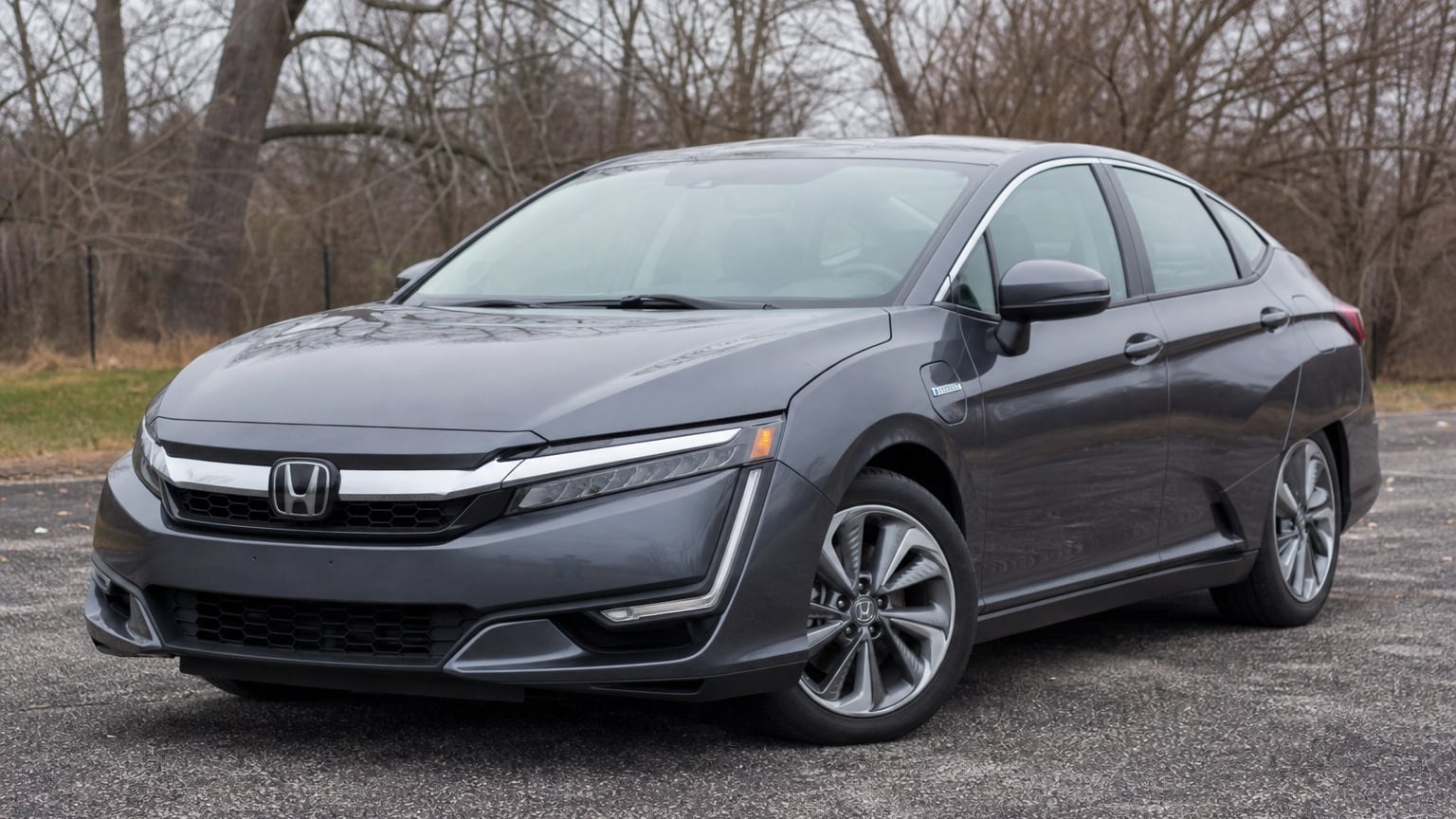
1st-generation Honda Clarity PHEV (2018-2019)
The 2018 Honda Clarity Plug-In Hybrid has 191 problems and defects reported by owners, with the worst complaints concentrated in engine, electrical, and accessories/interior problems. The 2018 model year is also the one most affected by the fuel pump recall (20V-314) and carries three total recalls per Consumer Reports data.
The 2019 Honda Clarity Plug-In Hybrid has 50 problems and defects reported by owners, with the worst complaints in drivetrain and transmission categories. The 2019 also carried the seat belt retractor recall (20V-326) affecting 128 vehicles. Both years are best avoided unless you can independently confirm every open recall has been completed via the NHTSA VIN checker.
What are the best Honda Clarity years to buy?
If you skip the Honda Clarity years to avoid, the best years to buy are 2020 and 2021. The 2020 Honda Clarity Plug-In Hybrid has just 6 problems and defects reported on CarComplaints, a dramatic drop from the 191 filed against the 2018. KBB ranks the 2021 Honda Clarity Plug-In Hybrid #1 in the Best Mid-Size Cars of 2021 category, with a 4.7 expert rating and 4.5 consumer rating. The Clarity’s pros and cons of hybrid cars generally tip positive on the 2020-2021 models, where the efficiency gains outweigh the reliability concerns that plagued earlier years.
| Best Honda Clarity Year | Why It's a Strong Buy |
|---|---|
| 2020 | Only 6 CarComplaints reports; early recall remedies already applied to most cars |
| 2021 | KBB #1 Mid-Size Car of 2021; 4.7 expert / 4.5 consumer rating; final model year, most refined build |
Most reliable Honda Clarity years: 2020, 2021
2020 Honda Clarity PHEV
The Honda Clarity enters 2020 with a few small improvements compared to the 2019 model, gaining heated exterior mirrors for improved wet-weather visibility. More importantly, the 2020 Honda Clarity Plug-In Hybrid shows just 6 reported problems on CarComplaints - compared to 191 for 2018 - making it one of the cleanest years in the model’s run. If you find a well-maintained 2020 with service records, it represents solid value.
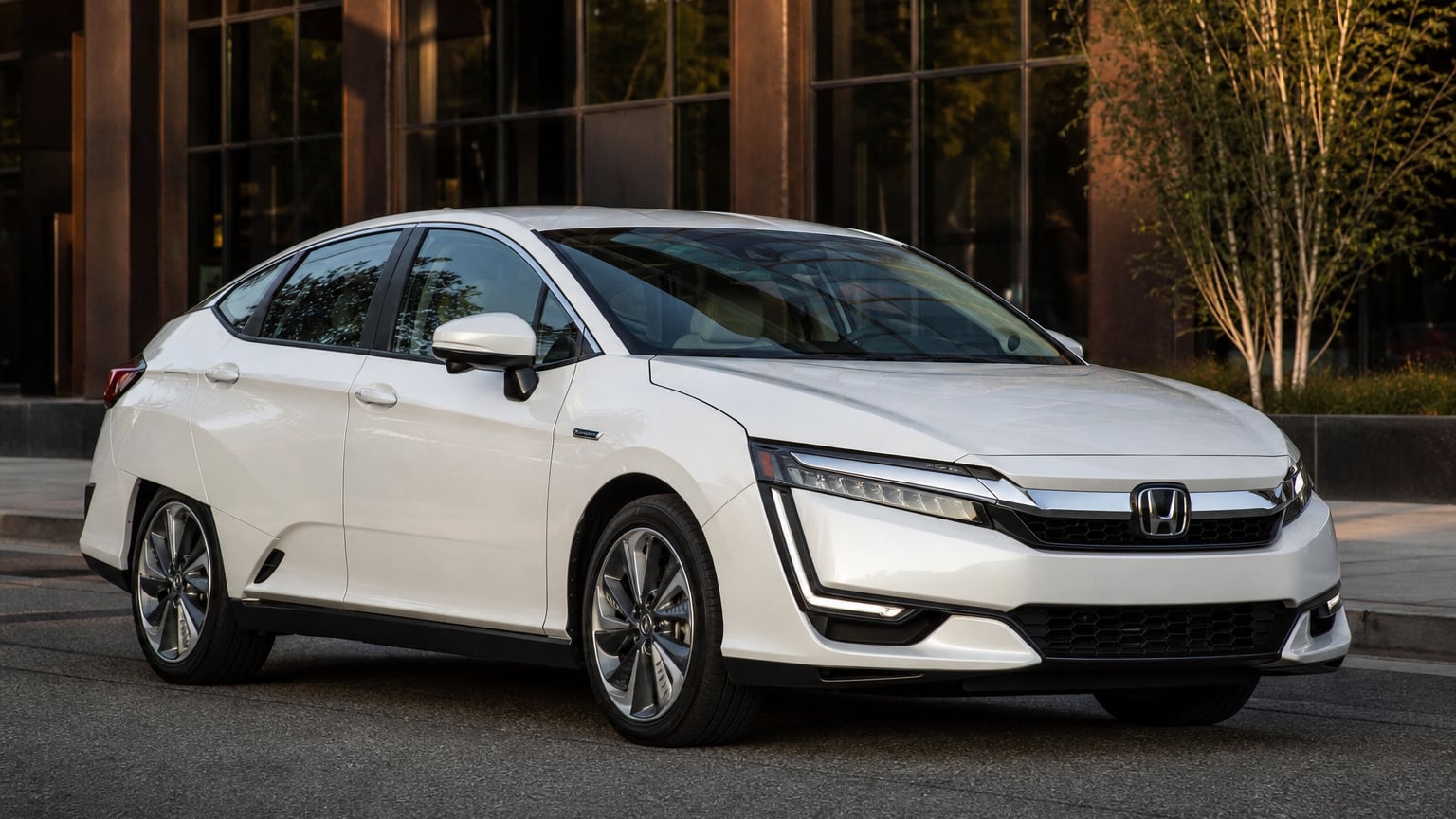
2021 Honda Clarity PHEV
The Honda Clarity enters 2021 with no changes inside or out from the already-improved 2020, which works in buyers’ favor - it’s a known, stable spec with no new issues introduced. One owner on the Clarity Forum reports selling a 2021 Clarity Touring at 56,000 miles having never experienced a problem. The 2018 model’s recalls were all addressed and fixed by the 2021 model year. At a KBB used price starting around $19,300, the 2021 is the pick of the lineup.
Honda Clarity pre-purchase checklist
Before buying any used Honda Clarity, work through these model-specific checks:
- Run the VIN through the NHTSA recall checker at nhtsa.gov to confirm every open recall is closed before signing anything. The Clarity has multiple open campaigns that may still be outstanding on individual cars.
- Verify the fuel pump recall (20V-314 / 23V-858) is complete on any 2018-2019 PHEV. Ask the seller for the dealer paperwork showing the updated fuel pump module was installed. The corrected part number is 17045-TRW-A01 - the original defective part is 17045-TRW-A00.
- Confirm NHTSA recall 20V-326 is complete on any 2019 Clarity. Certain incorrectly manufactured rear seat belt retractors may not lock the seat belt in place during a crash, potentially increasing the risk of injury.
- Test the A/C for 10 minutes at full cold on any 2018 Clarity. Consumer Reports flags the climate system - including the A/C compressor and refrigerant leakage - as a top trouble spot on the 2018 model.
- Test Honda Sensing on the test drive - engage adaptive cruise control and check that automatic emergency braking does not fire randomly. Malfunctions that cause the auto-brakes to engage randomly and the radar to be confused by sunlight are a documented issue on early cars.
- Ask for full service records covering at least oil changes and 12-volt battery condition. Many owners report 80,000-120,000 miles with only routine maintenance plus a 12-volt battery replacement, so a clean service record is a strong indicator of long-term health.
- Check the 12-volt auxiliary battery on higher-mileage cars. On a PHEV that is driven mostly in EV mode, the 12-volt battery can go long stretches without being charged by the alternator, shortening its life.
- Review the charging history if possible - a Clarity that charged overnight regularly on Level 2 (240V) will have experienced less heat cycling on the traction battery than one charged primarily on slow 120V.
Better alternatives to consider
If the Honda Clarity years you can afford fall on the avoid list, consider these alternatives instead:
- Toyota Prius - a longer production run and a deeper used-market reliability record make it one of the most data-backed hybrid options at similar price points
- Chevy Volt - a plug-in hybrid with a comparable electric range and a well-documented reliability history, available in model years 2011-2019
- Honda CR-V Hybrid - shares Honda’s hybrid platform engineering and is available in higher volumes, giving you more choices to find a clean-history example
- Hyundai Ioniq Plug-In Hybrid - a lower-cost alternative with a competitive electric range and generally lower complaint rates than the 2018-2019 Clarity; shoppers who want to understand hybrid vs plug-in hybrid technology before deciding will find the distinction affects real-world running costs meaningfully
Is the Honda Clarity worth buying?
Yes — the Honda Clarity is worth buying if you avoid the Honda Clarity years to avoid (2018 and 2019). KBB ranks the 2021 Honda Clarity Plug-In Hybrid #1 in the Best Mid-Size Cars of 2021 category, and the 2020 carries nearly identical specs with an equally low complaint record. The Honda Clarity Plug-In Hybrid has a better-than-average reliability record for a first-generation plug-in, and the 2020-2021 cars benefit from three years of post-launch fixes. Run the VIN through the NHTSA recall checker and ask for a full service history before finalizing any deal.