
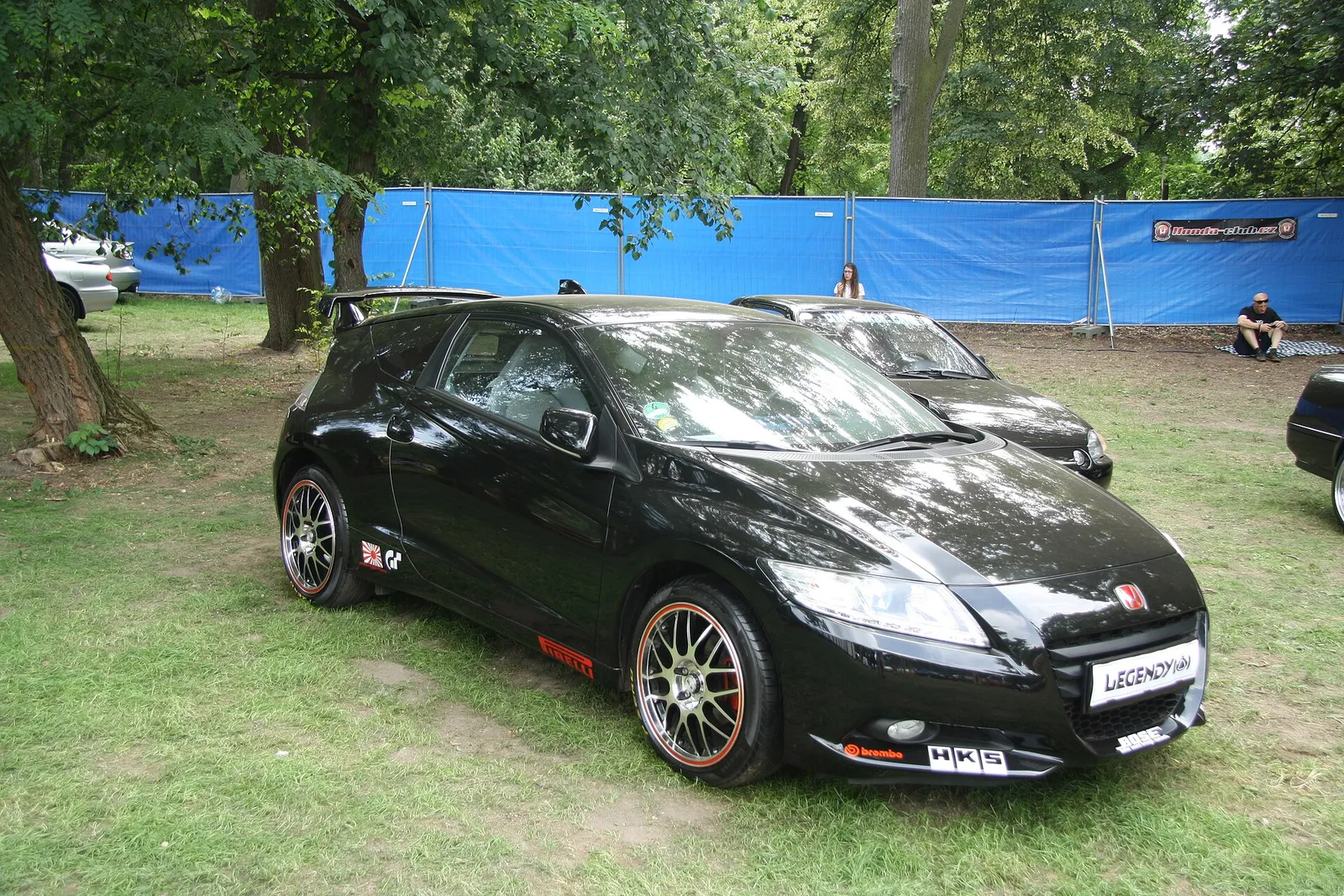
This Honda CR-Z years to avoid guide covers the full production run. The Honda CR-Z is a compact hybrid coupe with a genuine fun-to-drive character and low annual ownership costs, but a handful of model years carry problems that can cost you real money. Before you buy used, you'll want to know which years to target and which to pass on. This guide draws on NHTSA complaint data, CarComplaints, and RepairPal reliability ratings to give you a data-backed ranking of every CR-Z model year.
For tire sizes, IMA notes, and buying advice in one place, see the Honda CR-Z hub.
At a glance
- Worst years
- 2011
- 2015
- Best years
- 2014
- 2016
- Top failure
- IMA hybrid battery degradation, affecting all 2011-2016 cars (CarComplaints / owner reports)
- Always do before buying
- run the VIN through NHTSA's recall checker, plus confirm the Takata airbag recall (NHTSA campaign 16V-061) has been completed on 2011-2015 cars
Recalls by year
How we rated the best and worst Honda CR-Z years
The first-generation 2011 CR-Z carries the highest raw complaint volume in the lineup, while CarComplaints rates the 2015 as the single worst year on its PainRank formula - which weighs repair cost and the mileage at which problems appear, not just complaint totals.
Data for this guide comes from NHTSA complaints and recalls, CarComplaints (PainRank / repair-cost ranking), RepairPal (overall reliability rating and annual cost), Consumer Reports reliability surveys, and owner discussions on the CR-Z Forum. CarComplaints ranks the worst year by repair cost and mileage-at-failure (its PainRank), while NHTSA shows raw complaint volume - the two sources name different years as worst, and each is attributed to the correct source throughout this article. Our editorial guidelines and research verification process requires that every data point in this guide be traced back to a named primary source.
| Honda CR-Z Generation | Best Honda CR-Z Years | Worst Honda CR-Z Years |
|---|---|---|
| 1st Gen (2011-2016) | 2014, 2016 | 2011, 2015 |
Every Honda CR-Z model year ranked
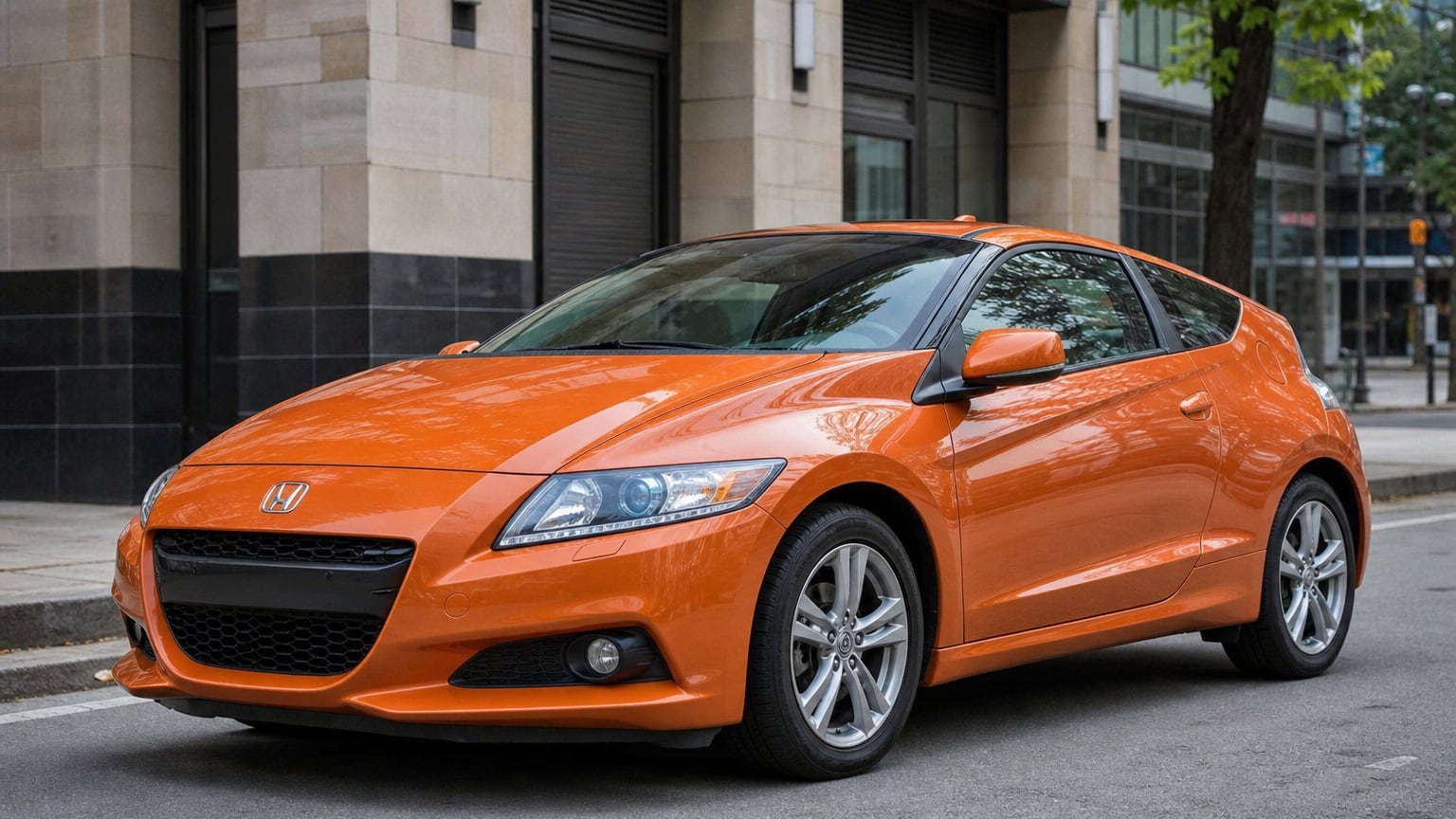
The Honda CR-Z is a hybrid subcompact introduced for the 2011 model year, offering excellent fuel economy and an attractive sporty design. Every US-market year falls within the single 2011-2016 generation, so the table below covers all six model years.
| Model Year | Generation | Verdict | Notes |
|---|---|---|---|
| 2011 | 1st Gen | Avoid | Highest NHTSA complaint volume; 3 recalls; Takata airbag recall |
| 2012 | 1st Gen | OK/Mixed | Low CarComplaints count; 2 recalls; still Takata-affected |
| 2013 | 1st Gen | OK/Mixed | 2 recalls; Takata airbag issues; low CarComplaints count; mid-cycle facelift |
| 2014 | 1st Gen | Best | 1 recall; lower complaints; post-facelift refinements; recommended pick |
| 2015 | 1st Gen | Avoid | 2 recalls; CarComplaints rates this the worst year by PainRank |
| 2016 | 1st Gen | Best | 0 recalls; final model year; fewest reported problems; Takata coverage confirmed |
Most common Honda CR-Z problems
These failures drive most Honda CR-Z years to avoid calls. The most significant Honda CR-Z problem across the 2011-2016 run is IMA hybrid battery pack degradation, followed by the Takata airbag recall and a cluster of smaller issues: door-handle breakage, rodent-attracting soy-based wiring, paint peeling, and 12-volt battery drain. The sections below rank them most-serious first.
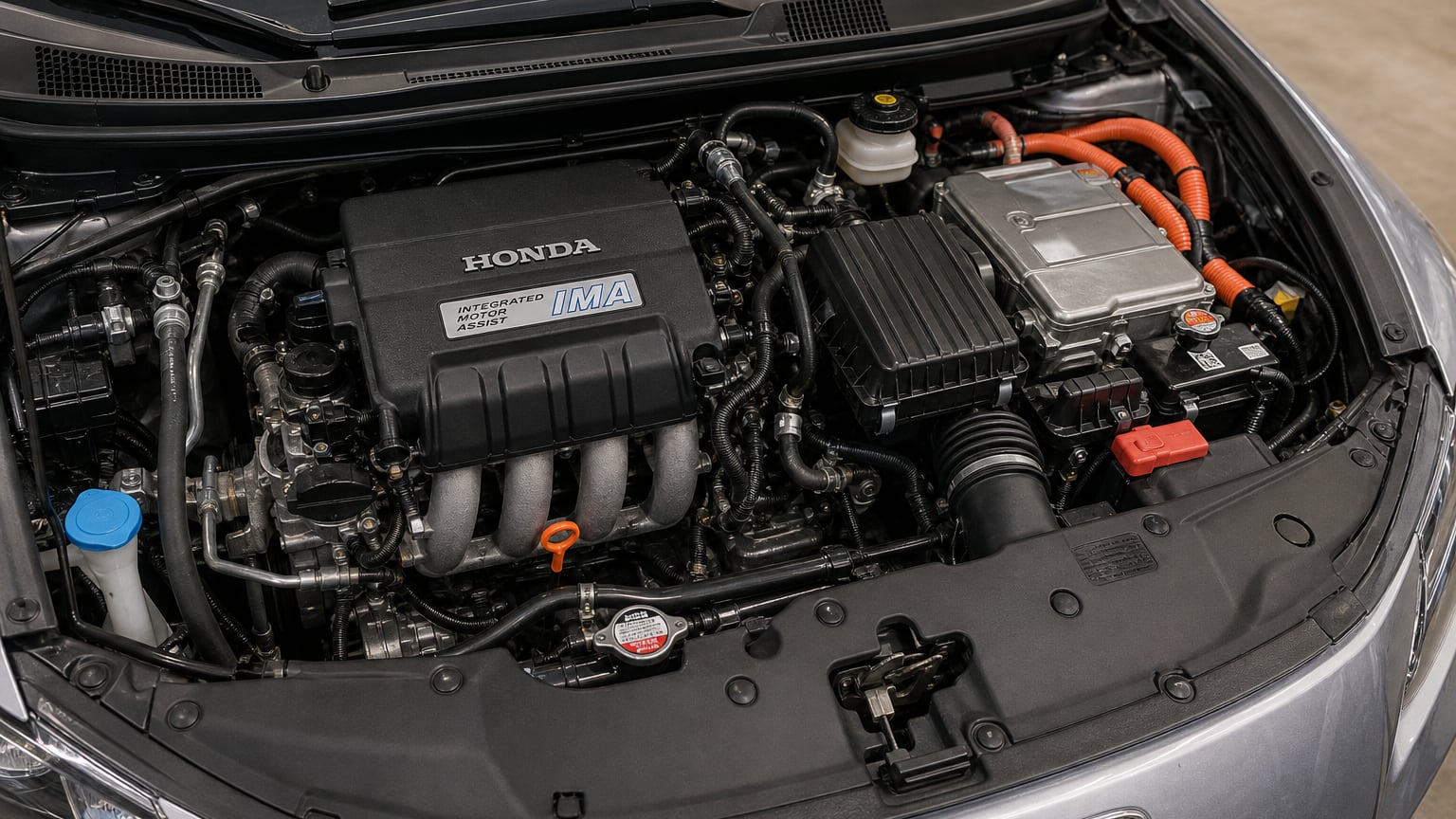
1. IMA hybrid battery pack degradation
The CR-Z uses Honda’s Integrated Motor Assist (IMA) system, which pairs a 1.5-liter four-cylinder engine with a nickel-metal hydride (NiMH) battery pack mounted behind the rear seats. This issue is rated critical among the documented CR-Z problems. As the battery ages, it loses the ability to hold a charge, causing the IMA warning light to illuminate, noticeably reduced electric assist, and dropping fuel economy.
The average cost for a Honda CR-Z hybrid high-voltage battery replacement is between $3,204 and $3,341. Labor costs are estimated between $293 and $430, while parts are typically priced around $2,911. The problem can appear after 80,000-plus miles on cars that are driven infrequently, since a parked hybrid battery loses capacity faster. Owners on the CR-Z Forum note that a 12-volt battery with longevity issues when the car is not driven enough is about as close to a “common” problem as the CR-Z gets.
The IMA battery is listed under “Federal and California Emissions Warranties Parts List,” and is covered for 8 to 10 years depending on the state. No separate CR-Z-specific TSB number for a warranty extension appeared in Honda’s published service bulletins during this research; the coverage described above is the standard federal/California emissions warranty term. Before buying any used CR-Z, confirm with a Honda dealer whether the IMA warranty period has expired on that specific VIN.
Buyer takeaway: ask the seller for the IMA service history and check the battery warning light during the test drive. On cars outside the warranty window, budget $3,200-$3,400 for a dealer replacement or explore refurbished-pack options.
2. Takata airbag inflator recall
The Honda recall for defective Takata-sourced airbag inflators covers 2011-2015 CR-Z model years, and Honda’s biggest recall issue since 2000 has been these inflators, which can injure or kill occupants with shrapnel in a deployment. The driver’s front airbag inflator could produce excessive internal pressure upon deployment, and if the inflator ruptures, metal fragments could pass through the airbag cushion material, possibly causing serious injury or death.
NHTSA recall campaign 16V-061 covers the Takata driver airbag inflator on the CR-Z, with a recall date of February 12, 2016. The majority of complaints on 2011-2013 models were due to airbag issues, and these years were affected by the Takata airbag recall. The most commonly reported issue with the 2011 Honda CR-Z filed with NHTSA is related to the airbags, with 15 complaints on file.
Honda notifies owners and dealers replace the affected front airbag inflator free of charge. Always run the VIN through NHTSA’s recall checker before purchasing any 2011-2015 CR-Z to confirm this work is complete.
Buyer takeaway: this is a safety-critical repair, not a reliability inconvenience. Refuse any 2011-2015 CR-Z where the VIN check shows the Takata recall still open.
3. Exterior door handle failure
The CR-Z’s biggest exterior weakness is its door handles, which have plastic pieces that eventually break after a few years; this problem affects all model years from 2011 to 2016, and the handles wear out and break more quickly when exposed to direct sunlight and heat. In many cases the handles start to stick as the plastic deforms, becoming harder to use over time before they quit working or break off entirely.
The average cost for replacing a CR-Z door handle is around $318, including $178 for parts and $140 for labor, though prices vary by location. Some CR-Z Forum members noted issues with weak door handles, mostly in pre-2013 models. The driver’s side handle tends to fail first.
Buyer takeaway: test every door handle - open from the outside, not just from inside - before you buy. Pre-2013 cars are at higher risk, but check all model years.
4. Soy-based wiring and rodent damage
Honda switched to a soy-based coating for its wiring that is more biodegradable; while this sounds like an environmental move, the coating also costs less than traditional plastic. The soy coating can attract rodents, who chew through the wiring and cause electrical faults. Symptoms include an illuminated check-engine light, rough running, and sensor failures.
Owner reports describe the check-engine light coming on and the motor sputtering, with dealers diagnosing that a rodent had eaten the wire to the ambient temperature sensor - a sensor that controls the ability of the motor to adjust fuel mixture based on temperature. Honda representatives confirmed to at least one owner that the wires are soy-based. This problem spans the full 2011-2016 generation and is most damaging if the car is parked outdoors or in a garage that wildlife can access.
Buyer takeaway: look for chewed wiring, unexplained check-engine codes, or any sign the car has been stored outdoors long-term. Repairs can vary widely depending on the extent of the damage.
5. Paint peeling
The most-reported paint problem in the CR-Z lineup is paint peeling off, concentrated on the 2011 model year. The 2011 Honda CR-Z has 3 problems reported for paint peeling off, with an average failure mileage of 78,600 miles. The 2011 CR-Z has 7 body/paint complaints on CarComplaints, with the worst complaints including paint peeling off.
The peeling tends to start at bumper edges and roof seams and can spread quickly if left untreated. Paint correction at a body shop typically runs $500-$1,500 depending on coverage area, though costs are not covered by Honda once the vehicle is out of warranty.
Buyer takeaway: inspect all painted panels - especially the front and rear bumpers and roof - under direct light before buying any 2011 CR-Z.
6. 12-volt battery drain and electrical glitches
Some owners have reported issues with the 12-volt battery draining and causing starting problems, a known issue with many hybrids. The electric power steering system can also draw down a weak 12-volt battery faster than normal driving would recharge it, especially on cars that sit unused for extended periods. Owner reports filed with NHTSA note that the electric power steering drains new 12-volt batteries in less than six months of use.
The 12-volt battery itself is an inexpensive fix (typically under $150 installed), but car won’t start with lights on symptoms on a CR-Z often point to the 12-volt side rather than the IMA pack - so don’t panic and assume you need a $3,000 battery.
Buyer takeaway: ask when the 12-volt battery was last replaced. On any CR-Z over five years old with no service record, budget for a fresh battery as basic maintenance.
Which Honda CR-Z years should you avoid?
The Honda CR-Z years to avoid stand out clearly: 2011 and 2015. Although the 2011 Honda CR-Z has the most overall complaints, CarComplaints rates the 2015 model year as worse because of other possible factors such as higher repair cost or more problems at lower mileage. On the NHTSA side, the 2011 Honda CR-Z has 51 complaints, 10 crash reports, and 0 fire reports filed with NHTSA - 3.0 times the class average.
| Honda CR-Z Generation | Model Years | Verdict | Main Issues |
|---|---|---|---|
| 1st Gen (2011-2016) - early years | 2011, 2015 | Worst | 2011: highest NHTSA complaint volume, Takata airbag recall, ECU recall, paint peeling. 2015: CarComplaints' worst year by PainRank |
| 1st Gen (2011-2016) - mid years | 2012, 2013 | OK/Mixed | Takata-affected, but low CarComplaints counts |
| 1st Gen (2011-2016) - final year | 2014, 2016 | Best | Lowest complaint counts; 2016 has the cleanest record |
Worst Honda CR-Z years: 2011, 2015
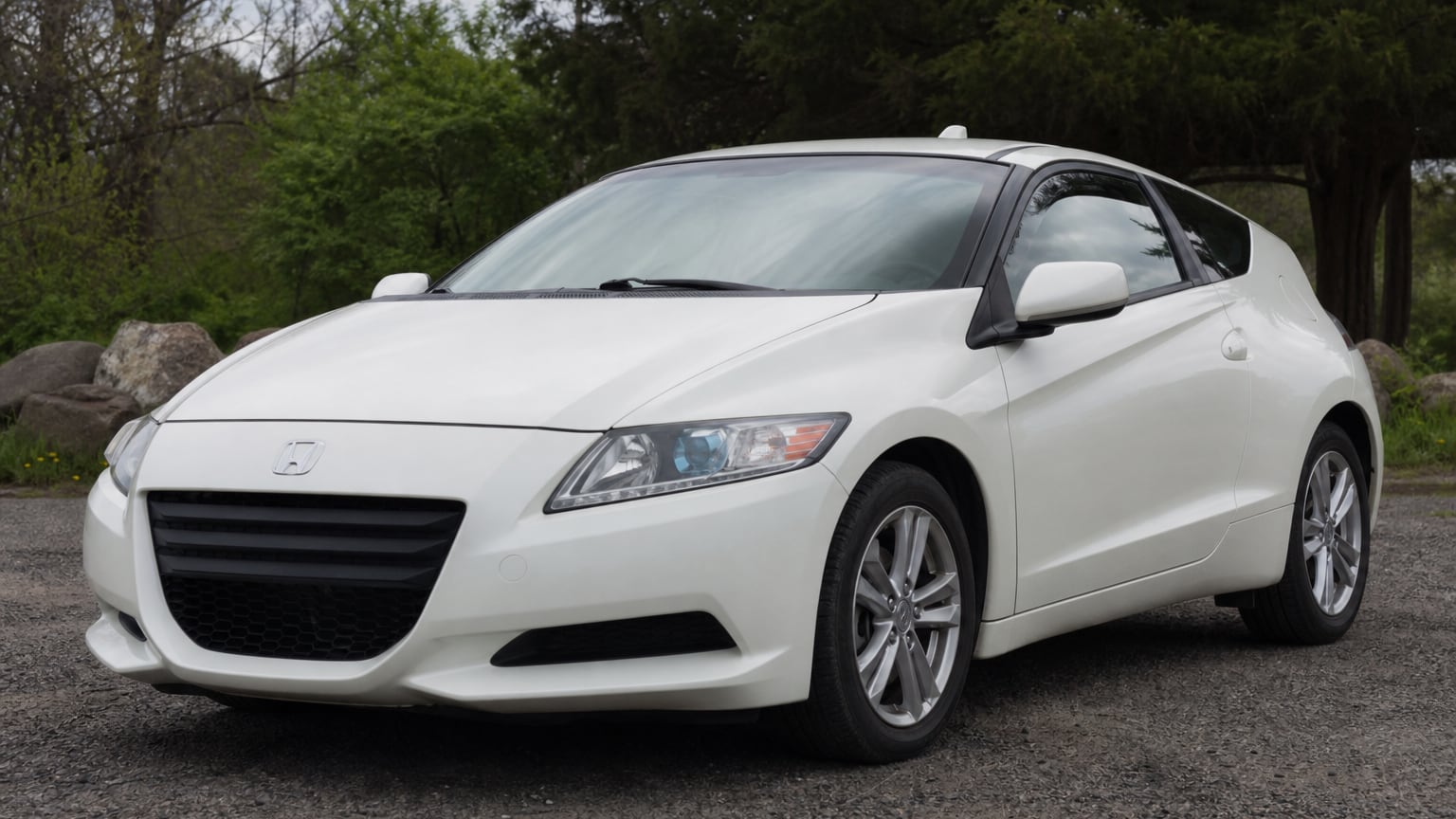
First-generation Honda CR-Z early years (2011-2013)
The 2011 Honda CR-Z has 64 problems and defects reported by CR-Z owners on CarComplaints, with the worst complaints in the accessories/interior, body/paint, and electrical categories. There are 3 NHTSA recalls affecting the 2011 CR-Z. One of those recalls is NHTSA campaign 11V-458, issued in September 2011. Honda determined that certain 2011 CR-Z vehicles with manual transmissions had a defect where, if the engine stalls and the brake pedal is not pressed, the ECU software may cause the electric motor to unexpectedly move the vehicle in the opposite direction of the selected gear, increasing the risk of a crash.
The 2011 CR-Z accumulated 37 NHTSA complaints as of available data, with the most frequently reported problem areas being safety systems, steering, and transmission. The 2012 and 2013 years step down in complaint volume but remain Takata-affected. The 2012 Honda CR-Z has been recalled 2 times by NHTSA.
First-generation Honda CR-Z mid and final years (2014-2016)
The 2015 is the year CarComplaints flags as worst by PainRank - meaning owners who bought 2015s encountered problems at lower mileage and at higher repair cost relative to complaint volume. The 2015 Honda CR-Z has 8 problems and defects reported on CarComplaints, with the worst complaints in the accessories/interior category. The 2016 is the final production year. RepairPal shows 0 reported problems for the 2016 CR-Z, making it the cleanest record in the lineup.
What are the best Honda CR-Z years to buy?
If you skip the Honda CR-Z years to avoid, the best years to buy are 2014 and 2016. Both sit past the early-production teething issues and the Takata airbag exposure is narrower, with fewer associated complaints than the 2011-2013 cars.
| Best Honda CR-Z Year | Why It's a Strong Buy |
|---|---|
| 2014 | Post-facelift refinement; lower complaint count than 2011-2013; solid reliability record |
| 2016 | Final model year; 0 problems reported on RepairPal; fewest complaints in the generation |
Most reliable Honda CR-Z years: 2014, 2016
2014 Honda CR-Z
The 2014 sits past the biggest early-generation complaints and benefits from mid-cycle improvements Honda applied after the 2013 facelift. Complaint counts on CarComplaints are low compared to the 2011 and 2015 years. It still falls within the Takata recall window, so confirm VIN status before buying, but it otherwise represents one of the more balanced picks for price versus reliability in the CR-Z lineup.
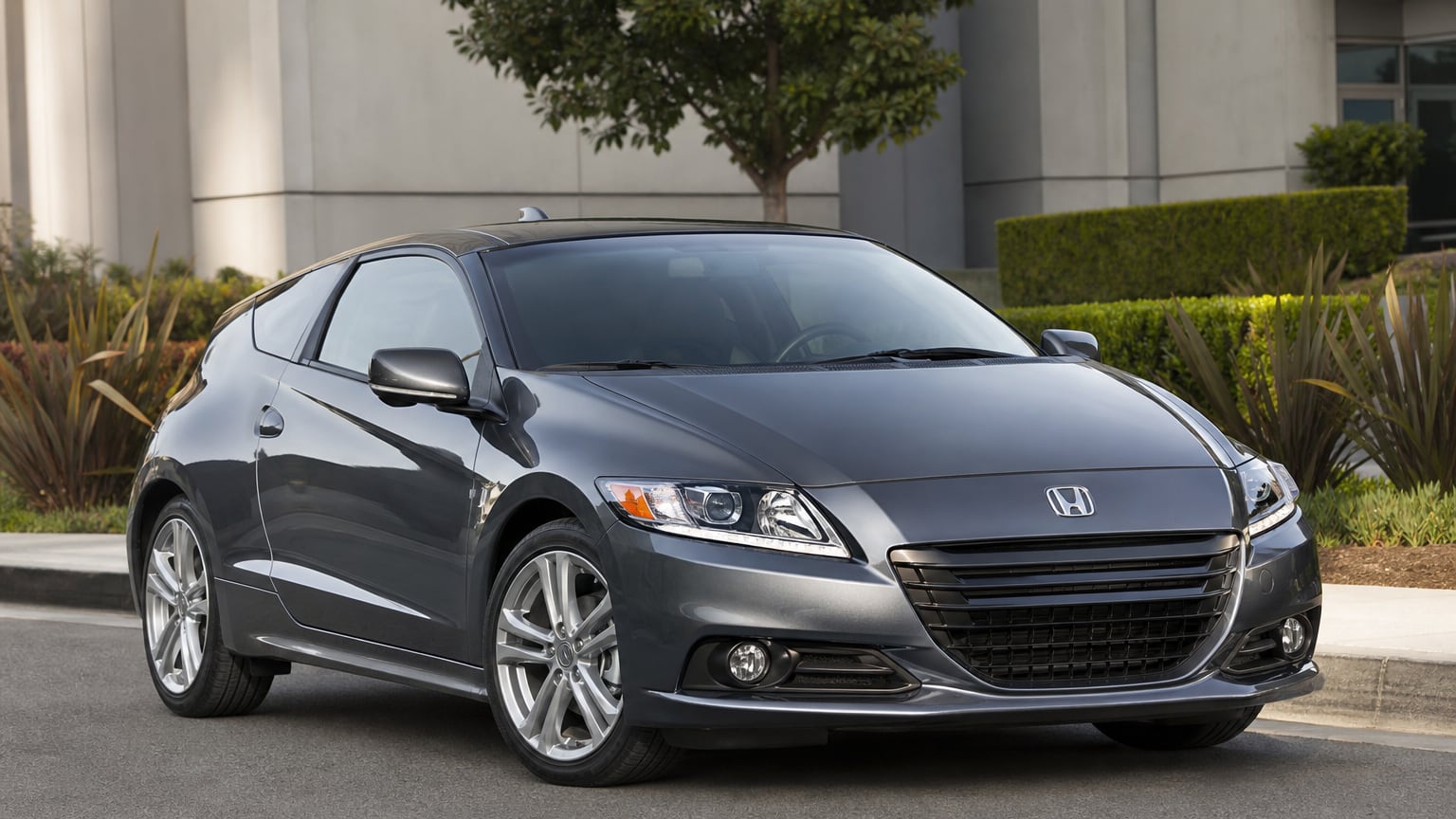
2016 Honda CR-Z
The 2016 CR-Z marks the end of the line for this nameplate but is recognized as one of the better attempts by Honda at creating a sporty hybrid car. The annual maintenance cost of a 2016 Honda CR-Z is $338, which is the lowest in the model’s run. The Honda CR-Z carries a reliability rating of 4.0 out of 5.0 on RepairPal, ranking it 12th out of 21 subcompact cars, with an average annual repair cost of $430. If your budget stretches to a 2016, it is the cleanest model year in the lineup.
Honda CR-Z pre-purchase checklist
Every used CR-Z purchase deserves a structured check before you hand over money. Work through these items:
- Run the VIN through NHTSA’s recall checker to confirm all open recalls - especially NHTSA campaign 16V-061 (Takata driver airbag inflator) on any 2011-2015 car - have been completed. Refuse to buy if the Takata recall is still open.
- Check the IMA warning light on startup and during the test drive. A lit IMA light signals hybrid battery trouble; budget $3,200-$3,400 for a dealer replacement if the emissions warranty has expired.
- Test every exterior door handle by opening each door from outside before you get in. Pre-2013 cars are most vulnerable, but all years 2011-2016 can be affected. OEM door handles for 2011-2016 CR-Z models can be found online at wholesale prices, but some owners have trouble locating the specific part.
- Inspect all painted panels under direct lighting - especially the front bumper, rear bumper, and roof - for bubbling or peeling paint, particularly on 2011 cars.
- Check under the hood and in the engine bay for signs of chewed wiring. Honda used a soy-based coating on its wiring, which is attractive to rodents. Look for frayed wires or unusual check-engine codes.
- Ask for full service records, including any IMA battery service, 12-volt battery replacement, and confirmation of Takata airbag repair at a Honda dealer.
- Confirm the 12-volt battery age. The hybrid car’s 12-volt battery is a separate component from the IMA pack; it typically needs replacement every 3-5 years, and a weak one triggers multiple electrical warnings.
- Have an independent mechanic do a pre-purchase inspection, including a scan for hybrid system fault codes, before finalizing any CR-Z purchase.
Better alternatives to consider
If the CR-Z years in your budget land on the avoid list, consider these alternatives instead:
- Honda Fit - a non-hybrid subcompact from the same era with a similarly low annual repair cost and a longer model run with more model-year data to draw on
- Honda Civic - the broader Civic lineup shares Honda’s hybrid engineering reputation with more trim choices, wider parts availability, and a more established used-market track record
- Toyota Prius - the volume hybrid benchmark, with a well-documented year-by-year reliability record and widespread mechanic familiarity with its hybrid system
- Honda Insight (2010-2014) - a direct sibling to the CR-Z that uses the same IMA powertrain in a slightly more practical four-seat body, giving you more model years to compare before buying
Is the Honda CR-Z worth buying?
The Honda CR-Z is worth buying as long as you avoid the 2011 and 2015 model years. The model carries a 4.0 out of 5.0 reliability rating on RepairPal, ranking it 12th out of 21 subcompact cars, with an average annual repair cost of $430. That $430 annual cost compares favorably to an average of $456 for the subcompact class and $652 for all vehicle models. The 2014 and 2016 years offer the best combination of low complaint counts and low ownership cost. As a final step, run the VIN through NHTSA’s recall database and request the full service history - specifically IMA battery and Takata airbag repair records - before you sign anything.