
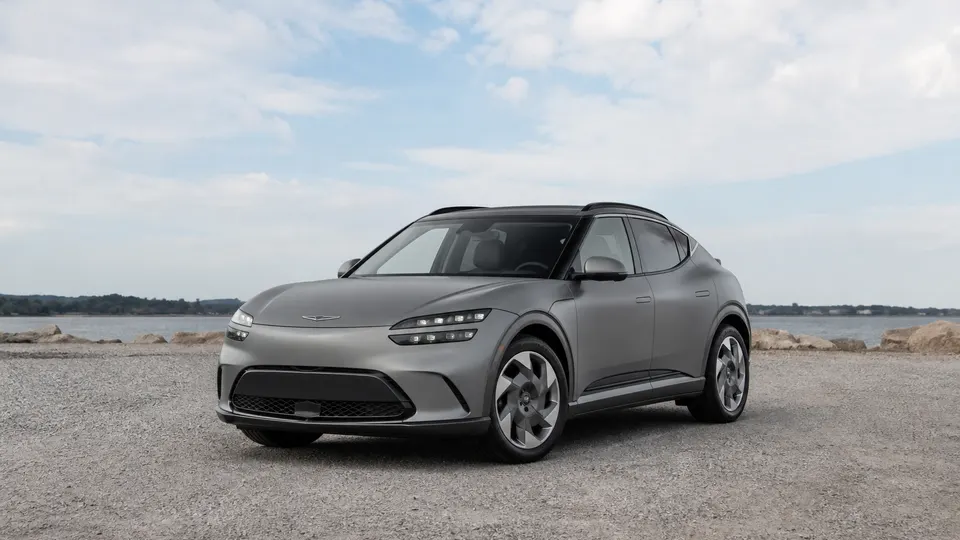
The Genesis GV60 is a strong first-generation luxury electric crossover overall, but the earliest model years carry a disproportionate number of safety recalls and reliability complaints that used-car shoppers need to know about. Genesis launched the GV60 with the 2023 model year for the North American market, and the car sits on Hyundai Motor Group's proven E-GMP platform, shared with the Hyundai Ioniq 5 and the Kia EV6. This guide ranks each model year by complaint volume, recall count, and reported repair burden so you can zero in on the safest buy.
For generations, engines, and ownership notes in one place, see the Genesis GV60 hub.
Related: Cadillac LYRIQ years to avoid, BMW iX years to avoid.
At a glance
- Worst years
- 2023
- 2024
- Best years
- 2025
- 2026
- Top failure
- ICCU (Integrated Charging Control Unit) failure causing 12V battery drain and sudden loss of drive power - affects 2023-2024 (NHTSA recall 24V-868)
- Always do before buying
- run the VIN through NHTSA's recall checker to confirm every open recall is closed, and on any 2023 or 2024 car specifically verify that the ICCU replacement under recall 24V-868 has been completed with dealer paperwork
How we rated the best and worst Genesis GV60 years
The 2023 model year is the weakest Genesis GV60 on record, carrying the highest recall burden of any year in the model’s short life. Ratings here draw on NHTSA complaint and recall data, CarComplaints.com PainRank scoring (which weights repair cost and mileage at failure), Consumer Reports subscriber surveys, owner discussion on Genesis GV Forums, and model-year pages on Edmunds and Kelley Blue Book. CarComplaints ranks a “worst year” by repair cost and mileage at failure through its PainRank algorithm, while NHTSA tracks raw complaint volume - those two measures often point at different years. For the GV60, both metrics converge on 2023 as the most troubled year. The 2024 has fewer owner complaints in NHTSA’s database but still carries 5 NHTSA recalls per Consumer Reports. The 2025 and 2026 show sharply lower raw complaint tallies and no systemic powertrain defects beyond software issues. Our years to avoid methodology weights recall severity and complaint density together rather than treating each recall as equal, which is why a single ICCU campaign can shift a model year’s verdict more than three minor software notices.
| Genesis GV60 Generation | Best Genesis GV60 Years | Worst Genesis GV60 Years |
|---|---|---|
| 1st Gen (2023-present) | 2025, 2026 | 2023, 2024 |
Every Genesis GV60 model year ranked
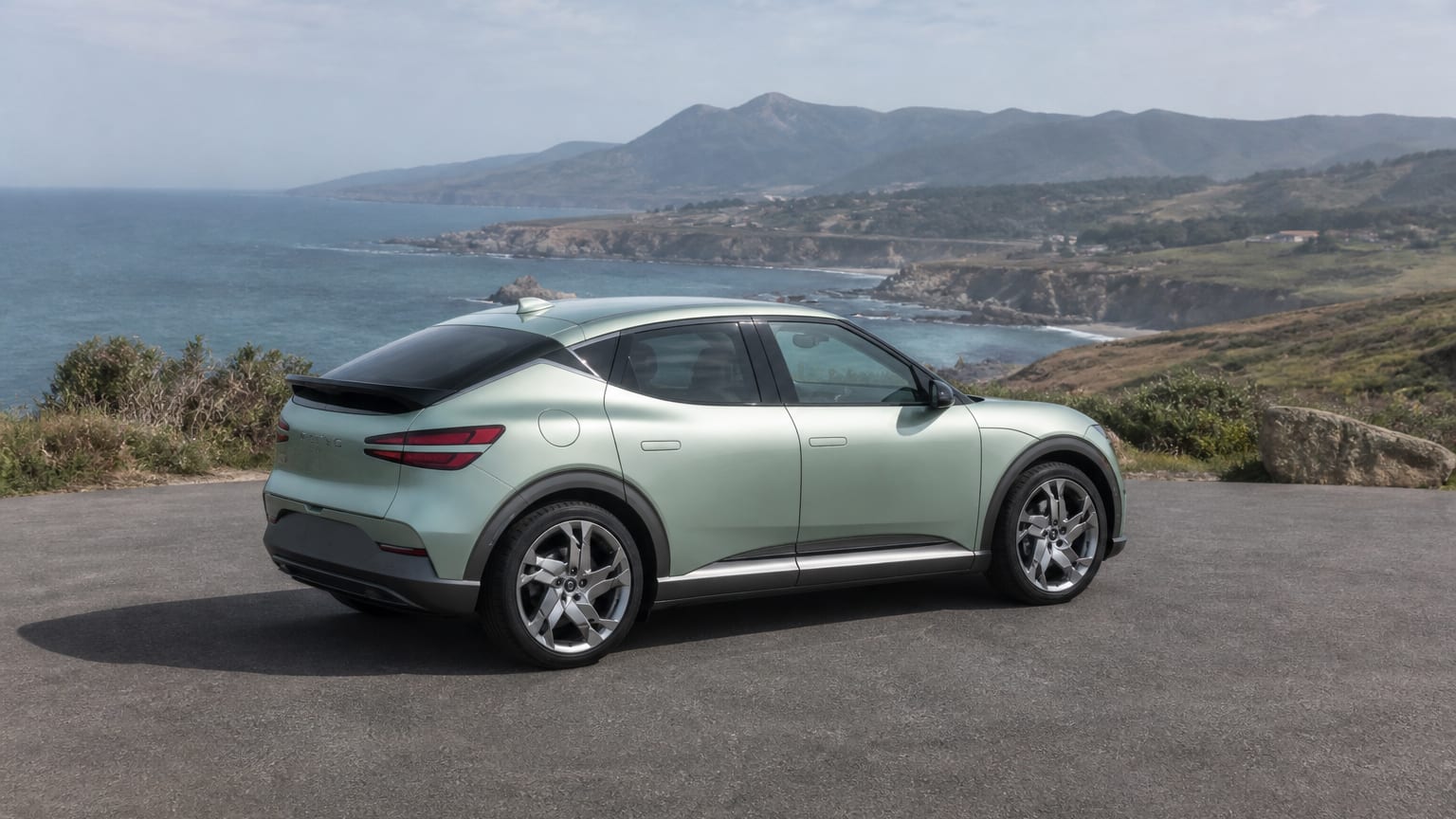
The GV60 has a short production history in North America, but the complaint and recall gap between the launch years and the more recent ones is meaningful.
| Model Year | Generation | Verdict | Notes |
|---|---|---|---|
| 2023 | 1st Gen | Avoid | Highest recall count (8 per Consumer Reports); ICCU, seat belt, driveshaft recalls |
| 2024 | 1st Gen | Avoid | 5 NHTSA recalls; ICCU recall 24V-868 expansion; infotainment trouble spots |
| 2025 | 1st Gen | Best | 5 NHTSA complaints; low complaint density; display recall resolved OTA |
| 2026 | 1st Gen | Best | Mid-cycle refresh; larger 84 kWh battery; minimal complaint record so far |
Most common Genesis GV60 problems
The single biggest documented failure across the GV60’s production run is ICCU (Integrated Charging Control Unit) failure, which can drain the 12V battery and leave the car unable to move. Beyond that, the model’s complaint record centers on software-driven issues rather than catastrophic drivetrain or structural failures.
1. ICCU (Integrated Charging Control Unit) failure
The ICCU may become damaged and stop charging the 12-volt battery, which can result in a loss of drive power. Owners typically notice this as a no-start condition or a sudden loss of propulsion while driving - the main high-voltage pack may still show charge, but the 12V system can no longer be kept alive.
NHTSA recall 24V-204 originally covered 2022-2024 Ioniq 5/6 and GV60 models with an ICCU firmware update and a follow-up replacement; this campaign was expanded in late 2024 (recall 24V-868) when the firmware-only fix proved insufficient. The Genesis manufacturer number for this expanded campaign is 025G, and it expands and replaces previous recall 24V-204; vehicles previously repaired under 24V-204 need to have the new remedy completed. Dealers inspect and replace the ICCU and its fuse, plus update the ICCU software, at no cost to owners regardless of warranty status.
When the ICCU fails, 12V drain cascades to a no-start; many owners reported sudden loss of start before the recall remedy. The repair is handled under the recall at no charge, but on a used car, you need written confirmation it has been done. Buyer takeaway: before signing on any 2023 or 2024 GV60, ask for a dealer printout showing recall 24V-868 is complete.
2. Seat belt pretensioner explosion risk
The front seat belt pretensioners in certain 2023 GV60s may deploy abnormally, causing the Micro Gas Generator to detach from the assembly; an abnormal pyrotechnic pretensioner deployment could cause the pretensioner to explode and project metal fragments into the vehicle occupant compartment.
NHTSA assigned this recall number 23V-094; the GV60 portion covers 940 units built between February and December 2022. The Genesis manufacturer number for this recall is 012G, and it supersedes and expands recall number 21V-796. Dealers secure the seat belt pretensioners with a protective cap, free of charge.
Genesis estimated the defect is present in about 1% of the 65,517 cars recalled, but the issue is potentially serious. Any used 2023 GV60 you consider should have documented completion of this recall. A NHTSA VIN lookup confirms open status in seconds.
3. Instrument panel display failure
Genesis recalled 4,754 G90 sedans and GV60 SUVs from model years 2023-2025 because their instrument panel displays can go dark, leaving the driver without critical information like speed, fuel or charge level, and safety warnings; a software problem can leave the displays temporarily blank after startup.
The Genesis manufacturer number for this recall is 027G. Genesis can fix the issue with a software update; most vehicles receive it over the air, but some owners may need to bring their cars in to have a dealer install it.
The software bug can cause the digital cluster to fail to boot or shut off while driving; if the display dies, you can temporarily lose your speedometer, warning lights, and other critical information - inconvenient in daylight and genuinely dangerous at night or in poor weather. Buyer takeaway: verify the OTA update has been applied before delivery.
4. Windshield molding detachment
Genesis recalled 7,855 GV60 SUVs from model years 2023-2025 due to a potential issue with the molding at the top of their windshields; the stainless-steel upper molding may have been produced with insufficient adhesion, and owners might notice new wind noise as the problem develops.
NHTSA filings show the supplier used poor laminating temperature control and insufficient caulking during production, leaving the molding with weak adhesion; owners may hear wind noise, whistling, or knocking sounds near the windshield before detachment occurs, and although the windshield itself remains intact, a loose piece of stainless steel at highway speeds could be dangerous.
Hyundai tracked 112 cases of detachment in the U.S. from October 2022 through August 2025, and the company believes only about 1% of affected vehicles actually have the defect; no crashes or injuries have been reported. Dealers replace the molding free of charge. Buyer takeaway: listen for any wind noise or rattling from around the windshield surround on any 2023-2025 example you test drive.
5. 12V auxiliary battery drain and no-start
One of the most frustrating Genesis GV60 problems is not the high-voltage battery, but the small 12V system; multiple owners report situations where a nearly new GV60 appears “dead,” refusing to unlock or power on even with a healthy high-voltage pack; most of these issues can be resolved with 12V battery service or software updates. Diagnosing car won’t start electrical issues follows a similar logic on any modern vehicle — when lights and accessories respond but the car refuses to move, the fault often lies in a secondary power circuit rather than the main battery.
A handful of owners report early 12V failures or phantom drain that strands the car; in more than one case, the culprit was a dealer-installed tracking or security module drawing power even when parked, and once removed or reconfigured, the issue often disappeared.
While the ICCU recall (above) addresses the most common cause, residual 12V issues outside the recall scope have also been reported. If your GV60 has already had a no-start or lockout incident, push the dealer to document it and check the 12V system thoroughly - this paper trail matters if a bigger electrical issue shows up just after the warranty expires.
6. Cold-weather HVAC and charging reliability
A recurring pattern from cold-weather states involves heaters that stop working and, in some cases, long waits for parts; a small but vocal subset of owners report the heat cutting out in winter. Refrigerant leaks and compressor failures that cause HVAC heating problems share the same basic diagnostic path as a failed EV heat pump — the system loses the ability to move thermal energy regardless of whether it’s heating or cooling.
Several GV60 drivers also report that scheduled charging works one night and fails the next, particularly when using the Genesis app alongside a smart home wallbox; schedules set only in the car tend to be more reliable, and conflicting schedules between the app, the car, and the charger can cause sessions to start and stop repeatedly.
Most common complaints revolve around software, screens, HVAC control logic, and 12V systems, not the drive unit itself; most reported problems are software or ancillary-component related rather than catastrophic battery or drivetrain failures. Buyer takeaway: on colder-climate cars, test the HVAC on full heat before purchase.
Which Genesis GV60 years should you avoid?
The Genesis GV60 years to avoid are 2023 and 2024. The 2023 GV60 is rated less reliable than other cars from the same model year by Consumer Reports, and it has been recalled 8 times by NHTSA - the highest count in the model’s lineup. NHTSA raw complaint volume for the 2023 is also the highest across all GV60 years, with the 2023 GV60 having accumulated 53 NHTSA complaints, with the most frequently reported problem areas being the electrical system, transmission, and fuel system. The 2024 GV60 is also rated much less reliable than other cars from the same model year by Consumer Reports and has been recalled 5 times by NHTSA.
| Genesis GV60 Generation | Model Years | Verdict | Main Issues |
|---|---|---|---|
| 1st Gen (Worst) | 2023, 2024 | Worst | ICCU failure, seat belt pretensioners, driveshaft, display, windshield molding |
| 1st Gen (Best) | 2025, 2026 | Best | Low complaints, OTA fixes, 2026 adds larger battery |
Worst Genesis GV60 years: 2023, 2024
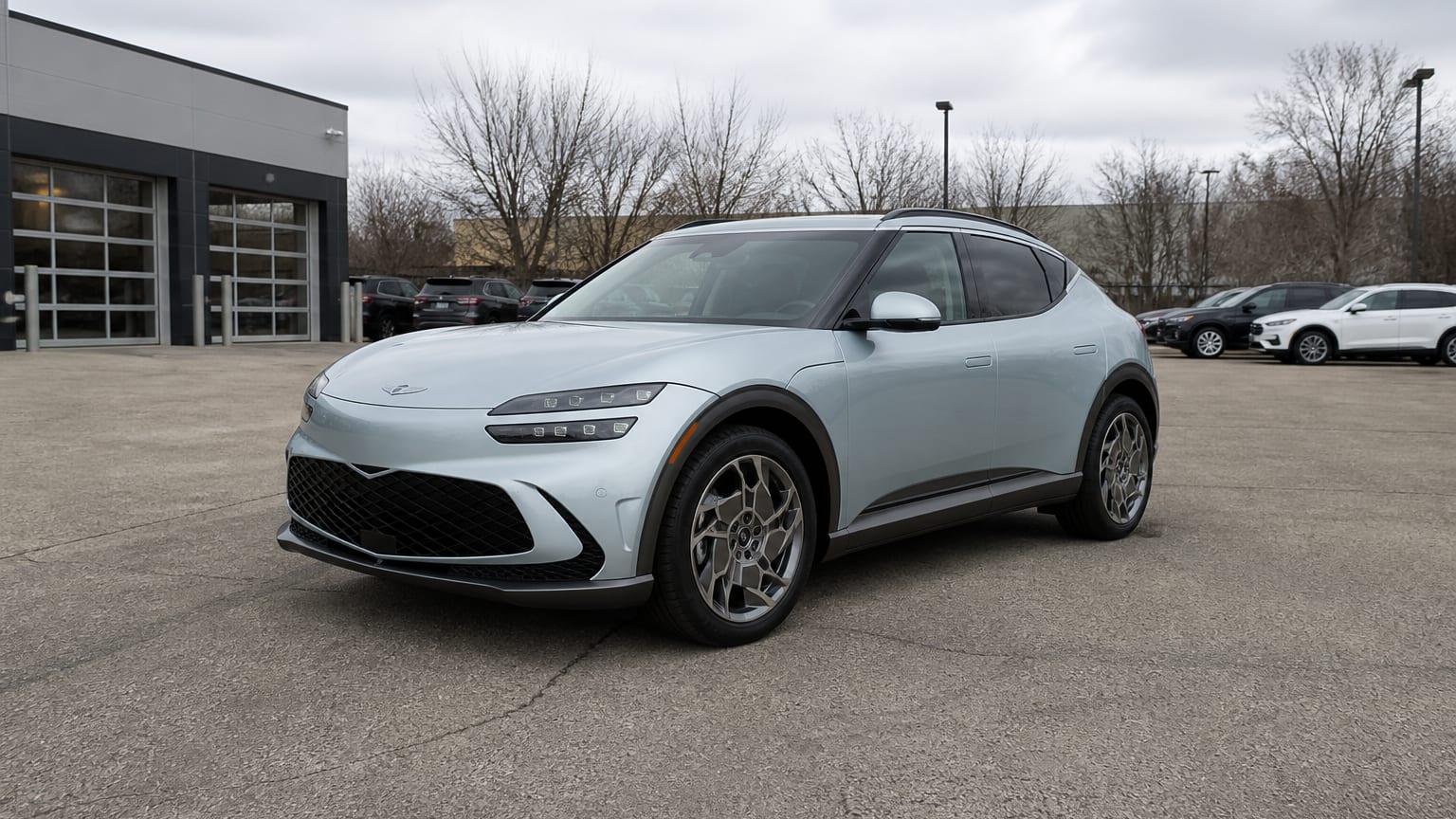
1st-generation Genesis GV60 (2023-2024) - years to avoid
The GV60 is Genesis’s first dedicated EV, sharing its E-GMP platform with the Hyundai Ioniq 5 and Kia EV6; that platform has been under an intense spotlight with several recalls for rear driveshafts, seat belts, and especially the ICCU that can suddenly strand the car - and the 2023 GV60 inherited many of those growing pains.
Another early problem touching these years is rear driveshaft failure; Hyundai Motor Group issued a recall after discovering that rear inner driveshafts built with out-of-spec heat treatment could crack under load, causing sudden loss of motive power; the recall involves certain 2023 Genesis GV60s sharing a specific rear inner driveshaft part number with the Ioniq 5 and Ioniq 6; a fractured driveshaft can instantly remove drive power, even though steering and braking remain.
Depending on how you group campaigns and updates, most 2023 GV60s have been touched by multiple NHTSA recalls; power-electronics recalls can cause sudden loss of power or no-start conditions if not addressed; all recall work is performed free at Genesis retailers, even for second or third owners. On a 2024, owners of early 2024 builds should also confirm whether their VIN was ever included in a driveshaft-related recall or technical service bulletin.
What are the best Genesis GV60 years to buy?
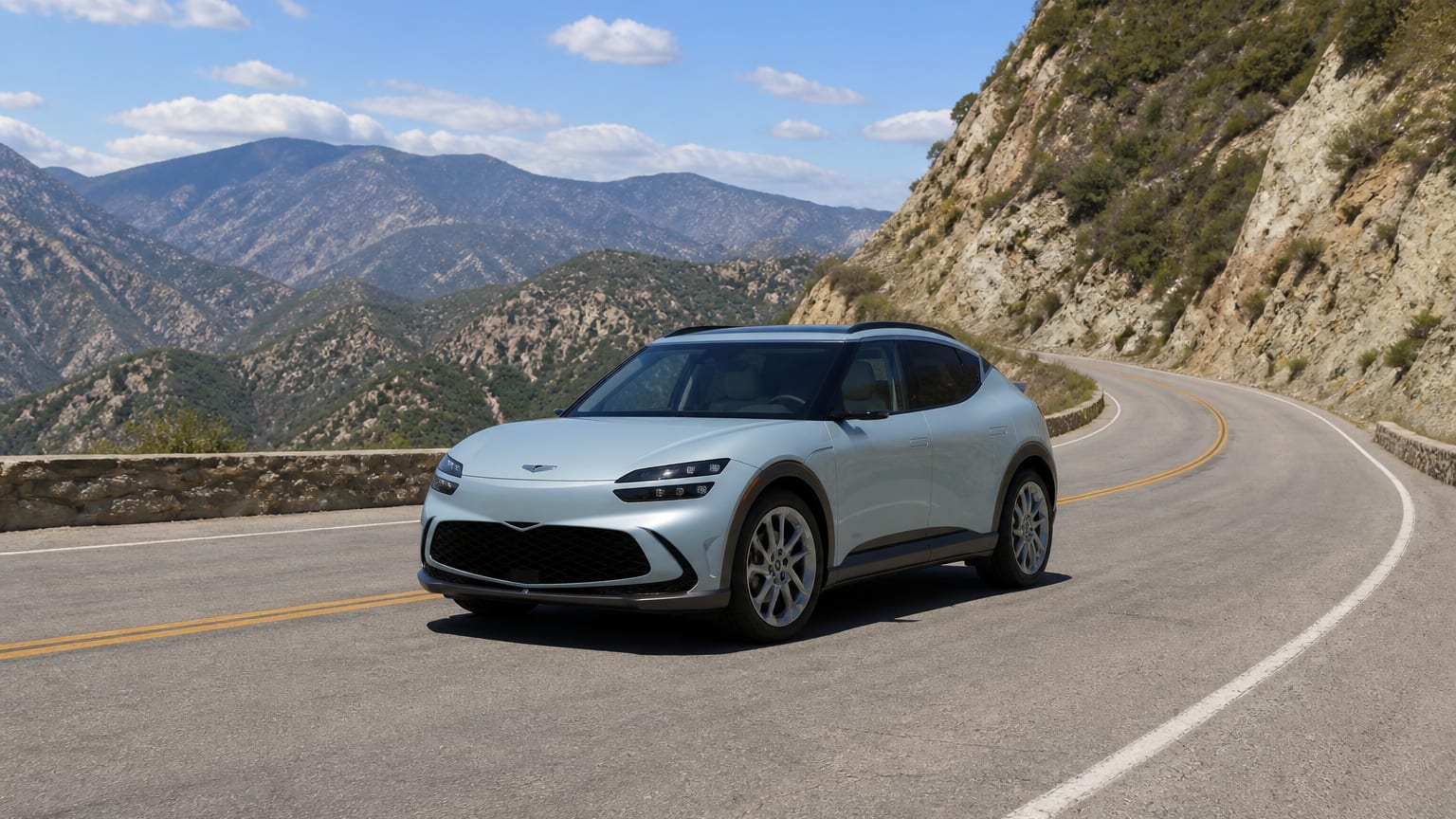
The best Genesis GV60 years to buy are 2025 and 2026. The 2025 GV60 has just 5 NHTSA complaints on record, with the most common issue being electrical faults with 2 complaints - a fraction of the 2023’s 53-complaint tally. The 2026 benefits from a mid-cycle refresh with meaningful hardware updates.
| Best Genesis GV60 Year | Why It's a Strong Buy |
|---|---|
| 2025 | Only 5 NHTSA complaints; 4 recalls all software-addressable OTA; low complaint density |
| 2026 | Mid-cycle refresh; 84 kWh battery standard on AWD; minimal complaint history to date |
Most reliable Genesis GV60 years: 2025, 2026
2025 Genesis GV60
The 2025 GV60 earns a “below average complaints” verdict with just 5 NHTSA complaints and 4 recall campaigns on file. Critically, the major ICCU and seat belt recalls from the 2023 launch year are behind it, and the display software issue is resolved via an over-the-air update for affected VINs. Consumer Reports rates the 2025 GV60 as much less reliable than other cars from the same model year based on its subscriber survey - a reminder that owner-survey data can lag, and a 2025 car in warranty still has Genesis factory support behind any issue that does arise.
2026 Genesis GV60
The 2026 model year brings a mid-cycle refresh with revised exterior styling and a new 27-inch screen housing both the driver information center and infotainment display. The battery has grown to 84 kWh, and in the Performance model range is now 252 miles, up 18 miles from the prior year. Complaint data for 2026 is still accumulating, but the bigger complaints seen on earlier cars are about episodic power-loss issues tied to the ICCU, which Genesis has tried to address with recall campaigns and software updates - and 2026 production benefits from those fixes already baked in.
Genesis GV60 submodel years to avoid
The GV60 lineup spans a Standard (rear-wheel drive), Standard AWD, Advanced, and Performance trim; each is assessed here on its own documented record rather than sharing the parent’s complaint counts.
Genesis GV60 Performance years to avoid
The GV60 debuted for the U.S. market for the 2023 model year, and for that launch year only two variants were offered: Advanced and Performance, both with a dual-motor all-wheel-drive setup and a 77.4 kWh battery. The Performance trim uses 214-hp motors on both axles, good for 429 hp and 516 lb-ft in normal use; a Boost mode activated by a button on the steering wheel allows for a 10-second power burst to 483 hp. From the 2024 model year onward, a single-motor Standard trim was added alongside the Performance and Advanced.
The Performance has been available for every GV60 model year since launch (2023-present). The Performance adds handling tech including a rear clutch-type electronic limited-slip differential and adaptive dampers that the Advanced does not carry - but it does not have a distinct powertrain module that departs from the shared E-GMP architecture in a way that creates Performance-specific failures separate from the platform recalls covered above.
No meaningful separate complaint record for the GV60 Performance as a distinct NHTSA complaint category has accumulated at this time. The ICCU recall (24V-868), the seat belt pretensioner recall (23V-094), the driveshaft recall, the display recall, and the windshield molding recall all apply to the full GV60 lineup by model year and VIN range, not selectively to the Performance trim. The year-by-year verdicts above apply equally to Performance-badged cars.
Buyers considering a used Performance trim should:
- Verify recall 24V-868 (ICCU) is complete on any 2023 or 2024 VIN
- Confirm the rear driveshaft recall remedy was performed on 2023 builds
- Check whether the adaptive dampers and e-LSD have any documented faults at the dealer before purchase, as these components are unique to this trim and not covered by the platform recalls above
- Avoid frequent 0-100% charge swings, favor Level 2 charging for daily use, and reserve repeated DC fast-charging for road trips - particularly relevant on the Performance, which draws more power under Boost use
Genesis GV60 pre-purchase checklist
Before committing to a used Genesis GV60, run through these model-specific checks:
- Run the VIN through NHTSA’s recall lookup to confirm every open recall has been completed; on any 2023 or 2024, look specifically for closed status on recall 24V-868 (ICCU) and recall 23V-094 (seat belt pretensioners)
- Verify ICCU recall 24V-868 paperwork - ask for a physical dealer repair order showing the ICCU was inspected and replaced (not just software-updated); from a used-car buyer’s perspective this is one of the most important recalls on the 2023 GV60; a car that’s never had its ICCU software updated, or had a failing unit quietly reset instead of replaced, can be a serious future problem
- On 2023 builds, confirm the rear driveshaft recall is closed - Hyundai Motor Group issued a recall after discovering rear inner driveshafts built with out-of-spec heat treatment could crack under load; the recall involves certain 2023 GV60s sharing a specific driveshaft part number with the Ioniq 5 and Ioniq 6
- Verify the instrument panel display OTA or dealer update is applied - on 2023-2025 cars, confirm the fix under Genesis recall number 027G is on record
- Check the 12V auxiliary battery health - ask the dealer to run a battery health report; the most frustrating GV60 issues are often traced to the 12V system, with multiple owners reporting a nearly new car appearing dead even with a healthy high-voltage pack
- Test the HVAC on full heat and full defrost - especially on cars from colder climates where heater issues have been reported
- Inspect the windshield upper molding - look for any gap, lifting edge, or wind noise around the top of the windshield that could indicate the stainless-steel molding recall (028G) has not been completed
- Request full service records - on a used GV60, have the seller show service records that match the recall results so you know the work is truly done; a completed recall without paperwork should be treated as not completed
Better alternatives to consider
If the Genesis GV60 years in your budget land on the avoid list, consider these alternatives instead:
- Audi Q8 e-tron - a larger luxury EV on a mature platform with a longer U.S. market history and a clearer year-by-year reliability record
- Hyundai Kona Electric - shares Hyundai Motor Group’s EV engineering at a lower price point with a less complex recall history than the early GV60
- Tesla Model S - the volume benchmark for software-over-the-air updates with the longest complaint dataset of any current luxury EV
- Kia EV6 - shares the E-GMP platform with the GV60 at a lower price, and its own ICCU recall history is well-documented, making it easier to verify completed work on a used example
Is the Genesis GV60 worth buying?
Yes, the Genesis GV60 is worth buying - as long as you avoid the 2023 and 2024 model years or, if you buy one of those years, you rigorously verify every major recall has been completed. The GV60 shares its core battery, motors, and 800V fast-charging architecture with the Hyundai Ioniq 5 and Kia EV6, and the pack design shows relatively few public cases of severe battery degradation so far. Genesis covers the high-voltage battery for up to 10 years or 100,000 miles in the U.S., and the coverage is transferable. The 2025 stands out as the safest used buy right now, with a low NHTSA complaint count and the platform’s early-production issues largely resolved. Run the VIN through NHTSA’s recall checker and verify maintenance history before finalizing any purchase.