
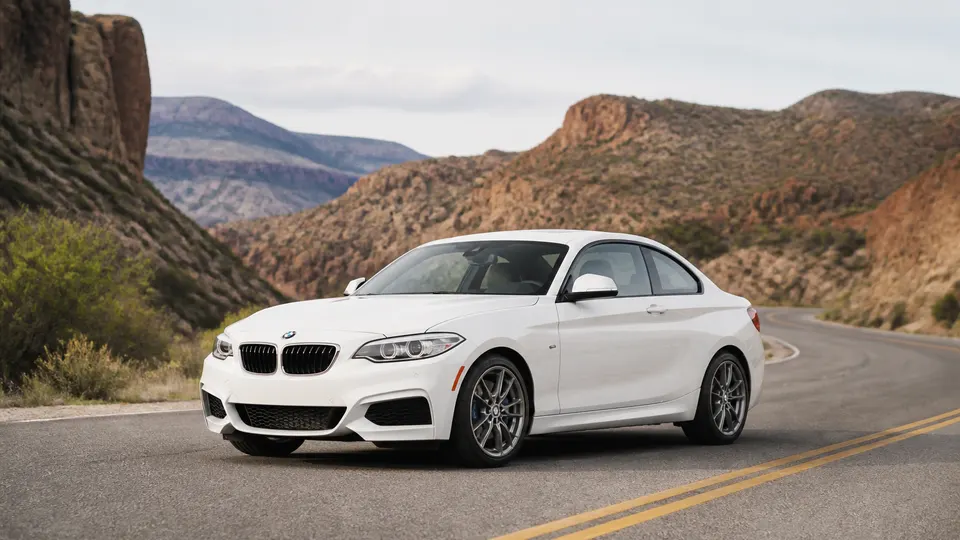
The BMW 2 Series is one of the more dependable compact luxury coupes you can buy used, but the early first-generation cars (2014-2017) carry real mechanical risk that can cost you thousands if you land on the wrong model year. The 2 Series delivers a strong blend of reliability and performance, and it has ranked as the only non-Japanese model in Consumer Reports' top seven for sporty cars. Still, choosing the right year matters - and this guide uses NHTSA complaint data, CarComplaints rankings, and RepairPal cost figures to show you exactly which years to skip and which to buy with confidence.
For generations, engines, and coupe/gran coupe notes in one place, see the BMW 2 Series hub.
At a glance
- Worst years
- 2014
- 2015
- 2016
- 2017
- Best years
- 2019
- 2022
- 2023
- Top failure
- 1st-gen N20 engine timing chain guide failure (2014-2016 228i, CarComplaints / class-action settlement)
- Always do before buying
- run the VIN through NHTSA's recall checker to confirm all open recalls are closed; on 2014-2016 cars, specifically verify that NHTSA recall 24V-608 (water pump fire risk) and the fuel pump recall have been completed
How we rated the best and worst BMW 2 Series years
The 2014-2017 first-generation cars are the worst of the 2 Series lineup, driven by N20 engine timing chain failures, fuel pump recalls, and first-year engine-swap teething problems. To build these ratings, we cross-referenced NHTSA complaint and recall data, CarComplaints PainRank scores (which rank years by repair cost and mileage-at-failure), RepairPal annual repair costs, Consumer Reports owner-survey reliability scores, and owner discussions on BimmerFest BMW Forums.
It is important to keep the two primary data sources straight: CarComplaints ranks a model year's severity by how expensive the repairs are and how early failures occur (its PainRank), while NHTSA shows raw complaint volume - those are often different years for the same model.
Our editorial guidelines govern how we weight each source and flag conflicts between datasets.
| BMW 2 Series Generation | Best BMW 2 Series Years | Worst BMW 2 Series Years |
|---|---|---|
| 1st gen F22/F23 (2014-2021) | 2019 | 2014, 2015, 2016, 2017 |
| 2nd gen G42 (2022 - present) | 2022, 2023 | None |
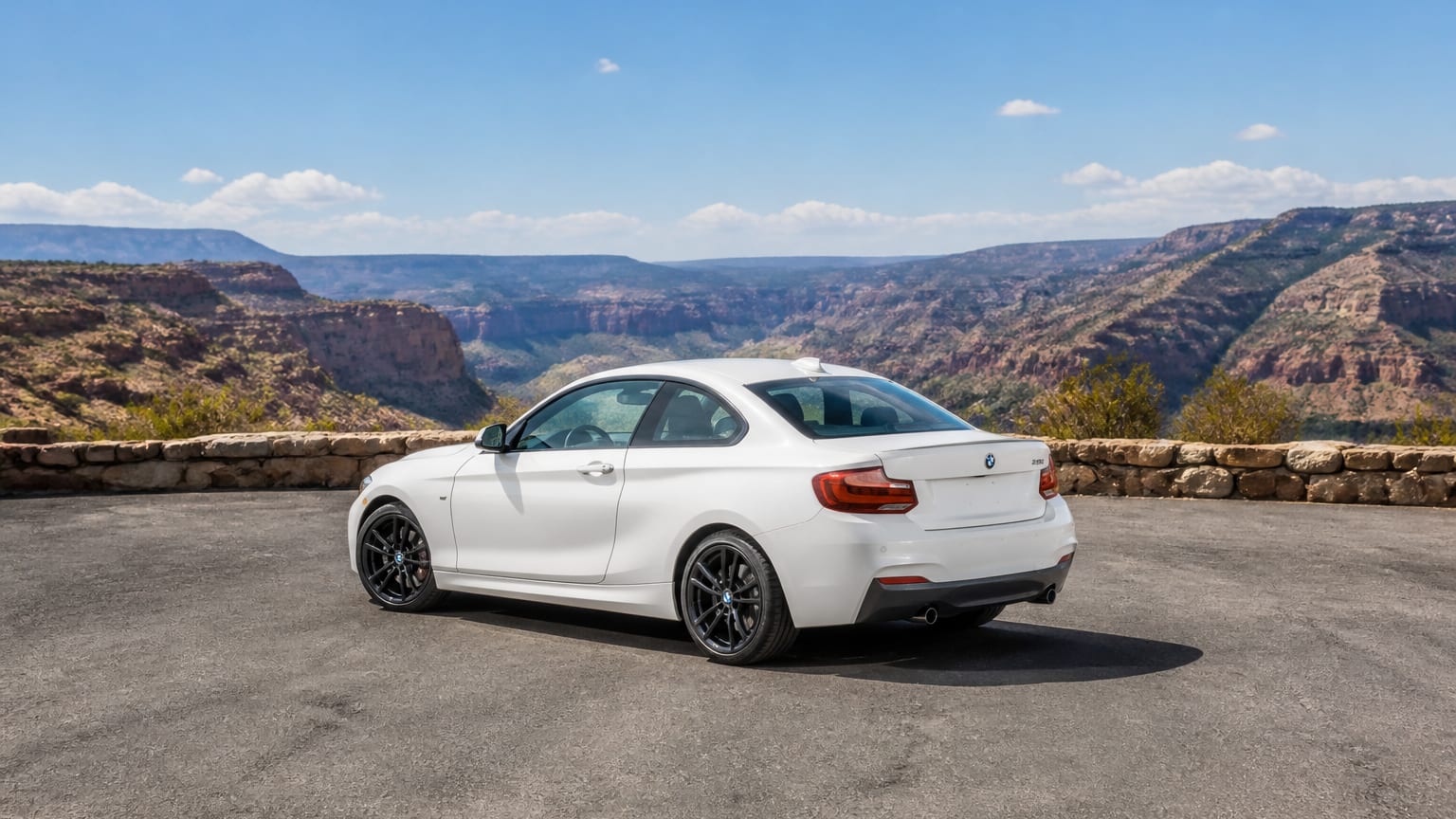
Every BMW 2 Series model year ranked
NHTSA complaint data shows the 2014 BMW 2 Series accumulated 8 complaints and the 2015 accumulated 12 complaints, making the early first-generation years the most complaint-dense relative to the car's short production run. The table below covers every model year the used-car market is likely to offer.
| Model Year | Generation | Verdict | Notes |
|---|---|---|---|
| 2014 | 1st gen F22 | Avoid | N20 timing chain risk, fuel pump recall (15V-189), 8 NHTSA complaints |
| 2015 | 1st gen F22 | Avoid | N20 timing chain risk, 12 NHTSA complaints, head airbag recall (25V-871) |
| 2016 | 1st gen F22 | Avoid | N20 water pump recall (24V-608); improved over 2014-2015 but still N20 risk |
| 2017 | 1st gen F22 | Avoid | First year of B48/B58 engines - early teething, owner-reported cooling issues |
| 2018 | 1st gen F22 | OK/Mixed | Tech updates, post-N20, but first full B48 year settling in |
| 2019 | 1st gen F22 | Best | Low NHTSA complaint volume, high owner-satisfaction scores |
| 2020 | 1st gen F22 | OK/Mixed | Consumer Reports rates reliability above average; 4 NHTSA recalls on record |
| 2021 | 1st gen F22 | OK/Mixed | Final first-gen year; timing chain tensioner reports emerging |
| 2022 | 2nd gen G42 | Best | Highest reliability score (74/100); 2nd-gen launch year, star NHTSA rating |
| 2023 | 2nd gen G42 | Best | 73/100 reliability score; improved infotainment, low complaint volume |
Most common BMW 2 Series problems
The single biggest documented failure across the 2 Series lineup is premature timing chain guide wear on the N20 four-cylinder engine found in 2014-2016 228i models. Beyond that, the first-generation cars also generated water pump, fuel pump, electrical, and cooling-system complaints that buyers should know about.
1. N20 timing chain guide failure (2014-2016)
The BMW N20 and N26 engines are prone to premature failures of the primary and secondary timing chain assemblies, according to a class-action lawsuit that reached settlement in December 2020. The plastic timing chain guides wear faster than they should, allowing the chain to jump teeth on the sprockets. When that happens, the camshafts and crankshaft fall out of sync, and the engine can be damaged beyond economical repair.
The issue primarily affects BMW models produced between 2012 and early 2015 equipped with the 2.0-liter turbocharged N20 engine. For the 2 Series specifically, that means the 2014-2016 228i. The most common early symptom is a high-pitched, continuous whining or whirring sound coming from the front of the engine - an early warning sign that a bad timing chain should not be ignored. Repair costs vary: for work performed at an independent service center, an owner may receive up to $3,000 for the timing chain module and oil pump drive chain module, and up to $7,500 for engine failure under the class-action reimbursement program.
BMW honored a previously extended 7-year/70,000-mile warranty extension (created in 2017) covering the engine chain assemblies, plus a reimbursement program for unreimbursed repair costs incurred prior to the earlier of 8 years/100,000 miles before the settlement effective date. BMW's own TSB SIB 11 03 13 documented the timing chain and oil pump drive chain extended warranty for N20/N26 engines. Most of these vehicles are now outside that extended coverage period, so a used buyer must budget for this repair. The B48 engine that replaced the N20 was designed with an improved timing chain system and does not suffer from this specific premature guide failure - the issue is isolated to the N20 and the related N26 SULEV engine.
2. Water pump electrical connector fire risk (2014-2016)
NHTSA recall 24V-608 covers certain 2014-2016 2 Series models: the safety issue involves the water pump's electrical plug connector, where small drops of liquid from the positive crankcase ventilation system could drip down onto the connector. A short circuit from that liquid can cause overheating and, in rare cases, a fire. BMW recalled 720,796 vehicles in North America for this defect.
BMW dealers will inspect and, if necessary, replace the water pump and its plug connector for free, and also install a shield to divert any fluid that might drip onto the pump. Failure is common between 60,000 and 100,000 miles and is often sudden. If you are buying a 2014-2016 228i, confirm this recall is closed on the VIN before you sign anything. A failing water pump on an N20 car will also overheat the engine quickly, compounding repair costs.
3. Fuel pump failure and stall risk (2014)
NHTSA recall 15V-189 covers the 2014 228i Coupe and M235i Coupe: improper nickel plating of components within the fuel pump may cause the pump to fail, and if the fuel pump fails, the vehicle may stall without warning, increasing the risk of a crash. BMW notified owners and dealers replaced the fuel pump free of charge; interim notices were mailed May 28, 2015, and the recall began July 6, 2015.
Fuel pump stall on a highway is a genuine safety event, not just a nuisance repair. Any 2014 2 Series you consider should have a completed 15V-189 remedy on its service record. A stalling engine caused by fuel delivery failure can also trigger secondary faults in the electrical system, so request a full dealer service printout.
4. First-year B48/B58 cooling and water system issues (2017)
The 2017 BMW 2 Series was the first year the B48 and B58 engines were used in the 2 Series, which typically means more teething problems and reliability issues; even though these engines are generally well regarded, it is still a good idea to avoid the early versions. Owner reports from that model year describe costly early repairs. One owner reported that with 65,000 miles on a 2017 230xi, they had replaced the water pump, turbo coolant hose, and coolant line from the expansion tank to the cylinder head, at a total cost of over $5,000.
The 2017 was also the transition year away from Apple CarPlay and the digital gauge cluster found in later LCI models, meaning it carries early-engine risk without the tech improvements buyers get in the 2018 and later cars. If your budget forces a choice between a 2017 and a 2018, the 2018 is the safer pick.
5. Electrical and infotainment system faults (multiple years)
TrueDelta repair data shows that electrical and air conditioning issues account for 28% of all BMW 2 Series repairs tracked - the largest single category. Reported symptoms include intermittent infotainment resets, turn-signal malfunctions, and body control module glitches. One concern in the 2022-forward cars relates to the infotainment system, with owners reporting instances of freezing screens or unresponsive inputs.
Consumer Reports owner comments for 2018 models flag intermittent LED tail light malfunctions and turn-signal errors on the 230i. Most electrical faults resolve with software updates at the dealer, but a pre-purchase inspection should include a scan for stored fault codes. A drivetrain malfunction warning that triggers on BMW is often linked to electrical gremlins rather than a hard mechanical fault, so always diagnose before replacing parts.
6. Head airbag inflator weld defect (2014-2015)
NHTSA recall 25V-871 covers certain 2014-2015 2 Series Coupes (228i/M235i, including xDrive variants): the head (side curtain) airbag inflator may fail at the weld joint, potentially allowing stored gas to escape or the inflator to rupture, sending sharp metal fragments into the cabin or leaving the curtain airbag only partially inflated in a crash. The recall covers 851 vehicles in the U.S. market. The remedy is straightforward: dealers will replace the head airbags free of charge. Confirm this is closed on any 2014-2015 2 Series you inspect.
Checking a used BMW?
Scan for hidden fault codes from your phone in minutes — before you buy.
REREV may earn a commission if you sign up through this link. Learn more.
Which BMW 2 Series years should you avoid?
The BMW 2 Series years to avoid are 2014, 2015, 2016, and 2017. The 2014 and 2015 model years carry the highest concentration of safety recalls (fuel pump 15V-189, head airbag 25V-871) and the most serious mechanical risk (N20 timing chain guide failure), making them the most costly first-generation years to own out of warranty. NHTSA complaint volume on the 2014 stands at 8 complaints and on the 2015 at 12 complaints - modest in absolute terms, but significant for a low-volume car with a narrow model-year range. The 2016 adds the water pump recall (NHTSA 24V-608) while still carrying the N20 engine. The 2017 introduced a new engine family but brought its own first-year teething problems with cooling system repairs exceeding $5,000 in some cases.
| BMW 2 Series Generation | Model Years | Verdict | Main Issues |
|---|---|---|---|
| 1st gen F22/F23 (2014-2021) | 2014, 2015, 2016, 2017 | Worst | N20 timing chain, fuel pump recall, water pump recall, B48 first-year faults |
| 1st gen F22/F23 (2014-2021) | 2018, 2019, 2020, 2021 | Mixed | Early B48 settled; 2020 has 4 recalls; 2021 timing chain tensioner reports |
| 2nd gen G42 (2022 - present) | 2022, 2023 | Best | Highest reliability scores, 5-star NHTSA safety, low complaint volume |
Worst BMW 2 Series years: 2014, 2015, 2016, 2017
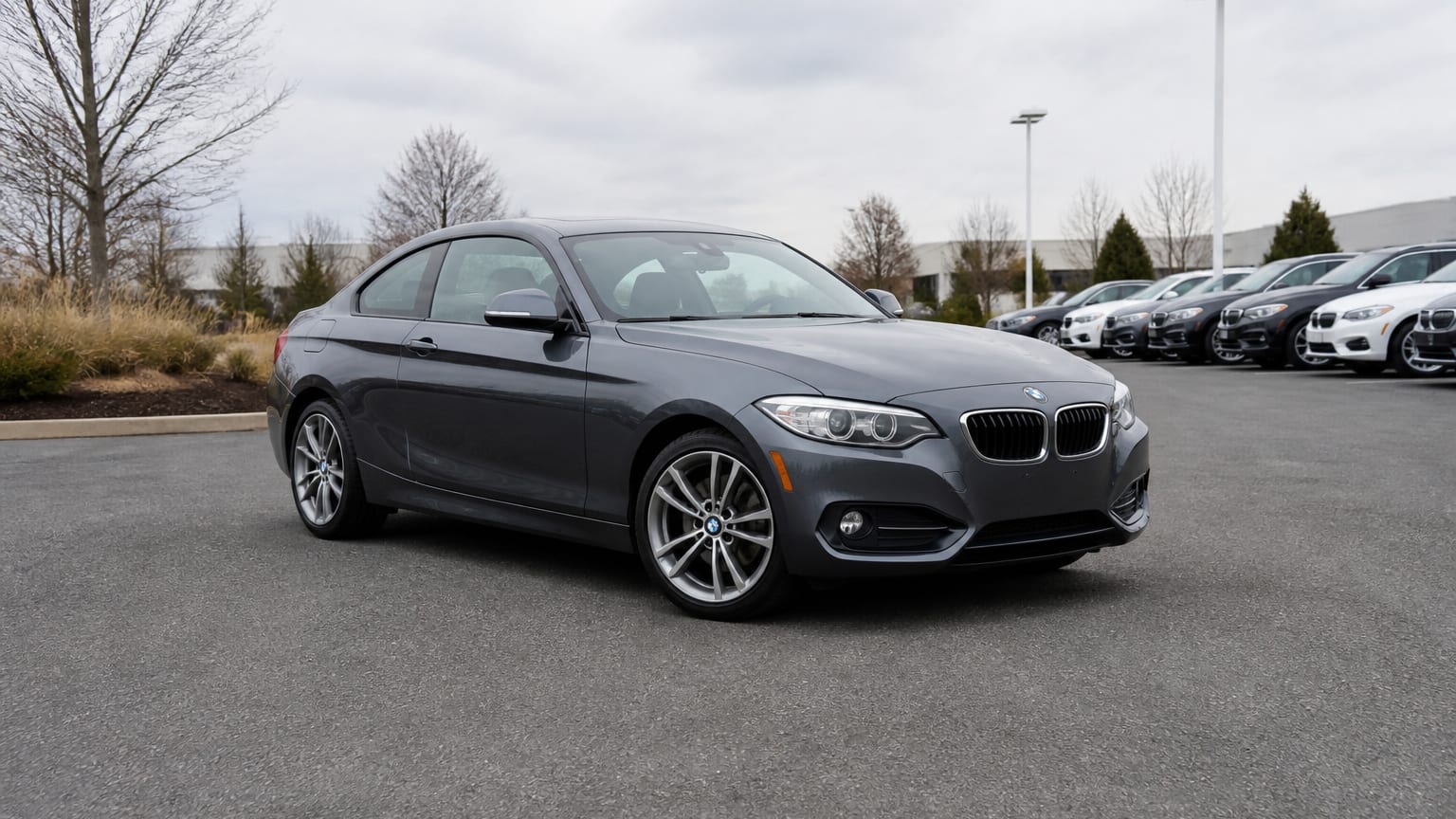
First-generation BMW 2 Series (2014-2021)
The N20 and N26 engines in the 2014-2016 first-generation 2 Series are prone to premature failures of the primary and secondary timing chain assemblies, and the 2014 228i also drew NHTSA's attention for fuel pump stall risk (recall 15V-189). The 2014-2016 2 Series is also included in BMW's mass water pump recall covering over 720,000 vehicles across multiple BMW model lines. Cumulatively, a 2014 2 Series can carry three open recalls simultaneously if none have been completed - that is an unusual burden for a used-car buyer.
The 2017, while mechanically newer, still needs scrutiny. The 2014-2017 models faced engine and fuel pump issues, while the 2018 model improved with tech updates and better reliability. If you are set on a first-generation car, the 2019 is the sweet spot: the B48 engine had two full model years to mature, NHTSA complaint volume is low, and it predates the 2021 timing chain tensioner reports that emerged on later first-gen cars. For first-gen 2 Series NHTSA complaint data, check each year individually before buying.
What are the best BMW 2 Series years to buy?
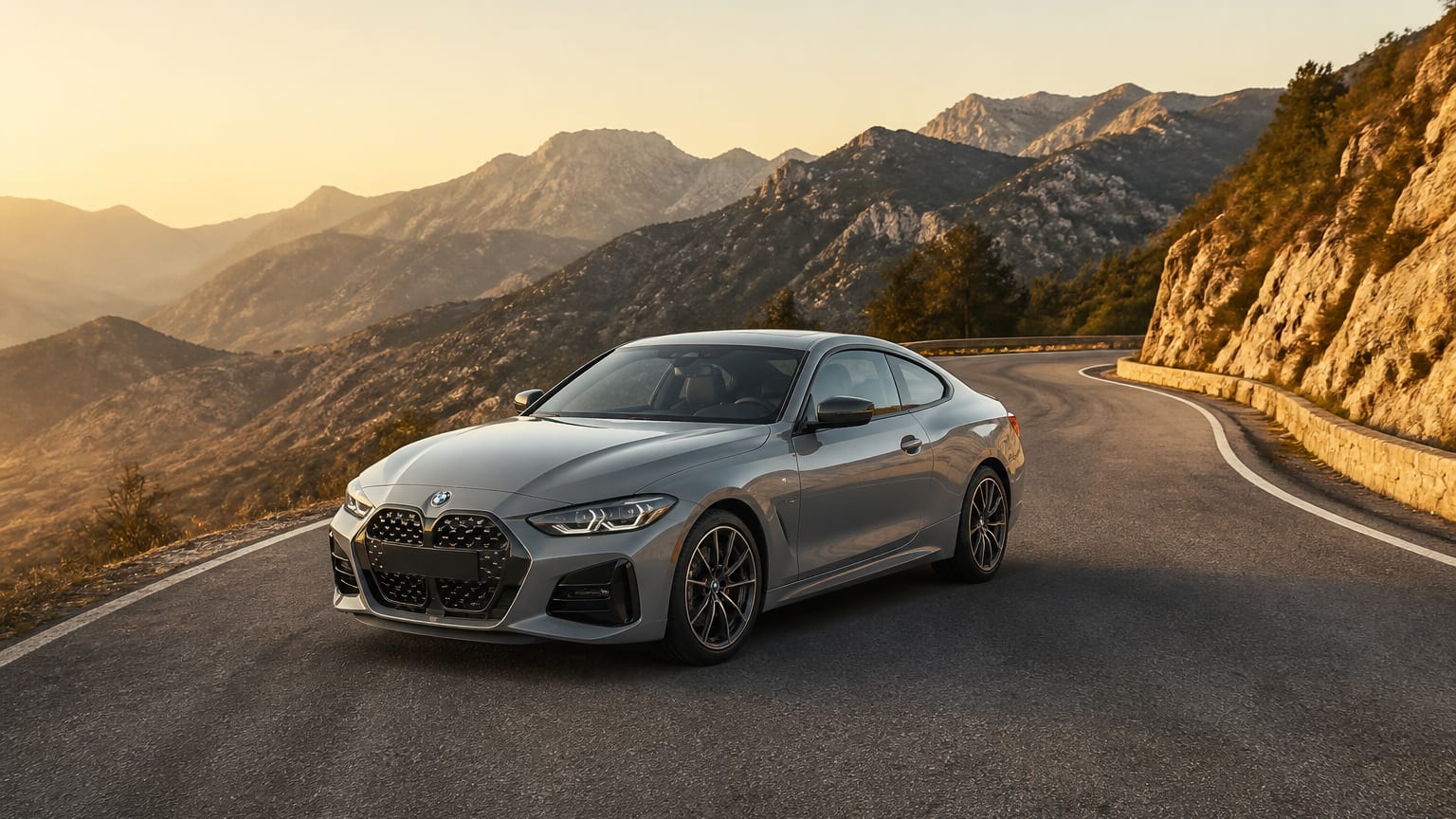
The best BMW 2 Series years to buy are 2019, 2022, and 2023. The 2022 BMW 2 Series scores 74/100 on Auto Reliability Index - the highest of any model year - with 2023 at 73/100 and 2019 at 73/100 as other strong picks.
| Best BMW 2 Series Year | Why It's a Strong Buy |
|---|---|
| 2019 | Low NHTSA complaint volume; B48 engine matured; pre-2021 timing chain tensioner reports |
| 2022 | Highest reliability score (74/100); 2nd-gen launch with 5-star NHTSA safety rating |
| 2023 | 73/100 reliability score; iDrive 8 infotainment; low complaint volume at time of research |
Most reliable BMW 2 Series years: 2019, 2022, 2023
2019 BMW 2 Series
The 2019 is the pick for buyers who want a first-generation convertible or coupe without the early-engine drama. By 2019 the B48 2.0-liter turbo four and B58 3.0-liter turbo six had been in production for two full years, and the cooling-system complaints that plagued the 2017 had largely resolved. NHTSA complaint volume for the 2019 is low relative to other first-gen years, and it carries the LCI (Life Cycle Impulse) updates including wireless Apple CarPlay and an improved gauge cluster.
2022 BMW 2 Series
The 2022 BMW 2 Series posts the best reliability score across all tracked model years at 74/100. It also marks the launch of the G42 second-generation body, which is wider, stiffer, and powered exclusively by the B48 or the inline-six B58 - neither of which carries the N20 timing chain vulnerability. The model has a 5/5 NHTSA safety rating, making it the most well-rounded used pick in the entire 2 Series lineup. The one caveat is recall 26V-056 (starter assembly fire risk covering 2022-2023 230i) - verify it has been completed on the VIN.
2023 BMW 2 Series
The 2023 BMW 2 Series has good reliability with 13 recalls on record and 17 owner complaints on file. The recall count is higher than the 2022, partly because of the breadth of the 26V-056 starter campaign. Owners of the 2023 have reported some issues related to service brakes, including inconsistent brake pressure and unexpected automatic emergency braking activation - worth checking on a test drive. Despite that, the 2023 still rates well overall and brings the best infotainment and driver-assist package of any 2 Series built so far.
BMW 2 Series submodel years to avoid
The two most common 2 Series submodels you will find in used listings are the 228i (2014-2016) and the 230i (2017 - present). Each runs a different engine family and has its own distinct reliability record.
BMW 228i years to avoid
The BMW 228i ran from 2014 to 2016, powered by the 2.0-liter turbocharged N20 four-cylinder (or the related N26 SULEV variant in California-emission states). This engine is the source of the 2 Series's most serious documented fault. The timing chain guide failure issue primarily affects BMW models produced between 2012 and early 2015 equipped with the N20 engine, and every model year of the 228i falls inside that window. In plain terms: all three years of 228i production (2014, 2015, 2016) are in the worst-year set, for reasons specific to the N20 powertrain rather than the broader 2 Series platform.
RepairPal has no Reliability Rating for the BMW 228i due to insufficient data - the sample size does not meet statistical significance. The annual maintenance cost of a BMW 228i is $922 per RepairPal estimates. The most critical model-specific check for any 228i:
- Verify NHTSA recall 24V-608 (water pump, fire risk) is completed on the VIN
- Verify NHTSA recall 15V-189 (fuel pump stall) is completed on the VIN (2014 model year)
- Verify NHTSA recall 25V-871 (head airbag inflator weld, 2014-2015 models) is completed
- Ask for documentation that the timing chain assembly was inspected or replaced - many are now past the 7-year/70,000-mile warranty extension
BMW 230i years to avoid
The BMW 230i replaced the 228i for the 2017 model year and uses the B48 2.0-liter turbocharged four-cylinder (or optionally the B58 straight-six in xDrive M240i trim). This is an entirely different engine from the N20 and does not share the timing chain guide fault that makes the 228i a risk. The 230i's own complaint record on RepairPal is thin - RepairPal lists only 2 reported problems for the BMW 230i across its production run, which reflects both the car's low sales volume and its generally better mechanical baseline.
NHTSA recall 26V-056 covers 2022-2023 230i Coupes as part of a broader campaign affecting multiple BMW models: the engine starter may overheat and catch fire due to wear on an internal component. That is the one year-specific risk on the 230i to flag - not a powertrain deficiency but a component-level recall. No 230i model year has accumulated enough complaint data on CarComplaints or NHTSA to earn a formal "avoid" designation on its own record. The buyer check that matters most on a 230i: confirm 26V-056 is resolved on any 2022-2023 VIN, and on 2017 cars specifically, ask for cooling-system service history given the B48 first-year reports above.
BMW 2 Series pre-purchase checklist
Before handing over a deposit on any used 2 Series, run through these model-specific checks:
- Run the VIN through NHTSA's recall checker: Confirm every open recall is marked as repaired, paying special attention to 24V-608 (water pump), 15V-189 (fuel pump, 2014 only), 25V-871 (head airbag, 2014-2015), and 26V-056 (starter, 2022-2023 230i)
- On any 2014-2016 228i, check the timing chain: Listen for a high-pitched whine from the front of the engine at idle and startup. Ask for documentation that the chain assembly was inspected or replaced under BMW's 7-year/70,000-mile warranty extension
- Verify cooling system service history on 2017 models: The first-year B48 had documented water pump and coolant hose issues; ask for records showing any cooling repairs already addressed
- Request full dealer service records: BMW tracks maintenance through its service history system. A gap in records on a first-gen car is a red flag, especially around the timing chain service interval
- Check for stored fault codes before purchase: Have a BMW-compatible scanner (or ask the dealer) pull any stored fault codes. Electrical and drivetrain fault codes are common on the 2 Series and can preview expensive repairs
- Inspect brake fluid condition and pad wear: The 2023 has documented service brake complaints including inconsistent pedal pressure; check brake response on the test drive
- On convertibles, test the top mechanism completely: Some BMW 228i convertible owners report the convertible top stops functioning after the battery dies - cycle it fully in both directions before buying any open-top 2 Series
Better alternatives to consider
If the 2 Series years in your budget land on the avoid list, also see BMW 3 Series years to avoid and BMW M3 years to avoid, or consider these alternatives instead:
- Audi A5 - a direct competitor in the compact luxury coupe class with a similar price range and a strong long-term owner satisfaction record; buyers researching the A5 should also review Audi A4 years to avoid since the two platforms share many mechanical components and reliability patterns
- Mercedes-Benz C-Class Coupe - comparable price, rear-wheel-drive option, and a well-established reliability record across the W205 generation (2015-2021); worth checking which Mercedes class is best for your needs
- Toyota GR86 / Subaru BRZ - significantly simpler mechanically, lower annual repair costs, and no timing-chain guide risk; trade-off is a less premium interior
- BMW 4 Series - shares the B48/B58 powertrain of the post-2017 2 Series without the N20 legacy; the 2021 and later G22 generation uses the same platform as the G42 2 Series, with more interior room; also compare the hotter BMW M240i years to avoid if you want more power without jumping to a full M car
Is the BMW 2 Series worth buying?
Yes - as long as you avoid the 2014, 2015, 2016, and 2017 model years, the BMW 2 Series is a strong used buy. The model carries a 5/5 NHTSA safety rating, and the second-generation G42 (2022 onward) posts the best reliability numbers of any variant the car has ever offered. The 2019 is the value pick among first-generation cars: the N20 is gone, the B48 is settled, and used prices are reasonable. Consumer Reports rates the 2020 2 Series as much more reliable than other cars from the same model year - another data point that the post-2017 cars are in good shape. Run the VIN through NHTSA's vehicle safety page and verify the full maintenance history before you buy.