
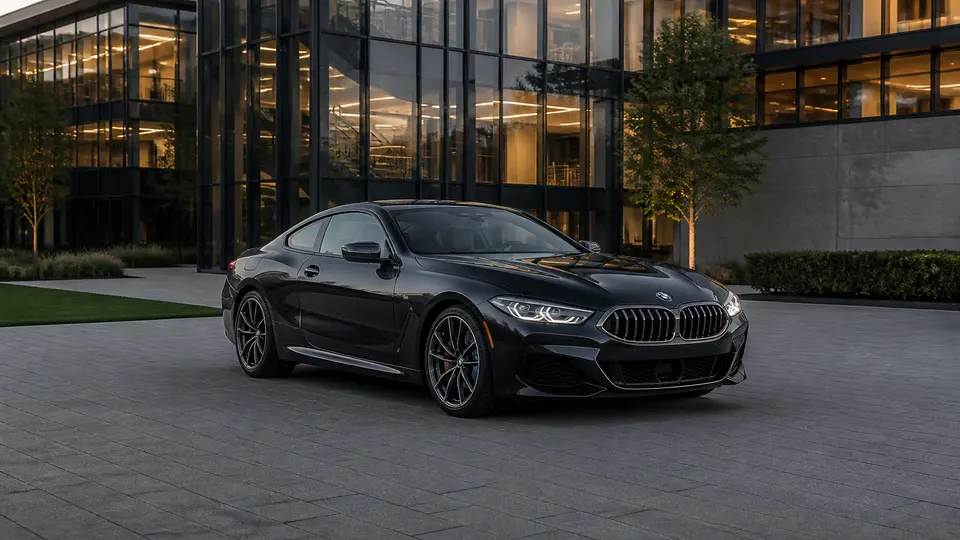
The BMW 8 Series is a well-regarded luxury grand tourer, but a handful of model years carry enough recall and complaint baggage to give used-car shoppers pause. You'll want to steer clear of the 2019-2021 model years before the early production issues were resolved, and focus instead on the cleaner later cars. This guide ranks every year of the modern second generation using NHTSA complaint data, CarComplaints ratings, J.D. Power scores, and owner-forum reports so you can shop with confidence.
For generations, engines, and grand-tourer ownership notes in one place, see the BMW 8 Series hub.
At a glance
- Worst years
- 2019
- 2020
- 2021
- Best years
- 2022
- 2023
- Top failure
- N63TU3 V8 oil consumption and valve stem seal failure in M850i models (2019-present), per owner reports compiled at au7o.io
- Always do before buying
- run the VIN through NHTSA's recall checker to confirm every open campaign is closed, and check the engine oil level on any M850i for excessive consumption between changes
How we rated the best and worst BMW 8 Series years
The second-generation BMW 8 Series, built between 2019 and 2026, is generally reliable, especially for a premium model loaded with technology. The 2020 model year stands out for carrying the most recalls of the generation, making it the year most worth avoiding on a safety-campaign basis. This article draws on NHTSA complaint and recall data, CarComplaints PainRank ratings (which weigh repair cost and mileage at failure, not raw complaint volume), RepairPal for repair costs, J.D. Power dependability scores, and owner threads on BimmerPost.
CarComplaints ranks the worst year by repair cost and mileage at failure via its PainRank algorithm, while NHTSA shows raw complaint volume; those two sources often point to different model years, and each claim below is attributed to the right source.
Our years to avoid methodology applies consistent criteria across all sources so that no single data point skews a verdict.
| BMW 8 Series Generation | Best BMW 8 Series Years | Worst BMW 8 Series Years |
|---|---|---|
| 1st gen E31 (1991-1997, US) | None | None |
| 2nd gen G14/G15/G16 (2019-present) | 2022, 2023 | 2019, 2020, 2021 |
Every BMW 8 Series model year ranked
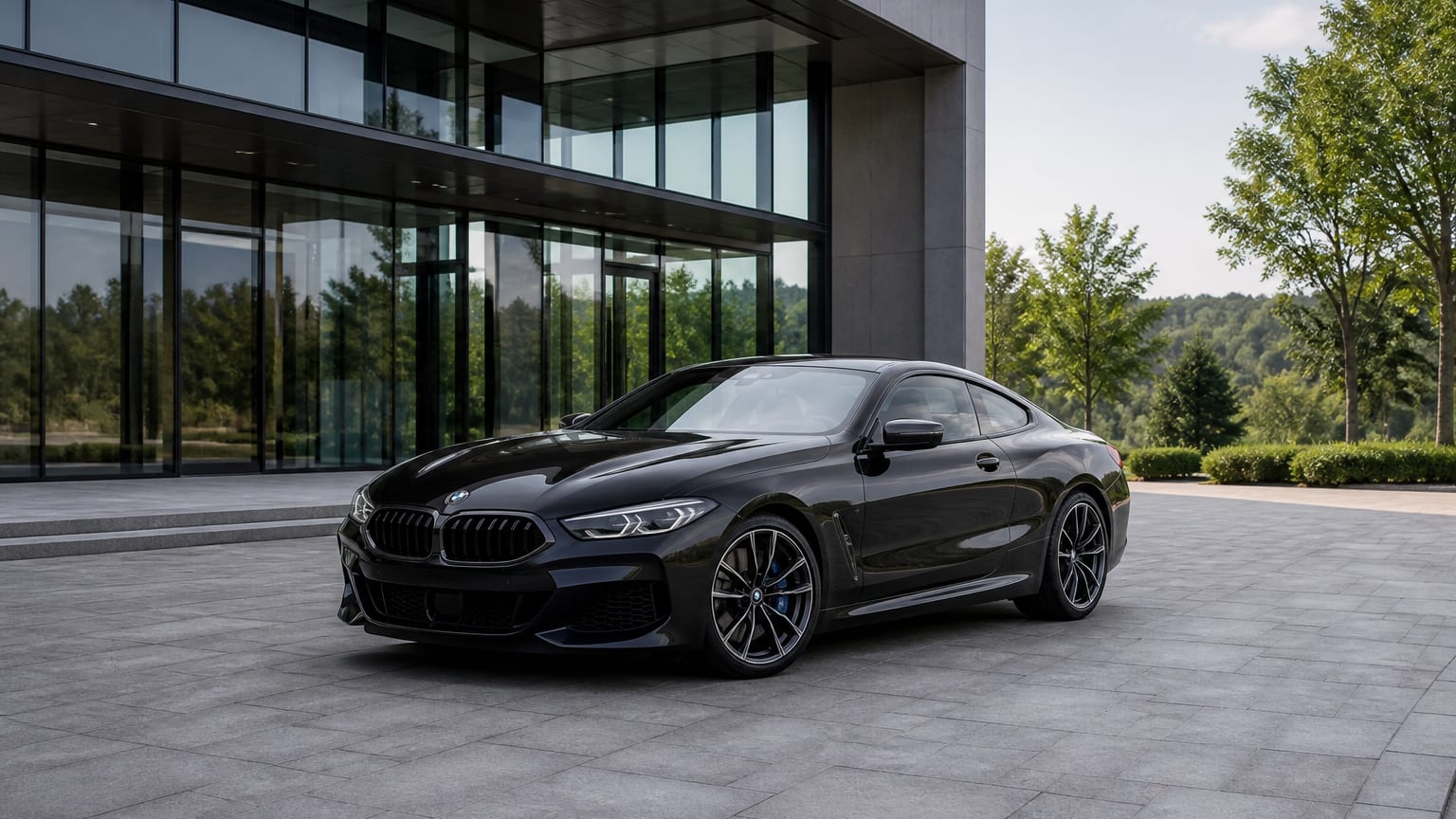
The modern second-generation 8 Series (G14/G15/G16) is the generation shoppers realistically buy used today. The first-generation E31 (sold in the US from 1991 through 1997) is a separate collector-market car assessed differently; those years are shown below but carry no "Avoid" or "Best" designation in this article's used-car ranking.
| Model Year | Generation | Verdict | Notes |
|---|---|---|---|
| 1991 | 1st gen E31 (collector) | OK/Mixed | Oldest US year; complex electronics common to age |
| 1992 | 1st gen E31 (collector) | OK/Mixed | Limited US sales data |
| 1993 | 1st gen E31 (collector) | OK/Mixed | Limited US sales data |
| 1994 | 1st gen E31 (collector) | OK/Mixed | Desirable 850CSi era |
| 1995 | 1st gen E31 (collector) | OK/Mixed | Desirable 850CSi era |
| 1996 | 1st gen E31 (collector) | OK/Mixed | Pre-final-year E31 |
| 1997 | 1st gen E31 (collector) | OK/Mixed | Highest NHTSA complaint count for E31 generation |
| 2019 | 2nd gen G14/G15/G16 | Avoid | Launch year; limited model choice, fuel pump recall (19V-513), M850i-specific fire risk |
| 2020 | 2nd gen G14/G15/G16 | Avoid | Most recalls of any single year (5); starter fire risk, ABS weld failure, backup-camera issues |
| 2021 | 2nd gen G14/G15/G16 | Avoid | 3 recalls; backup-camera noncompliance, ABS weld failure carried over |
| 2022 | 2nd gen G14/G15/G16 | Best | J.D. Power reliability score 80; recall count drops; starter recall extended to this year but remedied |
| 2023 | 2nd gen G14/G15/G16 | Best | J.D. Power reliability score 85; updated infotainment, strong owner reviews |
Most common BMW 8 Series problems
The single biggest documented failure on the 2019-present 8 Series is N63TU3 V8 oil consumption and valve stem seal degradation in M850i models, followed by a recurring pattern of recall-level issues spanning the electrical system, braking, and backup-camera compliance.
1. N63TU3 V8 oil consumption and valve stem seal failure (M850i)
On the 2019-2024 BMW 8 Series, the N63TU3 4.4L twin-turbo V8 in M850i models suffers from premature valve stem seal degradation caused by the hot-V turbo placement. Turbochargers mounted between the cylinder banks create extreme heat that accelerates valve stem seal hardening and failure, allowing oil to leak past valve guides into combustion chambers. You'll notice this as blue smoke from the exhaust and low oil-level warnings between scheduled service intervals.
Oil consumption of 1 quart per 1,000-2,000 miles is common in affected M850i cars. BMW issued TSB MC-10149960-9999 addressing this issue, and there is an N63 class action settlement for affected owners. Repair costs are steep: N63TU3 Valve Stem Seal Failure and Oil Consumption carries a repair cost range of $3,500-$10,000.
When the 8 Series debuted, it got the updated N63TU3 engine which solved many of the early N63 problems, but did not eliminate the oil-consumption tendency entirely. As a buyer, check the oil level on any M850i before purchase and ask for service records showing oil top-up history; blue-tinged exhaust at cold start is the clearest warning sign of excessive oil burning.
2. Engine starter overheating and fire risk (2019-2025 840i / M850i)
BMW of North America issued a park-outside recall for nearly 200,000 model year 2019-2022 BMW vehicles due to a risk of fire while parked or being driven. The engine starter relay in the recalled vehicles may corrode, causing the relay to overheat and short circuit, which may cause a fire.
BMW AG conducted a voluntary safety recall (effective July 31, 2024) on certain model year 2019-2021 BMW vehicles produced between November 12, 2017, and May 31, 2020. That recall was designated NHTSA campaign 24V-576. A subsequent recall expanded coverage: BMW is recalling certain 2020 340i, X6, 2020-2025 840i, 2020-2022 740Li, 2019-2020 X7, and X5 vehicles; after repeated attempts, the starter motor may overheat from an electrical overload. That subsequent recall includes vehicles previously repaired under recall 24V-576, meaning those owners need their vehicle repaired again. Verify with your specific VIN through NHTSA's recall checker - the starter campaign spans a wide range of production dates.
3. High-pressure fuel pump cracking and fuel leak (2019 M850i)
BMW AG decided that a defect exists in certain 2019 M850i xDrive Coupe and Convertible vehicles. The high-pressure fuel pump may not have been properly attached to the engine, which may cause the fuel pump flange to crack, resulting in a fuel leak. NHTSA assigned this recall campaign 19V-513.
A fuel leak in the presence of an ignition source can increase the risk of fire. BMW notifies owners and dealers replace the high-pressure fuel pumps free of charge. This recall affects the N63 V8 in the 2019 M850i specifically. Some owners have reported issues with the engine's high-pressure fuel pump, which can fail prematurely and cause misfires or reduced power; fuel pump replacement can cost upwards of $1,500-$2,000 at a dealership if the failure falls outside the recall's scope. Confirm recall 19V-513 is closed before buying any 2019 M850i.
4. Integrated brake system (IBS) weld failure and ABS loss (2020-2021)
BMW recalled certain 2020-2021 8 Series Coupe, Grand Coupe, and Convertible 840i, 840i xDrive, M850i xDrive, and M8. The rotor and shaft within the integrated brake system may not have been welded properly and could separate during a hard braking event, possibly resulting in a loss of the Antilock Brake System (ABS) and braking assistance. A loss of ABS and a reduction in braking assistance can increase the risk of a crash.
This is among the most serious safety recalls affecting the 2020-2021 8 Series. Integrated Brake System failure repair costs range from $0 (if performed under recall) to $5,000 out of pocket. If the recall repair has not been done, the repair is free at any BMW dealer. A brake pedal that feels soft or abnormal on a 2020-2021 8 Series should prompt an immediate VIN check for this campaign.
5. Rearview camera noncompliance (2019-2021)
The backup camera and display settings can be adjusted such that the rear-view image is no longer visible, and the system retains that setting the next time the vehicle is placed in reverse. These vehicles fail to comply with the requirements of Federal Motor Vehicle Safety Standard (FMVSS) number 111, "Rearview Mirrors."
This defect affects 2019-2021 8 Series across all body styles. The recall remedy is a software update performed free of charge at a BMW dealer. It is a lower-severity fix compared to the fire and brake campaigns, but confirms why the 2019-2021 range accumulated the highest per-year recall counts of the generation. The 2019-2025 BMW 8 Series has accumulated 23 NHTSA complaints, with the most frequently reported problem areas being the electrical system, engine, and safety systems.
6. N63TU3 timing chain guide wear (M850i, 80,000-100,000 miles)
On the 2019-2024 BMW 8 Series, the N63TU3 4.4L twin-turbo V8 in M850i models uses plastic timing chain guides that are prone to premature wear. This is a longer-term concern than the recall items above, but it becomes financially significant as M850i cars accumulate mileage. Preventive replacement of timing chain guides, tensioners, and chain is recommended at 80,000-100,000 miles, with a cost of $4,000-$7,500.
A whining or rattling noise under acceleration that worsens as the engine warms up is the earliest audible sign of guide wear. Ask for a pre-purchase inspection on any high-mileage M850i that includes a timing system check. Metal debris in the oil - check the drain plug for particles consistent with metal shavings in oil - can signal advanced guide wear.
Checking a used BMW?
Scan for hidden fault codes from your phone in minutes — before you buy.
REREV may earn a commission if you sign up through this link. Learn more.
Which BMW 8 Series years should you avoid?
The BMW 8 Series years to avoid are 2019, 2020, and 2021. The 2020 model year is the single most problematic of the generation, carrying five separate recalls including the starter fire risk and the ABS weld failure; NHTSA complaint volume is also highest for 2020 among the modern generation. CarComplaints does not yet have a deep enough pool of 8 Series-specific entries to produce a PainRank separation by year, but the recall burden and early-production issues cluster firmly in 2019-2021.
| BMW 8 Series Generation | Model Years | Verdict | Main Issues |
|---|---|---|---|
| 1st gen E31 (collector market) | 1991, 1992, 1993, 1994, 1995, 1996, 1997 | Mixed | Age-related electronics, timing chain on later M62, collector assessment applies |
| 2nd gen G14/G15/G16 | 2019, 2020, 2021 | Worst | Starter fire risk, ABS weld failure, fuel pump recall (M850i), rearview camera noncompliance |
| 2nd gen G14/G15/G16 | 2022, 2023 | Best | Lower recall count, J.D. Power scores 80-85, production fixes in place |
Worst BMW 8 Series years: 2019, 2020, 2021
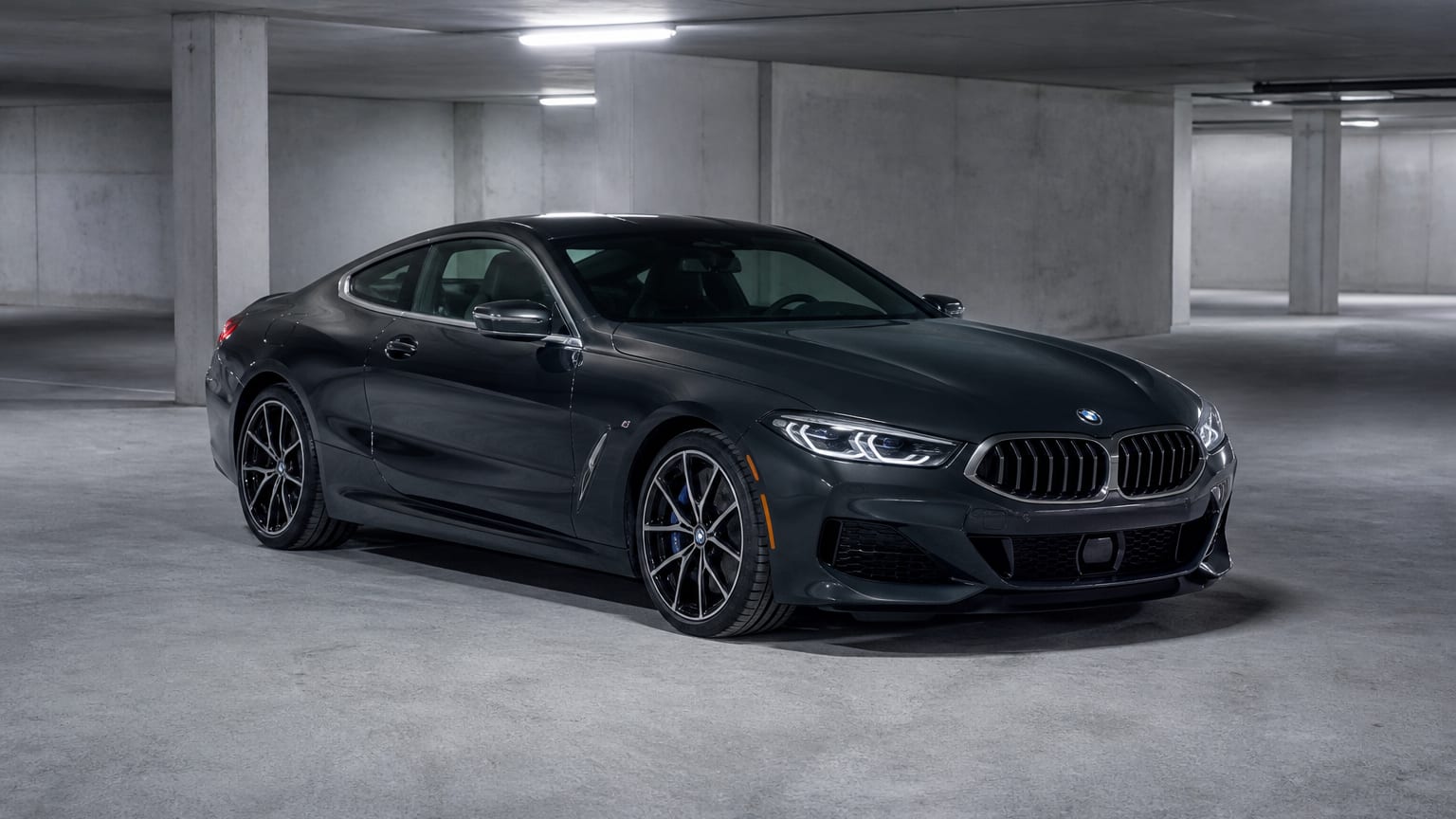
Second-generation BMW 8 Series (2019-2021)
The 2020 was the worst of the bunch, with five recalls made known to drivers. Trouble with an overheating starter motor posed a risk of combustion, and faulty airbags made higher injury levels possible in a crash. There was a lack of an image in the backup camera, loss of ABS and reduced braking power, and errors with a reduced view in the backup camera system.
The 2019 model year added the M850i-specific high-pressure fuel pump recall (19V-513) on top of the rearview camera campaign, making it the most hazardous year specifically for buyers of the V8 variant. The 2019 BMW 8 Series not only has limited model choices but also fewer standard features, since only the V12-engined coupe and convertible were initially offered before the full lineup expanded. The NHTSA vehicle page for the 2019 BMW 8 Series shows the recall campaigns affecting that year.
The 2021 model year comes in with three recalls, including the carried-over ABS weld failure and rearview camera campaigns. It is the least problematic of the three years to avoid, but the unresolved brake-system recall makes it too risky to recommend without a VIN check first.
What are the best BMW 8 Series years to buy?
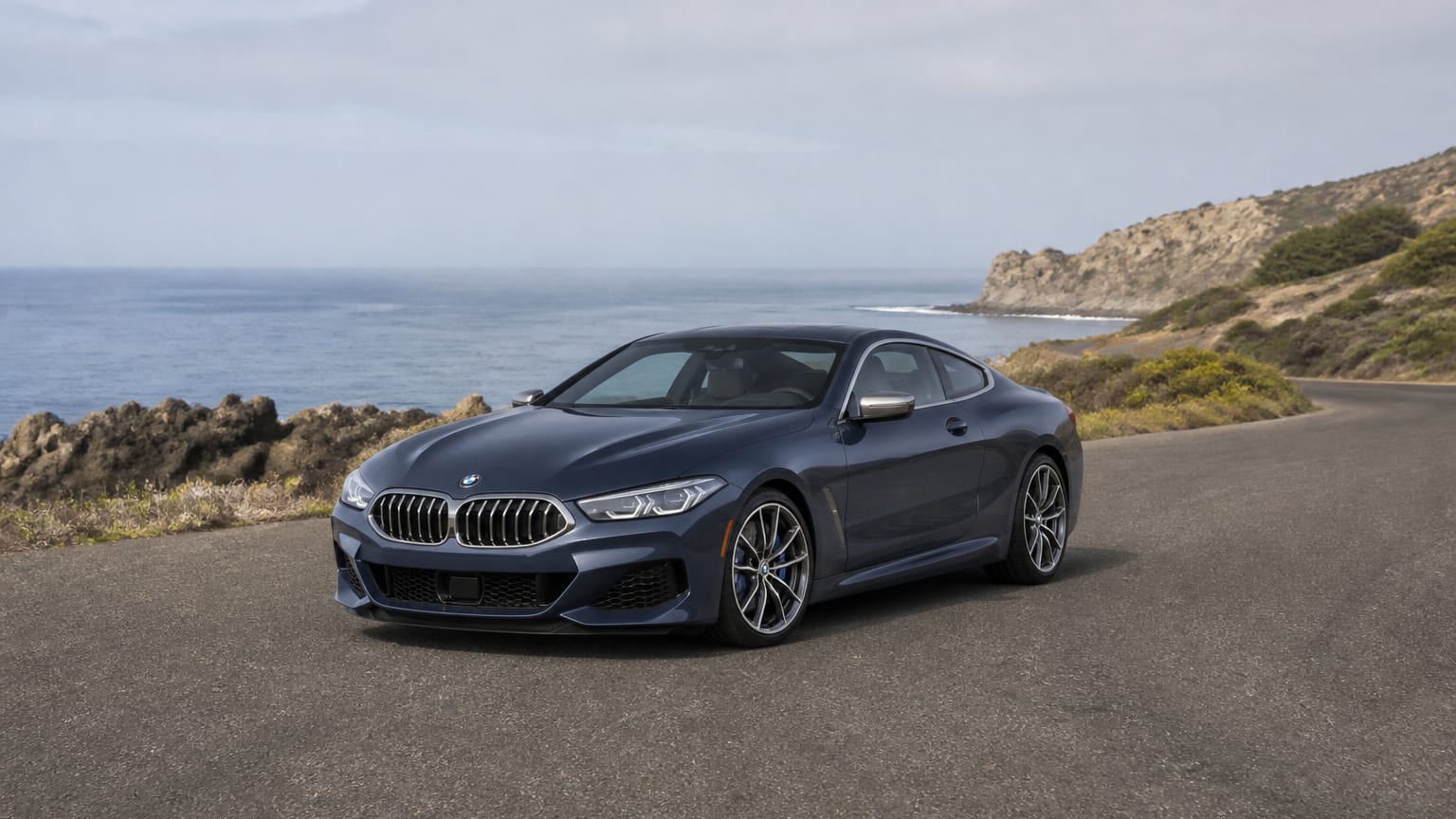
The best used BMW 8 Series years are 2022 and 2023, where J.D. Power dependability scores improve and the worst early recall campaigns have been remedied or no longer apply.
| Best BMW 8 Series Year | Why It's a Strong Buy |
|---|---|
| 2022 | J.D. Power reliability score of 80; production fixes for starter relay in place; lower recall burden than 2019-2021 |
| 2023 | J.D. Power reliability score of 85; updated 12-inch infotainment; strong owner reviews; aerodynamic mirrors added |
Most reliable BMW 8 Series years: 2022, 2023
2022 BMW 8 Series
J.D. Power gives the 2022 BMW 8 Series a reliability score of 80, which is average, while the 2023, 2025, and 2026 models have a great rating of 85. The 2022 model is the first year where the main first-production recall clusters (ABS weld failure, backup camera) had been remedied on delivered cars, and new production incorporated design changes to the starter relay. For buyers on a tighter budget within the second generation, 2022 represents solid value.
2023 BMW 8 Series
The 2023 BMW 8 Series gets small updates including a backlit grille and a larger infotainment screen that grew from 10 to 12 inches. The M850i offers 523 hp and a 0-to-60 mph time of less than 4 seconds, while the base 840i reaches 60 mph in under 5 seconds. Owner ratings for the 2023 are among the strongest of the generation, and the J.D. Power score of 85 places it in the "great" band for predicted reliability.
BMW 8 Series submodel years to avoid
Both the 840i and the M850i share the same G14/G15/G16 platform but use different engines and drivetrains, and each has a distinct fault profile. What follows is each submodel's own record, not a restatement of the parent model data above.
BMW 840i years to avoid
The 840i is powered by the B58 turbocharged 3.0-liter inline-six, a fundamentally different powertrain from the V8 in the M850i. The B58 inline-six engine in the 840i is generally considered reliable, with a robust design that has proven durable in other BMW models such as the 3 Series and X3. The 840i was offered from 2019 onward in coupe, convertible, and Gran Coupe body styles.
The 840i's own fault record centers on recalls rather than engine-specific mechanical failures. The 2020 840i Convertible (840i, 840xi) is among the vehicles covered by the engine starter recall, with approximately 550 vehicles manufactured with an engine starter of a certain production configuration. The ABS integrated brake system weld-failure recall and the rearview camera noncompliance recall also apply to 2020-2021 840i models across all body styles, as covered in the problem sections above. No BMW 840i model year has accumulated enough engine-specific complaint data to flag a mechanical avoid year on the B58 powertrain alone. The 2019-2021 840i years carry the same recall burden as the broader 8 Series range; from 2022 onward, the 840i is a cleaner buy.
Before purchasing any 840i, verify:
- All three recall campaigns (starter relay, ABS weld, rearview camera) are closed on the VIN
- No oil leaks around the valve cover or turbo feed lines (B58 can develop seeping gaskets after 60,000 miles)
- Full service history with BMW-spec oil used throughout
BMW M850i years to avoid
The M850i uses the N63TU3 4.4-liter twin-turbo V8, shared with the X5 M50i and 7 Series, and is where the oil consumption, valve stem seal, and timing chain guide issues covered in the problem sections above are concentrated. The M850i was offered in the US from the 2019 model year onward.
The most commonly reported issue on M850i models is N63/S63 V8 oil consumption, with 140 owner reports on record. This is specific to the M850i's N63TU3 engine and does not apply to the B58-engined 840i. The 2019 M850i xDrive Coupe and Convertible are subject to the high-pressure fuel pump recall (19V-513) because the fuel pump may not have been properly attached to the engine, which may cause the fuel pump flange to crack, resulting in a fuel leak - a recall that does not apply to the 840i.
The 2019 M850i is the single year to avoid most firmly within the submodel: it carries the fuel pump fire-risk recall on top of the generation-wide recall cluster. For 2022 and later M850i cars, the recall remedies are largely in place, but the N63TU3 oil consumption tendency is a long-term ownership concern regardless of year. Check the oil level and ask for documented oil top-up records between changes on any M850i you consider.
BMW 8 Series pre-purchase checklist
Run these checks before signing on any used 8 Series.
- VIN recall check: enter the VIN at NHTSA's recall database and confirm all campaigns - particularly the starter fire recall (24V-576 and its expansion), the ABS weld-failure recall, and the rearview camera recall - show as repaired, not open.
- Starter relay status (2019-2025 840i): confirm the starter replacement under the expanded recall has been completed; even cars repaired under 24V-576 may need a second repair under the subsequent campaign.
- Fuel pump verification (2019 M850i only): confirm recall 19V-513 is closed; ask the dealer or seller for the repair completion document.
- Oil level and consumption check (all M850i): check the dipstick cold and again after a short drive; the most common symptom of piston ring or valve stem seal wear is excessive oil consumption, requiring top-offs every 1,000-1,500 miles, and blue smoke from the exhaust. Walk away if the seller cannot explain oil use between changes.
- Timing chain pre-purchase inspection (M850i over 70,000 miles): ask an independent BMW specialist to listen for rattle at cold start and inspect for guide debris; preventive replacement is recommended at 80,000-100,000 miles at a cost of $4,000-$7,500.
- Full service records: verify oil changes were done on BMW's schedule with approved synthetic oil; the N63TU3 is intolerant of extended intervals.
- Brake feel test drive: on any 2020-2021 car, perform an ABS activation stop in a safe area; any pedal anomaly warrants a dealer inspection before purchase to confirm the integrated brake system recall was completed.
- Independent inspection: have a BMW-specialist shop perform a pre-purchase inspection, including a scan for stored fault codes, before committing to any 8 Series regardless of year.
Better alternatives to consider
If the 8 Series years in your budget land on the 2019-2021 avoid list, also see BMW 5 Series years to avoid and BMW M4 years to avoid, or consider these alternatives instead:
- Audi RS7 — a performance four-door grand tourer in a similar money band with its own clear avoid/best windows
- Mercedes-Benz S550 — flagship luxury with a longer used run and more year-by-year reliability detail
- Porsche Panamera — a grand tourer rival with strong dependability scores and a deep CPO market
- Lexus LC 500 — naturally aspirated V8 grand tourer with typically lower unscheduled repair frequency than the 8 Series
Is the BMW 8 Series worth buying?
Yes, the BMW 8 Series is worth buying as long as you avoid 2019, 2020, and 2021. The second-generation 8 Series is pretty reliable for a premium model loaded with technology; J.D. Power gives the 2022 model a reliability score of 80 and the 2023 model a great rating of 85. A 2022 or 2023 car with a clean VIN check and documented service history is one of the more compelling used luxury grand tourers available.
According to RepairPal, the average annual repair cost for the 8 Series is $1,038, so budget for above-average maintenance costs, but the driving experience and depreciation curve make the post-2021 cars a genuine value.
Run the VIN through NHTSA's recall checker and verify the full service record before any purchase. To set realistic expectations about how long a BMW lasts with proper maintenance, most well-serviced examples reach 150,000 miles or beyond.
Our editorial guidelines and research standards govern how complaint data, recall records, and owner reports are weighted throughout this analysis.