
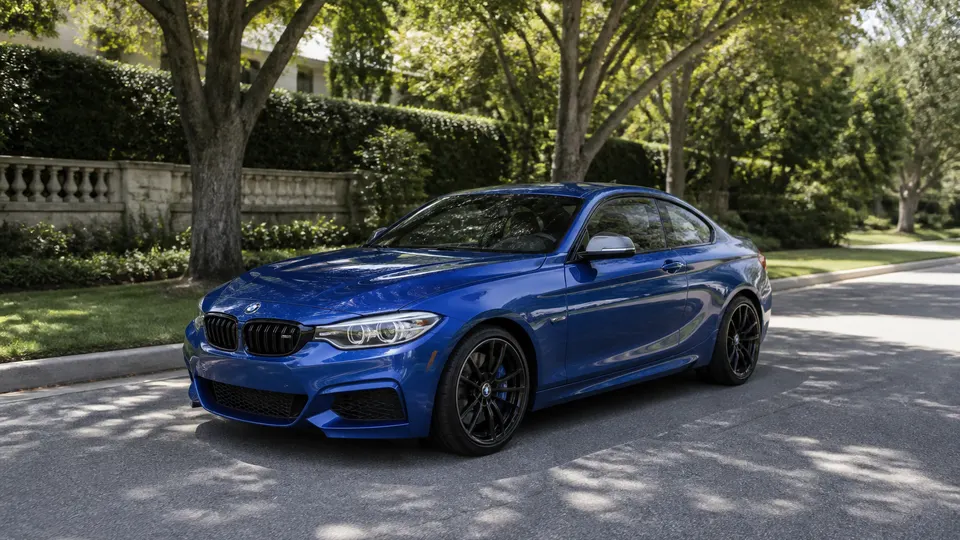
The BMW M240i is one of the stronger picks in the compact luxury coupe segment, combining a turbocharged inline-six with a rear-wheel-drive chassis that holds up well over time — shoppers comparing the broader BMW 2 Series years to avoid guide will see how the M240i sits above the volume 230i/228i trims. That said, CarComplaints rates the 2025 BMW M240i as the worst model year on several factors, including repair cost and average mileage when problems occur. Knowing which years carry the heaviest ownership risk - and which ones offer a cleaner record - can save you thousands before you sign anything.
For generations, B58 notes, and coupe ownership tips in one place, see the BMW M240i hub.
At a glance
- Worst years
- 2019
- 2020
- 2025
- Best years
- 2017
- 2018
- 2022
- 2023
- 2024
- Top failure
- B58 valve cover gasket oil leak, affecting 2017-2024 M240i (all generations)
- Always do before buying
- Run the VIN through NHTSA's recall checker to confirm every open recall is closed, plus check the oil level and inspect underneath for drips on any pre-2022 car
How we rated the best and worst BMW M240i years
CarComplaints rates the 2025 as the worst M240i year by its PainRank methodology, which weighs repair cost and how early in a vehicle's life problems appear - making it the most financially painful pick in the lineup as of this writing. The 2019 and 2020 model years carry a separate safety concern: a federal safety recall covering improperly assembled knee airbags.
This guide draws on NHTSA complaint and recall data, CarComplaints' PainRank system (which ranks the worst year by repair cost and mileage at failure, not raw complaint volume - the two sources often point to different years), RepairPal reliability benchmarks, owner reports from the 2Addicts BMW 2-Series forum, and technical data from J.D. Power model-year histories.
The "best" or "avoid" verdict for each model year reflects a weighted analysis described in our years to avoid methodology, where reports from recall databases, owner forums, and repair shops carry different significance based on their reliability and scope.
| BMW M240i Generation | Best BMW M240i Years | Worst BMW M240i Years |
|---|---|---|
| 1st gen - F22/F23 (2017-2021) | 2017, 2018 | 2019, 2020 |
| 2nd gen - G42 (2022-present) | 2022, 2023, 2024 | 2025 |
Every BMW M240i model year ranked
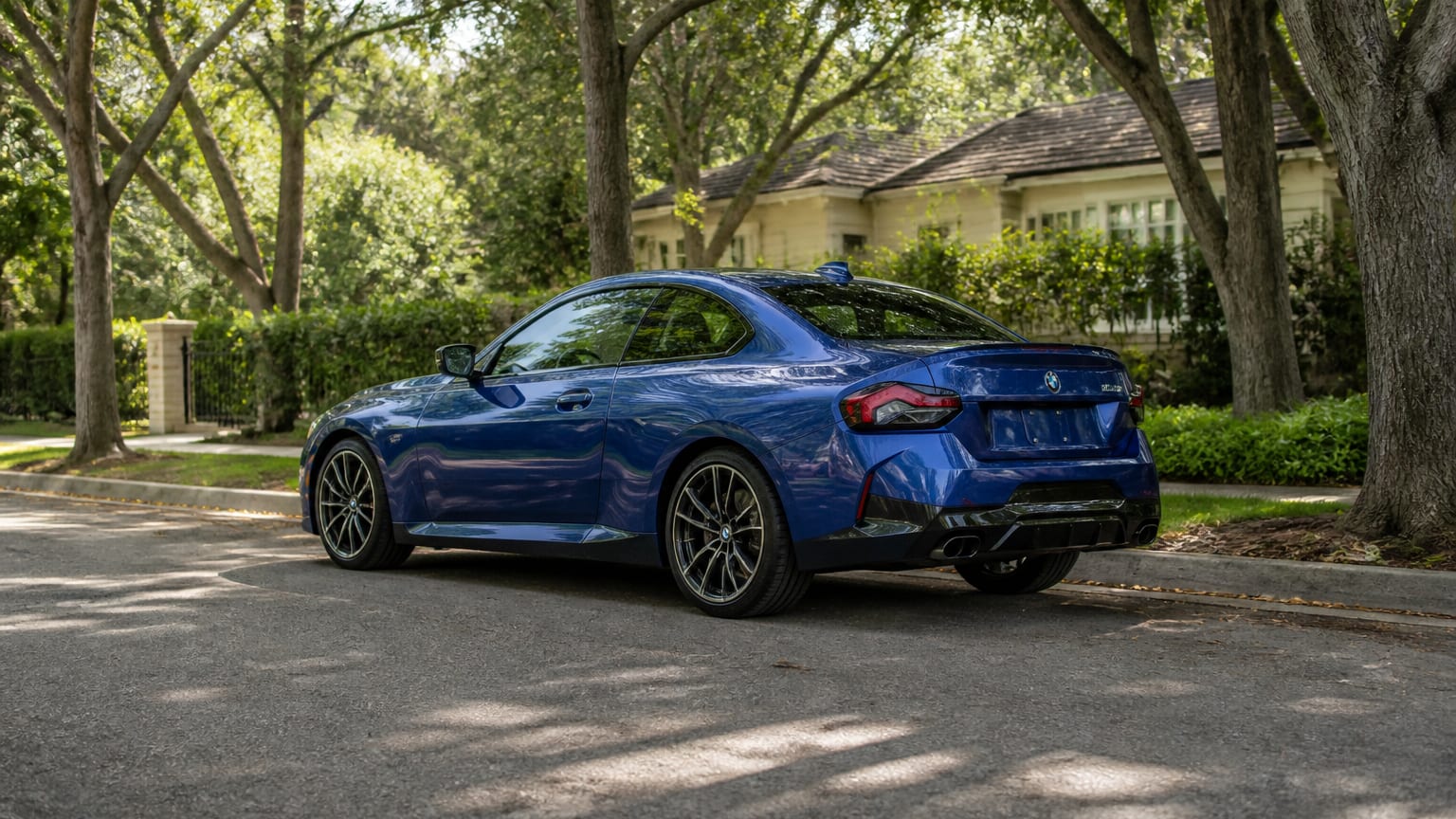
The 2022 redesign marks the clearest dividing line between the M240i years worth buying and those worth skipping. The table below covers every model year the M240i has been sold in the US.
| Model Year | Generation | Verdict | Notes |
|---|---|---|---|
| 2017 | 1st gen (F22) | Best | Launch year, low complaint volume, B58 engine well-sorted |
| 2018 | 1st gen (F22) | Best | Mid-cycle refresh, LED headlights; few reported issues |
| 2019 | 1st gen (F22) | Avoid | Knee airbag recall 19V-352; fire-risk starter recall |
| 2020 | 1st gen (F22) | Avoid | Shares knee airbag recall 19V-352; fire-risk starter recall |
| 2021 | 1st gen (F22) | OK/Mixed | Roof liner recall; last year of first gen |
| 2022 | 2nd gen (G42) | Best | Full redesign; more power, upgraded interior |
| 2023 | 2nd gen (G42) | Best | Zero NHTSA consumer complaints on file |
| 2024 | 2nd gen (G42) | Best | Current-gen refinement; low complaint record so far |
| 2025 | 2nd gen (G42) | Avoid | CarComplaints worst-year PainRank; highest complaint volume |
Most common BMW M240i problems
The single biggest recurring failure on the M240i across both generations is oil leakage from the B58 engine's gaskets and seals - a problem that typically surfaces quietly after 60,000 miles and can snowball into ignition coil damage if left unchecked. Below are the four most documented failure categories, ordered most serious first.
1. B58 engine oil leaks (valve cover, oil filter housing, and oil pan gaskets)
On the 2017-2024 BMW M240i B58 engine, the valve cover gasket is prone to degradation and oil leaks, typically developing around 60,000-100,000 miles. The rubber gasket material shrinks and dries out through repeated heat cycles, allowing oil to seep and eventually drip down the sides of the engine. In more severe cases, oil can leak into the spark plug tubes, causing misfires and potential ignition coil damage.
Replacing the valve cover gasket runs around $650-850. The oil filter housing gasket is also made of rubber and leaks are common after 60,000 miles; repairs cost $400-500. Expect to replace the oil pan gasket sometime after 80,000-100,000 miles. Finding metal shavings in oil during a pre-purchase inspection is a red flag that points to more serious internal wear, not just a surface gasket issue.
RepairPal identifies valve cover gasket leaks as common across BMW models after 60,000 miles, with symptoms including oil drips under the vehicle and a burning smell. No manufacturer TSB or warranty extension specific to the M240i's valve cover gasket was confirmed in research; treat it as a normal wear item and budget for it on any car past 60,000 miles. If you catch oil seeping into the spark plug tubes, check for a drivetrain malfunction BMW warning on the dash - that is often how owners first notice the coil damage.
2. Coolant expansion tank and electric water pump failure
On the 2017-2024 BMW M240i B58 engine, the B58 is prone to coolant loss caused by cracks in the plastic coolant expansion tank and premature electric water pump failure. The thermoplastic expansion tank degrades under repeated heat cycles, and in turbocharged engines where under-hood temperatures run high, this aging process accelerates. The electric water pump can fail internally and leak coolant from the pump housing or seals, sometimes before 50,000 miles.
The most serious documented issue across owner reports is coolant loss from the expansion tank and water pump, with repair costs ranging from $400 to $1,200. Low coolant from a cracked tank left unaddressed leads directly to overheating - the kind of failure that can damage the engine far beyond the cost of the tank itself.
The electric water pump can fail internally and leak coolant from the pump housing or seals, sometimes before 50,000 miles - well inside a reasonable used-car ownership window. Inspect the expansion tank for cracks and check the coolant level before any purchase, and ask the seller for documentation of pump-related service.
3. Plastic charge pipe cracking (turbo boost loss)
On the 2017-2024 BMW M240i B58 3.0L Turbo I6, the B58 engine uses a plastic charge pipe to route compressed air from the turbocharger to the throttle body. Under sustained high boost conditions, the factory plastic charge pipe can crack, split, or blow off, resulting in an immediate and total loss of boost pressure. This failure can occur on completely stock vehicles as the plastic degrades from repeated heat cycling over time, but is accelerated by any ECU tune that increases boost pressure.
The symptom is a sudden, dramatic drop in power - the car essentially goes into limp mode. If the failure occurs on a stock car, BMW may cover repair under warranty. On out-of-warranty cars, owners typically replace the factory pipe with an aluminum aftermarket unit. A whining noise when accelerating that worsens at higher RPMs can be an early indicator of a boost leak from a cracking charge pipe.
4. Knee airbag recall (2019-2020 M240i - NHTSA 19V-352)
BMW recalled certain 2019-2020 230i, 230i xDrive, M240i, M240i xDrive, M2 Competition Coupe, and other models because the driver and passenger knee airbag assemblies may have been improperly folded and assembled. BMW notified owners, and dealers replaced the knee airbag modules free of charge. The recall began July 8, 2019.
A total of 5,079 units were potentially affected by the defective airbag module. The knee airbag assemblies for the driver and front passenger could have been improperly folded and assembled into the housing. As a result, they might fail to inflate adequately in the event of an accident, increasing the risk of injury. NHTSA campaign number 19V-352 is the primary safety concern that puts 2019 and 2020 on the avoid list. Run any 2019-2020 VIN through the NHTSA recall checker before purchase to verify this recall has been completed.
5. Engine starter fire risk (2019-2022 models)
BMW of North America issued a park-outside recall for nearly 200,000 model year 2019-2022 BMW vehicles due to a risk of fire while parked or being driven. The engine starter relay in the recalled vehicles may corrode, causing the relay to overheat and short circuit, which may cause a fire.
Owners should park outside and away from buildings and other vehicles until they either confirm their vehicle is not subject to the recall or have their vehicle remedied. While the recall covers 2019-2022 BMW vehicles broadly (not M240i exclusively), it is one more reason to verify recall completion status on any first-generation M240i you are considering buying used.
Checking a used BMW?
Scan for hidden fault codes from your phone in minutes — before you buy.
REREV may earn a commission if you sign up through this link. Learn more.
Which BMW M240i years should you avoid?
The BMW M240i years to avoid are 2019, 2020, and 2025. The 2019 and 2020 stand out for a safety-critical airbag defect: NHTSA campaign 19V-352 covers 2019-2020 M240i vehicles where the driver and passenger knee airbag assemblies may have been improperly folded and assembled, which could cause them to fail to deploy as intended, increasing the risk of injury. On the other end of the timeline, CarComplaints rates the 2025 BMW M240i as the worst model year on several factors, including repair cost and average mileage when problems occur - the most recent "avoid" data point, attributed to CarComplaints' PainRank, not raw NHTSA complaint volume.
| BMW M240i Generation | Model Years | Verdict | Main Issues |
|---|---|---|---|
| 1st gen - F22/F23 | 2019, 2020 | Avoid | Airbag recall 19V-352, starter fire recall |
| 1st gen - F22/F23 | 2021 | OK/Mixed | Roof liner recall; last year of first gen |
| 2nd gen - G42 | 2025 | Avoid | Highest CarComplaints PainRank, window motor failures |
Worst BMW M240i years: 2019, 2020, 2025
First-generation BMW M240i (2017-2021)
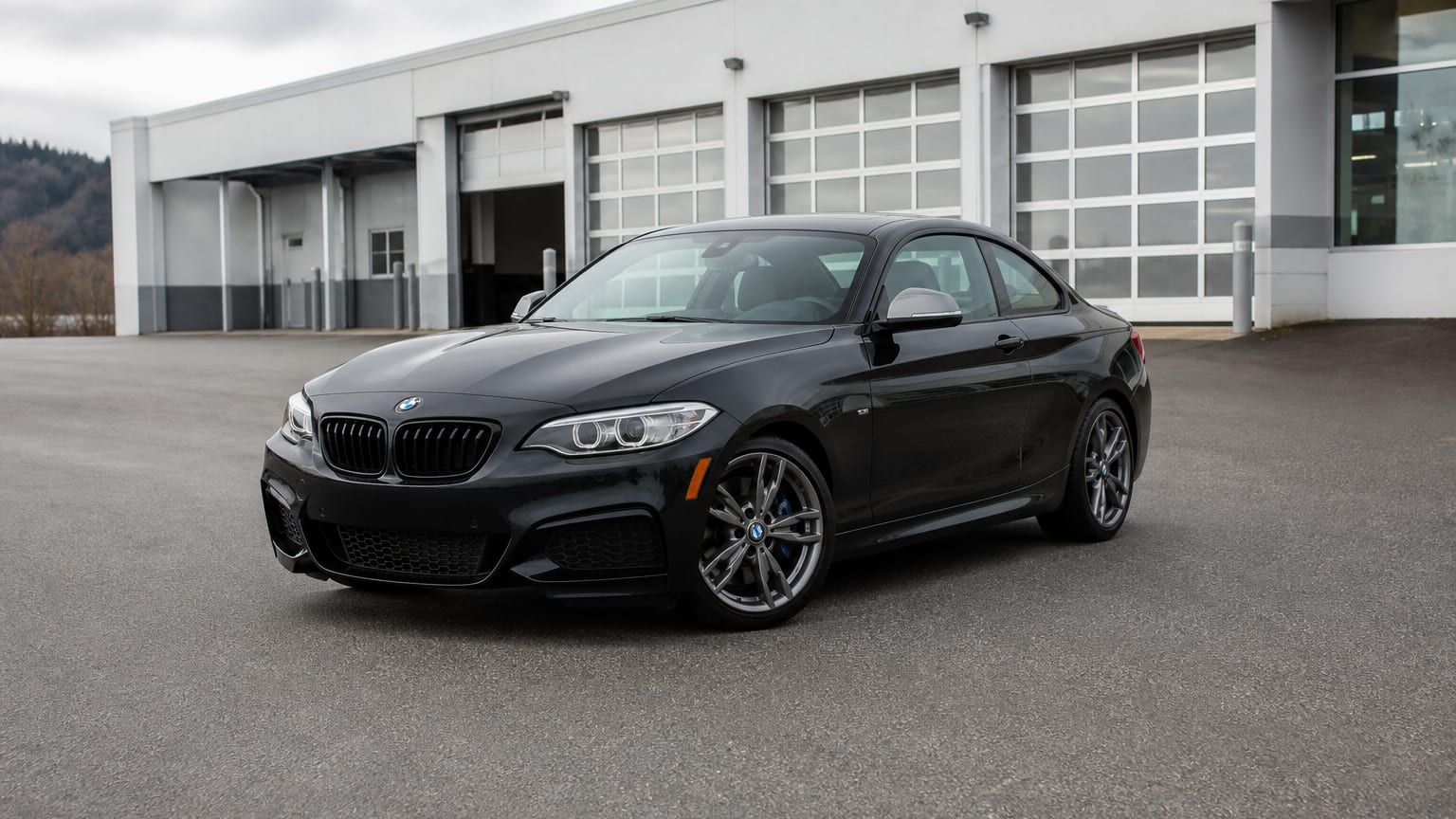
The BMW M240i was a sporty variant of the F22 2 Series that went on sale for the 2017 model year, built in both coupe and convertible body styles. These cars were powered by BMW's B58B30 engine, a turbocharged 3.0L inline-six producing 335 hp. Both a 6-speed manual and 8-speed automatic were offered, with drive going to the rear wheels. Production of the first-generation BMW M240i ended in 2021.
Within this generation, 2019 and 2020 are the years to avoid. The knee airbag recall (19V-352) covered 5,079 units of the 2019-2020 model, and both years also fall within the broader 2019-2022 starter-fire recall covering nearly 200,000 BMW vehicles. The 2021 is cleaner but carries a separate recall: BMW recalled certain 2021 BMW 230i and M240i vehicles because supports within the roof liner may be insecurely attached. Dealers will inspect and repair or replace the roof liner as necessary, free of charge.
Second-generation BMW M240i (2022-present)
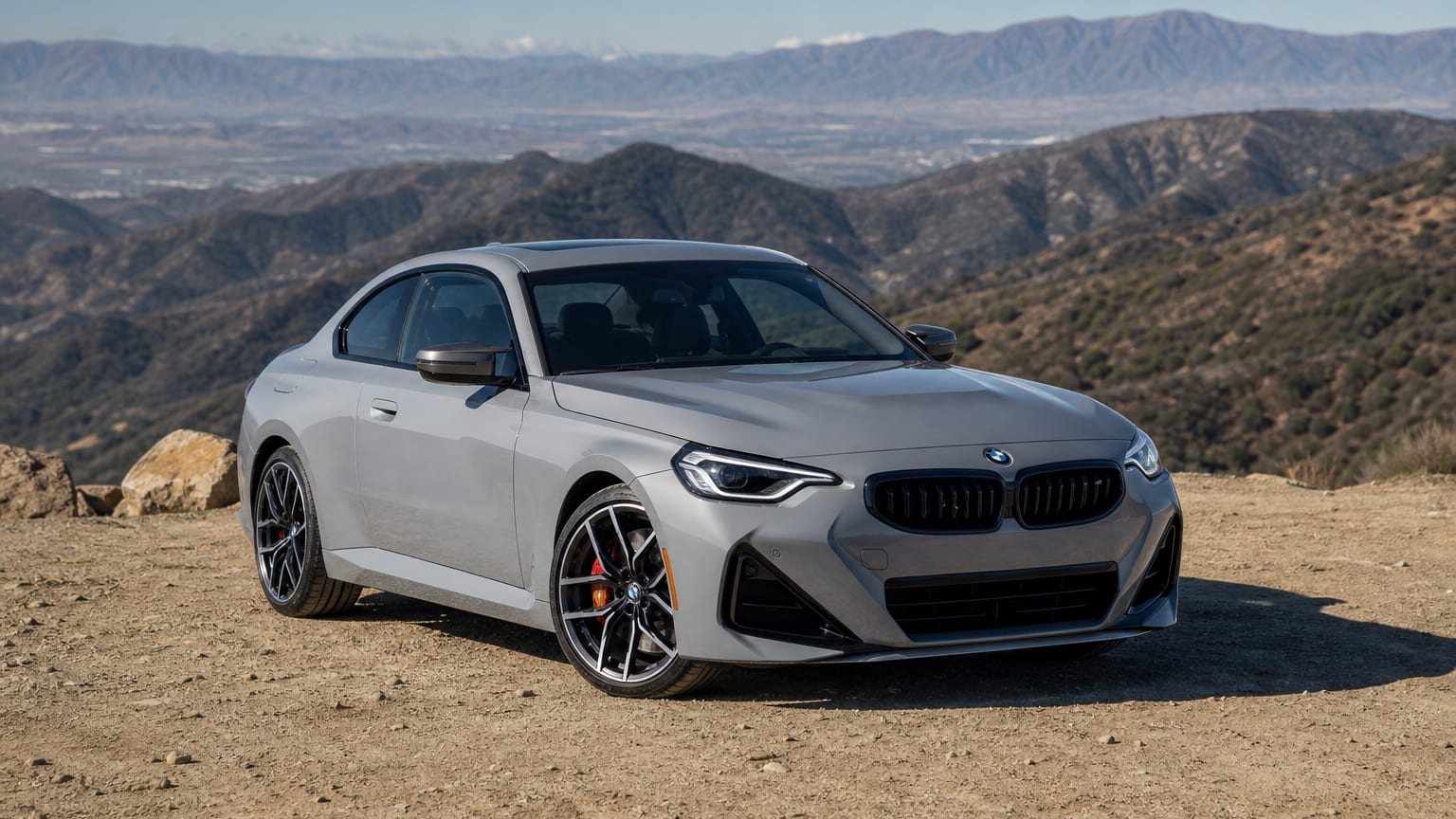
The second-generation G42 2 Series entered production in September 2021, with model years starting in 2022, assembled in San Luis Potosí, Mexico. The M240i emerged as a powerful option in the lineup, featuring the 3.0-liter inline-six engine producing 382 horsepower and utilizing the latest version of BMW's xDrive all-wheel-drive system.
CarComplaints rates the 2025 BMW M240i as the worst model year in the lineup on several factors such as repair cost and average mileage when problems occur, with the most-reported problem being a broken window motor. The 2022, 2023, and 2024 are the cleaner second-gen picks. There are currently no consumer complaints on file with NHTSA for the 2023 BMW M240i, which is a positive indicator of owner satisfaction.
What are the best BMW M240i years to buy?
The best BMW M240i years to buy are 2017, 2018, 2022, 2023, and 2024 - years that combine low complaint volume, no safety-critical unresolved recalls, and the strongest version of the B58 powertrain.
| Best BMW M240i Year | Why It's a Strong Buy |
|---|---|
| 2017 | Launch year with sorted B58 engine; low reported issues |
| 2018 | Refresh brought LED headlights; few owner complaints |
| 2022 | Full redesign, 382 hp, CLAR platform, no major recall activity |
| 2023 | Zero NHTSA consumer complaints on file; well-sorted second gen |
| 2024 | Latest refinements; low complaint record as of this writing |
Most reliable BMW M240i years: 2017, 2018, 2022, 2023, 2024
2023 BMW M240i
There are currently no consumer complaints on file with NHTSA for the 2023 BMW M240i, which is a positive indicator of owner satisfaction. The 2023 sits in the sweet spot of the G42 generation - far enough from the launch-year sorting period and before the 2025 complaint uptick - making it one of the stronger used picks as more examples enter the used market.
2022 BMW M240i
For 2022, the BMW 2 Series was redesigned with a more powerful engine, upgraded interior, and changes to optional and standard equipment. The jump to 382 hp (up from 335 hp in the first gen) and a new platform brought meaningful improvements in both performance and refinement. Complaint volume for the 2022 is low relative to the 2025, and it has not been cited as a worst year by either CarComplaints or NHTSA volume rankings.
2017 BMW M240i
For 2017, the BMW 2 Series was renamed, with the 3.0L turbocharged car called the M240i. Each car benefited from new powerplants, with the six now making 335 horsepower and 369 pound-feet of torque. As a launch-year car now well past its warranty period, a 2017 with documented service history and under 80,000 miles is a reasonable entry point - just budget for the gasket service items that tend to surface around 60,000-80,000 miles.
BMW M240i pre-purchase checklist
Before handing over any money on a used BMW M240i, go through these model-specific checks:
- Run the VIN through NHTSA's recall lookup to confirm recall 19V-352 (knee airbag, 2019-2020) and the starter-relay fire recall (2019-2022) have both been completed on any first-generation car.
- Check the oil level and inspect under the engine bay on any car with over 60,000 miles - look for oily residue around the valve cover, oil filter housing, and oil pan. Valve cover gasket leaks are common on BMW B58 engines after 60,000 miles, and symptoms include oil drips under the vehicle and a burning smell.
- Inspect the coolant expansion tank for cracks and verify the coolant level. The thermoplastic tank degrades under repeated heat cycles, and the electric water pump can fail and leak coolant from the pump housing or seals, sometimes before 50,000 miles.
- On any 2019-2020 car, confirm the roof liner is secure and ask for the knee airbag recall completion paperwork from a BMW dealer - a car without documented recall work is a liability.
- Test the turbo charge pipe by doing a hard pull from low RPM: if the car suddenly loses boost and goes flat, suspect a cracked or split plastic charge pipe. Under sustained high boost conditions, the factory plastic charge pipe can crack, split, or blow off, causing an immediate and total loss of boost pressure; this can occur even on stock vehicles.
- Ask for full BMW service records - specifically oil change intervals, coolant flushes, and any gasket or water pump work. By 75,000-80,000 miles, more significant repairs are common, including leaking gaskets, suspension components, and water pump failure - this is where neglected maintenance catches up.
- On 2025 cars, inspect the window motors for proper operation on all four windows. The most-reported problem on the 2025 BMW M240i is a broken window motor.
Better alternatives to consider
If the BMW M240i years in your budget land on the avoid list, also see BMW 2 Series years to avoid and BMW M2 years to avoid, or consider these alternatives instead:
- Audi A4 — a longitudinally mounted turbo four with a clearer year-by-year reliability map and a simpler maintenance profile than the B58
- Audi A5 — the compact luxury coupe cross-shop most buyers put next to an M240i
- Subaru WRX — a purpose-built performance compact with a large owner community and well-documented service patterns
- Mercedes-Benz C-Class AMG C43 — a turbo six segment rival; see which Mercedes class is the best if the Mercedes lane fits your priorities better
Is the BMW M240i worth buying?
Yes, the BMW M240i is worth buying - as long as you avoid the 2019, 2020, and 2025 model years. The M240i is fairly reliable for a performance BMW coupe, but still comes with a higher ownership cost than rivals from Japan and Korea. The average annual repair cost for a BMW is $968, with an average of 0.9 visits to a repair shop per year - slightly above the class average but not alarming for a turbocharged performance coupe. The 2022-2024 second-generation cars represent the safest used-market pick right now, with the strongest power output, the cleanest NHTSA complaint record, and no safety-critical unresolved recalls.
Properly maintained M240i coupes can easily exceed 100,000 miles, and with regular maintenance and proactive repairs, reaching 150,000 miles and beyond is also attainable. Run the VIN through NHTSA's recall checker and verify the full maintenance history before buying - those two steps alone will separate the well-kept examples from the ones that will cost you far more than their price tag suggests.