
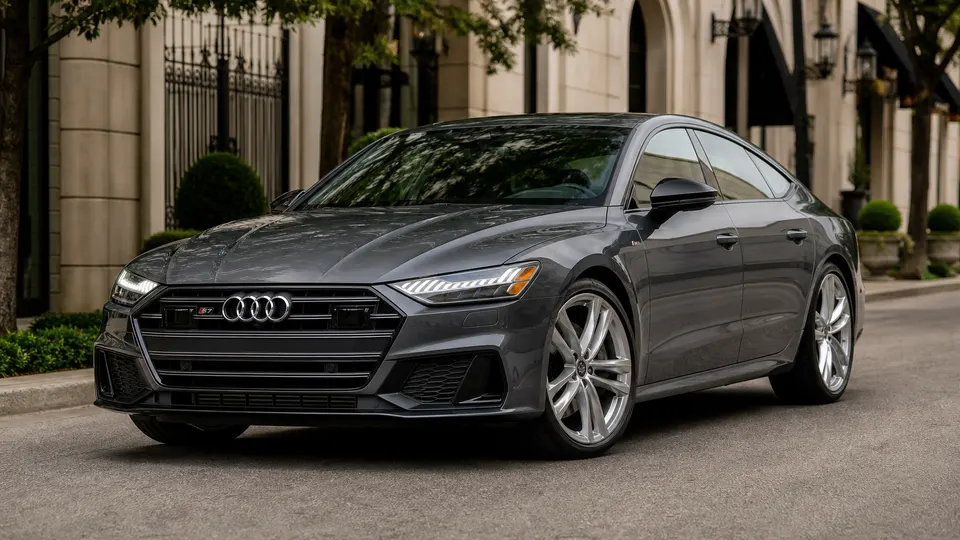
The Audi S7 is a compelling performance-luxury sportback that rewards careful buyers with a genuinely satisfying ownership experience. Specific model years, particularly from the first-generation C7 lineup, carry well-documented engine and transmission failures that can cost you thousands out of pocket. This guide ranks every S7 model year using NHTSA complaint data, CarComplaints PainRank scores, and owner-forum reports so you can shop with confidence.
At a glance
- Worst years
- 2013
- 2014
- 2016
- Best years
- 2018
- 2020
- 2021
- Top failure
- C7-generation (2013-2018) turbocharger oil strainer blockage causing engine stall (CarComplaints / NHTSA recall 22V-178)
- Always do before buying
- Run the VIN through NHTSA's recall checker to confirm recall 22V-178 (oil strainer) has been completed on any 2013-2017 car, plus check the oil level on any C7 S7 before test-driving
How we rated the best and worst Audi S7 years
The first-generation C7 (2013-2018) is the problem generation, with 2013 standing out as the single worst year on CarComplaints' PainRank and NHTSA raw complaint volume alike. CarComplaints rates 2013 the worst model year, ranked on factors such as repair cost and average mileage when problems occur. Our methodology draws on CarComplaints PainRank data, NHTSA complaints and recall data, RepairPal repair cost figures, J.D. Power, and owner forums including Audizine. CarComplaints ranks a "worst year" by repair cost and mileage at failure (its PainRank), while NHTSA shows raw complaint volume - they are often the same year for the S7, but the two datasets measure different things. Our years-to-avoid methodology is described in full on REREV.
| Audi S7 Generation | Best Audi S7 Years | Worst Audi S7 Years |
|---|---|---|
| C7 (2013-2018) | 2018 | 2013, 2014, 2016 |
| C8 (2020-present) | 2020, 2021 | None |
Every Audi S7 model year ranked
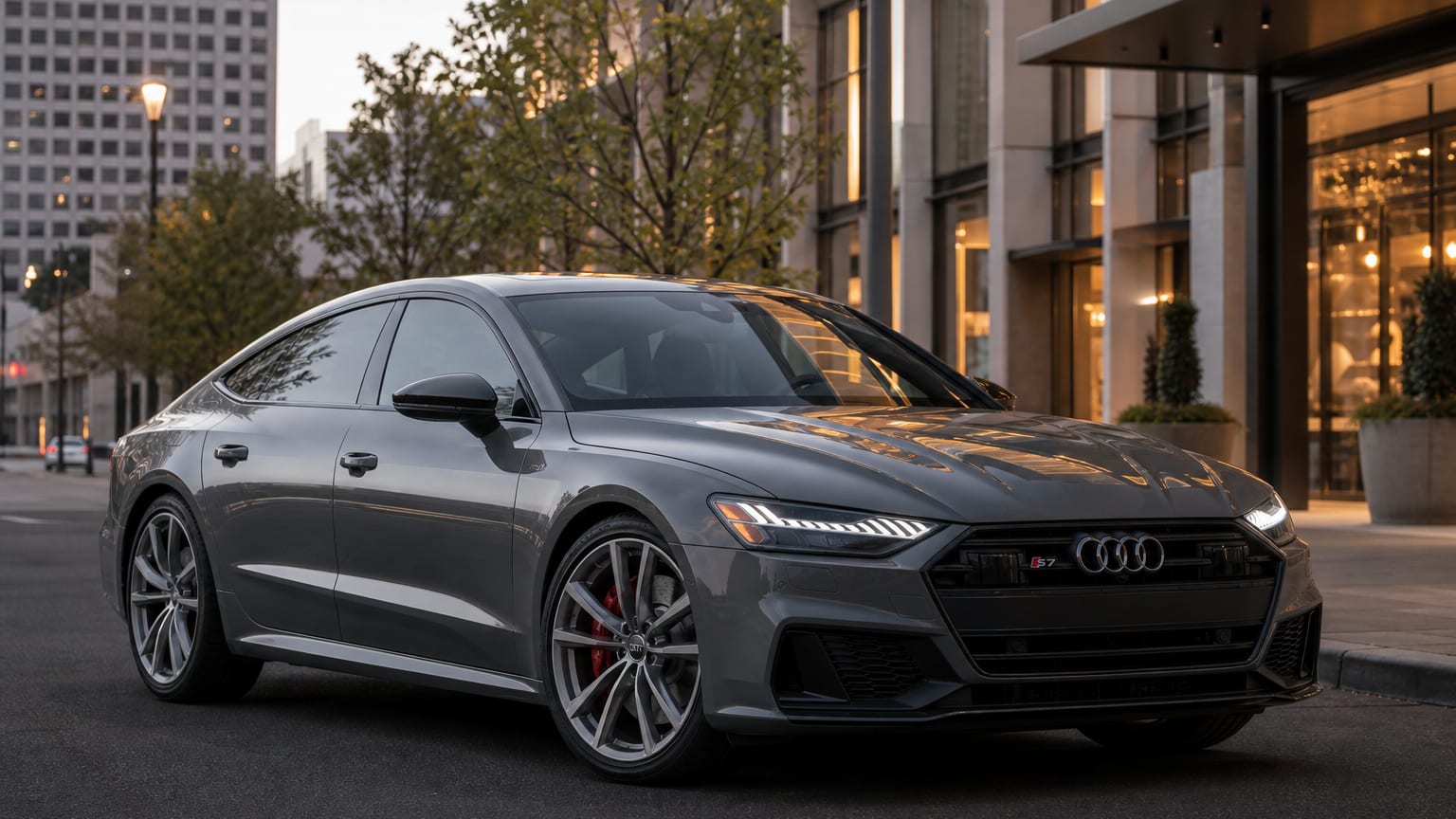
The Audi S7 has two distinct US-market generations: the C7 (2013-2018), powered by a 4.0-liter twin-turbo V8 with a seven-speed dual-clutch S-tronic, and the C8 (2020 onward), which swapped to a 2.9-liter twin-turbo V6 mild-hybrid with an eight-speed automatic. There is no US-market 2019 S7.
| Model Year | Generation | Verdict | Notes |
|---|---|---|---|
| 2013 | C7 | Avoid | Most CarComplaints complaints; worst PainRank; turbo oil strainer recall |
| 2014 | C7 | Avoid | 13 complaints; turbo failures at low mileage; fuel line recall |
| 2015 | C7 | OK/Mixed | Fewer complaints; same turbo risk exists; recall 22V-178 applies |
| 2016 | C7 | Avoid | 16 CarComplaints complaints; 2 recalls; turbo and mechatronic issues |
| 2017 | C7 | OK/Mixed | 10 complaints; recall 22V-178 applies; last year of worst turbo risk |
| 2018 | C7 | Best | Fewest reported issues in the C7 run; post-March 2017 build already has updated oil strainer |
| 2020 | C8 | Best | New V6 mild-hybrid platform; low NHTSA complaint volume |
| 2021 | C8 | Best | Lowest NHTSA complaint volume across all S7 years |
| 2022 | C8 | OK/Mixed | Minor fuel sender and rearview camera software recalls |
| 2023 | C8 | OK/Mixed | Most recent model year; recall data still maturing |
Most common Audi S7 problems
The single biggest S7 failure is turbocharger oil strainer blockage in the C7-generation 4.0T V8, a defect serious enough to prompt a federal safety recall and a manufacturer warranty extension. Four additional recurring issues round out what you need to inspect on a used S7.
1. Turbocharger oil strainer blockage - engine stall (C7 4.0T, 2013-2018)
Both turbos can fail at 38,000 miles due to oil starvation from a blocked oil screen - a known issue across many Audi S7 and S6 vehicles with the 4.0 twin-turbo engine. Oil-starved turbo bearings fail, causing the turbine wheel to contact the housing or the shaft to break, which leads to sudden engine stall while driving - including on highways - with the engine unable to restart.
NHTSA recall 22V-178 (Audi recall 21H7) covers the oil strainer defect. The recall covers 2013-2017 S6, S7, RS7, A8, and S8 models; Audi extended the turbocharger warranty to 10 years/120,000 miles and replaces the oil strainer with a larger-mesh version. Vehicles built after March 30, 2017 already have the updated screen.
If turbo damage has already occurred, replacement runs $4,000-$8,000 per turbo, or $8,000-$16,000 for the pair. NHTSA complaints for the 2013 engine category average a failure mileage of 56,865 miles. Before buying any 2013-2017 S7, confirm the recall repair has been completed and ask whether the turbo warranty extension is still active on that VIN. A burning oil smell through the vents on a pre-purchase drive is an early warning of oil starvation reaching the cabin.
2. S-tronic 7-speed dual-clutch mechatronic unit failure (C7, 2013-2018)
The most-reported problem category on CarComplaints for the 2013 S7 is mechatronic failure in the DL501 seven-speed dual-clutch transmission. The mechatronic unit is a combined hydraulic and electronic control module; when it fails you get harsh or refused gear shifts, shuddering at low speeds, and sometimes a transmission fault light that leaves the car stuck in limp mode.
Repair costs for S-tronic mechatronic and clutch wear run $1,500-$6,000. The failure tends to appear alongside high heat cycles - expect it from around 60,000-80,000 miles on cars that have not had regular transmission fluid changes. Owners who still have warranty coverage are strongly encouraged to get the mechatronic unit replaced before it fails completely. Budget for a fluid service every 40,000 miles as a preventive measure. Dark or burnt-smelling fluid pooling under a parked car is one early indicator; transmission fluid leaking when parked should be investigated before any purchase.
3. Carbon buildup on intake valves (C7 4.0 TFSI, 2013-2017)
RepairPal lists FSI and TFSI engine carbon buildup on intake valves and runner flaps as a documented S7 problem, affecting the 2013-2017 4.0 TFSI direct-injection engine. Direct-injection engines do not wash the intake valves with fuel, so oil vapor from the crankcase ventilation system bakes onto the valve stems and restricts airflow. You'll notice rough idle, misfires (P0300-series codes), and a loss of power at partial throttle.
Walnut-blasting the intake valves is the standard fix, typically running $500-$900 at an independent shop. The job is labor-intensive but not mechanically complex. Ask for records showing the service has been done, especially on any car over 60,000 miles. Bad piston ring symptoms - increased oil consumption and blue smoke at startup - can accompany severe carbon buildup and signal deeper engine wear.
4. Adaptive air suspension compressor and strut failure (C7 and C8)
The S7 adaptive air suspension is prone to compressor burnout and strut bladder leaks. The sportback body style places extra weight on rear struts, and compressor failures are often preceded by strut leaks overworking the pump. Repairs typically run $1,000-$3,500.
The symptom is a vehicle that sits noticeably lower on one corner after sitting overnight, or a compressor that runs constantly during startup. This affects both the C7 and the C8 generation and is worth checking on any used S7 regardless of year. Ask the seller to show you the car after it has sat for several hours.
5. Coolant line and thermostat failure (C7 4.0T biturbo, 2013-2018)
The 4.0T biturbo coolant line and thermostat failure is the most commonly reported issue across owner reports, with 257 owner reports, and repair costs range from $900-$2,800. The plastic coolant lines and fittings in the hot-V area of the engine become brittle with age and heat cycling. A cracked line leads to coolant loss, rising temperature gauge readings, and, left unchecked, overheating that can damage the engine block.
On a pre-purchase inspection, ask the mechanic to pressure-test the cooling system and look for residue or white mineral deposits around the upper coolant hoses and the thermostat housing. The water pump failure symptoms overlap with this fault - both can cause slow coolant loss without an obvious puddle.
Checking a used Audi?
Scan for hidden fault codes from your phone in minutes — before you buy.
REREV may earn a commission if you sign up through this link. Learn more.
Which Audi S7 years should you avoid?
The Audi S7 years to avoid are 2013, 2014, and 2016. CarComplaints rates 2013 the worst model year by repair cost and average mileage when problems occur, and it carries the most overall complaints. NHTSA's raw complaint volume is also highest on the 2013, making it the only S7 year where both datasets point to the same conclusion. The 2014 and 2016 follow closely, each carrying turbocharger and transmission issues at early mileage.
| Audi S7 Generation | Model Years | Verdict | Main Issues |
|---|---|---|---|
| C7 (2013-2018) | 2013, 2014, 2016 | Worst (Avoid) | Turbo oil strainer stall, mechatronic failure, carbon buildup |
| C8 (2020-present) | None | - | - |
Worst Audi S7 years: 2013, 2014, 2016
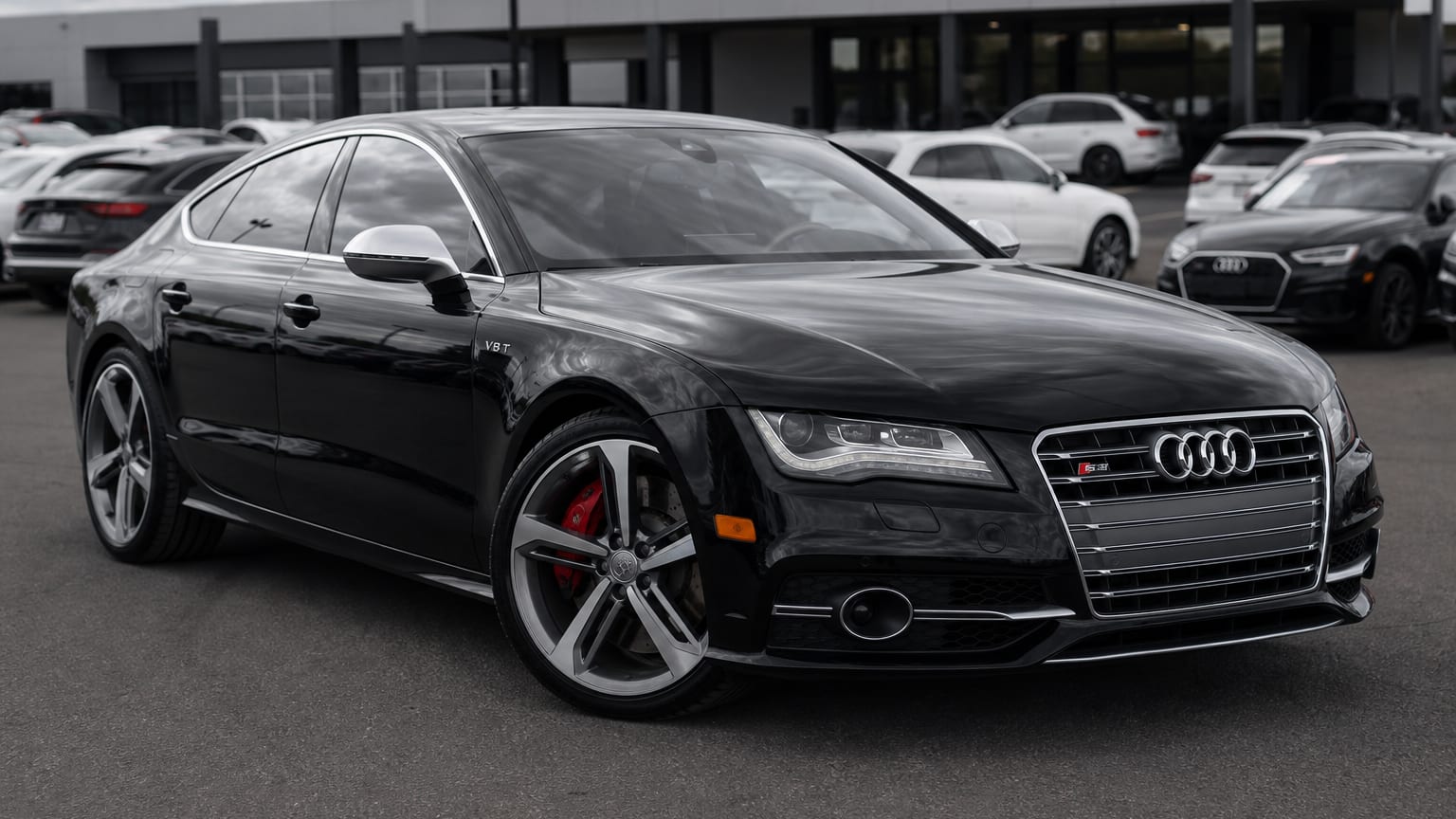
First-generation Audi S7 C7 (2013-2018)
The 2013 Audi S7 has 20 problems and defects reported on CarComplaints, with the worst complaints in the engine and transmission categories. CarComplaints lists the average cost to fix a 2013 S7 problem at $5,000. The engine category alone draws 16 NHTSA complaints on the 2013, concentrated on the turbocharger oil strainer defect that later triggered recall 22V-178.
The 2014 Audi S7 has 13 problems and defects reported on CarComplaints. A recurring problem with the 2014 is turbocharger failures attributed to oil starvation, often occurring at relatively low mileage. A recall also covered 2013-2014 Audi S6 and S7 vehicles equipped with 4.0L engines for a fuel line that may leak fuel due to manufacturing tolerance issues.
The 2016 S7 suffered from serious engine issues and carries 16 complaints and two recalls on CarComplaints. The 2016 S7 struggled with the same turbocharger problems - multiple owners experienced turbocharger failures on both engine banks due to an oil check valve filter screen accumulating debris, again leading to oil starvation. You can check the 2013 S7's NHTSA complaint page and the CarComplaints 2013 S7 page for the full complaint histories.
What are the best Audi S7 years to buy?
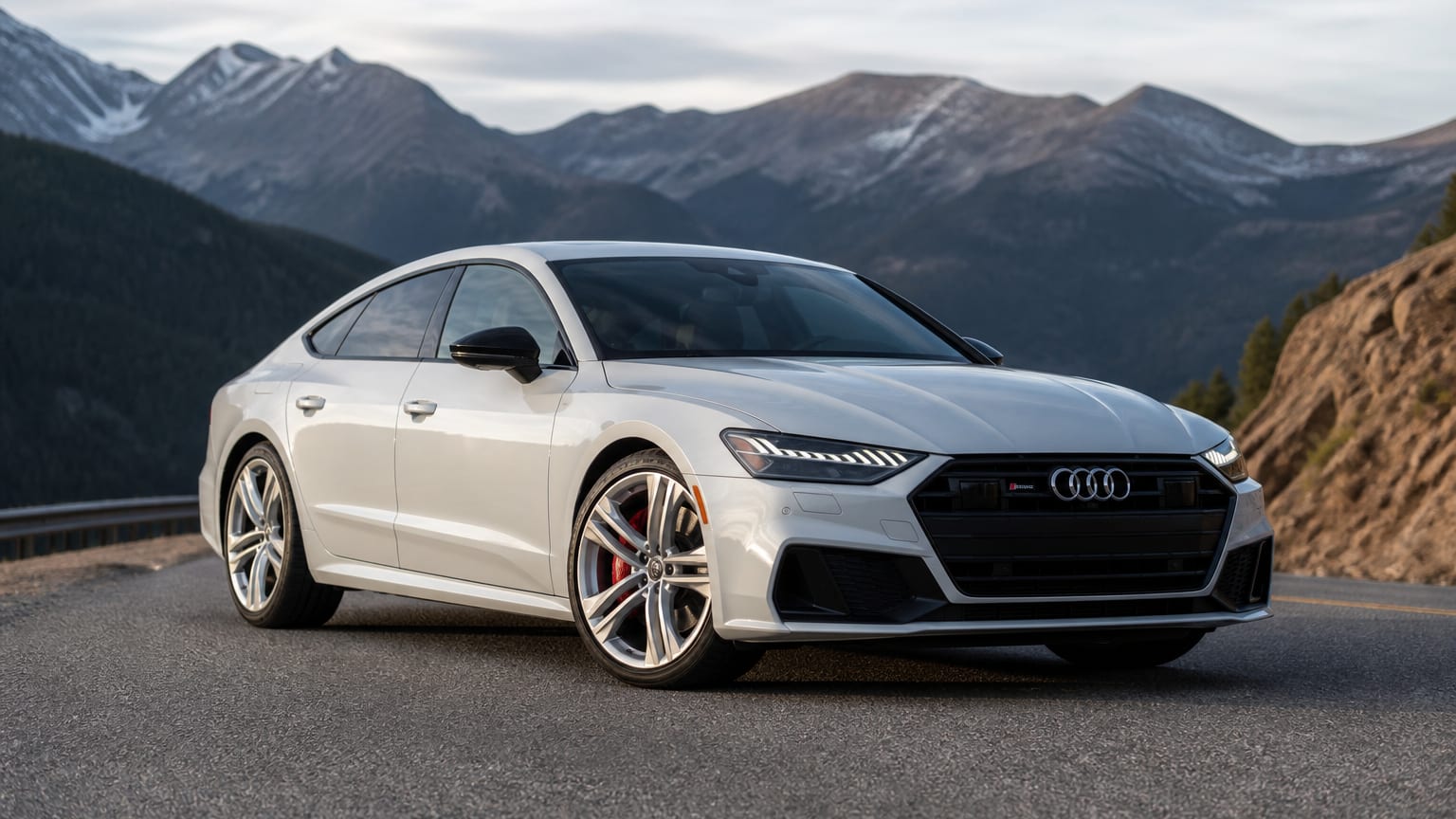
The best Audi S7 years to buy are 2018, 2020, and 2021. The 2018 model is an easy pick for the most reliable C7 S7 because it has little to no known issues or complaints. Better choices in the NHTSA dataset include 2021 and 2020, which show significantly fewer reported problems and consistently lower complaint volume compared to earlier years.
| Best Audi S7 Year | Why It's a Strong Buy |
|---|---|
| 2018 | Final C7 model year; post-March 2017 cars have updated oil strainer from factory; fewest C7 complaints |
| 2020 | New C8 platform with V6 mild-hybrid; low NHTSA complaint volume; no turbo oil strainer recall exposure |
| 2021 | Lowest NHTSA complaint volume across all S7 years; C8 software recalls are minor and free to fix |
Most reliable Audi S7 years: 2018, 2020, 2021
2018 Audi S7
Vehicles built after March 30, 2017, already have the updated oil strainer screen from the factory, meaning most 2018 model-year S7s shipped with the recall fix already in place. The 2018 is the final year of the C7 run, and Audi had addressed the most pressing oil strainer and mechatronic issues by this point. It remains the pick if you want the C7's naturally aspirated V8 character without the early-year risk profile.
2020 Audi S7
The C8 generation, introduced in 2020, transitioned to a 2.9-liter twin-turbo V6 engine with a mild-hybrid system producing 444 horsepower and 443 lb-ft of torque, coupled with an eight-speed automatic transmission. The platform change eliminated the 4.0T oil strainer and DL501 mechatronic risks entirely. NHTSA data confirms consistently lower complaint volume in 2020-2021 compared to earlier years.
2021 Audi S7
The 2021 posts the lowest NHTSA complaint count of any S7 model year in the dataset. The C8's known issues - a fuel level sender that can stick and a software recall covering the rearview camera - are minor and handled free of charge at any Audi dealer. A recall covering 2020-2022 S7 vehicles addresses a fuel level sender that may stick and show an inaccurate reading; dealers install a new sensor free of charge. At the CarComplaints 2020 S7 page, only 7 problems are on file - the quietest record in the model's history.
Audi S7 pre-purchase checklist
Before you hand over a check for a used S7, go through these model-specific checks item by item.
- Run the VIN through NHTSA's recall checker. Confirm recall 22V-178 (oil strainer) is closed on any 2013-2017 car, and verify any open C8 software or fuel sender campaigns have been completed.
- Ask for the Audi warranty extension status on 2013-2017 cars. Audi extended the turbocharger warranty to 10 years/120,000 miles; if turbo damage already occurred, replacement may still be covered. Bring the VIN to an Audi dealer for a warranty lookup before buying.
- Check the oil level cold on any C7 (2013-2018). Low oil or milky, gritty oil is a red flag for the oil strainer defect or downstream engine damage from a previous turbo failure.
- Test-drive the DCT at low speed. On any C7 S7, drive slowly in stop-and-go traffic and feel for shudder, hesitation, or refusal to engage first or second gear - classic mechatronic unit warning signs.
- Have an independent shop pressure-test the cooling system on any C7. Leaking coolant lines and a failing thermostat are common at higher mileage and cheap to catch before purchase.
- Ask for walnut-blast records. Any C7 with over 60,000 miles and no intake-valve service on record should be priced to account for the $500-$900 cleaning job.
- Inspect the air suspension overnight. Ask to see the car after it has sat for at least eight hours; a corner that sags is a failing strut bladder or a dying compressor.
- Pull the full service history. The annual maintenance cost of an Audi S7 is $1,693 per RepairPal - a gap in the service records almost always means deferred maintenance that you will pay for later.
Better alternatives to consider
If the S7 years in your budget land on the avoid list, consider these alternatives instead:
- Audi A7 - the same sportback body without the S powertrain, often with a cleaner year-by-year complaint record and lower used prices
- Audi S4 - shares Audi's performance DNA on a smaller platform with a simpler 3.0T supercharged or turbocharged V6 and generally lower repair bills than the 4.0T V8
- Audi Q5 - a more practical Quattro alternative with a stronger reliability record across its second generation and lower average repair costs than the S7
- BMW 550i (F10, 2011-2016) - a direct performance-luxury rival with a twin-turbo V8, a wider dealer network, and a large parts supply that keeps out-of-warranty repair costs competitive
- Mercedes-Benz CLS 550 - another four-door performance coupe in the same price bracket with a comparable biturbo V8 and a well-established used-parts market
Is the Audi S7 worth buying?
Yes, the Audi S7 is worth buying as long as you avoid the 2013, 2014, and 2016 model years. The C8 generation's 2.9-liter twin-turbo V6 mild-hybrid system produces 444 horsepower and 443 lb-ft of torque in a package that has shed the oil strainer and mechatronic vulnerabilities of the C7. A 2018 or a 2020-2021 S7 gives you the performance-luxury experience the car is known for with a much cleaner ownership history. Budget for annual maintenance of around $1,693 per RepairPal data, and always run the VIN through NHTSA's recall checker and verify full service records before signing.