
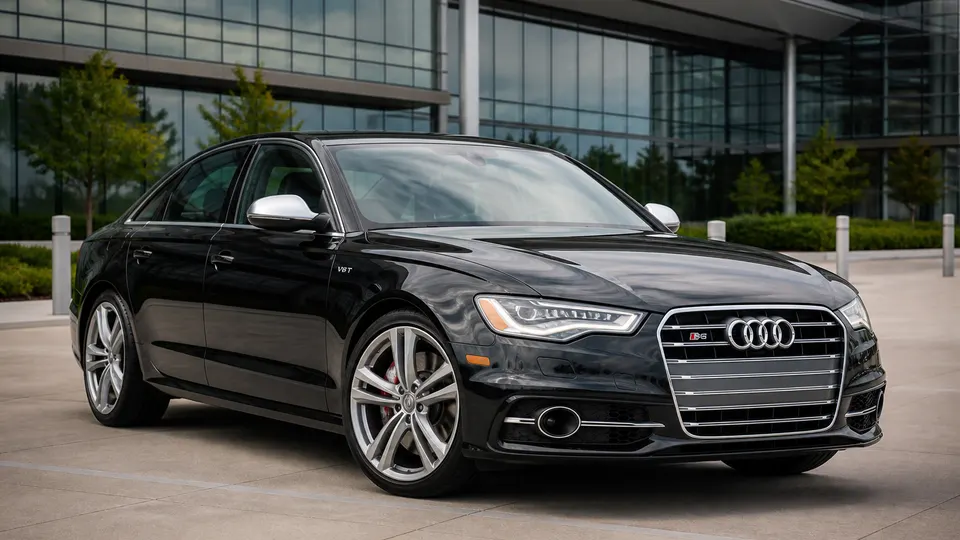
The Audi S6 is one of the more engaging performance sedans in the luxury class, blending everyday usability with genuine straight-line speed. That said, specific model years - particularly in the fourth-generation C7 run - carry serious mechanical risks that can cost you $10,000 or more in repairs. This guide uses data from NHTSA, CarComplaints, and RepairPal to rank every S6 model year so you can buy with confidence.
At a glance
- Worst years
- 2002
- 2003
- 2013
- 2014
- 2016
- Best years
- 1996
- 1997
- 1999
- 2000
- 2007
- 2008
- 2017
- 2018
- 2020
- 2021
- 2022
- Top failure
- C7-generation turbocharger oil-strainer failure (2013-2016, CarComplaints PainRank worst year: 2014)
- Always do before buying
- run the VIN through NHTSA's recall checker to confirm all open campaigns are closed, plus check the oil level cold and ask about turbo warranty status on any 2013-2016 car
How we rated the best and worst Audi S6 years
The C7 generation (2013-2018) is the worst overall, dominated by a known turbocharger oil-strainer failure that can strand you mid-highway and cost over $10,000 to repair - with 2014 ranking as the single worst year on repair cost and the 2013 carrying the highest raw complaint volume.
Our ratings methodology draws on NHTSA complaint and recall data, CarComplaints owner reports and PainRank scoring, and RepairPal annual repair-cost figures. Although the 2013 Audi S6 has the most overall complaints, CarComplaints rates the 2014 model year as worse because of other possible factors such as higher repair cost or more problems at lower mileage. That distinction matters: CarComplaints ranks a year's severity by repair cost and mileage-at-failure (its PainRank system), while NHTSA shows raw complaint volume - the two measures point to different years and should never be confused.
| Audi S6 Generation | Best Audi S6 Years | Worst Audi S6 Years |
|---|---|---|
| C4 (1995-1997) | 1996, 1997 | None |
| C5 (1999-2003) | 1999, 2000 | 2002, 2003 |
| C6 (2007-2011) | 2007, 2008 | None |
| C7 (2013-2018) | 2017, 2018 | 2013, 2014, 2016 |
| C8 (2020-2022) | 2020, 2021, 2022 | None |
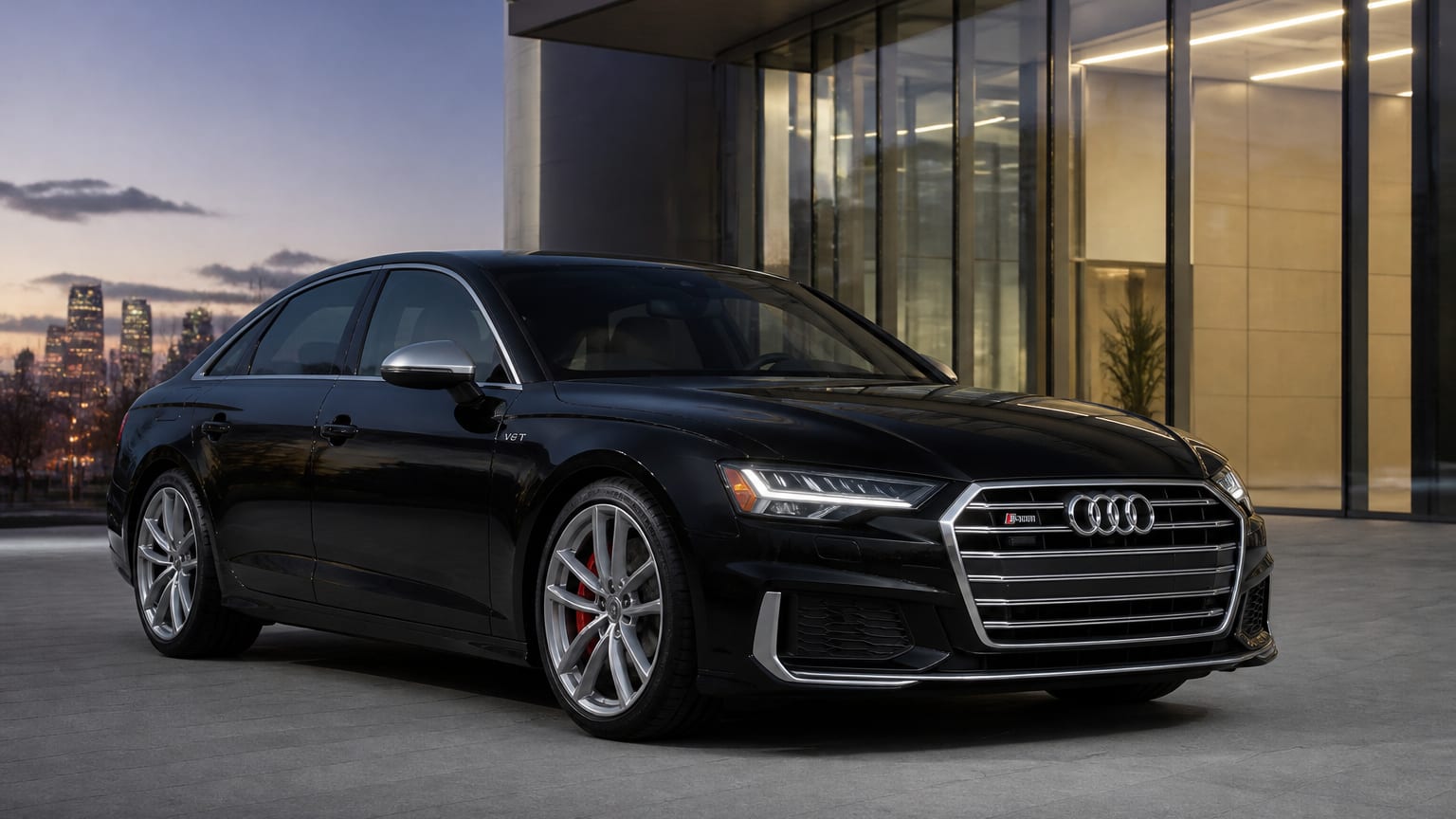
Every Audi S6 model year ranked
The C7 generation is the one that demands the most scrutiny, with 2013 and 2014 standing out as the years to avoid above all others.
| Model Year | Generation | Verdict | Notes |
|---|---|---|---|
| 1995 | C4 | OK/Mixed | Early gen, limited US data, collector territory |
| 1996 | C4 | Best | Fewer complaints, stable 2.2T inline-5 |
| 1997 | C4 | Best | Final C4 year, well-sorted by this point |
| 1999 | C5 | Best | Clean 4.2L V8 debut, low complaint count |
| 2000 | C5 | Best | Low volume year, no major recurring fault |
| 2001 | C5 | OK/Mixed | Some early transmission reports |
| 2002 | C5 | Avoid | Premature transmission failure reported |
| 2003 | C5 | Avoid | Turbo/oil screen issues begin, fuel tank recall |
| 2007 | C6 | Best | 5.2L V10 debut, relatively clean ownership record |
| 2008 | C6 | Best | Low complaint volume per RepairPal data |
| 2009 | C6 | OK/Mixed | Elevated suspension and electrical complaints |
| 2010 | C6 | OK/Mixed | Mixed reliability; few reports on file |
| 2011 | C6 | OK/Mixed | Final C6 year, sparse complaint data |
| 2013 | C7 | Avoid | Highest raw complaint volume; 59 on CarComplaints; turbo failure |
| 2014 | C7 | Avoid | CarComplaints PainRank worst year; turbo failure at low mileage |
| 2015 | C7 | OK/Mixed | Same turbo risk; fewer complaints than 2013-2014 |
| 2016 | C7 | Avoid | 29 CarComplaints complaints; turbo \+ transmission issues |
| 2017 | C7 | Best | Only 6 complaints on CarComplaints; updated components |
| 2018 | C7 | Best | Lowest failure rate in C7 run; turbo warranty coverage helps |
| 2020 | C8 | Best | New 2.9L twin-turbo V6, clean complaint record |
| 2021 | C8 | Best | Very low complaint volume; KBB notes no major common problems |
| 2022 | C8 | Best | Most recent shoppable year; no flagged defect patterns |
Most common Audi S6 problems
The single biggest recurring failure across the Audi S6 lineup is turbocharger failure caused by a clogged oil-supply strainer - primarily on the C7 generation's 4.0-liter twin-turbo V8.
1. Turbocharger oil-strainer failure (4.0T engine)
The 4.0-liter twin-turbocharged V8 in the 2013-2017 S6 uses a small oil strainer to feed the turbocharger bearings. Volkswagen Group of America (Audi) issued a recall for certain 2013-2017 S6 sedans because the turbocharger oil supply strainer can become blocked, causing wear to the bearings due to lack of lubrication. Owners typically notice a sudden and total loss of power - the turbos can fail after only 50,000 miles, making the car have dangerously low power and nearly undriveable.
The recall followed a yearlong NHTSA investigation into reports that these vehicles could stall without warning while in motion; only those with 4.0-liter twin-turbocharged engines are included. Audi's own recall number for this campaign is 21H7. In February 2022, Audi also extended the warranty period for the turbocharger to 10 years or 120,000 miles. That warranty extension is separate from the oil-strainer recall itself - if you're buying a 2013-2017 S6, ask the dealer to confirm both the recall repair (strainer replacement) and warranty extension status for that specific VIN.
Cost to replace the turbos and make associated repairs runs $10,000 to $15,000, which can exceed the market value of a high-mileage C7 S6. Owners on CarComplaints' 2013 S6 engine page report paying around $8,000 for turbo replacement at the dealership after failure attributed to the oil screen. Buyer takeaway: on any 2013-2017 S6, pull the service records and verify that recall 21H7 is closed before purchase.
2. Transmission / mechatronic failure (C7 generation)
The C7 S6's S tronic dual-clutch transmission can develop a fault where the car refuses to shift gears. The 2013 Audi S6 has 59 problems reported by owners, with transmission among the worst complaint categories alongside cooling and engine problems.
This is described by owners as a known issue, with Audi quoting $8,000 to $12,000 to replace the mechatronic and clutch transmission system, which is very prone to failure. The 2016 model year carries transmission complaints alongside its engine issues. The failure usually manifests as a warning light, then the car locks into one gear - dangerous on a highway. Ask the selling dealer for a recent transmission service history and test the car hard through all gear ranges before buying.
3. Carbon buildup on direct-injection engines (FSI/TFSI)
Direct-injection engines like those in the C6 and C7 S6 do not wash their intake valves with fuel, so carbon deposits accumulate over time. The most commonly reported Audi A6/S6 platform problem on RepairPal is the digital display cluster failure, and RepairPal also flags that FSI and TFSI engines from 2006-2016 are subject to carbon buildup on intake valves.
Symptoms include a rough idle at low RPM, stumbling under light acceleration, and reduced power. A professional walnut-blasting cleaning typically costs $400-$800 and is recommended every 60,000-80,000 miles on direct-injection engines. This affects the C6 (2007-2011) and all C7 years (2013-2018).
4. Engine crankcase / oil leak (4.0T block)
Owners on CarComplaints report that the 2013-2015 S6 4.0T can develop a significant oil leak from the bottom of the crankcase where the block meets the crankcase, with Audi in some cases requiring an entire engine rebuild to fix the issue - described as a worldwide problem across the 4.0T-powered S6, S7, and S8 lineup.
When metal shavings turn up in the oil at an oil change, it can signal bearing damage from the same oil-starvation cycle that causes the turbo failure above. Check the oil on any used 4.0T S6 before purchase - dark, gritty oil or a smell of burning means the engine has been running lean on lubrication.
5. Takata airbag recall (multiple generations)
Audi S6 vehicles have 20 known recalls across the lineup; the most common is: Passenger Air Bag Inflator Ruptures During Deployment Spraying Metal Fragments. This is the Takata inflator recall, which affects multiple generations of the S6. This latest round of recalls from Audi affects over 10,000 A4, A6, S4, and S6 vehicles.
The Takata defect is a safety-critical item - a ruptured inflator can send metal fragments into the cabin. Run every used S6 VIN through NHTSA's recall lookup before you hand over money. Do not buy an S6 with an open Takata recall.
6. Fuel tank rollover valve / fuel leak (C5 generation)
A safety recall covered 2002-2003 model year Audi S6 vehicles with 4.2L engines because the fuel tank rollover valve nipple may crack under certain conditions, allowing fuel to leak. A fuel leak near an ignition source creates a fire risk. This recall should be closed on any surviving C5 S6 by now, but always confirm it via VIN lookup since older campaigns can fall through the cracks on vehicles with multiple owners.
Checking a used Audi?
Scan for hidden fault codes from your phone in minutes — before you buy.
REREV may earn a commission if you sign up through this link. Learn more.
Which Audi S6 years should you avoid?
The Audi S6 years to avoid are 2002, 2003, 2013, 2014, and 2016. CarComplaints rates the 2014 as the single worst year by its PainRank criteria of repair cost and mileage at failure, while the 2013 Audi S6 carries the highest raw owner-reported complaint volume at 59 problems on CarComplaints - making 2013 the volume leader by NHTSA-source complaint data and 2014 the worst on repair severity. These are different measures pointing to different years.
| Audi S6 Generation | Model Years | Verdict | Main Issues |
|---|---|---|---|
| C4 (1995-1997) | 1995, 1996, 1997 | Mixed | Limited data; early build quality variation |
| C5 (1999-2003) | 2002, 2003 | Worst | Transmission failure, fuel tank recall |
| C6 (2007-2011) | 2009, 2010, 2011 | Mixed | Suspension, electrical, carbon buildup |
| C7 (2013-2018) | 2013, 2014, 2016 | Worst | Turbo failure, mechatronic transmission, oil leaks |
| C8 (2020-2022) | 2020, 2021, 2022 | Best | Clean record, new platform |
Worst Audi S6 years: 2002, 2003, 2013, 2014, 2016
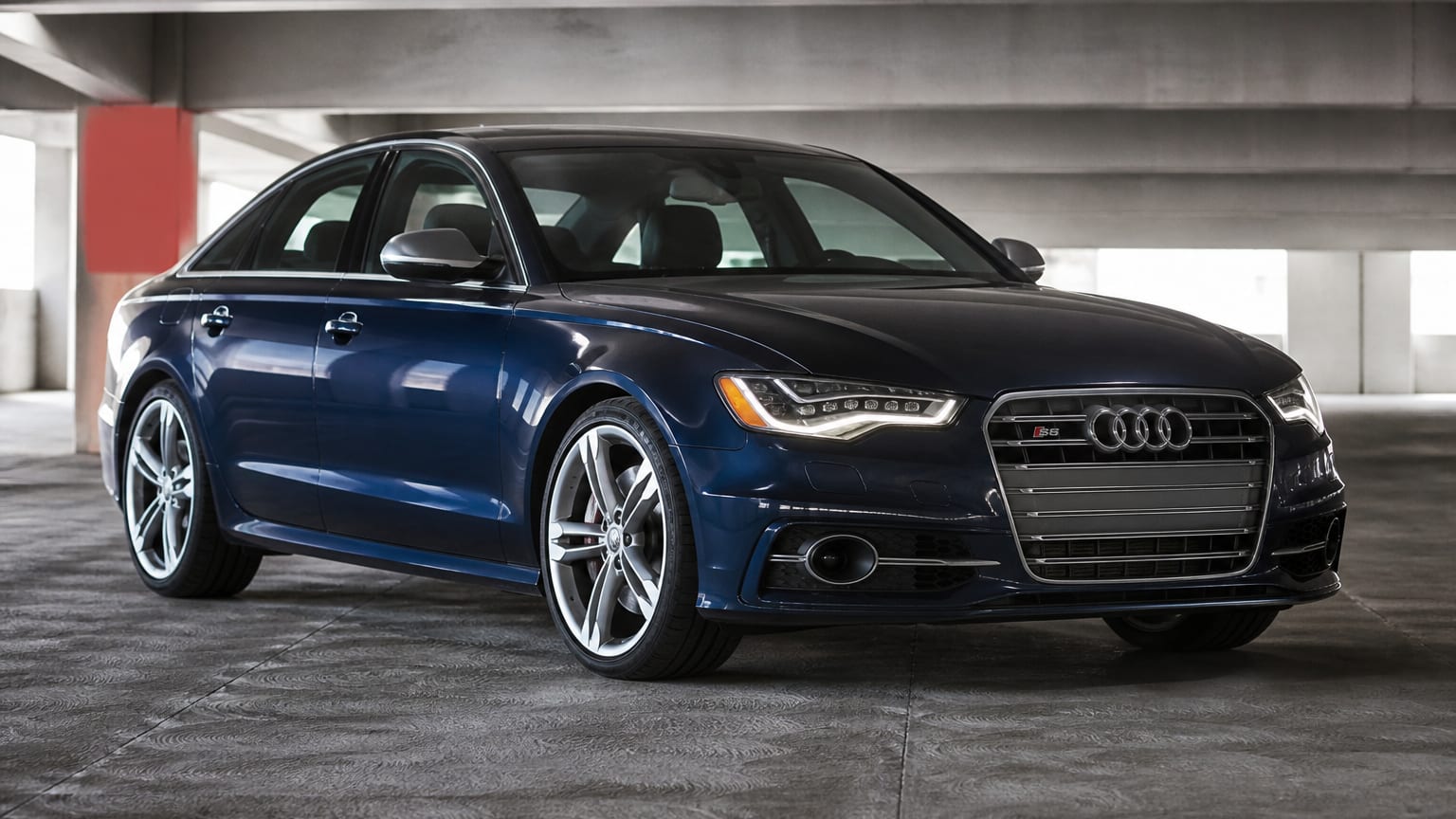
Fourth-generation Audi S6 (2013-2018)
CarComplaints' PainRank system determined that you're better off avoiding the 4th generation (2011-2018) overall. The worst years within that span are 2013, 2014, and 2016. The worst model years for engine problems across the entire S6 lineup are the 2014 S6, 2016 S6, and the 2013 S6, according to CarComplaints' engine problem data. The root cause in every case is the 4.0T's oil-strainer-to-turbo failure chain, compounded by mechatronic transmission problems on the 2016.
Second-generation Audi S6 (1999-2003)
The 2002 model is notorious for premature transmission failure, expensive parts, and maintenance-intensive transmission issues. The 2003 adds the fuel tank rollover valve recall. The C5-platform S6 (2002-2003 in the US) used a 4.2-liter V8 producing 340 horsepower - a strong engine, but the automatic gearbox beneath it proved fragile. These are now old enough to be semi-collector vehicles, so factor in age-related maintenance costs on top of the known faults.
What are the best Audi S6 years to buy?
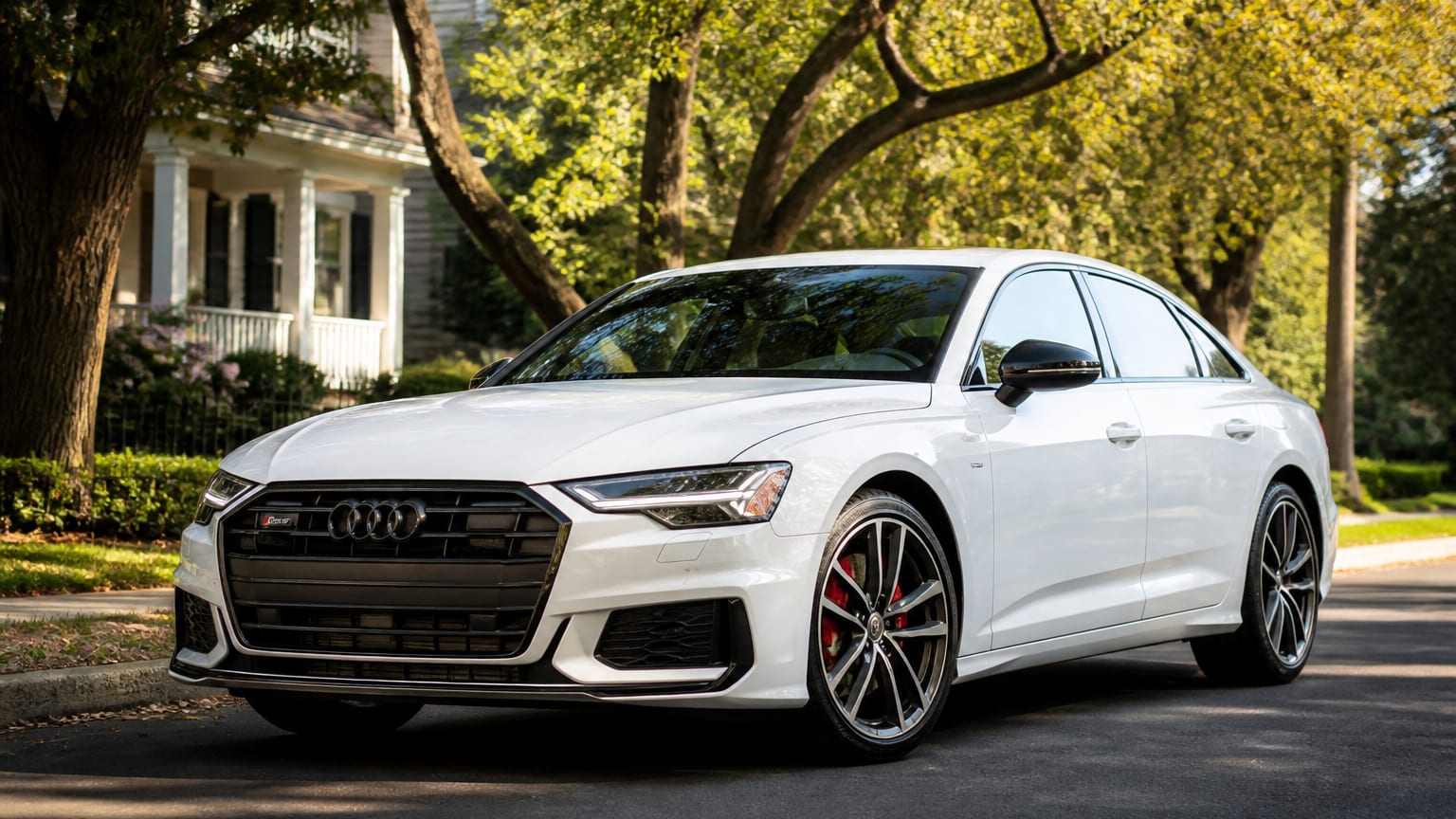
The best Audi S6 years to buy are 1996, 1997, 1999, 2000, 2007, 2008, 2017, 2018, 2020, 2021, and 2022, where complaint volumes are low and the turbo recall campaign (for 2017-2018) has had years to be completed.
| Best Audi S6 Year | Why It's a Strong Buy |
|---|---|
| 1996 | Fewer complaints, stable 2.2T inline-5; well-regarded C4 year |
| 1997 | Final C4 year, well-sorted by this point |
| 1999 | Clean 4.2L V8 debut, low complaint count |
| 2000 | Low volume year, no major recurring fault |
| 2007 | 5.2L V10 debut, relatively clean ownership record |
| 2008 | Low complaint volume per RepairPal data |
| 2017 | Only 6 complaints on CarComplaints; updated C7.5 components |
| 2018 | Lowest failure rate of the C7 run; turbo warranty extension applies |
| 2020 | New C8 platform; clean 2.9L twin-turbo V6; no flagged defect patterns |
| 2021 | Very low complaint volume; no major common problems flagged by KBB |
| 2022 | Most recent shoppable C8 year; no recurring defect cluster identified |
Most reliable Audi S6 years: 1996, 1997, 1999, 2000, 2007, 2008, 2017, 2018, 2020, 2021, 2022
2017 Audi S6
The 2017 Audi S6 has just 6 problems and defects reported by S6 owners on CarComplaints - a fraction of the 59 logged for the 2013. The 2016-2018 C7 facelift (C7.5) brought revised components, and by 2017 many of the first-wave turbo-strainer issues had been addressed in production. Models from 2016-2018 are more reliable than earlier years, with updated components and fewer reported issues. If a C7-generation S6 is what your budget allows, 2017 or 2018 are the years to target.
2020-2022 Audi S6 (C8)
The C8-generation Audi S6 features a 2.9-liter TFSI V6 engine with twin turbochargers, delivering 444 horsepower, and incorporates direct fuel injection with Audi's cylinder-on-demand technology for variable displacement. The switch away from the 4.0T V8 removes the oil-strainer failure mode entirely. KBB notes that for the 2022 S6, there is not enough data available to display common problems - a strong indicator of a clean early ownership record. These are the most expensive used S6s, but they carry the least known risk.
Audi S6 pre-purchase checklist
Before handing over any money on a used Audi S6, work through these model-specific checks.
- Run the VIN through NHTSA's recall lookup. Confirm that recall 21H7 (oil-strainer/turbocharger) is closed on any 2013-2017 S6, and that any Takata airbag campaign is completed. Do not skip this step.
- On a 2013-2017 car, check the cold oil level and its condition. Pull the dipstick before the test drive. Burnt-smelling or gritty oil means the turbo lubrication circuit has been stressed - walk away.
- Ask specifically about turbo warranty extension status. Audi extended the turbocharger warranty to 10 years or 120,000 miles in February 2022; ask the seller or dealer to confirm whether coverage is still active for the VIN in question.
- Test the transmission through every range. On C7 cars, shift firmly through all gears and watch for hesitation, a warning light, or refusal to upshift. Mechatronic and clutch replacement on the S-tronic transmission can cost $8,000-$12,000.
- Request the full service record. Look for oil changes performed on the manufacturer's 10,000-mile schedule; skipping intervals accelerates oil-strainer clogging on the 4.0T.
- Have the intake valves inspected on any FSI/TFSI engine. Carbon buildup is expected on high-mileage direct-injection engines; verify when it was last walnut-blasted if the car has over 60,000 miles.
- On a 2002-2003 C5 S6, confirm the fuel tank rollover valve recall is closed via NHTSA VIN lookup, and budget for transmission service or replacement given the documented failure pattern.
- Get an independent pre-purchase inspection. An independent Audi-specialist mechanic can scope the turbos with a camera and pull codes before you commit.
Better alternatives to consider
If the Audi S6 years in your budget land on the avoid list, consider these alternatives instead:
- Audi S4 - a smaller, lighter platform with a stronger overall reliability record across its supercharged 3.0T generation, and generally lower running costs than the S6
- Audi Q5 - shares the S6's Quattro AWD lineage with more body style flexibility and a wider selection of clean used examples in the same price bracket
- BMW 540i (F10/G30) - the direct cross-shop competitor in the performance sport-sedan class, with a stronger J.D. Power dependability showing in the 2016-2018 model years
- Mercedes-Benz E43 AMG / E53 AMG - comparable power and luxury with a different set of known failure modes, worth pricing against the C7.5 S6 on total cost of ownership
Is the Audi S6 worth buying?
Yes, the Audi S6 is worth buying - as long as you avoid the 2002, 2003, 2013, 2014, and 2016 model years and approach any 2002-2003 car with clear eyes about its age and transmission history. The 2018 model is regarded as the most reliable of the C7 run, with updated components that address the turbo issues and other reliability concerns. The C8 generation (2020-2022) sidesteps the 4.0T's most notorious failure mode entirely with its new 2.9L twin-turbo V6.
RepairPal puts the average annual repair cost for an Audi S6 at $1,087 - above average for the class, but manageable on the better years with a full service history. Before any purchase, run the VIN through NHTSA's recall checker and verify the complete maintenance record, with particular attention to oil-change intervals on any 4.0T-equipped car.