
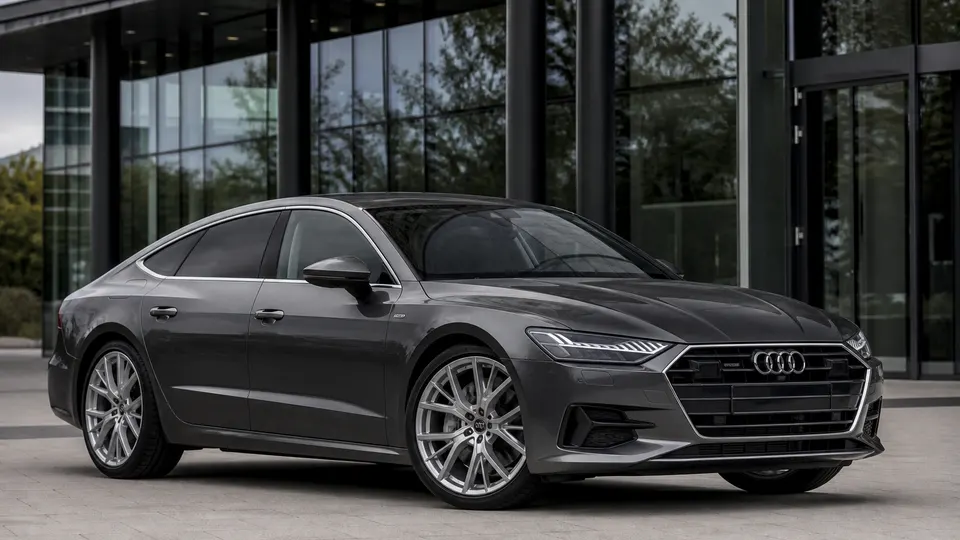
The Audi A7 is a genuinely rewarding luxury fastback, but a handful of model years carry documented problems that can turn a great deal into an expensive headache. Although the 2019 Audi A7 has the most overall complaints, CarComplaints rates the 2012 model year as worse because of higher repair cost or more problems at lower mileage. This guide walks you through every model year using data from NHTSA, CarComplaints, RepairPal, and owner forums so you can buy with confidence.
At a glance
- Worst years
- 2012
- 2013
- 2019
- Best years
- 2016
- 2017
- 2021
- 2022
- Top failure
- 1st-gen 3.0 TFSI carbon buildup on intake valves (RepairPal / Audizine)
- Always do before buying
- run the VIN through NHTSA's recall checker, plus check the intake valve service history on any 2012-2017 car
How we rated the best and worst Audi A7 years
The 1st-generation A7 (2012-2018) is the generation to watch most carefully, with 2012 and 2013 drawing the most documented criticism on repair cost and early-mileage failures.
This guide draws on NHTSA complaint and recall data, CarComplaints PainRank scores, RepairPal reliability and cost ratings, Kelley Blue Book risk forecasts, and owner discussions on Audizine forums. CarComplaints PainRank is a scoring system that goes beyond raw complaint volume - it also considers the average cost of repairs, the mileage at failure, and the age of the vehicle, so the highest-PainRank year is often different from the year with the most raw NHTSA complaints. That distinction matters here: CarComplaints rates 2012 the worst year on repair cost and mileage-at-failure, while NHTSA raw complaint volume is highest on the 2019 model year.
Our years-to-avoid methodology combines both lenses - cost-weighted PainRank and raw complaint volume - alongside recall counts and owner-reported repair bills.
| Audi A7 Generation | Best Audi A7 Years | Worst Audi A7 Years |
|---|---|---|
| 1st Gen C7 (2012-2018) | 2016, 2017 | 2012, 2013 |
| 2nd Gen C8 (2019 - present) | 2021, 2022 | 2019 |
Every Audi A7 model year ranked
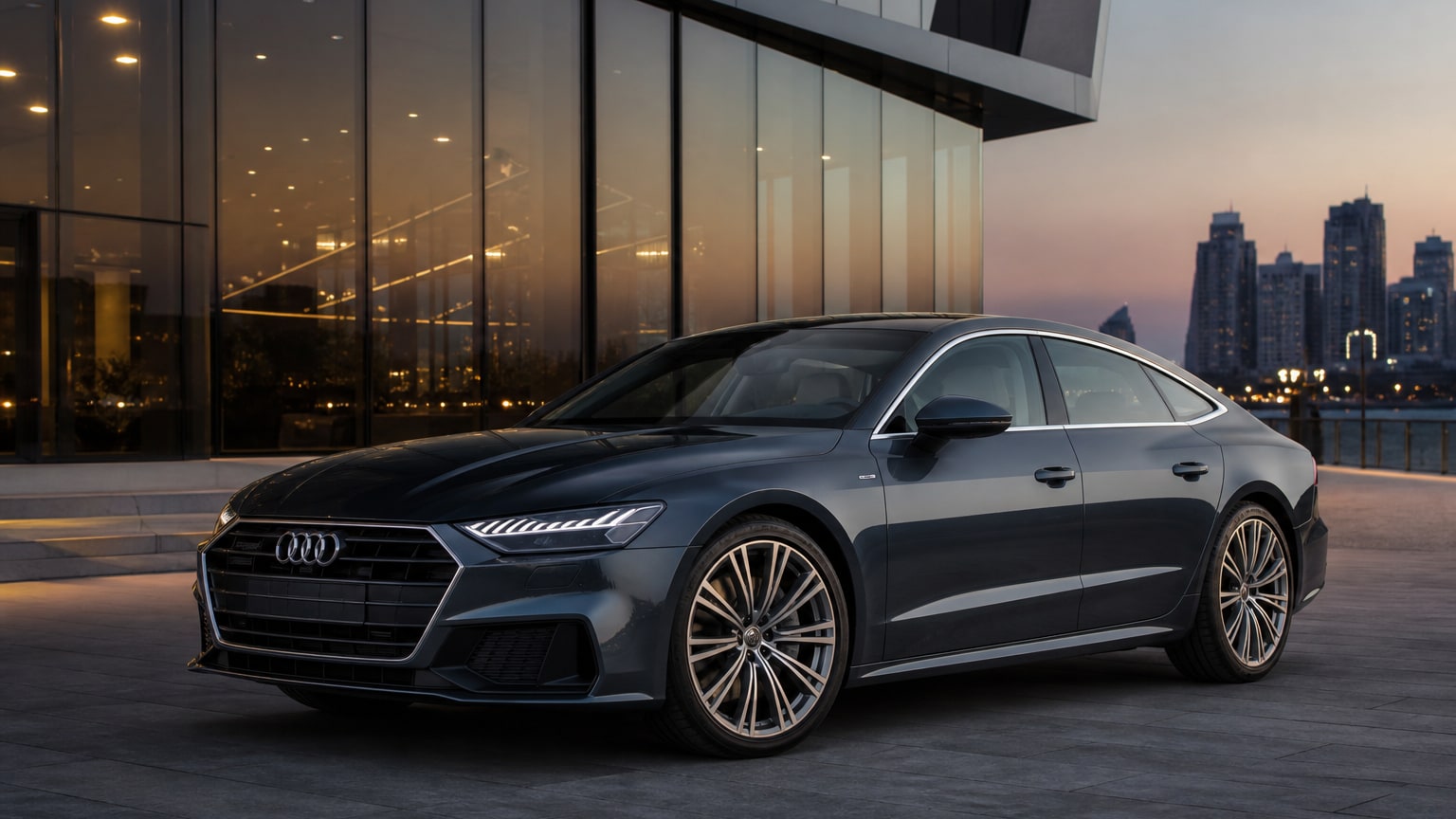
The cleanest used buys sit in the mid-cycle 1st-gen years (2016-2017) and the settled 2nd-gen years (2021-2022); avoid the launch years of each generation.
| Model Year | Generation | Verdict | Notes |
|---|---|---|---|
| 2012 | 1st Gen C7 | Avoid | Worst on CarComplaints PainRank; engine, electrical, fuel system recalls |
| 2013 | 1st Gen C7 | Avoid | High complaint count; fuel injection leak recall; PODS airbag recall |
| 2014 | 1st Gen C7 | OK/Mixed | Engine misfire and electrical issues reported; multiple recalls |
| 2015 | 1st Gen C7 | OK/Mixed | Mid-cycle refresh; fewer complaints than 2012-2013 |
| 2016 | 1st Gen C7 | Best | Low complaint count among 1st-gen years; fuel rail recall addressed |
| 2017 | 1st Gen C7 | Best | Low complaint count; PODS recall available and fixable |
| 2018 | 1st Gen C7 | OK/Mixed | Final year of C7; lighter complaint record than early years |
| 2019 | 2nd Gen C8 | Avoid | Most overall CarComplaints complaints; sensor and infotainment issues |
| 2020 | 2nd Gen C8 | OK/Mixed | 2nd-gen early teething; electrical and infotainment reported |
| 2021 | 2nd Gen C8 | Best | Settled 2nd-gen; lower complaint volume in NHTSA data |
| 2022 | 2nd Gen C8 | Best | Low NHTSA complaint count for generation; fewer infotainment faults |
| 2023 | 2nd Gen C8 | OK/Mixed | Recent; limited long-term complaint data yet |
| 2024 | 2nd Gen C8 | OK/Mixed | Facelift year; still accumulating data |
Most common Audi A7 problems
The single biggest recurring failure across both generations is carbon buildup on intake valves in direct-injection engines - it affects every 2012-2017 A7 and can trigger misfires as early as 20,000 miles.
1. Carbon buildup on intake valves (3.0 TFSI direct injection)
The 2012-2017 Audi A7 3.0 TFSI direct-injection engines are subject to carbon buildup in the intake system, which can cause power loss, OBD trouble codes, a check engine light, and a rough idle. Because the A7 uses direct injection, gasoline does not flow through the intake system the way it does in port-injected engines, so the back of the intake valves never gets washed clean.
Possible trouble codes include P0300 through P0306 (random and cylinder-specific misfires). The fix is to remove the intake manifold and professionally clean the manifold, intake ports, and intake valves - and this service may be needed in as few as 20,000 miles. Owners on Audizine report that $800 - $1,200 is a reasonable range for a professional walnut-blast cleaning.
No manufacturer recall covers this failure specifically. Audi's 2nd-generation C8 engine addresses the root cause with revised fueling, so the issue is mainly a 1st-gen concern. Before buying any 2012-2017 A7, ask for documented intake valve cleaning service records and factor $800 - $1,200 into your offer price if none exist.
2. Passenger occupant detection system (PODS) airbag recall
Audi recalled 139,249 sedans to fix a faulty sensor that may prevent the front passenger airbag from deploying in a crash. The affected vehicles include the 2012-2018 A7 and A6, 2013-2018 S6 and S7, and 2014-2018 RS7. The issue is caused by wear to the passenger occupant detection system, which determines whether someone is in the front passenger seat. A malfunctioning airbag sensor can also illuminate the SRS light on the dashboard, a warning worth investigating before finalizing any purchase.
NHTSA campaign ID 18V-370 (manufacturer recall number 74D5) covers certain 2013-2018 Audi S6 and S7, 2012-2018 A7 and A6 Sedan, and 2014-2018 RS7 vehicles equipped with basic seats. Stress or wear of the body-sensing mat in the front passenger seat may cause the PODS control module to malfunction.
If the PODS module malfunctions, the front passenger airbag may not deploy properly in a crash, increasing injury risk. Volkswagen will notify owners, and dealers will install a PODS repair kit free of charge. Always verify this recall has been completed before buying any 2012-2018 A7 with basic seats.
3. Fuel system leaks (fuel line and fuel rail)
Volkswagen recalled certain 2012-2014 Audi A6 and A7 vehicles because the fuel line has a compression point that can weaken, potentially resulting in a fuel leak. Audi notified owners and dealers replaced the fuel line free of charge.
A separate recall also covers certain 2016-2018 Q7, A6, and A7 vehicles, and 2015-2018 Audi A8 vehicles - the left and right fuel rails may leak fuel on these cars as well. Fuel leaks are a fire risk, so check the VIN for both campaigns before purchase. An additional recall covers 2012-2013 A7 vehicles where the fuel injection system may experience a fuel leak.
4. Electrical system and sensor faults (2nd gen, 2019)
The most-reported single problem on CarComplaints is with the 2019 Audi A7 for numerous faulty sensor readings. Owner accounts describe driver-assist sensors triggering false alerts, the MMI infotainment screen failing to power on, and the 48-volt mild-hybrid starter/generator requiring replacement at low mileage. The average mileage at the time of these complaints is about 20,850 miles, meaning these faults surface early in ownership.
The 2019-2025 Audi A7 generation has accumulated 54 NHTSA complaints in total, with electrical system, engine, and transmission listed as the most frequently reported problem areas. The 2019 model year carries the bulk of those early-generation complaints. Electrical repairs on the A7 can run $400 - $1,200 depending on the component, according to owner cost data.
5. Coolant pump failure causing engine control module damage
Owners of 2012 A7s report receiving numerous error messages while driving on the highway, followed by the car lurching, stalling, and behaving erratically. The root cause identified by dealers is a coolant pump valve that fails internally and leaks coolant onto the wiring harness, which then travels along the harness and destroys multiple electrical components including the ECM, transmission control unit, and wiring connections.
This failure is expensive because it damages several systems at once, and it aligns with why CarComplaints assigns the 2012 its highest PainRank. The average repair cost for a 2012 Audi A7 Quattro is between $1,100 and $1,345 annually. If you're considering a 2012, have a shop specifically check the coolant pump valve and the condition of the wiring harness near it. A shop inspecting the harness should also check the transmission fluid level, since low transmission fluid symptoms — including erratic shifts and harsh engagement — can overlap with the electrical gremlins this failure produces.
6. Turbocharger oil strainer blockage (4.0T V8 engines)
The oil strainer within the oil supply for the turbocharger can become blocked by oil and carbon deposits. A blocked strainer leads to a lack of lubrication for the turbocharger bearings, causing wear, and the turbine wheel may contact the housing or the turbocharger shaft can break - potentially resulting in a loss of power or stalling at speed. Engines with a blocked oil strainer are also prone to circulating debris, and metal shavings in oil are a sign that bearing wear has already begun and warrants immediate inspection.
Audi's Product Safety Committee decided on a voluntary worldwide safety recall in March 2022. Between April 2017 and the recall date, Audi received 1,889 claims and 47 field reports in the U.S. related to oil strainer replacement. The recall is identified by Audi's manufacturer number 21H7 and covers 2013-2017 Audi A8, S6, S7, S8, and 2014-2017 RS7; check your VIN through NHTSA to confirm coverage on your specific vehicle. The remedy is replacement of the oil strainer within the turbocharger oil supply and an oil change, performed free of charge.
Checking a used Audi?
Scan for hidden fault codes from your phone in minutes — before you buy.
REREV may earn a commission if you sign up through this link. Learn more.
Which Audi A7 years should you avoid?
The Audi A7 years to avoid are 2012, 2013, and 2019.
CarComplaints rates the 2012 model year as the worst on its PainRank system - which accounts for repair cost and mileage at failure - even though the 2019 has the most overall raw complaints. That split matters when you're shopping: a 2012 A7 is more painful per incident, while a 2019 A7 generates more total complaints in NHTSA's database.
| Audi A7 Generation | Model Years | Verdict | Main Issues |
|---|---|---|---|
| 1st Gen C7 (2012-2018) | 2012-2018 | Worst: 2012, 2013 | Carbon buildup, fuel leaks, coolant pump, PODS airbag |
| 2nd Gen C8 (2019 - present) | 2019 - present | Worst: 2019 | Sensor faults, infotainment failures, 48V system |
Worst Audi A7 years: 2012, 2013, 2019
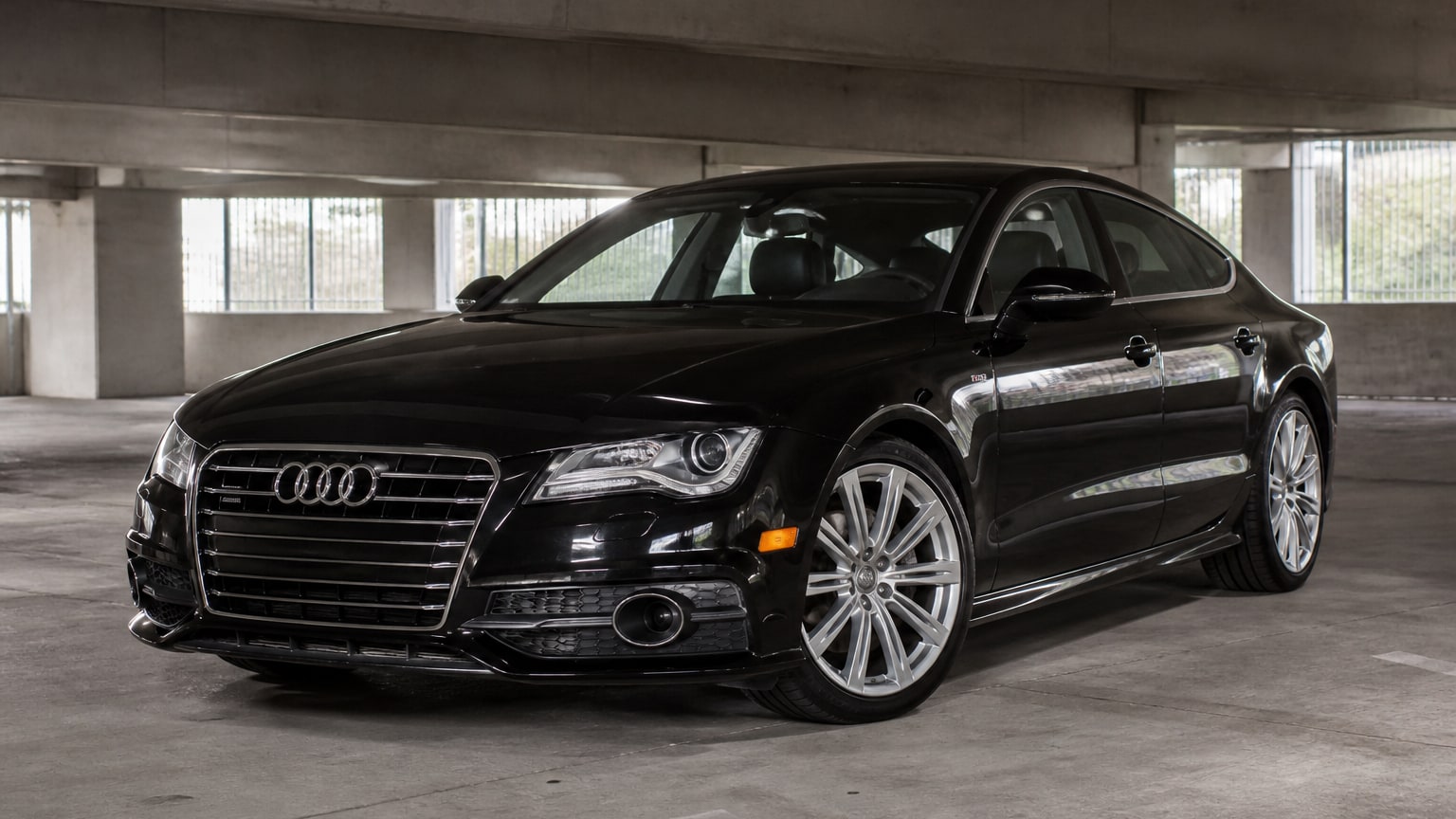
1st-generation Audi A7 (2012-2018)
Using CarComplaints' PainRank system, you're better off avoiding the 1st generation overall, particularly the 2012-2013 model years. The first-generation 2012-2018 A7 accumulated 145 NHTSA complaints in total, with electrical system, engine, and steering as the most frequently reported problem areas. There are 12 NHTSA recalls affecting some 2012-2018 Audi A7 vehicles.
The 2012 and 2013 model years specifically carry fuel injection leak recalls, the PODS airbag campaign, and the coolant-pump wiring-harness failure described above. RepairPal gives the 2012 Audi A7 Quattro a reliability rating of 2.0 out of 5.0, ranking it 27th out of 30 for luxury full-size cars, with an average annual maintenance cost of $1,222.
2nd-generation Audi A7 (2019 - present)
The 2019-2025 A7 has accumulated 54 NHTSA complaints, with electrical system, engine, and transmission as the top reported problem areas. The 2019 launch year absorbs a disproportionate share of those complaints, centered on the faulty sensor readings and infotainment glitches noted on CarComplaints' 2019 A7 page. The 2020 model year also had some early electrical teething, though at lower volume than 2019.
What are the best Audi A7 years to buy?
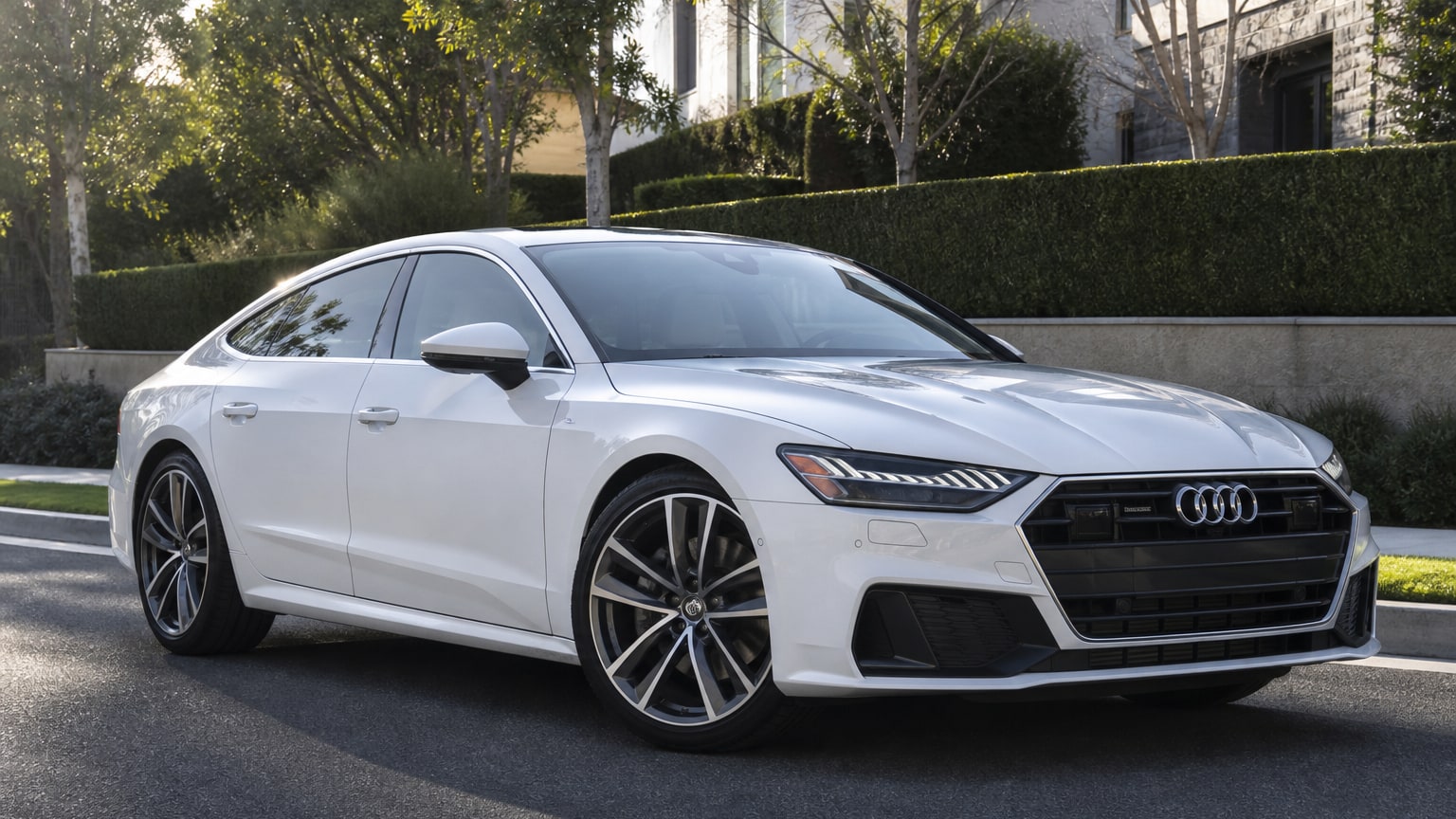
The best Audi A7 years to buy are 2016, 2017, 2021, and 2022 - mid-cycle or settled years in each generation where the most serious bugs had been addressed.
| Best Audi A7 Year | Why It's a Strong Buy |
|---|---|
| 2016 | Low complaint count in 1st gen; fuel rail recall addressable; PODS kit available |
| 2017 | Among the fewest 1st-gen complaints per NHTSA data; all major recalls fixable |
| 2021 | 2nd-gen settled; lower electrical fault rate than 2019-2020 |
| 2022 | Low NHTSA complaint count; 2nd-gen reliability well established by this year |
Most reliable Audi A7 years: 2016, 2017, 2021, 2022
2016-2017 Audi A7
Among first-generation A7 models, the 2016 and 2017 model years had the fewest NHTSA complaints according to data compiled from NHTSA records. The 2016 and 2017 are particularly attractive because the major fuel-line and PODS recalls are well-known and inexpensive to confirm as completed. The average annual repair cost for a 2016 A7 Quattro runs between $1,067 and $1,304, the lower end of the 1st-gen range. Both years benefit from the 2015 mid-cycle refresh that updated the powertrain and infotainment platform.
2021-2022 Audi A7
The 2019-2025 A7 can be a sound used car depending on trim, mileage, and maintenance history, and with 54 total NHTSA complaints on record for the entire generation, the later years in the range carry far fewer of those complaints than the 2019 launch year. Based on NHTSA complaint data, the 3.0L 6-cyl engine in the 2nd-gen A7 has the lowest complaint density and is considered the most reliable choice for buyers. The 2021 and 2022 cars also benefit from software refinements that resolved many of the sensor and infotainment bugs reported on the 2019.
Audi A7 pre-purchase checklist
Before handing over any money on a used A7, work through these model-specific checks:
- Run the VIN through NHTSA's recall database. Confirm NHTSA campaign 18V-370 (PODS airbag), the fuel line recall, and any fuel rail campaign are all closed. There are 12 NHTSA recalls affecting some 2012-2018 A7 vehicles, and recall status varies by VIN.
- On any 2012-2017, ask for carbon cleaning records. The solution for carbon buildup is to remove the intake manifold and professionally clean the intake ports and intake valves, and this service may be needed as early as 20,000 miles. Budget $800 - $1,200 if it hasn't been done.
- On a 2012 or 2013, check coolant pump and wiring harness condition. The coolant pump valve can fail and leak coolant onto the wiring harness, damaging the ECM, transmission control unit, and electrical connections. A pre-purchase inspection should include a pressure test and visual inspection of the harness.
- On any 2012-2018, verify the PODS airbag recall is completed. Only vehicles with standard seats are included in this recall; cars with upgraded seats are not affected, per NHTSA. Confirm which seat spec your target car has.
- On a 2016-2018 V8 RS7 or S7, confirm recall 21H7 oil strainer service is done. The remedy is replacement of the oil strainer within the turbocharger oil supply and an oil change, performed free of charge.
- On any 2019-2020, test all driver-assist sensors and the MMI screen. Drive the car on a highway stretch with adaptive cruise control, lane assist, and the infotainment system all active. Owners report sensor warning lights firing at random times on the highway, and the MMI screen randomly failing to turn on.
- Request full service records and confirm oil change intervals. Short oil change intervals (5,000 miles with full synthetic) reduce the carbon and sludge formation that blocks turbo oil strainers and intake valves alike.
Better alternatives to consider
If the A7 years in your budget land on the avoid list, consider these alternatives instead:
- Audi A5 - a sportback fastback from the same platform family, with a shorter list of generation-wide complaints and a slightly lower entry price for comparable years
- Audi S7 - the performance version of the same sportback body, worth comparing if you want more power and accept the 4.0T-era caveats
- Audi A4 - the A7's smaller sibling on the same MLB platform, with a stronger long-term reliability record across more model years and lower running costs
- BMW 5 Series - a direct luxury-sedan rival with a similarly broad model-year spread; the best and worst BMW 5 Series years follow a different pattern than the A7, so the right year may be easier to source in your budget
- Mercedes-Benz CLS - cross-shopped in the same coupe-sedan segment; no internal guide available, but worth cross-referencing NHTSA data before buying any early CLS550
Is the Audi A7 worth buying?
Yes - the Audi A7 is worth buying as long as you focus on the right years and do the pre-purchase homework. The annual maintenance cost for an Audi A7 Quattro averages $1,251, which is above average for the segment, but a well-maintained 2016, 2017, 2021, or 2022 example with documented service history gives you a sophisticated fastback at a fraction of its original MSRP. The 3.0L 6-cylinder in the 2nd-gen A7 has the lowest complaint density among its engine options, making those years a particularly clean used buy. Run the VIN through NHTSA's recall checker and verify the intake valve service history before signing anything.