
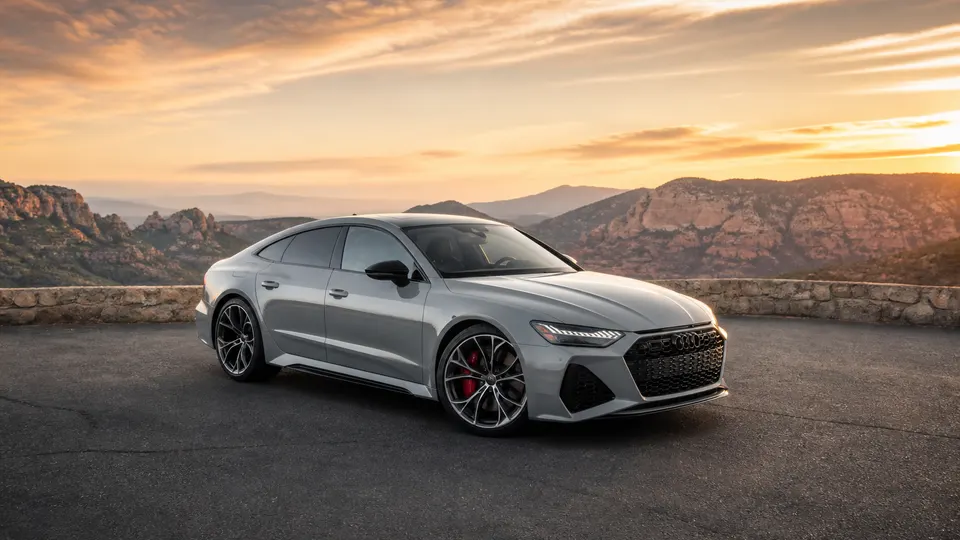
The Audi RS7 is a strong performer overall, but a handful of first-generation model years carry a real risk of expensive turbocharger and suspension repairs that can easily run into the thousands. This guide uses data from CarComplaints, NHTSA, Kelley Blue Book, and owner forums to show you exactly which years to avoid and which ones give you the best shot at a trouble-free ownership experience.
For generations, specs, and related Audi performance guides in one place, see the Audi RS7 hub.
At a glance
- Worst years
- 2014
- 2015
- 2016
- 2017
- Best years
- 2021
- 2022
- 2023
- Top failure
- 1st-gen (C7) turbocharger oil strainer blockage - 2015 rated worst overall by CarComplaints PainRank (repair cost and mileage-at-failure)
- Always do before buying
- run the VIN through NHTSA's recall checker, plus verify that recall 22V-178 (turbo oil strainer) has been completed on any 2014-2017 car
How we rated the best and worst Audi RS7 years
The first-generation (C7) RS7 years - 2014 through 2018 - carry the most documented problems, with 2015 rated the outright worst by CarComplaints on repair cost and mileage-at-failure, while NHTSA recall and complaint data hits the entire 2014-2017 range for the turbocharger oil strainer defect.
CarComplaints ranks the 2015 Audi RS7 as the worst model year, based on factors including repair cost and average mileage when problems occur - this is CarComplaints' PainRank system, which is different from raw NHTSA complaint volume.
Our years to avoid methodology for rating best and worst years draws on multiple data layers: NHTSA complaint counts and recall campaigns, CarComplaints PainRank, RepairPal reliability data (which notes insufficient data for a specific RS7 rating, but places the Audi brand at 3.0/5 overall), Kelley Blue Book owner scores, J.D. Power dependability data, and owner forum reports from Audizine. CarComplaints ranks the worst year by repair cost and mileage-at-failure (its PainRank), while NHTSA shows raw complaint and recall volume - and those two measures often point to overlapping but not identical sets of years.
| Audi RS7 Generation | Best Audi RS7 Years | Worst Audi RS7 Years |
|---|---|---|
| 1st gen C7 (2014-2018) | None | 2014, 2015, 2016, 2017 |
| 2nd gen C8 (2021-present) | 2021, 2022, 2023 | None |
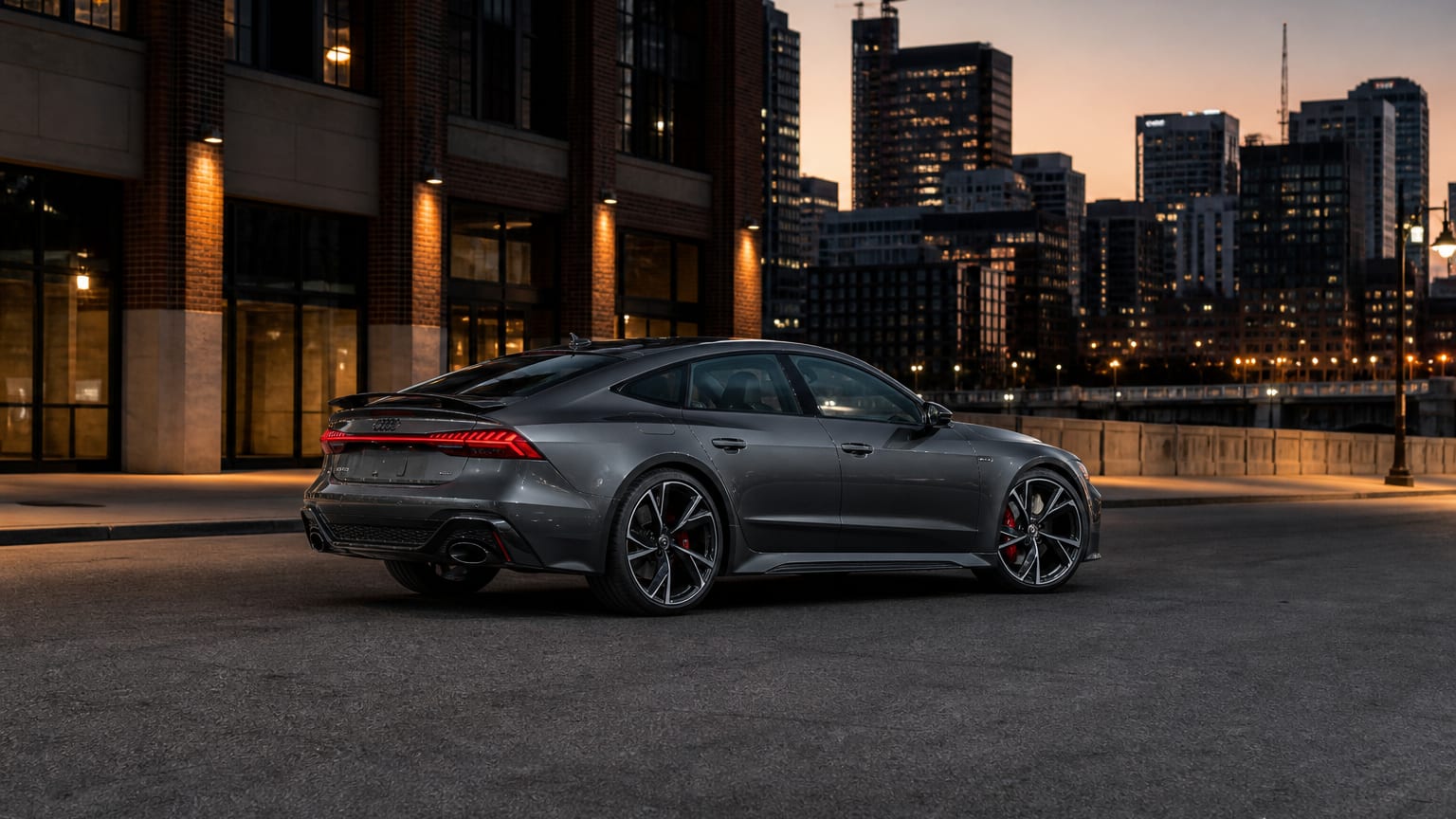
Every Audi RS7 model year ranked
The RS7 was on sale for five years in its first generation, then sat out two model years before the redesigned C8 arrived as a 2021 model. The table below covers the modern RS7 generations that used-car buyers realistically shop today.
| Model Year | Generation | Verdict | Notes |
|---|---|---|---|
| 2014 | C7 (1st gen) | Avoid | Covered by turbo oil strainer recall 22V-178; first-year risk |
| 2015 | C7 (1st gen) | Avoid | Worst year per CarComplaints PainRank; most complaints; top issue = turbo failure |
| 2016 | C7 (1st gen) | Avoid | 6 complaints on CarComplaints; NHTSA investigated turbo failure |
| 2017 | C7 (1st gen) | Avoid | Last year of recall 22V-178 scope; turbo and coolant line risk |
| 2018 | C7 (1st gen) | OK/Mixed | Last C7 year; turbo strainer fix in production from March 2017; age a factor |
| 2021 | C8 (2nd gen) | Best | Strong KBB owner scores; multiple recalls resolved; fresh platform |
| 2022 | C8 (2nd gen) | Best | High reliability owner ratings; infotainment recall completed |
| 2023 | C8 (2nd gen) | Best | Fewest open issues; low complaint volume |
Most common Audi RS7 problems
The single biggest failure across the RS7's history is turbocharger oil strainer blockage on the first-generation 4.0-liter twin-turbo V8, which led to a safety recall and a manufacturer warranty extension. Below are the recurring problem categories owners have reported, ordered from most to least serious.
1. Turbocharger oil strainer blockage (engine stall risk)
Audi recalled certain 2014-2017 RS7 vehicles because the turbocharger oil supply strainer can become blocked, causing wear to the bearings due to lack of lubrication. Worn bearings can cause the turbine wheel to contact the turbocharger housing or cause the shaft to break, causing an engine stall and increasing the risk of a crash. The symptom owners typically notice first is a rough idle, reduced performance, or long cranking times before a full stall.
This defect is covered by NHTSA recall campaign 22V-178; Audi's own number for this recall is 21H7. Audi also issued multiple versions of technical service bulletin (TSB) 2044640, which instructs technicians how to replace the turbocharger once it has failed or is about to fail. Separately, Audi extended the warranty period for the turbocharger to 10 years or 120,000 miles. That warranty extension is a separate program from recall 22V-178 - if you are shopping a 2014-2017 RS7, confirm both the recall repair and the warranty extension status with an Audi dealer before signing.
C7 models from 2014 to 2018 are particularly affected, with repair costs typically running $1,000 to $4,000 if the strainer was never serviced and the turbo sustains bearing damage. Audi received 1,889 warranty claims and 47 field reports related to this problem since April 2017, according to NHTSA documents. Any pre-purchase inspection of a 2014-2017 RS7 should include verifying the recall is closed under your specific VIN.
2. Adaptive air suspension failure
The most commonly reported issue across RS7 owner reports is air suspension system failure, with 260 owner reports on file. The RS7's adaptive air suspension adjusts ride height and firmness automatically, but the compressor and air strut bladders wear over time. Compressor failures cause the vehicle to sit low or display a suspension fault warning, and air strut bladder leaks are common from 60,000 to 100,000 miles on vehicles that have seen varied climates.
The complex air suspension system is an area of concern, with components like air springs, compressors, or sensors potentially failing over time, resulting in saggy suspension or error messages. When a control arm bushing or strut component fails on a performance car of this weight, the handling degradation is noticeable well before a warning light appears. Repair costs for air suspension work can be significant, and this problem spans both generations.
3. Carbon buildup on intake valves
The RS7's 4.0-liter twin-turbo V8 accumulates carbon on intake valves at an accelerated rate due to the performance tune; deposit buildup reduces airflow and causes misfires, rough idle, and measurable power loss, with repairs typically running $700 to $1,500. This is a known consequence of direct-injection engines, where fuel is not sprayed past the intake valves to keep them clean.
Confirming whether walnut blasting has been performed on vehicles over 60,000 miles is a key pre-purchase check. A rough idle at low speeds or hesitation under hard acceleration are the early signs of carbon accumulation and should prompt an inspection. This issue affects both C7 and C8 generations.
4. Wastegate rattle and performance degradation
The 4.0-liter twin-turbo V8 develops wastegate rattle at idle due to wear in the wastegate actuator mechanism; combined with carbon buildup from direct injection, this can cause performance degradation, with repairs typically running $800 to $3,000. The rattle is audible at idle and tends to worsen with age and mileage.
This is often mistaken for a more serious engine noise, but the wastegate actuator itself is the source. Most failures stem from overheating or extended oil intervals rather than design flaws, so a well-maintained car with short oil change intervals is less likely to develop this issue early. If you hear a metallic rattle from the engine bay at cold start, ask a technician to scope the wastegate before committing to a purchase.
5. Coolant line failure (C7 models)
The RS7 4.0-liter V8's turbo coolant lines and connections degrade from thermal cycling; the high-performance application generates more heat than other 4.0-liter models, accelerating coolant line failure, with repairs typically running $900 to $2,800. A slow coolant loss, a sweet smell from the engine bay, or a rising temperature gauge can all point to a cracked or perished coolant hose — see our guide to symptoms of low coolant.
Coolant leaks near the top of the engine or under the intake manifold are common signs of aging seals. This problem is concentrated in C7-generation cars (2014-2018) that have not had their cooling system hoses inspected or replaced. Any used-car inspection should include a pressure test of the cooling system.
6. Infotainment and electrical faults (C8 models)
Electrical issues are among the most commonly reported problems in modern Audi models, including the RS7; one of the most common is failure of sensors and control modules. On the C8 generation, a recall covered 2021-2022 RS7 vehicles because the infotainment main unit may become damaged internally when the vehicle is shut off, resulting in an inoperative rearview camera display the next time the vehicle is started.
Dealers were required to replace the infotainment main unit, free of charge, under this recall. Before buying a 2021 or 2022 RS7, confirm this repair has been performed on the specific VIN. Common owner complaints also revolve around the complex electronics, including the infotainment system experiencing occasional glitches or freezes.
Checking a used Audi?
Scan for hidden fault codes from your phone in minutes — before you buy.
REREV may earn a commission if you sign up through this link. Learn more.
Which Audi RS7 years should you avoid?
The Audi RS7 years to avoid are 2014, 2015, 2016, and 2017. CarComplaints rates 2015 as the worst model year on factors including repair cost and average mileage when problems occur - its PainRank system weighs how expensive and how early failures hit. NHTSA complaint and recall volume, by contrast, covers the full 2014-2017 range under recall 22V-178 for the turbocharger defect. The two measures point to the same generation but for different reasons; CarComplaints identifies 2015 as the single costliest year, while NHTSA's recall scope spans all four years.
| Audi RS7 Generation | Model Years | Verdict | Main Issues |
|---|---|---|---|
| C7 (1st gen) | 2014, 2015, 2016, 2017 | Worst | Turbo oil strainer blockage, coolant line failure, air suspension wear |
| C7 (1st gen) | 2018 | Mixed | Last C7 year; strainer fix already in production; age-related risk |
| C8 (2nd gen) | 2021, 2022, 2023 | Best | Low complaint volume; strong KBB owner scores; recalls resolved |
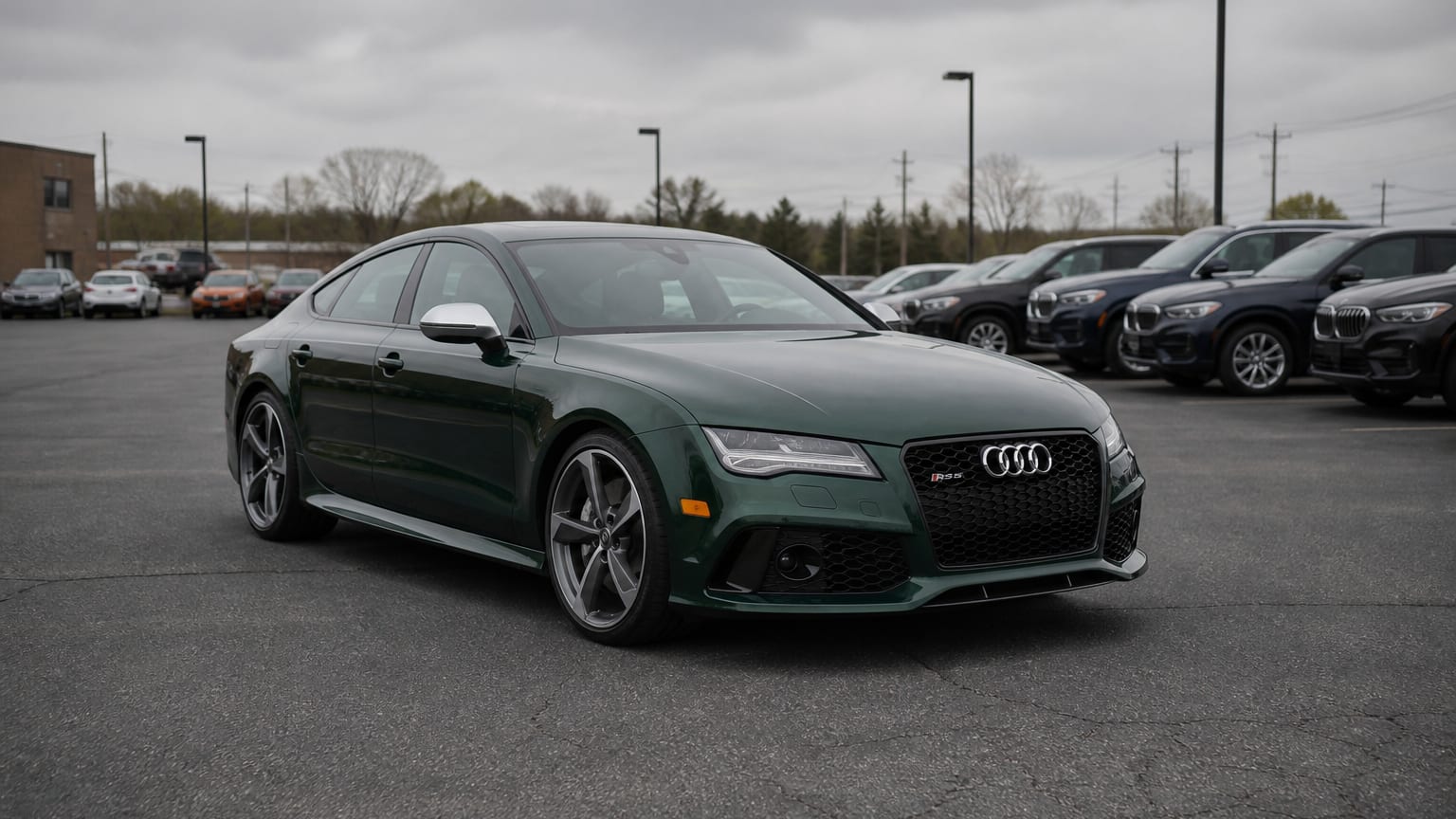
Worst Audi RS7 years: 2014, 2015, 2016, 2017
First-generation Audi RS7 (2014-2017)
The most-reported problem for the first-generation RS7 is turbo failure, with the 2015 model year carrying the most complaints on CarComplaints. Between April 2017 and the date the recall was determined, Audi received 1,889 claims and 47 field reports in the U.S. related to oil strainer replacement alone. Repair costs for turbocharger damage that was not caught in time run $1,000 to $4,000 per the C7 data above.
The 2016 Audi RS7 has 6 problems and defects reported by RS7 owners on CarComplaints, and turbo failure led to an open NHTSA investigation into the 2016 RS7. All four years - 2014, 2015, 2016, and 2017 - fall within NHTSA recall 22V-178 scope. Check the VIN before any purchase; if the recall repair has not been done, the dealer must complete it free of charge.
What are the best Audi RS7 years to buy?
The best Audi RS7 years to buy are 2021, 2022, and 2023. According to owner reviews on Kelley Blue Book, the 2021-2025 Audi RS7 model years are rated 4.7 out of 5 for reliability and 5 out of 5 for performance. The C8 generation brought a new platform with the turbocharger oil strainer defect already engineered out, and the handful of software-related recalls that did occur have largely been resolved through dealer updates.
| Best Audi RS7 Year | Why It's a Strong Buy | 2021 | New C8 platform; turbo strainer defect absent; 4.7/5 KBB owner reliability score |
|---|---|---|---|
| 2022 | Infotainment recall resolved; RS Design Package added; strong owner reviews | 2023 | Fewest open issues among C8 years with measurable owner data; low complaint volume |
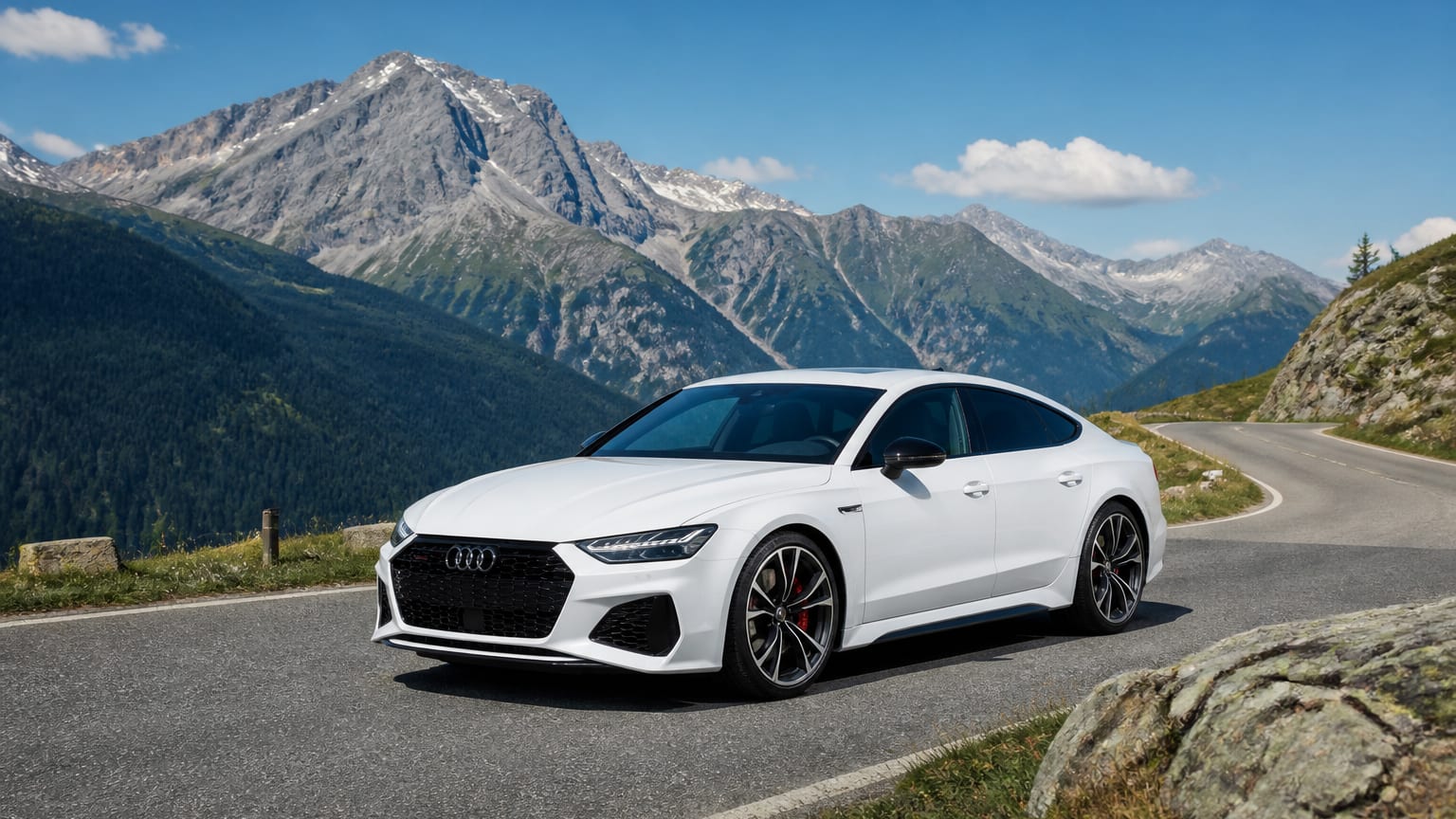
Most reliable Audi RS7 years: 2021, 2022, 2023
2021 Audi RS7
The 2021 RS7 represents the first year of the redesigned C8 generation, with a 4.0-liter twin-turbo V8 producing 591 horsepower paired with a 48-volt mild hybrid system. Models of the latest generation that are more likely to have seen 50,000 miles, including the 2021-2023 model years, all receive high reliability ratings from owners on Kelley Blue Book. The multiple 2021 recalls (airbag score line, instrument panel software, rear axle lock nut) are all dealer-corrected free repairs - confirm each is closed on any used example before buying.
2022 Audi RS7
For 2022, the RS7 added a new RS Design Package, while most of the 2021 software recall campaigns carried over a fix. Owner satisfaction on KBB remains high for this year, and NHTSA complaint volume is low relative to the C7 generation. The infotainment unit recall (rearview camera) applies to some 2022 VINs - run the VIN to confirm it is closed.
2023 Audi RS7
The 2023 model year is among the cleanest of the C8 era in terms of open recalls and consumer complaints. It carries the same 4.0-liter twin-turbo V8 with the mild hybrid system and benefits from a year of production refinements over the 2021 launch model. If your budget extends this far, this is one of the safer picks among used RS7 options on the market today.
Audi RS7 pre-purchase checklist
Before signing on any used RS7, run through these model-specific checks in addition to a standard used-car inspection.
-
Run the VIN through NHTSA's recall database at nhtsa.gov/recalls to confirm every open recall has been completed - this is non-negotiable on any 2014-2022 RS7.
-
On 2014-2017 cars, confirm recall 22V-178 is closed. Ask the dealer or seller for documentation showing the turbocharger oil strainer was replaced under Audi recall 21H7. Dealers were required to replace the oil strainer and perform an oil change, free of charge, under this recall. Also ask whether the turbocharger warranty extension (10 years/120,000 miles) is still active on the specific VIN.
-
Listen for wastegate rattle at cold idle. A metallic ticking or rattling from the engine bay at cold start can signal wastegate actuator wear - budget $800 to $3,000 to address it if present.
-
Check the air suspension at all four corners. Have someone watch each corner of the car while you activate the suspension height modes. A corner that sits lower than the others or a compressor that runs continuously points to a leak - air strut bladder leaks are common from 60,000 to 100,000 miles.
-
Ask about carbon cleaning service history. Spark plug replacement is a time-consuming and labor-intensive job on the RS7 and is often skipped; confirm when spark plugs and intake valve cleaning were last performed, especially on cars over 60,000 miles.
-
Inspect coolant level and condition on C7 cars. Coolant leaks near the top of the engine or under the intake manifold are common signs of aging seals on higher-mileage C7 RS7s. A pressure test of the cooling system should be part of any pre-purchase inspection.
-
On 2021-2022 cars, confirm the rearview camera functions on startup. The infotainment main unit on some 2021-2022 RS7s can become damaged internally when the vehicle is shut off, resulting in an inoperative rearview camera - a federal safety standard violation. If the camera is blank on startup, the recall repair has not been completed.
-
Request full service records. The annual maintenance cost of an Audi RS7 is $1,849 per RepairPal data - a car without records showing regular oil changes at the correct interval is a higher-risk buy given the turbo oil strainer issue.
Better alternatives to consider
If the Audi RS7 years in your budget land on the avoid list, consider these alternatives in the same performance luxury class:
- Audi S4 - a lower-cost Audi performance sedan with a clearer year-by-year reliability record and lower maintenance costs than the RS7
- Audi A7 and Audi S7 - platform siblings with the same Sportback layout at less extreme power and ownership cost
- Audi RS6 - the Avant counterpart if you want RS power with more cargo space
- Audi Q5 - shares Audi's Quattro platform with broadly documented reliability data and a larger pool of used examples to choose from
- BMW M3 / BMW M4 / BMW 5 Series - close performance competitors with broader independent repair shop support in the US; also see BMW 8 Series years to avoid if you want a grand-touring four-seat alternative
- Porsche Panamera - a performance luxury four-door with a similar price point; the Porsche Boxster shares platform DNA and gives a useful read on VW Group reliability patterns across model years
Is the Audi RS7 worth buying?
The Audi RS7 is worth buying as long as you stay away from the 2014, 2015, 2016, and 2017 model years - the four C7 years covered by the turbocharger oil strainer safety recall (22V-178). The new generation of RS7 does change the reliability narrative for the model, and the 2021-2025 Audi RS7 is rated 4.7 out of 5 by owners on Kelley Blue Book for reliability. The 2021, 2022, and 2023 cars offer the strongest combination of performance, owner satisfaction, and a clean recall history.
Once you get past the complexity of German engineering and have saved up for its services, the RS7 settles into a surprisingly solid long-term rhythm. Run the VIN through NHTSA's recall checker on any candidate car, verify full service records, and have a specialist inspect the turbocharger, air suspension, and cooling system before purchase.