
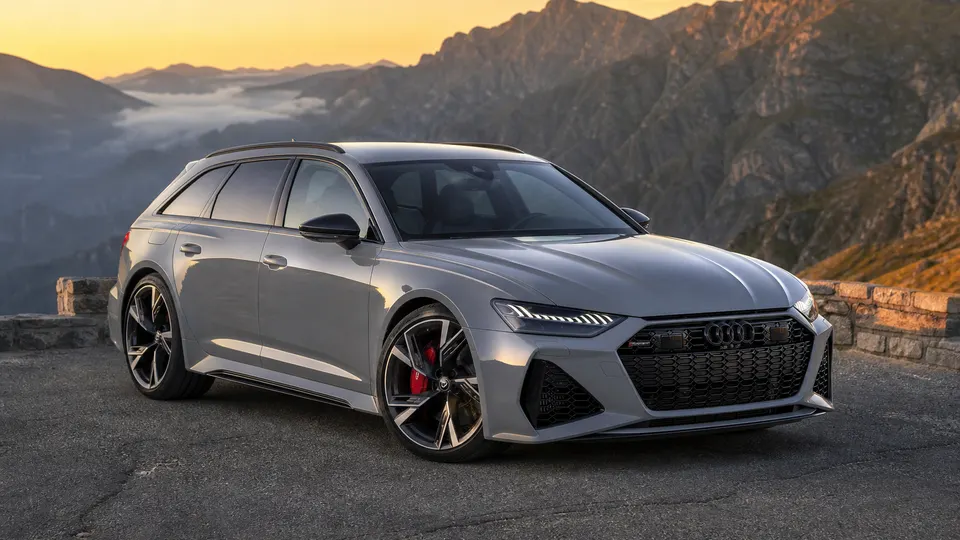
The Audi RS6 is one of the most capable performance wagons on the market, combining a twin-turbocharged V8 with everyday practicality across four generations. Most model years deliver a rewarding ownership experience, but a handful carry disproportionate recall burdens, known mechanical failures, and expensive repair bills that deserve your attention before you buy. This guide uses NHTSA complaint and recall data, CarComplaints, RepairPal, and owner-forum reports to give you a data-backed, year-by-year picture of the best and worst Audi RS6 years.
At a glance
- Worst years
- 2003
- 2021
- Best years
- 2004
- 2022
- 2023
- Top failure
- C8-generation 48V Belt Starter Generator (BSG) failure - causing sudden electrical shutdowns - primarily affecting 2021 models, per owner reports and NHTSA TSB data
- Always do before buying
- run the VIN through NHTSA's recall checker to confirm every open campaign is closed, plus check the 48V BSG part number on any 2021-2022 C8 to confirm the revised 4N1 unit is installed
How we rated the best and worst Audi RS6 years
The worst years to buy a used Audi RS6 are 2003 and 2021 - the 2003 C5 for its DRC suspension and transmission risk on an aging platform, and the 2021 C8 for carrying the highest concentration of NHTSA recall campaigns in the model's modern history.
RepairPal gives Audi a brand reliability rating of 3.0 out of 5.0, ranking it 28th out of 32 car brands. For RS6-specific data, we cross-referenced NHTSA complaint and recall filings, CarComplaints.com for repair-cost patterns and owner-submitted complaint trends, RepairPal for cost benchmarks, and owner forums including Audizine and AudiWorld for real-world failure accounts.
CarComplaints ranks a model year's severity by repair cost and mileage at failure (its PainRank system), while NHTSA tracks raw complaint and recall volume - the two measures often point to different years. Every claim below is attributed to its actual source.
| Audi RS6 Generation | Best Audi RS6 Years | Worst Audi RS6 Years |
|---|---|---|
| C5 (2003-2004, US sedan) | 2004 | 2003 |
| C6 (2008-2010, non-US) | None | None |
| C7 (2013-2018, non-US) | None | None |
| C8 (2021-present, US Avant) | 2022, 2023 | 2021 |
Scope note: The C5 generation RS6 was, until recently, the only Audi RS model the automaker offered in North America officially, sold exclusively in sedan body style for the 2003 and 2004 model years. The C8-generation Audi RS6 Avant launched globally in 2019 and is the generation that returned the RS6 to US showrooms. The C6 (2008-2010) and C7 (2013-2018) were not officially sold in the US; they represent a separate European/collector market assessed differently and are shown as OK/Mixed in the matrix below.
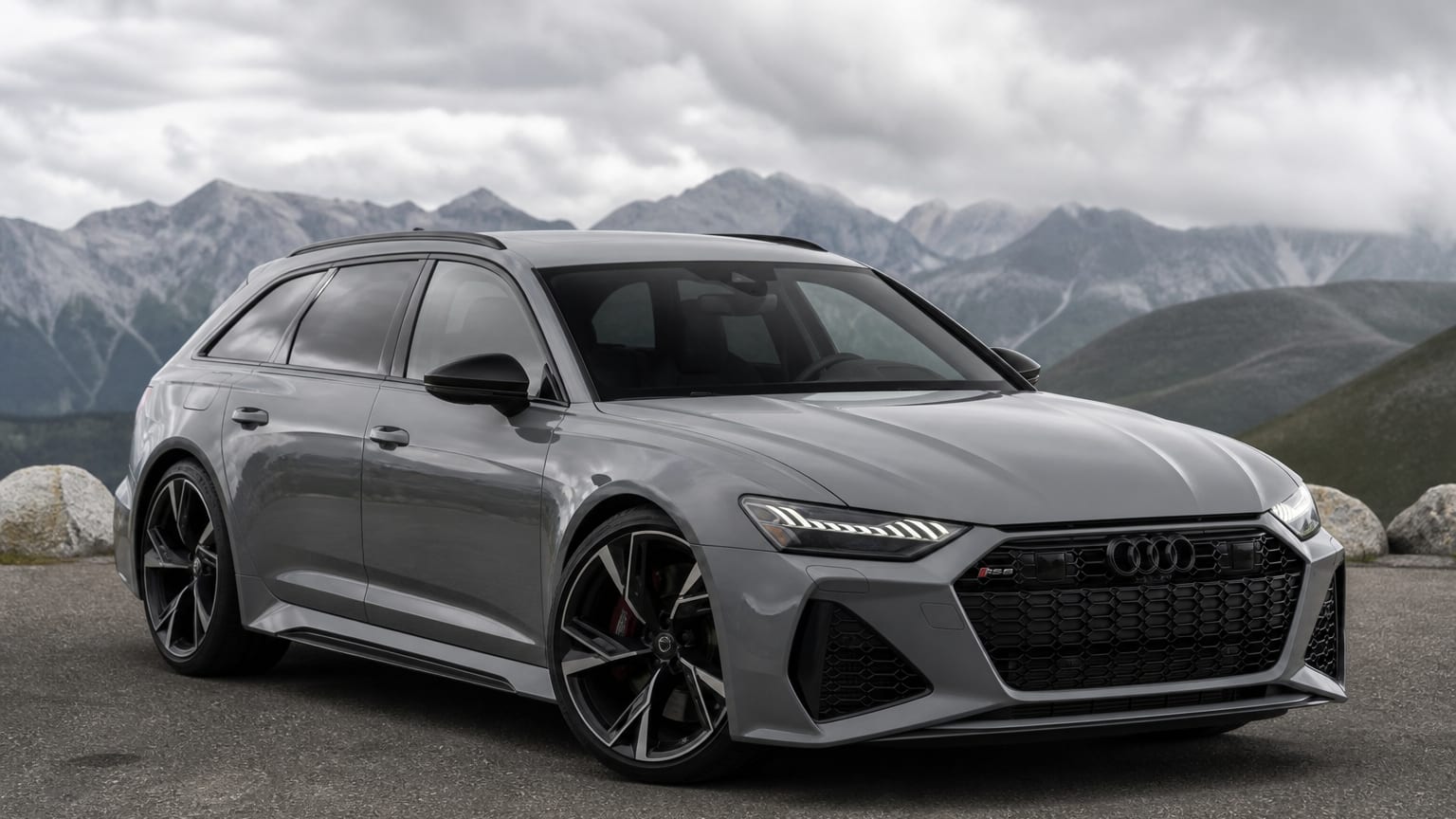
Every Audi RS6 model year ranked
The table below ranks every model year for which meaningful reliability or recall data exists, with US-market context noted.
| Model Year | Generation | Verdict | Notes |
|---|---|---|---|
| 2003 | C5 (US sedan) | Avoid | DRC suspension failure risk; fuel tank recall (NHTSA 11V-267) |
| 2004 | C5 (US sedan) | Best | Late-build C5; fewer complaints than 2003; same recall resolved |
| 2008 | C6 (non-US) | OK/Mixed | V10 coolant pipe & oil pump O-ring risk; not US-market |
| 2009 | C6 (non-US) | OK/Mixed | Same V10 engine risks; not US-market |
| 2010 | C6 (non-US) | OK/Mixed | Final C6 year; not US-market |
| 2013 | C7 (non-US) | OK/Mixed | C7 launch year; turbo & air suspension concerns; not US-market |
| 2014 | C7 (non-US) | OK/Mixed | Ongoing C7 air suspension and turbo wear; not US-market |
| 2015 | C7 (non-US) | OK/Mixed | Mid-cycle C7; not US-market |
| 2016 | C7 (non-US) | OK/Mixed | Performance model introduced; not US-market |
| 2017 | C7 (non-US) | OK/Mixed | Late C7; not US-market |
| 2018 | C7 (non-US) | OK/Mixed | Final C7 year; not US-market |
| 2021 | C8 (US Avant) | Avoid | Most NHTSA recall campaigns of any C8 year; BSG failure reports |
| 2022 | C8 (US Avant) | Best | Fewer recall campaigns than 2021; revised BSG part available |
| 2023 | C8 (US Avant) | Best | Low complaint volume; post-BSG revision build |
| 2024 | C8 (US Avant) | OK/Mixed | Very limited data; newer build |
| 2025 | C8 (US Avant) | OK/Mixed | Current model; insufficient used-market data |
Most common Audi RS6 problems
The single most documented failure across the modern C8 RS6 is the 48V Belt Starter Generator (BSG) breakdown, which can cut electrical power without warning. Beyond the BSG, recurring issues include air suspension leaks, gateway control module vulnerability, Dynamic Ride Control (DRC) suspension failure on the C5, and C6-generation coolant pipe and oil pump O-ring failures.
1. 48V Belt Starter Generator (BSG) failure - C8 generation
A recurring issue is failure of the 48V mild-hybrid system, with many owners reporting sudden electrical shutdowns, sometimes right at intersections or while parking. The original belt starter generator unit (part number 4N0) was especially prone to failure, and Audi released a revised part (4N1) to address this - but some cars still received the older version.
An internal fault in the BSG breaks the connection between the 48V battery and the 12V system, preventing the 12V battery from recharging. The car then runs on the 12V battery's remaining power until it is depleted, causing a shutdown. Audi has issued several Technical Service Bulletins related to this issue, including software updates; TSB 91 23 47 (NHTSA ID 2072008/1) specifically addresses the "Electrical system: fault" message and the associated fault code B200094.
Replacement costs can exceed $3,000. The fault tends to surface on early-build 2021 models. Before buying any 2021-2022 C8, ask the dealer or a pre-purchase inspector to confirm whether the revised 4N1 BSG unit is installed. Owners on the Audizine RS6/RS7 forum have documented multiple cases and the relevant TSB.
2. Gateway control module shutdown - C8 generation (2021-2022)
Audi issued a recall of over 50,000 cars produced between 2019 and 2022, including the 2021-2022 RS6 Avant, over an unprotected control module hidden under the rear seats that could, when in contact with liquid, cut engine power and increase the risk of a crash.
If liquid spills on the rear seats, it could trickle down and enter the gateway control module, setting off "various internal errors due to short circuits." The module is programmed to switch itself off if this occurs, sending the engine into emergency mode with reduced power - though Audi confirmed that steering and brake systems remain operable.
Audi's solution is to install a protective cover for the module at dealerships free of charge. Verify via VIN at NHTSA's recall checker that this work has been completed before taking delivery.
3. Air suspension leaks and compressor failure - C7 and C8 generations
The RS6's air suspension system is known to be problematic, with owners reporting issues with ride height sensors, leaking air struts, and malfunctioning compressors - and these components are extremely expensive to repair or replace.
Though rare on newer builds, air suspension leaks or failing compressors do pop up on forums, with symptoms including the car sitting unevenly or failing to raise to maximum height. Repair costs are steep if out of warranty. A pre-purchase inspection should include cycling the suspension through all height settings and scanning for ride-height sensor fault codes.
4. DRC suspension and transmission failure - C5 generation (2003-2004)
The main problems with the C5 RS6 concern its transmission and the Dynamic Ride Control suspension system. These can fail catastrophically, rendering the car a paperweight. The DRC system uses hydraulically interconnected dampers - when a valve or strut fails, the car's handling degrades sharply and repair costs are high because the system requires specialist tooling.
Audi also determined that the fuel tank rollover valve nipple in 2003-2004 RS6 vehicles may crack under certain conditions, creating the possibility of a fuel leak. NHTSA recall campaign 11V-267 covered this defect for the 2003 RS6 with a 4.2L engine. Confirm the fix is done via VIN lookup before purchase.
5. C6 V10 coolant pipe and oil pump O-ring leaks
Oil pump O-rings and coolant pipes are age-related failures on the C6 RS6, with many cars now hitting 7-8 years in service and experiencing one or both. The oil pump O-rings can be replaced without removing the engine but it is still an approximately £1,000 job, while the coolant pipes require a full engine removal regardless.
These are the two most expensive C6 RS6 repairs and the main reason earlier V10 cars (2008-2010) need a thorough pre-purchase inspection from a specialist. Compared to the C5, the C6 is described by specialist owners as extremely reliable - but there are always a few examples with a continuous list of problems. Budget for both repairs if you are buying a high-mileage example.
6. Electrical gremlins and MMI/infotainment faults
Issues like 48V mild-hybrid battery failures, MMI glitches, and air suspension leaks are not uncommon on the RS6, especially in earlier model years. A software error in 2019-2026 Audi vehicles was found to prevent the rearview camera image from displaying as intended, and a recall was issued in late 2025 covering certain 2019-2026 Volkswagen Group vehicles, including Audi models, for a rearview camera software fault.
One service advisor noted that C8 RS6 cars are "having lots of LITTLE issues," pointing to a pattern of minor electrical and trim complaints rather than a single catastrophic fault. A low or failing 12V battery can compound these gremlins, so always test the auxiliary battery on any used C8.
Checking a used Audi?
Scan for hidden fault codes from your phone in minutes — before you buy.
REREV may earn a commission if you sign up through this link. Learn more.
Which Audi RS6 years should you avoid?
The Audi RS6 years to avoid are 2003 and 2021. The 2003 C5 carries the highest mechanical risk of any US-market RS6 year, driven by DRC suspension failure and transmission vulnerability on an aging platform. The 2021 C8 carries the highest NHTSA recall concentration of the modern generation, including the airbag score-line recall (21V-159), the gateway control module recall, and the fuel gauge recall (22V-155) - all on top of the early-production BSG failure risk.
| Audi RS6 Generation | Model Years | Verdict | Main Issues |
|---|---|---|---|
| C5 (US sedan) | 2003-2004 | Worst: 2003 | DRC suspension failure, transmission risk, fuel tank recall |
| C6 (non-US) | 2008-2010 | Mixed | V10 coolant pipes, oil pump O-rings, electrical gremlins |
| C7 (non-US) | 2013-2018 | Mixed | Air suspension leaks, turbocharger wear, oil leaks |
| C8 (US Avant) | 2021-present | Worst: 2021 | 48V BSG failure, gateway module recall, airbag recall |
Worst Audi RS6 years: 2003, 2021
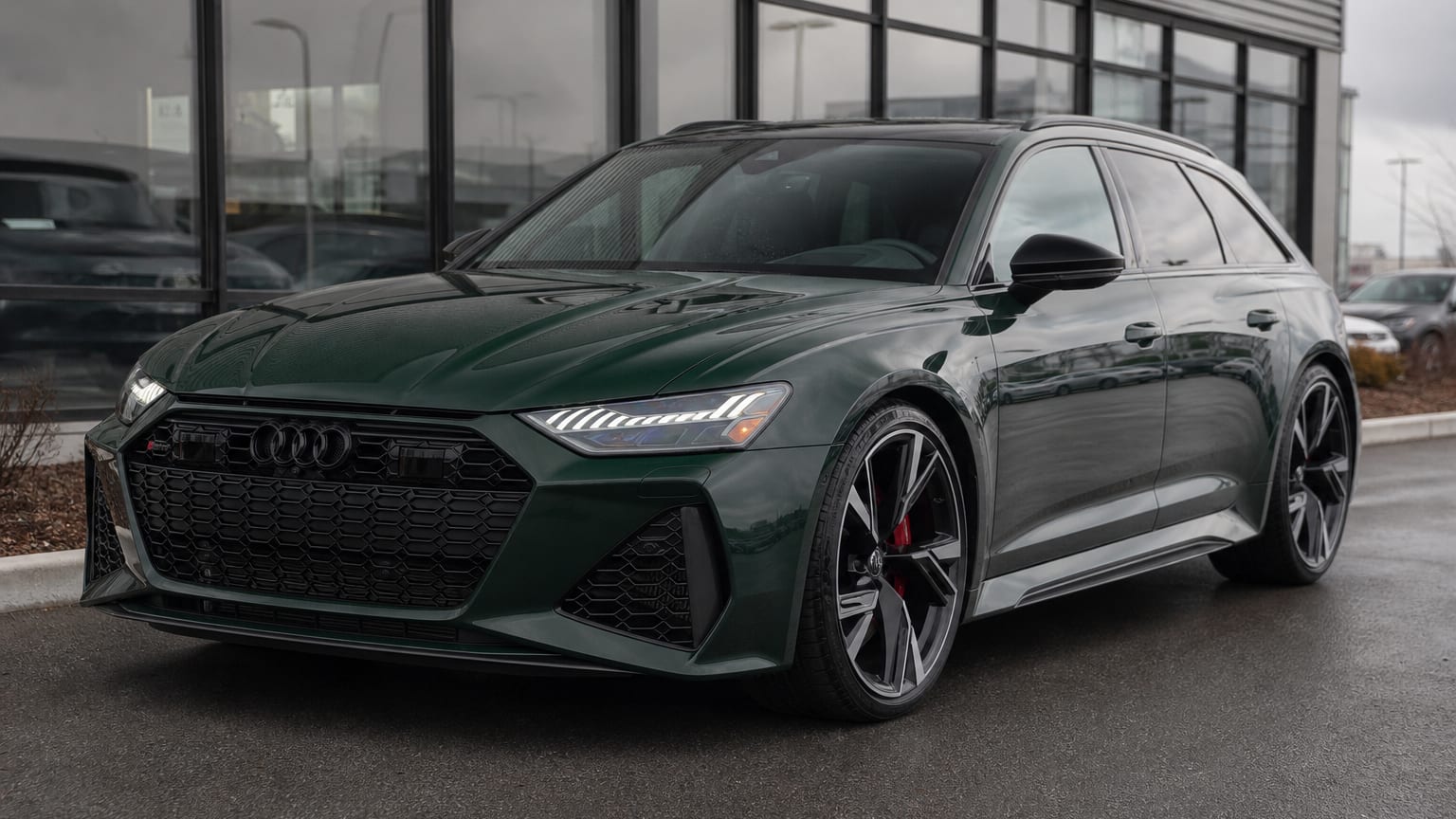
First-generation Audi RS6 - C5 (2003-2004)
Common failure points on the C5 RS6 include the transmission, DRC suspension (struts and valves), EGT sensors specific to the RS6, oxygen sensors, coolant temperature sensors, control arms, and brakes. The 2003 model is the riskier of the two C5 years because it represents the first-year build before Audi addressed early quality issues.
Just over 8,000 C5 RS6s were built during a brief 26-month production run from July 2002 until September 2004, so finding a well-maintained example requires patience. Always confirm the NHTSA fuel tank recall (11V-267) is completed and budget for DRC suspension refresh on any C5 RS6 you consider.
Fourth-generation Audi RS6 - C8 (2021-present)
NHTSA recall 21V-159 covered certain 2021 Audi RS6 Avant vehicles where the score line on the passenger air bag may not have been manufactured correctly, meaning the air bag may not deploy properly and could eject plastic debris into the passenger compartment.
After the US market reported an increase in claims for a fuel level sender getting stuck and indicating the wrong fuel level, Audi presented the issue to its Product Safety Committee in March 2022, deciding on a voluntary worldwide recall due to the possibility of customers running out of fuel while driving. This was recall 22V-155 and covered 2021 RS6 Avant vehicles built through May 2021. The "Electrical system malfunction" warning on 2019-2023 RS6 models is almost always caused by a failure of the 48V Belt Starter Generator, not the fuse box. Confirm via NHTSA's vehicle page for the 2021 RS6 that all campaigns are resolved before purchase.
What are the best Audi RS6 years to buy?
The best Audi RS6 years to buy are 2004, 2022, and 2023 - years that combine a settled production run with lower recall counts or confirmed fixes for the generation's known faults.
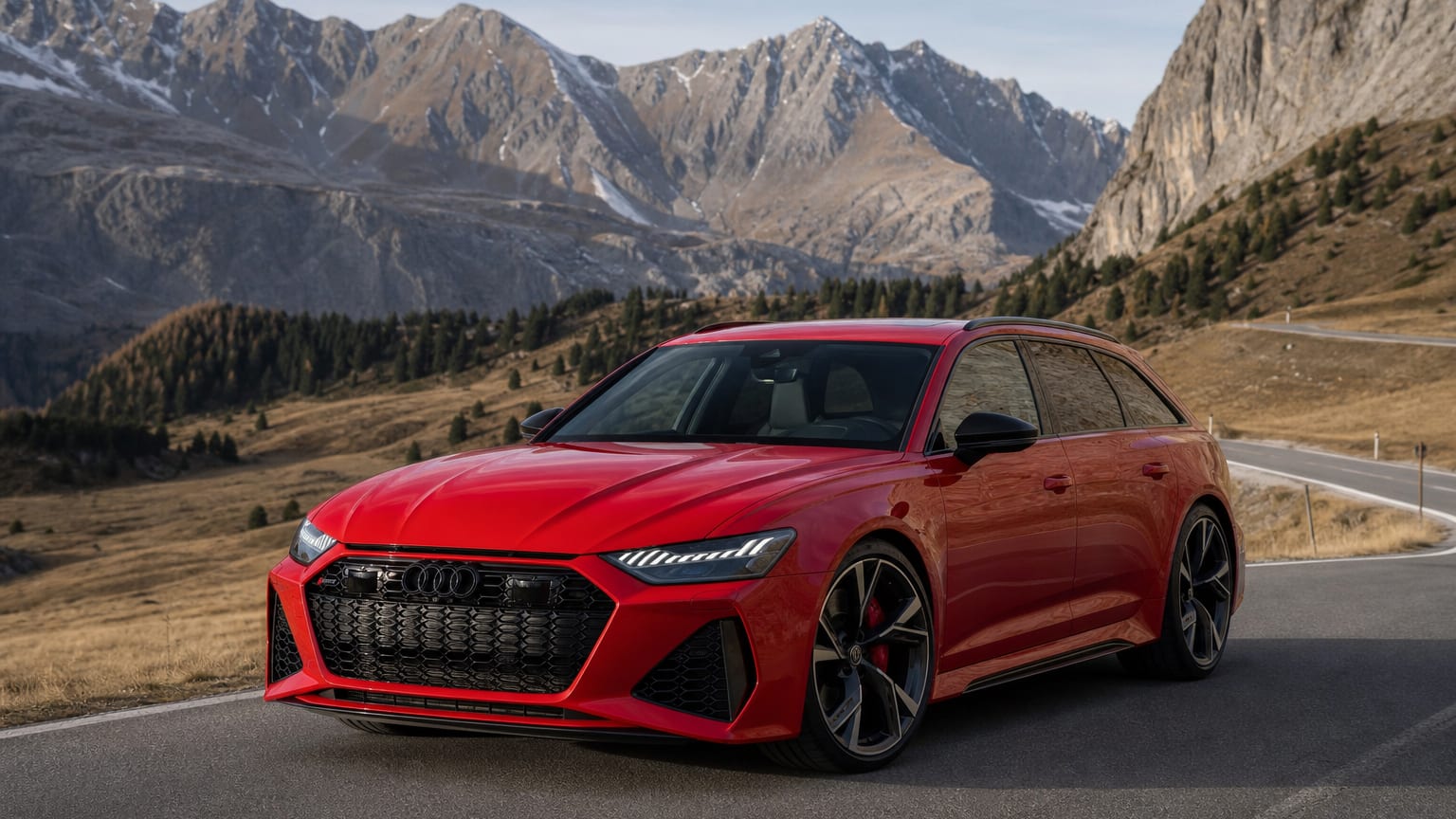
| Best Audi RS6 Year | Why It's a Strong Buy |
|---|---|
| 2004 | Final C5 build year; early DRC and transmission issues better addressed; fuel tank recall same as 2003 but overall a more settled car |
| 2022 | C8 with fewer recall campaigns than 2021; revised BSG unit becoming standard; gateway module protective cover recall is a simple fix |
| 2023 | Low complaint volume; post-BSG-revision production; ejection mitigation recall (23V-189) is a low-severity compliance fix |
Most reliable Audi RS6 years: 2004, 2022, 2023
2004 Audi RS6
The 2004 is the better of the two US C5 years. As the final production run of the C5, early build-quality issues flagged on 2003 cars had more time to be addressed by Audi. Under the hood of the C5 RS6 sits a 4.2-liter twin-turbocharged V8 developing 444 hp and 428 lb-ft of torque, capable of 0-60 mph in 4.6 seconds. Confirm the fuel tank rollover valve recall (11V-267) is complete and have a specialist inspect the DRC suspension before purchase.
2022 Audi RS6
The C8-generation RS6 Avant features a 4.0-liter bi-turbo V8, now producing 600PS and 800Nm, bolstered for the first time by 48V mild-hybrid technology. By the 2022 model year, Audi had issued the revised BSG part (4N1) to address the failures documented on 2021 cars, and the gateway control module recall is a straightforward dealer fix. Owner feedback on the Audizine RS6/RS7 forum confirms 2022 cars show fewer BSG failures than early 2021 builds.
2023 Audi RS6
The 2023 benefits from the full C8 mid-cycle production refinements and carries the lowest complaint volume of any C8 year with sufficient ownership history. Many owners experienced failures in the 48V mild-hybrid system (the BSG), but a revised part number (4N1) was introduced to improve reliability, and failures of earlier units remain one of the most frequent complaints - making the post-revision 2023 build a safer buy.
Audi RS6 pre-purchase checklist
Every used Audi RS6 purchase deserves a targeted inspection beyond a standard test drive. Here are the model-specific steps to take before signing.
- Run the VIN through NHTSA's recall lookup tool. Confirm all open campaigns - including the airbag score-line recall (21V-159 on 2021 RS6), the gateway control module recall, fuel gauge recall (22V-155 on applicable 2021 builds), and the rearview camera software recall - are closed.
- On 2021-2022 C8 cars, verify the BSG part number. Ask the selling dealer or an independent Audi specialist to confirm the belt starter generator is the revised 4N1 unit, not the original 4N0. Audi has issued TSB 91 23 47 (NHTSA ID 2072008/1) to address the "Electrical system: fault" message and fault code B200094 - ask the dealer if this TSB has been applied.
- Cycle the air suspension through all height settings. The RS6's air suspension is known to be problematic, with owners reporting ride height sensor faults, leaking air struts, and malfunctioning compressors. A sag or an error message during the test drive is a red flag.
- On 2003-2004 C5 cars, test the DRC suspension and transmission. The main problems with the C5 RS6 concern its transmission and the Dynamic Ride Control suspension system. Have a specialist scan for DRC fault codes and perform a transmission fluid analysis.
- Check for transmission fluid condition and level. Dark or burnt-smelling fluid is a warning sign on any RS6 generation; fluid pooling under a parked car points to a seal or cooler leak.
- Request full service records. Many used RS6s may not have received the care and attention they need to remain reliable, and some examples may have been driven hard or modified by previous owners, which can lead to premature wear if the car was not properly maintained.
- Inspect for water ingress on the C8. A concern common in Volkswagen Group cars is water ingress due to blocked drainage channels - if not cleared regularly, water can accumulate and seep into footwells or cavities, often traveling through electronics and leading to expensive repairs.
- Test the 12V auxiliary battery. A low battery can cause all kinds of electrical gremlins on the RS6, so test it with a load tester, not just a voltage check.
Better alternatives to consider
If the Audi RS6 years in your budget land on the avoid list, consider these alternatives instead:
- Audi Allroad - a more practical Audi wagon/crossover alternative with quattro capability and a wider used-market selection at lower ownership cost
- Audi S6 - related C7/C8 performance sedan DNA with overlapping 4.0T-era issues documented more thoroughly across model years
- Porsche Panamera - a competing luxury performance wagon/fastback from the same VAG family, with strong J.D. Power scores on select years and a similarly powerful turbocharged powertrain
- BMW M5 Touring - the closest direct rival in the performance wagon class, with an equally complex turbocharged V8 but a broader US used-market presence and more model years to compare
Is the Audi RS6 worth buying?
Yes, the Audi RS6 is worth buying - as long as you avoid the 2003 and 2021 model years. In early 2020, Audi's fourth-generation RS6 started arriving in showrooms, retaining the twin-turbo 4.0-liter V8 from its predecessor at 592bhp, with a 3.4-second 0-60mph time making it the fastest-accelerating Avant to date - and it ushered in light electrification with a 48-volt mild-hybrid system. The 2022 and 2023 model years represent the best balance of performance, refinement, and resolved production issues in the C8 generation.
The average annual repair cost for an Audi is $987 according to RepairPal - budget accordingly, as the RS6's twin-turbo V8 and air suspension push individual repair events above that average when they do occur. Before finalizing any purchase, run the VIN through NHTSA's recall checker and verify complete service records, paying particular attention to BSG replacement history on C8 cars and DRC suspension condition on C5 examples.