
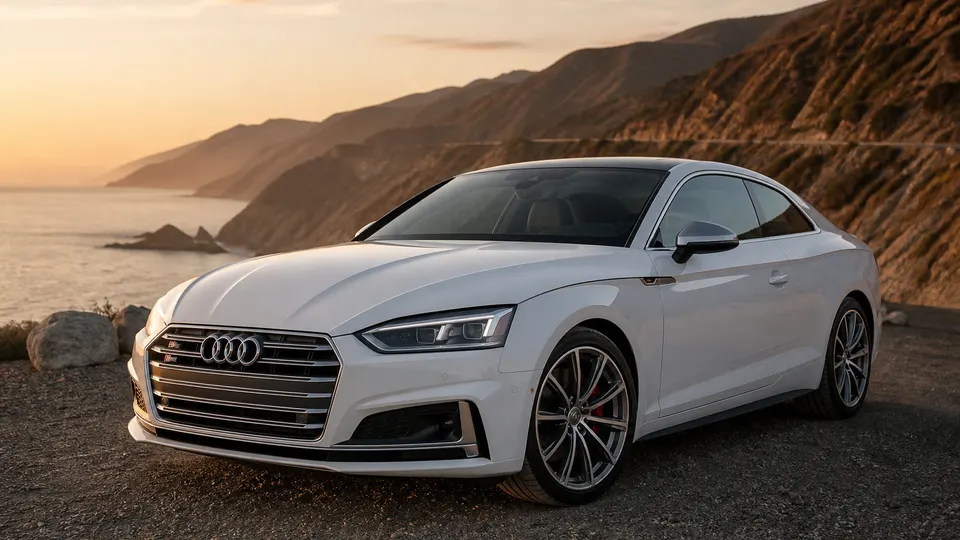
The Audi S5 is a genuinely rewarding performance coupe with quattro all-wheel drive, but several model years carry documented mechanical problems that can turn ownership expensive. This guide ranks every US-market S5 model year through the 2026 model year using NHTSA complaints and recalls, CarComplaints data, and our years to avoid methodology.
At a glance
- Worst years
- 2008–2010
- 2013–2015
- 2018
- Best years
- 2016
- 2021–2023
- Always do before buying
- run the VIN through NHTSA's recall checker, plus check the service history for evidence of walnut blasting (carbon cleaning) on any 2008-2016 car
Recalls by year
How we rated the best and worst Audi S5 years
The first-generation B8 cars from 2008-2010 and the B8.5 cars from 2013-2015 carry the heaviest documented problem load, while the 2018 B9 stands out as the worst single year for raw complaint volume.
CarComplaints ranks a year as problematic based on repair cost and mileage at failure (PainRank), while NHTSA shows raw complaint volume. Our years to avoid methodology assigns each model year a consistent verdict.
| Audi S5 Generation | Best Audi S5 Years | Worst Audi S5 Years |
|---|---|---|
| B8 (2008–2012) | No standout year | 2008–2010 |
| B8.5 (2013–2017) | 2016 | 2013–2015 |
| B9 (2018–2026) | 2021–2023 (2025, 2026 too new to judge) | 2018 |
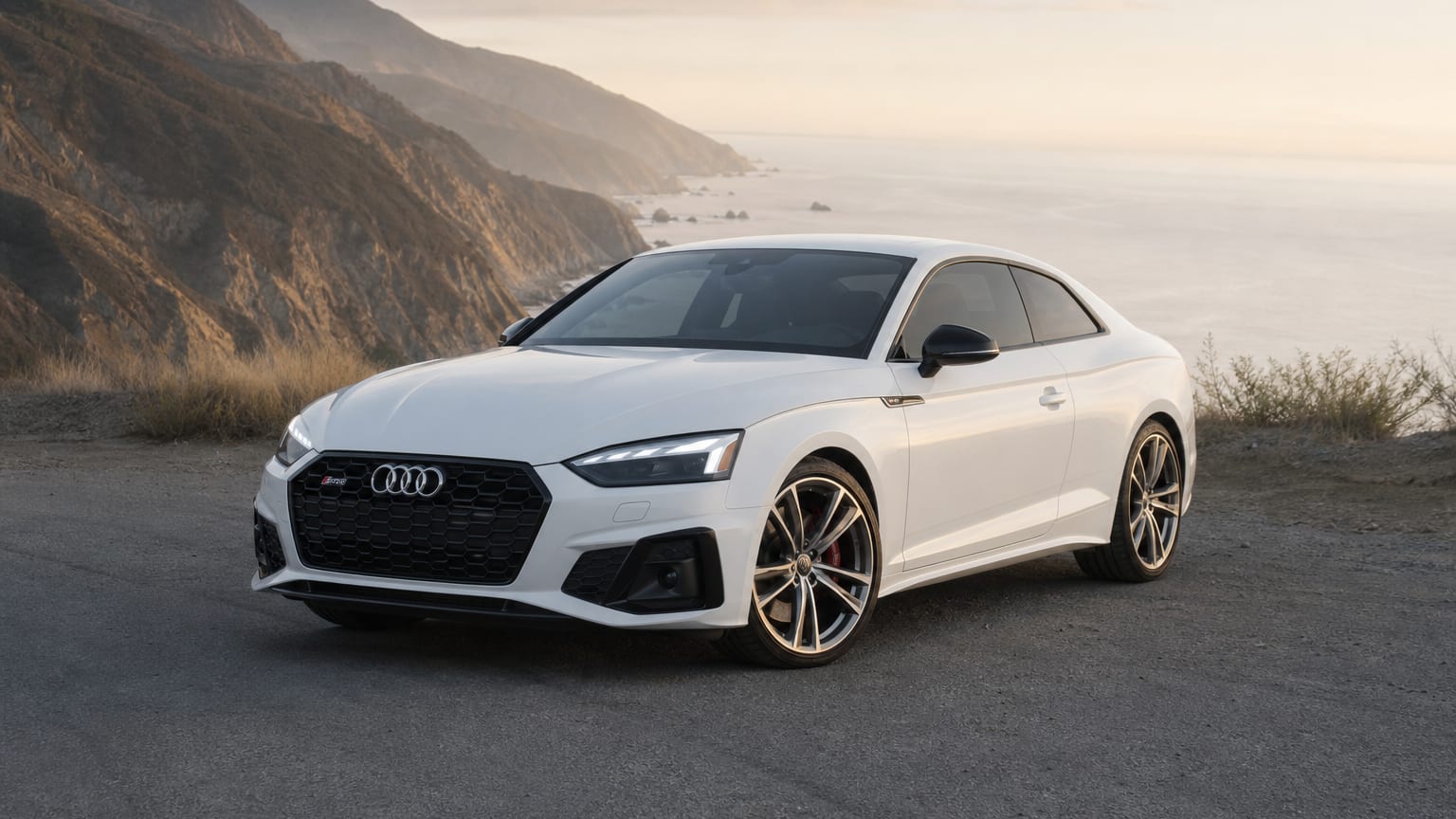
Every Audi S5 model year ranked
This table covers every US model year from 2008 to 2026, using our October 2026 NHTSA pull. Counts are complaints and recall campaigns on file for that model year; 2025 and newer are too new to judge.
| Model year | Generation | Verdict | Notes (NHTSA unless noted) |
|---|---|---|---|
| 2008 | B8 | Avoid | 3 complaints, 0 recalls |
| 2009 | B8 | Avoid | 0 complaints, 0 recalls |
| 2010 | B8 | Avoid | 28 complaints, 2 recalls (air bags) |
| 2011 | B8 | Caution | 13 complaints, 3 recalls (air bags, fuel system) |
| 2012 | B8 | Caution | 10 complaints, 3 recalls (air bags, fuel system) |
| 2013 | B8.5 | Avoid | 19 complaints, 0 recalls |
| 2014 | B8.5 | Avoid | 6 complaints, 0 recalls |
| 2015 | B8.5 | Avoid | 2 complaints, 0 recalls |
| 2016 | B8.5 | Best | 1 complaint, 0 recalls |
| 2017 | B8.5 | OK | 0 complaints, 1 recall (seat belts) |
| 2018 | B9 | Avoid | 26 complaints, 3 recalls (air bags, seats) |
| 2019 | B9 | OK | 6 complaints, 4 recalls (suspension, seats) |
| 2020 | B9 | Caution | 25 complaints, 4 recalls (suspension, electrical system) |
| 2021 | B9 | Best | 1 complaint, 5 recalls (suspension, electrical system) |
| 2022 | B9 | Best | 1 complaint, 2 recalls (back over prevention) |
| 2023 | B9 | Best | 3 complaints, 1 recall (air bags) |
| 2024 | B9 | OK | 2 complaints, 0 recalls |
| 2025 | B9 | Too new to judge | 11 complaints, 2 recalls (seat belts) — early ownership data only |
| 2026 | B9 | Too new to judge | 1 complaint, 0 recalls — early ownership data only |
Most common Audi S5 problems
The most commonly reported Audi S5 problem, according to RepairPal, is FSI and TFSI engine carbon buildup affecting intake valves, intake, and runner flaps, generating P0300-series misfire codes. Beyond carbon buildup, the S5 carries five well-documented recurring failures that every used-car shopper should know before signing.
1. Carbon buildup on direct-injection intake valves
Direct-injection engines spray fuel directly into the cylinder rather than over the intake valve, so the valve never gets washed by fuel. Over time, oily crankcase vapors coat the back of the intake valve with hard carbon deposits that restrict airflow and cause rough idling, misfires, and a loss of power.
The 2010 Audi S5, equipped with FSI and TFSI engines, often faces issues with carbon buildup on intake valves, intake, and runner flaps, leading to misfires indicated by P0300-series error codes. The 2008-2017 Audi S5 uses the 3.0 TFSI and 4.2 FSI direct-injection engines, both of which are subject to carbon buildup. The standard fix is walnut blasting, a process where crushed walnut shells are blasted through the intake ports to scour the valves clean. Expect to pay $400-$700 at an independent shop. Most cars need this service by 60,000-80,000 miles.
Before buying any 2008-2016 S5, check for carbon buildup by reviewing service records for evidence of walnut blasting. No recall covers this issue, but it is an expected maintenance item on any B8 or B8.5 car.
2. Timing chain and tensioner failure
The biggest concern on the V8 B8 S5 is that the timing chain sits at the back of the motor, against the firewall, and a number of owners have experienced tensioner failures. The 3.0 TFSI V6 used in B8.5 models also suffers from this fault. A stretched or jumped chain produces a cold-start rattle that can progress to valve damage if ignored.
A class-action suit was filed over defective tensioners on 3.0 engines through 2015, and Audi issued a TSB addressing the cold-start rattling noise on those engines. Due to a class-action settlement, Audi extended the warranty for timing chain components on 2010-2013 model years of the A5 platform to 10 years or 100,000 miles. There is also a TSB for the S5's timing chain tensioner recommending replacement with an updated part if it starts making a rattling or grinding noise, though unlike the 2.0-liter engine Audi did not offer an extended warranty for the 3.0-liter V6.
The average cost for a timing chain tensioner replacement on an Audi S5 is between $3,697 and $5,246 according to RepairPal, making this one of the most expensive potential repairs on the platform. Owners have reported this rattle appearing on the 2015 S5 at around 40,000 miles. If you hear a metallic rattle on a cold start that goes away after a minute, walk away from the car or negotiate a significant price reduction.
3. Coolant leaks and thermostat failure
One of the most common issues on the 3.0-liter V6 is coolant leaks, often caused by brittle plastic parts or aged rubber seals, with earlier models being especially prone to this issue. The thermostat is a parallel weak point. Having the water pump replaced at around 100,000 miles is a fairly common practice for this generation S5, and the thermostat can either start leaking or fail stuck in either the open or closed position.
A failing water pump on the S5 can set a temperature warning before any visible leak appears, so checking the coolant level cold before a test drive is a quick pre-purchase step. Water pump replacement typically costs $800-$1,200 at an independent shop. Thermostat replacement runs $300-$600 depending on access.
The B9 generation introduced from 2017 onward also remains prone to thermostat failures that can cause the engine to overheat or run too cool. This is not generation-specific; budget for it on any S5 with over 80,000 miles.
4. Airbag system recalls
The most common Audi S5 problem reported to NHTSA across all years is airbags, with 25 complaints carrying a 4.0% crash-involvement rate. Multiple distinct campaigns affect different model years.
NHTSA recall 18V-082 covers 2010-2012 Audi A5 Cabriolet and S5 Cabriolet vehicles, among others, because upon deployment of the driver's frontal airbag, excessive internal pressure may cause the inflator to explode, potentially striking occupants with metal fragments. A separate recall (NHTSA campaign 19V-547) affects 2018 S5 Coupe cars, where a connecting cable in the Passenger Occupant Detection System may oxidize over time and cause software to disable the passenger-side airbag; dealers fix it with a free software update. Always run your specific VIN through the NHTSA recall checker to confirm every open campaign has been resolved before purchase.
5. Interior rattles and B&O speaker issues (B9 generation)
This is an annoyance rather than a safety issue, but it is the primary driver behind the 2018 model year's elevated CarComplaints count.
Engine mount failure on the B9 is a separate mechanical concern; a failed mount produces a clunking or thudding sensation under acceleration. Mount replacement typically runs $400-$800 per mount at an independent shop.
6. High-pressure fuel pump (HPFP) failure
Carbon buildup, fuel pump failures, and timing chain issues all plague the 2008-2010 S5 years. The HPFP on the 4.2 FSI V8 (B8 2008-2011) can fail abruptly, causing hard starting, rough idling, and in some cases a no-start condition. Symptoms include a rough idle after refueling and a ticking or knocking sound at low RPM.
The 2009 Audi S5 is specifically reported for issues with the car not starting after refueling and a popping noise coming from the trunk area. HPFP replacement on the V8 runs $1,200-$2,000 at an independent shop. On a prospective 2008-2011 purchase, ask the seller whether the HPFP has been replaced or inspected, and request a fuel trim scan during your pre-purchase inspection.
Checking a used Audi?
Scan for hidden fault codes from your phone in minutes — before you buy.
REREV may earn a commission if you sign up through this link. Learn more.
Which Audi S5 years should you avoid?
The Audi S5 years to avoid are 2008, 2009, 2010, 2013, 2014, 2015, and 2018. NHTSA lists 25 complaints on the 2020 S5 versus 1 on 2021—elevated volume relative to recent B9 years, a different year than CarComplaints flags, illustrating how the two sources measure separate things.
| Audi S5 Generation | Model Years | Verdict | Main Issues |
|---|---|---|---|
| B8 (2008-2012) | 2008, 2009, 2010 | Worst | Carbon buildup, HPFP failure, timing chain, airbag recall |
| B8.5 (2013-2016) | 2013, 2014, 2015 | Worst | Timing chain, thermostat, turbo, cooling leaks |
| B9 (2017–2026) | 2018 | Worst | B&O rattles, engine mounts, airbag sensor recall |
| B8 (2008-2012) | 2011, 2012 | Mixed | Lower complaint rate; still carry some B8 risks |
| B8.5 (2013-2016) | 2016 | Best | Refined V6, most B8.5 issues addressed |
| B9 (2017–2026) | 2017, 2019, 2020, 2024–2026 | Mixed | Settled generation; 2021-2023 are cleanest |
| B9 (2017–2026) | 2021, 2022, 2023 | Best | Lowest complaint counts in the entire S5 lineup |
Worst Audi S5 years: 2008, 2009, 2010, 2013, 2014, 2015, 2018
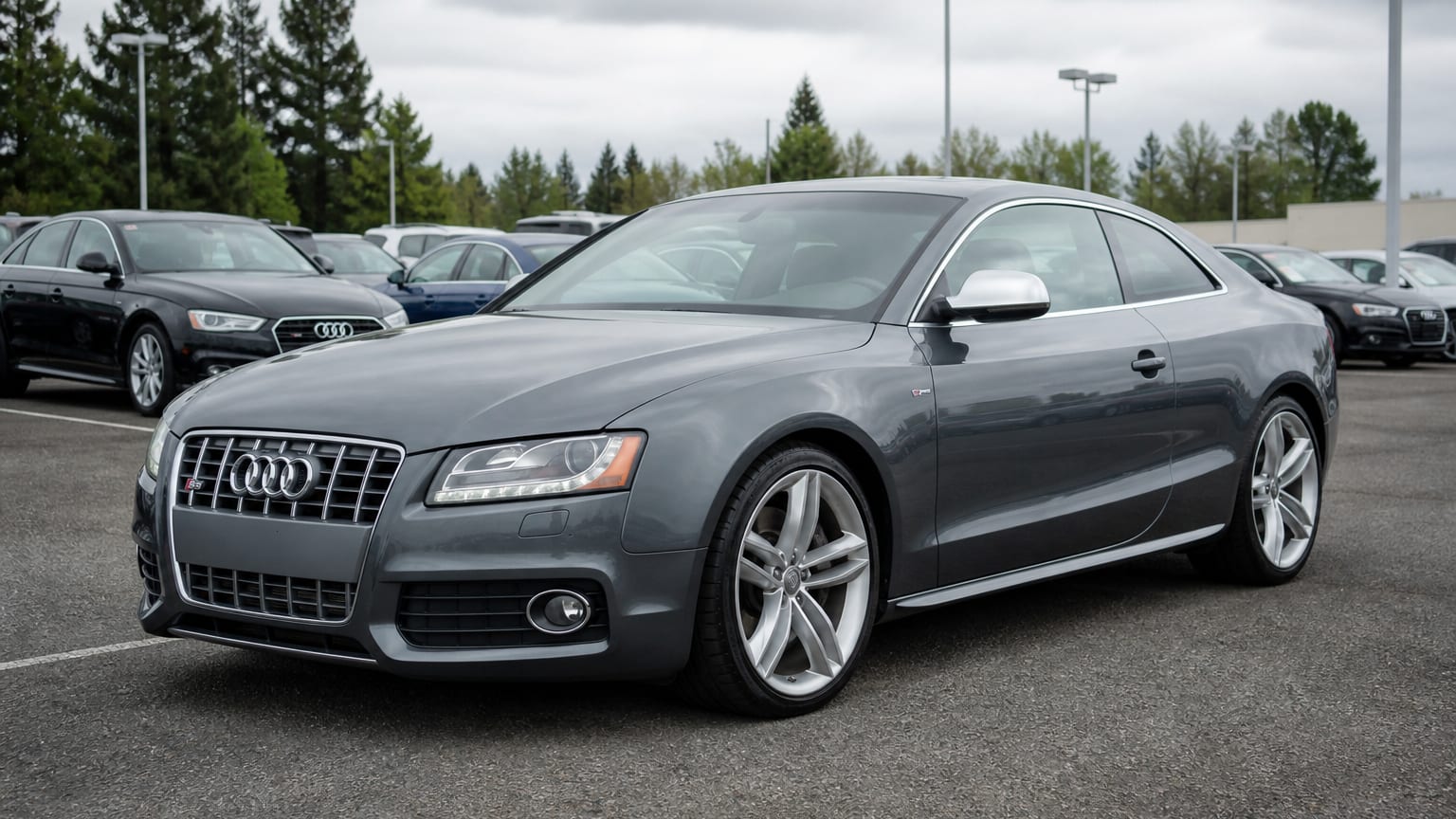
First-generation Audi S5 B8 (2008-2012)
The first-generation S5 launched in 2008 with a naturally aspirated 4.2-liter V8 engine producing 354 horsepower. Early models suffered from carbon buildup on intake valves, high-pressure fuel pump failures, and coolant leaks, and timing chain guides wore prematurely alongside common electrical issues. The worst three years of this generation, 2008-2010, combined all of these faults at higher frequencies and lower mileage. The 2011 and 2012 cars share the same architecture but show a lower complaint rate in available data.
B8.5 Audi S5 (2013-2015)
The original B8 chassis debuted in 2008 and Audi introduced the facelifted model, the B8.5, for the 2013 model year. The B8.5 carried over the 3.0 TFSI supercharged V6 with aesthetic and some mechanical updates, but the timing chain and cooling system issues from the B8 carried through. The class-action lawsuit covering timing chain tensioner failures includes model years up to 2015, and owners have reported the rattle on 2015 S5s at as little as 40,000 miles, triggering tensioner replacements under warranty.
The 2013-2015 years experience significant problems including turbo failures and cooling system leaks, making these among the least attractive used buys in the entire S5 lineup relative to the asking price.
B9 Audi S5 - 2018
The S5's redesign arrived in 2017 as a substantially improved car with a fresh body and updated technology that retained Audi's driving dynamics. The 2018 model, the second year of this new generation, is the one to avoid. The 2019 and later B9 cars settled into a much cleaner record.
What are the best Audi S5 years to buy?
The best Audi S5 years to buy are 2016, 2021, 2022, and 2023. The 2016 B8.5 models provide good value with the refined supercharged V6, as later first-generation years fixed many of the early problems. The 2022-2023 models had significantly fewer reported issues in NHTSA data.
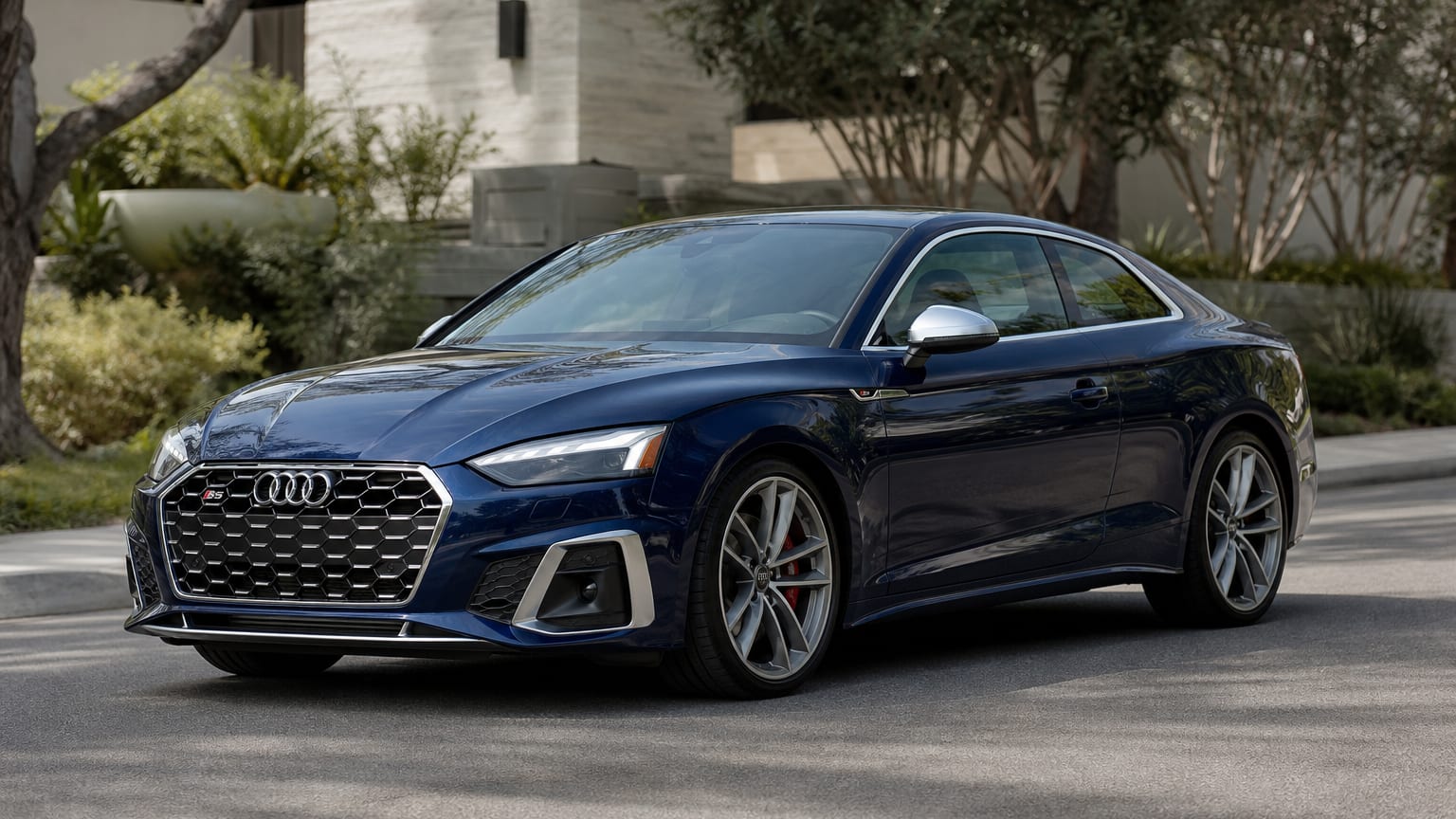
| Best Audi S5 Year | Why It's a Strong Buy |
|---|---|
| 2016 | Final B8.5 year; most early faults addressed, supercharged V6 refined |
| 2021 | B9 generation matured; low complaint count despite 5 recalls (mostly software) |
| 2022 | Only 2 known recalls; very low complaint volume in NHTSA data |
| 2023 | 1 known recall; cleanest recent-year record with enough time on road |
Most reliable Audi S5 years: 2016, 2021, 2022, 2023
2022 Audi S5
Within that context, the 2022 model year stands out: the 2022 Audi S5 has 2 known recalls, with the most common being a rearview image display issue, a software-level concern that dealers resolve at no charge. Our editorial guidelines and research standards require that verdicts like this one reflect the full complaint and recall record, not a single data point, which is why the 2022 earns a best-year designation despite the model's overall RepairPal ranking. Owner forums report far fewer mechanical complaints on these cars than on any B8 or B8.5 equivalent.
2016 Audi S5
The 2016 model is one of the safer picks in the B8.5 era. One forum owner who has owned a 2016 S5 since new reports no mechanical problems and calls it very reliable as long as it has a good maintenance record. At this point in the B8.5 production run, Audi had updated the timing chain tensioner and addressed the most serious early cooling system faults. It represents the best-value entry point into the first-generation S5.
2021 Audi S5
The 2021 Audi S5 has 5 known recalls, with the most common being a rear-view camera image display fault, plus a rear axle alignment issue related to a previous recall repair, both of which are non-mechanical, dealer-corrected at no cost. Mechanical complaint rates for this year are low, and the B9's 3.0 TFSI turbocharged V6 had matured significantly by this model year.
Audi S5 pre-purchase checklist
Before committing to any used Audi S5 purchase, run through these model-specific checks:
- Run the VIN through the NHTSA recall checker. The S5 carries airbag recalls across multiple years; confirm every open campaign is closed on the specific car you are considering.
- On 2008-2016 cars, check the intake valve service history. Ask for records showing walnut blasting has been done. If there is no record, budget $400-$700 and treat it as a near-term expense.
- On 2008-2015 cars, cold-start the engine and listen for timing chain rattle. A metallic chattering on start that fades within 30 seconds is the classic sign of a worn tensioner. Replacement costs $3,697-$5,246 per RepairPal, so walk away unless the price reflects it.
- Check the coolant level cold before starting the car. Coolant leaks from brittle plastic parts or aged rubber seals are common on the 3.0-liter V6, especially on earlier models.
- On 2018 cars, test-drive at highway speeds and listen for B&O speaker rattles. Check the engine mounts for excessive movement under acceleration; a loose mount produces a clunk during throttle tip-in.
- On 2010-2012 S5 Cabriolet models, confirm NHTSA recall 18V-082 (Takata-style frontal airbag inflator) is closed on your specific VIN before purchase.
- Request full service records and look for oil change intervals. Timing chain and turbocharger reliability depends heavily on oil quality and maintenance intervals, as inadequate lubrication leads to premature wear.
- Have an independent Audi-specialist mechanic scan for fault codes. Checking for Diagnostic Trouble Codes and testing all features before purchase is a standard recommendation from long-term S5 owners.
Better alternatives to consider
If the Audi S5 years in your budget land on the avoid list, consider these alternatives instead:
- Audi S4 - a close performance sibling with Quattro and a stronger overall reliability record on the supercharged 3.0T years
- Audi Q3 - if you need quattro AWD and want a model with a more accessible parts and service footprint
- Mercedes-Benz C300 Coupe - a direct price and segment competitor with a broader US dealer network for lower-cost routine maintenance
Is the Audi S5 worth buying?
Yes, the Audi S5 is worth buying as long as you stay clear of the 2008, 2009, 2010, 2013, 2014, 2015, and 2018 model years. The B9 generation cars from 2019 onward, and especially the 2021-2023 models, represent a meaningfully cleaner ownership experience. B9 generation models provide the best reliability with substantially fewer problems than earlier years. Target a well-maintained 2021 or 2022 car with service records, run the VIN through NHTSA's recall checker, verify that every open recall is resolved, and confirm the coolant and oil level before any test drive.