
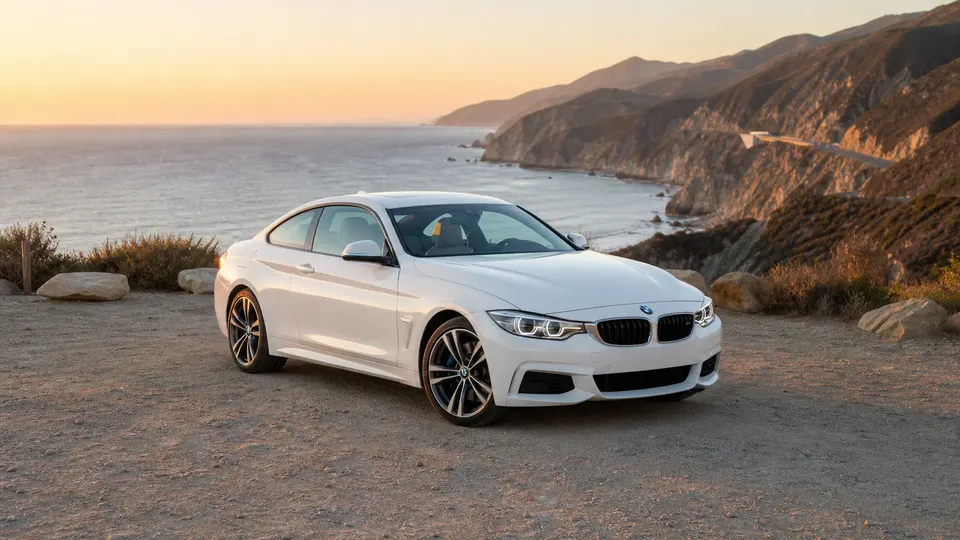
The BMW 4 Series is a well-regarded luxury coupe with a track record solid enough to recommend - but a handful of model years carry problems serious enough to change your calculus on a used purchase. Introduced in 2014 as a successor to the BMW 3 Series coupe, the 4 Series has come in coupe, convertible, and Gran Coupe body styles, and the right year makes a big difference in what you'll pay to keep it running. This guide ranks every model year using NHTSA complaint data, Consumer Reports reliability surveys, CarComplaints owner records, and owner forums so you can make a data-backed decision before you buy.
For generations, engines, and coupe/gran coupe notes in one place, see the BMW 4 Series hub.
At a glance
- Worst years
- 2014
- 2015
- 2021
- Best years
- 2016
- 2020
- 2022
- 2023
- Top failure
- 1st-gen N20 timing chain guide failure (2014-2015 428i/435i; CarComplaints/owner forums)
- Always do before buying
- Run the VIN through NHTSA's recall checker; on 2014-2016 cars, verify the fuel pump recall and water pump recall have been completed, and confirm the N20 timing chain has been inspected
Recalls by year
Gray bands mark years the model was not produced.
How we rated the best and worst BMW 4 Series years
The first generation (2014-2020) carries the most risk, with 2014 and 2015 drawing the heaviest documented fault records across timing chains, fuel pumps, and airbags, and 2021 carrying the highest NHTSA recall count in the second generation. Data was drawn from NHTSA recalls and complaints, IIHS crash results, Edmunds and Consumer Reports owner surveys, and owner forums including Reddit's r/BMW community.
CarComplaints ranks the worst model year by repair cost and mileage-at-failure (its PainRank system), while NHTSA shows raw complaint volume - the two measures often point to different years, and both are attributed separately throughout this guide.
Our years to avoid methodology applies both signals together rather than treating either one as definitive.
| BMW 4 Series Generation | Best BMW 4 Series Years | Worst BMW 4 Series Years |
|---|---|---|
| 1st gen F32/F33/F36 (2014-2020) | 2016, 2020 | 2014, 2015 |
| 2nd gen G22/G23/G26 (2021-present) | 2022, 2023 | 2021 |
Every BMW 4 Series model year ranked
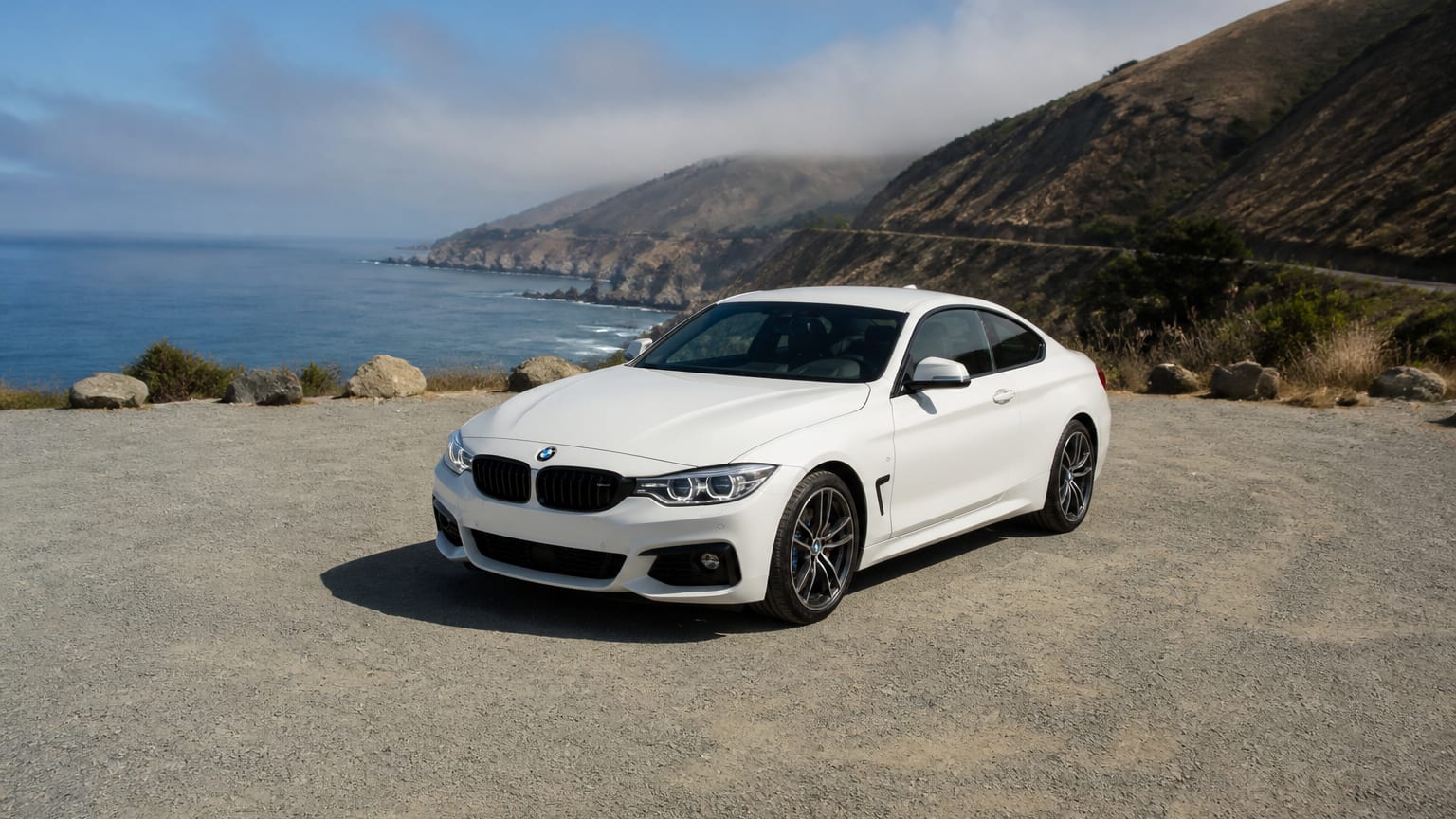
The 4 Series has only existed since 2014, so every model year is relevant to used-car shoppers today - here is the full picture in one place.
| Model Year | Generation | Verdict | Notes |
|---|---|---|---|
| 2014 | 1st gen (F32/F33/F36) | Avoid | Timing chain, fuel pump recall, airbag recall |
| 2015 | 1st gen (F32/F33/F36) | Avoid | 7 NHTSA recalls, timing chain, water pump recall |
| 2016 | 1st gen (F32/F33/F36) | Best | Low complaints, strong reliability ratings |
| 2017 | 1st gen (F32/F33/F36) | OK/Mixed | Airbag recall, engine teething on some examples |
| 2018 | 1st gen (F32/F33/F36) | OK/Mixed | Post-facelift, some electrical complaints noted |
| 2019 | 1st gen (F32/F33/F36) | OK/Mixed | Generally dependable, minor oil leak reports |
| 2020 | 1st gen (F32/F33/F36) | Best | Matured technology, low complaint volume |
| 2021 | 2nd gen (G22/G23/G26) | Avoid | 40 NHTSA recalls, high electrical complaint count |
| 2022 | 2nd gen (G22/G23/G26) | Best | Consumer Reports above-average reliability |
| 2023 | 2nd gen (G22/G23/G26) | Best | Minimal owner complaints, strong mechanical record |
| 2024 | 2nd gen (G22/G23/G26) | OK/Mixed | Good reliability score, 2 NHTSA recalls |
| 2025 | 2nd gen (G22/G23/G26) | OK/Mixed | Above-average Consumer Reports, 1 NHTSA recall |
Most common BMW 4 Series problems
The N20 timing chain guide failure is the single most-documented serious fault across the 4 Series's history, concentrated in the 2014-2015 model years and shared with the wider BMW N20-engined lineup. Beyond the chain, the model's recurring fault categories cover water pump failure, fuel pump stalling, airbag inflator safety recalls, and electrical system complaints.
1. N20 timing chain guide failure (2014-2015)
The guides installed on original N20s were prone to breaking, which introduced slack to the timing chain and prevented it from doing its job. The symptom is a rattling noise from the engine on cold start - if ignored, the slack chain can jump a tooth or snap, causing catastrophic engine damage requiring a full replacement.
BMW did not issue a formal recall but did create a Customer Care Program that extended the warranty for the timing chain assembly on affected vehicles to 7 years or 70,000 miles. The Technical Service Bulletin covering this program is cited in workshop documentation as TSB SIB 11 03 13, covering the N20/N26 engine timing chain and oil pump drive chain extended warranty. Most of these vehicles are now outside that extended coverage period.
The B48 engine, which replaced the N20, was designed with an improved timing chain system and does not suffer from this specific premature guide failure; the issue is isolated to the N20 and the related N26 SULEV engine. Repair quotes from owners range from $3,000 to over $7,000 depending on whether the engine sustained damage. N20 owners can contribute to the problem too - operating the engine on low oil or waiting too long between oil changes can cause friction that accelerates wear on the chain guide or tensioner. Before buying any 2014-2015 428i, ask specifically whether the timing chain and guide have been inspected or replaced and check NHTSA's complaint records for the 428i.
2. Water pump failure and cooling system leaks
Water pump failures occur in most generations, typically between 50,000 and 100,000 miles, and the thermostat is also a weak point. On first-generation cars, the electric water pump's connector is the specific culprit. A recall covered 2014-2016 228i, 428i, and 428i xDrive vehicles because an improperly sealed electrical connector on the water pump may be exposed to water and short circuit - NHTSA campaign 24V-608 affecting approximately 720,796 vehicles across the BMW lineup. Dealers inspect and replace the water pump and plug connector as necessary, and install a protective shield, free of charge.
Cooling system components made of plastic are prone to failure, especially the coolant expansion tank hose, and owners should check coolant levels regularly to prevent engine damage. A water pump failure that goes unaddressed typically results in engine overheating and, if severe enough, head gasket damage. Coolant leaks run in both 4 Series generations, so the more inspections the better on any used example.
3. Fuel pump stalling recall (2014-2015)
BMW recalled 2014 428i Coupe, 428i xDrive, 435i Coupe, and 435i Coupe vehicles because improper nickel plating of components within the fuel pump may result in the fuel pump failing, and if it does, the vehicle may stall without warning, increasing the risk of a crash. The 2014-2015 models were subject to this recall for faulty fuel pumps, and owners should verify the recall was completed.
This is a safety-critical item to check before purchasing any early-generation 4 Series. The repair is free at any BMW dealer once confirmed open, but many used examples on the market have changed hands without the work being done. Run the VIN through NHTSA's recall lookup to confirm status before signing anything.
4. Airbag inflator recall (2014-2015 and 2017)
A recall covered 2014-2015 4 Series Coupe (428i, 428i xDrive, 435i, 435i xDrive) vehicles because the head air bag inflator may fail at the weld joint, which can cause gas to leak from the inflator or result in an inflator rupture, and an inflator that ruptures may cause sharp metal fragments to enter or exit the vehicle, increasing the risk of injury.
Separately, a 2017 recall covered 430i and 440i among other models because the affected vehicles have seat-mounted side air bag inflator initiators that may fail to ignite during a crash. The 2014 4 Series also carries a Takata-type recall where the driver's air bag inflator may explode during deployment due to a manufacturing defect, and the driver's front air bag is replaced free of charge. These are not all the same campaign - verify each one by VIN.
5. Electrical system complaints (2021)
The 2021 BMW 4 Series has mixed reliability, with 40 recalls and 64 owner complaints on file; the most commonly reported problem areas are electrical system (16 complaints), unknown or other (7), and powertrain (4), with 3 fire-related complaints in the data. This is substantially higher than the 2022's 18 recalls and 36 complaints, and points to the second generation's first-year growing pains. The 2021 BMW 4 Series has several recalls mostly for software and electrical issues, and buyers should check for completed recalls.
The drivetrain malfunction warning that some 2021 owners reported on forums typically traces to software calibration issues addressed in later over-the-air or dealer updates - confirm the car's software is current before purchase.
6. VANOS solenoid and oil leak issues
VANOS solenoid failures can cause limp mode, rough idle, and reduced power, and the issue is more common in older models but can affect newer engines as well. The VANOS system controls variable valve timing, and when its solenoid clogs with old oil sludge the engine loses power abruptly at mid-range RPMs. Regular oil changes at BMW's specified interval (or shorter) are the best prevention.
The 2017 model year introduced new engines with some teething problems, and owners report oil leaks and coolant leaks on early examples. On older first-gen cars, valve cover gasket leaks are a frequent nuisance repair. Repairs for common issues like valve cover gasket leaks or water pump failures can range from a few hundred to over $1,000 depending on labor rates and whether additional components need replacement.
Checking a used BMW?
Scan for hidden fault codes from your phone in minutes — before you buy.
REREV may earn a commission if you sign up through this link. Learn more.
Which BMW 4 Series years should you avoid?
The BMW 4 Series years to avoid are 2014, 2015, and 2021. The 2014 BMW 4 Series is the least reliable, with frequent timing chain issues, oil leaks, and fuel pump failures, and several recalls were issued for these models. The 2015 BMW 4 Series has been recalled 7 times by NHTSA - the highest recall count of any first-generation year - while the 2021 leads the second generation with 40 recalls and 64 NHTSA complaints on record.
| BMW 4 Series Generation | Model Years | Verdict | Main Issues |
|---|---|---|---|
| 1st gen F32/F33/F36 | 2014-2020 | Worst: 2014, 2015 | Timing chain, fuel pump, water pump, airbag recalls |
| 2nd gen G22/G23/G26 | 2021-present | Worst: 2021 | Electrical system, 40 recalls, software issues |
Worst BMW 4 Series years: 2014, 2015, 2021
First-generation BMW 4 Series (2014-2020)
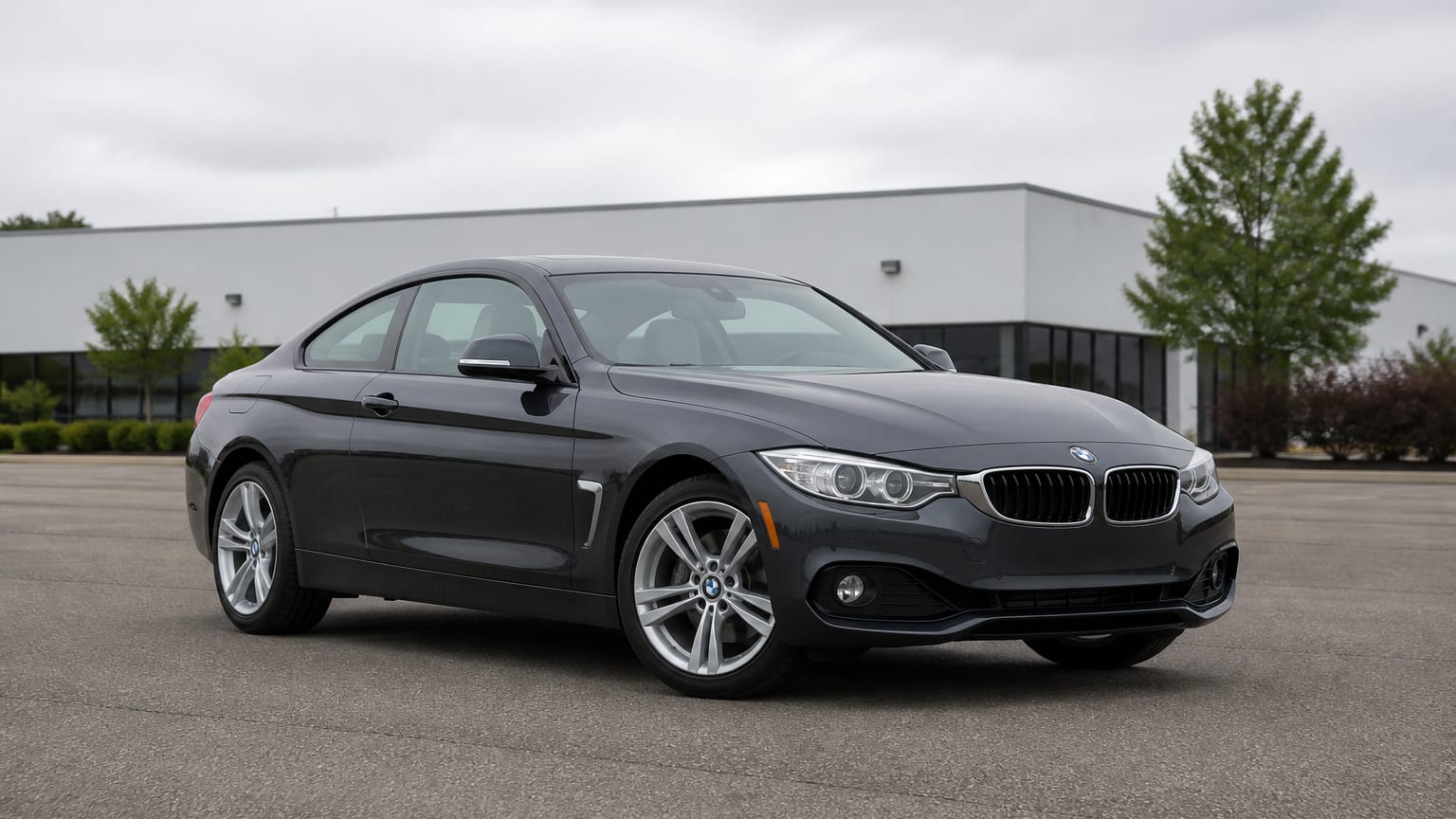
The first generation debuted in 2014, available in coupe, convertible, and Gran Coupe body styles, with turbocharged four- and six-cylinder options and an M4 variant featuring the high-performance S55 engine. The 2014 and 2015 model years are the ones to avoid. The 2015 model year shares many issues with the 2014, including timing chain failures and fuel pump recalls, with owners reporting frequent oil and coolant leaks.
The 2016 through 2020 years are considerably cleaner. The 2016 BMW 4 Series is praised for reliability, with few major mechanical problems, dependable engine and transmission, and high owner satisfaction. Check the NHTSA complaints page for the 2014 BMW 4 Series if you are considering an early example.
Second-generation BMW 4 Series (2021-present)
The second generation launched in 2021, featuring a controversial grille and updated interior tech. The 2021 has mixed reliability, with 40 recalls and 64 owner NHTSA complaints on file - the highest figures in the current generation. The 2022 BMW 4 Series has good reliability, with 18 recalls and 36 owner complaints on file - a meaningful drop from 2021.
By 2022 and 2023, the second generation had settled down considerably. Consumer Reports rates the 2022 4 Series as more reliable than other cars from the same model year. The 2021 BMW 4 Series NHTSA complaint page shows the electrical system as the dominant complaint category.
What are the best BMW 4 Series years to buy?
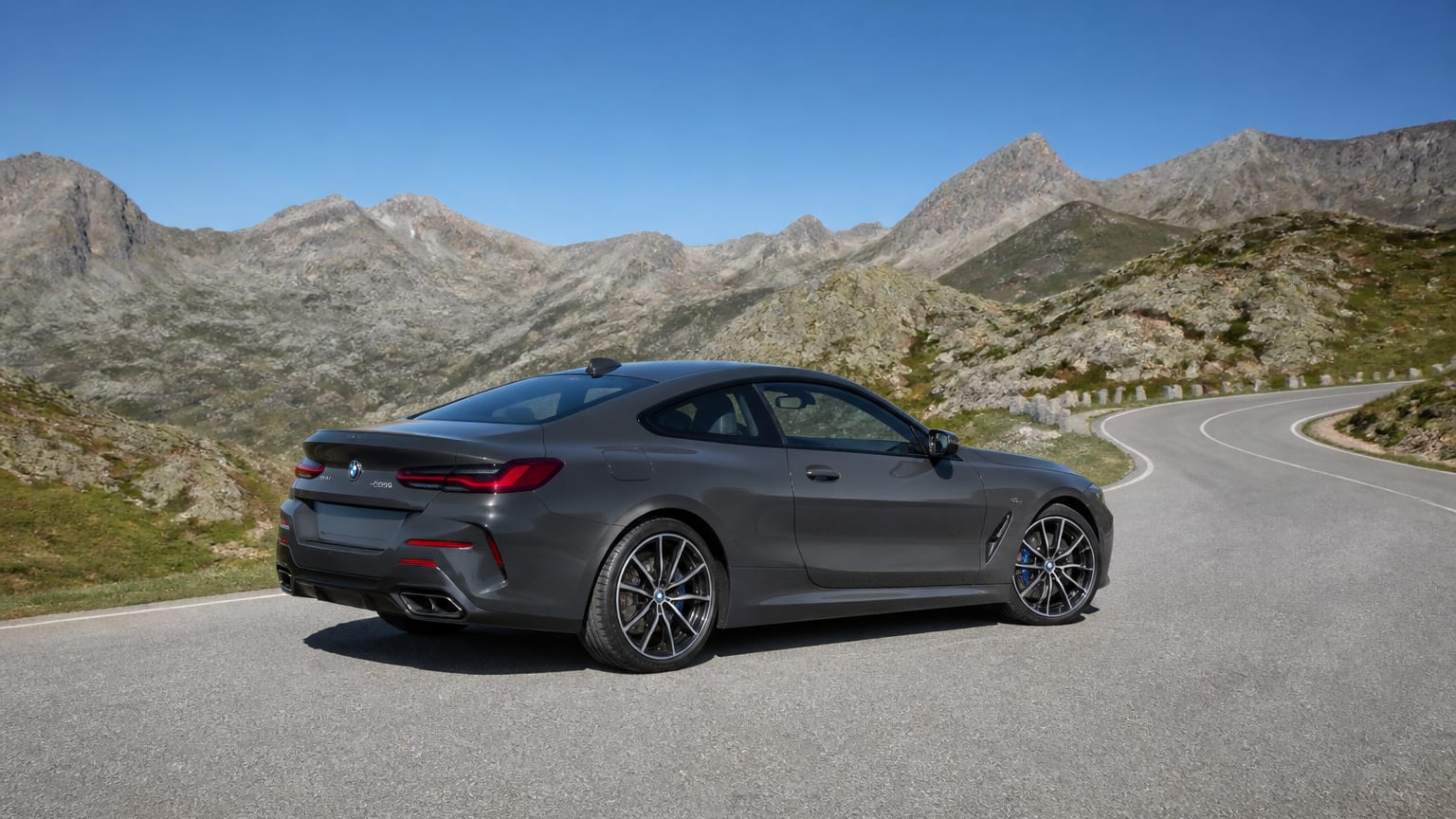
The best BMW 4 Series years to buy are 2016, 2020, 2022, and 2023. The 2024 4 Series is also more reliable than other cars from the same model year per Consumer Reports, making the entire 2022-onward window a solid target range for used buyers.
| Best BMW 4 Series Year | Why It's a Strong Buy |
|---|---|
| 2016 | Low complaint volume, praised reliability, dependable N20 replacement window passed |
| 2020 | Final first-gen year, matured tech, B48/B58 engines, few reported problems |
| 2022 | Consumer Reports above-average, 18 recalls vs 40 on 2021, good reliability score |
| 2023 | Minimal owner complaints, strong mechanical record, infotainment issues minor |
Most reliable BMW 4 Series years: 2016, 2020, 2022, 2023
2016 BMW 4 Series
The 2016 BMW 4 Series is praised for reliability, with few major mechanical problems, a dependable engine and transmission, and high owner satisfaction. It sits far enough past the N20's known timing chain window to be a safer pick, and the 2016 facelift brought minor refinements without introducing new failure modes. This is one of the safer picks in the first generation's used-market pool.
2022 BMW 4 Series
Consumer Reports rates the 2022 4 Series as more reliable than other cars from the same model year, and it has been recalled 5 times by NHTSA - significantly fewer than the 2021's 40 recalls. The 2022 model year is dependable, with improved build quality, fewer early-generation bugs, high mechanical strength, and strong reliability ratings. If your budget can stretch to a second-generation car, 2022 is the first year where the G22 platform had meaningfully worked out its initial kinks.
2023 BMW 4 Series
The 2023 model is the most reliable in the second generation, with few reported issues, strong mechanical performance, stable software and electronics, and minimal owner complaints. The 2023 BMW 4 Series has been recalled 3 times by NHTSA - the lowest recall count in the second generation after the 2024. Check the Consumer Reports 2023 BMW 4 Series reliability page for the full owner-reported trouble-spot breakdown.
BMW 4 Series submodel years to avoid
The BMW 4 Series was sold under four distinct badges across its two generations - 428i, 430i, 435i, and 440i - each with its own engine, model-year range, and fault profile. Here is what distinguishes each one.
BMW 428i years to avoid
The 428i ran from 2014 to 2016, powered by the turbocharged 2.0-liter N20 four-cylinder engine. That engine is the center of this submodel's story. The timing chain guide fault covered in full above is concentrated in N20-powered cars produced through early 2015, and every 428i sits inside that window. BMW issued a recall on N20s produced between 2011 and 2015, allowing owners to refit their cars with a redesigned timing chain guide.
The 2014 428i is also covered by the fuel pump recall (covering 2014 428i Coupe and 428i xDrive vehicles for improper nickel plating of fuel pump components) and by the water pump recall (NHTSA 24V-608, covering 2014-2016 428i). Because the 428i was only sold for three years - all of them inside the highest-risk window for the N20 - there is no clean year to pick within this badge. Before buying any 428i:
- Confirm timing chain inspection or replacement is documented
- Verify both the fuel pump and water pump recalls (check VIN at nhtsa.gov/recalls)
- Check for warranty extension TSB SIB 11 03 13 claim history
BMW 430i years to avoid
The 430i ran from 2017 onward, replacing the 428i with BMW's B48 turbocharged 2.0-liter four-cylinder. The B48 is a clean-sheet design and does not share the N20's timing chain guide fault - the B48 was designed with an improved timing chain system and does not suffer from this specific premature guide failure.
NHTSA data flags the 2018 and 2017 BMW 430i as the years to approach with more caution, with 140 NHTSA complaints across the 2017-2025 model range and engine problems as the most commonly reported category. Most BMW 430i years show comparable, moderate complaint volumes with no specific year standing out as dramatically worse than its siblings. The 2021-2022 430i sits inside the second-generation electrical recall cluster covered above, so verifying all open recalls is the key check for those years. The B48 engine in the 430i is generally regarded as reliable in the 2021-2024 model years, with minor oil consumption and occasional turbocharger whine as the most common owner complaints.
BMW 435i years to avoid
The 435i was offered from 2014 to 2016, powered by the turbocharged 3.0-liter N55 inline-six. The N55 is generally regarded as one of BMW's more durable modern engines and does not share the N20's timing chain guide problem - making the 435i mechanically preferable to its 428i sibling if you are buying from the first generation.
The 435i is still covered by the 2014 fuel pump recall and the Takata-adjacent head airbag recall noted earlier, so both should be verified on any example. RepairPal's complaint database lists the 2014, 2015, and 2016 as the most popular 435i model years in its records, though the absolute complaint count for the 435i is low enough that no single year stands out as a clear avoid. The buyer check that matters most here: confirm the airbag and fuel pump recalls are closed on the specific VIN, and inspect for the oil leaks from the valve cover gasket that the N55 can develop past 60,000 miles.
BMW 440i years to avoid
The 440i has been offered from 2017 onward, using the turbocharged 3.0-liter B58 inline-six. The B58 is widely considered one of the most capable and durable engines in BMW's current lineup. The B58 in the M440i has a more mixed reliability record, with early M440i vehicles reporting turbocharger failure, oil consumption exceeding 1 quart per 1,000 miles, and coolant leaks from the water pump. These issues are concentrated in early M440i production rather than standard 440i models.
For standard 440i buyers, the 2017 model carries the seat-mounted side airbag initiator recall that covered 2017 430i, 440i, 440i xDrive, and M4 vehicles - confirm it is closed. No 440i model year has accumulated a complaint volume severe enough to flag as a standalone avoid year on its own record; the 2021 440i's exposure comes from the second-generation electrical recall cluster that applies to the full G22 lineup, not to the 440i badge specifically.
BMW 4 Series pre-purchase checklist
Run through these checks before committing to any used BMW 4 Series purchase:
- Run the VIN through NHTSA's recall checker at nhtsa.gov/recalls - confirm every open recall is closed, especially the fuel pump, water pump, and airbag campaigns on 2014-2016 cars
- On 2014-2015 N20-powered cars (428i): ask for documented proof of timing chain inspection or replacement, and check whether TSB SIB 11 03 13 warranty claim was ever filed; most of these vehicles are now outside the 7-year/70,000-mile extended coverage period
- Check coolant level and condition: cooling system components made of plastic are prone to failure, especially the coolant expansion tank hose, and owners should check coolant levels regularly to prevent engine damage
- On 2021 models: verify all electrical-system and software recalls have been completed at a BMW dealer; the 2021 model has 40 NHTSA recalls on file, and many earlier-registered cars may not have all remedies applied
- Request full service records: confirm oil changes have been performed at or below BMW's recommended interval, particularly on N20-engined cars where waiting too long between oil changes can accelerate wear on the chain guide or tensioner
- On M4 / M440i models: check for a whining noise when accelerating that may indicate turbocharger wear, and ask about oil consumption history
- Inspect under the car for signs of oil or coolant pooling - early valve cover gasket leaks and cooling hose seeps are common and cheap to fix if caught early, but expensive if ignored
- Have an independent BMW specialist perform a pre-purchase inspection; dealer inspections on CPO cars do not always flag deferred timing chain or water pump work
Better alternatives to consider
If the BMW 4 Series years in your budget land on the avoid list, also see BMW 2 Series years to avoid and BMW 3 Series years to avoid, or consider these alternatives instead:
- Audi A5 — a direct compact luxury coupe rival; buyers should also review Audi A4 years to avoid since the platforms share many mechanical patterns
- BMW M240i — the hotter 2 Series sibling if you want more performance without jumping to a full M car
- BMW M4 — the full M coupe option if your budget and maintenance tolerance stretch that far
- Mercedes-Benz C-Class Coupe — comparable luxury coupe inventory on the W205 body (2015–2021); see which Mercedes class is the best if you want the broader Mercedes lane
Is the BMW 4 Series worth buying?
Yes, the BMW 4 Series is worth buying as long as you stay away from the 2014, 2015, and 2021 model years. Consumer Reports rates the 2024 4 Series as more reliable than other cars from the same model year, and the 2022-2023 window offers a second-generation car whose early growing pains are behind it. Most BMW 4 Series models can last over 120,000 miles with proper maintenance, though some may reach 200,000 miles under optimal conditions. You can read more about typical BMW longevity in this how long does a BMW last? breakdown. Run the VIN through NHTSA's recall checker and verify complete service and recall history before purchase - those two steps alone eliminate most of the risk on this model.
Every claim in this article meets our editorial guidelines, which require source attribution and fact-checking for all reliability data we publish.