

There’s nothing sweeter for a car enthusiast than revving a car near the redline to enjoy the beautiful engine roar, especially in high-capacity petrol cars with a nice exhaust note. However, even if you find this action to be a simple one, you might not know the true answer to the question - how to rev a car?
Of course, it all depends on the type of transmission, but there are a few other factors that you should consider as well. It’s not often the safest thing to do for your engine, so our team will lead you through revving your car appropriately and safely. We’ll also discuss how far you should go with the revs, and whether you should expect any consequences for revving too high!
What does it mean to rev a car?
Revving your car means getting the engine to a high revolution per minute (RPM) range, usually while being stationary. You just press on the gas pedal to watch the revs jump, and the engine sound gets louder and louder from the exhaust.
The more you step on the gas pedal, the louder the engine noise will be. By revving up, you’ll get the oil flow properly going, and you might even prepare the engine for the drive in case of a cold start. The revs heat the engine and get the temperature to the optimal level.
What’s more, you might even be able to boost charging the battery after a jumpstart. Still, engine revving is mostly done for fun, and it’s a great way of testing the sound and the power of the car. That being said, there are some things to have in mind before you even think of revving up the engine.
First, there are vital differences in how you can rev a car based on the transmission type. On the other hand, you need to ensure that frequent high revs don’t harm the engine and its components, or cause the engine temperature to build up too high.
Do you rev a car in neutral or park?
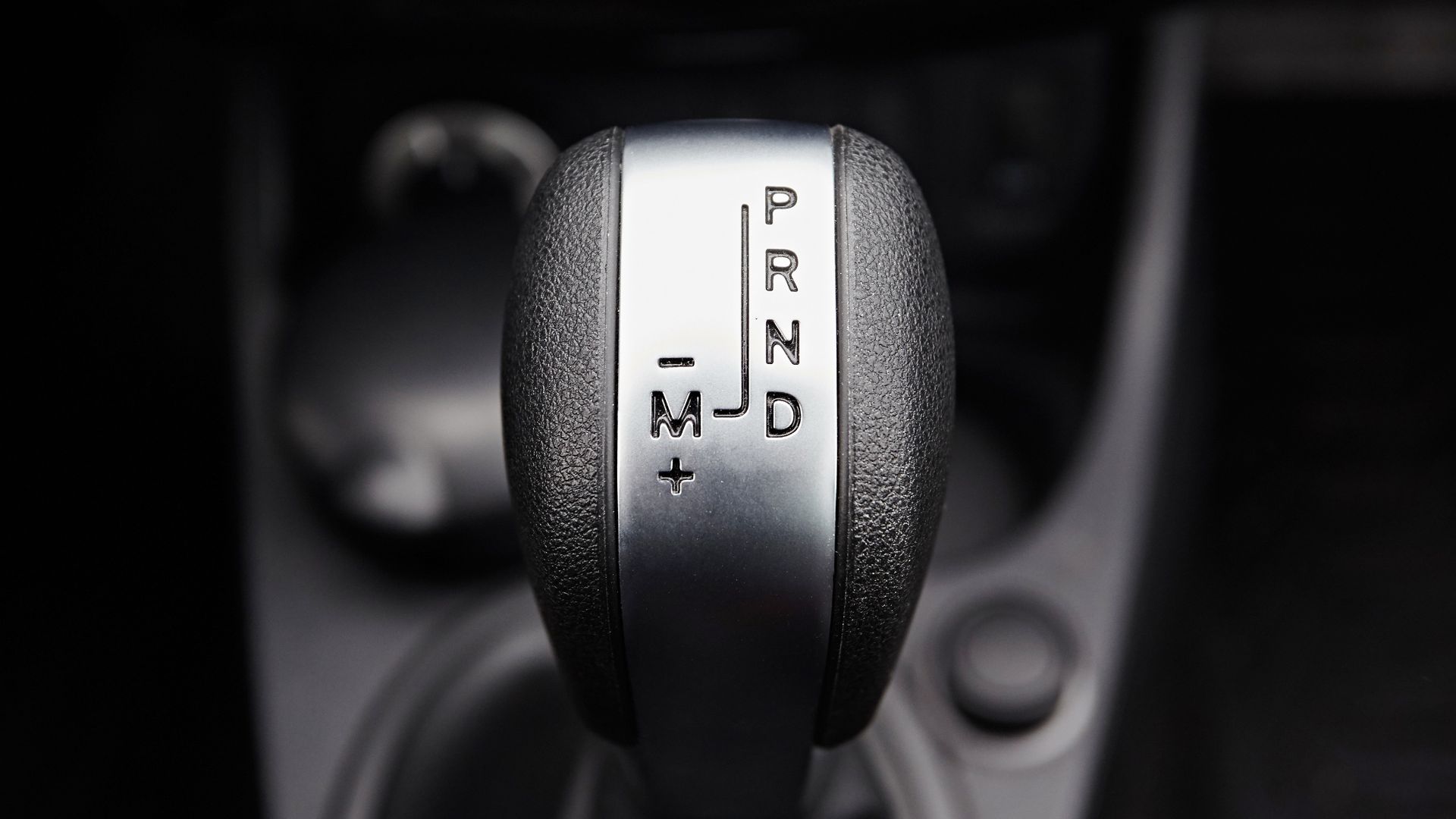
You can rev a car in both neutral and park for vehicles with automatic transmission. If you wish to rev the car in neutral, make sure that you use a parking brake, since the car might roll up or down depending on the surface where you are parked.
It has nothing to do with the revs since there’s no connection between the engine and the drivetrain, but if the surface is uneven, you might start to move slightly. On the other hand, if you wish to rev the car in park mode, there’s no need to hold the parking brake up. Even so, revving the car too much in park mode could lead to some damage done to the differentials, so it’s safer to rev it in neutral for automatic cars.
Is it safe to rev a car?
Revving the car engine isn’t the safest thing to do since it might cause some wear and temperature buildup. This could harm the engine if it didn’t reach its operational temperature. Still, that’s only the case if you rev the engine too close to the redline frequently.
If you only rev it up to 4000 revs per minute and don’t repeat the process for too long, you shouldn’t damage the engine. Because of this, most modern automatic cars won’t even let you rev beyond that 4000 RPM limit while stationary. So, as long as you are doing it right, you shouldn’t be worried about your engine components.