
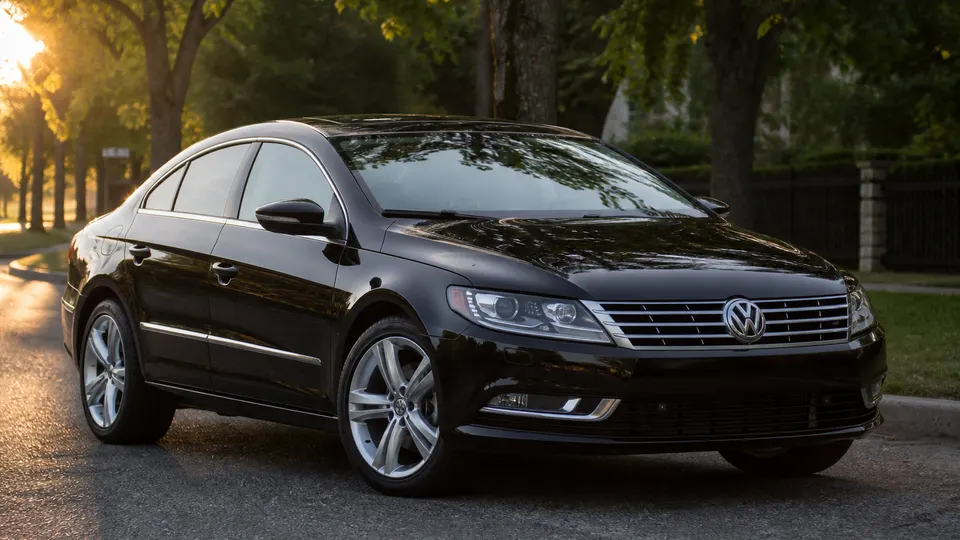
The Volkswagen CC is a sharp, well-engineered four-door coupe that delivers genuine European style at an accessible used-car price, but a handful of model years carry serious engine and safety problems you'll want to sidestep. CarComplaints rates the 2012 Volkswagen CC as the single worst model year, even though the 2010 has the most overall complaints, because the 2012 ranks higher on repair cost and problems appearing at lower mileage. This guide pulls data from NHTSA, CarComplaints, and RepairPal to give you a clear, year-by-year picture of which CCs to avoid and which to seek out.
At a glance
- Worst years
- 2009
- 2010
- 2011
- 2012
- 2013
- Best years
- 2016
- 2017
- Top failure
- EA888 timing chain/tensioner failure, 2009-2012 CCs (CarComplaints PainRank, class-action warranty extension)
- Always do before buying
- run the VIN through NHTSA's recall checker to confirm every open recall is closed, plus check the timing chain noise on 2009-2012 cars and confirm whether the warranty extension has been claimed
Recalls by year
Gray bands mark years the model was not produced.
How we rated the best and worst Volkswagen CC years
The first-generation 2009-2013 CCs are the years to avoid, driven primarily by timing chain failures, engine stalling, and Takata airbag recalls. Ratings are drawn from NHTSA complaint and recall data, CarComplaints PainRank scores, RepairPal annual cost data, and owner-reported problems. CarComplaints ranks the worst year by repair cost and the mileage at which problems first appear (its PainRank metric), while NHTSA shows raw complaint volume by year. The two sources do not always agree on the same "worst" year, so both are attributed separately throughout this guide.
Our years to avoid methodology weights repair cost and mileage-at-failure more heavily than raw complaint volume, which is why the 2012 and 2010 can rank differently depending on the metric used.
| Volkswagen CC Generation | Best Volkswagen CC Years | Worst Volkswagen CC Years |
|---|---|---|
| 1st Gen (2009-2017) | 2016, 2017 | 2009, 2010, 2011, 2012, 2013 |
Every Volkswagen CC model year ranked
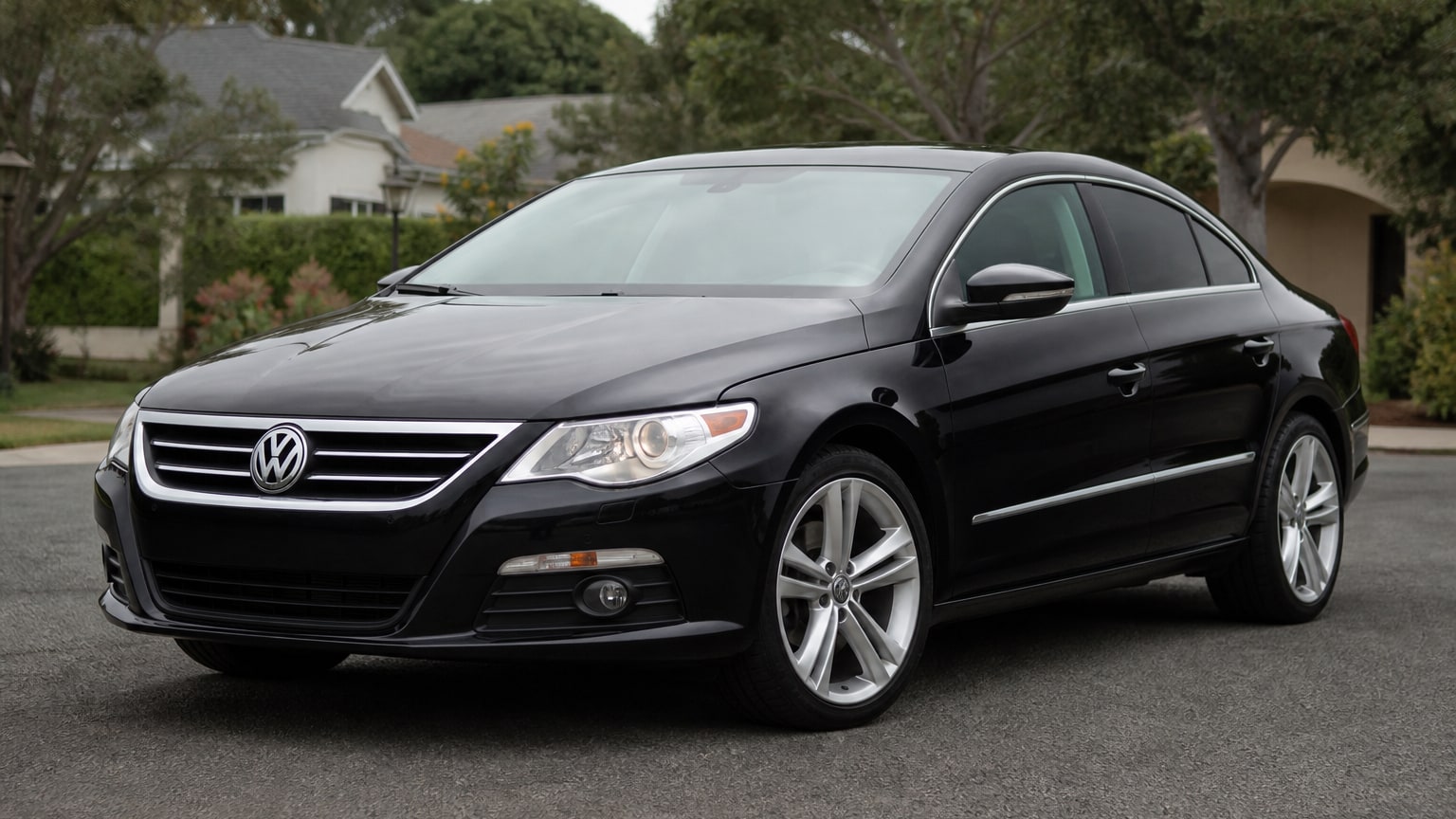
During November 2016, Volkswagen announced the Arteon would replace the CC, meaning the CC ran a single generation from 2009 through 2017 with no long nameplate gap. Every model year is ranked below.
| Model Year | Generation | Verdict | Notes |
|---|---|---|---|
| 2009 | 1st Gen | Avoid | Engine stalling, fuel pump, 4 recalls |
| 2010 | 1st Gen | Avoid | Highest complaint volume on CarComplaints; engine, transmission |
| 2011 | 1st Gen | Avoid | DSG faults, airbag recall, 4 recalls |
| 2012 | 1st Gen | Avoid | CarComplaints worst year; timing chain, 6 recalls |
| 2013 | 1st Gen | Avoid | Engine/cooling failures, high complaint count |
| 2014 | 1st Gen | OK/Mixed | Fewer complaints; lingering airbag recall |
| 2015 | 1st Gen | OK/Mixed | Carbon build-up, airbag ECU recall |
| 2016 | 1st Gen | Best | Lowest complaint count, refined model |
| 2017 | 1st Gen | Best | Final year, most safety tech, fewest RepairPal issues |
Most common Volkswagen CC problems
Volkswagen's EA888 engine family, found in the CC, carries a documented issue with timing chain stretch and tensioner failure that affected a significant number of VW owners, particularly in earlier production years of the 2.0T TSI and 1.8T TSI variants. The sections below cover the top recurring failures, ordered most serious first.
1. Timing chain and tensioner failure (EA888 engine)
The EA888 engine has issues with the tensioners and guides in the timing chain system, and a loose timing chain can catastrophically destroy an engine. The symptom starts as a cold-start rattle from the front of the engine, but if left unaddressed the chain can skip a tooth on the sprocket, causing valve-to-piston contact in this interference engine.
The issue focuses on 2008-2013 VW models equipped with the 2-liter TSI EA888 engine, and repairs can cost upwards of $11,000. VW owners have reported timing chain issues as early as 20,000 miles on the odometer. A full replacement requires removing the engine to access the chain and guides from the rear.
Volkswagen issued warranty extension bulletin VWP-18-07, dated August 27, 2018, covering the Timing Chain/Timing Chain Tensioner. For applicable settlement-class vehicles, the new vehicle limited warranty is extended to cover repair or replacement of a failed timing chain and/or timing chain tensioner for a period of 10 years or 100,000 miles, whichever occurs first, from the vehicle's original in-service date. The warranty extension applies to 2009-2012 CC models, among other VW vehicles. If you are buying a 2009-2012 CC, ask the seller whether warranty extension VWP-18-07 has been claimed, because any car past the 10-year/100,000-mile term has no coverage left and a repair bill can easily exceed the car's market value.
2. Takata driver airbag inflator recall
Volkswagen recalled certain 2009-2014 Volkswagen CC vehicles over the driver's frontal air bag inflator, which, upon deployment, may experience excessive internal pressure causing the inflator to explode. In the event of a crash necessitating deployment, the inflator could explode with metal fragments striking the vehicle occupants, potentially resulting in serious injury or death.
NHTSA campaign 18V-148 (manufacturer recall number 69Q9) covers 2009-2014 Volkswagen CC vehicles among others, with a potential 363,713 units affected. Volkswagen will notify owners, and dealers will replace the driver's frontal air bag inflator with an alternative inflator, free of charge. Additionally, 2015-2017 Volkswagen CC sedans were also included in a separate Takata airbag recall covering driver-side front airbag inflators.
Before buying any CC from any model year, run the VIN through NHTSA's recall checker to confirm this safety-critical recall has been completed.
3. Ignition coil failure and engine misfires
VW ignition coils often fail, causing the engine to suddenly lose power, shaking, or hesitation. The EA888 2.0-liter engine also has a history of tensioner problems. The check engine light flashes when the engine misfires (codes P0302 and P0304 are common on the CC), and continued driving in that state can damage the catalytic converter.
According to RepairPal, carbon build-up within the intake system is the most frequently reported engine problem for the Volkswagen CC, and this issue accounts for 2 of the top 5 most common problems in RepairPal's data, affecting all CC model years except 2017. RepairPal estimates the average cost for a Volkswagen CC ignition coil replacement at between $108 and $163, with labor between $49 and $72 and parts between $59 and $92.
4. DSG dual-clutch transmission issues
Starting with the 2010 model year, Volkswagen swapped the traditional 6-speed automatic for its 6-speed dual-clutch DSG unit. The DSG can develop shuddering at low speeds and erratic gear changes, particularly when the fluid is never changed. Symptoms include lurching at parking-lot speeds and a hesitation when pulling away from a stop.
If you are buying a CC equipped with the DSG dual-clutch automatic, make sure there is evidence in the service history that the gearbox has been serviced every 40,000 miles; if it has not, there could be potentially expensive issues in the future. An unserviced DSG can cause transmission fluid pooling under a parked car, which is often the first visible sign of seal wear. RepairPal estimates the average cost for a Volkswagen CC transmission fluid change at between $146 and $174.
5. Fuel pump failure and engine stalling
The NHTSA issued a recall on the 2012 model for a fuel pump problem that impacted CC vehicles across multiple model years, all except the 2017. Owners described the engine bogging down and dying after extended driving, particularly at low speeds or when coming to a stop, which creates a significant safety risk.
One fuel pump recall impacted about 281,000 vehicles in the 2016 model year alone. Given the breadth of this recall, confirming VIN-specific recall status before purchase is a critical step for any year of CC.
6. Water pump failure (EA888)
A VW water pump class action settlement was reached for Volkswagen and Audi vehicles equipped with the 2-liter EA888 TSI or TFSI turbocharged four-cylinder multi-valve engines with codes CCTA, CAEB, CAED, and CBFA. The class action was filed over the primary engine water pump driven off one of the balance shafts. When the thermoplastic pump housing cracks, coolant loss follows quickly and the engine can overheat with little warning. Signs of an impending water pump failure on the EA888 include a sweet smell from the engine bay, a rising temperature gauge, or coolant weeping from the front of the block.
Checking a used Volkswagen?
Scan for hidden fault codes from your phone in minutes — before you buy.
REREV may earn a commission if you sign up through this link. Learn more.
Which Volkswagen CC years should you avoid?
The Volkswagen CC years to avoid are 2009, 2010, 2011, 2012, and 2013. CarComplaints rates the 2012 as the single worst year by repair cost and mileage-at-failure (its PainRank metric), while the 2010 Volkswagen CC carries the highest raw complaint count on CarComplaints with 387 reported problems and defects. Those are two separate measures from the same source, not the same ranking.
| Volkswagen CC Generation | Model Years | Verdict | Main Issues |
|---|---|---|---|
| 1st Gen (2009-2013) | 2009, 2010, 2011, 2012, 2013 | Worst | Timing chain, Takata airbag, fuel pump, DSG, engine stalls |
| 1st Gen (2014-2015) | 2014, 2015 | Mixed | Lingering airbag recall, carbon build-up |
| 1st Gen (2016-2017) | 2016, 2017 | Best | Lowest complaints, most safety tech |
Worst Volkswagen CC years: 2009, 2010, 2011, 2012, 2013
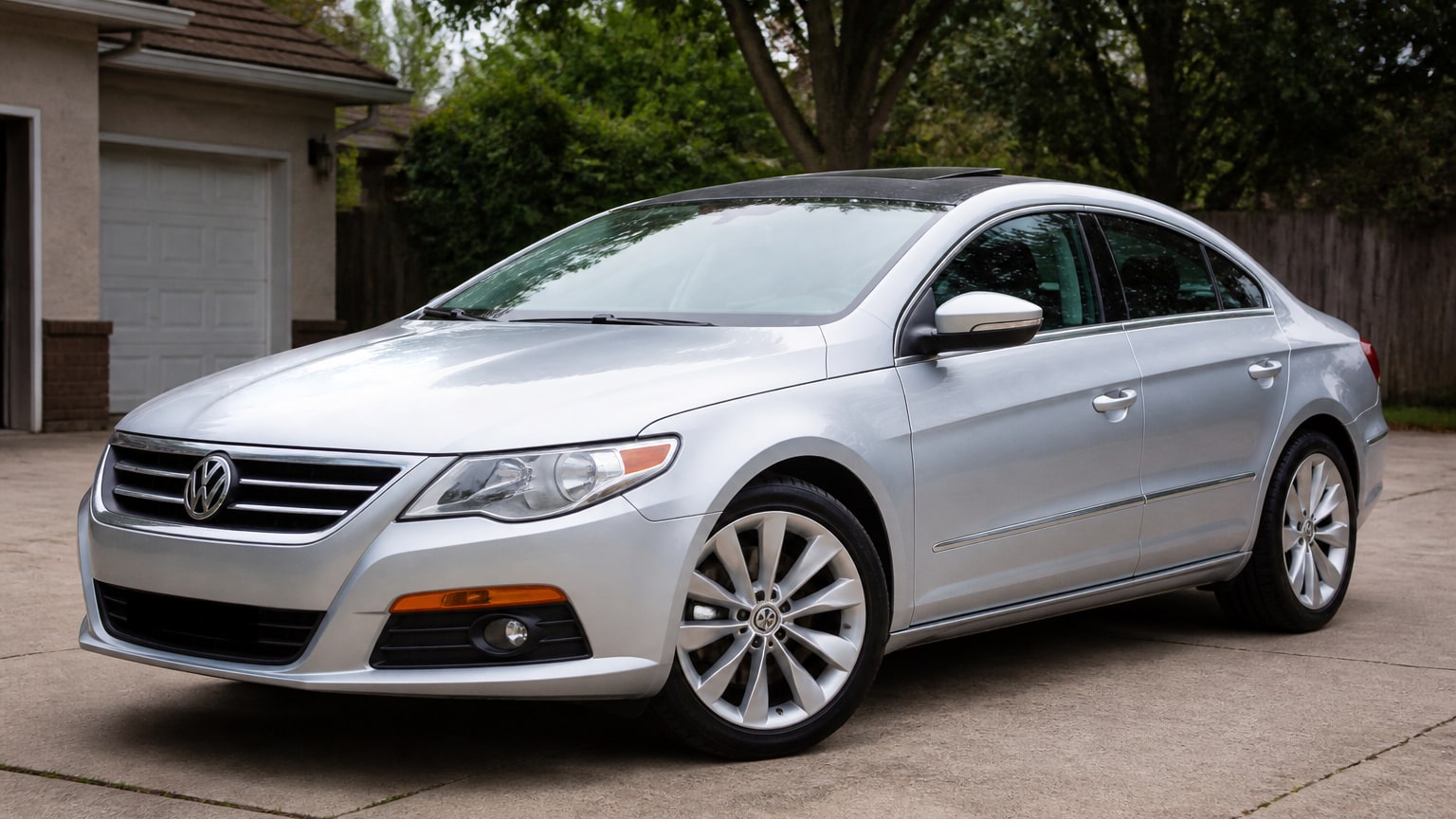
First-generation Volkswagen CC (2009-2013)
The 2013 Volkswagen CC has 210 problems and defects reported by CC owners, with the worst complaints in engine, cooling system, and electrical categories. That makes it the third-highest complaint year on CarComplaints after the 2010 (387) and 2012 (384).
The 2012 CC's most glaring issue revolves around severe engine failure, with an average repair cost of around $6,100 and problems typically arising at an average mileage of approximately 87,100 miles. The root cause traces back to the timing chain.
CarComplaints documented 216 complaints and four recalls for the 2009 Volkswagen CC. The 2011 Volkswagen CC has been recalled 4 times by NHTSA. All five years share the Takata airbag inflator recall (NHTSA 18V-148) as a common thread. Check the NHTSA complaint data for the 2012 CC for full recall and complaint detail on the worst single year.
What are the best Volkswagen CC years to buy?
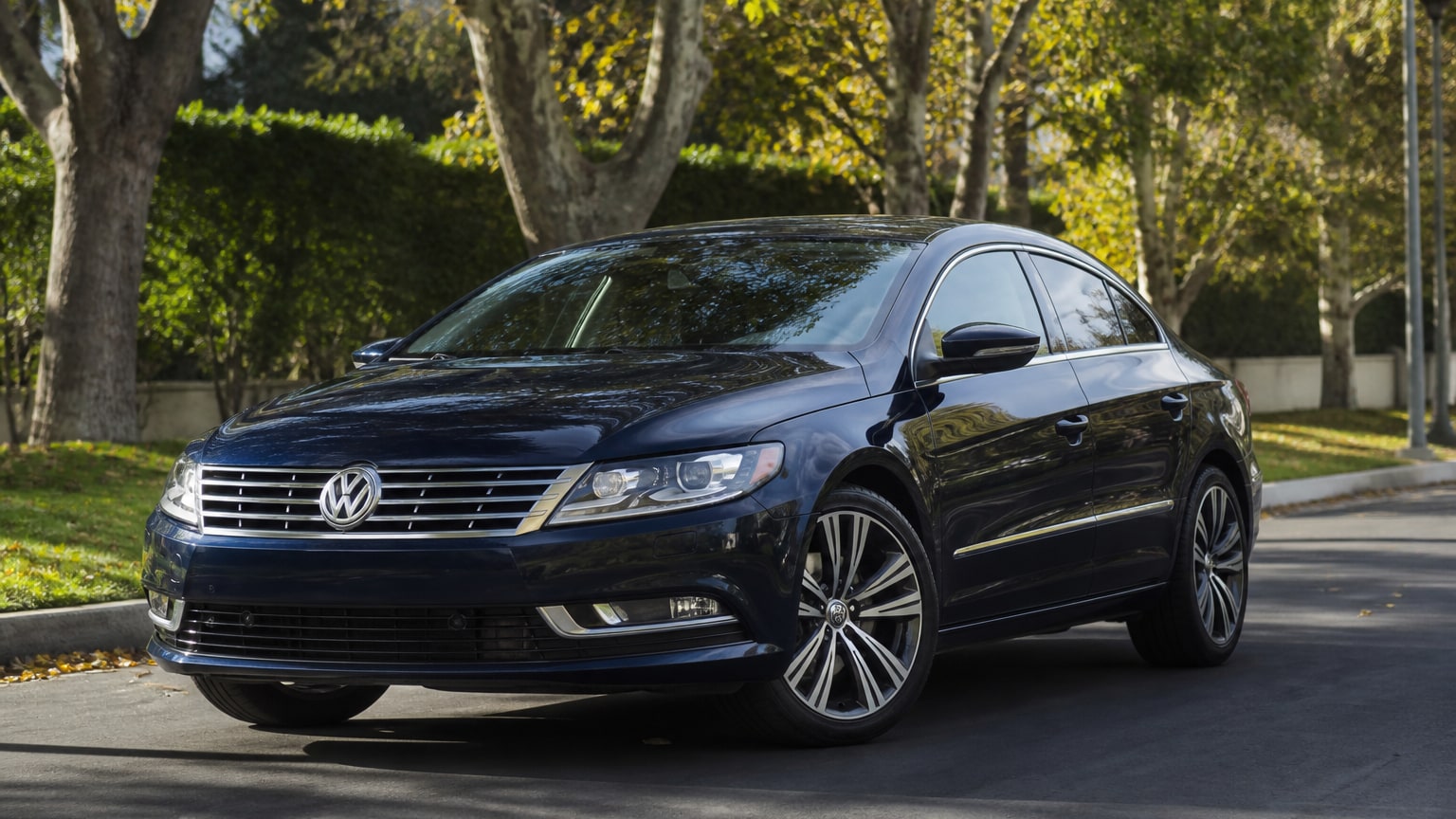
The best Volkswagen CC model years are 2016 and 2017, with both being the cleanest picks. RepairPal records only 4 problems for the 2016 CC and just 3 for the 2017 CC, compared to 23 for the 2010.
| Best Volkswagen CC Year | Why It's a Strong Buy |
|---|---|
| 2016 | Only 4 RepairPal-reported problems; timing chain era behind it |
| 2017 | Fewest RepairPal problems (3); most driver-assist tech standard |
Most reliable Volkswagen CC years: 2016, 2017
2017 Volkswagen CC
The 2017 CC marks the last model ever manufactured and, in comparison to its predecessors, is equipped with standard features including adaptive cruise control, forward collision warning, automatic emergency braking, and lane departure warning for the R-Line Executive trim. Both Sport and R-Line Executive trims are fitted with a turbocharged 2-liter 4-cylinder engine producing 200 horsepower and 207 pound-feet of torque.
Of the 3 recalls for the 2017 CC, an issue with rupturing driver airbag inflators was the most significant, affecting 119,000 vehicles - so confirm VIN-specific recall completion even on the best year. RepairPal gave the Volkswagen CC an overall reliability score of 2.5 out of 5 across the full model run, though specific model years earned better scores, with the 2017 model earning a 74/100 quality and reliability score from J.D. Power.
2016 Volkswagen CC
The 2016 CC has only 4 reported problems on RepairPal, a sharp drop from the 15 recorded for 2013. The 2009-2012 timing chain era is well behind this car, and the DSG had been refined through several service updates by this point. It carries the same turbocharged 2.0T engine as the 2017 but at a slightly lower used-car price, making it one of the better value picks in the CC lineup.
Volkswagen CC pre-purchase checklist
Before handing over money for a used Volkswagen CC, run through these model-specific checks:
- Run the VIN through NHTSA's recall checker: every open recall, especially the Takata driver airbag inflator (NHTSA 18V-148), must be confirmed closed before you buy.
- On 2009-2012 CCs, ask about warranty extension VWP-18-07: this Volkswagen bulletin covers timing chain and tensioner failure for 10 years or 100,000 miles from the original in-service date. If the term has expired and the chain has not been replaced, budget for a potential repair of up to $11,000.
- Cold-start the engine and listen: a rattling or ticking noise from the front of the engine on startup, especially on 2009-2012 cars, points to a stretched timing chain and must be fully diagnosed before purchase.
- Verify DSG service history on any 2010-2017 car: if buying a CC with the DSG dual-clutch automatic, confirm the gearbox has been serviced every 40,000 miles. Ask for receipts.
- Check for carbon build-up symptoms: RepairPal identifies carbon build-up within the intake system as the most frequently reported engine problem for the Volkswagen CC. A rough idle or hesitation at light throttle on a direct-injection 2.0T is a common sign.
- Confirm the fuel pump recall is resolved: a fuel pump recall affected CC models from 2009 through 2016. VIN-level confirmation is the only reliable way to check.
- Inspect the suspension and tire wear: complaints refer to abnormal tire wear, with many owners describing the problem as a defect in the car. Uneven wear across the fronts on a test-drive car warrants a full alignment check.
- Request full service records: the EA888 engine requires the manufacturer-specified oil grade; skipped oil changes accelerate timing chain tensioner wear and will void any remaining warranty extension coverage.
Better alternatives to consider
If the Volkswagen CC years in your budget land on the avoid list, consider these alternatives instead:
- Volkswagen Arteon - the CC's spiritual successor with a similar fastback design and a shorter, more recent model run
- VW Jetta - shares the EA888 platform but has a longer production run and a wider used-car supply, making it easier to find a later, cleaner year
- Audi A4 (B8/B9) - a closely related platform to the CC with a broader parts network and stronger long-term owner-reported reliability on the post-2013 cars
- Honda Accord (2013-2017) - a consistently top-ranked midsize sedan with a simpler drivetrain, lower annual repair costs, and a strong reliability record across its model years
- Mazda6 (2014-2018) - another sharp-styled four-door with a lower average annual repair cost and fewer engine-related complaints in NHTSA data
Is the Volkswagen CC worth buying?
The Volkswagen CC is worth buying, as long as you stick to 2016 or 2017 and clear any open recalls on the VIN. The final-year 2017 R-Line Executive trim comes standard with adaptive cruise control, forward collision warning, automatic emergency braking, and lane departure warning, giving it a safety-tech package that holds up well against older rivals. RepairPal puts the annual maintenance cost of a Volkswagen CC at $880, so budget accordingly and price in one DSG fluid service if records are missing. Our editorial guidelines require that complaint data, repair costs, and recall figures all be sourced from official databases rather than aggregated third-party estimates, which is why every cost figure in this guide is drawn directly from RepairPal, NHTSA, or CarComplaints. Run the VIN through NHTSA's recall database and ask for a full service history before signing anything.