
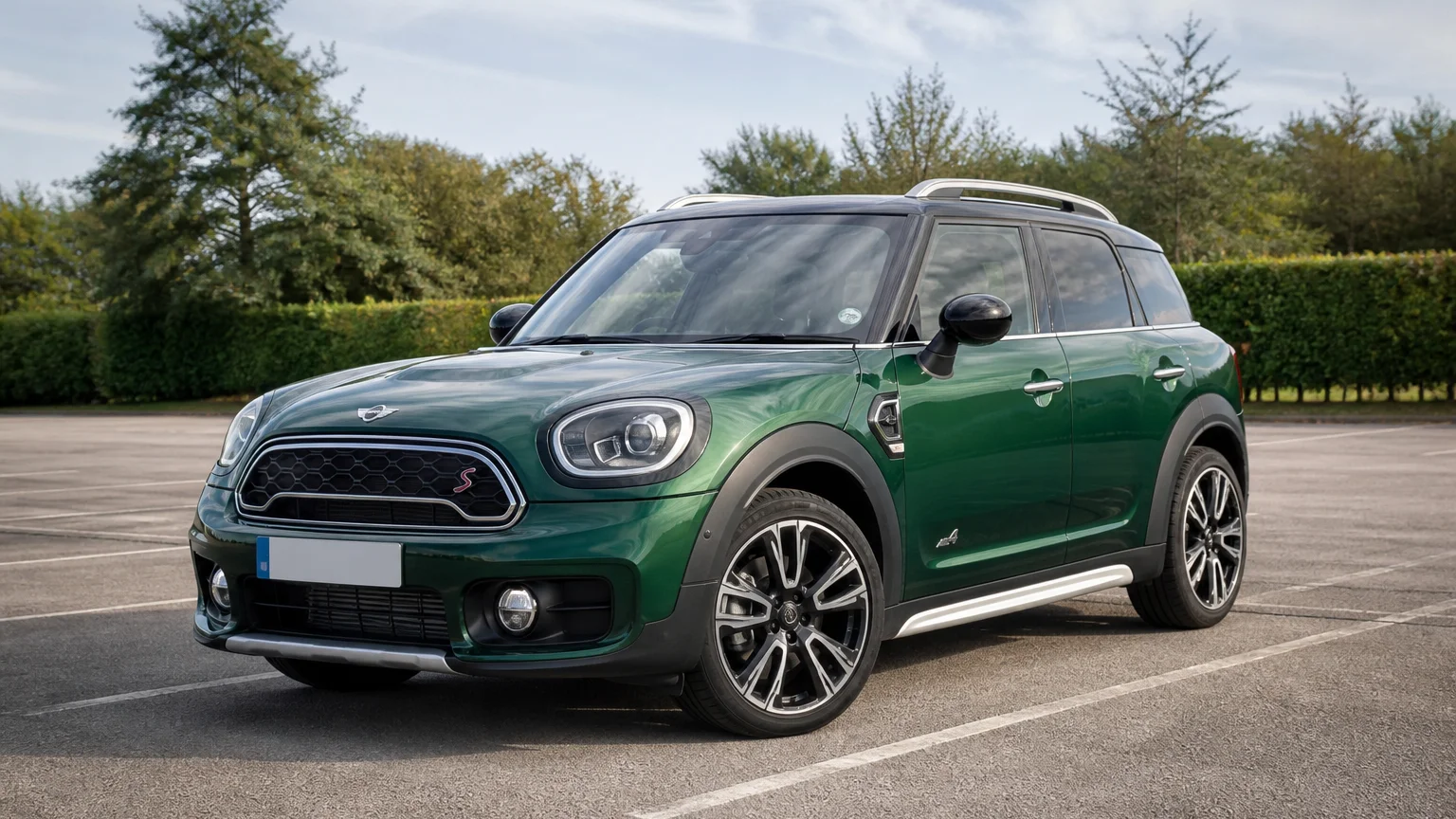
The Mini Countryman is a characterful, well-rounded small crossover with a strong second-generation reliability record, but a handful of first-generation model years carry serious, documented problems that can cost you thousands in unplanned repairs. Knowing which years to target and which to skip makes the difference between a fun daily driver and a money pit. This guide ranks every model year using data from NHTSA complaint filings, CarComplaints, and RepairPal reliability ratings so you can shop with confidence.
For generations, engines, and ownership notes in one place, see the Mini Countryman hub.
Related guides appear in the Mini years to avoid directory.
At a glance
- Worst years
- 2011
- 2012
- 2013
- Best years
- 2016
- 2019
- 2020
- 2021
- Top failure
- 1st-gen timing chain/guide wear and electric auxiliary water pump failure (N18 engine, 2011-2016, CarComplaints & NHTSA)
- Always do before buying
- Run the VIN through NHTSA's recall checker, plus check the auxiliary water pump recall status on any 2011-2012 Cooper S Countryman and listen for a cold-start rattle that signals timing chain wear
How we rated the best and worst Mini Countryman years
The first generation is the clear trouble zone: CarComplaints rates the 2014 as the worst model year by PainRank - meaning higher repair cost and problems appearing at lower mileage - even though the 2012 carries the highest raw complaint count on that site. That is the key distinction this guide preserves throughout: CarComplaints ranks by repair cost and mileage-at-failure (its PainRank score), while NHTSA tracks raw complaint volume filed by owners - the two metrics point to different years, and both are shown here.
Data sources used include NHTSA complaints and recalls, CarComplaints PainRank, RepairPal repair-cost and reliability ratings, J.D. Power scores, and owner reports from the North American Motoring forum.
Our years-to-avoid methodology weights confirmed failure rates, recall severity, and repair cost - not just complaint volume alone.
| Mini Countryman Generation | Best Mini Countryman Years | Worst Mini Countryman Years |
|---|---|---|
| 1st Gen R60 (2011-2016) | 2016 | 2011, 2012, 2013 |
| 2nd Gen F60 (2017-2023) | 2019, 2020, 2021 | None |
| 3rd Gen U25 (2024 - present) | None | None |
Every Mini Countryman model year ranked
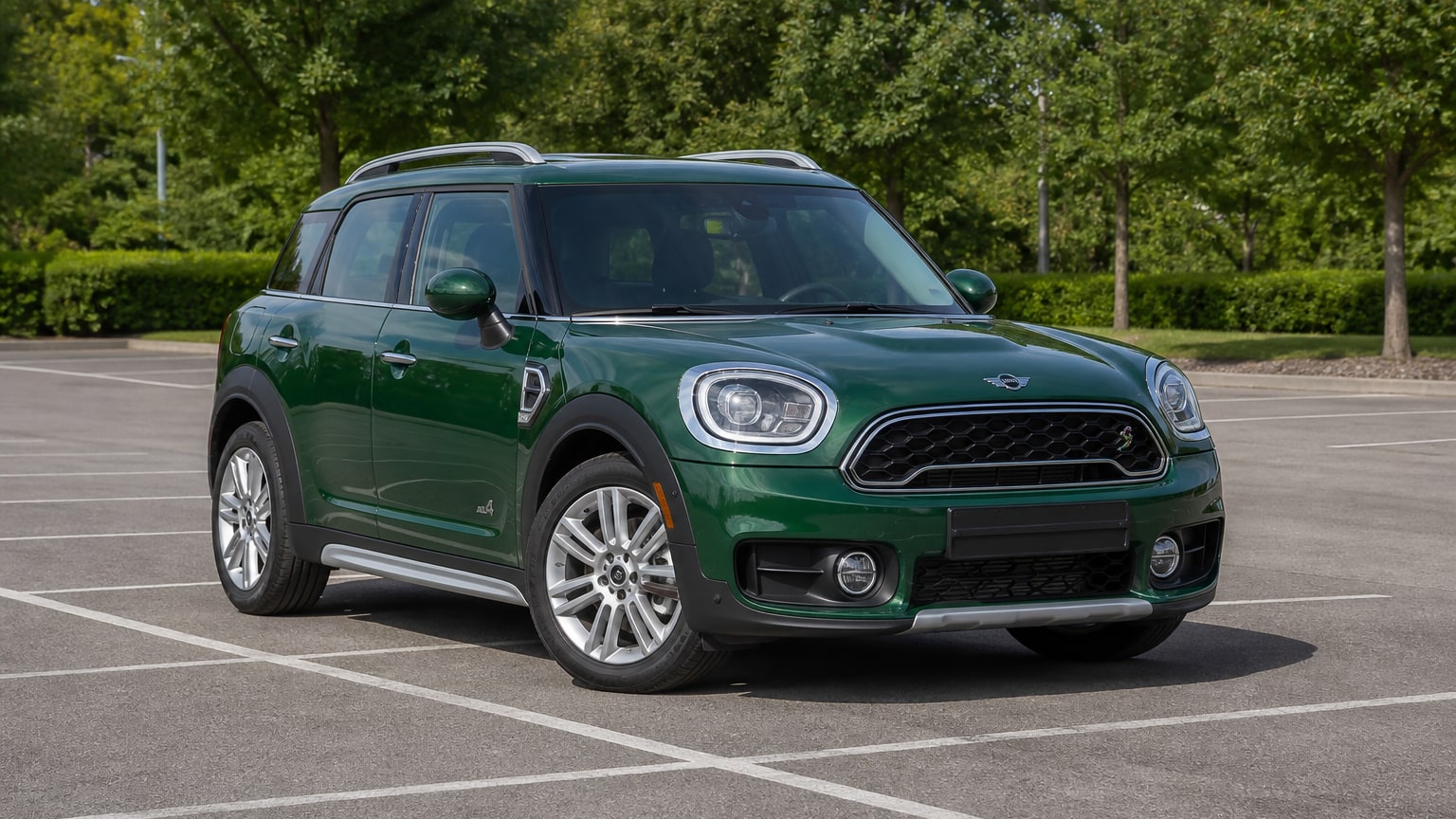
The 2012 Mini Countryman carries the highest NHTSA complaint volume of any model year, while 2019-2021 represent the cleanest used buys in the lineup.
| Model Year | Generation | Verdict | Notes |
|---|---|---|---|
| 2011 | 1st Gen R60 | Avoid | 40 CarComplaints complaints; engine failure, electrical issues; debut-year woes |
| 2012 | 1st Gen R60 | Avoid | 87 CarComplaints / 94 NHTSA complaints; highest volume; timing chain, water pump recall |
| 2013 | 1st Gen R60 | Avoid | 41 CarComplaints / 38 NHTSA complaints; engine, exhaust, electrical faults |
| 2014 | 1st Gen R60 | OK/Mixed | 5 CarComplaints complaints; CarComplaints PainRank worst for repair cost/mileage; low volume |
| 2015 | 1st Gen R60 | OK/Mixed | 0 CarComplaints complaints; 23 NHTSA complaints; engine/electrical/transmission noted |
| 2016 | 1st Gen R60 | Best | Final R60 year; complaint counts fell sharply; medium major-repair risk at high mileage |
| 2017 | 2nd Gen F60 | OK/Mixed | Redesign year; only 5 NHTSA complaints documented; solid start |
| 2018 | 2nd Gen F60 | OK/Mixed | 13 CarComplaints complaints; minor issues; new-generation settling |
| 2019 | 2nd Gen F60 | Best | Low single-digit NHTSA complaints; second-gen maturity |
| 2020 | 2nd Gen F60 | Best | JCW boosted to 301 hp; low complaint rate; facelift year |
| 2021 | 2nd Gen F60 | Best | Styling refresh; single-digit NHTSA complaints; 2021+ models cleanest used buys |
| 2022 | 2nd Gen F60 | OK/Mixed | Boardwalk Edition; complaint rate remains low; solid value |
| 2023 | 2nd Gen F60 | OK/Mixed | Untamed Edition; end of base Cooper model; insufficient data for firm verdict |
Most common Mini Countryman problems
The single biggest recurring failure on the Mini Countryman is timing chain and guide wear on first-generation N18 engines, a problem that can escalate to full engine replacement if ignored. Below are the five most-documented failure categories, ranked most serious first.
1. Timing chain and guide failure (N18 engine, 2011-2016)
Many first-generation Mini Countryman owners have had to deal with timing chain problems. Early models used plastic timing chain guides that wore out and broke apart easily. When a guide fails, it can shed debris into the engine oil and destroy the chain, leading to catastrophic engine failure. The classic warning is a metallic rattling noise on cold starts that fades as the engine warms - often called the "death rattle" - which owners should never ignore. A metal shavings in oil finding at any oil change is a strong sign the chain guides are already compromised.
In 2008, BMW released a Technical Service Bulletin (TSB) regarding premature timing chain wear and failure, but it did not issue a recall or provide compensation for those who had such issues. A follow-up Service Action 61 ran in 2010-2011 and targeted specific VIN ranges for timing chain measurement. Owners were not universally notified under NHTSA recall rules, and no U.S. safety recall was filed, because the issue was framed as a durability and wear concern, not a crash hazard - a distinction that kept it outside mandatory recall territory. After issuing a TSB in 2008, BMW refused to compensate owners for engine repairs until it agreed to settle a lawsuit in 2015. No confirmed TSB number for the Countryman-specific campaign was surfaced in NHTSA records; treat any chain-related repair on a 2011-2015 car as your financial responsibility unless a dealer confirms goodwill coverage.
Dealers charge upwards of $1,000 for timing chain replacement and up to $10,000 for an engine replacement. Problems tend to surface between 60,000 and 80,000 miles. Before buying any 2011-2015 Countryman, insist on a cold-start listen for chain rattle and ask for documentation that the timing set has been replaced.
2. Electric auxiliary water pump failure and fire risk (2011-2012 Cooper S Countryman)
Affected 2011-2012 Cooper S Countryman vehicles contain engine control unit-driven electric auxiliary water pumps that may overheat within high-temperature environments. Specifically, the circuit boards installed in these components are prone to heat due to a critical design flaw, and pumps using these boards might overheat to the point of smoldering, which increases the likelihood of an engine fire.
BMW found that even the amended pumps installed after the original 2012 recall campaign were failure-prone. The automaker reviewed production records across BMW, Mini, and Rolls Royce and, on April 11, 2018, initiated another voluntary safety recall, directing dealers to replace the electric auxiliary water pumps free of charge. The NHTSA campaign number for the 2018 action is 18V-248. Owner complaints on CarComplaints confirm the 2012 Countryman S was among the affected vehicles under recall 18V-248.
Before buying a 2011 or 2012 Cooper S Countryman, verify that recall 18V-248 has been completed on that specific VIN via NHTSA's recall checker. A water pump failure that goes unnoticed on a turbo engine can cause both overheating and fire - two outcomes that justify the extra VIN check.
3. Engine failure and turbocharger problems (2011-2013)
The first-generation Mini Countryman's N18 1.6-liter turbocharged engine had many reports of early turbo failures. The most common symptom is the turbo wastegate not fully closing, resulting in reduced boost and power loss. Diverter valves also fail fairly often, and one owner reported paying $5,700 at a dealer to replace a failing turbo on a 2012 Countryman with under 80,000 miles.
The 2012 Mini Cooper Countryman alone has 87 problems and defects reported by owners on CarComplaints, with engine listed as the worst complaint category. J.D. Power scored the 2012 Mini Cooper Countryman 2 out of 5 for reliability, a notably low figure. Engine-related symptoms of rod knock on these high-mileage N18 cars often indicate that timing chain debris has already reached the bottom end.
Repair costs for a turbo replacement run roughly $1,000 - $2,000 in parts alone, with full dealer labor pushing the bill higher. Any 2011-2013 Countryman with over 70,000 miles and no documented turbo or timing chain service history deserves a pre-purchase inspection by an independent Mini specialist before you commit.
4. Electrical system faults (2011-2016)
A common thread in 2011 NHTSA complaints is powertrain-related power loss and steering wheel seizure. The model was also prone to electrical issues, including a non-functional panoramic sunroof, faulty windshield wipers, and failed sensors. On the 2012, a footwell module short caused by sunroof drain clogs was a recurring theme, sometimes triggering the NHTSA electrical system campaign 23V-337.
NHTSA data for the 2013 shows electrical faults as the most common complaint category, with 8 complaints, and the average mileage at failure running around 83,772 miles for electrical issues. Electrical repairs on these cars are labor-intensive; a whining noise when accelerating that accompanies warning lights is often the first sign of alternator or wiring stress.
The Countryman's electrical issues plague all generations, though earlier 2011-2016 variants suffer more severely and can lead to expensive repairs. Check all powered windows, the sunroof drain condition, and every warning light cluster during any test drive.
5. Transmission and clutch wear (2011-2016)
The 2013 Mini Cooper Countryman has 41 problems reported on CarComplaints, with engine, exhaust system, and clutch among the worst complaint categories. Numerous Countryman models are susceptible to transmission issues, with common symptoms including abnormal noises, delayed shifting, excessive vibrations, and acceleration jumps.
RepairPal lists the Mini Cooper Countryman clutch master cylinder replacement at $711 - $976 and oil pump replacement at $1,499 - $1,858. Cars equipped with the manual gearbox tend to show clutch wear early when driven hard, and the automatic unit can exhibit jerky, hesitant shifts as mileage climbs past 80,000 miles. Dark or burnt-smelling transmission fluid spotted under a parked car is an early warning - fluid pooling under a parked car after a test drive warrants a closer look before you sign anything.
Checking a used Mini?
Scan for hidden fault codes from your phone in minutes — before you buy.
REREV may earn a commission if you sign up through this link. Learn more.
Which Mini Countryman years should you avoid
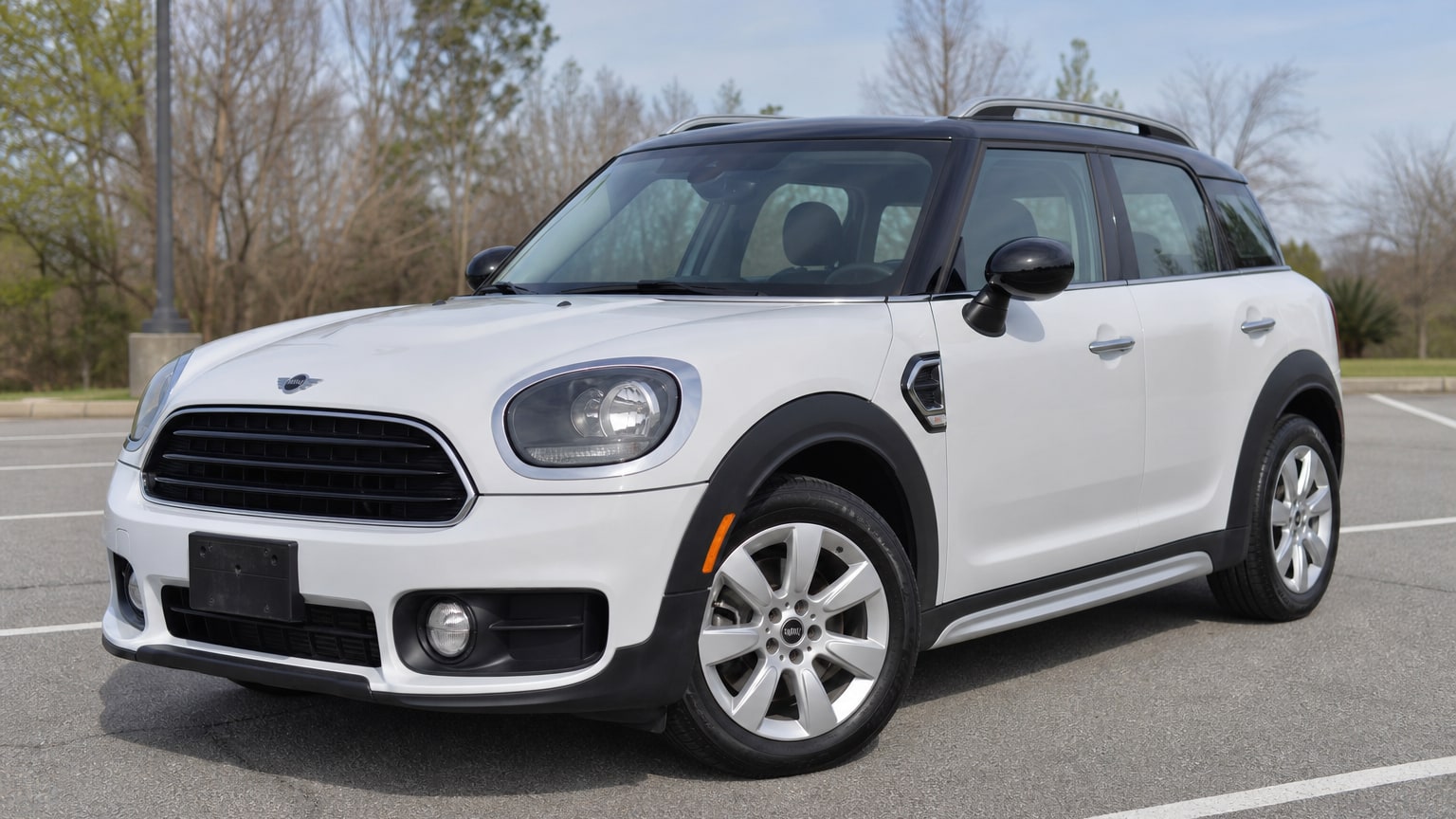
The Mini Countryman years to avoid are 2011, 2012, and 2013. The 2012 has the most overall complaints on CarComplaints, while CarComplaints PainRank rates the 2014 as the worst year by repair cost and mileage-at-failure - a meaningful distinction. On NHTSA's raw complaint volume scale, the 2012 Countryman has 94 total NHTSA complaints on record, the highest of any model year researched.
| Mini Countryman Generation | Model Years | Verdict | Main Issues |
|---|---|---|---|
| 1st Gen R60 | 2011, 2012, 2013 | Worst | Timing chain failure, water pump fire risk, turbo failure, electrical faults |
| 1st Gen R60 (late) | 2014, 2015, 2016 | Mixed | Lower complaint volume; some transmission/electrical; higher mileage risk |
| 2nd Gen F60 | 2017, 2018, 2019, 2020, 2021, 2022, 2023 | Best/Mixed | Low complaint rates; redesigned platform; minor teething on 2017-2018 |
First-generation Mini Countryman (2011-2013)
The 2011 model is a definite avoid due to its numerous engine failure issues, fires, and hazardous defects, with 40 reported CarComplaints complaints and no recalls on record. The 2011 was the model's debut year, and the combination of an unproven N18 engine, plastic timing chain guides, and the auxiliary water pump defect created a perfect storm of early failures for buyers who kept the car past 60,000 miles.
The 2012 Cooper Countryman has 87 problems and defects reported by owners on CarComplaints, making it the highest-volume complaint year on that platform. NHTSA complaint data confirms 94 complaints - the peak for the model. Engine fires, overheating, and electrical shorts all appear in the 2012 record, and the auxiliary water pump fire-risk recall (18V-248) applies directly to this year's Cooper S models.
The 2013 has 41 CarComplaints complaints, with engine, exhaust, and clutch among the worst categories. The 2013 model also reported issues with sunroof explosions, engine stuttering, clutch failure, and a faulty emissions system. If your budget lands on a 2013, a full pre-purchase inspection is non-negotiable.
What are the best Mini Countryman years to buy
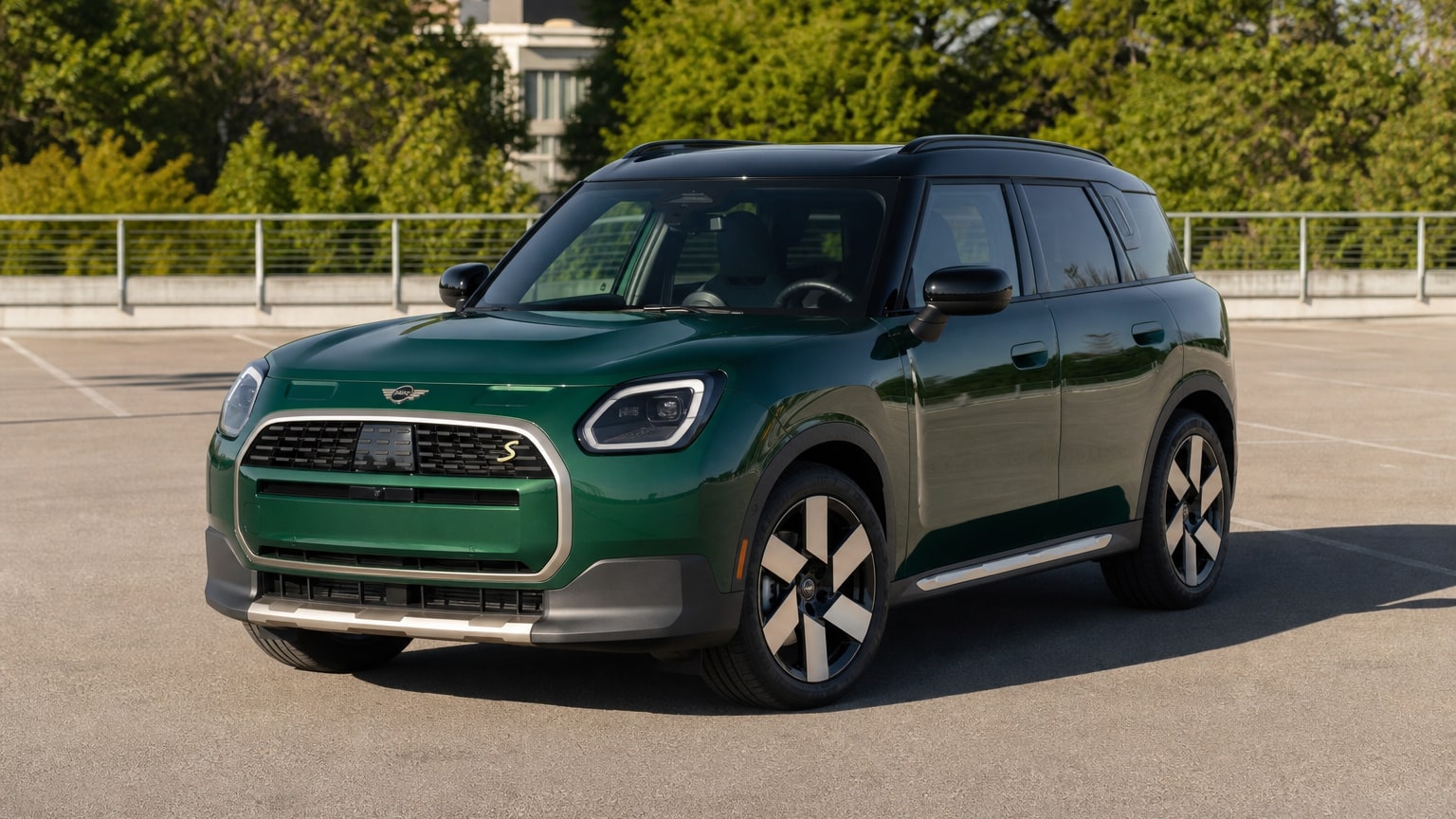
The best Mini Countryman years to buy are 2016, 2019, 2020, and 2021. The second-generation Countryman, introduced in 2017, is a fully redesigned model with advanced technology and a reliable track record, with only five complaints documented by NHTSA in 2017 alone.
| Best Mini Countryman Year | Why It's a Strong Buy |
|---|---|
| 2016 | Final R60 year; complaint counts fell sharply from 2011-2013 peaks; good value |
| 2019 | Mature F60 generation; low single-digit NHTSA complaints; smartphone integration standard |
| 2020 | JCW boosted to 301 hp; facelift refinements; very low complaint rate |
| 2021 | Styling refresh; digital instrument panel; cleanest overall used-buy record |
2020 Mini Countryman
The Mini Countryman remains mostly unchanged for 2020, but anyone choosing the high-performance John Cooper Works variant gets a staggering engine gain of 73 horsepower, up to a total of 301 hp - making the JCW Countryman a genuinely fast little crossover. The 2020 also received updated hybrid range on the SE plug-in model. No model year has received more than four recalls in the past five years, and all model years between 2021 and 2024 received only single-digit complaint counts from NHTSA - with 2020 sitting just as clean in that regard.
2021 Mini Countryman
The Mini Countryman received a refreshed exterior for 2021, and otherwise carries over with minimal changes - meaning it benefits from the second-generation platform's maturity without introducing new risk from a drastic redesign. The Mini Cooper Countryman's RepairPal reliability rating is 3.5 out of 5.0, ranking it 19th out of 21 subcompact cars, but the 2021 specifically sits at the cleaner end of that average. If you can stretch to a 2021 in your budget, it is one of the safer picks in the used Countryman market.
Mini Countryman submodel years to avoid
The two performance submodels - the Cooper S Countryman and the JCW Countryman - each have their own engine specs, production spans, and complaint profiles, assessed separately below.
Mini Cooper S Countryman years to avoid
The Mini Cooper S Countryman is the turbo-charged variant of the R60 and F60 generations, powered by the N18 1.6-liter turbocharged four-cylinder in the first generation and a B48 2.0-liter turbocharged four in the second generation. The 2011-2012 Mini Cooper S Countryman and Cooper S Countryman ALL4 four-door hatchbacks - specifically those produced between January 19, 2011, and September 13, 2011 - were directly named in the auxiliary water pump fire-risk recall. That is a Cooper S-specific concern, since the base Cooper did not share the same turbo cooling circuit.
Beyond the water pump recall covered above, the Cooper S Countryman carries the same timing chain guide risk as the rest of the first-generation lineup on all 2011-2016 cars. The second-generation Cooper S Countryman (F60, 2017-2023) moved to the B48 engine, which does not share the N18's plastic-guide weakness. Second-generation models from 2017 onward have a better reliability record than the first generation, with fewer reported complaints.
Before buying a used Cooper S Countryman, check:
-
Recall 18V-248 completed (2011-2012 only)
-
Cold-start chain rattle on any car built before 2017
-
Full service history showing oil changes at or below 7,500-mile intervals, which is critical for N18 chain longevity
Mini Countryman JCW years to avoid
The JCW (John Cooper Works) Countryman debuted for the 2013 model year in the first generation, using a tuned version of the N18 engine producing around 208 hp. The second-generation JCW, launched in 2017, runs the B48-based engine and was boosted to 301 hp for 2020.
No JCW Countryman model year has yet accumulated enough complaint data on CarComplaints or NHTSA to flag a single year as distinctly worse than the others in the JCW-specific record. For the Countryman overall, no model year in the past five years has received more than four recalls from NHTSA, and all recent years show only single-digit complaint counts. The 2013 JCW does sit inside the worst-year window for the first generation - it shares the N18 timing chain risk and the exhaust/clutch complaint profile noted for 2013 cars generally - but that risk belongs to the platform, not to the JCW badge specifically.
For the JCW buyer: the 2020+ JCW Countryman with the 301-hp B48 engine represents the strongest used pick, combining performance with the platform maturity that the early N18-powered cars lacked. Verify oil change history closely, since boosted output accelerates wear when serviced late.
Mini Countryman pre-purchase checklist
Run through these seven checks on any used Mini Countryman before you hand over a deposit.
- Run the VIN through NHTSA's recall checker: confirm every open recall is closed, paying particular attention to recall 18V-248 on any 2011-2012 Cooper S Countryman.
- Cold-start chain listen (2011-2016): start a cold engine and listen for 30 seconds; a metallic rattling that fades as the engine warms is a timing chain rattle and should be a deal-breaker unless the chain set has been documented as replaced.
- Check the oil level and condition: on N18-powered cars, low oil accelerates chain guide wear; burnt or gritty oil suggests deferred maintenance.
- Inspect the auxiliary water pump (2011-2012 Cooper S): confirm the pump has been replaced under recall 18V-248 and verify with a dealer VIN check, not just the seller's word.
- Test every electrical circuit: operate all windows, the sunroof (check for slow drainage), wipers, door locks, and all warning lights; electrical gremlins are labor-intensive to trace on first-gen cars.
- Check transmission behavior: feel for jerky, delayed, or shuddering shifts on both manual and automatic versions; have an independent shop read live data for any stored transmission fault codes.
- Request full service records: interval-correct oil changes (every 5,000-7,500 miles) are the single best predictor of N18 timing chain health; gaps in the service history on a first-gen car are a red flag.
Better alternatives to consider
If the Mini Countryman years in your budget land on the avoid list, consider these alternatives instead:
-
Lexus CT200h - a premium compact hatchback with a significantly lower average annual repair cost and one of the stronger long-term reliability records in its segment
-
Mazda CX-3 - a small crossover that sits in the same price band as used second-gen Countrymans, with fewer documented powertrain recalls and lower maintenance costs
-
Toyota C-HR - a direct size and price competitor with a much cleaner complaint history across all model years since its 2018 debut
-
Volkswagen Tiguan - offers similar premium-brand appeal and more cargo space; second-generation (2018+) models have a more stable reliability record than the first-gen Countryman
Is the Mini Countryman worth buying
Yes, the Mini Countryman is worth buying as long as you stay away from the 2011, 2012, and 2013 model years. RepairPal gives the Mini Cooper Countryman a 3.5 out of 5.0 reliability rating, ranking it 19th out of 21 subcompact cars, with an average annual repair cost of $880 - higher than the $456 subcompact average, but manageable when you pick the right year. Second-generation Countryman models from 2017 onward represent significantly better propositions, with improved reliability and fewer catastrophic failure modes. Target a 2019, 2020, or 2021, run the VIN through NHTSA's recall database, and verify a documented maintenance history before you buy.
Frequently asked questions
What are the best Mini Countryman years to buy?
The best Mini Countryman years to buy are 2016, 2019, 2020, and 2021. The second-generation Countryman, introduced in 2017, is a fully redesigned model with a reliable track record, and only five NHTSA complaints were documented for the 2017 model year. The 2020 and 2021 models carry the lowest complaint rates of any Countryman sold in the past decade.
What are the worst years for the Mini Countryman?
The worst Mini Countryman years are 2011, 2012, and 2013. CarComplaints rates the 2014 as worst by PainRank (repair cost and mileage-at-failure), though the 2012 has the highest raw complaint count on that site. On NHTSA's dataset, the 2012 Countryman has 94 total complaints on record - the highest complaint volume of any model year.
Which year Mini Countryman is most reliable?
The 2020 and 2021 Mini Countryman are the most reliable picks. No Countryman model year in the past five years has received more than four recalls from NHTSA, and all model years between 2021 and 2024 have logged only single-digit complaint counts. The 2020 added the 301-hp JCW engine and a hybrid range improvement without introducing new problems.
What year Mini Countryman has the worst timing chain problems?
Many first-generation Mini Countryman owners have reported timing chain problems, with early models using plastic timing chain guides that wore out and broke apart, sometimes leading to engine failure. The 2011 and 2012 model years drew the highest complaint volumes for this issue. No U.S. safety recall was filed for the timing chain problem, because it was framed as a durability and wear issue rather than a crash hazard - a distinction that kept it outside mandatory recall territory. BMW did issue a TSB in 2008 and a follow-up service action in 2010-2011, and eventually settled a related lawsuit in 2015, but most 2011-2015 Countrymans now sit outside any factory coverage window.
How long does a Mini Countryman last?
Mini claimed that the timing chains should last 10 years or 120,000 miles, yet cars with 70,000 or 80,000 miles have experienced complete engine failure on first-generation models with neglected maintenance. With a properly documented service history, the second-generation F60 Countryman (2017-2023) can realistically reach 150,000 miles. While repairs are more frequent than average for the Countryman, these issues are often minor on well-maintained examples - the average total annual cost is $880, compared to $456 for subcompact cars generally.
Meta Title: Mitsubishi Eclipse Cross Years to Avoid (2018-2024)
Meta Description: Avoid the 2018 and 2019 Mitsubishi Eclipse Cross; CarComplaints rates 2019 worst on repair cost. Best picks: 2021, 2022. NHTSA-backed buyer guide.