
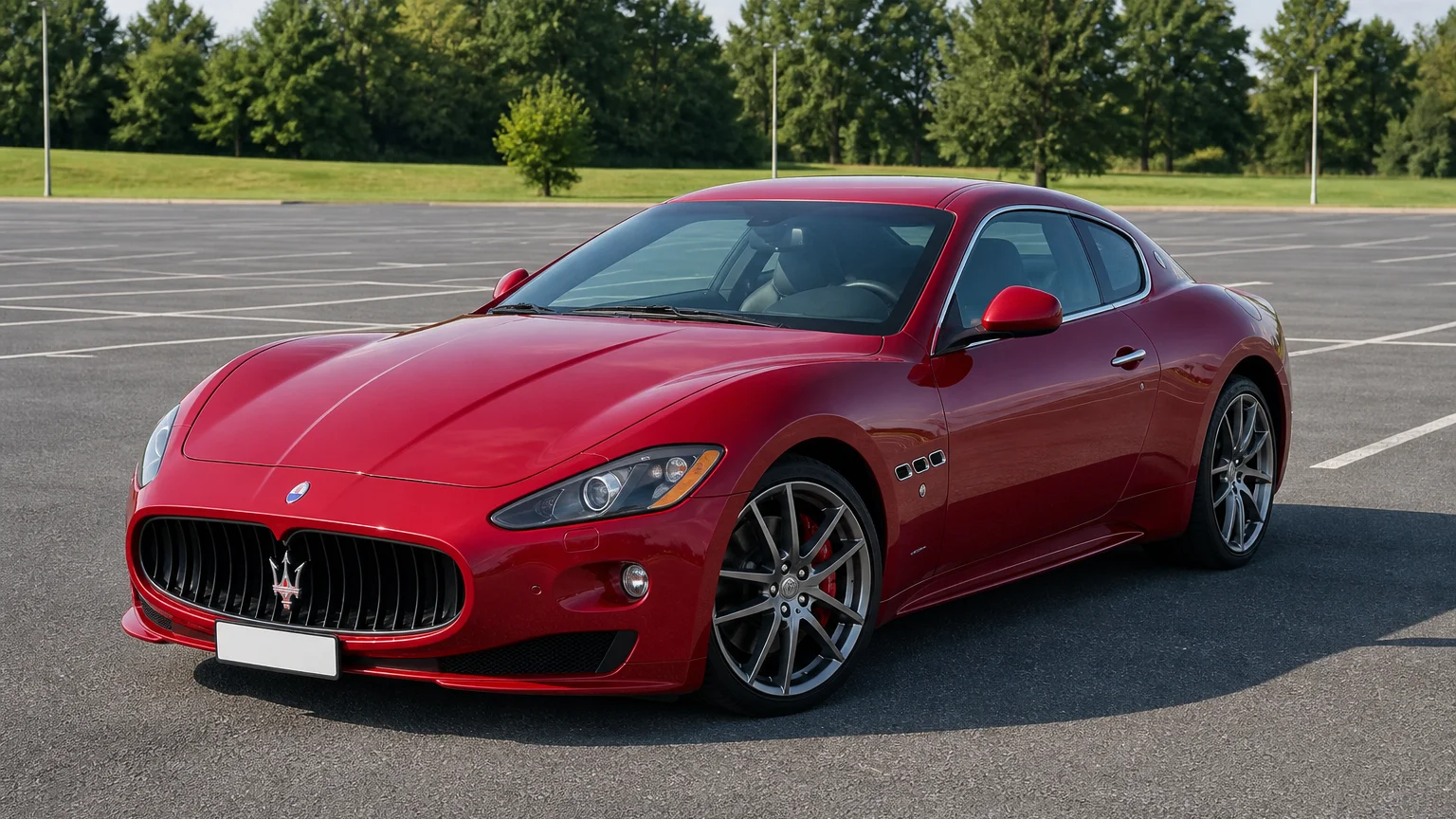
The Maserati GranTurismo is a front-engine, rear-wheel-drive grand tourer with a Ferrari-derived V8 heart, and most model years hold up well when properly maintained. A proprietary reliability index rates the GranTurismo 93 out of 100, and across 10 recently analyzed model years the model accumulated just 7 recall campaigns and 12 NHTSA owner complaints. That said, a handful of model years stand out for higher repair costs, early-mileage failures, or significant safety recalls that you should know about before handing over your money. This guide uses NHTSA complaint and recall data alongside CarComplaints' PainRank scoring, following a years to avoid methodology that weighs repair cost and the mileage at which problems occur, to identify exactly which years to skip and which to prioritize.
For generations, engines, and ownership notes in one place, see the Maserati GranTurismo hub.
Related guides appear in the Maserati years to avoid directory.
At a glance
- Worst years
- 2008
- 2009
- 2010
- 2016
- Best years
- 2013
- 2014
- 2017
- 2018
- Top failure
- Airbag ECU defect on 2015-2018 cars (NHTSA recall 19V-461); MC Shift robotized transmission wear on 2009-2012 cars (CarComplaints / owner forums)
- Always do before buying
- Run the VIN through NHTSA's recall checker to confirm every open recall is closed, plus check the oil level and inspect under the engine for seepage on any first-generation car
How We Rated the Best and Worst Maserati GranTurismo Years
The 2016 GranTurismo ranks as the single worst year by CarComplaints’ PainRank, which weighs repair cost and the mileage at which problems occur, while the early production years of 2008-2010 carry higher age-related fault rates and cam-phaser recall exposure. CarComplaints rates the 2016 Maserati GranTurismo as the worst model year, ranked on factors such as repair cost and average mileage when problems occur. For raw NHTSA complaint volume, the 2016 and 2015 model years appear most frequently in the agency’s database due to the airbag ECU recall and the fuel-line recall. These are different datasets measuring different things: CarComplaints ranks a “worst year” by how expensive and early problems strike, while NHTSA shows raw complaint and recall volume.
Data sources used in this guide include NHTSA complaints and recalls, CarComplaints PainRank, Maserati owner forums at MaseratiLife.com, and specialist technical reporting, all evaluated against editorial guidelines for vehicle research that govern how complaints and recalls are weighted.
| Maserati GranTurismo Generation | Best Maserati GranTurismo Years | Worst Maserati GranTurismo Years |
|---|---|---|
| 1st Gen Pre-Facelift (2008-2012) | None | 2008, 2009, 2010 |
| 1st Gen Post-Facelift (2013-2019) | 2013, 2014, 2017, 2018 | 2016 |
| 2nd Gen (2023-present) | None | None |
Every Maserati GranTurismo Model Year Ranked
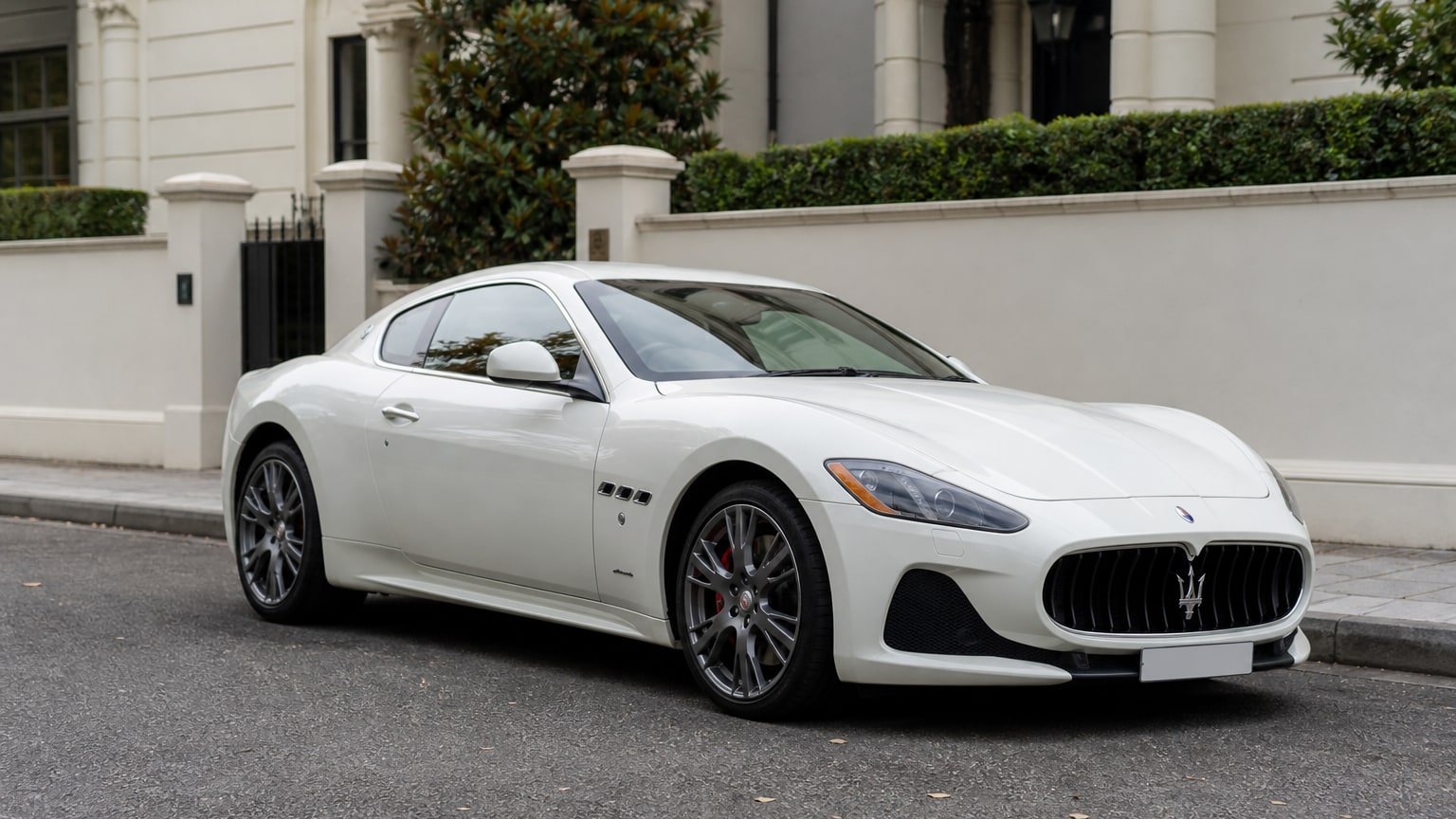
The GranTurismo was produced from 2007 through December 2019, then revived in April 2023, covering model years 2008-2019 and 2023 to the present. The table below covers every model year for which data exists.
| Model Year | Generation | Verdict | Notes |
|---|---|---|---|
| 2008 | 1st Gen Pre-Facelift | Avoid | Early production wear, cam-phaser recall exposure, 4.2L seal issues |
| 2009 | 1st Gen Pre-Facelift | Avoid | Seatbelt-buzzer software recall (Maserati \#185); MC Shift clutch wear |
| 2010 | 1st Gen Pre-Facelift | Avoid | Electrical faults; navigation/wiring issues reported by owners |
| 2011 | 1st Gen Pre-Facelift | OK/Mixed | Suspension wear noted; fewer powertrain complaints than earlier years |
| 2012 | 1st Gen Pre-Facelift | OK/Mixed | TPMS software recall; suspension noise on some cars |
| 2013 | 1st Gen Post-Facelift | Best | Sport facelift, 4.7L V8 + ZF auto; fewest mechanical complaints |
| 2014 | 1st Gen Post-Facelift | Best | Highest third-party reliability score (99/100); 0 recall campaigns |
| 2015 | 1st Gen Post-Facelift | OK/Mixed | Airbag ECU recall 19V-461 applies; otherwise solid |
| 2016 | 1st Gen Post-Facelift | Avoid | CarComplaints worst year; airbag ECU + fuel-line + door-latch recalls |
| 2017 | 1st Gen Post-Facelift | Best | ZF automatic preferred; minor updates, low complaint count |
| 2018 | 1st Gen Post-Facelift | Best | Final refined year; low owner complaints; airbag ECU recall completable |
| 2019 | 1st Gen Post-Facelift | OK/Mixed | Last first-gen year; generally reliable if maintained |
| 2023 | 2nd Gen | OK/Mixed | New-gen Nettuno V6 twin-turbo; rearview camera software recall issued |
| 2024 | 2nd Gen | OK/Mixed | BCM fuel-level display recall; too new for long-run data |
Most Common Maserati GranTurismo Problems
The single biggest failure category on used GranTurismo examples is the airbag ECU defect on 2015-2018 cars, but cam-phaser noise, oil leaks, robotized-transmission wear, cooling-system fatigue, and electrical gremlins are all recurring themes owners and specialists flag across the first generation.
1. Airbag ECU Defect (2015-2018 GranTurismo and 2016-2018 GranTurismo Convertible)
NHTSA recall campaign 19V-461, covering production dates October 31, 2014 through June 4, 2018, affects certain 2015-2018 GranTurismo and 2016-2018 GranTurismo Convertible vehicles. The airbag ECU may have a defective power supply capacitor that can cause a deactivation or inadvertent deployment of the airbag.
The remedy is free: Maserati replaces the airbag ECU at no charge, with the recall having begun July 30, 2019. Maserati’s own campaign number for this recall is 386. This is a safety-critical item, and any used 2015-2018 GranTurismo you consider buying must have its VIN verified as closed on this campaign before purchase.
There is no TSB or manufacturer warranty extension on record for this defect separate from the recall itself. The fix is dealer-performed and free, so confirm it is done - not merely open.
2. MC Shift Robotized Manual Transmission Wear (2009-2012)
The robotized manual transmission fitted to 2009-2012 GranTurismo models is less reliable and requires more frequent clutch replacements, with owners reporting jerky shifts and higher repair costs. The MC Shift automated-manual was an option (and the standard unit on MC Stradale variants) during this era.
For most GranTurismo buyers, the better choice is the torque-converter ZF automatic, which is smooth, reliable, and has no specific problems of its own; the MC Shift delivers sharper shifts but wears the clutch faster and is more expensive to maintain. Clutch replacement on the MC Shift can run to $4,000 or more and is part of the ownership pattern on higher-mileage examples. On forum threads at MaseratiLife.com, owners consistently recommend specifying the ZF automatic if you want lower maintenance exposure.
3. Cam-Phaser Rattle and Oil Leaks (4.2L and 4.7L V8)
Cam-phaser rattle on the GranTurismo should be listened for separately on cold start and during overrun. Brief rattling in the first few seconds after startup that disappears once warmed up warrants careful diagnostic attention rather than an automatic walk-away, but it should be factored into the car’s value.
Oil leaks on the 4.7 V8 are common, and in most cases the source is worn valve-cover gaskets. A more serious case is leaking from the timing drive case. Both repairs are labor-intensive and expensive due to difficult access, so a fresh layer of oil on the lower part of the engine during inspection is not a minor detail. Early cam phasers on the 4.2-liter engines were the subject of recall campaigns, so on applicable cars it is important to confirm the work has been done. Budget roughly $1,500-$3,000 for valve-cover or timing-cover gasket work once access labor is included, as a large part of the GranTurismo’s repair cost is the labor required for access - replacing cooling hoses under the intake manifold or the alternator requires removing the manifold. Persistent rattling that mimics a bad timing chain warrants a full specialist inspection before purchase.
4. Cooling System Failures (All First-Generation Cars)
The cooling system is a weak point on the GranTurismo’s Ferrari-derived V8. Hose leaks, water pump failures, and cracks in the radiator are common, and coolant leaks can have severe consequences because overheating the engine leads to costly repairs.
A car overheating when idle or intermittently at speed is often the first sign of a failing water pump or a weeping hose on these cars. Annual maintenance for the GranTurismo runs from roughly $1,400 to $2,000 per year based on Maserati’s factory service schedule, and coolant-system work adds to that when hoses or the water pump give out, which owners on specialist forums report tends to happen in the 60,000-100,000 mile range. Inspect all visible hoses for cracking and ask for coolant-flush records.
5. Electrical System Faults (Primarily 2008-2012)
One of the most frequently reported problems with the GranTurismo involves its electrical system. Owners have experienced issues with the battery, alternator, and various electronic components, leading to starting difficulties, dashboard warning lights, and malfunctioning features such as the infotainment system. The complex electrical architecture can result in intermittent faults that are challenging to diagnose.
Some owners also report spontaneous battery drainage caused by faulty settings in the control unit, and window controls and seat-memory systems occasionally show problems. The 2010 model year is specifically associated with navigation and wiring malfunctions on owner forums. A parasitic drain that leaves the battery going flat overnight is one of the more frustrating fault patterns on earlier cars. Have a specialist scan all modules for stored codes before committing to any pre-2013 example.
6. Door Latch and Fuel-Line Recalls (2016)
Certain 2016 GranTurismo vehicles manufactured June 24 to September 2, 2015 were built with passenger-side door-latch components that were not heat treated; in a crash, the door latch may fail allowing the door to open, increasing the risk of injury. Maserati’s campaign number for this recall is 292.
A separate recall covers 2016 GranTurismo vehicles manufactured September 1 to November 30, 2015, which were equipped with a non-galvanized main fuel delivery line that may corrode and result in a fuel leak; dealers replace the fuel line free of charge, with that recall having begun January 7, 2016. Maserati’s campaign number for the fuel-line recall is 300. Both campaigns apply to specific production windows within the 2016 model year, making VIN verification mandatory on any 2016 car.
Which Maserati GranTurismo Years Should You Avoid
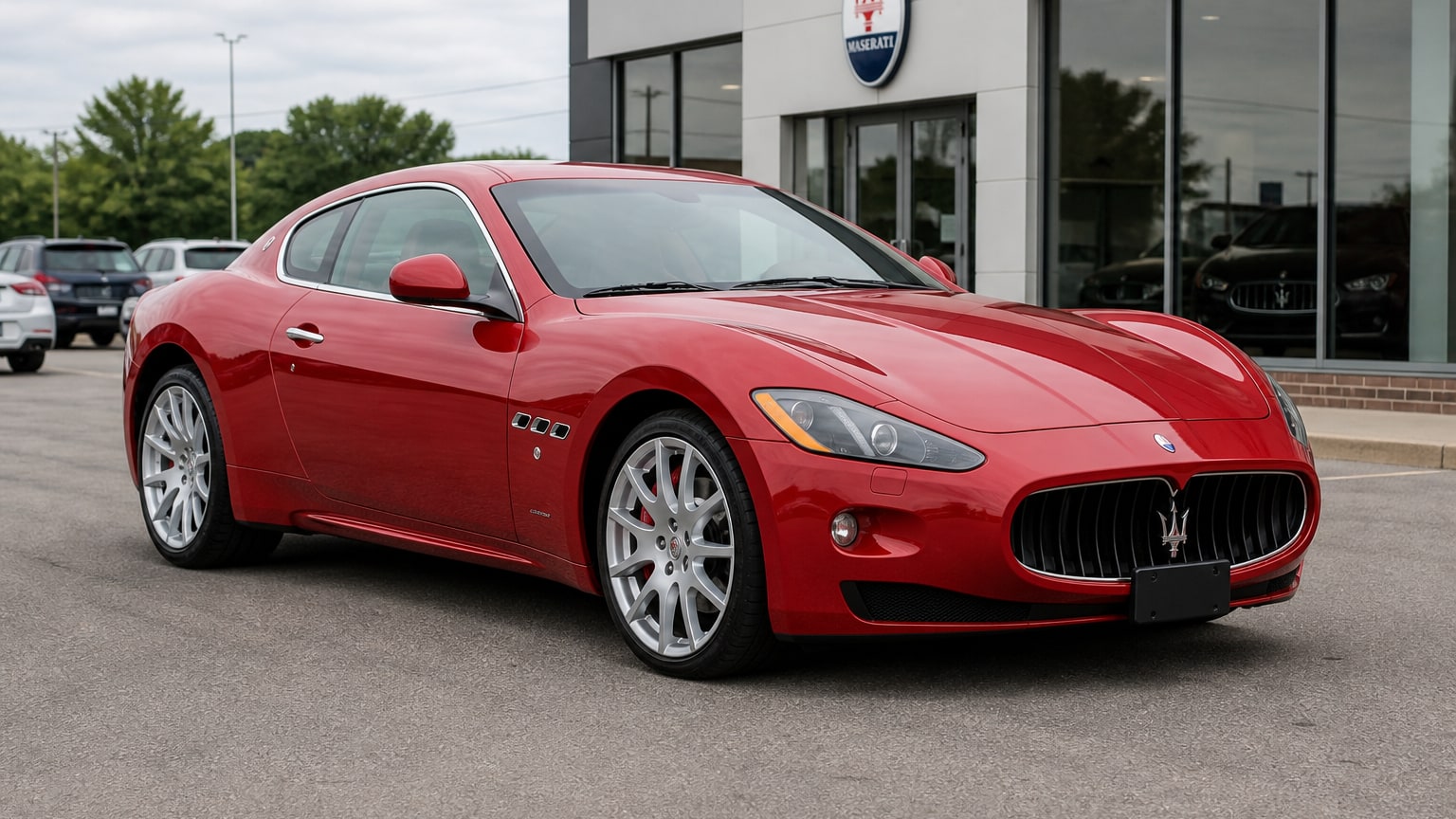
The Maserati GranTurismo years to avoid are 2008, 2009, 2010, and 2016. CarComplaints rates the 2016 as the single worst model year on repair cost and average mileage when problems occur, while in the NHTSA complaint and recall database, the 2016 model year draws the highest volume of safety campaigns due to the simultaneous airbag ECU recall (19V-461), the fuel-line recall (Maserati #300), and the door-latch recall (Maserati #292). The 2008-2010 cars are flagged separately for age-related seal and electrical wear, cam-phaser recall exposure on the 4.2L engine, and the MC Shift clutch burden on those that have it.
| Maserati GranTurismo Generation | Model Years | Verdict | Main Issues |
|---|---|---|---|
| 1st Gen Pre-Facelift | 2008, 2009, 2010 | Worst | Cam-phaser recall, electrical faults, MC Shift wear, seal aging |
| 1st Gen Pre-Facelift | 2011, 2012 | Mixed | Suspension noise, TPMS recall; otherwise acceptable |
| 1st Gen Post-Facelift | 2013, 2014 | Best | Fewest complaints, 4.7L + ZF auto, top reliability scores |
| 1st Gen Post-Facelift | 2015 | Mixed | Airbag ECU recall applies; otherwise solid |
| 1st Gen Post-Facelift | 2016 | Worst | CarComplaints worst year; three concurrent recalls |
| 1st Gen Post-Facelift | 2017, 2018 | Best | Refined and low-complaint; airbag ECU recall completable on 2017-2018 |
| 1st Gen Post-Facelift | 2019 | Mixed | Last first-gen year; generally reliable if maintained |
| 2nd Gen | 2023, 2024 | Mixed | New platform; rearview camera and BCM recalls issued; limited long-run data |
First-Generation Pre-Facelift GranTurismo (2008-2010)
The 2007-2008 cars are more prone to age-related wear of seals, suspension, and electrics, and versions with the automated-manual transmission require more frequent clutch replacements. The 2009 model year carries a specific NHTSA-confirmed recall (Maserati #185) for faulty instrument-cluster software that prevented the seatbelt-buzzer from activating on cars built with the optional front parking sensor. The 2010 model year is known for electrical issues including navigation and wiring malfunctions on top of the general early-production quality scatter. For any of these three years, confirm all recall work is closed by VIN and have a specialist assess the cam-phaser condition on the 4.2L engine before purchase.
First-Generation Post-Facelift GranTurismo (2016)
The 2016 GranTurismo and 2016 GranTurismo Convertible are covered by the airbag ECU recall where the ECU may have a defective power supply capacitor capable of deactivating or inadvertently deploying the airbag. On top of that safety-critical campaign, the 2016 model year is the only year to carry both the fuel-line corrosion recall (#300) and the door-latch recall (#292) simultaneously. The most-reported problem on CarComplaints for the 2016 GranTurismo is gear-shift paddle chrome plastic and visor mirror unglued, suggesting interior-trim quality control also dipped that year. The combination of three active recall campaigns and the highest PainRank on CarComplaints makes 2016 the year to avoid most firmly.
What Are the Best Maserati GranTurismo Years to Buy
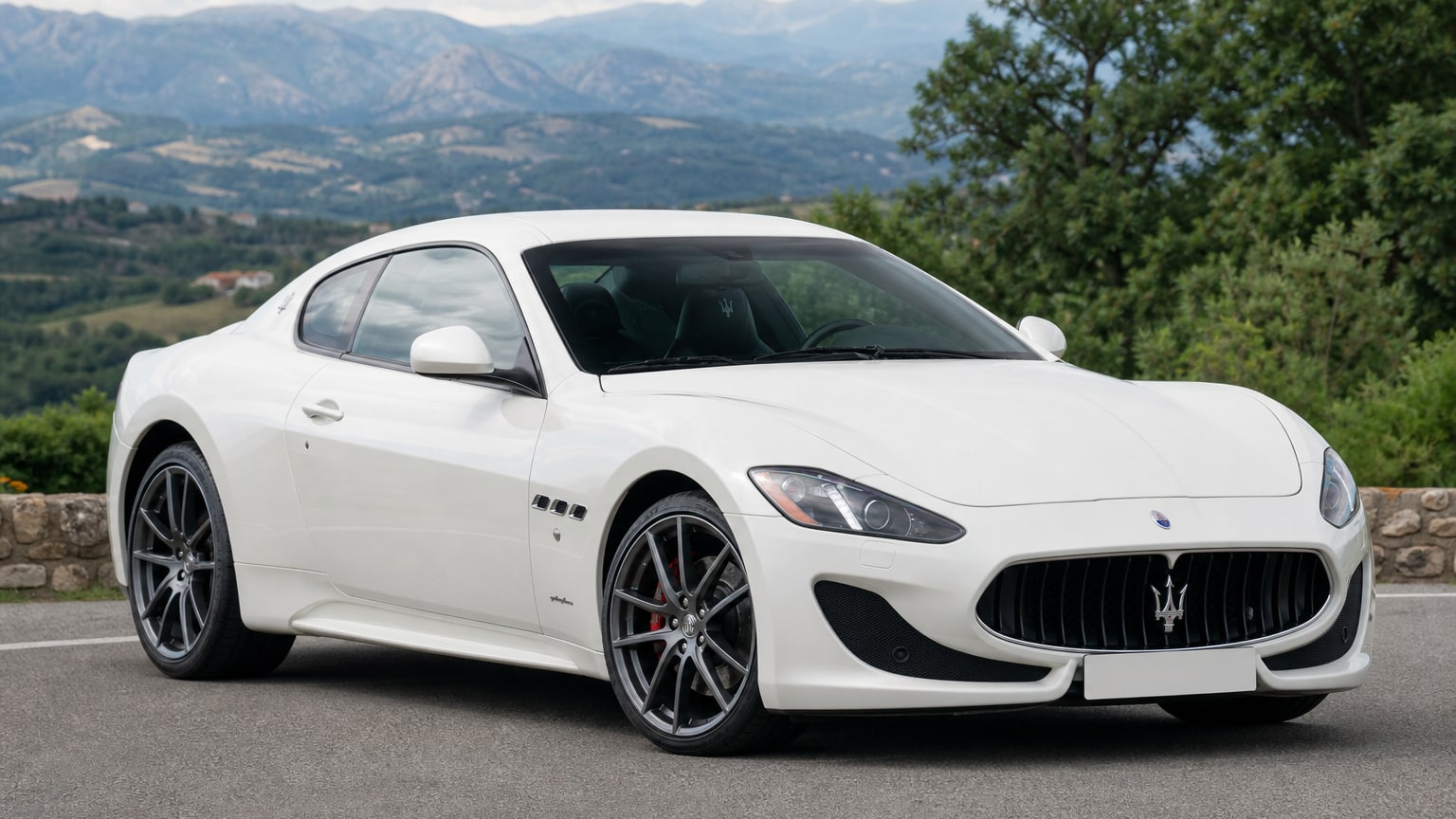
The best Maserati GranTurismo years to buy are 2013, 2014, 2017, and 2018, all of which combine the upgraded 4.7-liter V8, the ZF automatic transmission, and low NHTSA complaint volume.
| Best Maserati GranTurismo Year | Why It's a Strong Buy |
|---|---|
| 2013 | First Sport facelift year; 4.7L + ZF auto; fewest mechanical complaints of the post-facelift run |
| 2014 | Highest third-party reliability score (99/100 per VinCheckEngine, 0 recalls, 3 NHTSA complaints) |
| 2017 | ZF-only year; minor updates; low complaint count; no model-year-specific recall campaigns |
| 2018 | Final well-refined pre-production-end year; low complaints; airbag ECU recall fully completable |
2013 Maserati GranTurismo
The GranTurismo Sport arrived in 2013 with a facelift and the improved ZF automatic transmission, making it the first year to offer what most specialists now call the ideal configuration. Most reviewers consider the 2013-2017 GranTurismo Sport the best balance of reliability and used-market price, with the facelifted body, the 4.7-liter engine, and the ZF transmission, which is preferable to the MC Shift. Owners on MaseratiLife.com consistently report the 2013 as one of the calmest years for unplanned repairs.
2014 Maserati GranTurismo
Among all analyzed years, the 2014 GranTurismo achieved the highest reliability score of 99/100 with zero recalls and just 3 NHTSA owner complaints. That combination of a clean recall record and the fewest owner-filed complaints of any model year makes the 2014 the single most data-supported buy in the lineup. Pair it with a full service history and a pre-purchase inspection and it represents the lowest documented risk in the generation.
2017 Maserati GranTurismo
The 2017 GranTurismo received minor updates and posts solid reliability with the ZF automatic transmission as the preferred unit. It is far enough into the post-facelift run that early-production quality scatter has been addressed, and it sits outside the worst recall-cluster years. Owners of 2013-2017 cars report fewer mechanical complaints and better overall dependability compared to earlier years.
Maserati GranTurismo Submodel Years to Avoid
The two main first-generation submodels, the GranTurismo MC Stradale and the GranCabrio, each carry their own model-year ranges and fault profiles assessed on their own records below.
Maserati GranTurismo MC Years to Avoid
The GranTurismo MC Stradale was produced from 2011 to 2017 as a track-focused derivative of the standard coupe. At the 2013 Geneva Motor Show, an updated MC Stradale was unveiled featuring a 4.7-liter V8 rated at 460 PS and the MC Race Shift 6-speed robotized manual gearbox, which shifts in 60 milliseconds in race mode.
The MC Stradale’s defining reliability characteristic is its drivetrain, not its body. Every MC Stradale uses the MC Race Shift robotized manual as standard equipment, so the clutch-wear fault covered above applies to every example regardless of year. The MC Shift wears the clutch faster and is more expensive to maintain than the ZF automatic, and on a car built for harder use, clutch wear can arrive earlier than on a standard-transmission car. Pre-2013 examples also share the cam-phaser recall exposure of the 4.2L engine flagged in the main problem sections.
No Maserati GranTurismo MC model year has accumulated a fault record meaningfully distinct from the standard GranTurismo beyond the mandatory MC Shift transmission. The specific check that matters here: confirm the clutch has been recently replaced or budget for it, ask for transmission service records, and verify all recall campaigns are closed by VIN.
Maserati GranCabrio Years to Avoid
The GranCabrio convertible was produced from 2010 to 2019, with the GranCabrio Sport introduced in 2011 and the GranCabrio MC launched in 2013 featuring improved aerodynamics. The GranCabrio is a convertible version of the GranTurismo S Automatic, equipped with a canvas folding roof.
CarComplaints lists just one complaint on file for the GranCabrio across all model years. That is too thin a dataset to flag a specific avoid year with confidence. No GranCabrio model year has accumulated enough complaint data to identify a discrete worst year, and reporting that one exists would be an invention, not a finding.
What does matter for GranCabrio buyers: the folding canvas roof adds a mechanical system the coupe does not have, and any used example should be tested through multiple roof cycles with the motor listened to carefully. The 2016 GranCabrio is covered by the airbag ECU recall (NHTSA 19V-461) for the same reason as the 2016-2018 coupes, so VIN verification remains the mandatory first step.
-
Cycle the roof fully up and down and listen for motor hesitation or misalignment
-
Inspect the canvas for seam cracking, particularly on pre-2013 examples
-
Confirm NHTSA 19V-461 (airbag ECU) is closed if buying a 2016-2018 car
-
Verify the ZF automatic is fitted - GranCabrio Sport versions can carry MC Shift
Maserati GranTurismo Pre-Purchase Checklist
Before committing to any used GranTurismo, work through these model-specific checks:
- Run the VIN on NHTSA’s recall checker at nhtsa.gov/recalls - confirm NHTSA campaign 19V-461 (airbag ECU) is closed on any 2015-2018 car, and that fuel-line recall #300 and door-latch recall #292 are both closed on any 2016 car.
- Check the oil level and inspect under the engine on any pre-2013 car - a wet lower block or fresh oil smell indicates valve-cover or timing-cover gasket work needed, which is expensive due to access labor.
- Listen for cam-phaser rattle on cold start - a few seconds of rattle that clears once warm is a negotiating point; rattle that persists warrants a specialist inspection. Early cam phasers on the 4.2-liter engines were the subject of recall campaigns, so confirm the work has been completed.
- Test the MC Shift (if equipped) thoroughly - for most buyers, the torque-converter ZF automatic is the better choice; if the car has the MC Shift, factor clutch-replacement cost into the price.
- Inspect the cooling system - squeeze visible hoses for brittleness and ask for coolant-flush records. Hose leaks and water pump failures are common, and overheating from a coolant leak can lead to costly engine repairs.
- Scan all ECU modules for stored fault codes - the GranTurismo’s electrical system can produce intermittent faults from battery drain, alternator wear, or control-unit software issues that do not always illuminate warning lights.
- Ask for factory service records - GranTurismo scheduled maintenance ranges from roughly $1,400 to $2,000 annually; a gap in records often means deferred maintenance on this engine.
- Confirm belt replacement history - every four years, the belts should be replaced per Maserati’s recommendation, and an overdue belt service on a high-mileage car is a budget item to price in before purchase.
Better Alternatives to Consider
If the GranTurismo years in your budget land on the avoid list, consider these alternatives instead:
-
Porsche 997 - a cleaner year-by-year reliability record with a broader specialist network and lower unplanned-repair frequency on the ZF-auto cars
-
Porsche 991 - the direct successor to the 997, with more model years of data, strong NHTSA safety ratings, and a well-documented avoid list
-
Jaguar XK (2007-2014) - a comparable V8 grand tourer at similar used-market prices, with a wider UK and US service network and lower annual maintenance costs than the GranTurismo
-
Aston Martin V8 Vantage (2006-2018) - a direct Italian-GT alternative with a similar Ferrari-competing character and, on the post-2011 facelift, a cleaner fault record on the Sportshift transmission than the GranTurismo MC Shift
Is the Maserati GranTurismo Worth Buying
Yes, the GranTurismo is worth buying as long as you avoid the 2008, 2009, 2010, and 2016 model years and buy the one with a full service history. Most specialists consider the 2013-2017 GranTurismo Sport the best balance of reliability and used-market price, and the 2014 and 2017 are the standout picks within that window. With consistent maintenance, most GranTurismo owners report 150,000 to 200,000 or more miles of service life. Run the VIN through NHTSA’s recall database before purchase and verify the full maintenance history to make sure the car in front of you is one of the good ones.
Frequently Asked Questions
What are the best Maserati GranTurismo years to buy?
The best Maserati GranTurismo years to buy are 2013, 2014, 2017, and 2018. These years feature the facelifted design, the 4.7-liter V8 engine, and the preferred ZF automatic transmission, with owners reporting fewer mechanical complaints and better overall dependability compared to earlier years.
What are the worst years for the Maserati GranTurismo?
The worst Maserati GranTurismo years are 2008, 2009, 2010, and 2016. CarComplaints rates the 2016 as the worst model year on repair cost and average mileage when problems occur, while 2008-2010 cars carry the heaviest burden of age-related seal wear, cam-phaser recall exposure, and MC Shift transmission costs.
Which year Maserati GranTurismo is most reliable?
The 2014 GranTurismo is the most reliable pick in the lineup. The 2014 GranTurismo achieved the highest reliability score of 99/100 with zero recalls and just 3 owner complaints in the NHTSA database, making it the cleanest year by any objective metric.
What year Maserati GranTurismo has the worst airbag problems?
The 2015-2018 model year GranTurismo and 2016-2018 model year GranTurismo Convertible were determined to have a safety defect in their airbag electronic control units, with a defective power supply capacitor potentially inhibiting or inadvertently triggering airbag deployment. The NHTSA recall campaign number is 19V-461 (Maserati manufacturer campaign number 386). The remedy is free: Maserati replaces the airbag ECU at no charge. Confirm this is done by VIN before purchase.
How long does a Maserati GranTurismo last?
With consistent maintenance, most Maserati GranTurismo owners report 150,000 to 200,000 or more miles of service life. One forum owner reported cracking 200,000 kilometers (125,000 miles) on a 2009 4.2 GT used as a daily driver year-round, including winters, with no issues considered major. Longevity depends heavily on following the annual service schedule and addressing oil and cooling faults early rather than deferring them.