

The Acura MDX is one of the best-selling models of the brand with a track record of satisfied drivers but is it all so good for every model year? We dug a bit deeper into the best Acura MDX years to buy and worst Acura MDX years to avoid, and as it appears, certain model years don't exactly make the best possible choice.
With the help of our team and the details we've outlined in this guide, you'll be able to make a well-informed buying decision by steering clear of the problematic model years. We'll go on a tour through the MDX years together as we explore NHTSA complaints, driver ratings, reviews, and official recalls to make the job easier for you.
How we rated the best and worst Acura MDX years
Before we get into the details, it’s essential to show you why you can trust our reviews since buying a car like the MDX is a big decision. That’s why we kept it simple when it comes to our research - we mostly relied on information found on reputable automotive agencies and government sites, with a bit of a twist.
Along with the data found on NHTSA and IIHS, we also used some Acura MDX reviews from platforms like Edmunds, Kelley Blue Book, and others. Of course, we listened to what previous MDX owners had to say, so we also scrolled through the forum threads, but have only considered double-checked and factual information. We’ve since rechecked every model year against the owner complaints filed with NHTSA, and the best and worst years below follow those numbers. So, these are the results of our combined investigation:
| Acura MDX Generation | Best Acura MDX Years | Worst Acura MDX Years |
|---|---|---|
| 1st generation | N/A | N/A |
| 2nd generation | 2008, 2009, 2010, 2011, 2012, 2013 | N/A |
| 3rd generation | N/A | 2016, 2017 |
| 4th generation | N/A | N/A |
Most common Acura MDX problems
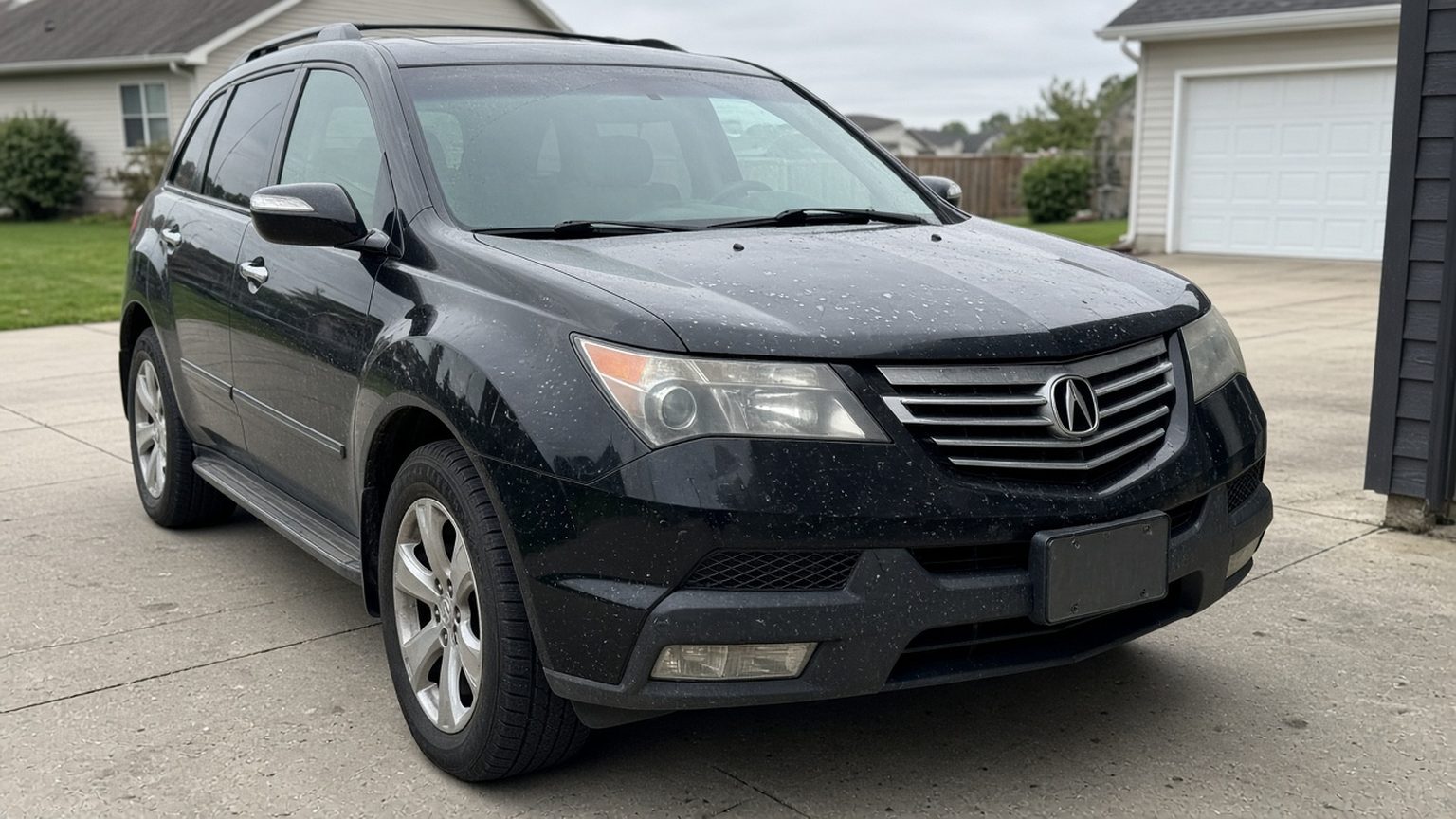
To help you better understand why certain model years of the MDX are not the best option out there, we’ll also discuss their common problems. The MDX has been produced for a long stretch, so it’s no wonder that several issues have occurred, but engine and transmission issues could certainly make or break your satisfaction level after purchase.
1. Excessive oil consumption
It is usual for old vehicles to lose oil in between oil changes because of worn-out engine components and leaks. However, it is not unusual to have an Acura MDX that has this issue early in its life. Owners of 2010 to 2013 MDX models reported it, with oil top-ups needed a few months after purchase and the miles between them growing shorter with time. Engine complaints are much more common on the third generation, though, peaking on the 2016 MDX with 172 NHTSA engine complaints.
There is no NHTSA recall for oil consumption on these years, so if you’re looking at one, ask for oil-change records and check the dipstick before you buy.
2. Transmission problems
Many models of the Acura MDX suffer from transmission issues. The problem is peculiar because it is not unusual for them to develop after only a few years of purchase and little mileage. Symptoms included lack of acceleration and slipping transmissions, hard and failed shifts.
The highest transmission failures were recorded in the 2001 and 2002 MDX models. Drivers of the first-generation MDXs complained of replacing their transmission more than once.
Acura recalled the 2001 and 2002 MDX (04V-176) over a transmission gear problem, and NHTSA’s power train complaints peak on the 2001 (131), followed by the 2002 (125). Many drivers of the 2004 to 2006 models experienced ‘shuddering’ from the transmission system, especially when traveling at 30 to 40 miles per hour.
The transmission issues continued onto later generations, becoming more noticeable in the 2016 MDX (113 power train complaints) and the 2014, which was recalled (13V-571) for a transmission fault.
3. Stalling Auto Idle Stop system
The Auto Idle Stop system was an effort to improve fuel efficiency on the MDX. The purpose of the system was to stop the engine when the vehicle came to a stop. The system allowed for the car to continue moving seamlessly when the driver stepped on the gas when it was time to move.
Despite its good intentions, the system proved difficult for most drivers. When engaged, it would work as it should but shift into neutral when the engine is fired back on. It would keep shifting into the drive until the car is restarted manually. Some drivers also complained that the system would report random errors on the dash.
The reason for the stalling behavior of the Auto Idle Stop system is tied to the strain it places on the 12-volt battery, especially in cold weather. Unfortunately, the system cannot be completely disabled, and it can only be turned off manually before moving.
Software updates and resets helped solve the issue. Replacing the 12-volt battery also helped with the issue. If you forget to manually turn the feature off, lightly stepping on the brake pedal can give you the needed break and not trigger the system into engaging.
4. Excess battery drain
The batteries of the second generation of MDXs are notorious for their fast-draining batteries, and the 2007 has more electrical system complaints with NHTSA (51) than any other MDX year. They came with a hands-free link (HFL) module, which was the reason for the fast-draining batteries, eventually leading to battery failure in a couple of years. It sometimes leads to a battery discharge warning glowing up on the dashboard.
At a certain level, the HFL module would drain the MDX to the point where the car could not start without the driver jump-starting the car. Battery replacements were a temporary solution, as the HFL module would continue to wreak havoc on the battery.
The best solution for this problem is to disconnect the HFL module so it will not fatally affect the battery anymore. However, this fix also meant the car’s Bluetooth functions were disconnected, as the HFL module was explicitly made to handle the Bluetooth functionality.
Later, Acura revised the design of the HFL module, making it more reliable. Many drivers opt for aftermarket solutions cheaper than the replacement HFL modules Acura offered to have access to the Bluetooth functions again.
If the HFL module is disconnected and the issue persists, it could be that the alternator, audio amplifier, head unit or air conditioning compressor relay is having problems.
5. Adaptive Damper System failure
The Adaptive Damper System was an exclusive feature of the Sport and Advance models and used magnetic struts to give the vehicle better handling. These magnetic struts cost much more than the regular shock absorber, making replacements expensive when they fail.
To beat the high cost of repairs, some drivers replaced the magnetic struts with the regular shock absorber. An entire set of regular shock absorbers costs the same as one magnetic strut. Let your mechanic handle this conversion for you so you avoid making mistakes while modifying the structure to adapt to the regular absorbers.
Worst Acura MDX years to avoid
The reputation of the MDX grew from the success of many of its models, which performed excellently. However, some models had prominent issues as we already discussed, so the big question is - what are the worst Acura MDX years?
The worst Acura MDX year is 2016, with 377 owner complaints filed with NHTSA, more than any other MDX year. The 2017 comes next with 268, so here’s the full list:
- 2016
- 2017
Some other MDX years still get a bad name with owners, so we’ll explain below why they’re no longer on the list, along with why the 2016 and 2017 are:
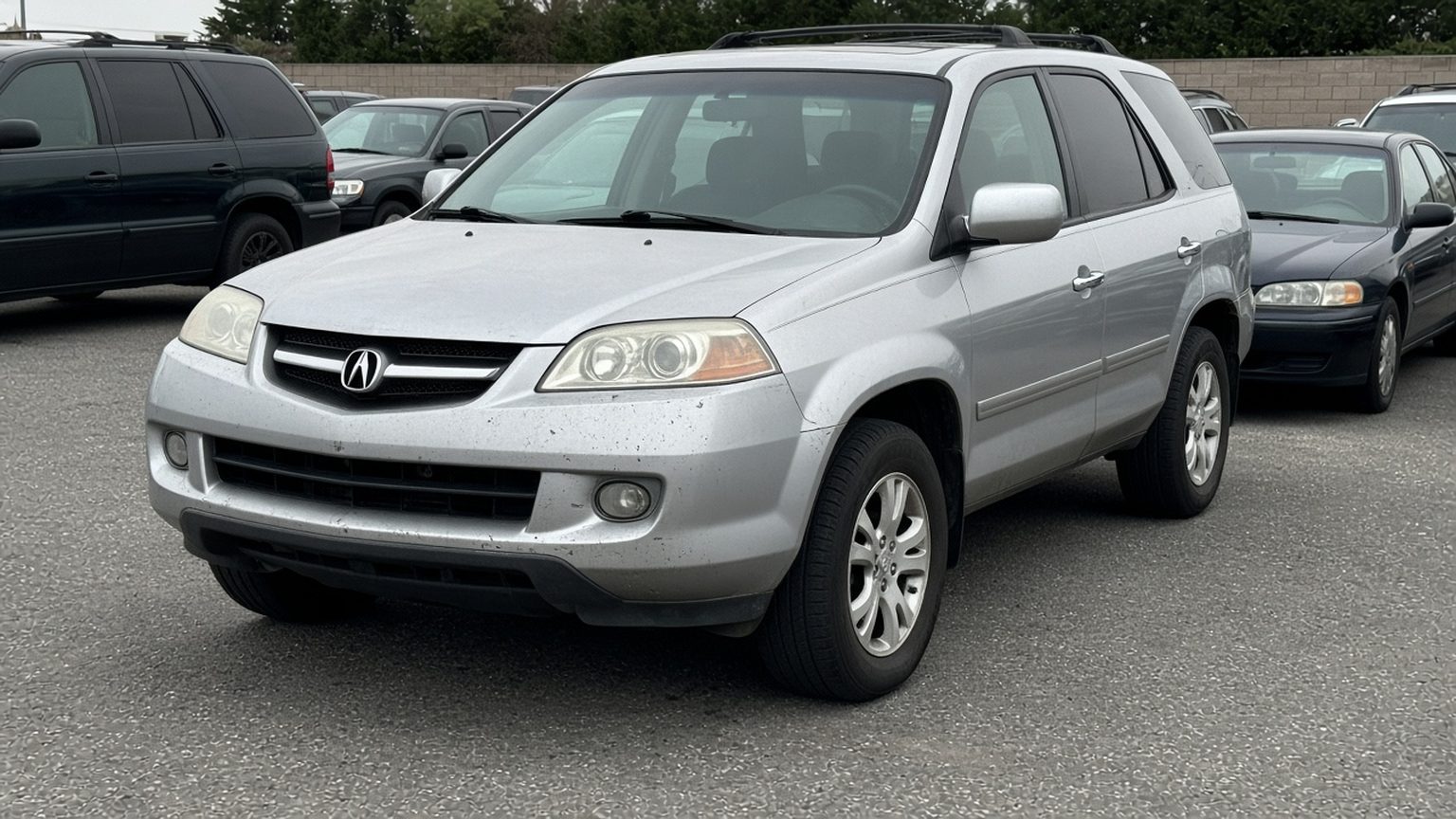
First-generation MDX (2003-2005 model years)
The major problem the first generation of MDXs had was transmission failure, and power train complaints are the biggest category with NHTSA for every first-gen year.
Still, the 2003 to 2005 models have 171 to 206 complaints each, which is about average for the MDX, so they don’t stand out as years to avoid. At this age, a transmission service history matters more than the model year, and make sure any open recalls have been done.
Second-generation MDX (2012 model years)
Some 2012 owners have complained about excessive oil consumption, and a few about metal shavings in oil, which is never a good sign for the engine.
But the 2012 has only 76 NHTSA owner complaints, one of the lowest counts for any MDX, so it’s actually among the better years. Just check the oil level and service records before you buy.
Third-generation MDX (2014, 2016, and 2017 model years)
Among all the MDX models you should avoid, 2016 is the worst, with 377 owner complaints, most of them about the engine (172) and power train (113). The 2016 was also part of an engine recall (23V-751).
The 2017 has the same kinds of complaints with less intensity (268 in total). The 2014 gets mentioned by owners too, but with 172 complaints it’s about average for the MDX. Nonetheless, the 2016 and 2017 should be avoided as they drain the pocket and often put drivers in uncomfortable situations due to sudden failure at odd places.
What are the best Acura MDX years to buy?
Knowing the exact models of the MDX you should avoid surely helps with a buying decision, but what are the best Acura MDX years? The best Acura MDX years are 2008 to 2013, all with 30 to 76 NHTSA owner complaints, which is low for an MDX:
- 2008
- 2009
- 2010
- 2011
- 2012
- 2013
These models have minor complaints and are very reliable. When searching the used market, the 2013 is the one to look for, and we’ll also cover the 2018, a newer model many buyers ask about.
2013 Acura MDX
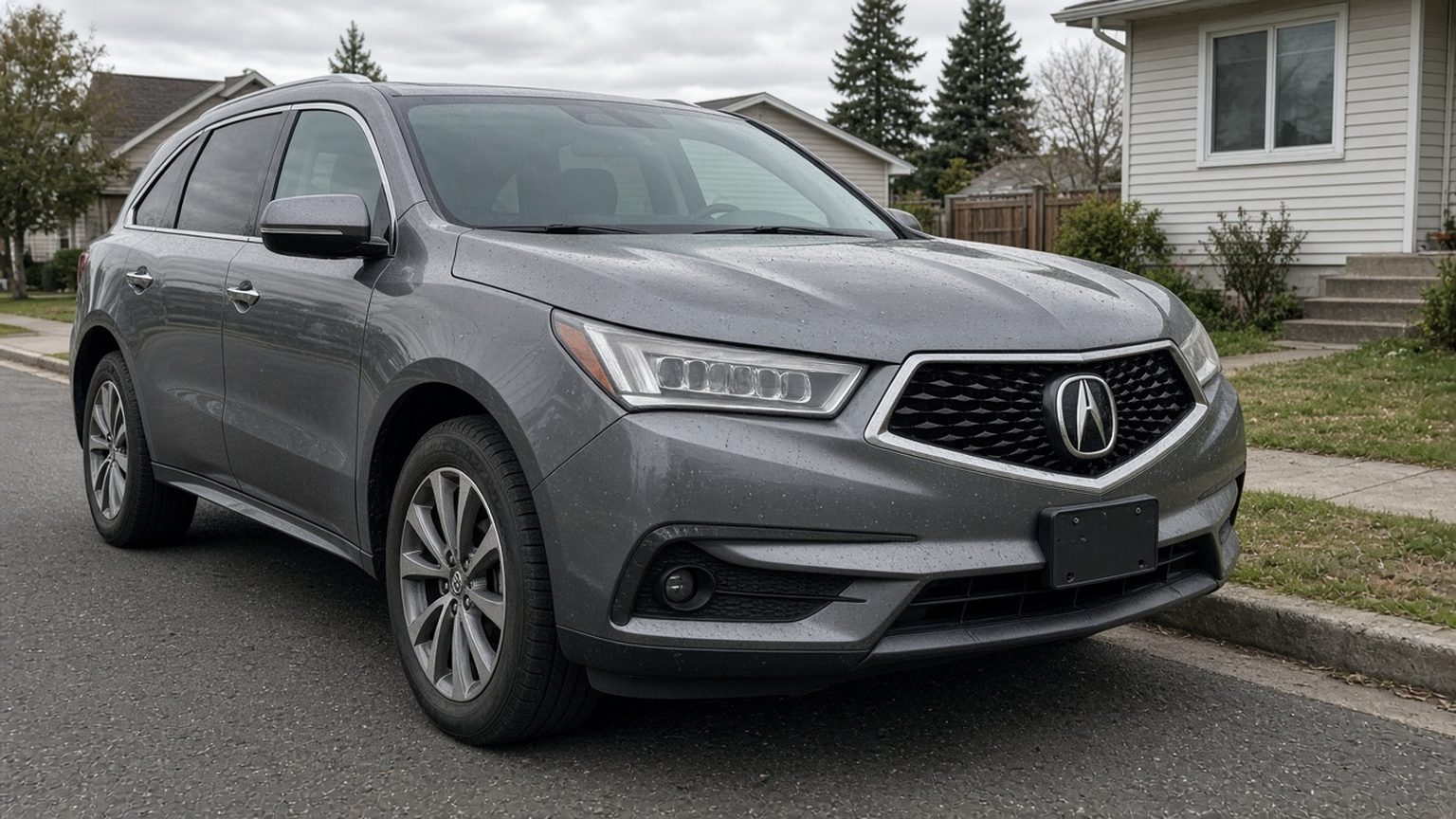
Among the earlier model years, the 2013 one certainly stands out, with only 30 NHTSA owner complaints, the fewest of any MDX before 2023. Not only that, but it also didn’t have the known issues of a previous model year which faced excessive oil consumption and was simply difficult to maintain.
The engines were pretty decent with no known faults, and the 2013 MDX rating speaks for itself on the side of driver feedback.
2018 Acura MDX
If you want a newer MDX, the 2018 is a fair choice, though not a standout. It has 170 owner complaints with NHTSA, about average for the MDX, and 10 recalls, so run the VIN through the recall checker before you buy.
Most of its complaints are about the engine and fuel system rather than the transmission.
Is the Acura MDX worth buying?
The Acura MDX is a worthy investment if you want a luxury SUV that is easy to drive. It makes for a great family vehicle but retains the charm of being a super-comfy SUV.
Recent models come with many valuable innovations designed to make driving simpler, safer and more fun. With the correct maintenance practices, the MDX can last a long time.
Harnessing data from extensive vehicle analysis and user reports, we’re dedicated to enriching your car buying experience. If you’re pondering over which model years to avoid to ensure a hassle-free ownership, our investigative reviews on vehicles like Lexus RX years to avoid, Infiniti QX60 years to avoid, Volkswagen Atlas years to avoid serve as your essential guide to the years that might be problematic.
What year Acura MDX has transmission problems?
The Acura MDX model years with the most transmission problem are the 2001 to 2005 models. The 2001 has the most power train complaints with NHTSA (131), followed by the 2002 (125).
What is the most common problem with Acura MDX?
The most common problem the Acura MDX faces is transmission failure, with power train the largest complaint category with NHTSA. On newer models, engine complaints are more common, especially on the 2016.
Is the Acura MDX a reliable vehicle?
The Acura MDX is an averagely reliable vehicle. It would have been more reliable if it did not have such a strong transmission issue.
How long can the Acura MDX last?
If you know how to manage it correctly, the Acura MDX can last for many years. The suitable model and your maintenance culture would determine how far the vehicle would survive.