
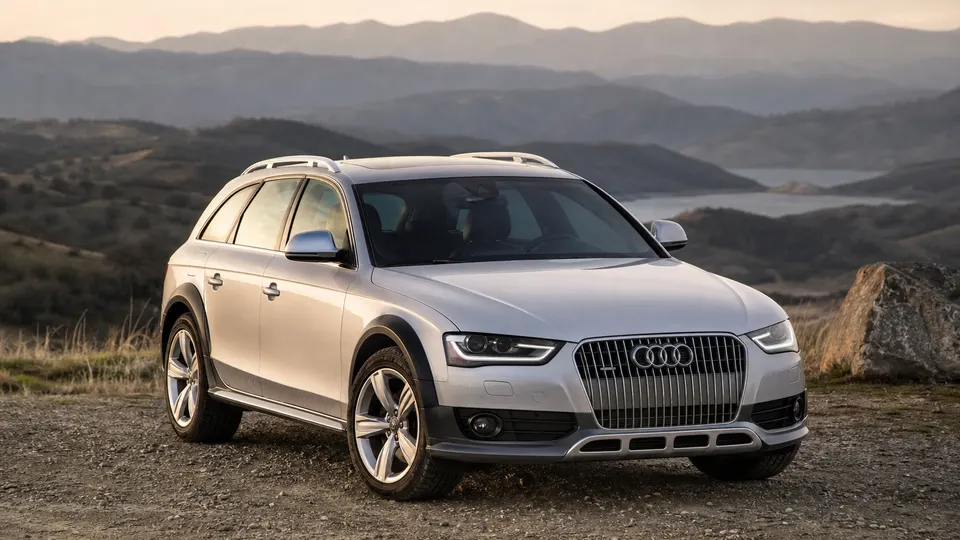
The Audi Allroad is one of the most capable lifted wagons on the used-car market, pairing Audi's quattro all-wheel drive with genuine off-pavement ability and a premium interior. Most model years hold up well with proper maintenance, but three specific years stand out for high repair costs, engine defects, and elevated complaint rates. This guide uses NHTSA complaint and recall data alongside CarComplaints PainRank ratings to point you toward the safest buys and steer you away from the ones that will drain your wallet.
At a glance
- Worst years
- 2003
- 2013
- 2017
- Best years
- 2004
- 2014
- 2015
- 2016
- 2021
- 2022
- Top failure
- 2nd-gen (2013) excessive oil consumption and timing chain failure - EA888 engine (CarComplaints PainRank)
- Always do before buying
- run the VIN through NHTSA's recall checker, plus check the oil level and ask about Audi warranty extension AWA-15-04 status on any 2013 allroad
How we rated the best and worst Audi Allroad years
The 2013 allroad and the 2017 A4 allroad are the standout problem cars of their respective generations, driven by engine defects that appear at low mileage and carry four-figure repair bills. This guide draws on NHTSA complaint and recall data, CarComplaints PainRank (which ranks the worst year by repair cost and mileage-at-failure, not raw complaint count), RepairPal repair cost data, Consumer Reports owner reliability surveys, and owner forum discussions at Audizine.
These are different measures: CarComplaints rates the 2013 allroad as its worst year on a composite of repair cost and how early failures appear, while NHTSA raw complaint volume on the modern A4 allroad peaks in 2020 - those are two different years measured by two different methods, and this article attributes each claim to its actual source. You can review our years-to-avoid methodology for a full explanation of how best and worst designations are assigned.
| Audi Allroad Generation | Best Audi Allroad Years | Worst Audi Allroad Years |
|---|---|---|
| 1st gen allroad quattro (2001-2005) | 2004 | 2003 |
| Modern A4 allroad - B8.5 (2013-2016) | 2014, 2015, 2016 | 2013 |
| Modern A4 allroad - B9 (2017-present) | 2021, 2022 | 2017 |
Every Audi Allroad model year ranked
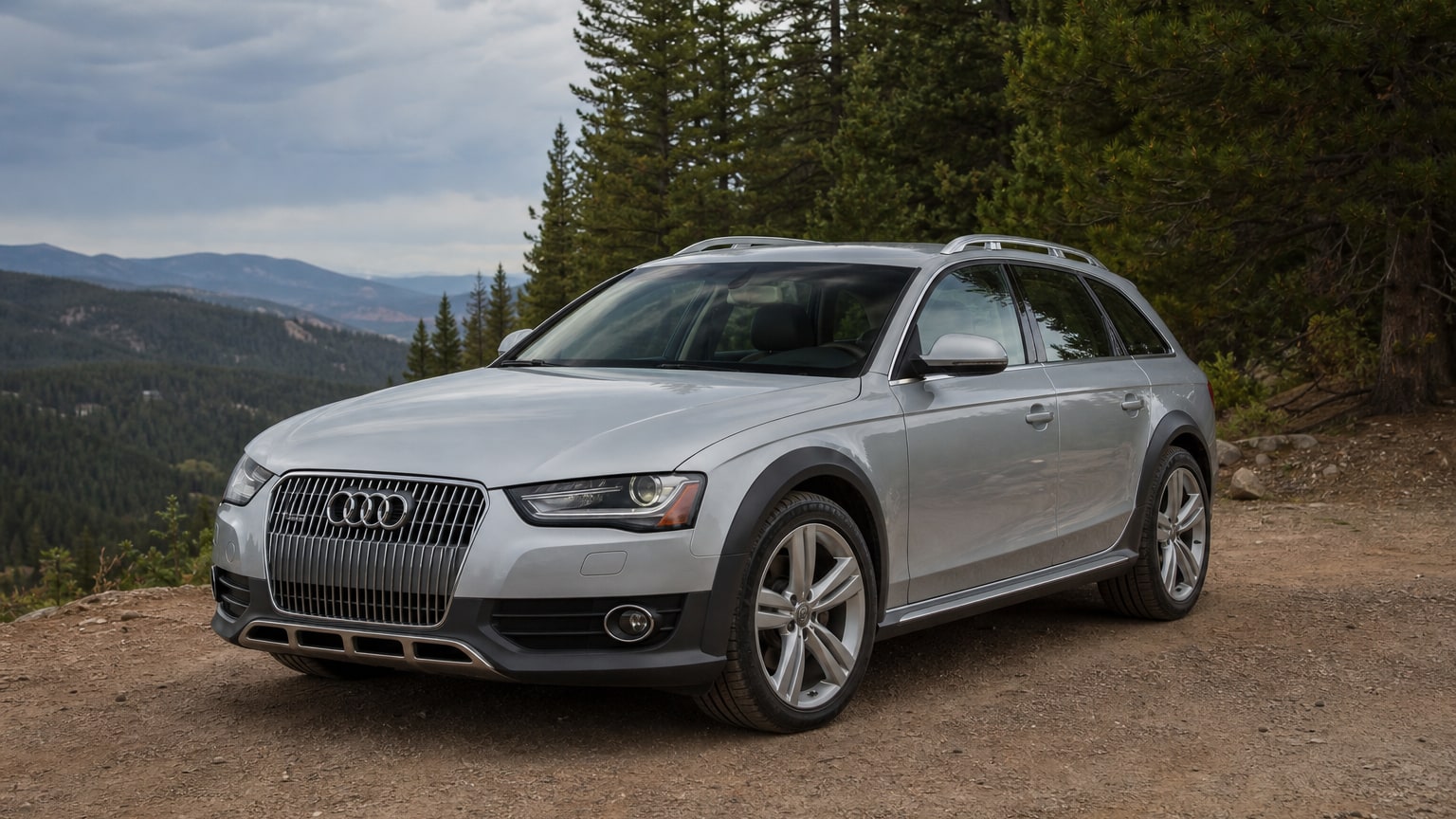
The year-by-year picture shows that the early 2001-2005 allroad and the first modern revival years carry the most risk, while mid-cycle and post-refresh years of the B9 generation tend to be the most trouble-free used buys.
| Model Year | Generation | Verdict | Notes |
|---|---|---|---|
| 2001 | 1st gen (2001-2005) | OK/Mixed | 31 CarComplaints reports; suspension & engine issues |
| 2002 | 1st gen (2001-2005) | OK/Mixed | Air suspension failures; high engine repair share |
| 2003 | 1st gen (2001-2005) | Avoid | Most CarComplaints raw complaints; engine, wheels, interior faults |
| 2004 | 1st gen (2001-2005) | Best | Lower complaint volume; V8 option; fewer systemic issues |
| 2005 | 1st gen (2001-2005) | OK/Mixed | Final US year; aging platform; AIR suspension wear |
| 2013 | B8.5 A4 allroad (2013-2016) | Avoid | CarComplaints worst by PainRank; oil consumption, timing chain |
| 2014 | B8.5 A4 allroad (2013-2016) | Best | Only 6 CarComplaints reports; lower cost complaints |
| 2015 | B8.5 A4 allroad (2013-2016) | Best | 7 CarComplaints reports; engine issues much milder than 2013 |
| 2016 | B8.5 A4 allroad (2013-2016) | Best | 0 CarComplaints reports; clean departure of B8.5 gen |
| 2017 | B9 A4 allroad (2017-present) | Avoid | CarComplaints worst B9 year; turbocharger wastegate failure; 49 reports |
| 2018 | B9 A4 allroad (2017-present) | OK/Mixed | 9 NHTSA complaints; door-trim recall; mixed reliability signals |
| 2019 | B9 A4 allroad (2017-present) | OK/Mixed | Pre-refresh; fewer complaints than 2017 |
| 2020 | B9 A4 allroad (2017-present) | OK/Mixed | Highest NHTSA raw complaint volume of B9 gen (154 complaints per NHTSA data); refreshed interior but early-build issues |
| 2021 | B9 A4 allroad (2017-present) | Best | Post-refresh; infotainment recall (22V-742) addressed; complaint profile improves |
| 2022 | B9 A4 allroad (2017-present) | Best | Low complaint history; newer-platform refinements |
| 2023 | B9 A4 allroad (2017-present) | OK/Mixed | Limited used-market data; KBB shows sparse common problems |
| 2024 | B9 A4 allroad (2017-present) | OK/Mixed | Only 4 NHTSA complaints; too new for long-term data |
Most common Audi Allroad problems
The single biggest failure across all Audi Allroad generations is engine oil consumption tied to the 2.0-liter TFSI EA888 engine, a defect serious enough to spawn a class-action lawsuit, a manufacturer warranty extension, and a separate timing chain failure cascade. Beyond that core engine issue, the allroad has recurring patterns in air suspension reliability, turbocharger failures, and electrical faults.
1. Excessive oil consumption and timing chain failure (EA888 2.0T engine)
The EA888 2.0-liter TFSI engine burns oil faster than normal between service intervals due to worn piston rings and crankcase pressure regulator faults. Consumer Reports owner surveys flag oil leaks and high consumption on the 2013 allroad, with one owner describing how the car "loses oil and it is too expensive to fix." Left unaddressed, the low oil level accelerates timing chain tensioner wear, which allows the chain to jump a tooth and can cause catastrophic engine failure. One 2013 allroad owner reported that timing chain tensioners failed and allowed the intake and exhaust cams to go out of phase, requiring a $4,110 repair at an independent shop to prevent total engine loss.
The class-action lawsuit covering this defect targets 2008-2013 Audi and VW models equipped with the 2-liter TSI or 2-liter TFSI EA888 engine. The plaintiffs note the problems appear well before 120,000 miles and can cost upward of $11,000 to fix - a steep bill on a car you may have paid $15,000-$20,000 for. As a result of the litigation, Volkswagen ultimately extended its warranty periods for affected vehicles and reimbursed drivers for costs related to 2.0-liter engine repairs.
The key buyer protection here is Audi warranty extension AWA-15-04, issued January 28, 2015. Eligible vehicles may receive oil-consumption-related repairs free of charge within 8 years/80,000 miles (whichever occurs first), and the service must be consistent with Audi Technical Service Bulletin 2027731. The repair includes replacement of the crankcase pressure regulating valve, front crankshaft seal and front crankshaft bolt, plus an Engine Control Module software update. If you are buying a 2013 allroad, ask the seller for documentation that AWA-15-04 work was performed. Most 2013 allroads are now past the 8-year window, so confirm whether the engine has already been rebuilt or serviced under the extension. The bad piston ring symptoms to watch for include blue exhaust smoke at startup, a dipstick reading more than a quart low between oil changes, and a burning oil smell from the engine bay.
2. Turbocharger wastegate failure (2017 A4 allroad)
CarComplaints rates the 2017 Audi A4 allroad as the worst model year of the B9 generation on factors including repair cost and average mileage when problems occur, and the most-reported problem is turbocharger wastegate failure. The wastegate is a valve inside the turbocharger that regulates boost pressure. When it fails, you typically notice a loud rattling noise on cold starts, reduced power under hard acceleration, and sometimes a check engine light with a boost-related code. The 2017 allroad carries 49 complaints on CarComplaints, far above any other year in the B9 lineup.
Turbocharger wastegate replacement on a 2.0T quattro wagon generally runs $1,000-$2,500 at a dealership, depending on whether just the actuator or the full turbo assembly needs replacement. A separate recall covering 2017-2018 Audi A4 Sedan and A4 allroad vehicles addressed aluminum door trim that could come loose and expose sharp edges. If you're evaluating a 2017 model, confirm that recall is closed and have the turbo inspected by an Audi specialist before purchase.
3. Air suspension failure (2001-2005 allroad quattro)
The 1st-gen allroad was designed with an adjustable air suspension capable of lifting the car to 8.3 inches of ground clearance, which is a standout feature - but the system ages poorly. Owner repair histories show air suspension replacement running around $2,450 at roughly 106,000 miles on the 2002 allroad. The failure sequence typically starts with a slow air leak in one of the air bags, which forces the compressor to run constantly, burns it out, and then leaves the car sagging to its bump stops.
TrueDelta repair data shows suspension and steering account for 34% of all 2001 allroad repair events, making it the single most common repair category for that year. Many owners bypass the original air suspension entirely with a static coilover conversion, which eliminates future air-system costs but removes the height-adjustment feature. Any 1st-gen allroad you consider buying should be inspected on a lift for air bag condition and compressor function.
4. Instrument cluster and electrical faults (1st gen and B8.5)
RepairPal identifies digital display failure in the instrument cluster as the most commonly reported problem for the Audi Allroad Quattro (the 1st-gen model). On the B8.5 allroad, electrical issues are the second most common complaint category behind engine problems. One 2013 allroad owner reported smelling an electrical fire from a parked, non-running car and finding a softball-sized fire burning from an electrical connector on the side of the engine.
Fixing a failed instrument cluster on the 1st-gen allroad typically requires a full cluster replacement, which runs $500-$1,500 depending on whether you use an OEM unit or a remanufactured one. On either generation, a pre-purchase inspection should include a full scan with VCDS or OBD-Eleven to check for stored fault codes before any warning lights appear on the dash.
5. Engine and coolant leaks (1st gen 2.7T and 4.2 V8)
The 2001 allroad's NHTSA complaint data shows 5 fuel-system complaints and 4 engine-problem complaints, with suspension and engine comprising the two dominant categories. Owner repair records from TrueDelta show valve cover gasket failures, cam seal leaks, and coolant expansion tank cracking as recurring expenses on the 2.7T twin-turbo engine. One 2001 allroad owner spent $350 replacing valve cover gaskets, cam seals, and related seals, while another paid $650 for a cracked coolant expansion tank combined with valve cover gasket work - typical maintenance items that stack up fast on a premium German wagon of this age.
RepairPal puts the annual maintenance cost of an Audi allroad at $1,077, which is above average for the segment. Factor in the valve cover, coolant, and timing chain service on any 1st-gen car and budget accordingly. A water pump failure is another known cost on the 2.7T; confirm it has been serviced or budget $600-$1,000 for replacement.
Checking a used Audi?
Scan for hidden fault codes from your phone in minutes — before you buy.
REREV may earn a commission if you sign up through this link. Learn more.
Which Audi Allroad years should you avoid?
The Audi Allroad years to avoid are 2003, 2013, and 2017. On CarComplaints, the 2003 allroad has the most overall complaints, but the site rates the 2013 model year as worse because of higher repair cost and problems occurring at lower mileage. On raw NHTSA complaint volume for the modern A4 allroad, the 2020 model year drew the most NHTSA complaints of the B9 generation - that is a different ranking, from a different dataset, than CarComplaints' PainRank designation of 2017 as worst.
| Audi Allroad Generation | Model Years | Verdict | Main Issues |
|---|---|---|---|
| 1st gen allroad quattro | 2001-2005 | Mixed (worst: 2003) | Air suspension, engine/coolant leaks, instrument cluster |
| B8.5 A4 allroad | 2013-2016 | Mixed (worst: 2013) | EA888 oil consumption, timing chain failure, electrical fires |
| B9 A4 allroad | 2017-present | Mixed (worst: 2017) | Turbocharger wastegate failure, door-trim recall |
Worst Audi Allroad years: 2003, 2013, 2017
1st-generation Audi Allroad (2001-2005)
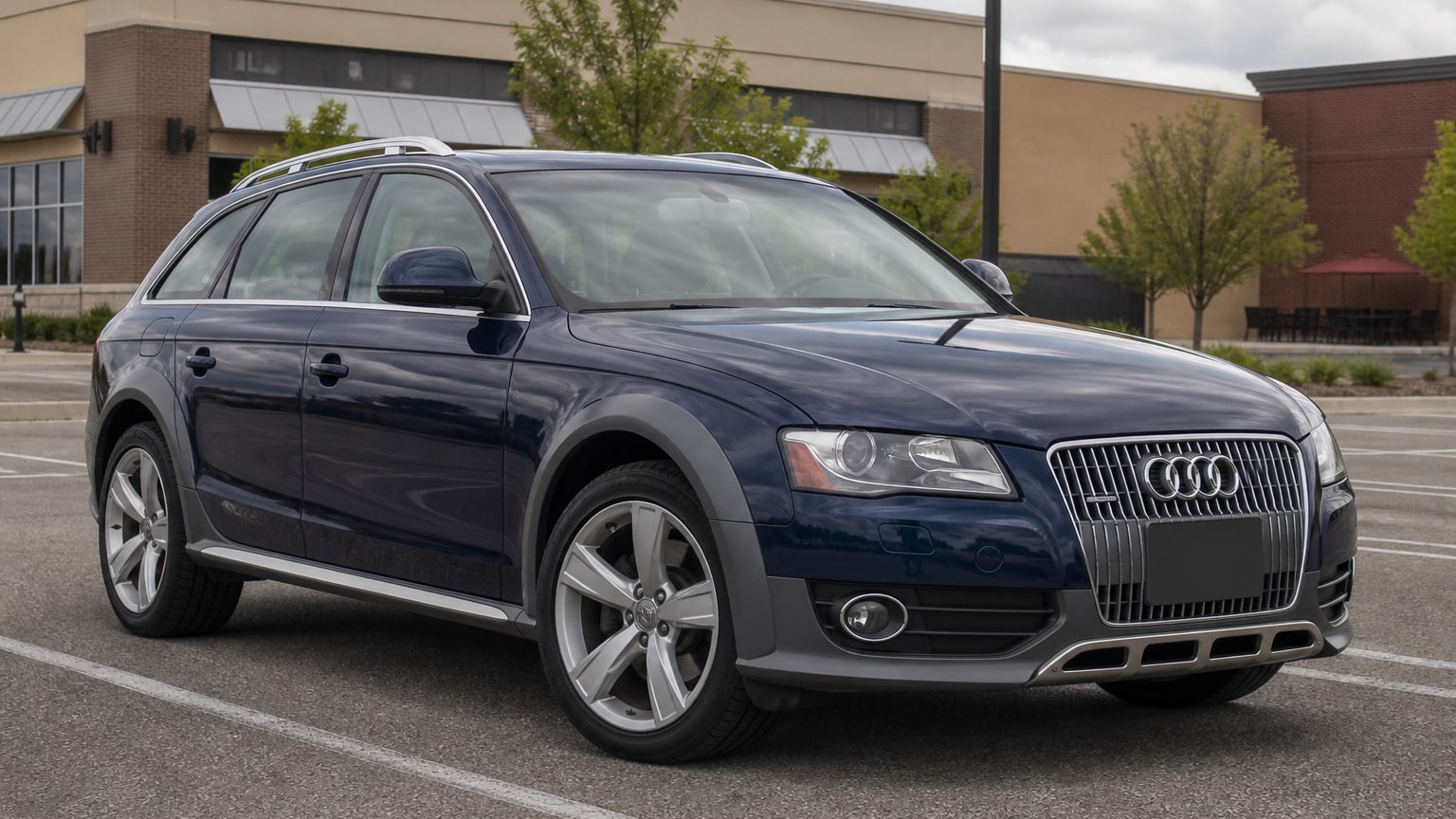
The 2001 allroad has 31 problems and defects reported by owners on CarComplaints, with the worst complaints falling under engine and suspension. The 2003 is the single most-complained-about year of this generation, with engine, wheel/hub, and interior accessory problems adding up faster than any other year. Audi discontinued the allroad in the United States after the 2005 model year, and these vehicles are now 20-plus years old, meaning air suspension components, turbo seals, and electrical connectors are aging simultaneously.
B8.5 A4 allroad (2013-2016)
The 2013 allroad has 21 problems and defects reported on CarComplaints, with the worst complaints in the engine and body/paint categories. The most-reported problem across the entire allroad lineup is the 2013 model's excessive oil consumption. Consumer Reports rates the 2013 allroad as less reliable than other cars from the same model year, with engine-related trouble spots dominating owner surveys. Repair costs on the EA888 engine can reach $11,000 if a timing chain failure cascades into a full engine replacement.
B9 A4 allroad (2017-present)
The 2017 A4 allroad has the most overall complaints in the B9 lineup, and CarComplaints rates it as the worst model year on factors including repair cost and average mileage when problems occur. The turbocharger wastegate is the defining fault, appearing at relatively low mileage and carrying a repair cost that rivals what some buyers paid for the car. The 2018 and 2019 years are quieter by comparison, but the 2017 should be approached with a full turbo inspection and a VIN check at NHTSA's recall database to confirm open campaigns are resolved.
What are the best Audi Allroad years to buy?
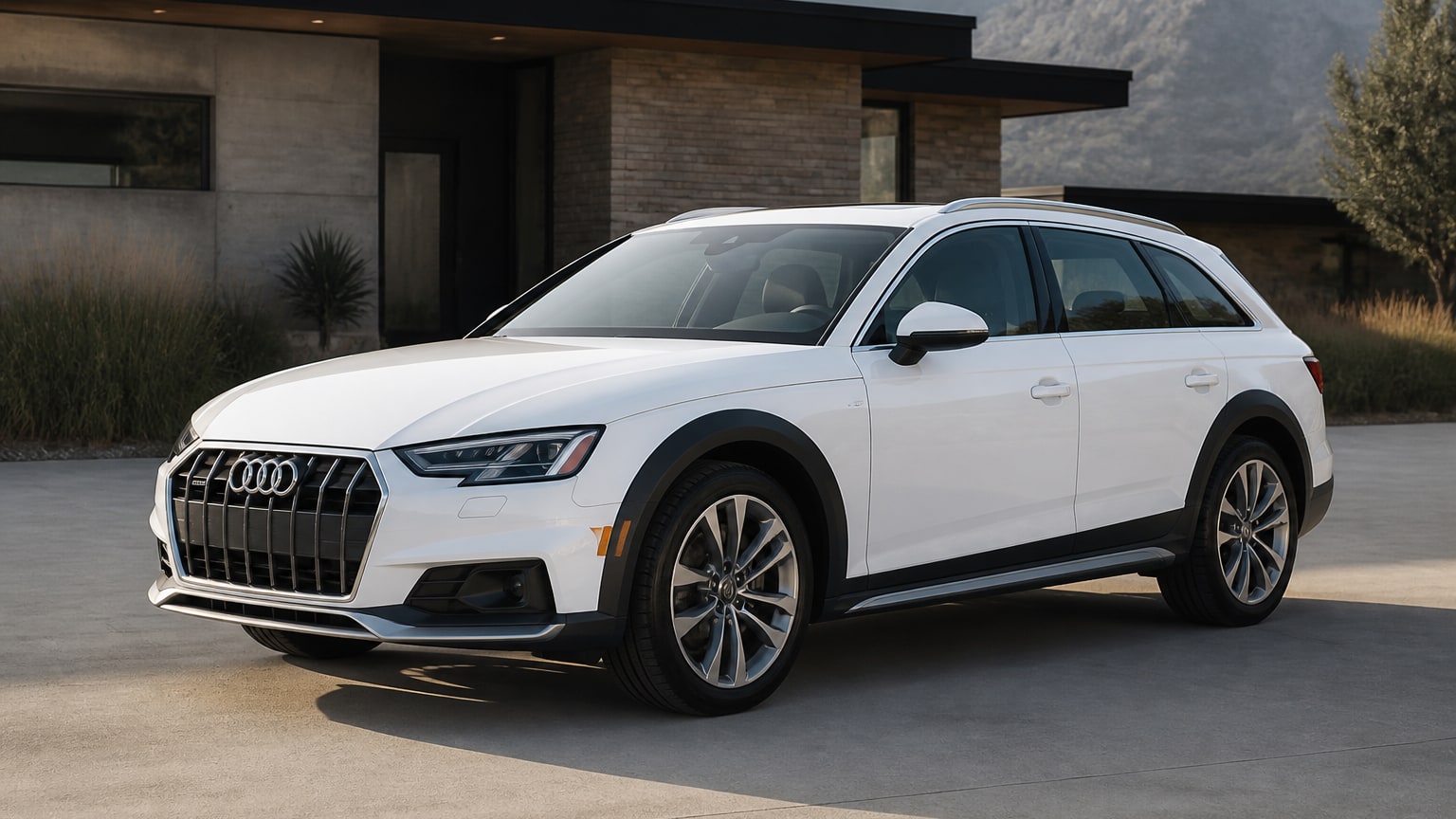
The best used Audi Allroad years are 2004, 2014, 2015, 2016, 2021, and 2022 - years that either sit away from the worst-complaint peak of their generation or benefit from mid-cycle revisions that addressed prior weaknesses.
| Best Audi Allroad Year | Why It's a Strong Buy |
|---|---|
| 2004 | Lower 1st-gen complaint volume; V8 option available; fewer systemic engine faults than 2003 |
| 2014 | Only 6 CarComplaints reports; post-2013 launch issues largely resolved |
| 2015 | Just 7 CarComplaints reports; engine complaints much milder than launch year |
| 2016 | Zero CarComplaints reports filed; cleanest year of B8.5 generation |
| 2021 | Post-refresh B9; infotainment recall addressed; improved complaint profile |
| 2022 | Low NHTSA complaint history; latest-platform refinements with more real-world history than 2023-2024 |
Most reliable Audi Allroad years: 2004, 2014, 2015, 2016, 2021, 2022
2016 Audi Allroad
The 2016 allroad has zero problems and defects reported by owners on CarComplaints, making it the cleanest year of the B8.5 generation on that dataset. It benefits from three full years of production improvements since the troubled 2013 launch, and most early-run EA888 oil consumption issues were addressed in cars built from 2014 onward. If your budget allows a B8.5 allroad, the 2016 is the safest choice in that generation.
2021 Audi Allroad
The A4 allroad was first introduced in the US for the 2013 model year, with the latest version reaching the US market in 2016 and receiving a significant refresh in model year 2020. The 2021 benefits from that 2020 interior and technology refresh, and its complaint profile is substantially cleaner than the 2017-2018 years. The 2021 A4 allroad was part of recall 22V-742 covering an infotainment software bug - confirm that campaign is closed on any specific VIN using NHTSA's lookup tool, and you have one of the better late-model used allroad options available.
2022 Audi Allroad
The 2022 stands out because it combines the post-refresh platform with enough production time to have known issues documented without carrying the launch-year risks of the 2020. It carries a low NHTSA complaint profile and represents a strong balance of recency and reliability data for used buyers.
Audi Allroad pre-purchase checklist
Before signing anything on a used allroad, work through these model-specific checks:
- Run the VIN through NHTSA's recall checker. The B9 A4 allroad has multiple recall campaigns on record; confirm every one is closed before purchase.
- On any 2013 allroad, check the oil level cold and ask for AWA-15-04 documentation. Pull the dipstick yourself. If the level is more than a quart low between changes, walk away or negotiate a significant price reduction. Ask the seller or dealer whether the crankcase valve and front crankshaft seal were replaced per Audi TSB 2027731.
- On 2013-2014 allroads, request a timing chain inspection. Have an Audi specialist run a "cam phase adaptation" test via VCDS or OBD-Eleven. A stretched EA888 timing chain can fail without obvious warning and destroy the engine.
- On any 2001-2005 allroad, test all four air suspension height levels. Raise and lower the car through every mode with the engine running. Listen for compressor strain or hissing airbag leaks. Factor in $2,000-$3,000 for air suspension work if the system is marginal.
- On 2017 allroads, have the turbocharger inspected. Listen for a rattle on cold start (wastegate flutter), check for boost codes in the ECU, and confirm the door-trim recall has been completed.
- Ask for full service records, specifically oil change intervals. The EA888 engine is sensitive to extended drain intervals. Records showing oil changes beyond 10,000-mile intervals on high-mileage 2013-2015 cars are a red flag.
- Get an independent pre-purchase inspection. RepairPal rates Audi's overall reliability at 3.0 out of 5.0, meaning a licensed Audi-certified mechanic inspection is more valuable than on mainstream brands.
Better alternatives to consider
If the Audi Allroad years in your budget land on the avoid list, consider these alternatives instead:
- Audi Q5 - shares Audi's quattro AWD platform in a more conventional SUV body with a broader used-market supply and a clearer year-by-year complaint record
- Audi S4 - the performance sedan sibling with the same quattro hardware and a wagon-adjacent driving character, often at a comparable used price
- Volvo V60 Cross Country - a direct rival in the lifted premium wagon segment with a strong safety record and a simpler air-suspension-free setup
- Ford Edge - a more mainstream alternative at a lower price point for buyers who want AWD utility without German-brand running costs
Is the Audi Allroad worth buying?
The Audi Allroad is a genuinely rewarding used buy as long as you avoid the 2003, 2013, and 2017 model years. The 2014, 2015, and 2016 B8.5 cars deliver the allroad's core appeal - quattro AWD, raised ride height, a refined interior - without the engine defect risk of the 2013 launch year. Annual maintenance runs around $1,077 per RepairPal, so budget accordingly and keep up with oil changes. The 2021 and 2022 B9 allroads are the strongest late-model picks, combining the post-refresh platform with a cleaner complaint record than the 2017-2020 range. Before any purchase, run the VIN through NHTSA's recall checker and verify the car's full maintenance history.