
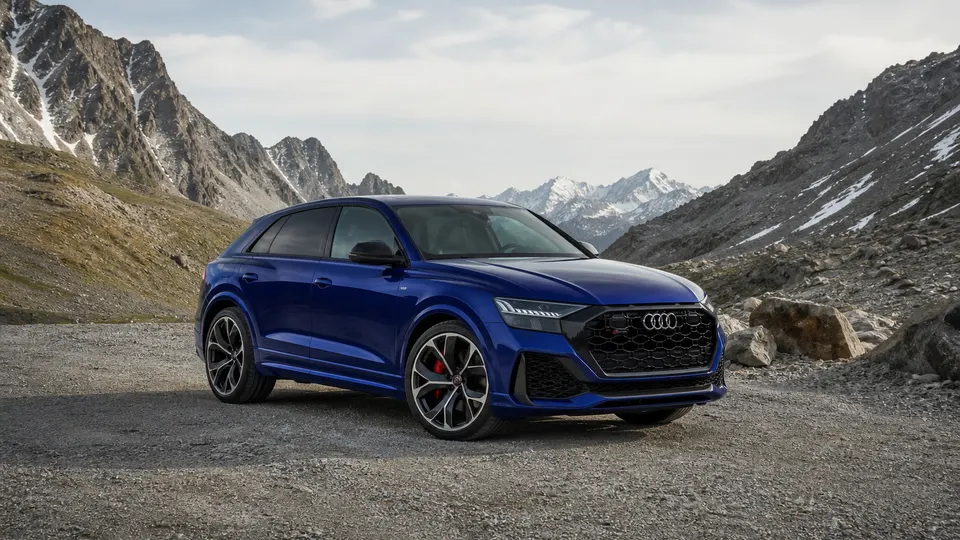
The Audi RS Q8 is one of the most capable performance SUVs on the market, pairing a 591-horsepower twin-turbo V8 with everyday usability, but a few model years carry more recall and complaint baggage than others. The RS Q8 arrived in the U.S. as an all-new model for 2020, combining the genes of a high-performance RS model with the everyday practicality of an SUV. This guide uses NHTSA recall data, CarComplaints filings, owner forum reports, and RepairPal brand-level ratings to show you which years to prioritize and which to skip when shopping used.
For generations and related Audi performance SUV guides, see the Audi RS Q8 hub.
At a glance
- Worst years
- 2020
- 2021
- Best years
- 2022
- 2023
- Top failure
- Electrical system malfunctions and software-driven recalls (first generation, NHTSA complaint data)
- Always do before buying
- Run the VIN through NHTSA's recall checker to confirm all open campaigns are closed, plus physically inspect the air suspension for leaks or uneven ride height before any purchase
How we rated the best and worst Audi RS Q8 years
The first-generation RS Q8's earliest model years, 2020 and 2021, carry the heaviest recall burden and the most documented owner-reported problems, making them the years to approach most carefully in the used market. To build these ratings, we drew on NHTSA complaint and recall data, CarComplaints, RepairPal for brand-level reliability context, owner threads on AudiWorld forums, and J.D. Power model history.
CarComplaints lists zero filed consumer complaints for the RS Q8 specifically - a reflection of its low US sales volume rather than perfection - so no CarComplaints PainRank year-by-year comparison is available for this model. NHTSA complaint volume for the RS Q8 is also sparse for the same reason, but NHTSA recall data is robust: the RS Q8 has 10 known recalls, with the most common being the rear view camera image failing to display. Because CarComplaints has no PainRank data for the RS Q8, worst-year designations here are based primarily on NHTSA recall cluster density and verified owner-reported problems.
The years to avoid methodology applied here weights recall density and safety-critical campaigns more heavily than complaint volume alone, which matters especially for low-volume models like the RS Q8.
| Audi RS Q8 Generation | Best Audi RS Q8 Years | Worst Audi RS Q8 Years |
|---|---|---|
| 1st Gen (2020-2026) | 2022, 2023 | 2020, 2021 |
Every Audi RS Q8 model year ranked
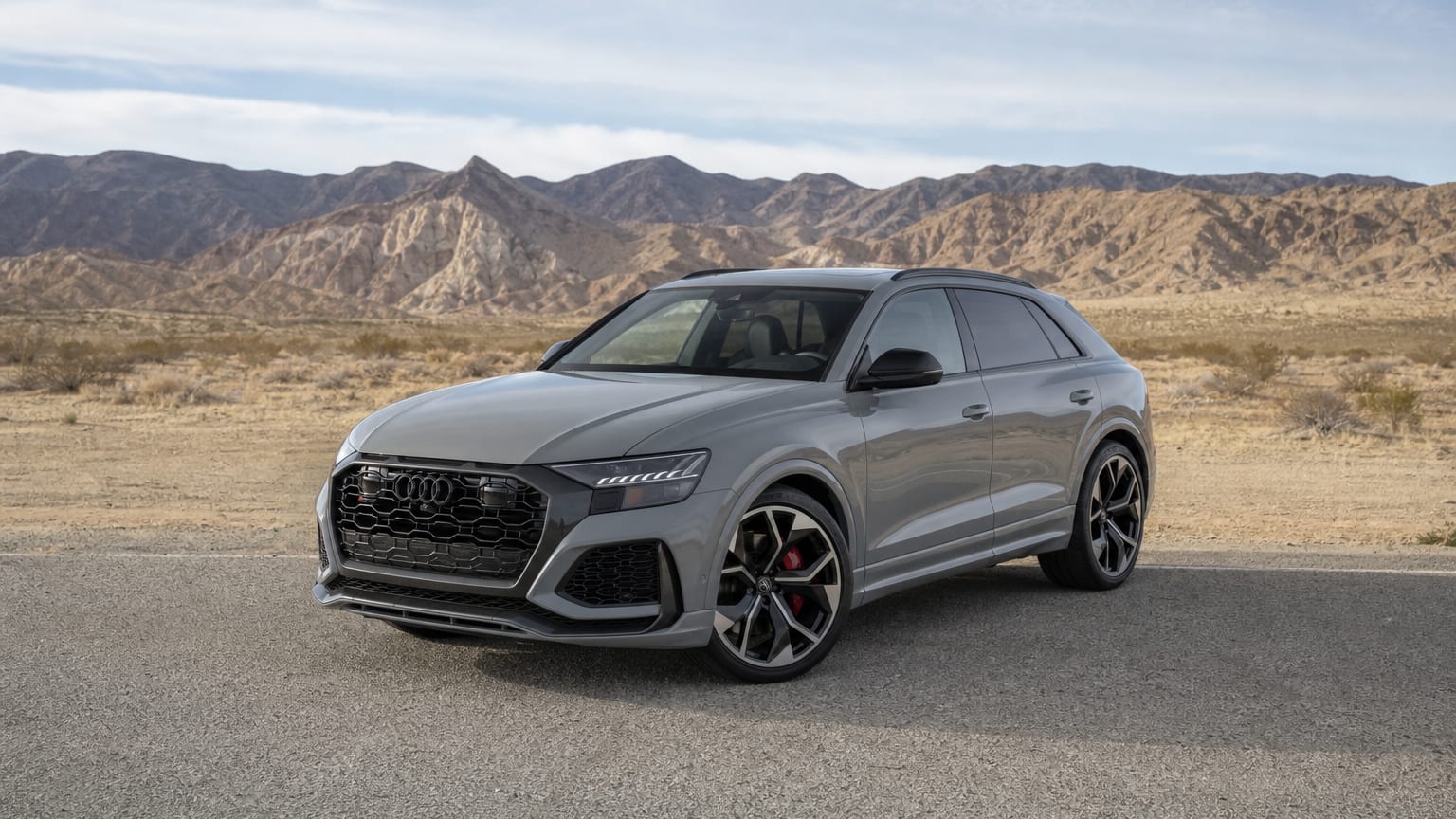
The RS Q8 has a single generation in the US market, having arrived for 2020, so every model year from 2020 onward is part of the same platform. Early production years carry the greatest concentration of recall campaigns, while later years have benefited from software fixes and component improvements.
| Model Year | Generation | Verdict | Notes |
|---|---|---|---|
| 2020 | 1st Gen | Avoid | First US year; rearview camera recall, rear axle recall, highest recall density |
| 2021 | 1st Gen | Avoid | Instrument cluster recall, rear axle recall, airbag software recall, multiple campaigns |
| 2022 | 1st Gen | Best | Fewer new recall campaigns; rearview camera fix carried over from prior year |
| 2023 | 1st Gen | Best | Carries over with minimal changes; airbag recall limited to small production window |
| 2024 | 1st Gen | OK/Mixed | Minimal changes; 0 consumer complaints on record; 3 recalls |
| 2025 | 1st Gen | OK/Mixed | Seat belt buckle recall issued; RS Q8 performance variant added |
| 2026 | 1st Gen | OK/Mixed | Too new for meaningful used-market data |
Most common Audi RS Q8 problems
Electrical system failures are the single biggest recurring issue on the RS Q8, spanning software glitches that trigger full shutdowns to camera and instrument cluster faults covered by NHTSA recall campaigns. Beyond electronics, the platform also sees air suspension faults, brake wear from performance driving, turbocharger stress, and rear axle component failures. Here are the four most documented problem categories:
1. Electrical system failures and software malfunctions
The RS Q8 has been reported to display an electrical system malfunction warning and completely shut down, requiring the car to be towed to an Audi service center - a situation owners describe as extremely unsafe. A separate owner account describes losing steering capabilities after an electrical error, requiring a tow. Advanced electronics in the RS Q8 can malfunction, affecting the infotainment system, sensors, and other technology, with symptoms including frozen or unresponsive screens, random warning lights, connectivity issues, and malfunctioning parking or blind-spot sensors.
On the recall side, Volkswagen Group of America recalled certain 2021 RS Q8, SQ8, A6, A7, A8, Q7, Q8, RS6 Avant, RS7, S6, S7, S8, A6 Allroad, and SQ7 vehicles because a software error may cause the instrument panel display to fail. That campaign (NHTSA recall code 90VC, covering 1,122 RS Q8 units for model year 2021 per NHTSA records) was remedied by a dealer software update at no charge. Separately, Volkswagen recalled certain 2019-2026 vehicles because a software error may prevent the rearview camera image from displaying as intended, causing these vehicles to fail to comply with Federal Motor Vehicle Safety Standard number 111, "Rear Visibility." That campaign (NHTSA number 25V-900, Audi recall code 90TV) affects RS Q8 model years 2020-2026.
Buyer takeaway: Before buying any RS Q8, confirm at the NHTSA VIN checker that both the rearview camera recall (25V-900) and the instrument cluster recall (code 90VC, if a 2021) have been completed by a dealer.
2. Air suspension leaks and compressor failures
The RS Q8's air suspension system is designed to offer both comfort and performance adaptability, but it is also a source of complaints among some owners. Problems with the air suspension can lead to an uncomfortable ride, uneven ride height, and even suspension failure. Air suspension problems can be due to leaks in the air springs, compressor failures, or issues with the control module.
Over time, air springs can develop leaks that prevent them from holding pressure and maintaining proper ride height. The compressor, responsible for inflating and deflating the air springs, may also wear out from overuse, especially in conditions that demand frequent adjustments to ride height. Signs of air suspension issues include a sagging or uneven stance when the vehicle is parked, a noticeable decline in ride comfort, and warning lights indicating suspension faults.
A TSB covering adaptive suspension is on file with NHTSA for the RS Q8 model years 2020-2023 (NHTSA TSB document MC-10241231-0001). Fixing air suspension problems often involves replacing leaking air springs or a failing compressor. Compressor replacement at an Audi dealer can run into the thousands of dollars for parts and labor on a low-production performance SUV. Buyer takeaway: Have a pre-purchase inspection specifically check air spring condition and listen for compressor cycling while the car is at rest.
3. Rear axle misalignment (trailing arm nut corrosion)
Audi recalled over 40,000 vehicles to fix a faulty suspension component that could cause a loss of control while driving, including the 2021 RS Q8 among other SUVs and sedans. The issue is due to a faulty nut within the rear axle assembly. If this nut breaks, the rear wheels may become misaligned, which could lead to a crash. The existing recall fixes a potential issue in which the rear axle can become misaligned because of stress corrosion on a set of lock nuts.
The remedy is dealer inspection and lock nut replacement at no cost to the owner. This recall is safety-critical: rear-wheel misalignment at highway speed can trigger an uncontrolled loss of control. Buyer takeaway: If you are looking at a 2021 RS Q8, confirm VIN-level completion of this rear axle recall before driving the car anywhere.
4. Driver seat side airbag mounting fault
Certain RS Q8 vehicles were potentially assembled with a driver seat side airbag that was not properly mounted into the seatback frame, with 64 RS Q8 units affected. The NHTSA recall number for this campaign is 23V-868, with manufacturer recall number 69GA. Dealers inspect and reinstall the airbag as necessary, free of charge, with owner notification letters mailed January 17, 2024. The affected production window was August-November 2023, so this one touches a narrow slice of 2023-2024 RS Q8 production.
Buyer takeaway: Check recall 23V-868 by VIN at NHTSA.gov. The fix is free and takes one shop visit, but an unrepaired unit poses a genuine safety risk in a side-impact crash.
5. Brake wear from performance driving
The RS Q8's brakes, even carbon-ceramic options, can wear quickly under spirited driving or heavy city use, with symptoms including squeaking or grinding noises, reduced braking efficiency, a soft brake pedal, and burning smell after heavy braking. The RS Q8 weighs over 5,000 lbs and uses its brakes hard from high speeds, so pad and rotor life depends heavily on prior owner driving style. A soft or spongy brake pedal on a used RS Q8 warrants a full brake system inspection before purchase.
The average annual repair cost for all luxury full-size SUVs is $1,127 per year, including both major scheduled maintenance and unscheduled repairs - but high-performance brake components on the RS Q8 can push individual repair events well above that average. Buyer takeaway: Ask whether the car was used on track days, and budget for brake inspection and possible pad/rotor replacement as part of your purchase negotiation.
Checking a used Audi?
Scan for hidden fault codes from your phone in minutes — before you buy.
REREV may earn a commission if you sign up through this link. Learn more.
Which Audi RS Q8 years should you avoid?
The Audi RS Q8 years to avoid are 2020 and 2021. The 2020 was the first US model year and carries the highest density of open recall campaigns, while the 2021 added an instrument cluster software recall (code 90VC, covering 1,122 units) and a rear axle safety recall on top of the platform-wide rearview camera issue. NHTSA complaint volume for the RS Q8 is low overall due to the car's small US sales numbers, but both 2020 and 2021 are involved in more safety campaigns than any other model year. CarComplaints has no PainRank year ranking for the RS Q8 due to insufficient filed complaints.
| Audi RS Q8 Generation | Model Years | Verdict | Main Issues |
|---|---|---|---|
| 1st Gen | 2020, 2021 | Worst | Rearview camera recall, rear axle recall, instrument cluster software, electrical shutdowns |
| 1st Gen | 2022, 2023 | Best | Recalls addressed; fewer new campaigns; minor carry-over changes |
| 1st Gen | 2024, 2025, 2026 | Mixed | Seat belt buckle recall (2025); too recent for full data |
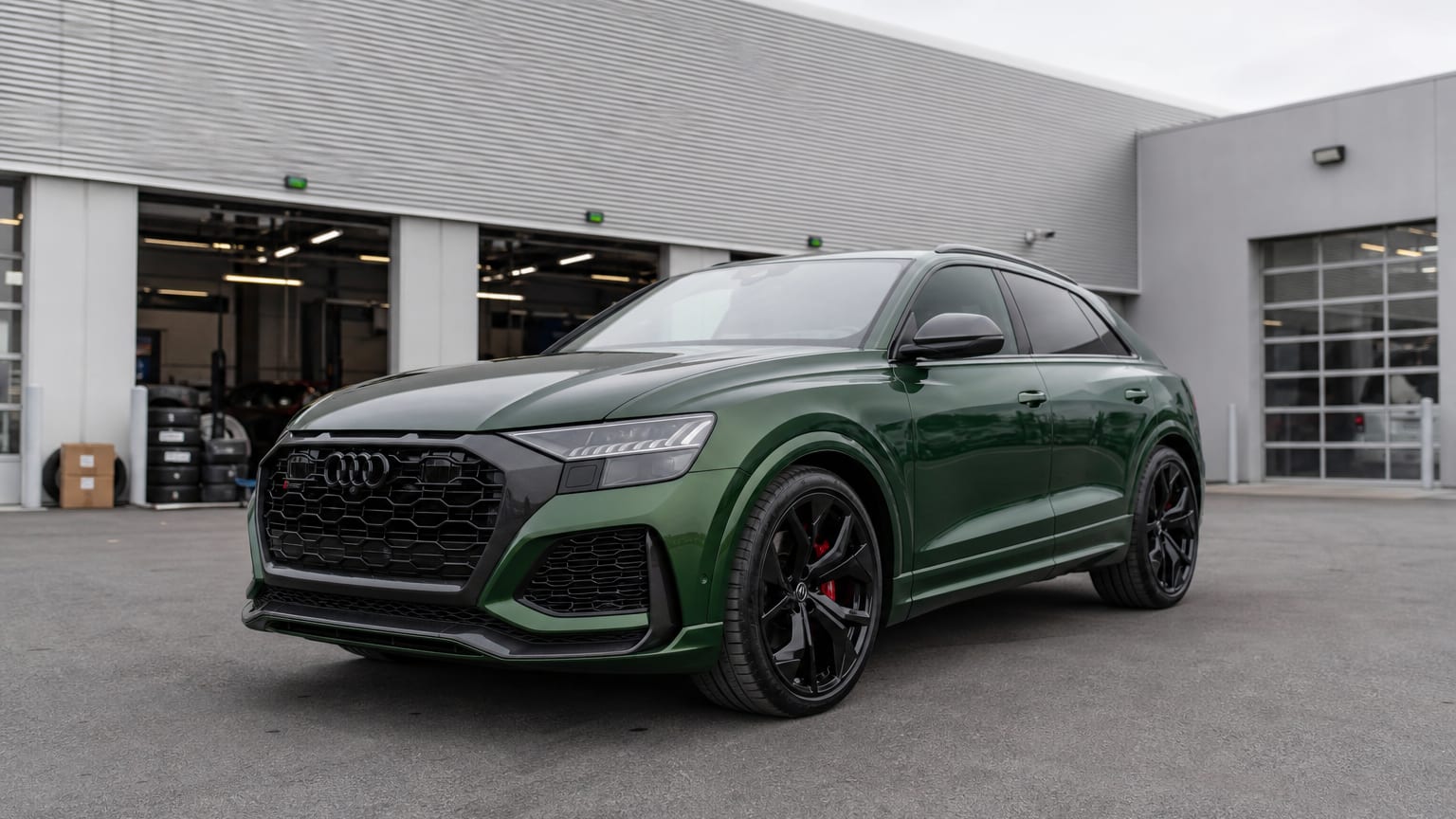
Worst Audi RS Q8 years: 2020, 2021 1st-generation Audi RS Q8 (2020-2021)
At least one owner of a 2021 RS Q8 bought the car used with 10,000 miles and put 20,000 more miles on it over two years, then had numerous issues in the following months, including being towed to the dealer twice. Problems included full system failure spanning suspension, drive malfunction, vehicle starting system, sport differential, and electrical malfunction simultaneously. The 2021 was also caught in NHTSA recall data for the instrument cluster display failure and the rear axle nut corrosion campaign, making it the model year with the most concurrent safety recall exposure. The 2020 shares the platform-wide rearview camera recall (25V-900) and the rear axle recall alongside its status as the brand-new first year of production.
What are the best Audi RS Q8 years to buy?
The best Audi RS Q8 years to buy are 2022 and 2023. Both carry over the refined 4.0-liter twin-turbo V8 with first-year issues largely addressed, and neither was targeted by the rear axle or instrument cluster campaigns that hit 2020 and 2021. The 2023 airbag recall (23V-868) covers a narrow production window of 64 units, so most 2023 RS Q8 examples are unaffected.
| Best Audi RS Q8 Year | Why It's a Strong Buy | 2022 |
|---|---|---|
| Rearview camera and rear axle fixes completed; minimal new campaigns; infotainment update | 2023 | Fewest major new recall campaigns; narrow airbag recall easily verified by VIN |
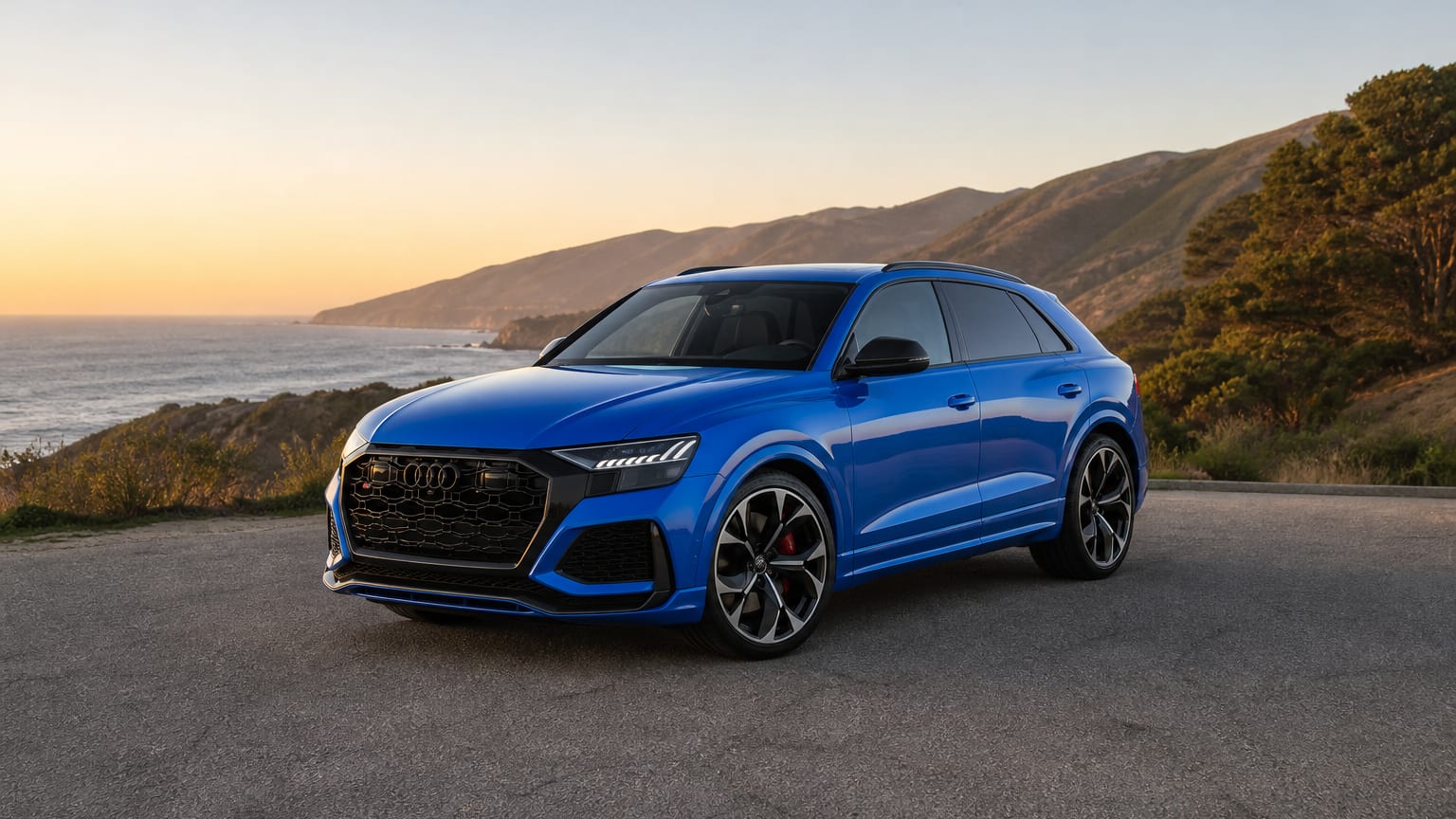
Most reliable Audi RS Q8 years: 2022, 2023
2022 Audi RS Q8
For 2022, the Audi Q8 comes with minor changes to the infotainment system, and the RS Q8 carries over the same 591-horsepower V8 drivetrain that debuted in 2020. By 2022, Audi had issued and dealers had largely completed the rearview camera software update, and no new safety-critical campaigns targeting this year were opened during production. The 2024 RS Q8 recorded 0 consumer complaints - a pattern that begins with the 2022 generation of carryover RS Q8 models, where volumes of reported issues dropped significantly versus the first two years. You can check 2022 recall status on NHTSA's recall page for this vehicle.
2023 Audi RS Q8
For 2023, the Audi Q8, SQ8, and RS Q8 all carry over with minimal changes. The RS Q8 launched at $126,000 for 2023, and its used market values reflect a stable, well-sorted version of the platform. The only recall touching the 2023 RS Q8 is the narrow driver seat airbag campaign (23V-868), which covered just 64 RS Q8 units with a simple dealer reinstallation remedy. For most 2023 examples on the used market, a quick VIN check at NHTSA recalls will confirm this campaign has already been completed.
Audi RS Q8 pre-purchase checklist
Before signing on any used RS Q8, run through these model-specific checks:
-
Run the VIN through NHTSA's recall checker at nhtsa.gov/recalls to confirm every open campaign is closed - especially recall 25V-900 (rearview camera), code 90VC (2021 instrument cluster), recall 23V-868 (2023-2024 airbag), and the rear axle lock nut recall on 2021 models.
-
Inspect the air suspension before driving: look for a sagging or uneven stance with the car at rest, and listen for a compressor that runs continuously or fails to reach ride height. The RS Q8's adaptive air suspension ensures a smooth ride but can develop leaks, compressor failures, or control module issues.
-
On 2020 and 2021 cars specifically: ask the selling dealer or private seller for dealer paperwork proving the rear axle recall remedy has been completed; this is a safety-critical fix, not a software patch.
-
Check brake condition thoroughly: ask whether the car was used on a track or driven hard. The RS Q8's brakes, even carbon-ceramic options, can wear quickly under spirited driving or heavy city use. Budget for pad and rotor inspection before you drive it home.
-
Verify electrical system health with a dealer scan: electrical system malfunctions that cause full shutdowns are among the most alarming owner-reported issues. A scan for stored fault codes at an Audi dealer or independent VAG specialist takes under an hour and can surface hidden problems.
-
Request full service records: the average annual repair cost for an Audi is $987, with 0.8 visits to a repair shop per year and a 13% probability of a repair being severe - gaps in maintenance history on a 591-horsepower SUV are a meaningful risk signal.
-
Confirm Audi CPO status if applicable: Audi offers a certified pre-owned program for cars five years old or less and with fewer than 60,000 miles, with coverage until four years from the vehicle's original in-service date or 50,000 miles.
Better alternatives to consider
If the RS Q8 years in your budget land on the avoid list, consider these alternatives instead:
- Audi Q8 and Audi SQ8 - the same MLB Evo SUV family at lower (or less extreme) power levels
- Audi RS7 - the Sportback counterpart if you want the same twin-turbo V8 without the SUV footprint
- Acura RDX - a luxury SUV with a stronger reliability track record and a cleaner year-by-year complaint history in the used market
- Porsche Cayenne Turbo - shares a similar high-performance SUV brief, with a longer US production run and more repair shop familiarity among independent European specialists
- BMW X5 - the closest BMW SUV rival with established RepairPal and NHTSA data across more model years for used buyers cross-shopping the segment
- Lamborghini Urus - shares the same 4.0-liter twin-turbo V8 platform as the RS Q8 and is worth considering if your budget allows; the RS Q8, underneath its skin, is built on the same platform as the Lamborghini Urus but with less power
Buyers who find the RS Q8 out of reach but still want a capable Audi SUV can look at Audi Q7 years to avoid and Audi Q5 years to avoid to identify the safest used-market entry points in those more affordable nameplates.
Is the Audi RS Q8 worth buying?
The Audi RS Q8 is worth buying as long as you target 2022 or 2023 and verify all open recalls are closed. The 2025 Audi Q8 received an overall 5-star safety rating from NHTSA, and the platform's safety credentials have only improved as recall campaigns have been addressed. The 2020 and 2021 models experienced first-year issues, while later years offer a surer path to RS Q8 reliability. Run the VIN through NHTSA's recall checker and ask for a complete maintenance history before finalizing any purchase.