
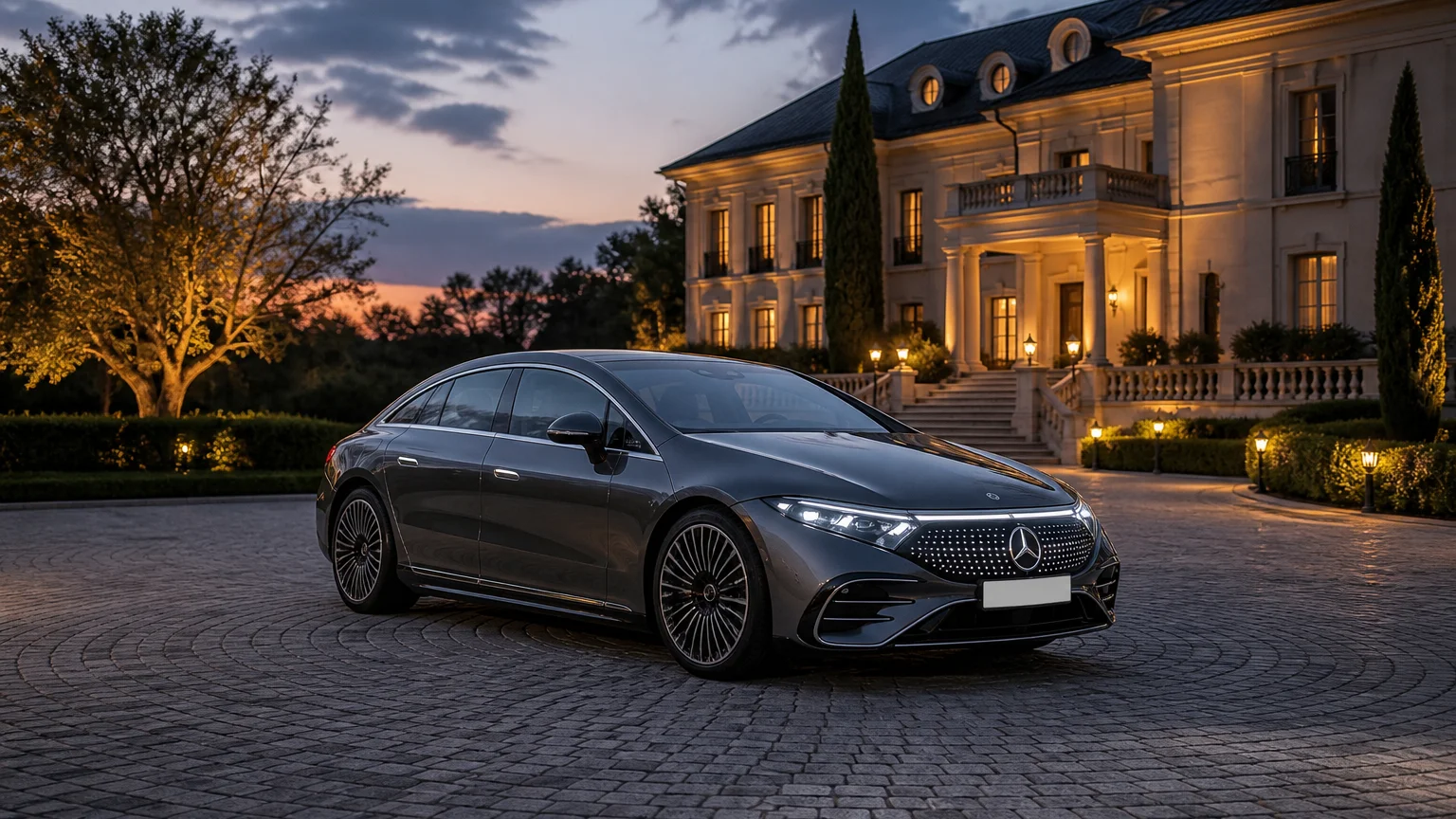
The Mercedes-Benz EQS is a genuinely impressive all-electric flagship, but its early model years brought a wave of software-driven recalls and safety complaints that you need to know about before you buy used. The EQS covers model years 2022 to 2024 with an average reliability score of 52 out of 100, reflecting a mixed reliability reputation - which means the year you choose matters considerably. This guide ranks every EQS model year using NHTSA complaint data, recall counts, and owner reports so you can zero in on the safest used buy.
For generations, engines, and ownership notes in one place, see the Mercedes-Benz EQS hub.
Related: Mercedes-Benz EQE years to avoid, Mercedes-Benz C-Class years to avoid.
At a glance
- Worst years
- 2022
- 2023
- Best years
- 2024
- 2025
- Top failure
- 1st-gen electric drivetrain software fault causing sudden loss of propulsion (NHTSA recall 23V-405, 2022-2023 cars)
- Always do before buying
- Run the VIN through NHTSA's recall checker to confirm every open campaign is closed, and on 2022-2023 cars specifically verify that the drivetrain software recall (23V-405) and the battery management system recall (24V-372) have both been completed at a dealer
How We Rated the Best and Worst Mercedes-Benz EQS Years
The 2022 model year is the most problematic EQS on record, carrying the highest recall count in the generation and the heaviest concentration of brake and forward-collision complaints on NHTSA; the 2023 follows closely with the most raw NHTSA owner complaints of any single year.
This guide draws on NHTSA complaints and recalls, CarComplaints for complaint severity and cost context, and third-party reliability indexes for per-year scoring. CarComplaints ranks a “worst year” primarily by repair cost and mileage at failure (its PainRank system), while NHTSA shows raw complaint volume - the two metrics often point to different years.
Our years to avoid methodology combines these sources with recall counts and owner-reported severity to produce each year’s verdict.
| Mercedes-Benz EQS Generation | Best Mercedes-Benz EQS Years | Worst Mercedes-Benz EQS Years |
|---|---|---|
| 1st gen (2022-2025) | 2024, 2025 | 2022, 2023 |
Every Mercedes-Benz EQS Model Year Ranked
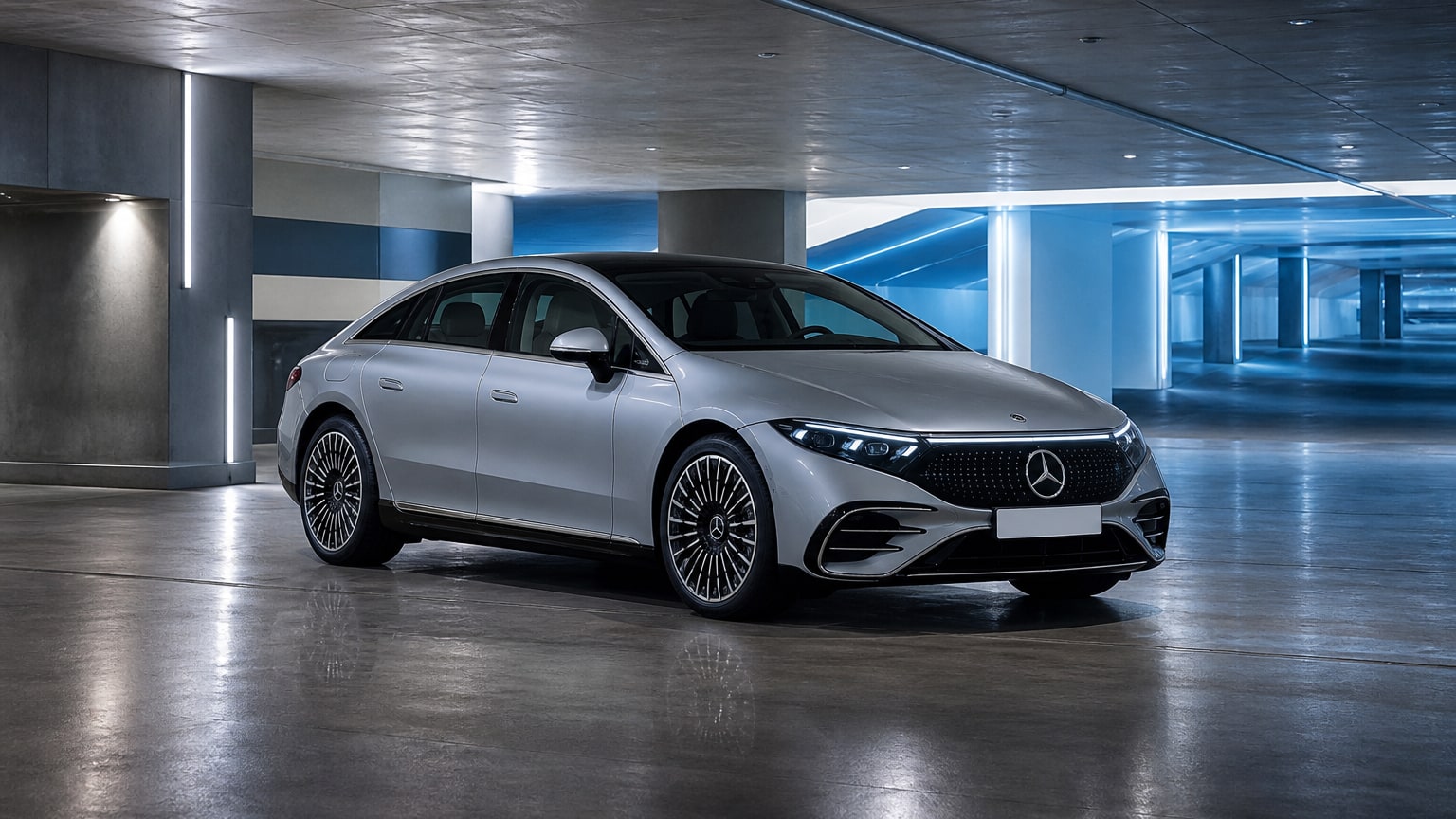
The first all-electric luxury EQS vehicle was unveiled in April 2021, with 450, 450+, and 580 models launching in 2022 - making the EQS a short-run model with a tight year-by-year record that makes each year’s verdict count.
| Model Year | Generation | Verdict | Notes |
|---|---|---|---|
| 2022 | 1st gen | Avoid | Highest recall count (14); top NHTSA brake/collision complaints |
| 2023 | 1st gen | Avoid | Most NHTSA owner complaints (61); drivetrain software recall |
| 2024 | 1st gen (refreshed) | Best | Fewest complaints (6); best reliability score in generation |
| 2025 | 1st gen (refreshed) | Best | Updated software; reduced recall exposure |
Most Common Mercedes-Benz EQS Problems
The single biggest failure across the EQS lineup is the electric drivetrain software fault that can cut power without warning, a problem that triggered a federal safety recall covering thousands of vehicles. Beyond that core issue, four additional recurring problem areas show up consistently across owner complaints and NHTSA data.
1. Electric Drivetrain Software Fault - Sudden Loss of Propulsion
One of the more serious early issues on the EQS family wasn’t physical at all; it was code. Mercedes issued recalls on certain 2022-2023 EQS and EQE models for drivetrain software bugs that could, under specific conditions, deactivate the electric drive unit and cause a sudden loss of propulsion with warning messages flooding the cluster.
Mercedes-Benz discovered the issue in October 2022 after a field report of an electrical drivetrain malfunction, and issued a U.S. recall (NHTSA campaign 23V-405) in July 2023 covering 8,281 vehicles. The 2022-2023 Mercedes-Benz EQS 450 sedan was the most affected, with 5,051 units carrying the faulty electric drivetrain software, followed by the 2022 EQS 580 with 2,736 units. A second, related campaign followed: Mercedes-Benz USA recalled certain 2023-2025 electric vehicles due to a potential issue with the battery management system software that may cause the high-voltage battery to shut down unexpectedly, resulting in a sudden loss of drive power; affected models include various versions of the EQE and EQS sedans and SUVs, with 14,912 units impacted. NHTSA assigned that second campaign the number 24V-372.
Mercedes dealers reflash the electric drivetrain control software free of charge under the recall; no hardware replacement is typically required. Buyer takeaway: before purchasing any 2022 or 2023 EQS, confirm at the dealer - by VIN - that both 23V-405 and 24V-372 have been completed.
2. Phantom Braking and Forward Collision Avoidance Malfunction
Hard and phantom braking, as well as other forward collision avoidance issues, are among the main problems generating NHTSA complaints on the 2022-2023 EQS. Most complaints on the 2022 model year - 72% - are listed as forward collision avoidance issues.
The autonomous emergency braking system is malfunctioning on affected cars. The owner of a 2023 EQS from California stated in a complaint that his wife was injured when the autonomous emergency braking system malfunctioned; he described a freeway incident at 65-75 mph with clear conditions and no vehicle in front. The most commonly reported problem areas for the 2022 EQS are service brakes (11 complaints), forward collision avoidance (9), and electrical system (8).
No dedicated recall has been issued specifically for the forward-collision avoidance behavior on these models. While there are 9 recalls for the 2022 Mercedes-Benz EQS, none relate to brakes or forward collision avoidance directly. Buyers of 2022-2023 cars should test the emergency braking system in a safe environment and ask the dealer whether any relevant software updates have been applied.
3. MBUX Hyperscreen Software Glitches and Infotainment Failures
If the EQS has an Achilles’ heel, it’s the vast glass MBUX Hyperscreen and the layers of software behind it. Owners of 2022-2025 cars routinely mention MBUX freezes, random reboots, or half-completed OTA updates that leave features missing until a dealer intervenes. Center or passenger screens suddenly go black or reboot while driving, taking audio and navigation with them; buggy OTA updates stall around 80-90% and refuse to complete, sometimes for weeks.
The 56-inch MBUX Hyperscreen and central display are a frequent complaint among EQS owners, who report lag, frozen screens, full blackouts, and random reboots - especially on early 2022-2023 cars. A frozen Hyperscreen temporarily disables navigation, charge planning, climate control, and the reversing or 360-degree camera view. The EQS is an electric car, meaning the hidden costs of owning an electric car include potential dealer visits for software flashes that can’t be delivered over the air.
Most cases are software rather than a hardware defect, though heat exposure and rare failing display hardware are also cited. A dealer software flash resolves the majority of cases at no cost while the car is under warranty; out-of-warranty screen hardware replacement can run into thousands of dollars.
4. Faulty 80-Amp Fuse and Fuse Box - Loss of Drive Power and Fire Risk
Certain 2023-2024 EQS and AMG EQS models were swept into a wider Mercedes campaign where an 80-amp or similar high-current fuse and associated fuse box could be out-of-spec or incorrectly replaced during an earlier recall. A defective fuse or wrong fuse box can lead to loss of propulsion, dark instrument clusters, non-functional restraint systems, and, if a short occurs, an increased risk of fire.
Mercedes-Benz USA recalled certain 2023-2024 EQS450, EQS580, and AMG EQS vehicles among others; the 80-amp fuses may have been manufactured incorrectly, which can cause the fuses to fail. An 80-amp fuse that fails can result in a sudden loss of drive power or a loss of critical safety functions such as the restraint systems or instrument cluster, increasing the risk of a crash or injury. Dealers inspect and replace affected fuse boxes at no charge. Confirm this campaign is closed before taking delivery of any 2023-2024 EQS.
5. Acoustic Vehicle Alerting System (AVAS) Software Fault
Mercedes-Benz USA recalled certain 2022-2025 S-Class, EQE SUV, EQE, EQS SUV, and EQS vehicles; software in the Acoustic Vehicle Alerting System (AVAS) may cause an incorrect external pedestrian warning sound while reversing. As such, these vehicles fail to comply with the requirements of Federal Motor Vehicle Safety Standard number 141, “Minimum Sound Requirements for Hybrid Electric Vehicles.”
This fault spans the widest model-year range of any EQS recall - 2022 through 2025 - making it relevant for every used example on the market. Dealers update the AVAS software free of charge. The fix is straightforward, but confirming it is done matters for pedestrian safety. Ask for a VIN-level recall completion printout from a Mercedes dealer.
Which Mercedes-Benz EQS Years Should You Avoid?
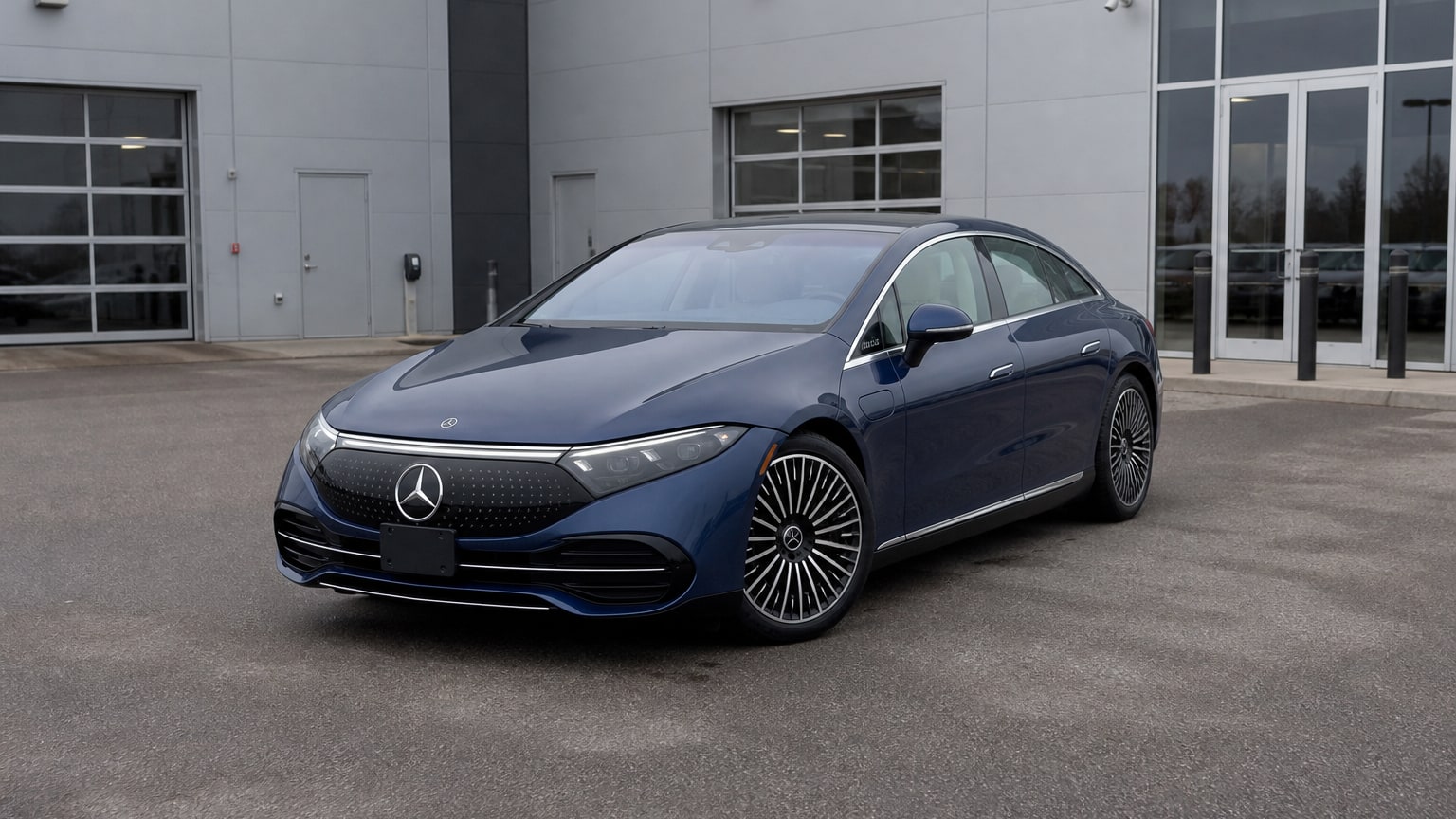
The Mercedes-Benz EQS years to avoid are 2022 and 2023. The 2022 EQS has mixed reliability; there are 14 recalls and 45 owner complaints on file, including 7 crash-related complaints and 2 fire-related complaints. NHTSA complaint volume peaks on the 2023, which carries 61 owner complaints - the highest of any single model year in the lineup. There are 8 recalls and 61 owner complaints on file for the 2023 Mercedes-Benz EQS, including 5 crash-related complaints and 1 fire-related complaint; the most commonly reported problem areas are electrical system (16), unknown or other (12), and forward collision avoidance (10).
| Mercedes-Benz EQS Generation | Model Years | Verdict | Main Issues |
|---|---|---|---|
| 1st gen (2022-2025) | 2022, 2023 | Worst | Drivetrain software recall, phantom braking, 14 recalls (2022) |
| 1st gen refreshed | 2024, 2025 | Best | Lowest complaints, updated software, fewest recalls |
Worst Mercedes-Benz EQS years: 2022, 2023
1st-Generation Mercedes-Benz EQS (2022-2023)
Where the 2022 EQS raises eyebrows is in its recall count and software behavior. Early cars have been subject to multiple campaigns for everything from infotainment glitches to drivetrain software and warning-system behavior, and some owners report occasional bugs with the massive Hyperscreen. The 14 recalls on file for the 2022 year are the highest count in the generation.
The 2023 adds a seat-belt buckle recall and the expanded battery management system campaign (24V-372) on top of the inherited drivetrain software issues. Mercedes-Benz recalled certain 2022-2023 EQS450 and 2022 EQS580 vehicles because the bolts that secure the rear seat belt buckles to the body of the vehicle may not be secured properly. Taken together, both years carry compounding recall exposure that demands a full VIN check before purchase. See NHTSA complaint data for the full 2023 filing record.
What Are the Best Mercedes-Benz EQS Years to Buy?
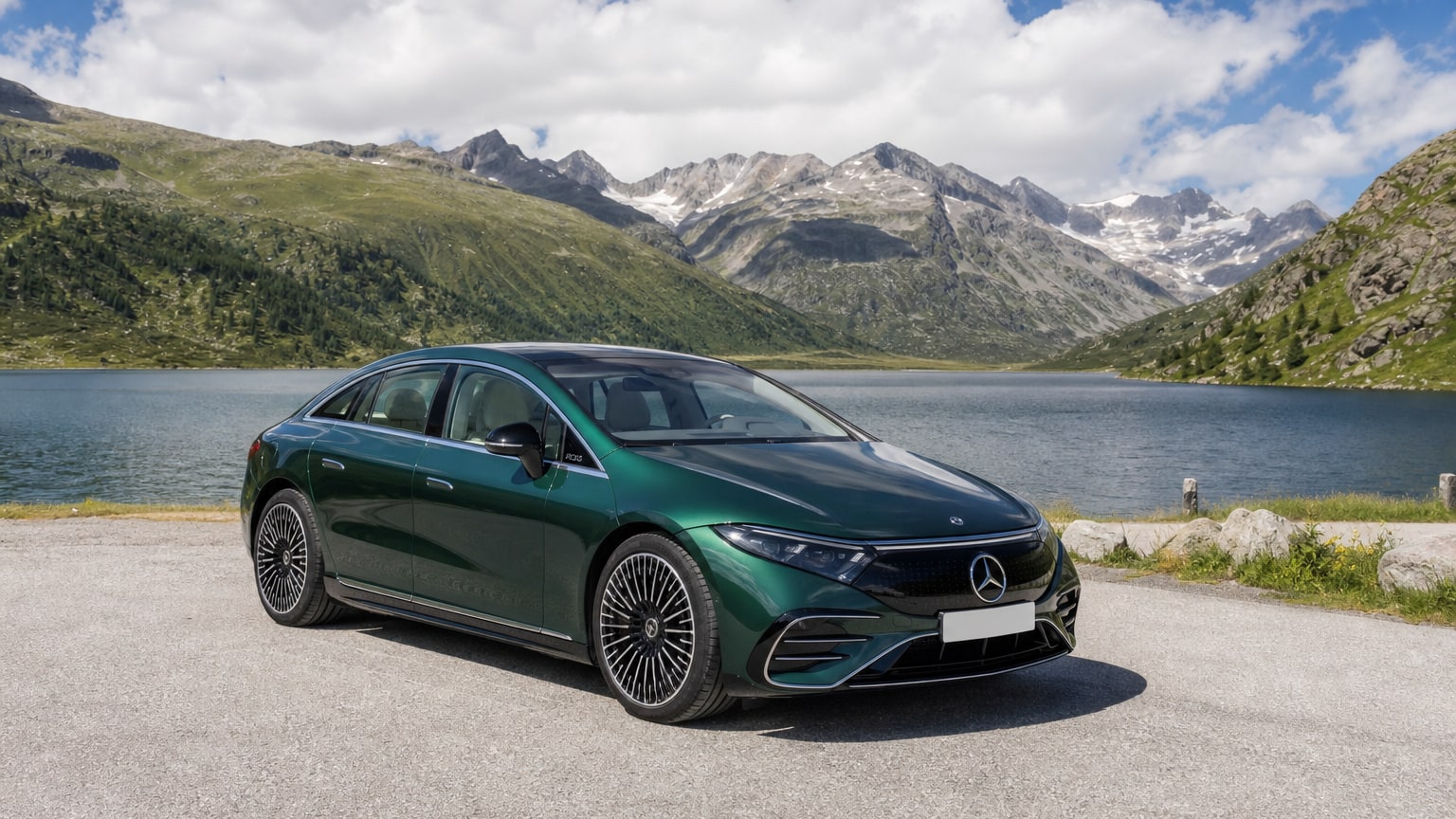
The best Mercedes-Benz EQS years to buy are 2024 and 2025, both of which show materially lower complaint counts and the fewest recall-related safety concerns in the generation.
| Best Mercedes-Benz EQS Year | Why It's a Strong Buy |
|---|---|
| 2024 | Only 6 NHTSA owner complaints; 4 recalls; reliability score of 61/100 (Good) |
| 2025 | Updated software stack; reduced recall exposure; benefits from 2024 refresh |
Most reliable Mercedes-Benz EQS years: 2024, 2025
2024 Mercedes-Benz EQS
The 2024 Mercedes-Benz EQS has good reliability; there are 4 recalls and 6 owner complaints on file. The best Mercedes-Benz EQS year is 2024, with a reliability score of 61/100, rated good. That score represents a meaningful step up from the 44/100 recorded for the 2022 launch year.
Early 2022-2023 EQS models saw more software-related recalls and glitches; later 2024-2025 cars benefit from updated software and a refreshed chassis and battery pack. If your budget can reach a 2024, it is the lowest-risk used EQS available today. Consider whether electric cars are worth it for your driving profile before committing, since the EQS’s long-range capability is one of its strongest arguments.
2025 Mercedes-Benz EQS
The 2025 carries the same refreshed platform as the 2024 and is too new to have accumulated a meaningful complaint record, which itself is a favorable signal. Mercedes announced that it had fixed the battery management software problem in vehicle production on May 13, 2024 - meaning cars built after that date, including all 2025 models, ship with the corrected calibration from the factory. Run the VIN through the NHTSA checker to catch any post-production campaigns, then confirm the AVAS recall is closed before finalizing.
Mercedes-Benz EQS Submodel Years to Avoid
The EQS family includes two distinct variants worth assessing on their own records: the EQS 450 sedan and the EQS SUV. Each shares the EVA II platform with the base sedan but has its own drivetrain configuration and its own complaint and recall history.
Mercedes-Benz EQS 450 Years to Avoid
The EQS 450 is the single-motor, rear-wheel-drive variant of the EQS sedan, offered from 2022 onward as the entry point into the EQS lineup. Its lower output motor (EQS 450+) and simpler AWD-optional drivetrain don’t shield it from the software faults that define the early generation.
The 2022-2023 EQS 450 sedan was the most heavily affected variant in recall 23V-405, with 5,051 units carrying the faulty electric drivetrain software - more than any other EQS body style. The 450 is therefore the variant most directly implicated in the loss-of-propulsion issue covered earlier in this article; every 2022-2023 EQS 450 buyer must verify that 23V-405 has been completed by VIN. The fuse-box campaign also swept in the EQS 450 4MATIC for 2023-2024.
No EQS 450 model year has yet accumulated enough complaint data on its own to flag as distinctly worse than its siblings beyond what the generation-wide data already shows. The 2022 and 2023 remain the avoid years for the same reasons that apply to the standard EQS. Before buying a used EQS 450, check:
- Recall 23V-405 (drivetrain software) completed by VIN
- Recall 24V-372 (BMS software) completed on 2023-2024 cars
- AVAS software update completed (2022-2025 span)
Mercedes-Benz EQS SUV Years to Avoid
The EQS SUV is the first all-electric Mercedes-EQ to be built in the U.S., launched for the 2023 model year on the same EVA II platform as the sedan but with a taller body, standard AWD, and a dual-motor setup. Its distinct footprint means it carries some of its own recall exposure.
Owners have reported that, on multiple occasions, the EQS SUV has suddenly lost power and completely stopped while driving on the freeway without warning; a red warning symbol - described as a red turtle icon - appeared on the dashboard, indicating a critical malfunction. These failures created extremely dangerous situations as the vehicle lost the ability to maintain normal driving speed in active freeway traffic. The battery management software campaign (24V-372) directly covered the EQS SUV 450 4MATIC across the 2023-2025 span.
No single EQS SUV model year has accumulated enough standalone complaint data to rank as distinctly worse than the others at this point in the vehicle’s life - it is too new and too low-volume for that separation. The practical guidance: treat any 2023 EQS SUV with the same caution as a 2023 EQS sedan, confirm 24V-372 and the AVAS campaign are closed, and check for the electric parking brake problems that can affect any complex EV platform. The owner community at Mercedes EQ All Electric Forum (mbeqclub.com) is an active resource for real-world EQS SUV ownership reports.
Mercedes-Benz EQS Pre-Purchase Checklist
Run through these checks on every used EQS before signing anything:
- Run the VIN through NHTSA’s recall checker at nhtsa.gov/recalls. Confirm that recall 23V-405 (drivetrain software, 2022-2023), recall 24V-372 (BMS software, 2023-2025), and the AVAS pedestrian warning recall (2022-2025) are all marked completed for the specific VIN.
- On 2022-2023 cars, test the forward collision system. Ask a dealer to pull any stored fault codes for the autonomous emergency braking system, and specifically ask whether any software update addresses the phantom braking complaints documented in NHTSA complaints.
- Verify the MBUX Hyperscreen is fully functional. Boot the car, cycle through all three display zones, and trigger a navigation route - a blank or rebooting screen during the test drive is a negotiating point or a reason to walk away.
- Confirm the fuse box campaign is closed on 2023-2024 cars. The incorrect 80-amp fuse box poses fire and loss-of-power risk; a dealer printout by VIN is the only reliable confirmation.
- Request full service records and any dealer software update logs. Mercedes tracks OTA and in-dealer flash history; a car without records may have unresolved campaigns.
- Check high-voltage charge port condition on higher-mileage cars. Owner reports on NHTSA describe arcing at the charge port around 41,000 miles - inspect visually and ask whether any charging-related warranty work has been done.
- Confirm the remaining battery warranty. The OEM warranty floor on the EQS pack is 10 years or 155,000 miles to 70% capacity - verify how much of that coverage remains and whether it transfers to subsequent owners.
Better Alternatives to Consider
If the EQS years in your budget fall on the avoid list, these same-class electric luxury alternatives are worth considering:
- Audi e-tron GT - a purpose-built electric GT with a shorter complaint history and Porsche-derived drivetrain
- Tesla Model S - the volume benchmark in this class with a longer data record and clearer year-by-year reliability pattern; how many miles a Tesla can last is a common buyer question with well-documented answers
- BMW i7 - shares a well-proven electric architecture with a broader dealer network and a lower early-year recall count than the EQS 2022
Is the Mercedes-Benz EQS Worth Buying?
Yes - as long as you avoid the 2022 and 2023 model years and buy a car with confirmed recall completion on any earlier year you do consider. Mechanically, the motors and battery chemistry have been solid so far; it’s software, electronics, and wear items that generate most owner complaints, which means the core EV hardware is not the concern. The 2024 EQS earns a reliability score of 61/100, rated good, making it the clearest low-risk pick in the lineup.
Our editorial guidelines and research process require that every verdict in this guide be grounded in verifiable NHTSA data, recall records, and owner complaint filings rather than manufacturer claims. Before finalizing any purchase, run the VIN through NHTSA’s recall checker and verify full maintenance and software update history with a Mercedes dealer.