
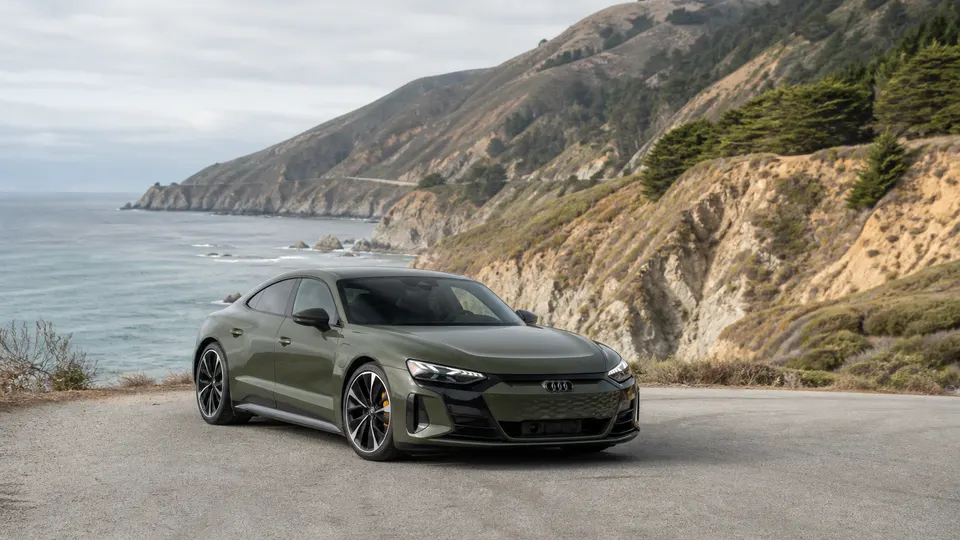
The Audi e-tron GT is one of the more compelling luxury electric grand tourers on the used market, but two early model years arrived with a cluster of serious recalls - including a high-voltage battery fire risk - that you'll want to research before signing anything. This guide uses NHTSA complaint and recall data, CarComplaints reporting, and owner-forum feedback to give you a data-backed year-by-year ranking of which e-tron GTs to skip and which ones are worth pursuing.
For performance specs and EV ownership notes in one place, see the Audi e-tron GT hub.
At a glance
- Worst years
- 2022
- 2023
- Best years
- 2024
- 2025
- Top failure
- 1st-gen high-voltage battery short circuit and fire risk (NHTSA 24V-726, affecting 2022-2024)
- Always do before buying
- run the VIN through NHTSA's recall checker to confirm every open recall is closed, and specifically verify that the 24V-726 battery recall remedy has been completed on any 2022 or 2023 car
Recalls by year
How we rated the best and worst Audi e-tron GT years
The 2022 e-tron GT carries the heaviest recall burden of any model year - 20 recalls and 10 owner complaints - making it the most problematic year to buy used, while the 2023 follows with 15 recalls and 10 owner complaints of its own.
We drew on NHTSA complaint and recall data, CarComplaints recall reporting, and the e-tron owner forum to build this ranking. Note that CarComplaints covers recall news and per-year complaint tracking for the e-tron GT, while NHTSA shows raw complaint volume by model year - they measure different things, and the numbers are different datasets. Across all model years 2022-2026, the e-tron GT accumulated 23 NHTSA complaints in total, with the most frequently reported problem areas being electrical system, transmission, and fuel system issues. Our years to avoid methodology weights recall severity, complaint volume, and the availability of completed remedies when assigning verdicts to each model year.
| Audi e-tron GT Generation | Best Audi e-tron GT Years | Worst Audi e-tron GT Years |
|---|---|---|
| 1st gen (2022-2023) | None | 2022, 2023 |
| Facelifted 1st gen (2024-2025) | 2024, 2025 | None |
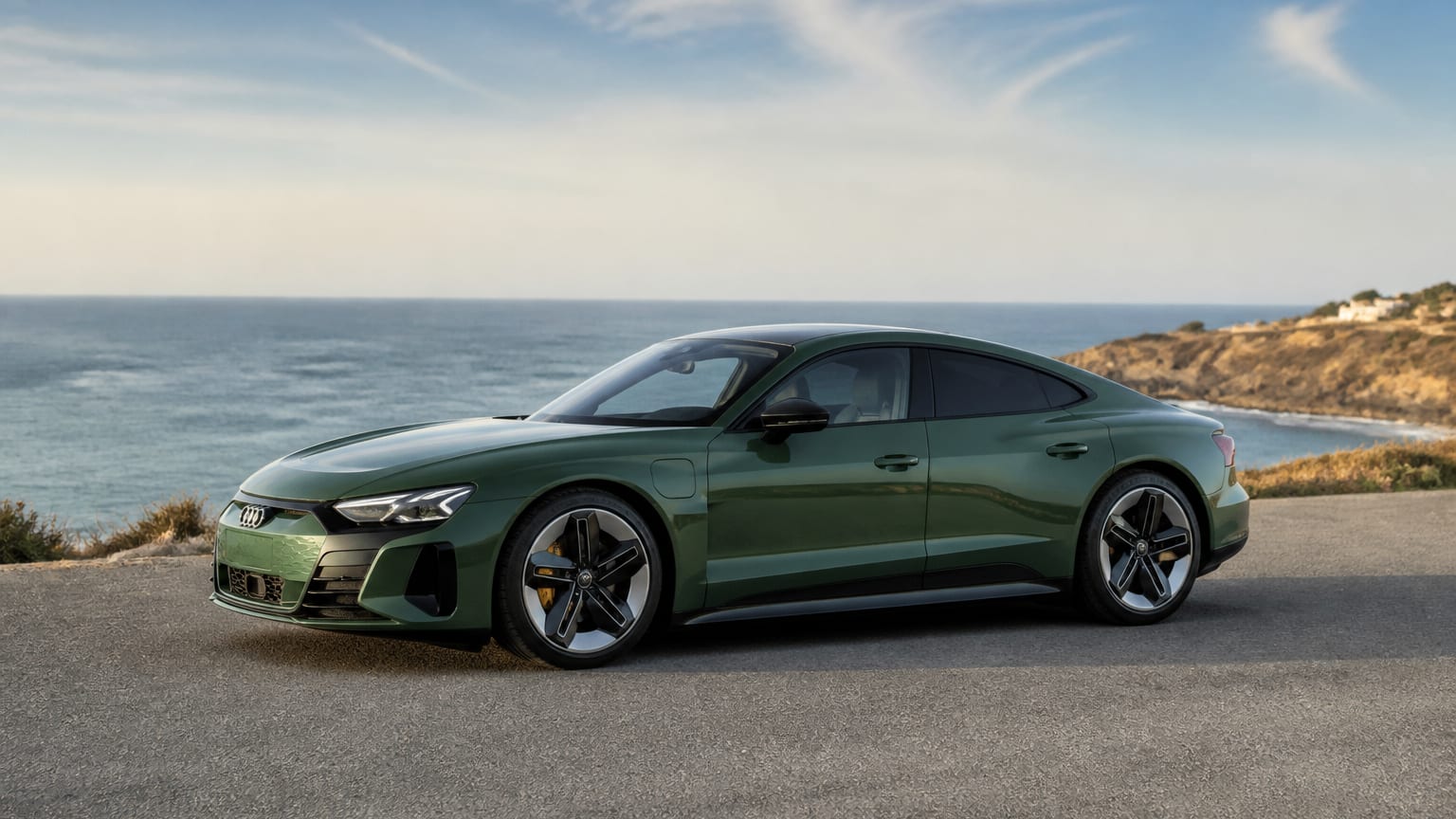
Every Audi e-tron GT model year ranked
The Audi e-tron GT was introduced for the 2022 model year, with production beginning in late 2021, making it a relatively young platform with data covering only 2022 through 2025 in the US market. The 2022 carries the largest recall count, while 2025 has the cleanest record of any year sold so far.
| Model Year | Generation | Verdict | Notes |
|---|---|---|---|
| 2022 | 1st gen | Avoid | 20 recalls, battery fire risk, brake hose failure, airbag fault |
| 2023 | 1st gen | Avoid | 15 recalls, battery fire risk, charging cable recall, electrical complaints |
| 2024 | Facelifted 1st gen | Best | 10 recalls (mostly shared campaigns), 1 complaint, software improvements |
| 2025 | Facelifted 1st gen | Best | 1 recall, 0 owner complaints, cleanest record |
Most common Audi e-tron GT problems
The single biggest issue across the e-tron GT lineup is the high-voltage battery short-circuit and fire risk that prompted multiple overlapping NHTSA recall campaigns for 2022-2024 vehicles. Beyond the battery, recurring problems include brake hose tears, an overheating 240V charging cable, a passenger airbag detection fault, and software-driven electrical glitches.
1. High-voltage battery short circuit and fire risk
NHTSA recall 24V-726 (Audi internal recall numbers 931A and 931B) covers 6,499 2022-2024 e-tron GT and RS e-tron GT vehicles. The high-voltage battery may experience a short circuit within the battery module, and a short circuit in a high-voltage battery module increases the risk of a fire.
The recall impacts vehicles equipped with potentially faulty battery modules supplied by LG Energy Solution, and is an expansion of a previous recall issued in March 2024. NHTSA 24V-726 expands and replaces previous recall numbers 24V-229 and 24V-228. Owners who had repairs done under those earlier campaigns still need the new remedy completed. You can track the full owner-forum discussion of this recall on the e-tron GT forum.
Although the battery problem is serious, Audi reported no customer complaints, injuries, crashes, or fires. As an interim measure for vehicles with online data monitoring, Audi monitors the battery remotely - and where the data shows a potentially critical module, owners are told to charge only to 80% capacity until the module can be replaced. Dealers install advanced diagnostic software as the final remedy, free of charge. The OEM battery warranty covers 8 years or 100,000 miles to 70% capacity. Before buying any 2022, 2023, or 2024 e-tron GT, confirm this recall is resolved by running the VIN through NHTSA's recall checker.
2. Front axle brake hose tears and brake circuit failure
Audi replaced front axle brake hoses on 2022-2024 Audi RS e-tron GT and Audi e-tron GT vehicles because of brake fluid leaks and brake circuit failures, with about 10,400 vehicles recalled because the front axle brake hoses can tear and cause brake fluid leaks and circuit failures.
The front axle brake hoses can develop tears, causing a leak and a brake circuit failure. A failed brake circuit can cause longer brake pedal travel and reduced braking performance, extending the distance required to stop and increasing the risk of a crash. A driver will likely see a low brake fluid level warning light as the first sign of the problem. The recall is covered under NHTSA campaign 24V-465, Audi internal number 47UP, and dealers replace the front axle brake hoses free of charge. On any used 2022-2024 example, confirm the 47UP campaign has been completed.
3. Overheating 240V portable charging cable
NHTSA recall 23V-842 (Audi internal 93U6) covers 2022-2024 RS e-tron GT and e-tron GT vehicles. When using the industrial 220V/240V plug at the 100% charge setting, some home power outlets may be incapable of handling the electrical current required, causing the outlet or charging cable to overheat - an overheated outlet or charging cable can increase the risk of a fire.
As a remedy, owners are advised not to use the 220V/240V compact/portable charging cable and to use only the 110V home charging cable or public charging stations. Dealers supply a new 220V/240V compact/portable charging cable with an incorporated temperature sensor, free of charge. If you're buying a used e-tron GT and plan to use a 240V home outlet, confirm with the dealer that the replacement cable has been fitted.
4. Passenger airbag detection system (PODS) fault
More than 4,000 Audi RS e-tron GT and Audi e-tron GT vehicles were recalled because the front passenger airbags may deactivate when they shouldn't. The recalled 2022-2023 vehicles are equipped with passenger occupant detection systems that may suffer from wiring faults, which can deactivate the passenger airbag even with an occupant in the seat.
According to an Audi memo to dealers, a manufacturing error may cause the passenger occupant detection system to indicate a malfunction and switch off the front airbag, even if there is a person sitting in the co-pilot seat. An owner will know of a problem if the airbag warning light activates, the Passenger Airbag OFF indicator light illuminates, and an error message appears - in which case, contact a dealer immediately. Audi internal recall number 74HC; dealers replace the seat cushions, with recall letters mailed starting June 6, 2025.
5. Rearview camera software and electrical system glitches
A software error may prevent the rearview camera image from displaying as intended - a recurring software-level fault that prompted its own recall (Audi internal 90TV) covering 2022-2023 vehicles. Audi's number for this recall is 90TV, with VINs becoming searchable on NHTSA.gov on December 23, 2025.
Owners also frequently report infotainment bugs, warning messages, and camera issues that often require software updates. The most commonly reported NHTSA problem areas for the 2023 are electrical system (5 complaints), fuel propulsion system (1), and steering (1). Most of these are corrected by over-the-air or dealer-applied software updates, so ask for service records showing any outstanding software work has been completed. The CarComplaints TSB page for the 2022 e-tron lists hundreds of technical service bulletins covering battery management, steering, and infotainment faults.
6. Air suspension strut failure (2022 early production)
NHTSA recall 22V-927 (Audi internal 42M4) covered certain 2022 Audi e-tron GT vehicles. A retaining ring on top of the suspension strut may come loose, resulting in air loss from the strut spring - an air suspension strut failure may cause a loss of vehicle handling and control, increasing the risk of a crash.
Audi recalled 10 early model year 2022 Audi e-tron GT cars under this campaign, meaning it affected a very small slice of production. Dealers inspect the suspension strut and replace it if necessary, free of charge. This is a minor, low-volume issue compared to the battery recall, but worth checking on early 2022 VINs specifically.
Checking a used Audi?
Scan for hidden fault codes from your phone in minutes — before you buy.
REREV may earn a commission if you sign up through this link. Learn more.
Which Audi e-tron GT years should you avoid?
The Audi e-tron GT years to avoid are 2022 and 2023. The 2022 is the worst single year, carrying 20 recalls and 10 owner complaints on NHTSA's database - the highest recall count of any model year. The 2023 is not far behind with 15 recalls and 10 owner complaints on file. Both years share the high-voltage battery fire risk, the brake hose recall, the 240V charging cable recall, and the airbag detection fault.
| Audi e-tron GT Generation | Model Years | Verdict | Main Issues |
|---|---|---|---|
| 1st gen | 2022, 2023 | Avoid | Battery short circuit/fire, brake hose failure, airbag PODS wiring, charging cable overheat |
| Facelifted 1st gen | 2024, 2025 | Best | Recall campaigns largely resolved, 0-1 owner complaints |
Worst Audi e-tron GT years: 2022, 2023
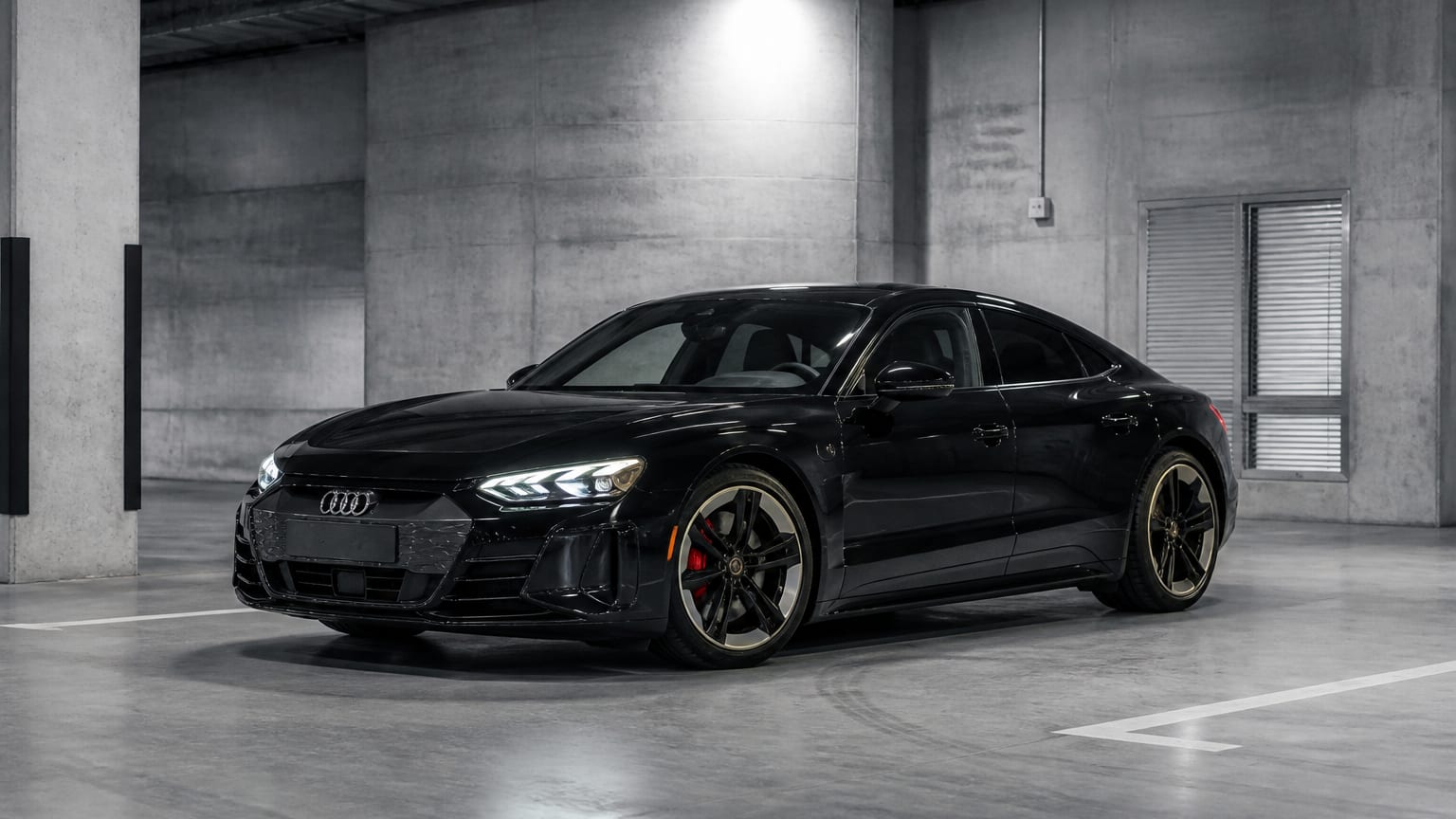
1st-generation Audi e-tron GT (2022-2023)
The 2022-2024 Audi e-tron GT and RS e-tron GT are subject to a significant NHTSA recall involving a high-voltage battery defect that can cause internal short circuits and increase the risk of thermal events or fire. The 2022 and 2023 cars bear the brunt of this, along with the brake hose and airbag campaigns.
Across owner forums and early long-term reports, a pattern emerges: drivetrain and battery pack failures are rare, but software gremlins, charging glitches, and suspension wear show up more often than you'd hope in a six-figure EV. On the 2022 specifically, the air suspension recall (22V-927) and the very high recall count of 20 campaigns make it the riskiest used buy. On the 2023, one owner filed an NHTSA complaint noting their 2023 e-tron GT battery power was reduced to 70 percent and failed to charge above 70 percent - a direct symptom of the battery recall defect. Check this year's NHTSA recall page before purchase. Shoppers who find the Audi A4 years to avoid a more attainable starting point will notice that Audi's recall resolution process follows a similar pattern across its lineup.
What are the best Audi e-tron GT years to buy?
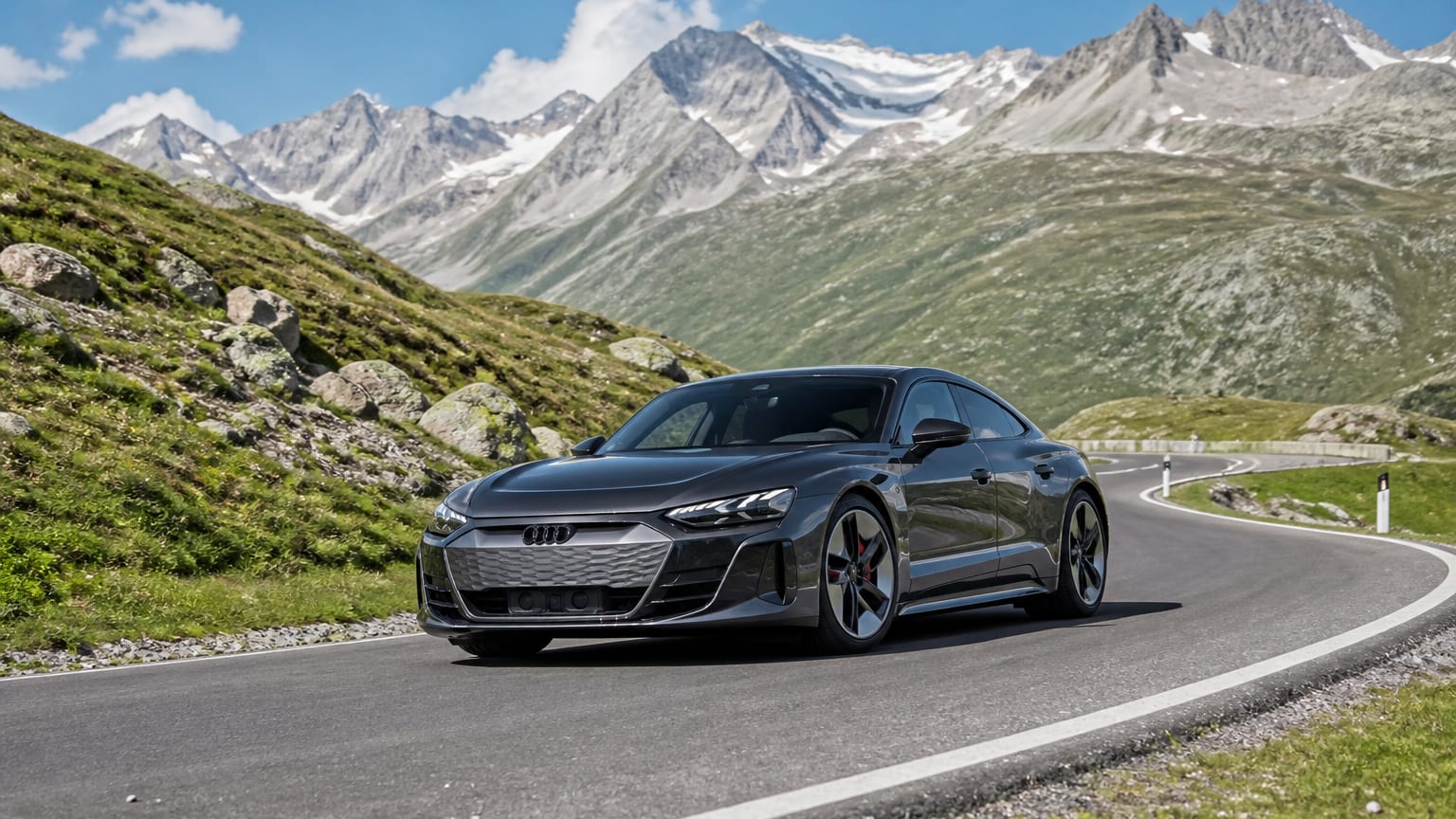
The best Audi e-tron GT years to buy are 2024 and 2025. The best e-tron GT year overall is 2025, with a reliability score of 75 out of 100, rated good. Common issues reported in earlier models, specifically powertrain and electrical system problems, show improvement in later years, with the 2025 model showing fewer recalls and no complaints.
| Best Audi e-tron GT Year | Why It's a Strong Buy |
|---|---|
| 2024 | 1 owner complaint on NHTSA; facelifted interior; progressive software fixes applied |
| 2025 | 0 owner complaints, 1 recall; cleanest reliability record of all model years |
Most reliable Audi e-tron GT years: 2024, 2025
2025 Audi e-tron GT
The 2025 Audi e-tron GT has good reliability, with 1 recall and 0 owner complaints on file - the strongest track record of any year in the lineup. Common issues reported by owners in earlier models have improved, with the 2025 model showing fewer recalls and no complaints. If your budget reaches a 2025, this is the lowest-risk used e-tron GT available, though you should still run the VIN on NHTSA's recall checker for any open campaigns.
2024 Audi e-tron GT
The 2024 Audi e-tron GT has good reliability, with 10 recalls and 1 owner complaint on file - a notably smaller complaint footprint than either the 2022 or 2023. The facelifted 2024 also benefits from continuous software updates and service bulletins that can prevent some of the early failures, especially around charging, battery management, and driver-assistance systems. Confirm the shared battery recall (24V-726) is resolved before purchase, since the 2024 is included in that campaign.
Audi e-tron GT pre-purchase checklist
Before buying any used Audi e-tron GT, work through these model-specific checks:
- Run the VIN through NHTSA's recall checker. Confirm that all open campaigns - especially 24V-726 (battery short circuit), 24V-465 (brake hoses), and 23V-842 (charging cable) - show as completed, not open.
- On 2022 and 2023 cars, verify the battery recall remedy. For vehicles with online data monitoring (Audi recall 931A), Audi monitors the car remotely - confirm the monitoring software is installed and, if a potentially critical module was flagged, that the replacement has been done.
- Check the brake fluid level and inspect for any residue near the front axle. A driver will likely see a low brake fluid level warning light if the brake hose recall (24V-465) hasn't been completed - ask the seller if recall 47UP is closed on their car.
- On 2022-2023 cars, check the airbag warning light. An owner will know of a PODS wiring fault if the airbag warning light activates, the Passenger Airbag OFF indicator illuminates, and an error message appears. If any of these are present, do not buy until the seat cushion is replaced under recall 74HC.
- Confirm the 240V charging cable replacement. Owners are advised not to use the original 220V/240V compact/portable charging cable - dealers supply a replacement cable with a built-in temperature sensor free of charge. Verify the new cable is present.
- Request full service records and software update history. Owners frequently report infotainment bugs, warning messages, and camera issues that often require software updates - a clean service log showing dealer visits for software work is a positive sign.
- Have a pre-purchase inspection done by an EV-qualified independent technician. Out-of-warranty repairs can be costly due to limited EV-qualified shops, so catching any fault early matters more on this car than on a conventional luxury sedan.
- Verify the battery warranty status. The OEM warranty covers 8 years or 100,000 miles to 70% capacity - check where the car sits on that clock, because a battery replacement on an out-of-warranty e-tron GT is a major expense.
Better alternatives to consider
If the e-tron GT years in your budget land on the avoid list, consider these alternatives instead — or compare the related Audi e-tron years to avoid and Audi Q8 e-tron years to avoid guides:
- Porsche Taycan - shares the same J1 platform and 800V architecture as the e-tron GT, and its own battery recall history is documented and well-known; verify recall completion the same way
- Nissan Leaf - a far more affordable all-electric option with a longer production run and a clearer year-by-year reliability record for budget-conscious EV shoppers
- Tesla Model S - the Tesla Model S is quicker than the e-tron GT even in its base configuration and carries stronger over-the-air software update infrastructure, though it is a different ownership experience
Is the Audi e-tron GT worth buying?
Yes - as long as you avoid the 2022 and 2023 model years, or buy one of those only after verifying every major recall is fully resolved. The Audi e-tron GT, covering model years 2022 to 2025, holds an average reliability score of 65 out of 100, placing it in the "Good" category, and the newest years are trending better. Both variants use a dual-motor, all-wheel-drive layout with a combined output of 469 horsepower (base) and 637 horsepower (RS), paired with a 93.4 kWh battery pack and 800-volt architecture enabling DC fast charging at peak rates up to 270 kW. The 2024 and 2025 are the safest used picks, with dramatically lower complaint counts. Before finalizing any purchase, run the VIN through NHTSA's recall checker and ask for the complete maintenance and recall service history - those two steps alone will filter out the majority of problem cars.
If you're weighing whether electric cars are worth it as a category at this price point, the e-tron GT makes a strong case for the segment once you clear the recall hurdles on early cars.