
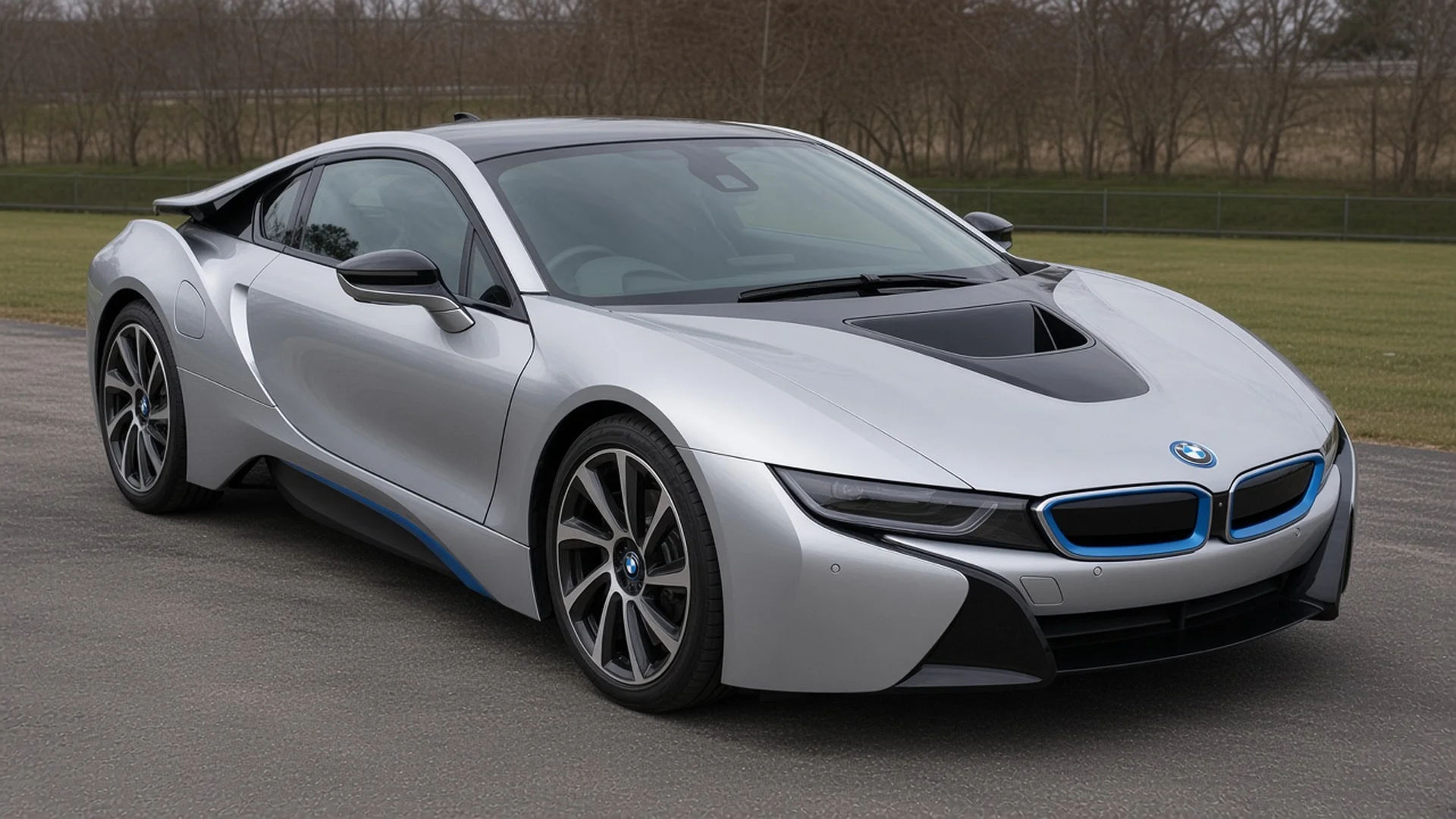
The BMW i8 is a plug-in hybrid sports car with a turbocharged 1.5-liter three-cylinder engine and an electric motor. In the US it was sold for the 2014 to 2017 and 2019 to 2020 model years, first as a coupe and later also as a roadster. Few were sold, so NHTSA complaint numbers are small, but the recalls on record are worth checking on any car you look at.
This guide ranks each i8 model year using NHTSA complaints and recalls and our years to avoid methodology. In short: avoid the 2015, be careful with the 2014, 2019 and 2020, and look for a 2017 if you want an i8.
Related: Porsche 911 years to avoid, Corvette C7 years to avoid, Mercedes-Benz AMG GT years to avoid.
How we rated the best and worst BMW i8 years
We put the most weight on NHTSA owner complaints and recalls, and every count in this guide comes from NHTSA's complaint and recall records.
The i8 has only 10 NHTSA complaints across all model years and 6 recall campaigns. With numbers this small, a single complaint can change how a year compares, so we also look at what each complaint and recall describes. NHTSA and fueleconomy.gov list no 2018 i8.
Every BMW i8 model year ranked
| Model year | Verdict | NHTSA complaints | NHTSA recalls | Most-reported components |
|---|---|---|---|---|
| 2014 | Caution | 1 | 1 | Suspension |
| 2015 | Avoid | 5 | 1 | Electrical system, engine, air bags |
| 2016 | Good | 3 | 0 | Electrical system, engine, tires |
| 2017 | Best | 0 | 1 | None |
| 2019 | Caution | 0 | 2 | None |
| 2020 | Caution | 1 | 1 | Electrical system |
Most common BMW i8 problems
These are the problems that show up most in NHTSA complaints and recall campaigns.
1. High-voltage system and loss of power
The electrical system is the most-reported component across the i8's complaints. Two 2016 complaints describe failed high-voltage battery temperature sensors, with warning lights and a loss of power while driving. A 2020 complaint describes faulty high-voltage battery cells that failed again after a repair.
Two recalls cover the hybrid system. Campaign 19V599 covers certain 2019 i8s with a circuit board problem in the electric motor electronics module that may shut down high-voltage power, causing a loss of propulsion. Campaign 20V601 covers certain 2020 i8s where debris may have entered the hybrid battery cells during production, which could cause a short circuit and increase the risk of fire.
2. Engine stalling and hesitation (2015)
Two 2015 complaints describe engine problems. One owner reports the car stalling at 55 mph with an engine heat warning, and another describes the car hesitating for a few seconds before accelerating at low speed.
3. Stability control and brakes
Campaign 15V882 covers a small number of 2015 i8s built in May and June 2015. Holes in the Dynamic Stability Control hydraulic unit may have been drilled incorrectly, which can impair stability control and braking.
4. Fuel tank and charger recalls
Campaign 14V674 covers certain 2014 i8s where a bolt for a ground cable on the fuel tank may not have been welded properly, which could cause a fuel leak. Campaign 18V652 covers the TurboCord portable charger supplied with certain 2019 i8s. Its capacitors may fail, causing a shock or fire hazard.
5. Side airbag recall (2017)
The 2017 i8 is part of campaign 16V914, which covers many 2017 BMW and Mini models. The seat-mounted side airbag inflator may fail to ignite in a crash, so the side airbag would not deploy.
Checking a used BMW?
Scan for hidden fault codes from your phone in minutes — before you buy.
REREV may earn a commission if you sign up through this link. Learn more.
Which BMW i8 years to avoid
Avoid: 2015
The 2015 has 5 NHTSA complaints, half of the i8's total, including stalling, hesitation and a stability control warning. It also has the stability control and brake recall.
Caution: 2014, 2019 and 2020
The 2014 has a fuel tank recall and a complaint about a rear suspension that collapsed while driving. The 2019 has two recalls, one for the high-voltage power supply and one for the portable charger. The 2020 has the hybrid battery cell recall. Confirm the recall work on any of these years before you buy.
What is the best BMW i8 year
The 2017 is the best i8 year in NHTSA data. It has no complaints on file and one recall, the side airbag campaign. The 2016 is also a good choice, with 3 complaints and no recalls, but check the high-voltage battery on any 2016.
BMW i8 pre-purchase checklist
- Run the VIN through NHTSA's recall lookup and confirm every open recall is complete.
- Have a BMW dealer or hybrid specialist check the high-voltage battery and its warning history.
- Check for hybrid system and stability control warnings at start-up and on a test drive.
- On a 2019, confirm the charger recall is complete and that the charger supplied with the car is the remedied one.
- Look under the car at the rear suspension and ask whether it has been inspected or replaced.
- Ask for service records, and have a mechanic inspect the car before you buy.
Better alternatives to consider
If you want a striking sports car with a strong record, these models are worth comparing. Check the years to avoid for each one before you shop.
Is the BMW i8 reliable
The i8 has few NHTSA complaints, but it also sold in small numbers, and several of its complaints and recalls involve the high-voltage system. A car with complete recall work, a healthy battery and good service records is the safest choice, but repairs to the hybrid system can be expensive, so check the car thoroughly before you buy.
Frequently asked questions
What years did BMW make the i8?
In the US, BMW sold the i8 for the 2014 to 2017 and 2019 to 2020 model years. NHTSA and fueleconomy.gov list no 2018 i8.
What is the most common problem with the BMW i8?
The electrical system is the most-reported component in NHTSA complaints, including high-voltage battery faults that can cause a loss of power. Two recalls also cover the hybrid system on the 2019 and 2020 models.
What gas mileage does the BMW i8 get?
Fueleconomy.gov rates the i8 at 28 mpg combined on gasoline for the 2014 to 2017 model years and 27 mpg for 2019 and 2020.
Which BMW i8 years should you avoid?
Avoid the 2015 i8. It has the most NHTSA complaints, including stalling and loss of power. The 2017 is the best year.