

The engine oil is an essential part of a vehicle, as it lubricates the machinery inside so every component can stay in healthy motion. To ensure that your car has enough oil in its system, it is a great idea to check the oil from time to time, at least at every fuel stop. There are several opinions on the exact conditions for checking your oil. With that in mind, do you check the oil when it’s hot or cold?
With most vehicles, we recommend that drivers check their oil when the engine is cold. However, some car manufacturers recommend checking when the engine is warm for certain cars. You should consult your owner’s manual to determine which method applies to your vehicle.
Some other factors that affect the ideal engine temperature for oil checking include the oil type and the outside temperature at your location. Read on to find what’s best for you.
Should you check oil when engine is hot or cold?
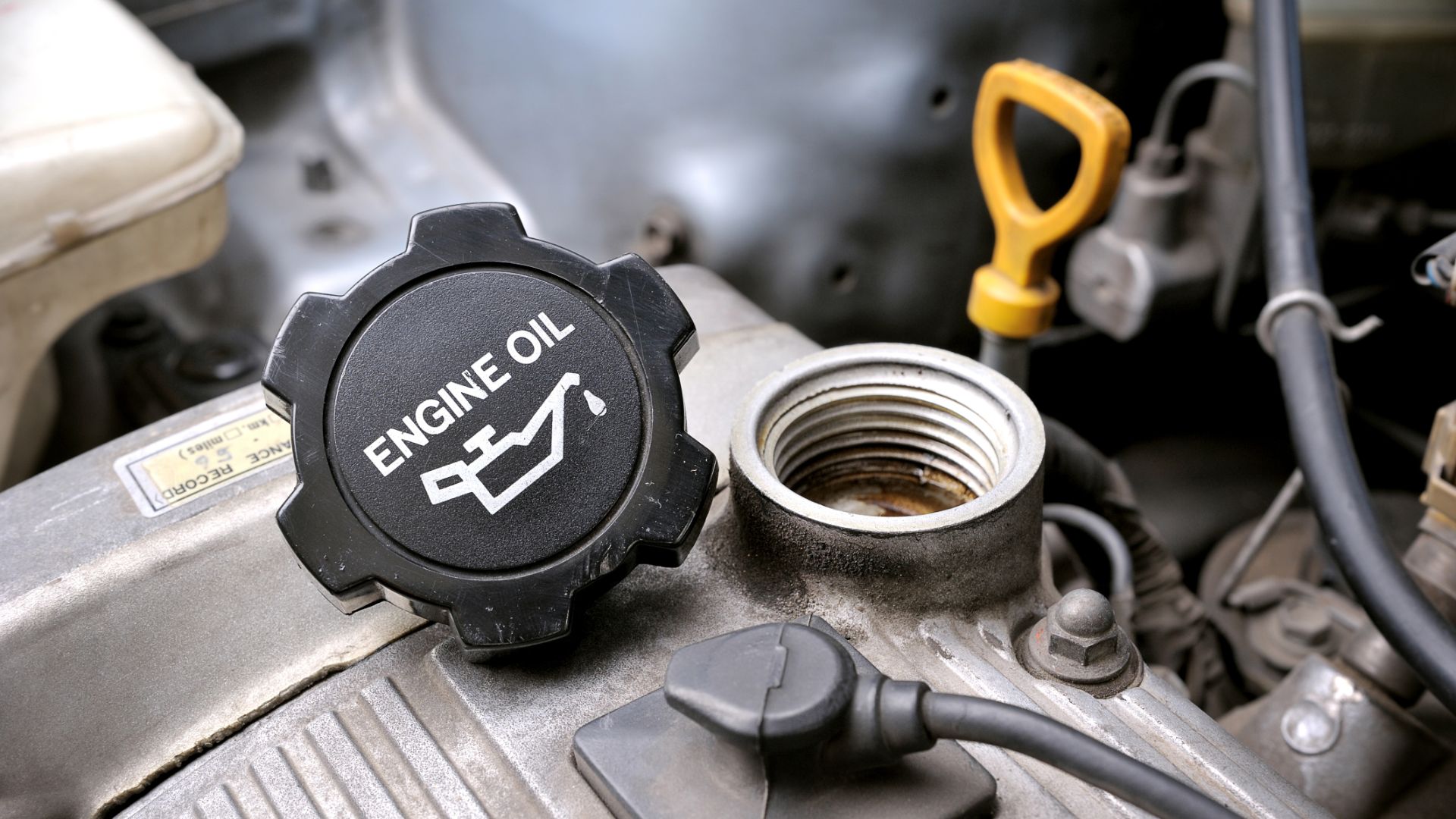
You can check your engine oil when it is cold, and you can also check it when it is warm, but it has to be 15 minutes after the engine is last running. This is because it takes time for the oil to pour into the oil pan. It is recommended to measure the oil level when it is cold for safety reasons.
Engine oil can reach temperatures of 120°C or 250°F. If you measure the oil after driving your vehicle and fill it to the maximum mark, it will get over the max mark when the engine oil becomes cold. The best solution to this is to drive your car to warm up the engine and let it stand for 15 minutes and then check the engine oil; it will have an optimal temperature and will be poured into the oil pan.
The oil temperature does not play a significant role in measuring the oil level. However, some expansion can occur when the engine is warm or cold.
Expansion of different engine oil types

It is best to use an entirely dry dipstick to check your oil. The dipstick is calibrated with minimum and maximum oil levels for proper oil replacement and better maintenance. The oil should not exceed the maximum marking, nor should it be below the minimum marking. It should be in the middle of two marks on the dipstick.
Also, it will help if you park your vehicle on an even surface to avoid the distortion of oil levels due to gravity. Before you get to oil changes, it’s crucial to know the answer to the question - what oil does my car take? These are the different engine oil types and how they expand:
Regular oil
Regular engine oil will experience normal contraction and expansion, which indicates you will get about the same readings regardless of the temperature
Synthetic oil
Synthetic engine oils have a high rate of contraction and expansion with temperature changes. These oils can be much tighter when cold and could expand way more than expected when hot.
Newer cars with electronic oil level controllers
These cars will only measure the engine oil when warm and stay at a flat surface level. Therefore it is better to check the engine oil when it is hot. You can also consult your owner’s manual for the appropriate oil measurement of your car.
External cold temperature
Whether you use a regular oil or a synthetic blend, if you check your car when it is freezing outside, it will affect your readings. To get accurate oil readings in freezing weather, you may need to run your engine for a while before starting the process. You can set your vehicle idle until it warms up, then let it stand for 10 minutes before checking your oil level.
Can the engine oil expand when it is hot?
When the temperature increases, all oil types expand, and engine oil is no exception. This is a reason why few cars come with sensors. These sensors help measure the oil level.
If this does not occur, you could get a lower reading from these sensors, which could be inaccurate. For some other vehicles, the engine and the oil in the engine will need to cool down. You must take a correct dipstick reading.
The best time to check your oil is when it is warm, although it depends from car to car. For example, Volkswagen recommends that you take the oil level readings when the engine is hot; it gives a more accurate reading. The expansion of oil that happens in that condition is not significant enough to make a difference in the reading.
How to check the engine oil level
For many vehicles, you can check the oil level using the dipstick. The dipstick is a flat and cylindrical metal rod with a metal ring or a yellow handle on the upper end. You can find it at the top of the engine, and if you are unsure of its location, you can check your owner’s manual for its exact location.
The lower end of the dipstick is usually marked with two lines or dots. The upper mark indicates the oil level when the pan is complete, while the lower line or dot means the pan needs oil. The lower mark is where adding exactly one quart will fill the oil pan back to the full mark.
The blank space between the lines may be simply empty or cross-hatched. The area in between indicates the oil level range is below full, which means the engine will have sufficient oil to run correctly. When the oil level is in the middle range, you do not need to add oil.
When is the optimal time to check the oil level?
The following conditions will help you decide the best time to check your engine oil level.
Is the engine hot or cold?
For many vehicles, the best time to check for oil is when the engine is cold. If the engine is cold, the oil in it will be drained. Generally, a hot engine will have more scalding oil, so you should be careful not to burn yourself when checking oil levels in a hot engine.
Is the engine running or static?
When an engine gets stopped, it is the best time to check the oil. A running engine pumps the oil around its system so the oil pan will not be full. An oil check at that period will show very little oil, resulting in accurate results.
There are some exceptions to these rules. Vehicles with a dry sump lubrication system will need to have their oil checked with the engine running and warm. An example of a car that uses the operation is the Corvette C8 LTC. If you are uncertain about this for your vehicle, you should check your owner’s manual.
How long did the engine stop for?
Before checking your engine oil, the engine should stop the engine for at least 5 minutes. This allows the oil to drain from the engine back into the oil pan. The oil will not cool in just 5 minutes, so you should be careful about burning your fingers.