
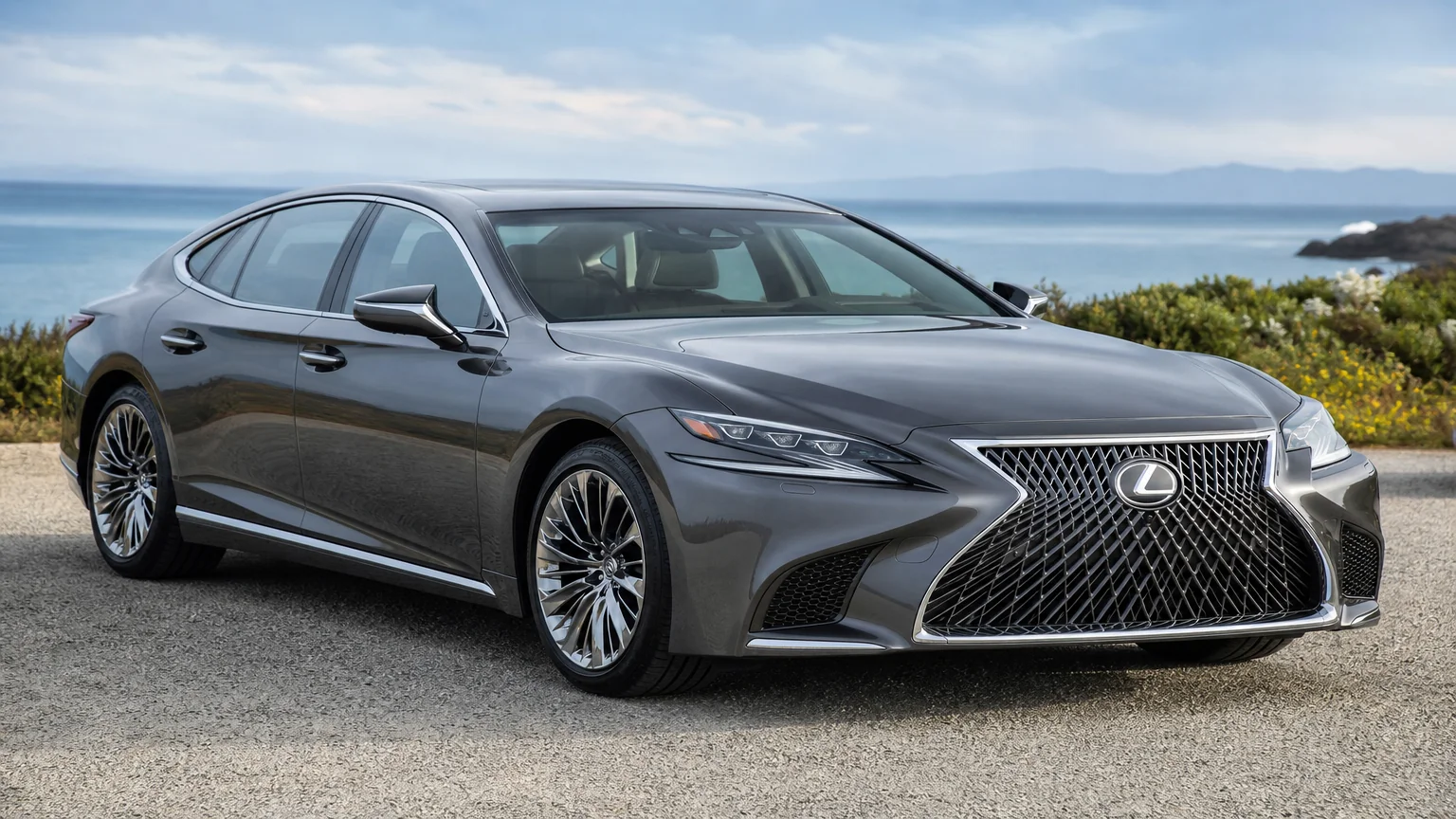
The Lexus LS 500 is one of the more dependable entries in the full-size luxury sedan segment, but its 2018 launch year arrived with two safety recalls and the highest owner complaint count in the model's short history. You'll want to know which model years carry the most risk before you spend six figures on a used flagship. This guide uses CarComplaints data, RepairPal recall tracking, and NHTSA complaint and recall records to give you a data-backed ranking of every LS 500 model year.
For generations, engines, and ownership notes in one place, see the Lexus LS 500 hub.
Related: Lexus LS 460 years to avoid, Lexus ES 350 years to avoid.
At a glance
- Worst years
- 2018
- 2019
- Best years
- 2021
- 2022
- 2023
- Top failure
- 2018 run-flat tire tread separation and fuel pump stall risk (CarComplaints / NHTSA recall 19V-134 and 20V-012)
- Always do before buying
- Run the VIN through NHTSA's recall checker to confirm all open campaigns are closed, and on 2018-2019 cars specifically, verify the fuel pump replacement under recall 20V-012 (expanded as Lexus recall 20LA01) has been completed
How we rated the best and worst Lexus LS 500 years
The 2018 Lexus LS 500 is the single worst model year to avoid, rated worst by CarComplaints on repair cost and average mileage when problems occur, and it also holds the most overall complaints in the model’s history. CarComplaints ranks a “worst year” by its PainRank, a composite of repair cost and how early problems show up in a vehicle’s life — a scoring approach consistent with our years to avoid methodology for flagging launch-year risk. NHTSA, by contrast, tracks raw complaint volume filed by owners. The two metrics often point to different years; for the LS 500 they agree that 2018 is problematic, but the complaint totals differ by source. Data sources used here include NHTSA complaints and recalls, CarComplaints PainRank and per-year complaint counts, RepairPal recall and reliability data, and owner discussions on the ClubLexus LS 5th-gen forum.
The Lexus LS 500 is a single-generation nameplate that launched for 2018 as a full redesign of the LS lineup. Every year in the table below belongs to that same 5th-generation platform.
| Lexus LS 500 Generation | Best Lexus LS 500 Years | Worst Lexus LS 500 Years |
|---|---|---|
| 5th Gen (2018-present) | 2021, 2022, 2023 | 2018, 2019 |
Every Lexus LS 500 model year ranked
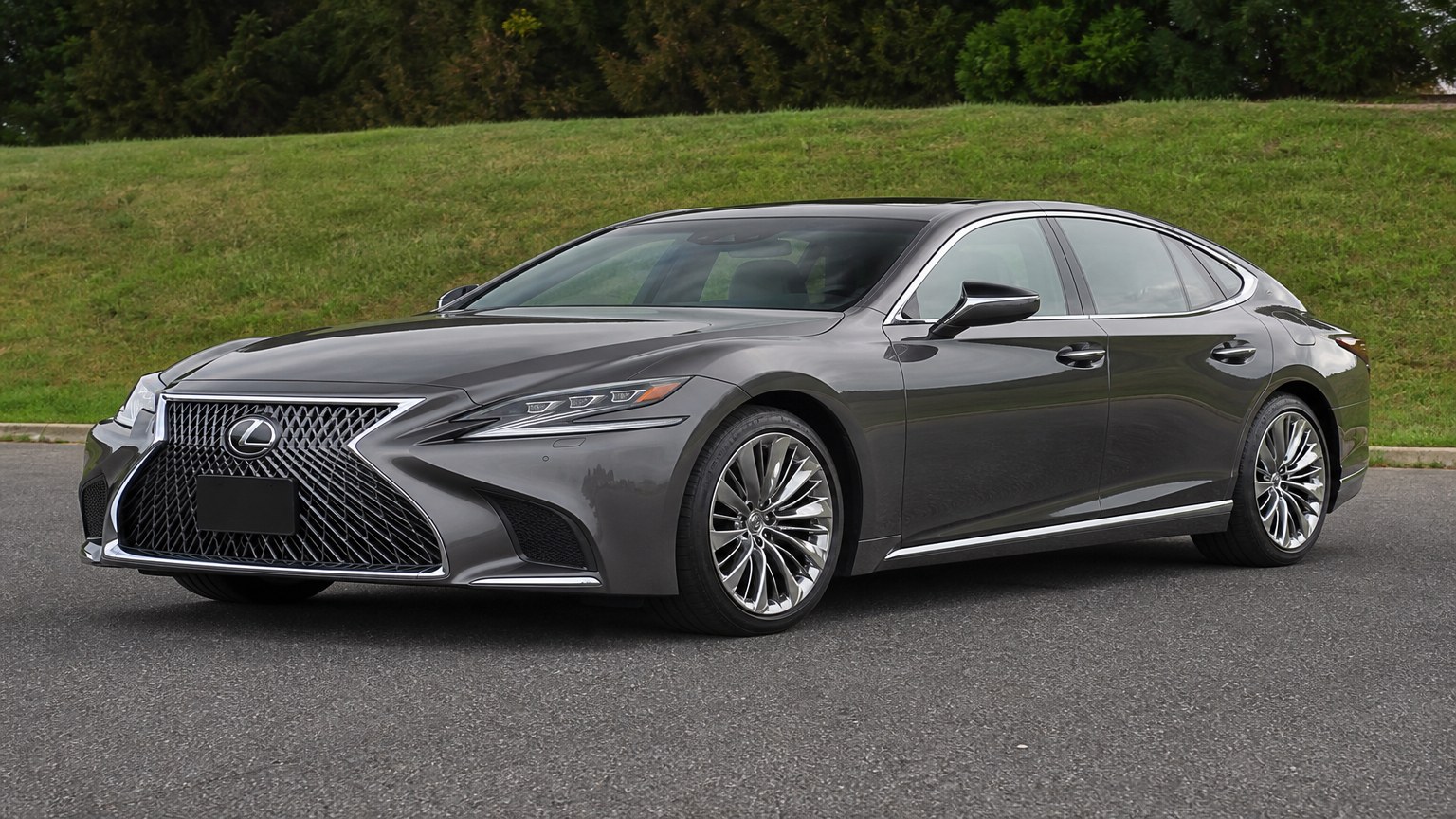
The 2018 model year stands out as the worst in the LS 500’s production run, but the picture improves significantly from 2020 onward once the launch-year recalls were addressed. The table below covers every model year with available data.
| Model Year | Generation | Verdict | Notes |
|---|---|---|---|
| 2018 | 5th Gen | Avoid | Most complaints (21); tire and fuel pump recalls |
| 2019 | 5th Gen | Avoid | 4 complaints; fuel pump recall carried over from 2018 |
| 2020 | 5th Gen | OK/Mixed | Fuel pump recall applies; complaints drop sharply |
| 2021 | 5th Gen | Best | Low complaints; post-recall corrections in place |
| 2022 | 5th Gen | Best | Minimal complaints; 1 recall (VSC software) |
| 2023 | 5th Gen | Best | 1 recall (rearview camera); very low complaint volume |
| 2024 | 5th Gen | OK/Mixed | Recent; too early for full reliability picture |
| 2025 | 5th Gen | OK/Mixed | Recent; too early for full reliability picture |
Most common Lexus LS 500 problems
The single most documented safety concern on the LS 500 is the run-flat tire tread-separation risk on 2018 models, backed by a federal safety recall. Beyond that, a fuel pump failure affecting 2018-2019 cars is the next most serious documented issue. Owners and forum threads also point to excessive oil consumption, infotainment glitches, and air-suspension servicing costs as recurring pain points across the generation.
1. Run-flat tire tread separation (2018)
Approximately 6,300 model-year 2018 Lexus LS 500 and LS 500h vehicles equipped with run-flat tires were recalled because the tires were assembled to wheels improperly, and under certain driving conditions portions of the tread layer could separate, reducing stability and increasing the risk of a crash. The defect traces to a crack that could develop in the sidewall reinforcement layer. Owners on CarComplaints reported the tires failing at highway speeds, with the dealership initially unable to confirm recall status.
The run-flat tires on the 2018 LS 500 are covered by manufacturer recall “KLC” and NHTSA recall 19V-134. Any authorized Lexus dealer will replace all four tires free of charge if one or more tires are run-flat tires manufactured by the specific affected supplier. Before buying a 2018 LS 500, confirm this recall is closed on the VIN. If it has not been completed, the tire replacement is still free at a Lexus dealer.
2. Fuel pump failure and engine stall (2018-2019)
The LS 500 has 8 known recalls according to RepairPal, and the most common is the fuel pump inside the fuel tank failing and causing an engine stall while driving. The low-pressure fuel pump inside the fuel tank may fail, and if it does, the engine can stall while driving, increasing the risk of a crash.
The original fuel pump recall (NHTSA campaign 20V-012) covered certain 2018-2019 Lexus LS 500 vehicles, initiated January 13, 2020. This recall is an expansion of recall 20V-012; Toyota’s number for the expansion is 20TA02 and Lexus’s number is 20LA01. Dealers replace the fuel pump assembly with an improved one, free of charge. Ask for the repair order showing the fuel pump was replaced before you buy any 2018 or 2019 LS 500.
3. Excessive oil consumption
The most commonly reported LS 500 problem on RepairPal is excessive oil consumption, which owners describe as frustrating especially when mechanics offer no resolution. This is a concern that shows up in the twin-turbocharged 3.5-liter V6. Turbochargers generate significant heat that can accelerate seal wear and pull oil past piston rings, causing the engine to burn through oil between changes - a pattern consistent with rod knock symptoms if ignored long enough.
No manufacturer TSB or warranty-extension program covering this specific LS 500 oil consumption issue appeared in our research by a confirmable bulletin number. If you are buying a used LS 500, check the oil level before any test drive and ask the seller for oil-change records as part of your due diligence.
4. Infotainment system glitches (2018-2019)
One of the biggest weak spots on the LS 500 noted by reviewers is the cumbersome infotainment system. Owners on the ClubLexus LS 5th-gen forum discuss map and system update issues, and the early 2018-2019 cars lacked Apple CarPlay at launch. Apple CarPlay and Amazon Alexa compatibility became standard for 2019.
The navigation screen freezing and the touchpad controller responding sluggishly are the most frequently mentioned symptoms. These are software-related annoyances rather than safety failures, and most are addressable with dealer software updates. Still, budget time for a dealer visit if you buy a 2018.
5. Air suspension servicing costs
The air struts on the LS 500 are even more expensive than those on the LS 460. The LS 500’s air struts are a single sealed unit combining the strut and air spring, so when they fail the replacement cost is significant. Symptoms include the car sitting noticeably lower on one side or a harsh, thudding ride over bumps. Transmission fluid pooling under a parked car is a different warning sign to watch for, but any fluid on the ground under an LS 500 deserves a close look from a mechanic.
One forum owner reported over 80,000 miles with no issues or leaks on the air shocks, noting that Carfax histories on high-mileage LS 500s show little suspension work listed. Air suspension problems are not yet a widespread failure on the 5th-gen platform, but replacement cost per corner is high when it does occur.
6. Occupant classification sensor / airbag deployment risk (2018-2021)
Toyota recalled certain 2018-2021 Lexus LS 500 and 2018-2020 Lexus LS 500h vehicles equipped with the “Executive Package” because the front passenger seat may have been assembled with interference between internal parts that can cause the Occupant Classification System (OCS) sensor to incorrectly detect the occupant, causing these vehicles to fail to comply with Federal Motor Vehicle Safety Standard number 208. Incorrect occupant detection can lead to improper airbag deployment in a crash. An illuminated SRS warning light on a used LS 500 often traces back to exactly this kind of sensor or wiring fault.
Owner notification letters were mailed June 7, 2024, and Toyota’s number for this recall is 24LA03. The NHTSA campaign number for this recall is 24V-275. Dealers inspect and repair the front passenger seat free of charge. Confirm this is complete before buying any 2018-2021 LS 500 with the Executive Package.
Which Lexus LS 500 years should you avoid?
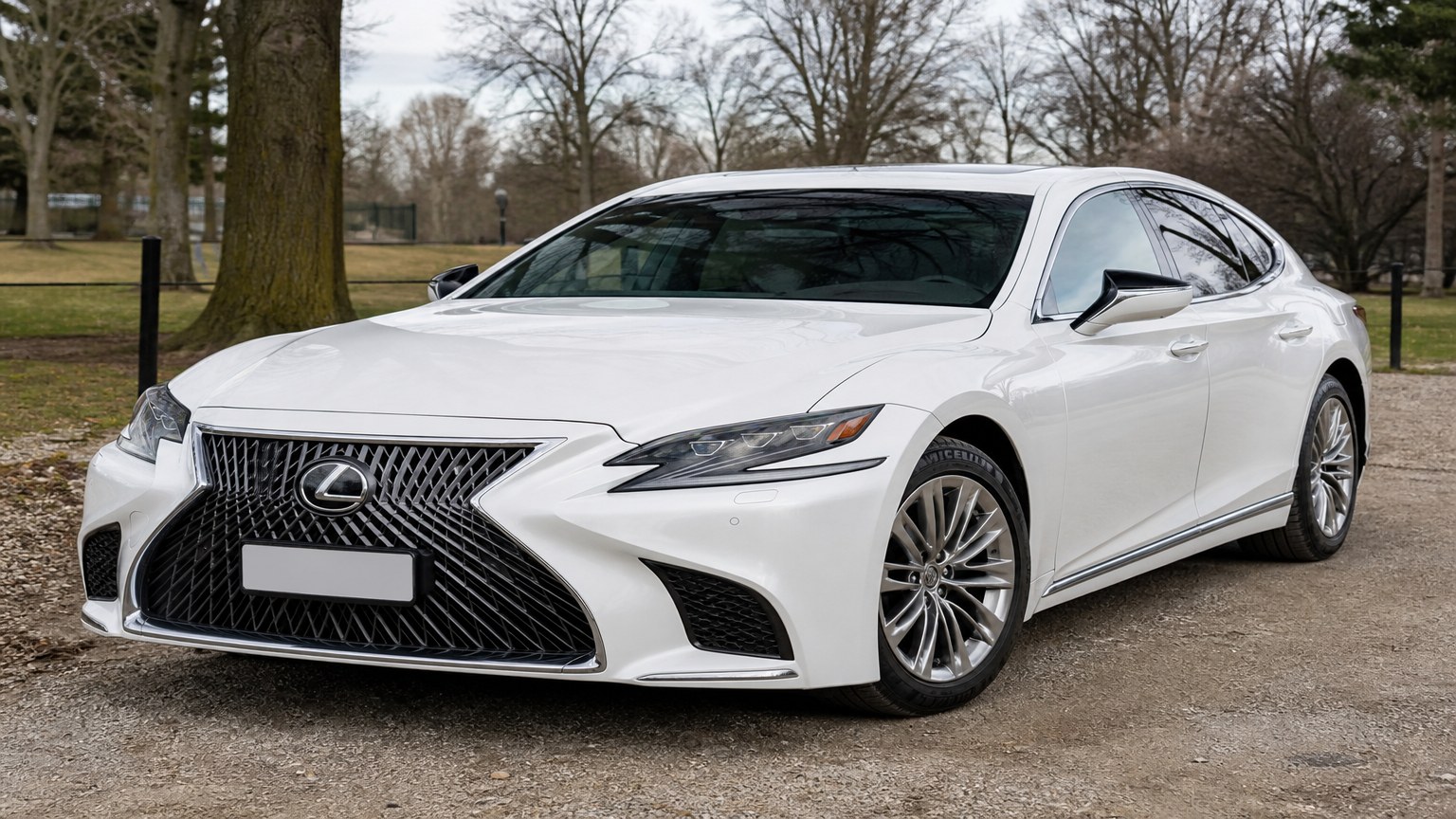
The Lexus LS 500 years to avoid are 2018 and 2019. CarComplaints rates the 2018 as the worst model year on repair cost and average mileage at which problems occur, and it also records the most overall complaints at 21 filed reports. NHTSA complaint volume for the whole 5th-gen generation across 2018-2025 totals 27 complaints, with the bulk concentrated in the 2018 launch year.
| Lexus LS 500 Generation | Model Years | Verdict | Main Issues |
|---|---|---|---|
| 5th Gen (2018-present) | 2018, 2019 | Worst | Tire recall, fuel pump recall, oil consumption, infotainment |
| 5th Gen (2018-present) | 2020 | Mixed | Fuel pump recall still applies to some VINs |
| 5th Gen (2018-present) | 2021, 2022, 2023 | Best | Low complaints, recalls addressed |
Worst Lexus LS 500 years: 2018, 2019
5th-generation Lexus LS 500 (2018-present)
The 2018 Lexus LS 500 has 21 problems and defects reported by owners on CarComplaints, with the worst complaints concentrated in wheels/hubs and engine categories. The 2018 also carries the run-flat tire recall (19V-134 / KLC) and is included in the fuel pump recall (20V-012 and its expansion 20LA01).
The 2019 Lexus LS 500 has 4 problems and defects reported by owners on CarComplaints. The 2019 LS 500 has 4 known recalls per RepairPal, with the most common being the fuel pump inside the fuel tank failing and causing an engine stall while driving. Buying a 2019 is lower-risk than a 2018, but the fuel pump recall must be verified as complete.
What are the best Lexus LS 500 years to buy?
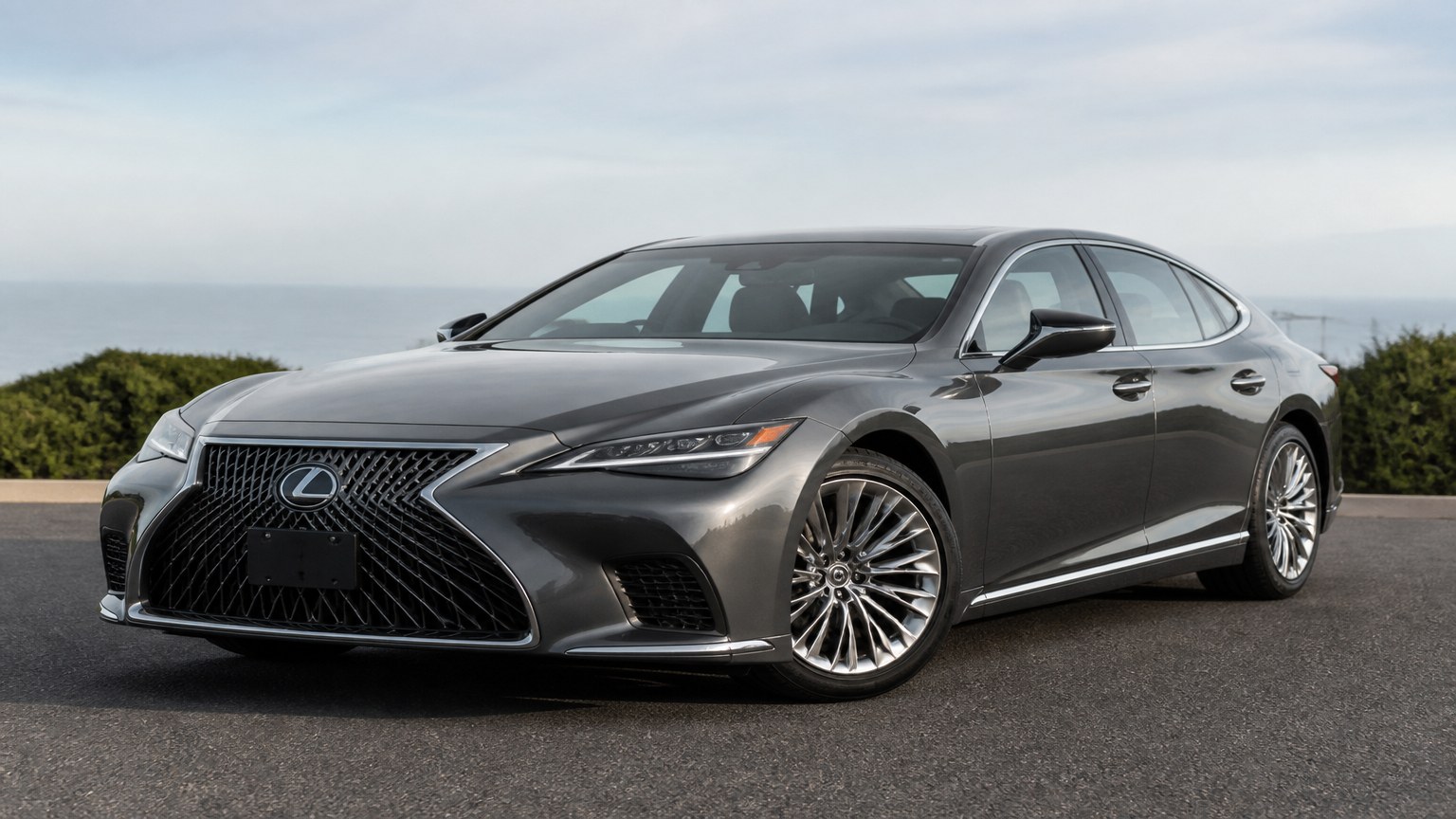
The best Lexus LS 500 years to buy are 2021, 2022, and 2023. Each of these model years benefits from the launch-year recall corrections and carries a fraction of the complaint volume recorded against the 2018.
| Best Lexus LS 500 Year | Why It's a Strong Buy |
|---|---|
| 2021 | Low complaint count; fuel pump recall closed; OCS recall addressed |
| 2022 | Minimal complaints; 1 minor VSC software recall, easily remedied |
| 2023 | 1 rearview camera software recall (free dealer update); very low complaint volume |
Most reliable Lexus LS 500 years: 2021, 2022, 2023
2021 Lexus LS 500
The 2021 is one of the cleaner picks in the used market right now. The 2021 Lexus LS has been recalled 2 times by NHTSA, both of which are addressable at no cost by a Lexus dealer. Recall corrections for the fuel pump and the OCS airbag sensor were well underway by the time 2021 cars entered dealer inventory, so many were addressed before first delivery. Ask for dealer service records confirming both campaigns are closed on any 2021 VIN you consider.
2022 Lexus LS 500
The 2022 Lexus LS has been recalled 1 time by NHTSA, a VSC (Vehicle Stability Control) software issue covered under a no-charge dealer software update. RepairPal gives Lexus as a brand a reliability rating of 4.0 out of 5.0, ranking it 7th out of 32 car brands, making the 2022 LS 500 a credible long-term ownership proposition. Complaint volume on the 2022 is negligible in available data.
2023 Lexus LS 500
The 2023 LS 500 with the Panoramic View Monitor system was recalled because incorrect programming of the parking-assist ECU software caused the rearview camera image to not immediately display within a couple of seconds after the shifter is placed into reverse. Dealers update the parking-assist ECU software free of charge, with owner notification letters mailed April 10, 2024. This is a straightforward software fix, not a mechanical defect, and once completed leaves the 2023 with a clean record.
Lexus LS 500 pre-purchase checklist
Before finalizing any used LS 500 purchase, run through these model-specific checks:
- Run the VIN through NHTSA’s recall checker. Confirm every open campaign - including 19V-134 (run-flat tires), 20V-012 and 20LA01 (fuel pump), 24V-275 (OCS airbag sensor), and any rearview camera software recalls - shows as closed on that specific VIN.
- On 2018-2019 cars, verify the fuel pump replacement. Dealers replace the fuel pump assembly with an improved one free of charge; ask for the repair order confirming the work was done.
- On 2018 cars, inspect the tires. Even after recall 19V-134 was addressed, at least one owner reported deep scrapes on all four tires appearing after 4,000 miles. Inspect the tires and check that all four carry matching, non-recalled units.
- On 2018-2021 Executive Package cars, confirm the OCS seat recall (24V-275 / 24LA03) is complete. The front passenger seat may have been assembled with interference between internal parts that cause the OCS sensor to incorrectly detect the occupant.
- Check the oil level before you start the engine. Given reported oil consumption on the twin-turbo V6, a low reading before a test drive signals a problem the seller may not have disclosed.
- Ask for full service records. The most commonly reported problem areas are wheels and tires, fuel system, and interior; request maintenance records and have an independent mechanic inspect the vehicle before purchase.
- Budget for air suspension. The LS 500’s air struts are even more expensive than those on the previous-generation LS 460. On any high-mileage example, have a mechanic inspect the air suspension for leaks before you commit.
- Test the infotainment system thoroughly. On 2018-2019 cars, run the navigation, connect a phone, and confirm the backup camera responds instantly. Sluggish response or a frozen screen can indicate a software update is needed.
Better alternatives to consider
If the LS 500 years in your budget land on the 2018-2019 avoid list, consider these alternatives instead:
- Lexus ES 350 - a smaller but historically more refined Lexus flagship entry with a longer production run and a clearer year-by-year reliability record across multiple generations
- Lexus GX 460 - a body-on-frame luxury SUV from the same brand with a simpler V8 drivetrain and strong owner satisfaction scores
- BMW 7 Series - competes directly in the full-size luxury segment and offers a wider range of used years to choose from if one model year turns out problematic
- Mercedes-Benz S-Class - the segment benchmark for ride quality; understanding which Mercedes class suits your needs can help you decide whether a long-wheelbase variant makes more sense than the LS 500
Is the Lexus LS 500 worth buying?
Yes - as long as you steer clear of the 2018 and 2019 model years, or verify that both the fuel pump recall (20V-012 / 20LA01) and the run-flat tire recall (19V-134 / KLC) are closed on the specific VIN. RepairPal rates Lexus 4.0 out of 5.0 for reliability, ranking the brand 7th out of 32, and the LS 500’s post-2020 record reflects that brand-level quality. The 2021, 2022, and 2023 model years offer a well-sorted luxury sedan with modest recall and complaint histories. There is a 15.63% chance that an LS 500 will require a major repair in its first five years, which is 13.24% better than comparable vehicles in the luxury sedan segment. Our editorial guidelines require that every verdict in this article be traceable to a specific data source — complaint counts, recall campaign numbers, or RepairPal ratings — rather than editorial opinion alone. Run the VIN through NHTSA’s recall database and verify the full maintenance history before signing anything.