
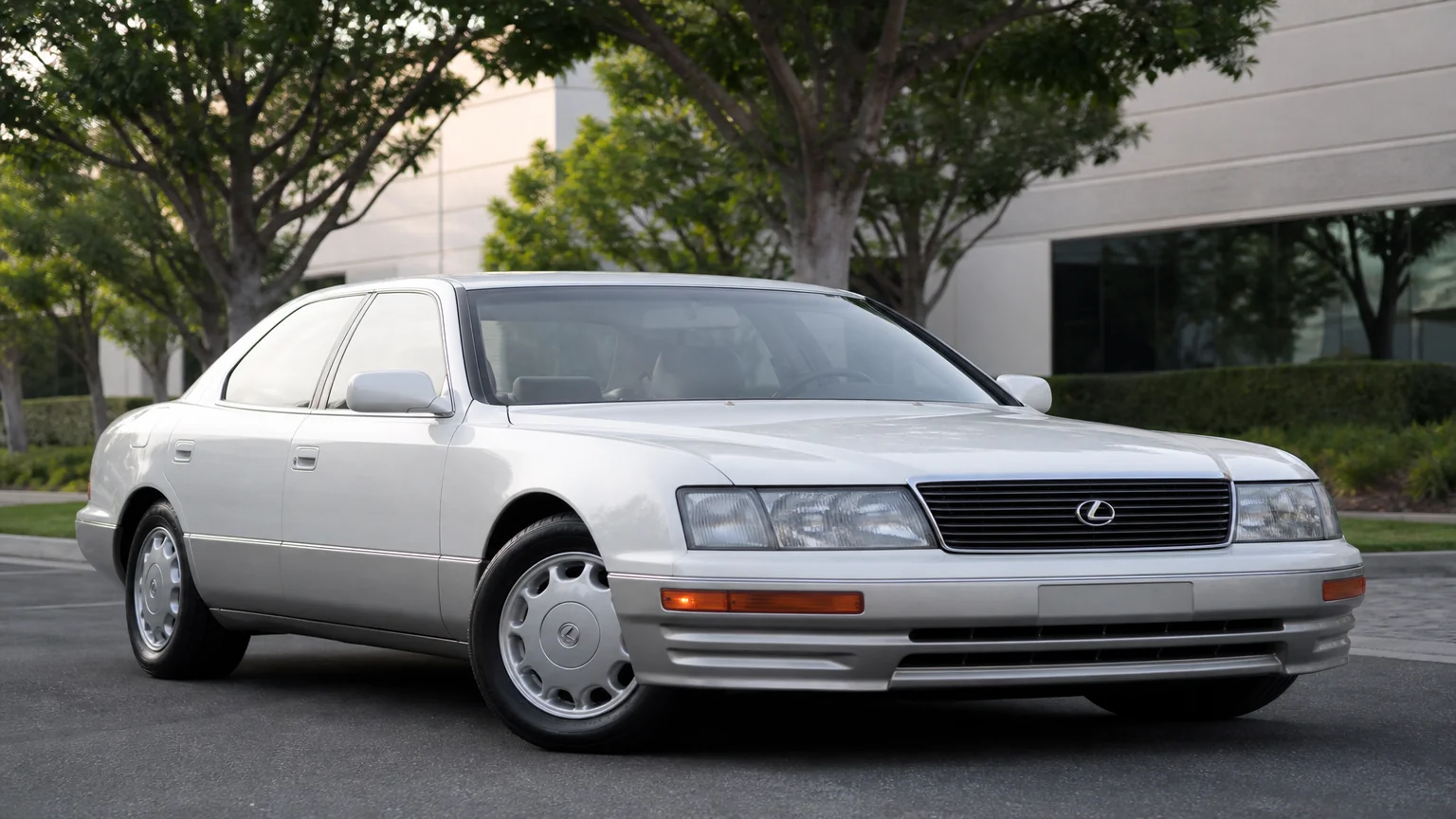
The Lexus LS 400 is one of the most dependable luxury sedans ever built, with a 4.0-liter V8 that owners routinely run past 200,000 miles. Its 1UZ-FE engine and four- or five-speed automatic transmissions are still considered exceptionally reliable today, and anecdotal reports indicate the drivetrain can exceed 300,000 miles with proper maintenance. That said, a few specific model years carry higher repair costs or failure-prone components that you'll want to know about before handing over your money. This guide ranks every LS 400 model year using data from NHTSA, CarComplaints, RepairPal, and owner forums so you can shop with confidence.
For generations, engines, and ownership notes in one place, see the Lexus LS 400 hub.
Related: Lexus LS 430 years to avoid, Lexus LS 460 years to avoid.
At a glance
- Worst years
- 1992
- 1993
- 1996
- 1997
- Best years
- 1998
- 1999
- 2000
- Top failure
- First-gen digital dashboard failure (1993, CarComplaints most-reported problem) and timing belt neglect across both generations (RepairPal/owner forums)
- Always do before buying
- Run the VIN through NHTSA's recall checker, and confirm the timing belt has been replaced within the last 90,000 miles or 7 years on any LS 400 you consider
How we rated the best and worst Lexus LS 400 years
The worst years for the Lexus LS 400 are 1992 and 1993 for repair cost and complaint concentration, and 1996-1997 for the highest raw CarComplaints counts plus a starter motor recall. We cross-referenced data from NHTSA complaints and recalls, CarComplaints, RepairPal, and owner discussion at the Lexus Owners Club of North America forum.
Our years-to-avoid methodology uses these sources together rather than any single ranking.
CarComplaints rates the 1992 model year as the worst, because of higher repair cost or more problems at lower mileage, even though the 1993 Lexus LS 400 has the most overall complaints on that platform. NHTSA complaint volume - a separate count of owner-filed safety reports - is highest in the mid-generation years, 1996 and 1997, which also carry a starter motor recall. These two measures often point to different years, and the table below reflects both.
| Lexus LS 400 Generation | Best Lexus LS 400 Years | Worst Lexus LS 400 Years |
|---|---|---|
| 1st Gen (1990-1994) | None | 1992, 1993 |
| 2nd Gen (1995-2000) | 1998, 1999, 2000 | 1996, 1997 |
Every Lexus LS 400 model year ranked
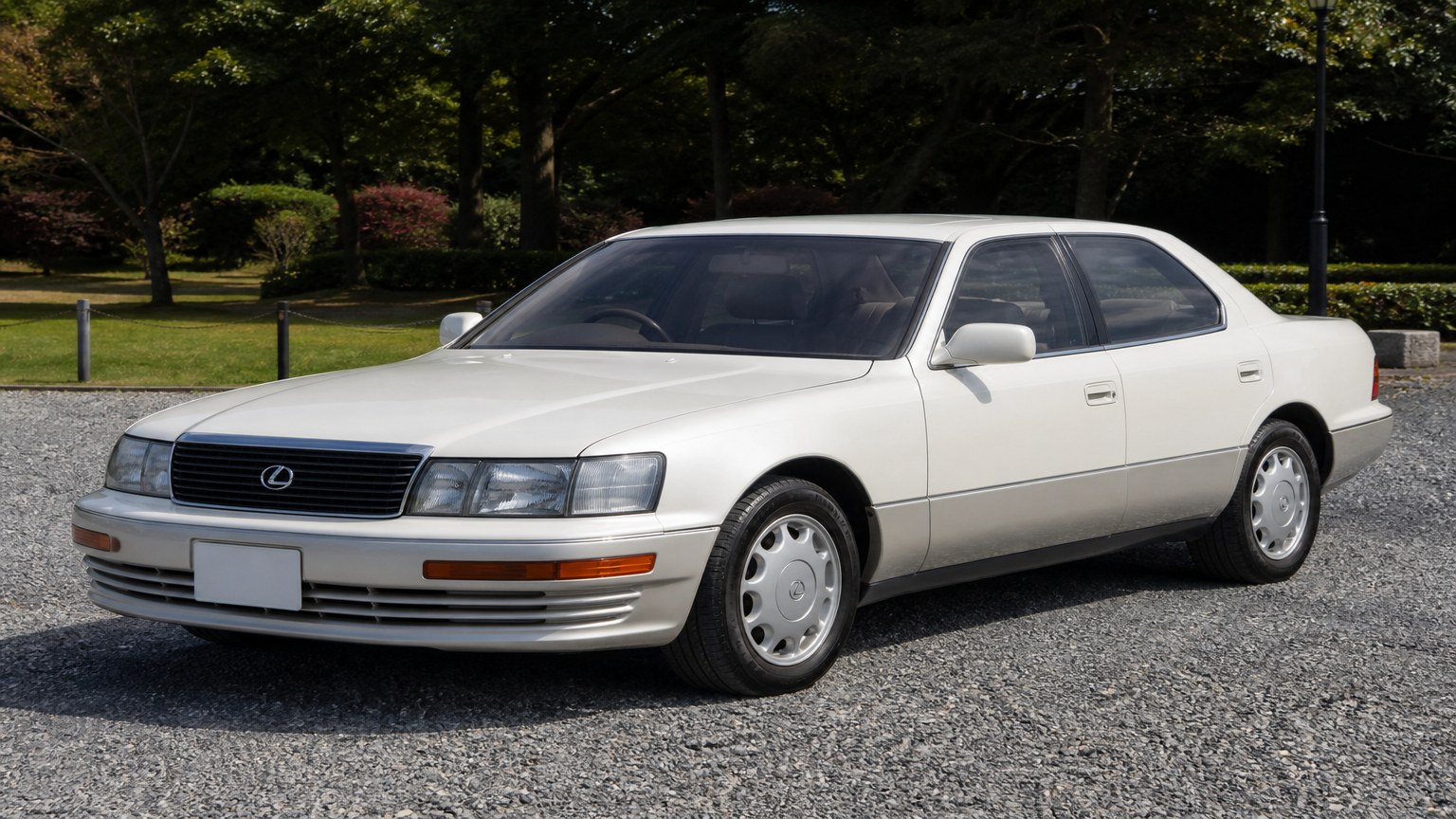
Every production year of the LS 400 lands somewhere on the spectrum from minor age-related concerns to documented complaint clusters - here is where each one falls.
| Model Year | Generation | Verdict | Notes |
|---|---|---|---|
| 1990 | 1st Gen | OK/Mixed | Earliest year; light complaint volume; age-related wear expected |
| 1991 | 1st Gen | OK/Mixed | Few complaints; PS leak risk begins at high mileage |
| 1992 | 1st Gen | Avoid | CarComplaints rates worst by repair cost and low-mileage failure |
| 1993 | 1st Gen | Avoid | Most CarComplaints complaints in gen; top issue is digital dashboard failure |
| 1994 | 1st Gen | OK/Mixed | Lightest complaint footprint of the first gen |
| 1995 | 2nd Gen | OK/Mixed | Redesigned year; 5 RepairPal problems noted; settling-in year |
| 1996 | 2nd Gen | Avoid | Highest CarComplaints count (29); starter motor recall; engine/trans complaints |
| 1997 | 2nd Gen | Avoid | 25 CarComplaints complaints; starter motor recall; worst complaints = engine |
| 1998 | 2nd Gen | Best | VVT-i upgrade; 5 RepairPal issues, manageable; most refined non-final year |
| 1999 | 2nd Gen | Best | Among the lowest complaint totals; 4 RepairPal issues |
| 2000 | 2nd Gen | Best | Final year; 17 CarComplaints complaints but 3 recalls closed; low severity |
Most common Lexus LS 400 problems
The single biggest documentation-backed failure across both generations is timing belt neglect, which can destroy the engine on 1998-2000 cars. Beyond that, four recurring problems show up across owner data and RepairPal’s list of 12 known Lexus LS 400 issues.
1. Timing belt failure (all years, critical on 1998-2000)
The 1UZ-FE uses a rubber timing belt with a factory replacement interval of 90,000 miles or 7 years. Many used examples change hands without a service record, so the interval is unknown. The symptom of a deteriorating belt is a slapping or scraping noise from the front of the engine, though many belts fail without warning.
A widely cited distinction: the 1990-1997 non-VVT-i engines are generally regarded as non-interference (a broken belt strands the car but typically does not smash valves), while the 1998-2000 VVT-i engines are commonly described as interference - a belt failure on those can cause valve-to-piston damage. That distinction makes 1998-2000 cars the riskier purchase if belt history is unknown.
The average cost for a Lexus LS 400 timing belt replacement is between $1,056 and $1,350 per RepairPal, but can vary from car to car. Owners on the Lexus Owners Club forum note that the 90K service typically runs $1,000 - $1,500 all-in when the water pump is replaced at the same time (recommended, since water pump failure at this mileage is a known co-failure). Buyer takeaway: Demand documented timing belt service history; walk away if the seller cannot produce it on any 1998-2000 VVT-i car.
No manufacturer TSB or warranty extension covering a timing belt interval extension was confirmed in research for this model.
2. Digital dashboard failure (1990-1994, worst in 1993)
CarComplaints rates 1992 as the worst year overall due to higher repair cost or problems at lower mileage; the most-reported single problem across all LS 400 years is the 1993 digital dashboard failure. The symptom is a completely dark or partially functioning instrument cluster display - speedometer, fuel gauge, and warning readouts go dim or blank.
The 1993 LS 400 has 5 complaints reported for digital dashboard problems on CarComplaints, with an average failure mileage of 121,000 miles. The LCD panel in first-gen cars uses aging pixel technology; replacement panels have been sourced through specialty Lexus vendors for roughly $300 (as referenced in the Edmunds LS 400 owner forum). Buyer takeaway: On any 1990-1994 car, turn the car on and confirm all dashboard segments light up before purchase.
3. Power steering leak leading to alternator contamination (1991-1997)
The LS 400’s variable-assist power-steering system runs ATF, whose pump seals and high-pressure hoses harden and leak with age. Because the pump sits directly above the alternator on the 1UZ-FE (worst on 1991-1997 cars), a leak drips fluid onto the alternator, contaminating it and causing premature charging failure - the two are documented as a linked problem.
Some Lexus LS 400 owners report experiencing power steering growling, leaking fluid, and white smoke on startup. That white smoke is ATF burning off a hot component. A transmission fluid leak when parked under the front of the car is often the first visible sign of this problem. Repair costs range from pump seal replacement to a full alternator swap in neglected cases. Buyer takeaway: Check under the hood for ATF staining around the alternator; ask whether the power steering fluid has ever been flushed.
4. Front suspension noise at high mileage (all years)
The most commonly reported Lexus LS 400 problem across all years on RepairPal is higher-mileage cars developing creaking and groaning noises in the front suspension, particularly when coming to a stop. Worn ball joints and strut bushings are the typical culprits. Front lower ball joint wear - and rarely, separation - is one of the two critical issues flagged by researchers, with estimated repair costs of $200 - $700.
A separated ball joint is a sudden loss-of-control event, so this is not a noise to dismiss. The 1996 NHTSA bulletin record includes a suspension ball joint inspection method TSB. Buyer takeaway: Have an independent mechanic put the car on a lift and check ball joint play before buying any high-mileage example.
5. Starter motor recall (1996-1997)
The 1996 Lexus LS 400 has 1 known recall on RepairPal - a starter motor switch short circuit causing a fire hazard. The 1997 Lexus LS 400 also has 1 known recall on RepairPal, and the most common recall is the same starter motor switch short circuit causing a fire hazard. The switch can overheat internally, creating a smoldering or fire risk even with the ignition off.
This recall is old enough that many affected cars have already been repaired, but VINs that have never been taken to a dealer remain a risk. Buyer takeaway: Run any 1996 or 1997 LS 400 VIN through the NHTSA recall checker before purchase and confirm this campaign is closed on that specific vehicle.
6. Automatic transmission shudder / overdrive code (1995-2000)
Owners have reported rough deceleration, inability to engage overdrive, and a check engine light with a code P0770 on the 1997 LS 400 automatic transmission. This is a solenoid-related fault in the A650E four-speed automatic. The shudder is felt most during light-throttle cruising or deceleration when the torque converter clutch engages. Fresh ATF and a solenoid service often resolve it; a full rebuild is rarely needed if caught early. Buyer takeaway: On a test drive, confirm smooth gear changes through all four gears and no shudder at highway speeds.
Which Lexus LS 400 years should you avoid?
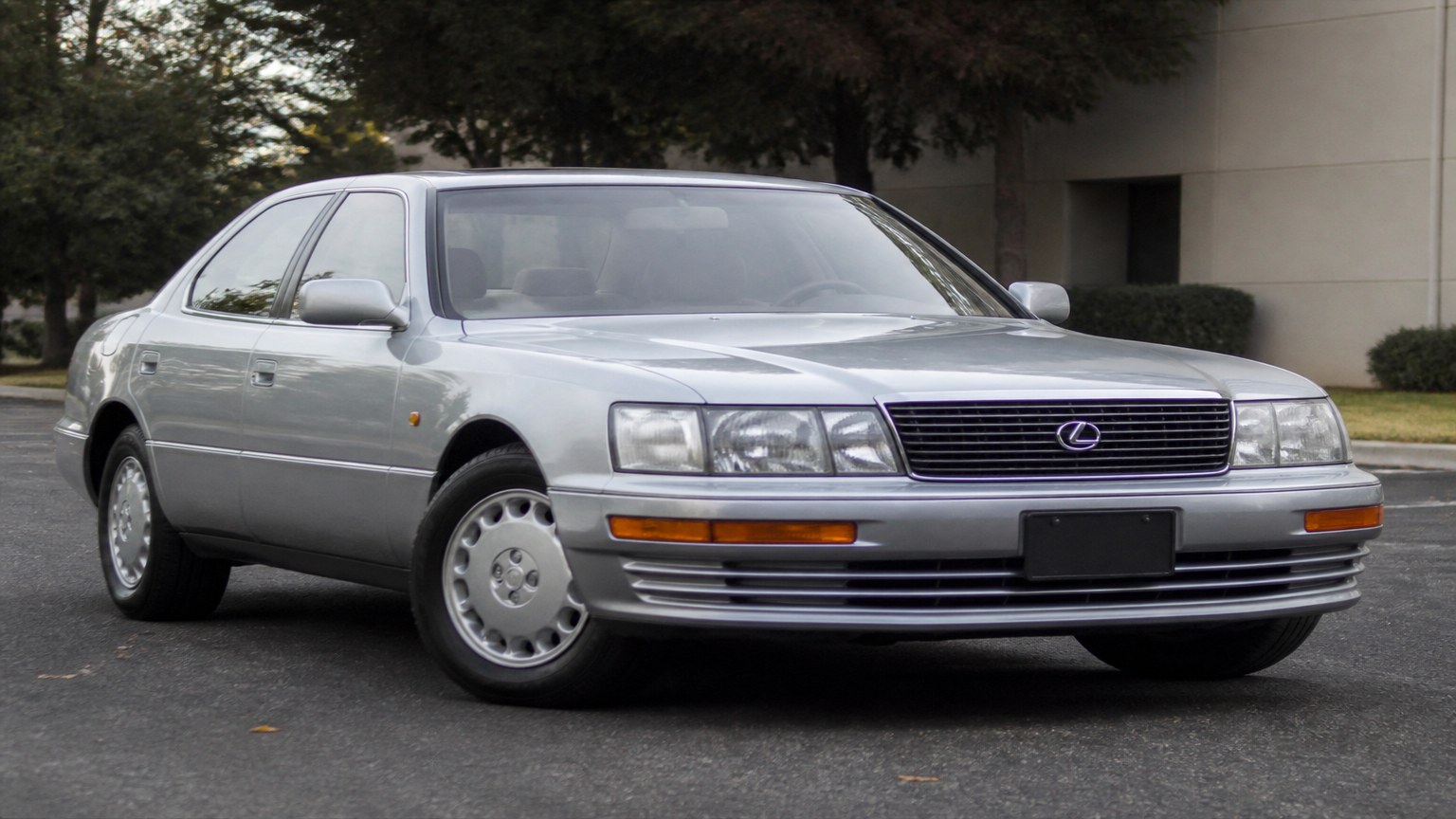
The Lexus LS 400 years to avoid are 1992, 1993, 1996, and 1997. CarComplaints rates the 1992 model year as the worst due to higher repair cost or more problems at lower mileage, while the 1993 year has the most overall complaints in the dataset. For raw NHTSA-tracked complaint and recall activity, 1996 and 1997 stand out, with the highest CarComplaints complaint counts in the second generation (29 and 25, respectively) and a shared starter motor fire-hazard recall.
| Lexus LS 400 Generation | Model Years | Verdict | Main Issues |
|---|---|---|---|
| 1st Gen (1990-1994) | 1992, 1993 | Worst: 1992, 1993 | Digital dashboard failure, high repair cost at lower mileage, early suspension wear |
| 2nd Gen (1995-2000) | 1996, 1997 | Worst: 1996, 1997 | Highest complaint counts, starter motor fire recall, engine/transmission complaints |
Worst Lexus LS 400 years: 1992, 1993, 1996, 1997
First-generation Lexus LS 400 (1990-1994)
The 1992 Lexus LS 400 has 2 problems and defects reported by LS 400 owners on CarComplaints, with the worst complaints being AC/heater and electrical problems. CarComplaints’ PainRank elevates 1992 above 1993 because those failures occurred at lower mileage and with higher repair costs - a meaningful signal for a used buyer.
The 1993 Lexus LS 400 has 8 problems and defects reported by LS 400 owners on CarComplaints, with the worst complaints being accessories/interior, brakes, and engine problems. The 5 digital dashboard complaints alone make 1993 the first-gen year to be most cautious about, and the LCD failure at an average of 121,000 miles means many surviving examples are already in that failure window.
Second-generation Lexus LS 400 (1995-2000)
The 1996 Lexus LS 400 has 29 problems and defects reported by LS 400 owners on CarComplaints, with the worst complaints being engine and transmission problems. That 29-complaint total is the highest of any single LS 400 year on that platform, making 1996 the most complaint-dense second-gen year to avoid.
The 1997 Lexus LS 400 has 25 problems and defects reported by LS 400 owners on CarComplaints, with the worst complaints being engine problems. Add the open starter motor recall risk on both 1996 and 1997, and these two years carry more potential liability than any other second-gen model. Check their NHTSA vehicle detail pages to confirm recall status before buying.
What are the best Lexus LS 400 years to buy?
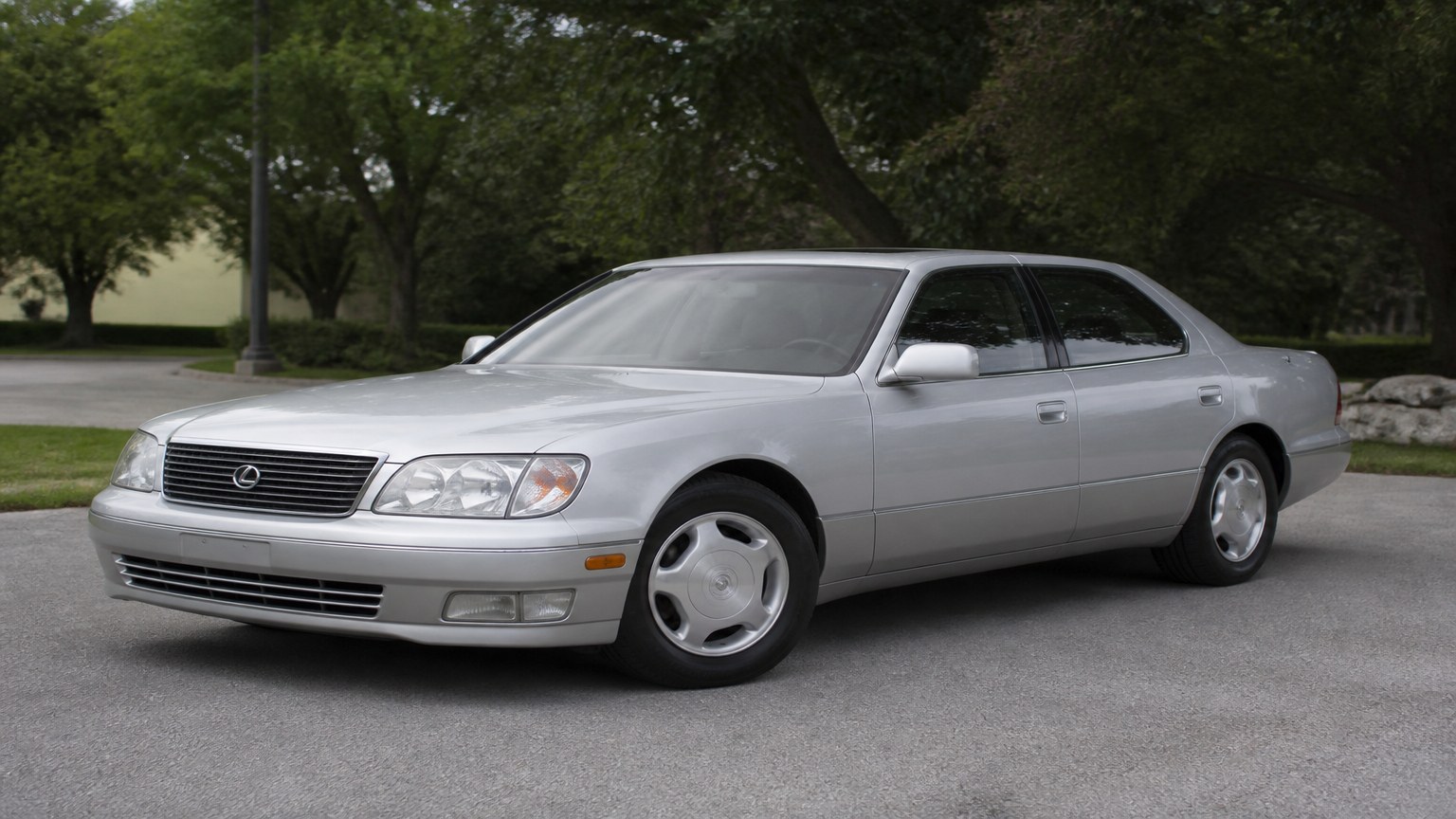
The best Lexus LS 400 years to buy are 1998, 1999, and 2000. These are the most refined examples of the second generation, carry lower complaint counts than 1996-1997, and benefit from the VVT-i engine upgrade introduced on the 1998 model.
| Best Lexus LS 400 Year | Why It's a Strong Buy |
|---|---|
| 1998 | VVT-i engine upgrade; 5 RepairPal issues, all manageable; no starter motor recall |
| 1999 | Low complaint count; 4 RepairPal issues; no generation-specific recall |
| 2000 | Final year of production; 17 CarComplaints complaints, 3 recalls documented as closeable; cleanest late-gen pick |
Most reliable Lexus LS 400 years: 1998, 1999, 2000
1998 Lexus LS 400
The 1998 LS 400 received an updated version of the 4.0-liter 1UZ-FE engine with Toyota’s new VVT-i variable valve timing system, which provided more power and improved fuel efficiency, along with a new five-speed automatic gearbox for improved performance. On RepairPal, the 1998 year carries 5 reported problems - the same count as 1993 and 1995, but without the high-profile dashboard or starter recall issues. There is no starter motor recall on this year.
1999 Lexus LS 400
The 1999 Lexus LS 400 has 4 reported problems on RepairPal, which is among the lowest counts across all LS 400 model years. The 1999 car benefits from all the second-gen refinements and the VVT-i engine, but buyers must be especially diligent about timing belt history on this year because the interference-type VVT-i means a missed service can be engine-ending.
2000 Lexus LS 400
The 2000 Lexus LS 400 has 17 problems and defects reported by LS 400 owners on CarComplaints, with the worst complaints being steering problems. The steering complaints are largely age-related power steering seal wear rather than a design defect. Three recalls have been issued for the 2000 Lexus LS 400 by the NHTSA, covering lighting and fuel system connections - none are the open fire-hazard issue that affected 1996-1997. As the final model year, the 2000 is the most sorted version of the platform.
Lexus LS 400 pre-purchase checklist
Any LS 400 you are considering deserves a thorough inspection before money changes hands - here is what to verify:
- Run the VIN through the NHTSA recall checker: Confirm every open recall is closed, and specifically verify the starter motor fire-hazard campaign is resolved on any 1996 or 1997 car.
- Demand timing belt service records: On all years, ask for documented proof the belt was replaced within the last 90,000 miles or 7 years. On 1998-2000 VVT-i cars, an unknown belt is a walk-away situation.
- Check the dashboard display on first-gen cars (1990-1994): Turn the ignition on and confirm every gauge and segment on the instrument cluster lights up fully - digital dashboard failure averages at 121,000 miles on 1993 cars.
- Inspect under the hood for power steering leaks: Look for ATF staining on the alternator housing and around the high-pressure PS line. Because the power-steering pump sits directly above the alternator, a leak drips fluid straight onto the alternator, causing premature charging failure.
- Have the front suspension inspected on a lift: Ask a mechanic to check ball joint play and bushing condition; a steering wheel that shakes at high speeds or a soft, vague feeling at the front end is a warning sign of worn suspension components.
- Test the transmission through all gears: Confirm smooth shifts and no shudder during light-throttle highway cruising; a P0770 overdrive code points to a solenoid fault.
- Request a full service history: The annual maintenance cost of a Lexus LS 400 is $435 - a car whose previous owner skipped even basic services is a liability. Look for records of regular ATF, coolant, and power steering fluid changes.
- Run a vehicle history report: Confirm no salvage title or unreported collision history, especially on low-asking-price examples that may have hidden structural damage.
Better alternatives to consider
If the LS 400 years in your budget land on the avoid list, consider these alternatives instead:
- Lexus ES 350 - a front-wheel-drive Lexus luxury sedan with a longer modern production run and cleaner year-by-year reliability data for used buyers in the same luxury segment
- Lexus GX 460 - if you want Lexus reliability with more body-on-frame durability, the GX 460 shares Toyota’s proven V8 platform and has a stronger parts supply as a more recent model
- Lexus CT 200h - a more affordable Lexus entry point with hybrid running costs well below those of a V8 LS 400, for buyers whose priority is low operating expense over outright luxury
- Toyota Crown (plain text, no confirmed internal link) - shares Toyota’s corporate engineering culture and offers more recent safety technology for buyers who want a full-size Japanese luxury sedan with modern NHTSA ratings
Is the Lexus LS 400 worth buying?
Yes, the Lexus LS 400 is a sound used buy as long as you avoid the 1992, 1993, 1996, and 1997 model years and can verify timing belt history. Thirty-two Lexus LS 400 owners reviewed the model with a rating of 4.5 out of 5 overall on RepairPal, covering model years 1990 to 2000. Lexus earns a brand reliability rating of 4.0 out of 5.0 on RepairPal, ranking 7th out of 32 car brands.
The 1998, 1999, and 2000 model years represent the best of the platform - refined, reliable, and available at used-market prices that are hard to match for the level of luxury and mechanical durability on offer. Run the VIN through NHTSA’s recall checker and verify the full maintenance history before committing.