
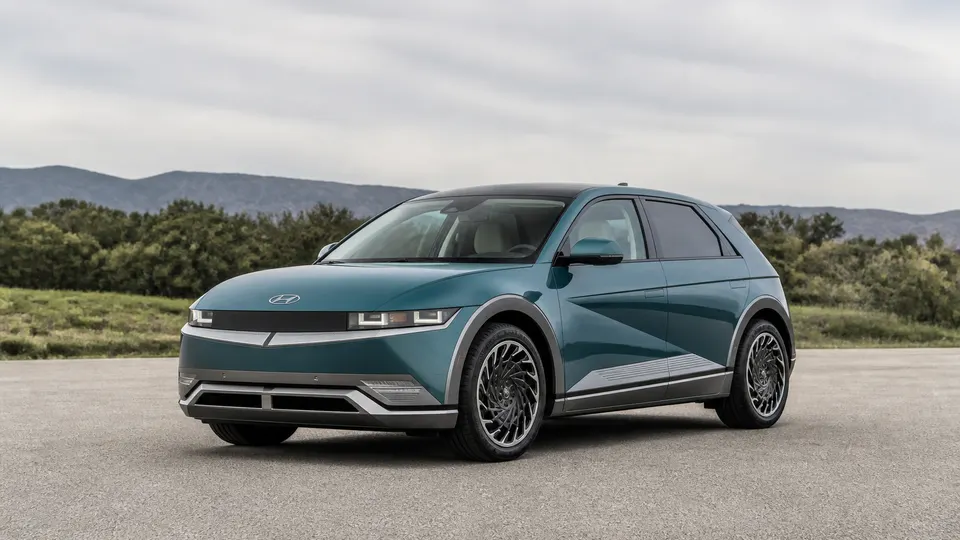
The Hyundai Ioniq 5 is a well-rounded electric crossover with strong safety ratings and rapid charging, but its earliest model years carry a documented history of electrical and charging failures that you'll want to avoid. Complaint and recall data show a clear gap between the 2022-2023 cars and the improved 2024-2025 models. This guide uses NHTSA complaint volume, CarComplaints repair-cost and mileage data, recall records, and IIHS crash-test results to give you a data-backed ranking of every model year - so you can shop with confidence.
For generations, engines, and ownership notes in one place, see the Hyundai Ioniq 5 hub.
Related: Genesis GV60 years to avoid, Cadillac LYRIQ years to avoid.
At a glance
- Worst years
- 2022
- 2023
- Best years
- 2024
- 2025
- Top failure
- ICCU (Integrated Charging Control Unit) failure, 2022-2024 cars - causing sudden loss of drive power (CarComplaints rates 2022 worst by repair cost and mileage-at-failure; NHTSA complaint volume is highest for 2022 at 502 complaints)
- Always do before buying
- Run the VIN through NHTSA's recall checker to confirm every open recall is closed, then ask specifically whether the ICCU recall remedy has been performed and whether the unit was replaced (not only reprogrammed)
How we rated the best and worst Hyundai Ioniq 5 years
The 2022 Ioniq 5 is the worst model year across every major dataset, driven by the highest NHTSA complaint volume and the lowest reliability score in the lineup. Our ratings draw on NHTSA complaints and recalls, CarComplaints owner filings, and IIHS crash-test results. CarComplaints ranks a “worst year” by repair cost and mileage-at-failure - its PainRank system - while NHTSA shows raw complaint volume; those two metrics point to the same year here (2022), but for different reasons: CarComplaints flags 2022 for higher repair cost and earlier failure mileage, while NHTSA complaint volume is highest for 2022 at 502 complaints. Our years-to-avoid methodology weighs both.
| Hyundai Ioniq 5 Generation | Best Hyundai Ioniq 5 Years | Worst Hyundai Ioniq 5 Years |
|---|---|---|
| 1st gen / facelift (2022-2025) | 2024, 2025 | 2022, 2023 |
Every Hyundai Ioniq 5 model year ranked
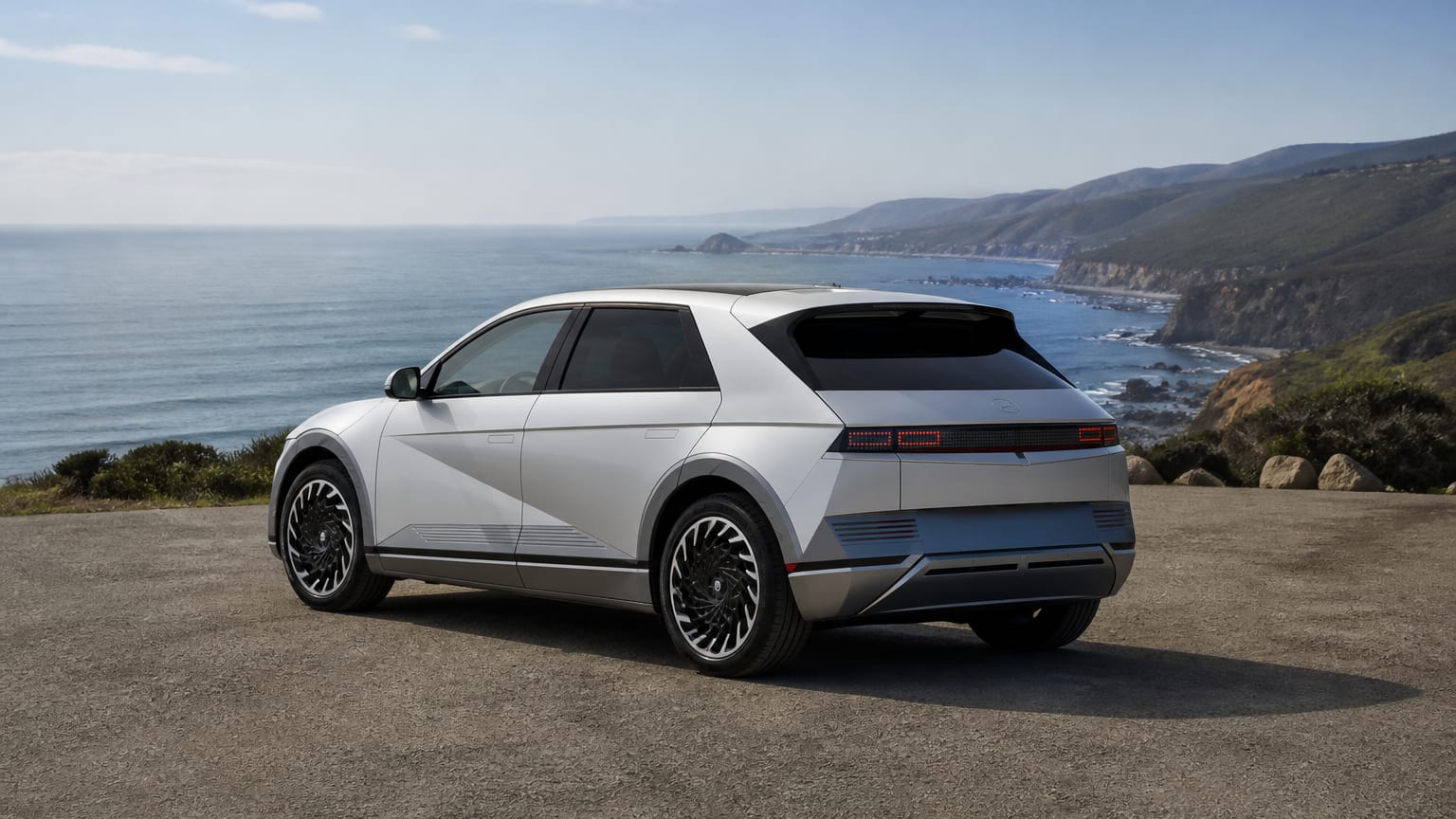
The Ioniq 5 launched for the 2022 model year on Hyundai’s E-GMP platform, so every year in the table below belongs to that single generation. Reliability has improved steadily year over year, with 2024 and 2025 sitting clearly above the early cars.
| Model Year | Generation | Verdict | Notes |
|---|---|---|---|
| 2022 | 1st gen E-GMP | Avoid | Highest complaint volume (502 NHTSA); worst reliability score (46/100); ICCU and electrical failures dominate |
| 2023 | 1st gen E-GMP | Avoid | 409 NHTSA complaints; 260 CarComplaints filings; most total complaints per CarComplaints; rear driveshaft recall |
| 2024 | 1st gen facelift | Best | 134 NHTSA complaints; 58/100 reliability score; IIHS Top Safety Pick+; ICCU recall covers this year but complaint rate is lower |
| 2025 | 1st gen facelift | Best | 158 NHTSA complaints (many still in early-filing window); 53/100 score; multiple cleanup recalls resolved; Ioniq 5 N braking recall addressed |
Most common Hyundai Ioniq 5 problems
The single biggest failure on the Ioniq 5 is the Integrated Charging Control Unit (ICCU), which can shut the car down while driving and affects 2022-2024 models. Below are the four most documented recurring failures in complaint and recall data, ordered most serious first.
1. ICCU failure - loss of drive power
NHTSA learned from Hyundai that the failure is related to the Integrated Charging Control Unit (ICCU), responsible for powering both the main EV and low-voltage 12-volt batteries; too much current within the unit can damage transistors, resulting in the inability to recharge the 12V battery. When the 12V drains, the car can lose all drive power mid-trip.
The car may suddenly limit power and speed, often dropping to 20-30 mph and refusing to accelerate. Drivers report seeing messages like “Check EV system” or “Stop vehicle and check power supply,” sometimes accompanied by warning chimes. If the 12-volt battery cannot be charged, the Ioniq 5 can eventually lose all motive power, increasing the risk of a crash.
The ICCU recall is the most consequential failure on this generation. NHTSA issued two ICCU recall campaigns: the March 2024 campaign covering 2022-2024 Ioniq 5, plus Ioniq 6, Genesis GV60, and Genesis G80 and GV70 Electrified, and an expanded November 2024 campaign covering the same population plus the 2025 Ioniq 6. The March 2024 campaign is identified by NHTSA as 24V-204, and the November 2024 expansion is NHTSA recall number 24V-868. Hyundai’s earlier voluntary fix - Hyundai Service Campaign 997 - covered 2022-2023 Ioniq 5 units produced from October 4, 2021 through June 22, 2023 and included ICCU inspection, software update, and replacement where needed. That service campaign preceded the formal recalls; the formal recall remedy is the more complete fix.
Dealers inspect and replace the ICCU and its fuse if necessary, as well as update the unit’s software, free of charge. If you’re buying a used 2022-2024 Ioniq 5, verify that the ICCU remedy under 24V-868 has been performed and that the unit was replaced, not only reprogrammed under the earlier campaign. No specific ICCU repair cost is publicly documented for out-of-warranty situations, as the formal recall covers the repair at no charge for affected vehicles.
2. Electrical system complaints (general)
Electrical-system complaints account for 873 of the 1,175 total NHTSA complaints on this generation (74%), and the central reliability story is the ICCU. Beyond ICCU shutdowns, owners have also filed complaints around 12V battery failures, charging-session interruptions, and software-related warning lights that trigger without a clear cause.
Most complaints cluster around Level 2 charging interruptions, 12V battery failures, and various squeaks, rattles, and minor trim defects. The 12V battery is especially vulnerable on EVs that sit unused for extended periods, since the main pack’s DC-DC converter - which keeps the 12V topped up - depends on the ICCU being functional. A failing ICCU starves the 12V, which accelerates its decline. Buyers of 2022-2023 cars should budget for a 12V battery replacement if the ICCU recall has not yet been completed. This overlap with the hidden costs of owning an electric car is worth factoring into your total cost of ownership.
3. Rear inner driveshaft fracture (2023)
A February 2024 powertrain recall covered 2023 Ioniq 5, along with the Ioniq 6 and GV60, for a rear inner driveshaft that was improperly heat-treated and can break under load. A broken driveshaft can cause a sudden loss of drive force to the rear axle, which is a safety concern at highway speed.
The 2023 Hyundai Ioniq 5 has 260 problems and defects reported by owners on CarComplaints, with the worst complaints in the cooling system and drivetrain categories. This recall is specific to the 2023 model year; confirm it has been completed on any 2023 candidate before purchase.
4. Software recalls - parking brake, instrument cluster, and braking
A 2022-model-year recall (NHTSA 22V-324) covered a software error in the Shifter Control Unit that could disengage the parking mechanism, allowing vehicle rollaway and increasing the risk of a crash or injury. The remedy was a dealer software update to the Shifter Control Unit at no charge.
A separate newer recall affects the digital instrument cluster on certain 2025-2026 Hyundai models including the Ioniq 5. A software bug can cause the display to go blank or fail to show critical data; driving without a working speedometer or warning lamps can hide ABS, airbag, high-voltage system, or low tire-pressure warnings. Hyundai’s remedy is a software update. On the 2025 Ioniq 5 N specifically, a left-foot braking (LFB) recall is addressed separately - covered in the submodel section below.
Which Hyundai Ioniq 5 years should you avoid?
The Hyundai Ioniq 5 years to avoid are 2022 and 2023. Although the 2023 Ioniq 5 has the most overall complaints on CarComplaints, the site rates the 2022 model year as worse because of higher repair cost and more problems at lower mileage. On raw NHTSA complaint volume, the 2022 model year leads with 502 complaints, followed by 2023 with 409 complaints and 2024 with 118 complaints.
| Hyundai Ioniq 5 Generation | Model Years | Verdict | Main Issues |
|---|---|---|---|
| 1st gen E-GMP (2022-2025) | 2022, 2023 | Worst | ICCU failure, 12V battery death, driveshaft fracture (2023), parking brake software (2022) |
| 1st gen facelift (2022-2025) | 2024, 2025 | Best | ICCU recall coverage but lower complaint rate; IIHS Top Safety Pick+ |
Worst Hyundai Ioniq 5 years: 2022, 2023
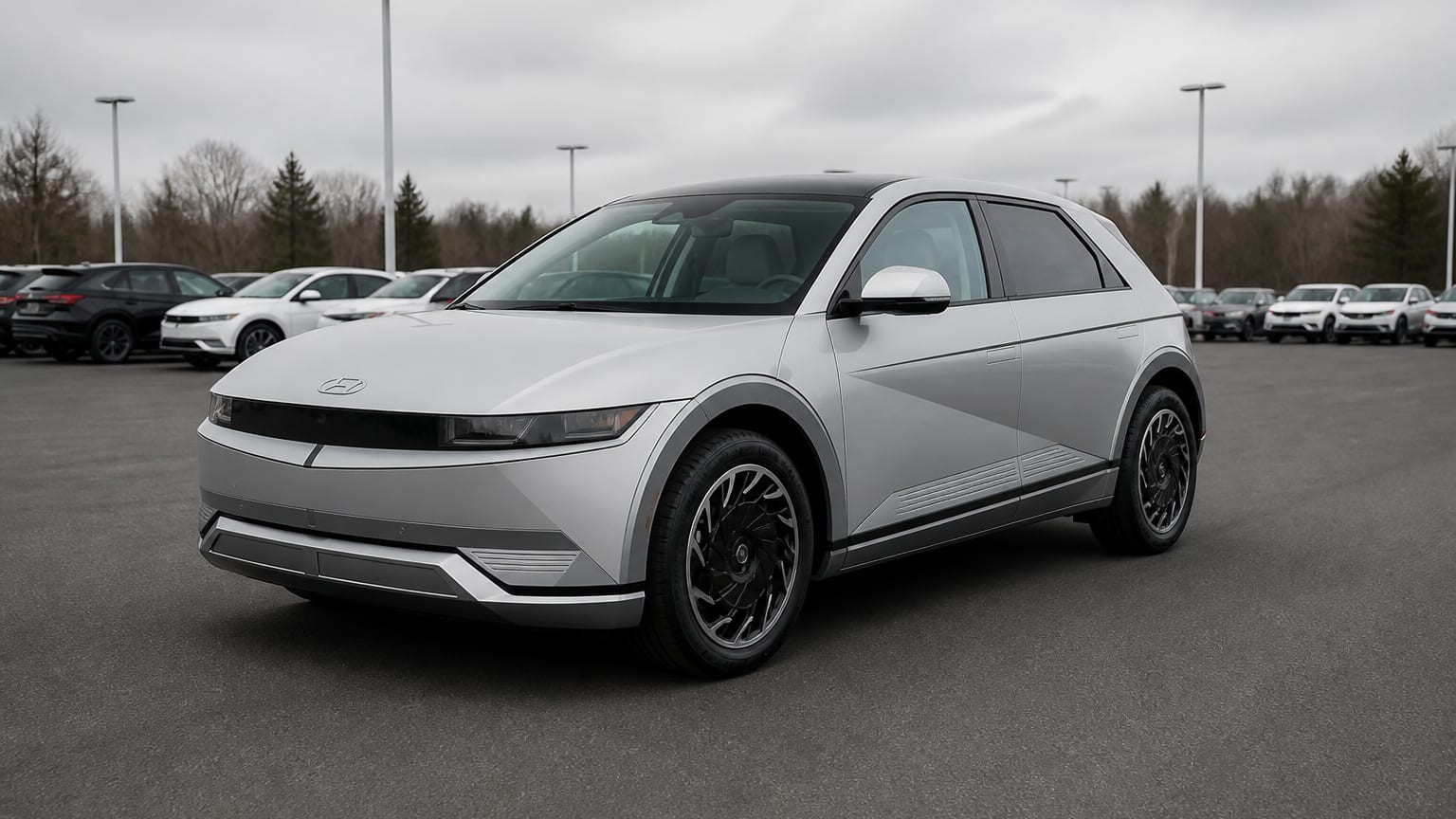
1st-generation Hyundai Ioniq 5 (2022-2023)
The 2022 Ioniq 5 has mixed reliability, with 3 recalls and 349 NHTSA owner complaints on file. Severity signals include 7 crash-related complaints. The most commonly reported problem areas are Electrical System (208), Power Train (67), and Fuel Propulsion System (12).
The 2023 Ioniq 5 also has mixed reliability, with 3 recalls and 311 NHTSA owner complaints. Severity signals include 8 crash-related complaints and 1 fire-related complaint. The most commonly reported problem areas are Electrical System (176), Power Train (57), and Unknown or Other (19).
Both years carry the ICCU recall (24V-204, expanded under 24V-868), and the 2023 additionally carries the improperly heat-treated rear driveshaft recall. Any used example of either year needs VIN verification on NHTSA’s complaint and recall data before you commit.
What are the best Hyundai Ioniq 5 years to buy?
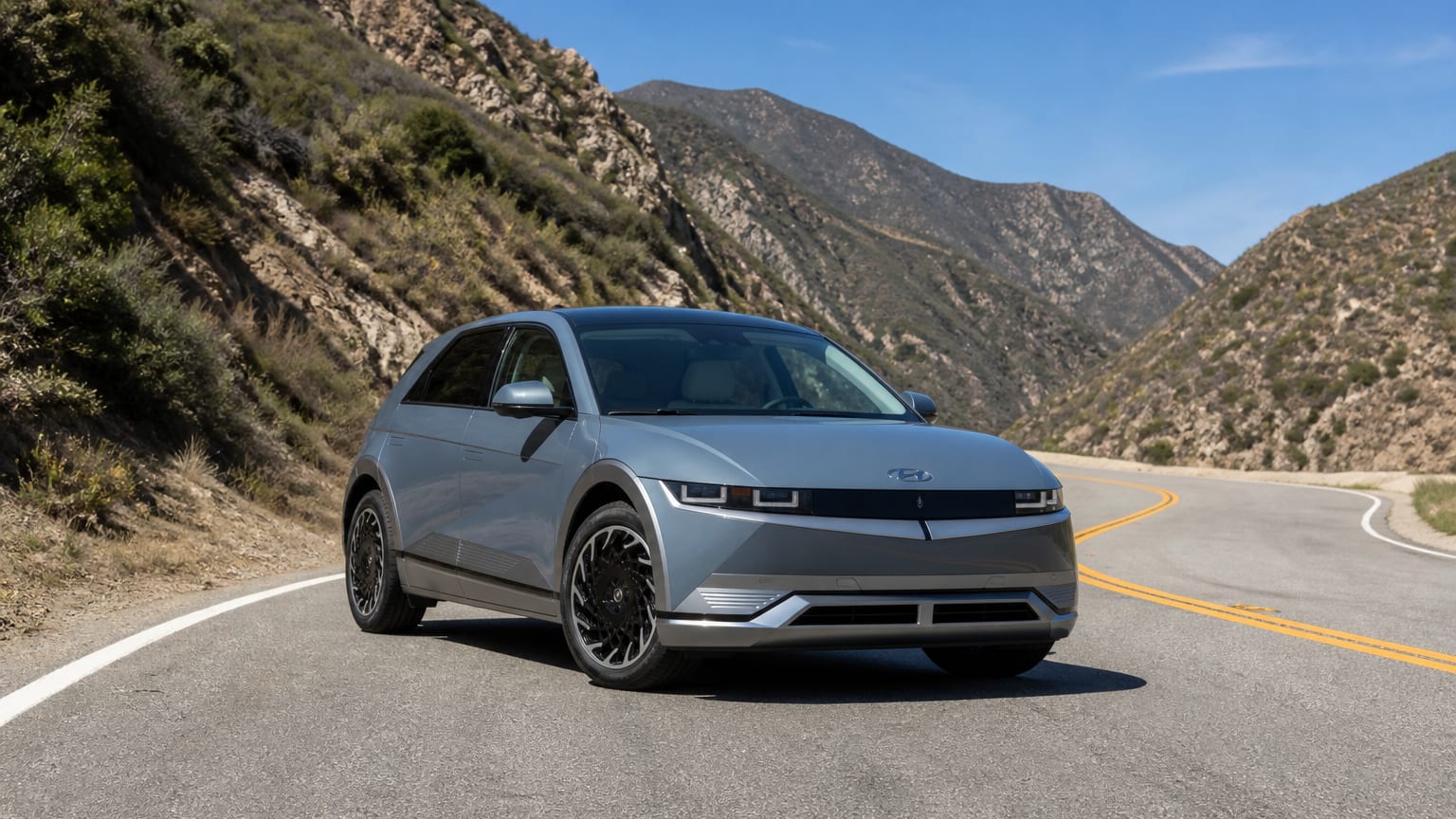
The best Hyundai Ioniq 5 years to buy are 2024 and 2025, which combine a markedly lower complaint rate, the IIHS Top Safety Pick+ award, and the benefit of Hyundai’s running hardware and software improvements since launch.
| Best Hyundai Ioniq 5 Year | Why It's a Strong Buy |
|---|---|
| 2024 | 134 NHTSA complaints vs. 502 for 2022; 58/100 reliability score; IIHS Top Safety Pick+; B-pillar and door sill reinforcements added |
| 2025 | 53/100 reliability score; longest remaining factory warranty window; OTA update cadence mature; cluster and driveshaft issues from earlier years resolved |
Most reliable Hyundai Ioniq 5 years: 2024, 2025
2024 Hyundai Ioniq 5
The 2024 Ioniq 5 has a “Mixed” reliability rating of 58/100, and with 2 recalls and 134 NHTSA complaints, buyers should research known issues carefully - but that complaint count is roughly a quarter of the 2022 car’s 502, making it a substantially safer used pick. The 2024 Ioniq 5 earned the highest award from the Insurance Institute for Highway Safety (IIHS) after changes were made to improve side crash protection. For 2024, Hyundai added reinforcements to the B-pillar and door sill, and the car earned a Good rating in IIHS’s updated side test. The ICCU recall covers this year, so confirm recall completion before purchase - but owners of 2024 cars have filed far fewer electrical complaints than owners of 2022-2023 cars, suggesting the running production changes helped. Members of the Hyundai IONIQ Forum consistently flag the 2024 as the point at which the car’s build quality noticeably settled.
2025 Hyundai Ioniq 5
The 2025 Ioniq 5 has mixed reliability, with 8 recalls and 158 NHTSA complaints on file. Severity signals include 1 crash-related complaint. The most commonly reported problem areas are Electrical System (84), Power Train (33), and Forward Collision Avoidance (9). The higher recall count reflects cleanup campaigns - seat belt retractors, rear wiring harness, bus bar tightening, and suspension bolts - most of which are straightforward dealer fixes rather than fundamental design flaws. For 2025, the Ioniq 5 continues as a Top Safety Pick+ winner in the small SUV category. Buying a 2025 with remaining warranty coverage is the lowest-risk used-Ioniq 5 strategy available today.
Hyundai Ioniq 5 submodel years to avoid
The Ioniq 5 lineup includes one performance submodel - the Ioniq 5 N - which is assessed here on its own NHTSA complaint and recall record, separate from the standard car.
Hyundai Ioniq 5 N years to avoid
The Ioniq 5 N trim is offered for 2024-2025 in AWD-only configuration. It uses the same E-GMP platform as the standard car but is tuned for sustained high-output performance, with a larger 84 kWh battery pack and higher peak power output than the standard dual-motor car.
The Ioniq 5 N’s most documented fault is specific to this submodel: a left-foot braking (LFB) software defect. Hyundai issued a recall for the 2025 Ioniq 5 N due to a critical issue with its LFB feature; NHTSA reports that the software controlling the Integrated Electronic Brake system may depressurize the anti-lock braking system during specific driving situations, leading to reduced braking performance and longer stopping distances. The recall was officially filed in March 2025 and affects 1,508 units of the 2025 Ioniq 5 N built between December 18, 2023, and December 10, 2024. An updated remedy under NHTSA recall 25V-235 replaced the initial campaign (25V-065); recall 25V-235 replaces 25V-065, and vehicles repaired under the previous recall need to have the new remedy completed.
The 2024 Ioniq 5 N shares the ICCU recall coverage (24V-204 / 24V-868) described above for the full generation - the same ICCU risk applies - but beyond ICCU and the LFB braking recall, no Ioniq 5 N model year has yet accumulated enough distinct complaint data to flag a separate avoid year specific to this variant. Sustained track use of ten or more minutes at peak power triggers thermal derating to protect cells - this is a deliberate trade-off, not a defect. Before buying any used Ioniq 5 N, confirm:
- The LFB braking recall remedy under 25V-235 has been fully completed (not just the superseded 25V-065 remedy)
- The ICCU recall (24V-868) has been completed
- The car has not been subjected to repeated, prolonged track sessions without proper cooldown, which can stress high-voltage components beyond normal use
Hyundai Ioniq 5 pre-purchase checklist
Run through these checks on any used Ioniq 5 before signing anything.
- Run the VIN through NHTSA’s recall checker at nhtsa.gov/recalls: Confirm every open recall is closed, paying special attention to the ICCU campaigns (24V-204 and its expansion 24V-868) on 2022-2024 cars and the LFB braking recall (25V-235) on any 2025 Ioniq 5 N.
- Verify ICCU recall remedy type: Ask for dealer paperwork proving the ICCU was replaced under the formal recall, not only reprogrammed under the earlier Service Campaign 997 software fix. A physical replacement is more reassuring than a software-only remedy.
- Check the 12V auxiliary battery: On 2022-2023 cars, a failing ICCU starves the 12V battery. Ask the seller for the 12V battery’s health report or have a dealer test it. A weak 12V is both a symptom and a standalone problem on any EV. Understanding what voltage a car battery should read helps you interpret any dealer printout.
- On 2023 candidates, confirm the rear driveshaft recall is closed: The February 2024 recall for the improperly heat-treated rear inner driveshaft must appear as completed in the vehicle’s service history.
- On 2022 candidates, confirm the parking brake recall (22V-324) is closed: The shifter control unit software update that prevents unintended rollaway should be on file.
- On 2025 candidates, verify the cluster display software recall: The instrument cluster blank-screen recall covering 2025-2026 Ioniq 5 models should be completed so all safety warnings display correctly.
- Request a full charging system test: Have the dealer or an EV-specialist tech run the charging diagnostic cycle at both Level 2 and DC fast charge to confirm the ICCU, charge port, and onboard charger are functioning correctly before you take delivery.
- Review service records for any prior ICCU-related visits: Multiple ICCU-related shop visits before the formal recall was issued may indicate a unit that received only the early software patch and warrants extra scrutiny.
Better alternatives to consider
If the Ioniq 5 years in your budget land on the avoid list, consider these alternatives instead:
- Kia EV6 - shares the E-GMP platform but has its own distinct complaint and recall record worth comparing directly before choosing between the two
- Hyundai Kona Electric - a smaller, less complex Hyundai EV with a cleaner early production record and a lower entry price
- Hyundai Elantra - not an EV but a proven Hyundai alternative for buyers whose budget overlaps with older Ioniq 5 prices and who prefer a simpler powertrain
- Ford Mustang Mach-E - a direct EV crossover competitor in a similar price range with its own generation-by-generation reliability story worth researching
Is the Hyundai Ioniq 5 worth buying?
Yes - as long as you focus on 2024 and 2025 model years and verify recall completion on any used example. The IIHS awarded the 2024 Ioniq 5 its Top Safety Pick+ rating, its highest award. Complaint volume drops sharply from the 502 NHTSA complaints filed against the 2022 car to 134 for the 2024, reflecting genuine build-quality improvement. The best-year picks - 2024 and 2025 - give you Hyundai’s matured E-GMP hardware, the highest safety designations the Ioniq 5 has earned, and meaningful remaining warranty coverage. As a final step, run the VIN through NHTSA’s recall checker and ask for the full service history before any purchase.