
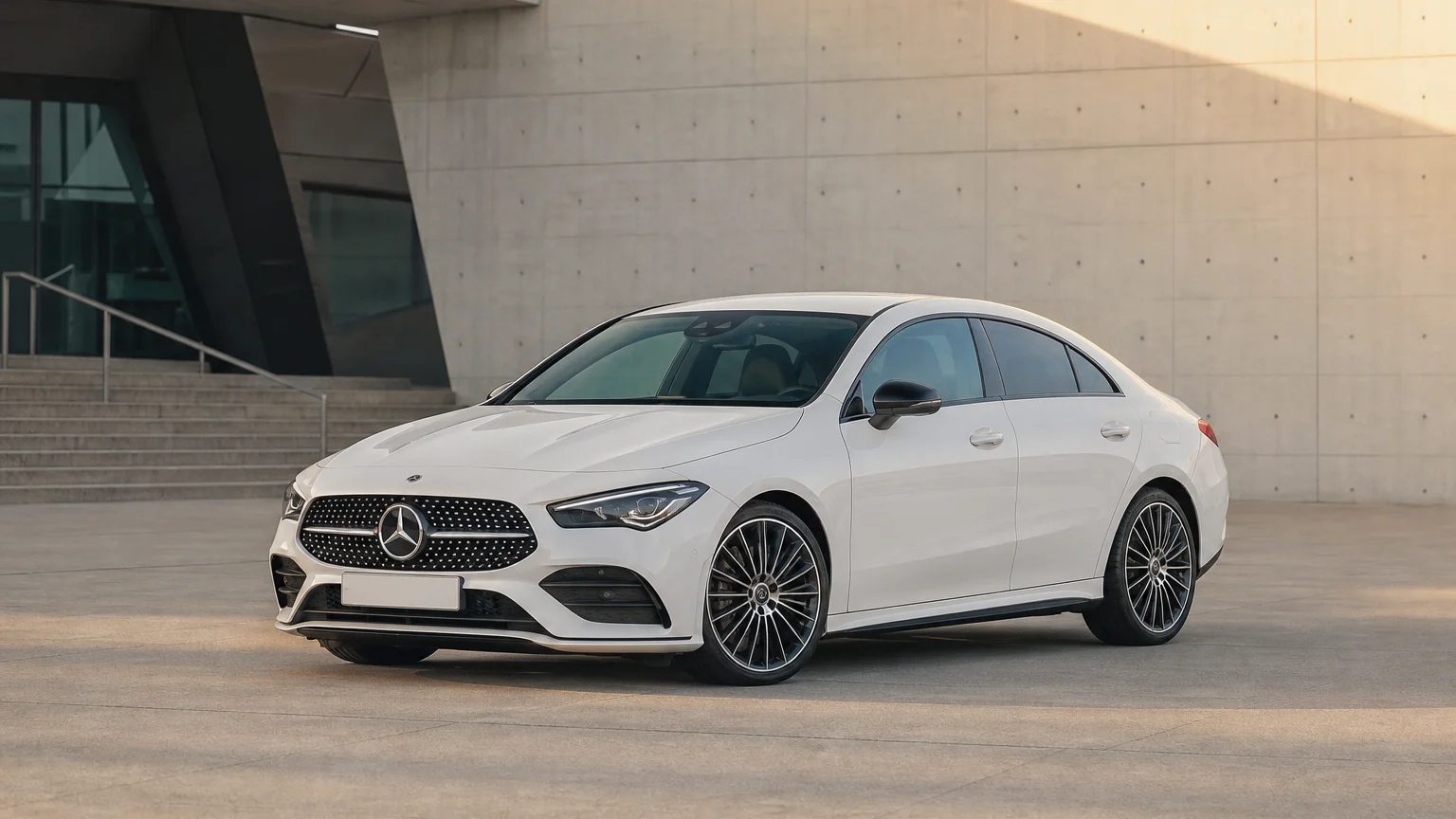
The Mercedes-Benz CLA is a stylish, entry-level luxury sedan that delivers genuine performance at a competitive price point, and most model years hold up well for informed buyers. A handful of specific years, though, carry a significantly higher repair burden, elevated complaint counts, or safety recalls that you'll want to know about before signing anything. This guide uses NHTSA complaint and recall data, CarComplaints.com's PainRank, and RepairPal reliability figures to give you a data-backed ranking of every CLA model year.
For generations, engines, and ownership notes in one place, see the Mercedes-Benz CLA hub.
Related: Mercedes E350 years to avoid, Mercedes-Benz C-Class years to avoid.
At a glance
- Worst years
- 2014
- 2015
- 2016
- 2022
- Best years
- 2017
- 2018
- 2020
- 2021
- Top failure
- 1st-gen 7G-DCT dual-clutch transmission shudder and mechatronics failure (CarComplaints, NHTSA)
- Always do before buying
- Run the VIN through NHTSA's recall checker to confirm all open campaigns are closed, plus test the transmission for shudder or jerk at low speed on 2014-2019 cars
Recalls by year
Gray bands mark years the model was not produced.
How we rated the best and worst Mercedes-Benz CLA years
The 2014 Mercedes-Benz CLA250 has the most overall complaints, and CarComplaints also rates 2014 as the worst model year ranked on several factors such as repair cost and average mileage when problems occur. For the second generation, NHTSA complaint volume is highest on 2022, which carries 272 owner complaints and a reliability score well below average.
Ratings draw on NHTSA complaints and recalls, CarComplaints per-year problem counts and PainRank (which weights repair cost and mileage at failure), RepairPal reliability ratings, and Consumer Reports recall histories.
CarComplaints ranks a “worst year” by repair cost and mileage-at-failure using a years to avoid methodology that balances complaint cost and failure mileage, while NHTSA shows raw complaint volume. The two metrics often point to different years: CarComplaints flags 2014 as worst for cost-weighted problems, while NHTSA complaint volume is highest on 2022 at 272 owner reports.
| Mercedes-Benz CLA Generation | Best Mercedes-Benz CLA Years | Worst Mercedes-Benz CLA Years |
|---|---|---|
| 1st gen (C117; 2014-2019) | 2017, 2018 | 2014, 2015, 2016 |
| 2nd gen (C118; 2020-present) | 2020, 2021 | 2022 |
Every Mercedes-Benz CLA model year ranked
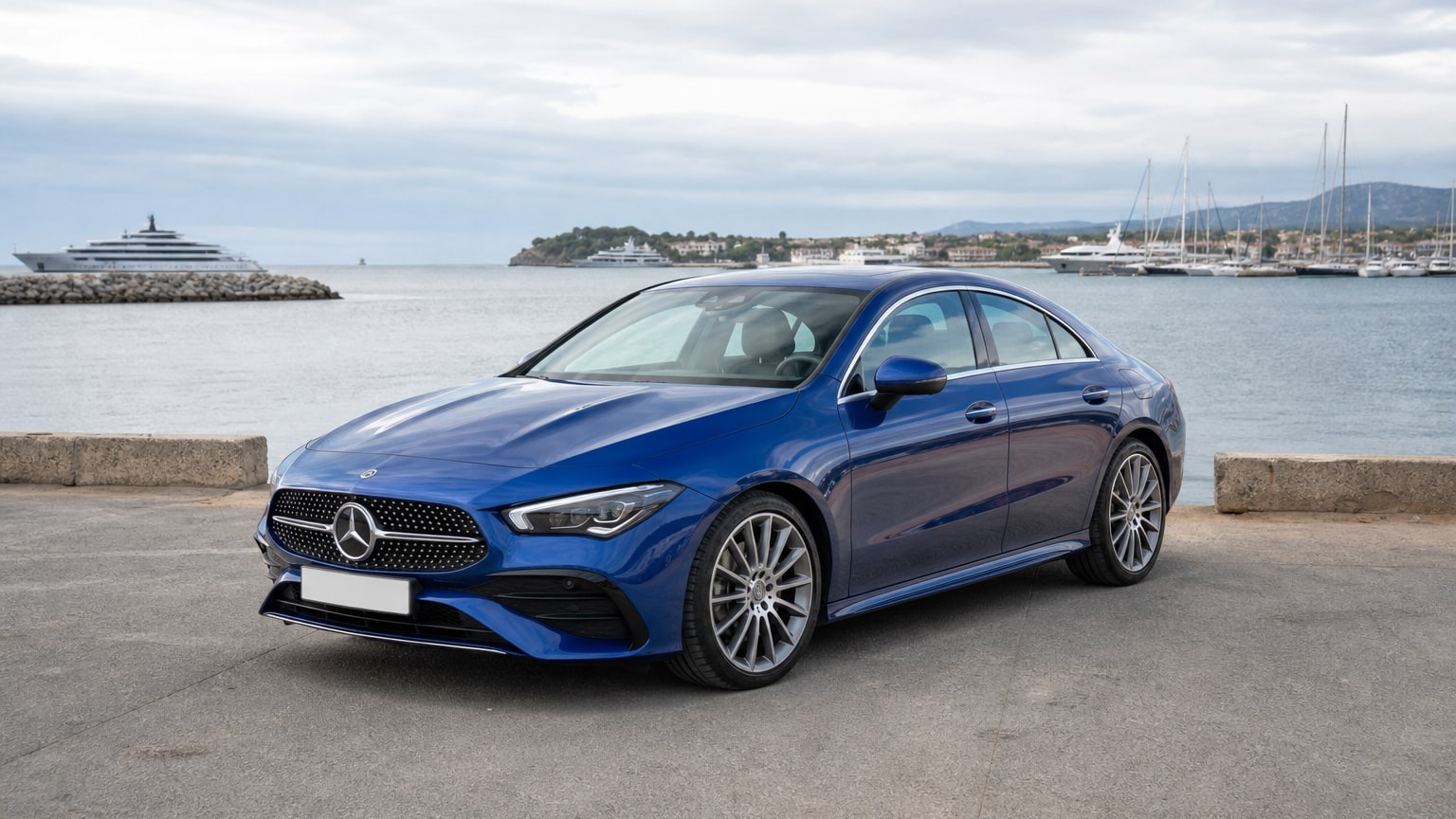
The Mercedes-Benz CLA debuted in 2014 as a new entry-level model below the C-Class in the German automaker’s lineup. Every model year from 2014 forward is ranked below.
| Model Year | Generation | Verdict | Notes |
|---|---|---|---|
| 2014 | 1st gen (C117) | Avoid | Most CarComplaints reports (282); 6 NHTSA recalls; engine, body/paint, cooling top issues |
| 2015 | 1st gen (C117) | Avoid | 79 CarComplaints reports; camshaft weld recall (15V-662); interior and fuel system issues |
| 2016 | 1st gen (C117) | Avoid | 85 CarComplaints reports; electrical and wheel/hub issues top complaints |
| 2017 | 1st gen (C117) | Best | 10 NHTSA recalls resolved; complaint count improved; electrical issues stabilized |
| 2018 | 1st gen (C117) | Best | Improved first-gen; fewer complaints; 7G-DCT software updates addressed shudder |
| 2019 | 1st gen (C117) | OK/Mixed | Final year of 1st gen; 6 NHTSA recalls; 523 NHTSA owner complaints (highest 2nd-gen crossover volume) |
| 2020 | 2nd gen (C118) | Best | New platform; 110 NHTSA complaints; reliability score 56/100 (highest in model's run) |
| 2021 | 2nd gen (C118) | Best | 318 NHTSA owner complaints; reliability score 45/100; electrical issues common but minor |
| 2022 | 2nd gen (C118) | Avoid | 272 NHTSA complaints; 76 recalls; reliability score 38/100 (lowest in model's run) |
| 2023 | 2nd gen (C118) | OK/Mixed | 1 NHTSA recall; complaint count low; AMG CLA 45 tire recall issued |
| 2024 | 2nd gen (C118) | OK/Mixed | 8 recalls; 23 NHTSA complaints; too recent for full complaint picture |
Most common Mercedes-Benz CLA problems
The single biggest documented failure across the CLA’s model run is the 7G-DCT dual-clutch transmission shudder, which affects first-generation cars from 2014 to 2020 and produces the most owner frustration and the highest out-of-pocket repair bills. Below are the five most-documented problem categories.
1. 7G-DCT dual-clutch transmission shudder and mechatronics failure
On the 2014-2020 Mercedes-Benz CLA with the M270 1.6L or 2.0L turbo and the 7G-DCT (transmission code 724.0), the 7-speed dual-clutch automatic fitted to CLA 200/220/250 models develops a noticeable shudder or jolt during low-speed engagement and when shifting from 2nd to 3rd under moderate throttle. Causes include wet multi-plate clutch wear, degraded or contaminated transmission fluid, and failure of the electronic mechatronics (valve body/TCM) unit that controls clutch pressures and gear engagement.
Owners also report hard or delayed engagement when coming to a stop and shifting into P, N, or R, plus jerky take-off. The DCT is highly sensitive to fluid condition (MB spec 236.21) and outdated control software. Dark or burnt-smelling fluid under a parked car is an early warning sign of transmission fluid degradation.
The average cost of repairs for transmission-related issues has been reported to range from $1,500 to $7,000, depending on the severity of the problem. No manufacturer TSB or warranty extension covering this specific failure could be confirmed in research; ask the selling dealer whether any software update has been applied. Buyer takeaway: test every first-gen CLA for transmission shudder before you buy, and budget for a fluid service if the records show none.
2. Engine problems and camshaft weld defect (M270/M274)
On certain 2015-2016 CLA-Class cars with the 2.0L turbo M270/M274 engine, one or both camshafts were manufactured with a weld outside specification. The defective weld can fail and cause the camshaft to break, damaging the engine, causing sudden loss of power and an engine stall while driving.
Check the VIN against NHTSA recall 15V-662; affected cars receive a free camshaft inspection and replacement at a Mercedes dealer. The 2014 CLA’s engine complaints are the broadest: the 2014 Mercedes-Benz CLA250 has 282 problems and defects reported by CLA250 owners on CarComplaints, with the worst complaints in engine, body/paint, and cooling system categories.
A very common problem with the M270 centers on the crankcase ventilation actuator. According to mechanics, it is a faulty part that Mercedes changed for new models but issued no recall on older ones, and the cost to repair is around $3,500. Buyer takeaway: on any 2014-2016 CLA, cold-start metallic clatter or a persistent check engine light warrants a camshaft and crankcase ventilation inspection before purchase.
3. Panoramic sunroof front panel detachment
The front roof panel located between the windshield and the panoramic sunroof may not have been bonded correctly to the vehicle during a prior repair, allowing the front panel to detach from the vehicle and become a road hazard, increasing the risk of a crash.
Recall number 21V-197 involved 15,096 vehicles over potential roof panel detachment. An expansion of that base campaign was later issued, also referenced as an expansion of NHTSA recall number 21V-197. The recall covers certain 2014-2020 C-Class, CLA, GLA, S-Class, GLC, and GLE vehicles. Dealers replace the front panel free of charge.
Buyer takeaway: run any sunroof-equipped 2014-2020 CLA through the NHTSA VIN checker before signing. If the car has had a prior sunroof repair, confirm it was bonded using the correct adhesive and primer per the Mercedes procedure.
4. Airbag electrical grounding fault (driver’s airbag)
A recall concerns CLAs with insufficient grounding of the airbag electrical components in the steering column. In extreme cases, the driver’s airbag may deploy unexpectedly and cause injury to the driver. This recall is applicable to cars from the start of production in 2013 to July 2017.
The 2014 Mercedes-Benz CLA250 has 6 known recalls, with the most common being the driver’s frontal air bag unexpectedly deploys. A forum thread on the Mercedes CLA Forum shows owners of 2014 models flagged this as a serious concern. Buyer takeaway: any 2013-2017 CLA you’re considering should have this recall confirmed as completed at a Mercedes dealer before purchase.
5. Electrical system faults (2nd-gen)
The most common Mercedes-Benz CLA problems by NHTSA complaint count across all years are electrical system (241 complaints), unknown or other (184 complaints), and engine (175 complaints). The 2022 model year is the most affected: the 2022 Mercedes-Benz CLA has poor reliability, with 76 recalls and 272 owner complaints on file, including 16 crash-related complaints and 4 fire-related complaints, with the most commonly reported problem areas being electrical system (47), fuel system/gasoline (28), and unknown or other (22).
Electrical problems are frequently mentioned by owners, including faulty sensors, malfunctioning infotainment systems, and persistent warning lights. The infotainment freeze on the COMAND system is the single most-reported issue by raw owner count across the whole range. Buyer takeaway: on any 2020-2022 CLA, test every screen, sensor, and warning-light function during the pre-purchase drive.
Which Mercedes-Benz CLA years should you avoid?
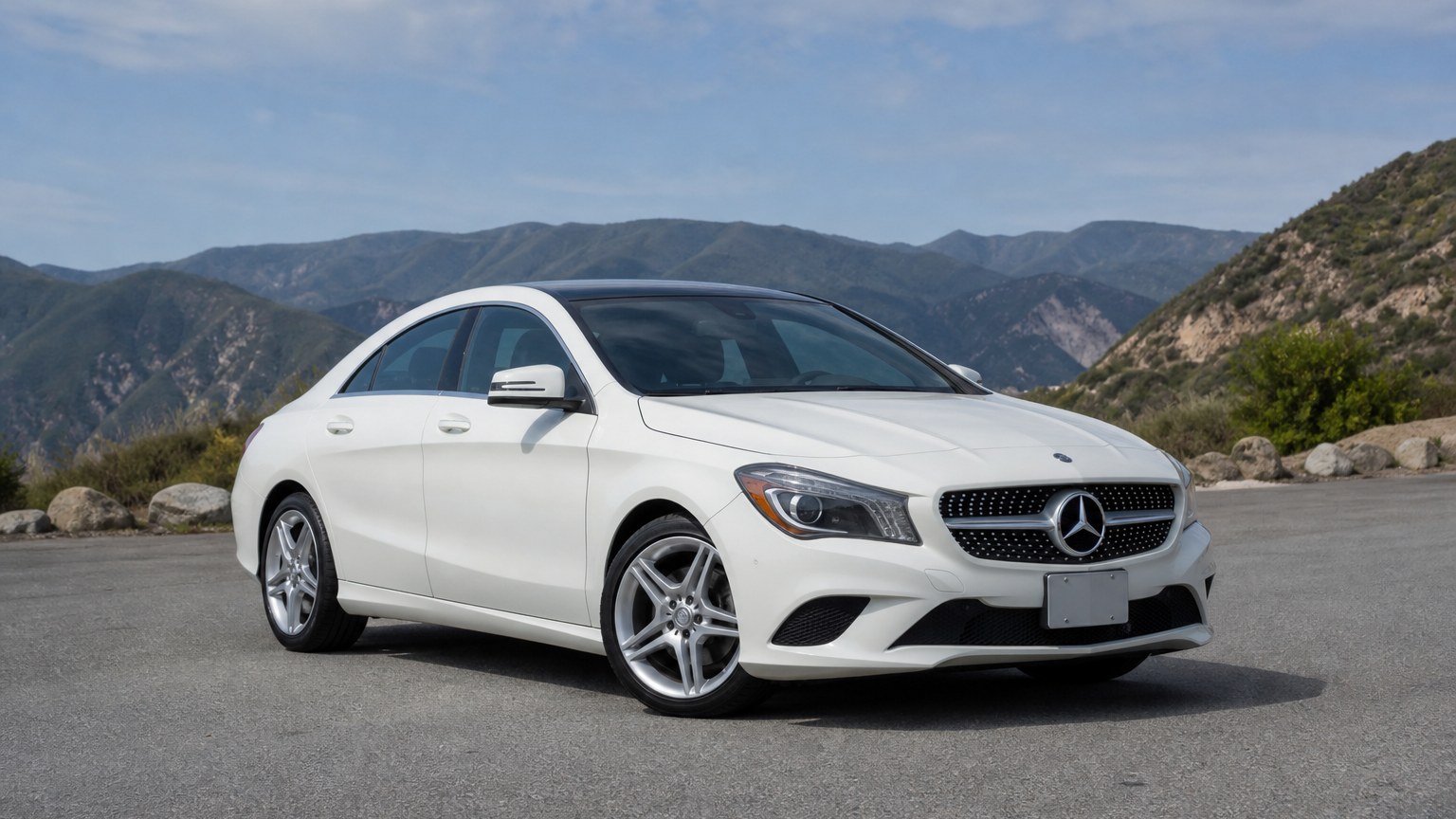
The Mercedes-Benz CLA years to avoid are 2014, 2015, 2016, and 2022. CarComplaints rates 2014 as the worst model year on repair cost and average mileage when problems occur, while NHTSA complaint volume is highest on 2022 at 272 owner complaints. The 2015 and 2016 follow 2014 with documented camshaft-weld defects, engine issues, and elevated electrical faults.
| Mercedes-Benz CLA Generation | Model Years | Verdict | Main Issues |
|---|---|---|---|
| 1st gen (C117; 2014-2019) | 2014, 2015, 2016 | Worst | Engine failures, camshaft weld defect, transmission shudder, airbag grounding recall |
| 1st gen (C117; 2014-2019) | 2017, 2018 | Best | Reduced complaint counts, most recalls resolved |
| 1st gen (C117; 2014-2019) | 2019 | Mixed | End-of-generation issues, 6 recalls |
| 2nd gen (C118; 2020-present) | 2020, 2021 | Best | New platform, lowest complaint counts, highest reliability score |
| 2nd gen (C118; 2020-present) | 2022 | Worst | 272 NHTSA complaints, 76 recalls, electrical system failures |
| 2nd gen (C118; 2020-present) | 2023, 2024 | Mixed | Low complaint counts, too recent for full picture |
Worst Mercedes-Benz CLA years: 2014, 2015, 2016, 2022
First-generation Mercedes-Benz CLA (2014-2019)
The 2014-2019 Mercedes-Benz CLA-Class has 530 complaints filed with NHTSA. The 2014 is the most documented problem year: the 2014 CLA250 has 282 problems and defects reported on CarComplaints, with the worst complaints in engine, body/paint, and cooling system categories. The 2015 CLA250 has 79 problems reported, with the worst complaints in accessories/interior, body/paint, and fuel system. The 2016 CLA250 has 85 problems reported, with the worst complaints in electrical and wheels/hubs categories.
The 2014 Mercedes-Benz CLA has been recalled 6 times by NHTSA, and the 2019 Mercedes-Benz CLA has been recalled 6 times by NHTSA. The 2017 carries the most recalls of any single year at 10 per Consumer Reports recall data, but the nature of those campaigns (software and eCall updates) is less severe than the engine and airbag issues concentrated in 2014-2016.
Second-generation Mercedes-Benz CLA (2020-present)
The 2022 Mercedes-Benz CLA has poor reliability, with 76 recalls and 272 owner complaints, including 16 crash-related complaints and 4 fire-related complaints. The most commonly reported problem areas are electrical system (47), fuel system/gasoline (28), and unknown or other (22).
The 2020 CLA is a relative bright spot, with 62 recalls and 110 owner complaints. Severity signals include 8 crash-related and 5 fire-related complaints, with the most commonly reported problem areas being electrical system (15), unknown or other (14), and engine (12). The drop in complaint count from 2022 to 2020 reflects the 2022 year’s particular concentration of electrical and fuel-system faults.
What are the best Mercedes-Benz CLA years to buy?
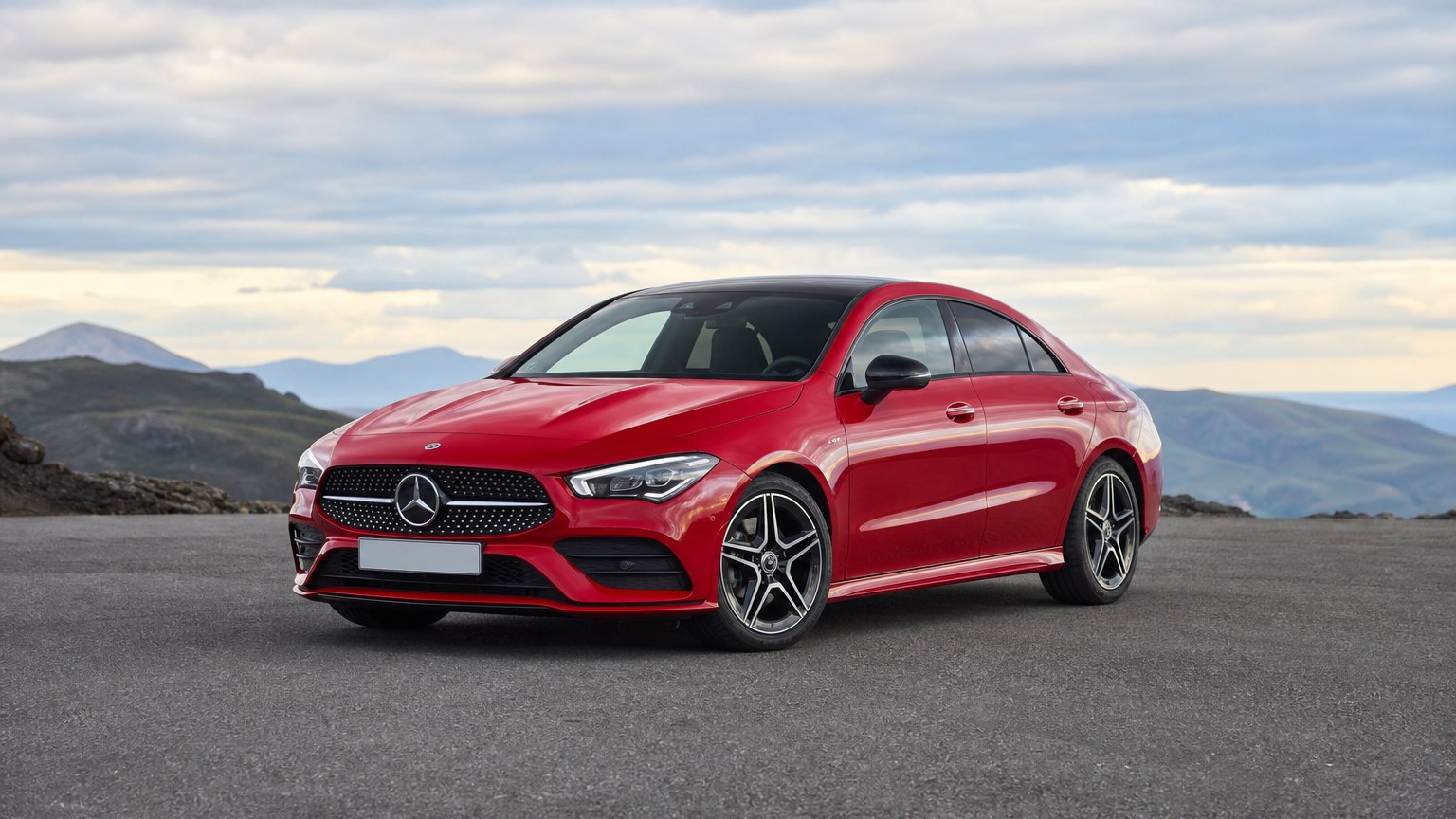
The 2020 Mercedes-Benz CLA is the highest-scoring model year with a reliability score of 56/100. It has 62 recalls and 110 owner complaints, making it a solid used buy. The 2017 and 2018 are the strongest picks in the first generation, where most of the early defects had been addressed.
| Best Mercedes-Benz CLA Year | Why It's a Strong Buy |
|---|---|
| 2017 | Most first-gen recalls resolved; lowest first-gen complaint trajectory |
| 2018 | DCT software updates applied; complaint counts stable; final polished 1st-gen |
| 2020 | New 2nd-gen platform; 56/100 reliability score (highest on record); fewest second-gen complaints |
| 2021 | Second year of refined 2nd-gen platform; 45/100 reliability score |
Most reliable Mercedes-Benz CLA years: 2017, 2018, 2020, 2021
2020 Mercedes-Benz CLA
The best Mercedes-Benz CLA year is 2020 with a reliability score of 56/100, rated mixed. It arrived on a fully redesigned C118 platform and shed the first-generation’s M270 crankcase ventilation and camshaft-weld issues. The 2020-2025 Mercedes-Benz CLA-Class was offered with one engine option, and based on NHTSA complaint data, the 2.0L 4-cyl has the lowest complaint density and is considered the most reliable choice for buyers.
2021 Mercedes-Benz CLA
The 2021 Mercedes-Benz CLA has mixed reliability, with 149 recalls and 318 owner complaints on file. The recall figure is elevated by broad, multi-model Mercedes campaigns (eCall software, crash notification system) rather than CLA-specific mechanical failures, and the 2021 remains one of the better second-gen choices. If your budget allows, prioritize a 2021 with full service records over an untested 2022.
Mercedes-Benz CLA submodel years to avoid
The CLA line includes the CLA250 (the volume mainstream variant) and the CLA45 AMG (the high-performance flagship); each is assessed on its own complaint record below.
Mercedes-Benz CLA250 years to avoid
The 2014 Mercedes-Benz CLA250 has the most overall complaints on CarComplaints, which has a total of 20 complaints on file across all CLA250 years. The more granular CarComplaints per-year data makes 2014 the clear outlier: 282 problems and defects are reported for that year, with the worst complaints concentrated in engine, body/paint, and cooling system. The 2015 and 2016 follow with 79 and 85 CarComplaints reports respectively, and electrical and wheel/hub faults dominate those years.
The CLA250 is powered by the M270 2.0L turbocharged four-cylinder paired to the 7G-DCT 724.0 dual-clutch transmission, the exact combination behind the shudder and mechatronics fault covered in the problems section. The 2014, 2015, and 2016 CLA250 years to avoid are the same as the model-wide worst set; no CLA250-specific fault separates those years from the broader CLA picture.
Before buying a used CLA250, check:
- VIN against NHTSA recall 15V-662 (camshaft weld defect on 2015-2016)
- VIN against the panoramic sunroof recall (expansion of 21V-197) on 2014-2019 cars
- Transmission fluid condition and service history (MB spec 236.21 required)
- Crankcase ventilation system for oil leak or check engine codes on 2014-2019 models
Mercedes-Benz CLA45 AMG years to avoid
The 2014 Mercedes-Benz CLA45 AMG has the most overall complaints on CarComplaints, though the database holds only 2 complaints on file for the entire CLA45 AMG range. That is too small a sample to assign a statistically meaningful avoid year for the CLA45 AMG on CarComplaints data alone.
What makes the CLA45 AMG distinct from the CLA250 is its powertrain: the first-generation (2014-2019) used Mercedes-AMG’s hand-built 2.0L M133 turbocharged four-cylinder producing up to 375 hp, paired to AMG’s Speedshift DCT 7-speed dual-clutch. The second-generation (2020-present) uses the M139 2.0L turbo. The AMG-specific DCT concern is meaningfully different from the standard CLA250’s: the AMG Speedshift DCT 7G transmission represents the most significant long-term reliability concern, with clutch wear typically manifesting between 35,000 and 55,000 miles, particularly in vehicles driven in stop-and-go traffic. Watch for slight shuddering during low-speed acceleration, delayed engagement from Park to Drive, and harsh shifts between 2nd and 3rd gear.
The CLA45’s most expensive failures center on turbocharger wear ($6,500), dual-clutch transmission problems ($8,500), and cooling system issues ($3,500). A 2023 AMG CLA 45 tire recall was also issued (NHTSA campaign): Mercedes-Benz USA recalled certain 2023 AMG CLA 45 vehicles because the tires may leak air; dealers replace the tires free of charge. No single CLA45 AMG model year stands out as dramatically worse than the others based on available complaint data, but first-gen cars with high mileage and no DCT fluid history carry the most risk.
Mercedes-Benz CLA pre-purchase checklist
Use this checklist on any used CLA before you buy, following the Editorial Guidelines that govern how complaint data and recall severity are weighted:
- Run the VIN through the NHTSA recall checker: Confirm all open campaigns are closed, paying particular attention to the panoramic sunroof detachment recall (expansion of 21V-197) on 2014-2020 cars and the airbag grounding recall on 2013-2017 cars.
- On 2014-2016 cars, check for the camshaft weld recall (15V-662): Affected 2015-2016 M270/M274 engines receive a free camshaft inspection and replacement; unrepaired cars risk sudden engine stall.
- Test the transmission at low speed: On any 2014-2020 CLA250 or CLA45 AMG, drive slowly in traffic and feel for shudder, jolt between 2nd and 3rd gear, or hesitation pulling away from a stop. These symptoms indicate DCT clutch or mechatronics wear.
- Check DCT fluid condition and service history: The 7G-DCT requires MB spec 236.21 fluid; ask for receipts. Fluid that has never been changed on a high-mileage car is a red flag.
- Inspect the sunroof panel bonding on any car that has had sunroof bodywork: The roof panel detachment recall (21V-197 and its expansion) applies only after a prior repair; confirm the correct adhesive procedure was used.
- Request full service records: The annual maintenance cost for a 2014 CLA250 averages $790 per RepairPal data; gaps in records suggest deferred maintenance on a car that rewards consistent servicing.
- On 2022 cars, test all electronics: The 2022 CLA’s top NHTSA complaint categories are electrical system, fuel system/gasoline, and unknown-or-other; check every screen, sensor, and warning-light function before committing.
- Have an independent Mercedes-specialist mechanic inspect any car with more than 50,000 miles: The which Mercedes class is the best question for used buyers always comes back to maintenance history, and an independent inspection is your best protection.
Better alternatives to consider
If the Mercedes-Benz CLA years in your budget land on the avoid list, consider these alternatives instead:
- BMW 2 Series - a closely priced rival with a strong reliability record in the 2014-2021 range and well-documented best and worst years
- Audi A3 - the Audi A3 generally undercuts both the CLA and the BMW 2 Series on price, and its longitudinal engine layout avoids the 7G-DCT shudder issue entirely
- Mazda CX-5 - a practical crossover alternative in a similar price bracket with a consistently stronger reliability record than the entry-level luxury segment
- Mercedes-Benz C-Class - if your budget stretches, the C-Class sits one step up the Mercedes ladder and shares many platforms while posting a more consistent reliability history across its modern generation
Is the Mercedes-Benz CLA worth buying?
Yes, the Mercedes-Benz CLA is worth buying as long as you avoid the 2014, 2015, 2016, and 2022 model years. The Mercedes-Benz CLA250 holds a RepairPal reliability rating of 3.5 out of 5.0, which ranks it 7th out of 17 for luxury compact cars, a respectable mid-range showing for the segment. The 2020 model year earns the highest reliability score in the model’s run at 56/100, and the 2021 is a close second pick. Run the VIN through NHTSA’s recall checker and verify a full maintenance history, particularly DCT fluid service records, before you buy.