

One of the most critical functions of your car battery is to start your car whenever you prompt it. Some people say the car battery is the soul that gives life to the vehicle. Can a car battery die while driving? Short answer, yes. A car battery can fail while driving. But that’s not all. Read through the entire article to know more about your car battery life.
Can a car battery die while driving?
Your car battery can indeed die while you are driving, but that doesn’t mean that your car engine would come to an immediate halt. You would still be able to move around while the engine is on (only possible with a healthy alternator), but it would be almost impossible to turn your car back on without a jump.
Your battery powers a lot of components on your car. The most important thing it does is fire up your starter motor (a part that immediately starts your car’s engine), and then it goes on to power other things like the lights, powered seats, radio, power steering, fuel pump, HVAC system, and more. Without a battery, your car won’t start, and if it fails while driving, many systems will also fail.
Basically, when you’re driving your car, the alternator is what provides power to the engine, which would, in turn, charge the battery. The energy in your vehicle can only be interrupted if the battery dies and your alternator is also faulty. This usually takes a lot of electricity, and the battery has to do it independently since the alternator only gets involved when the engine is run.
The alternator is a little motor that is powered by your car’s engine, and it is connected to the battery. As your engine rotates, the alternator generates electricity and channels it to the battery. This process is called reverse charging.
A healthy alternator can continue to power your car even when the battery is completely dead. This is only possible if the alternator can generate enough energy to accommodate all the electrical components of your vehicle.
What happens if your car battery dies while you’re driving?
If your car battery dies, but your alternator is in its best working condition, nothing will change while driving. This is because your alternator is charging your battery. As long as the engine is running and the electricity demand is low, the alternator will do all it can to keep the car going.
That means your car battery can die, but your vehicle will keep going with the help of the alternator. You can try turning off high-use components like your HVAC and stereo system. This will help in minimizing the amount of power consumption and also the amount of electrical power your alternator would have to generate.
Unfortunately, you might run into some trouble when you stop the car completely. Your alternator works best when your car is in motion, not when it’s idle. Since the battery is dead, you will need to get a jump every time you want to drive your car.
Can a car battery die suddenly?
Your car battery can die suddenly due to certain factors. Accumulated corrosion of the battery terminal during winter can tend to cause power loss to the battery. Another one could also be a result of a faulty alternator.
Remember that the alternator is what charges the battery during operation, so if your car’s alternator is defective, your battery will keep on discharging until it dies off completely. The battery can also die in an extremely hot or cold environment.
How long does it take for a car battery to die while driving?
Generally, a car battery would start troubleshooting after three to five years of use, after which it begins discharging quickly and eventually dies off. However, if used in the best possible conditions, it is expected to last up to 6 years with constant use.
To avoid being stranded, experts advise you to visit your local automobile parts dealer or mechanic so they can test your battery’s voltage. If they find your battery’s voltage low, you need to replace it with a new one.
What causes a car battery to die while driving?
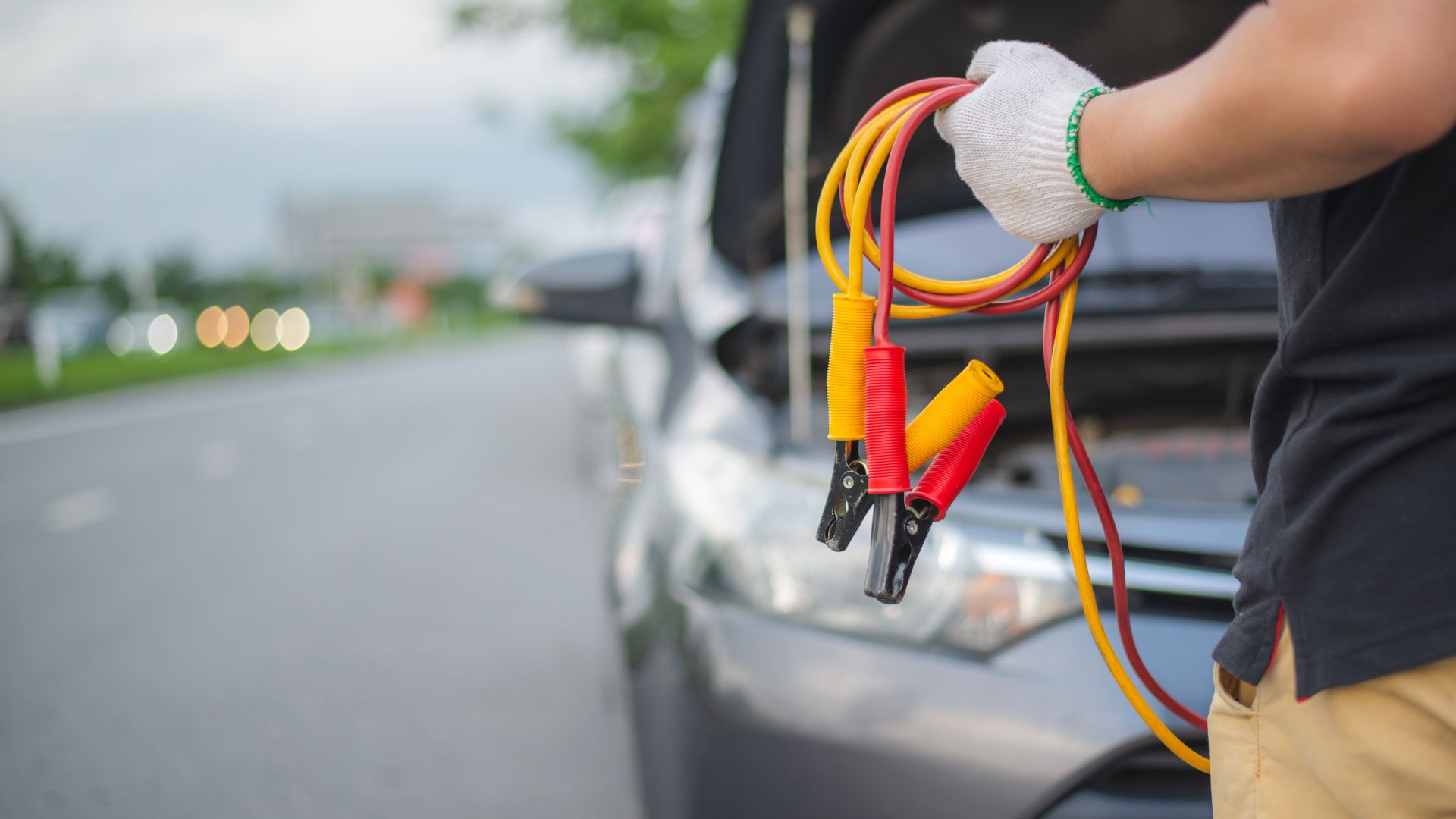
Car batteries have a reasonable life span of three to five years. However, they eventually die out like every other machine battery. There are significant factors that can cause your battery to die, and as a car owner, you might want to know about them.
Like we said earlier, it’s normal for batteries to die if they’ve lasted for years. However, some things can shorten your battery life. These things include:
Charging system failure
Combustion engine cars have a charging system that keeps the battery in a good state of charge. The system comprises components like the battery, voltage regulator, and alternator.
If one of these components gets damaged, the charging system will fail. Since everything in the car system is interconnected, something like a worn serpentine belt can also cause a charging system failure. Once the charging system fails, the car cannot create and retain power.
Luckily, cars give warnings to indicate problems, so you can find out if your charging system has failed. The most common symptom of charging system failure is dim and flickering headlights.
You might also experience difficulty in starting your engine. If you notice any of these symptoms, take immediate action, and you can save your battery.
Battery drainage
In this situation, your car battery loses energy and voltage. Some problems and mistakes you’ve made can easily lead to battery drainage. Have you been leaving your headlights on for long periods? If the answer is yes, then you have your culprit.
Rusted and loose battery wiring, extreme temperatures, and excessive short drives can drain your car’s battery. The car battery charges while driving, but if the alternator is terrible, charging won’t take place. Once this happens, you have a recipe for battery drainage.
You can fix battery damage with some DIY tutorials. However, the process is technical as it involves messing with the battery cables. You’re better off seeing a professional.
Apart from these two factors that we’ve mentioned, parasitic draw and parking the car for too long can compromise your battery life.