
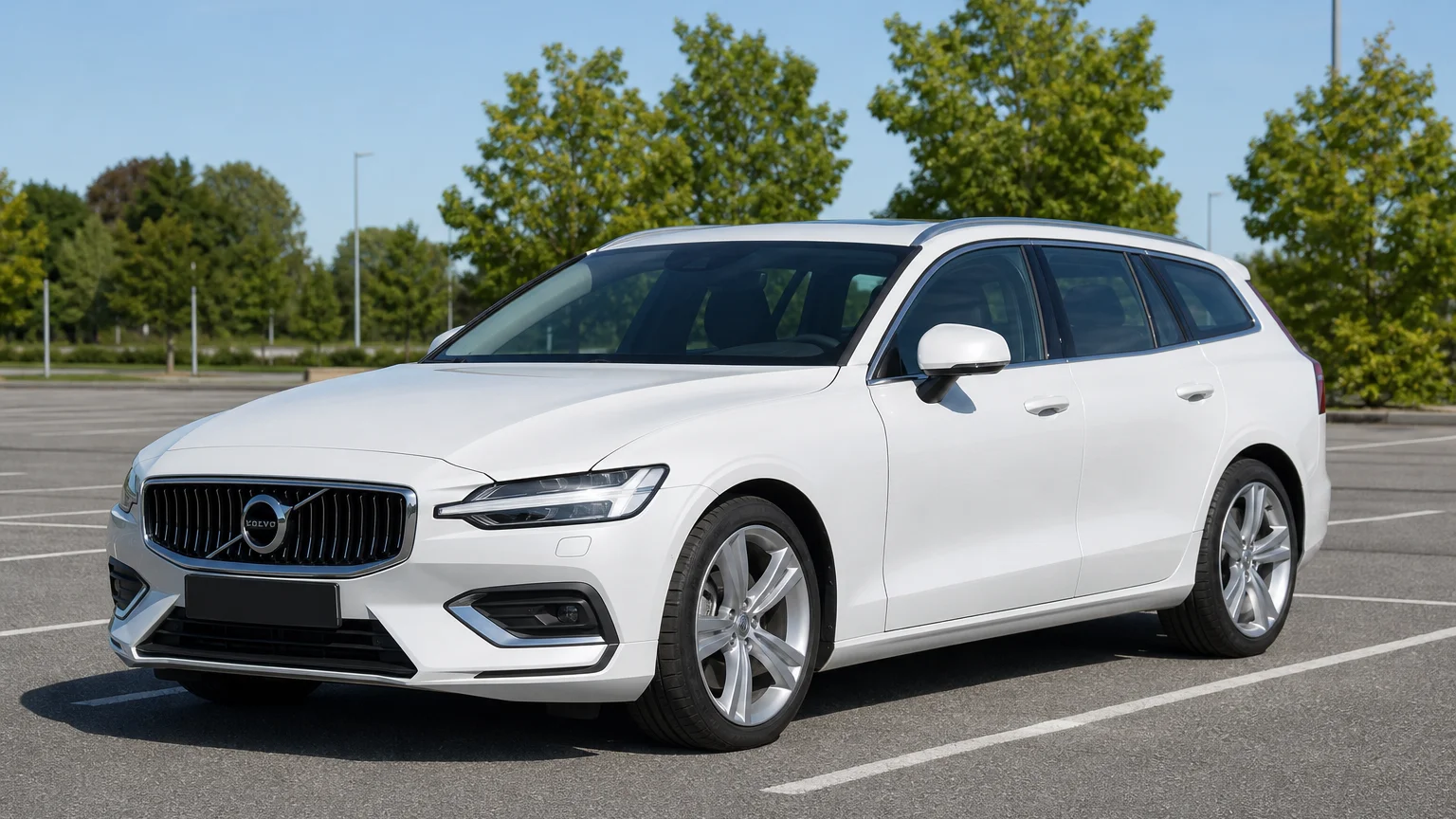
The Volvo V60 is a well-built, safety-focused wagon that rewards buyers who pick the right model year, but a handful of years carry documented engine and electrical problems that can run into thousands of dollars in repairs. Although the 2015 Volvo V60 has the most overall complaints on CarComplaints, that site rates the 2016 model year as worse because of higher repair cost or more problems occurring at lower mileage. This guide is built on data from NHTSA's complaint and recall database, CarComplaints, and RepairPal so you can confidently skip the risky years and zero in on the best ones.
For generations, engines, and ownership notes in one place, see the Volvo V60 hub.
Related guides appear in the Volvo years to avoid directory.
At a glance
- Worst years
- 2015
- 2016
- Best years
- 2013
- 2017
- 2018
- 2020
- 2021
- 2022
- Top failure
- 1st-gen oil consumption / piston ring failure (CarComplaints, 2015-2016)
- Always do before buying
- run the VIN through NHTSA's recall checker, plus check the oil level and ask about piston-ring history on any 2015-2016 car
How we rated the best and worst Volvo V60 years
The first generation (2011-2018) produces the worst years, with 2016 rated worst on repair cost and mileage-at-failure by CarComplaints despite the 2015 carrying more raw complaints. Data for this article comes from NHTSA (complaint volume and recall campaigns), CarComplaints (PainRank, which ranks years by repair cost and how early problems appear), RepairPal (annual maintenance cost), Consumer Reports (owner-reported trouble spots), KBB (J.D. Power scores), and owner threads on SwedeSpeed and the Matthews Volvo Site forum. CarComplaints ranks the worst year by repair cost and mileage-at-failure; NHTSA shows raw complaint volume. On the NHTSA side, the 2020 model year drew the most complaints among the second-generation cars. Those are different datasets measuring different things, and each claim in this article is attributed to its source. Our years to avoid methodology weights repair cost and mileage-at-failure more heavily than raw complaint counts, which is why 2016 ranks below 2015 despite having fewer total reports.
| Volvo V60 Generation | Best Volvo V60 Years | Worst Volvo V60 Years |
|---|---|---|
| 1st Gen (2011-2018) | 2013, 2017, 2018 | 2015, 2016 |
| 2nd Gen (2019 - present) | 2020, 2021, 2022 | None |
Every Volvo V60 model year ranked
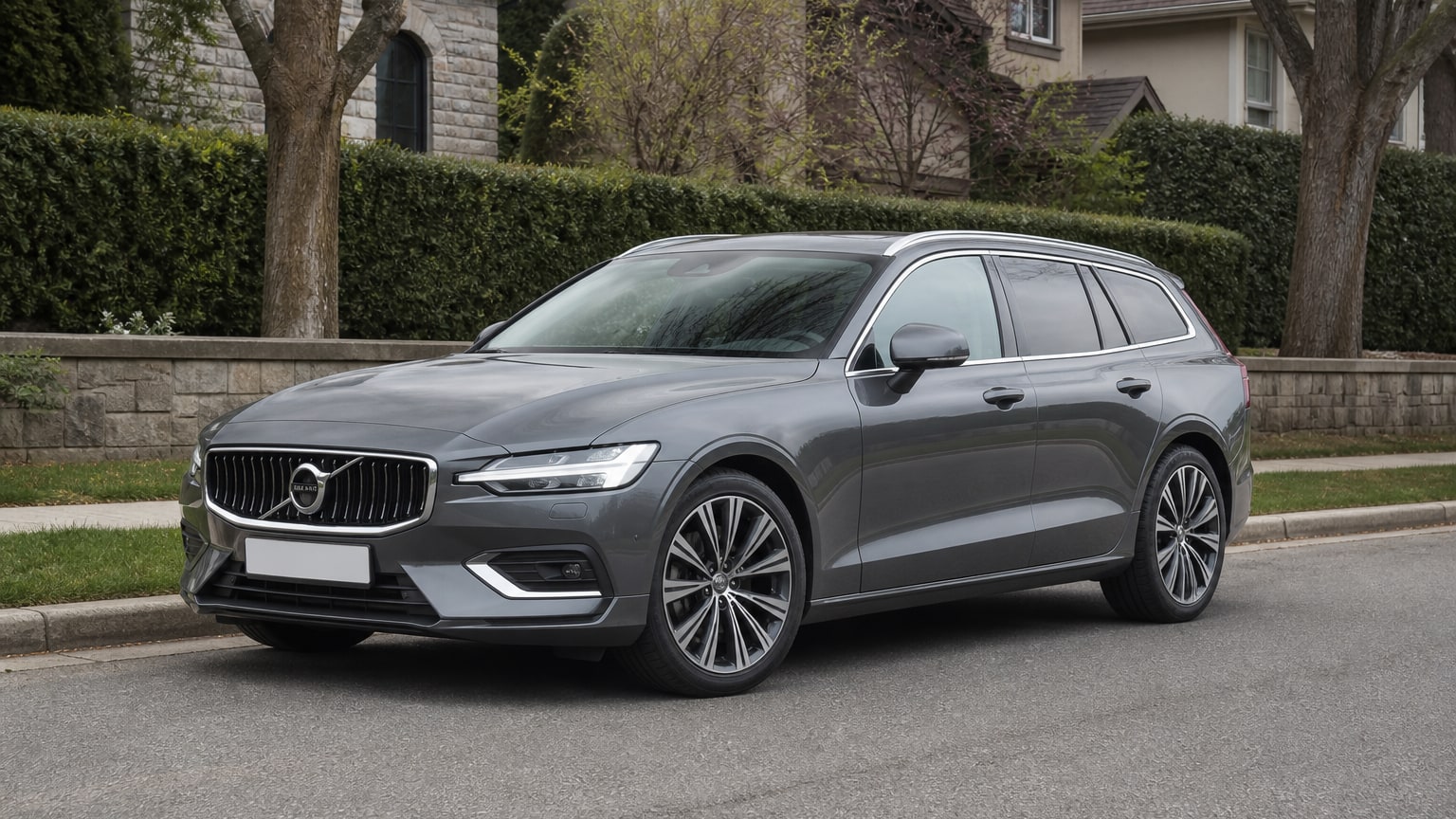
The V60 was first released in 2010 for the 2011 model year, facelifted in 2014, and entered its second generation in 2018 based on Volvo’s Scalable Product Architecture (SPA) platform. The table below covers every model year researchers shop today.
| Model Year | Generation | Verdict | Notes |
|---|---|---|---|
| 2011 | 1st Gen | OK/Mixed | Early build; piston-ring risk on T6; limited US data |
| 2012 | 1st Gen | OK/Mixed | T6 ring drain-hole defect pre-dates mid-2012 fix |
| 2013 | 1st Gen | Best | Post-ring redesign; lower complaint volume |
| 2014 | 1st Gen | OK/Mixed | Facelifted; moderate complaints |
| 2015 | 1st Gen | Avoid | Most complaints on CarComplaints (32); piston rings, oil consumption |
| 2016 | 1st Gen | Avoid | CarComplaints worst year; highest repair cost, lowest failure mileage |
| 2017 | 1st Gen | Best | Low complaint volume; seat belt recall addressed |
| 2018 | 1st Gen | Best | Consumer Reports rates more reliable than average; 2 recalls |
| 2019 | 2nd Gen | OK/Mixed | AEB software recall; first SPA-gen year |
| 2020 | 2nd Gen | Best | 0 CarComplaints complaints; J.D. Power 77/100 |
| 2021 | 2nd Gen | Best | Low NHTSA complaints; SRS module recall remedied |
| 2022 | 2nd Gen | Best | Low complaint volume; OTA software updates available |
| 2023 | 2nd Gen | OK/Mixed | Rearview camera recall (software fix); still accumulating data |
| 2024 | 2nd Gen | OK/Mixed | 8 NHTSA complaints; 2 recall campaigns |
Most common Volvo V60 problems
The single biggest failure across the V60’s history is oil consumption caused by failing piston rings, concentrated in the 2015-2016 first-generation cars but with roots tracing back to early T6 engines built before mid-2012. Beyond that, electrical system faults, seat belt anchor cable fatigue, door-latch failure, and automatic emergency braking software errors round out the most-documented problem categories.
1. Piston ring failure and excessive oil consumption
The core symptom is the engine burning oil faster than it should. Oil consumption of roughly one quart per 2,000-3,500 miles is commonly reported, particularly at sustained highway speeds, and is more pronounced in T6 twin-charged models due to higher combustion pressures. Left unchecked, the low-oil condition damages cylinder walls and can require a full engine replacement.
Early first-generation engines built before mid-2012 (the B6304T2 and early B6304T4) used piston rings with small oil drain holes that become blocked by carbon deposits over time, causing progressive oil consumption that can escalate to 1 liter per 1,000 km. Symptoms include low-oil warnings between services, blue exhaust smoke on cold starts, and fouled spark plugs. Volvo redesigned the pistons and rings from late 2012 production with larger drain holes that resist clogging.
The 2015 Volvo V60 has 32 problems and defects reported by owners on CarComplaints, with engine issues ranking as the worst complaint category. The most-reported single problem across all V60 years on CarComplaints is the bad piston rings complaint on the 2015 model. Repair costs for a piston and ring job run roughly $2,500 - $3,500 at a specialist, and in severe cases of cylinder wall scoring, full engine replacement is required. One owner on the SwedeSpeed forum described reaching 80,000 miles before Volvo agreed to replace the engine, with Volvo corporate covering half the cost after the car was out of warranty. No confirmed TSB number for this specific issue appeared in search results; Volvo’s remedies appear to have been handled case-by-case. Buyer check: always check the oil level cold on any 2011-2016 V60, and ask the seller or dealer whether the engine has had piston-related work.
2. Front seat belt anchor cable fatigue (recall 20V-378)
Volvo recalled certain 2011-2018 V60 vehicles because the flexible steel cable connecting the seat belt to the front outboard seating positions may fatigue over time, causing the seat belt to fail to restrain the occupant in a crash. The remedy is free dealer replacement of the seat belt anchor cable for both front seats; the recall began December 10, 2020, and Volvo’s internal campaign number is R10029.
This is a fatigue-over-time defect, not a build error tied to a single bad batch. The wide span of affected model years reflects that, and the 308,260 units NHTSA lists cover the whole campaign across every Volvo model in it, not just the V60. The repair costs you nothing at a dealer, but you must confirm it has been completed before buying any 2011-2018 V60. Run the VIN through NHTSA’s recall lookup to verify.
3. Electrical system faults and connectivity module errors
Based on NHTSA complaint data, the most reported issue area across the 2016-2025 V60 is the electrical system, with 57 owner complaints on record across that span. Problems span two generations but show up differently: first-gen cars tend to show electrical gremlins around infotainment and climate control, while second-gen cars more often see software faults in safety systems.
A recall (campaign 18V-800) covered certain 2017-2019 V60 and other Volvo models because software in the Vehicle Connectivity Module (VCM) may have an error that causes telematics and driver-support systems to malfunction, preventing GPS location data from reaching emergency personnel. Non-engine electrics, sat-nav and infotainment systems, and interior trim are among the most common problem areas in the V60. These faults are rarely catastrophic but can require dealer-only software updates that cost $150 - $300 per visit if out of warranty.
4. Door latch failure
Volvo recalled certain 2011-2017 S60, V60, and related models because a component within the door latches may break, making doors difficult to latch or leading the driver or passenger to believe a door is securely closed when it is not. A door that is not securely latched could open while the vehicle is in motion, increasing the risk of injury. The remedy is free replacement of all four door latches by a Volvo dealer; the recall began April 9, 2020, and Volvo’s internal number is R89978.
Like the seat belt recall, this is a free dealer fix. If you are buying a 2011-2017 V60, verify both R89978 and R10029 have been completed on the VIN before you pay.
5. Automatic Emergency Braking (AEB) software failure
A recall covered certain 2019-2020 V60 and other Volvo models because a software and hardware incompatibility could cause the Automatic Emergency Braking (AEB) system to fail to detect obstacles and engage as intended. A malfunctioning AEB system in traffic is a real safety risk even if it generates few complaints.
The most frequently reported problem areas for the 2019-2025 V60 in NHTSA data are the electrical system, brakes, and safety systems. The AEB recall remedy is a software update performed free at a dealer. Confirm it has been completed on any 2019 or 2020 V60 you consider.
6. Haldex AWD system malfunction
Some V60 owners report issues with the Haldex AWD system, specifically front tires spinning without rear wheel power transfer. The Haldex coupling is an electronically controlled clutch-pack unit that requires its own dedicated fluid service every 30,000-40,000 miles. Skipping that service accelerates wear inside the unit, and a transmission fluid leak when parked can signal a failing Haldex seal before full failure. Replacing the Haldex unit typically costs $800 - $1,500 at an independent shop. Ask for the Haldex service history on any AWD V60.
Which Volvo V60 years should you avoid
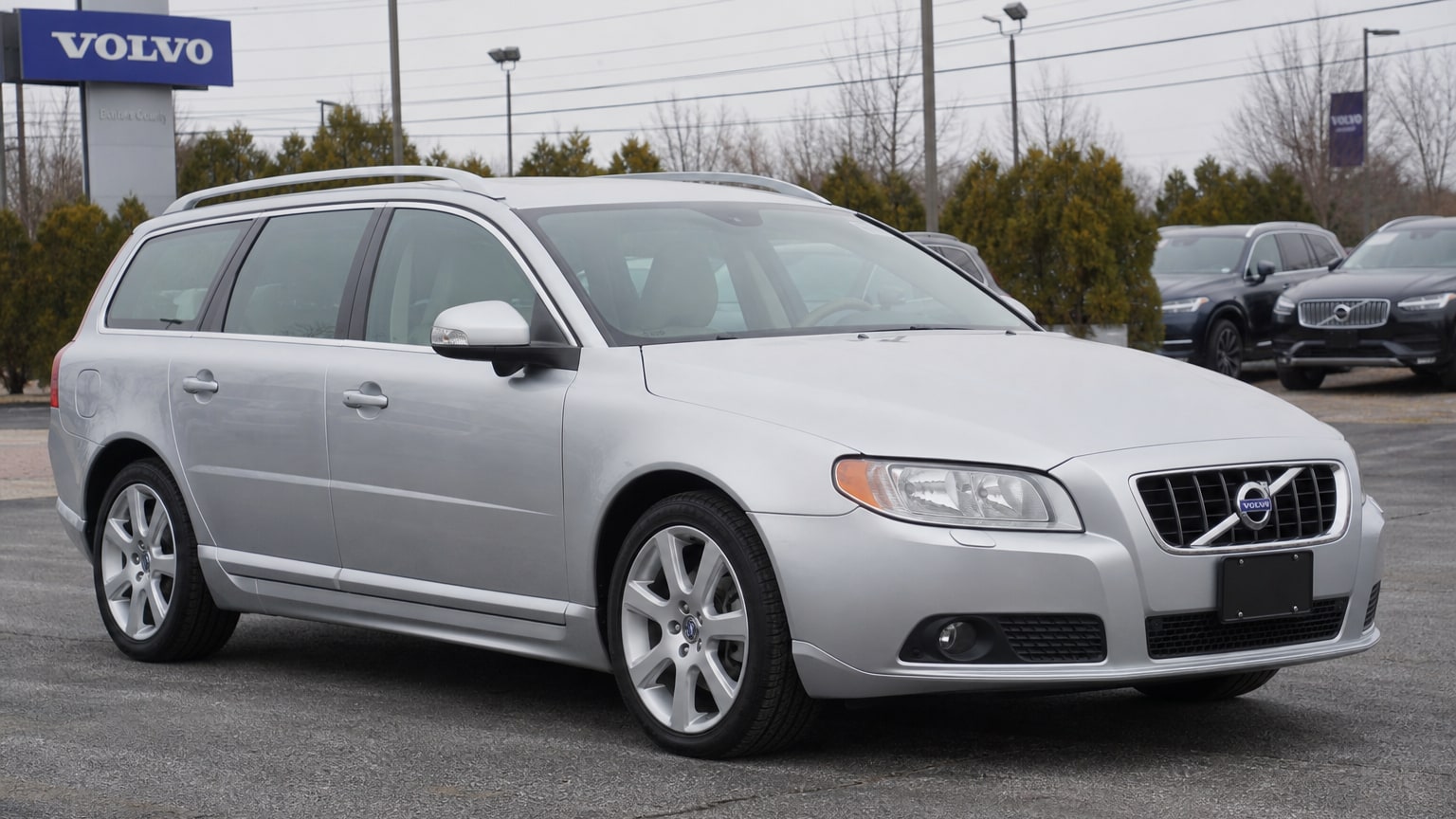
The Volvo V60 years to avoid are 2015 and 2016. CarComplaints rates the 2016 as the single worst year based on repair cost and mileage-at-failure, even though the 2015 has more total complaints (32 on CarComplaints versus 20 for 2016). On the NHTSA side, complaint volume across the first-generation cars is concentrated in 2015-2016 as well, with engine problems being the top category.
| Volvo V60 Generation | Model Years | Verdict | Main Issues |
|---|---|---|---|
| 1st Gen | 2015, 2016 | Worst | Piston ring failure, excessive oil consumption, high repair cost |
| 1st Gen | 2011, 2012, 2014 | Mixed | Oil/piston rings (pre-2013), seat belt recall, door latch recall |
| 2nd Gen | 2019, 2023, 2024 | Mixed | AEB software recall (2019-2020), electrical complaints |
First-generation Volvo V60 (2011-2018)
The 2015 V60 carries 32 reported problems and defects on CarComplaints, with engine faults the most severe category. The piston ring failure described in the problems section is the core issue, and it appears as early as 40,000-80,000 miles based on owner reports. The 2016 V60 has 20 problems reported on CarComplaints, with miscellaneous and engine problems as the worst categories. The 2016’s lower raw count but worse CarComplaints rating reflects that its engine faults tend to arrive earlier and cost more to fix.
Both 2015 and 2016 carry the seat belt anchor cable recall (20V-378 / R10029) and the door latch recall (R89978). Consumer Reports states the 2016 V60 is less reliable than other cars from the same model year, and it has been recalled 4 times by NHTSA. You’ll find 2015-2016 cars priced attractively on used lots, but the potential engine repair cost of $2,500 - $3,500 or more quickly erases any purchase-price savings.
What are the best Volvo V60 years to buy
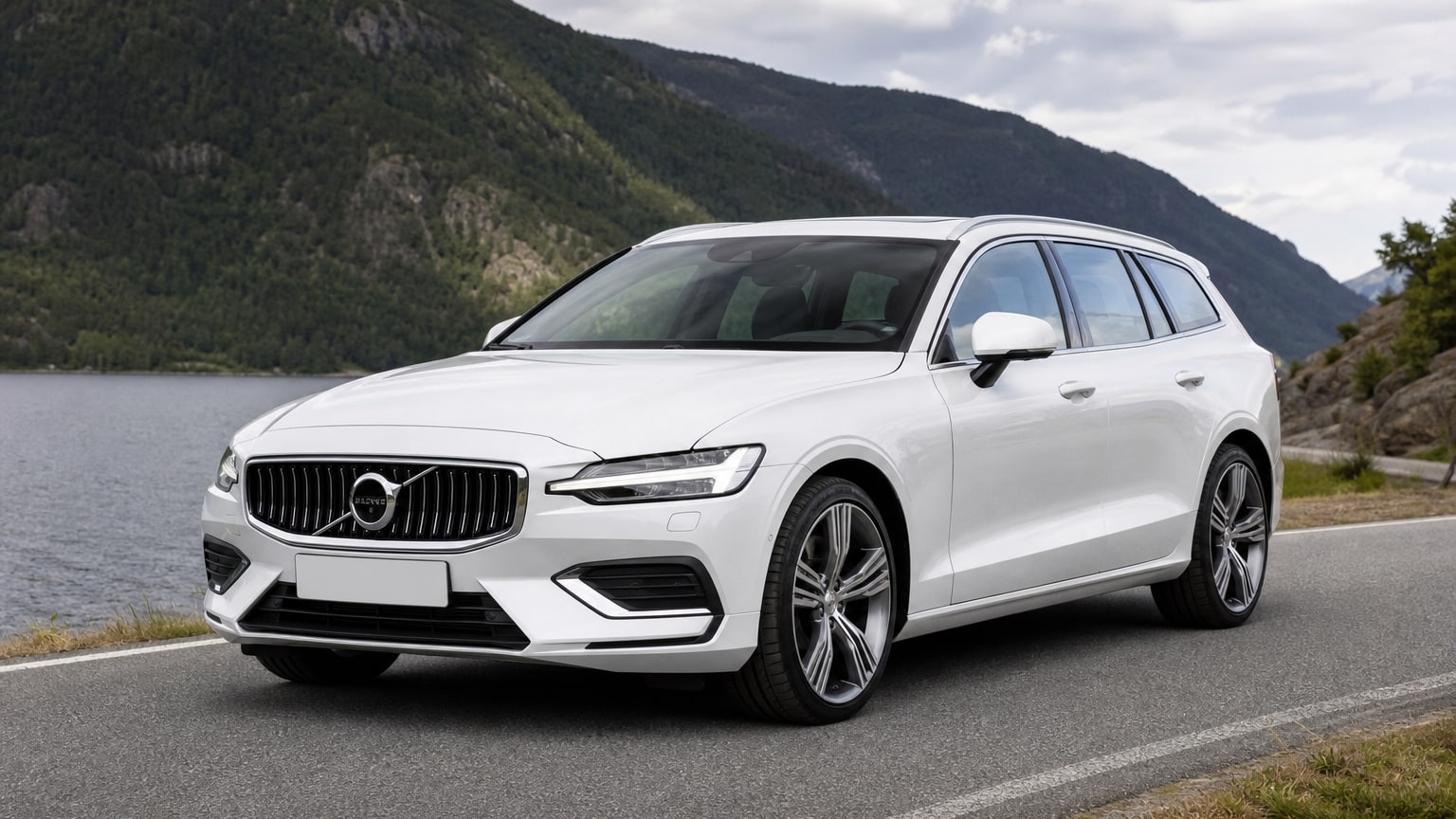
The best Volvo V60 years to buy are 2020, 2021, and 2022, with 2013, 2017, and 2018 also standing out as solid first-generation picks.
| Best Volvo V60 Year | Why It's a Strong Buy |
|---|---|
| 2013 | Post piston-ring redesign; lower complaint volume than 2015-2016 |
| 2017 | Low complaint count; door latch and seat belt recalls addressable |
| 2018 | Consumer Reports: "more reliable than other cars from same model year"; 2 recalls |
| 2020 | J.D. Power 77/100; 0 CarComplaints complaints; 2nd-gen SPA platform |
| 2021 | Low NHTSA complaint volume; SRS module recall remedied |
| 2022 | Low complaint count; OTA updates handle most software issues |
2020 Volvo V60
The 2020 Volvo V60 carries a J.D. Power score of 77 out of 100 and has 2 recalls with 0 complaints listed on CarComplaints, making it one of the cleanest used options currently available. It rides on the SPA platform, which brings a more modern electrical architecture than first-gen cars, reducing the piston-ring and latch issues entirely.
2018 Volvo V60
Consumer Reports rates the 2018 V60 as more reliable than other cars from the same model year. It is the last of the first generation, which means it benefits from years of incremental quality improvements over the 2015-2016 builds. The 2018 V60 has been recalled twice by NHTSA, both of which are covered under the seat belt recall (20V-378) and the VCM software recall (18V-800). Confirm both are closed on any VIN you check.
2013 Volvo V60
The SI6 3.0-liter inline-six is one of Volvo’s most reliable engines, and cars from 2013 onward with revised piston rings are particularly dependable, with many reaching 250,000-plus kilometers without major engine work. For buyers targeting a first-gen V60 on a tighter budget, the 2013 is the safest pick from that era.
Volvo V60 submodel years to avoid
The V60 family includes one core submodel relevant to used-car shoppers: the V60 Cross Country. Each is assessed on its own NHTSA and CarComplaints record, not the parent model’s figures.
Volvo V60 Cross Country years to avoid
Both generations of the V60 feature a Cross Country variant with approximately 60 mm (2.4 inches) of additional ground clearance and ride height. The first-generation V60 Cross Country ran from 2015 to 2018 in the US market; the second-generation Cross Country resumed for 2019 and continues today.
On CarComplaints, the 2016 Volvo V60 Cross Country has the most overall complaints and is also rated the worst model year based on repair cost and average mileage when problems occur. The most-reported single problem is the power steering cutting out. The 2016 Cross Country has 3 problems reported on CarComplaints, and the worst complaints involve steering. That power steering failure is specific to the Cross Country variant and distinct from the oil-consumption problem that dominates the standard V60’s complaint record.
For the second-generation Cross Country, a steering gear recall covered certain 2019-2022 V60 Cross Country vehicles where double screws may have been assembled on top of each other during manufacturing, which could cause a screw to fall into the gearbox housing. The steering wheel could lock up as a result, increasing the risk of a crash. This recall is distinct from the oil-consumption and door-latch issues described earlier in this article and applies only to the Cross Country (and the XC60 and XC90 built from the same affected parts).
Beyond those two flagged concerns, the second-generation V60 Cross Country (2019 - present) does not yet have enough accumulated complaint data to flag a specific worst model year. If a Cross Country in your budget falls in the 2016 or 2019-2022 window, key checks are:
-
Confirm the steering gear recall has been completed on any 2019-2022 Cross Country VIN
-
On a 2016 Cross Country, have the power steering system inspected by an independent mechanic before purchase
-
Verify the front seat belt anchor cable recall (20V-378 / R10029) is closed on any 2015-2018 Cross Country
Volvo V60 pre-purchase checklist
Before handing over any money on a used V60, run through these model-specific items:
- Run the VIN through NHTSA’s recall checker: Confirm every open recall is closed, paying particular attention to the seat belt anchor cable recall (NHTSA 20V-378, Volvo R10029) on 2011-2018 cars, the door latch recall (R89978) on 2011-2017 cars, and the AEB software recall on 2019-2020 cars.
- Check the oil level cold on any 2011-2016 car: A dipstick reading noticeably below the full mark after a recent service is the clearest early sign of piston-ring wear. Ask whether the dealer or seller has documentation of oil-consumption testing.
- Request the full service history: Haldex AWD fluid changes every 30,000-40,000 miles are critical on AWD cars. A gap in that record, or metal shavings in the oil, is a warning sign worth pricing into your offer.
- Test the power steering on any 2016 V60 Cross Country: Drive it at low speeds and through full lock to check for loss of assistance or unusual steering feel.
- On 2019-2022 V60 Cross Country models: Confirm the steering gear recall (double-screw assembly fault) has been remedied at a Volvo dealer before purchase.
- Have an independent pre-purchase inspection: Ask the mechanic to check for blue exhaust smoke at startup, oil residue around the valve cover, and the condition of the auxiliary drive belt. An auxiliary drive belt failure can damage the timing belt, with repair costs ranging from $150 to $4,000 depending on how far the damage progresses.
- Check for rearview camera function on 2023-2024 models: A recall covers certain 2023-2025 V60 vehicles where the rearview camera image may not display when the vehicle is placed in reverse, failing to comply with federal rear-visibility standards. A software OTA update is the fix; confirm it has been applied.
Better alternatives to consider
If the V60 years in your budget land on the avoid list, consider these alternatives in the same premium-wagon class:
-
Volvo XC70 - a raised-ride-height wagon on related Volvo architecture, with its own best-year guide if you want more ground clearance
-
Volvo XC90 - the larger Volvo SUV on the same SPA platform as the 2nd-gen V60, worth cross-shopping if cargo space is a priority
-
Audi A4 Allroad - direct competitor to the V60 Cross Country with a strong turbocharged 4-cylinder and wider independent-mechanic support network
-
BMW 3 Series wagon (E91/F31) - comparable European sport wagon with a longer US used-car supply and lower parts costs than the V60 on some repairs
Is the Volvo V60 worth buying
Yes, the Volvo V60 is worth buying as long as you avoid the 2015 and 2016 model years. Consumer Reports rates the 2018 V60 as more reliable than other cars from its model year, and the second-generation cars from 2020 onward carry a clean CarComplaints record. The annual maintenance cost on a V60 runs about $1,057 per RepairPal, which is above average for the segment, so budget for premium-brand running costs regardless of the year you choose. All vehicle assessments follow editorial guidelines for automotive research that keep source attribution consistent across every model covered. The best path: target a 2018, 2020, 2021, or 2022, run the VIN through NHTSA’s recall database, and verify maintenance history before signing anything.
Frequently asked questions
What are the best Volvo V60 years to buy?
The best Volvo V60 years to buy are 2013, 2017, 2018, 2020, 2021, and 2022. The 2020 stands out with a J.D. Power score of 77/100 and zero complaints on CarComplaints. Among first-gen cars, the 2018 is the strongest pick based on Consumer Reports’ above-average reliability rating.
What are the worst years for the Volvo V60?
The worst years for the Volvo V60 are 2015 and 2016. CarComplaints rates 2016 as the worse of the two based on repair cost and the mileage at which problems tend to appear, even though 2015 has the higher raw complaint count.
Which year Volvo V60 is most reliable?
The 2020 Volvo V60 is the most reliable pick for used-car buyers. It carries a J.D. Power score of 77 out of 100 and has 2 recalls with 0 complaints listed on CarComplaints, the cleanest combined record of any model year in the lineup.
What year Volvo V60 has the worst piston ring problems?
The 2015 and 2016 model years are the most affected by piston ring failure, with the most-reported single problem on CarComplaints being bad piston rings on the 2015 V60. Early T6 engines built before mid-2012 also carried the defect due to undersized oil-scraper ring drain holes; Volvo redesigned the pistons and rings from late-2012 production. No confirmed TSB or warranty-extension program number appeared in research for this specific repair; Volvo’s assistance has been handled case-by-case, sometimes covering partial costs after the warranty expires.
How long does a Volvo V60 last?
The inline-six T6 engine is one of Volvo’s most reliable powerplants, and well-maintained post-2013 examples frequently reach 250,000-plus kilometers without major engine work. For any generation, the key to longevity is regular oil changes (more frequent than Volvo’s factory interval on high-mileage first-gen cars), Haldex fluid service on AWD models, and keeping open recalls closed. A well-maintained V60 can reasonably reach 200,000 miles with the right care.