
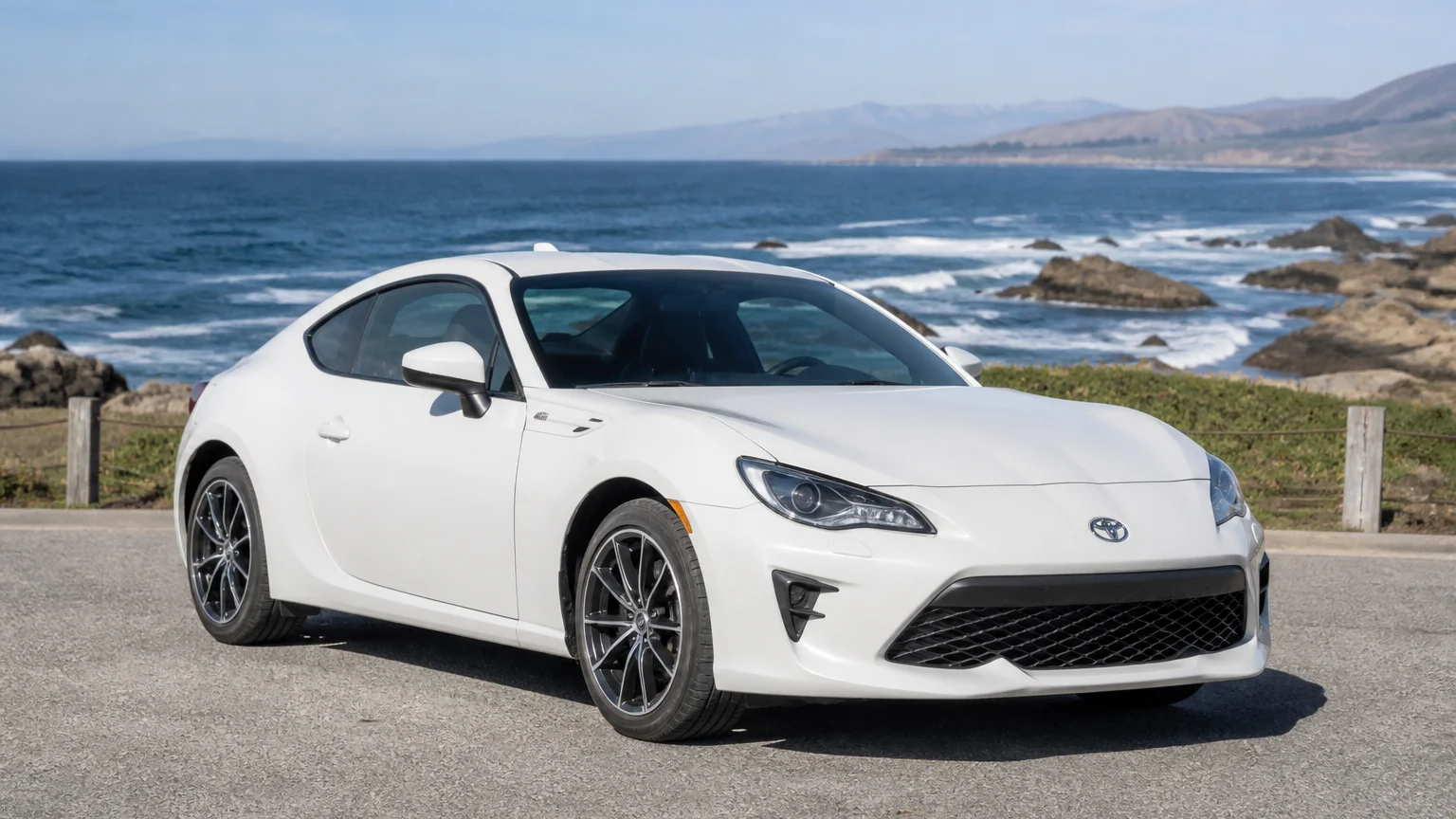
The Toyota 86 is one of the most driver-focused, affordable sports cars on the used market, and its overall reliability record is genuinely solid. Still, the 2017 Toyota 86 has the most overall complaints on CarComplaints, which also rates 2017 as the worst model year based on repair cost and average mileage when problems occur - and the second-generation GR86 brought a fresh set of engine concerns in 2022. This guide uses data from NHTSA, CarComplaints, and owner communities to tell you exactly which years to skip and which to target.
For generations, engines, and ownership notes in one place, see the Toyota 86 hub.
Related guides appear in the Toyota years to avoid directory.
At a glance
- Worst years
- 2017
- 2022
- Best years
- 2018
- 2019
- 2023
- Top failure
- 2nd-gen RTV oil-pickup clogging / oil starvation (2022 GR86, NHTSA complaints; CarComplaints rates 2022 GR86 worst by repair cost)
- Always do before buying
- run the VIN through NHTSA's recall checker; on 2022 GR86s, ask whether the oil pickup has been inspected for RTV sealant debris before purchase
Recalls by year
Gray bands mark years the model was not produced.
How we rated the best and worst Toyota 86 years
The worst generation for ownership costs is the first-generation Toyota 86 (2017 model year specifically) on CarComplaints, while the 2022 GR86 carries the highest raw NHTSA complaint volume of any single model year across both generations. Evidence from NHTSA, RepairPal, CarComplaints, and owner communities including FT86Club and Reddit's r/ft86 forms the backbone of this analysis. CarComplaints ranks the worst year by repair cost and mileage-at-failure (its PainRank system), while NHTSA shows raw complaint volume - CarComplaints rates 2017 as its worst year on repair cost and mileage, whereas NHTSA complaint data shows the 2022 model year generated 21 complaints, the highest of any year. Those are different datasets pointing to different years, and both matter.
Per our years-to-avoid methodology, each year is scored on complaint volume, recall count, repair cost, and mileage-at-failure, then cross-checked against owner-forum reports.
| Toyota 86 Generation | Best Toyota 86 Years | Worst Toyota 86 Years |
|---|---|---|
| 1st Gen Toyota 86 (2017-2020) | 2018, 2019 | 2017 |
| 2nd Gen Toyota GR86 (2022 - present) | 2023 | 2022 |
Every Toyota 86 model year ranked
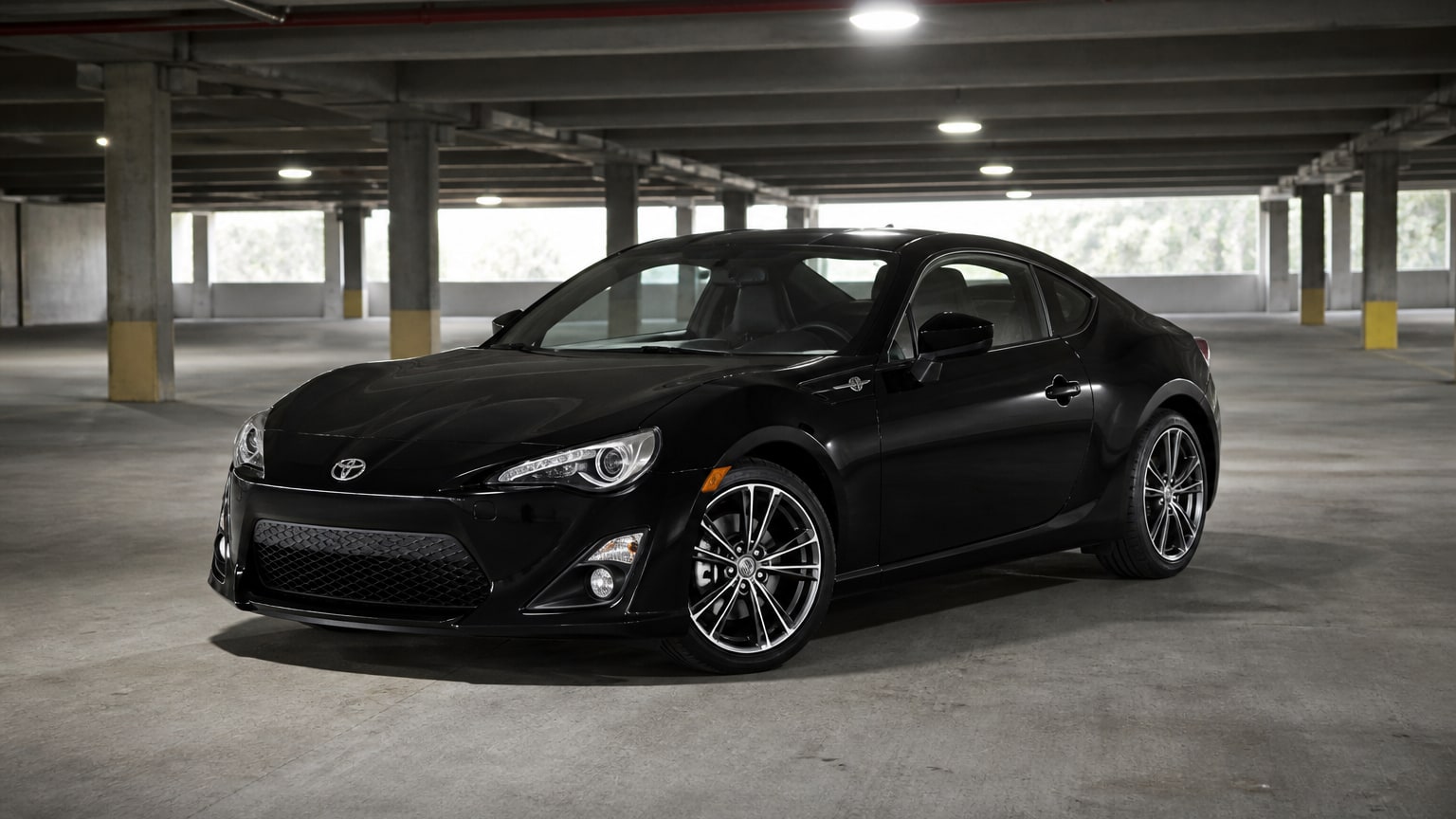
The Toyota 86, sold in the US as a Toyota-badged car from 2017 onward, has a short model-year list with two clear standouts to avoid. There are two Toyota-badged US generations: the first-generation Toyota 86, sold for 2017-2020, and the second-generation Toyota GR86, introduced for 2022 and continuing forward. The earlier Scion FR-S (2013-2016) is the closely related predecessor and is a separate collector / enthusiast market; it is not included in the best/worst rankings here.
| Model Year | Generation | Verdict | Notes |
|---|---|---|---|
| 2013 | Scion FR-S (predecessor) | OK/Mixed | Predecessor model; valve spring recall, separate market |
| 2014 | Scion FR-S (predecessor) | OK/Mixed | Predecessor model; valve spring recall, separate market |
| 2015 | Scion FR-S (predecessor) | OK/Mixed | Predecessor model; low-pressure fuel pump recall |
| 2016 | Scion FR-S (predecessor) | OK/Mixed | Final FR-S year before Toyota rebadge |
| 2017 | 1st Gen Toyota 86 | Avoid | CarComplaints worst year; highest repair cost, earliest mileage failures |
| 2018 | 1st Gen Toyota 86 | Best | Low complaints; 1 recall (fuel pump, remediated) |
| 2019 | 1st Gen Toyota 86 | Best | Low complaints; fuel pump recall covered; good ownership record |
| 2020 | 1st Gen Toyota 86 | OK/Mixed | 2 reported problems on CarComplaints; final first-gen year |
| 2022 | 2nd Gen Toyota GR86 | Avoid | 21 NHTSA complaints, highest of any year; RTV oil-starvation issue |
| 2023 | 2nd Gen Toyota GR86 | Best | 11 NHTSA complaints, 1 recall; lower complaint rate than 2022 |
| 2024 | 2nd Gen Toyota GR86 | OK/Mixed | Low complaints; 1 recall; newer and cleaner record |
| 2025 | 2nd Gen Toyota GR86 | OK/Mixed | 0 recalls, 3 owner complaints; very early data |
Most common Toyota 86 problems
The single biggest failure across both generations is engine oil-system trouble - whether RTV sealant clogging the oil pickup on the 2022 GR86 or oil consumption on the boxer engine more broadly. The sections below cover the top recurring failures in order of severity, drawing on NHTSA complaint data and CarComplaints owner reports.
1. RTV silicone oil-pickup clogging and oil starvation (2022 GR86)
The most talked-about defect in the model's history hit the brand-new 2022 GR86 almost immediately. RTV is a sealant used as a gasket for the Subaru FA24D engine; when dislodged in the engine's oil, it can clog the pickup tube, causing oil starvation and, in documented cases, ruined bearings. Owners described engines failing with as few as 14,000 miles on the clock.
A class-action lawsuit filed against Toyota and Subaru claimed that the flat-four engines in the 86, GR86, and BRZ are prone to catastrophic failure at low mileage; one plaintiff's 2019 Toyota 86 engine failed with roughly 64,000 miles due to oil starvation and the lawsuit targets both the 2.0-liter first-gen and the 2.4-liter second-gen engine.
As of the initial reporting period, Toyota had not issued any official response or acknowledgment that the oil strainer clogging was a mass issue covered by warranty, though a teardown at a Toyota dealer confirmed oil starvation was to blame in one high-profile case, and Toyota ultimately changed course and offered to have the engine rebuilt. No confirmed TSB number for a formal fix has been publicly published. If you are buying a 2022 GR86, ask the dealer or seller specifically whether the oil pan has been dropped and inspected - this is the one model-specific check that most listings skip. Engine replacement when oil starvation causes bearing failure can run into the thousands of dollars and is not uniformly covered under warranty without documentation. Engine complaints total 18 and fuel/propulsion system complaints total 8 - the two highest categories - across all GR86 NHTSA filings.
2. Low-pressure fuel pump failure (2018-2019 Toyota 86)
NHTSA Recall No. 21V-587 covers certain 2018-2019 model year Toyota 86 vehicles for a condition in which the vehicle may stall if the low-pressure fuel pump becomes inoperative. The fix is dealer replacement of the fuel pump at no charge.
The recall covers 2018-2019 BRZ, WRX, and Toyota 86 vehicles; the low-pressure fuel pump inside the fuel tank may fail, and pump failure can cause an engine stall while driving, increasing the risk of a crash. If you are buying either year, run the VIN through NHTSA's recall checker to confirm this campaign has been completed. An uncompleted recall on a 2018 or 2019 car is a straightforward dealer fix, but you want it done before you take ownership.
3. Excess oil consumption (FA20 and FA24 boxer engines)
Both generations share a horizontally opposed (boxer) cylinder layout that can consume oil faster than owners expect. The 2.4L FA24 boxer engine in the GR86 consumes oil more than expected, particularly when driven hard on track; consumption of 1 quart per 2,000-3,000 miles is common, with the horizontal cylinder layout and high-RPM operation contributing to oil passing the piston rings.
Early GT86 engines often used more oil than expected, and owners need to check levels frequently to avoid damage. The symptom is blue smoke from the exhaust on acceleration and an oil-warning light appearing before a scheduled service. Engine symptoms of rod knock - a metallic tapping at idle or under load - can follow if the level drops far enough. Budget for more frequent oil checks and top-ups on any first-gen 86 or 2022-onward GR86.
4. High-pressure fuel pump "chirp" noise
Many GT86 and 86 models suffer from a loud, cricket-like sound caused by the high-pressure fuel pump. It is not harmful but can be irritating. The noise is most noticeable at idle and low speeds and is a known characteristic of the D-4S dual-injection system used across both generations. Owner reports confirm occasional high-pressure fuel pump "chirp" as one of the manageable but known issues on the 2017-2021 cars.
No recall has been issued for this noise. If you hear it on a test drive, it is almost certainly the HPFP and not a sign of impending failure. A buyer takeaway: do not let a seller use this tick as leverage to drop the price significantly - it is cosmetic, not mechanical.
5. Clutch and gearbox wear
The OEM clutch in manual-transmission 86 models is not the strongest and can wear faster than expected; checking for a high bite point and smooth gearchanges is recommended during any test drive. Sport-driven and track-used cars are at higher risk.
Occasional clutch release bearing noise and synchro wear in the 6-speed manual under hard use are documented on the 2017-2021 cars. A riding the clutch habit from a prior owner accelerates this wear significantly. Ask for full service history and, on manual cars, check whether a clutch replacement has been performed - this is a normal wear item, but knowing it is fresh adds confidence.
6. Interior rattles and seat bolster wear
The most-reported problem on the 2022 Toyota GR86 on CarComplaints is rattles in the interior. This is consistent with the first generation as well. Some owners report minor interior rattles in the dashboard and door panels, along with premature wear on the driver's seat bolsters.
Rattles from interior panels are not uncommon in a lightweight, stiff-chassis coupe and can be made worse by stiffer suspension modifications. These are quality-of-life issues rather than safety problems, but they are worth negotiating over if a pre-purchase inspection turns them up.
Checking a used Toyota?
Scan for hidden fault codes from your phone in minutes — before you buy.
REREV may earn a commission if you sign up through this link. Learn more.
Which Toyota 86 years should you avoid
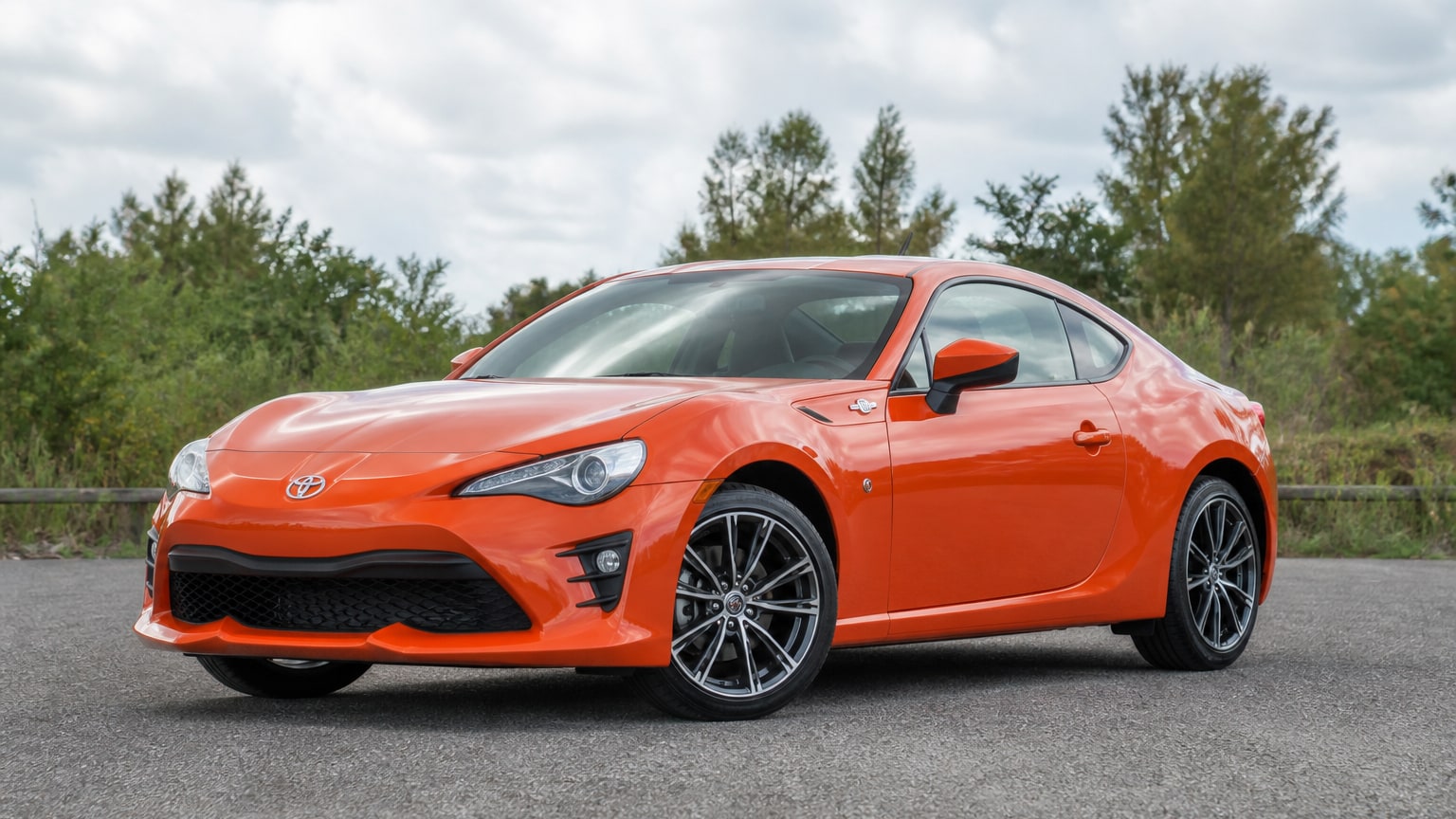
The Toyota 86 years to avoid are 2017 and 2022. CarComplaints rates the 2017 Toyota 86 as its worst model year based on repair cost and the average mileage at which problems occur, while NHTSA complaint data shows the 2022 GR86 generated 21 complaints - the highest raw count of any model year across both generations. Those are separate measures from separate sources, and both years land in avoid territory on their own merits.
| Toyota 86 Generation | Model Years | Verdict | Main Issues |
|---|---|---|---|
| 1st Gen Toyota 86 | 2017-2020 | Worst: 2017 / OK: 2018-2020 | Fuel pump recall, interior rattles, clutch wear, early engine-cost failures |
| 2nd Gen Toyota GR86 | 2022-present | Worst: 2022 / Best: 2023 | RTV oil clogging, oil starvation, interior rattles |
First-generation Toyota 86 (2017-2020)
The 2017 Toyota 86 carried the model's Toyota rebadge from the Scion FR-S, with revised gear ratios and 205 hp from the naturally aspirated 2.0-liter flat-four. On CarComplaints, 2017 tops the ranking for repair cost and mileage-at-failure across all first-gen years. The 2017 Toyota 86 has had a few complaints and recalls; according to NHTSA, there were two recalls for this model year.
The 2018 and 2019 cars are cleaner. The 2018 Toyota 86 had one NHTSA recall related to the low-pressure fuel pump, which could potentially fail and lead to an engine stall - but that campaign (21V-587) is well-known and dealers can confirm completion in minutes. The 2020 car logged just 2 reported problems on CarComplaints, making it the quietest of the first-gen lineup.
Second-generation Toyota GR86 (2022 - present)
There was a big overhaul to the Toyota 86 for the 2022 model year, which kicked off the second generation; the model was renamed the GR86 to align with Toyota's Gazoo Racing brand. The 2022 redesign added a stiffer structure and a larger 2.4-liter boxer engine.
The 2022 model year accounts for 21 of the GR86's NHTSA complaints, driven primarily by the RTV oil-pickup issue described above. Many owners of the 2022 Toyota GR86 experienced major issues involving excess RTV sealant used on the oil pan and timing cover getting into the oil, clogging the oil pickup tube and filter, restricting oil flow and causing oil starvation, which can cause premature motor failure. The 2023 and later cars have a lower complaint rate and represent a better entry point into the second generation.
What are the best Toyota 86 years to buy
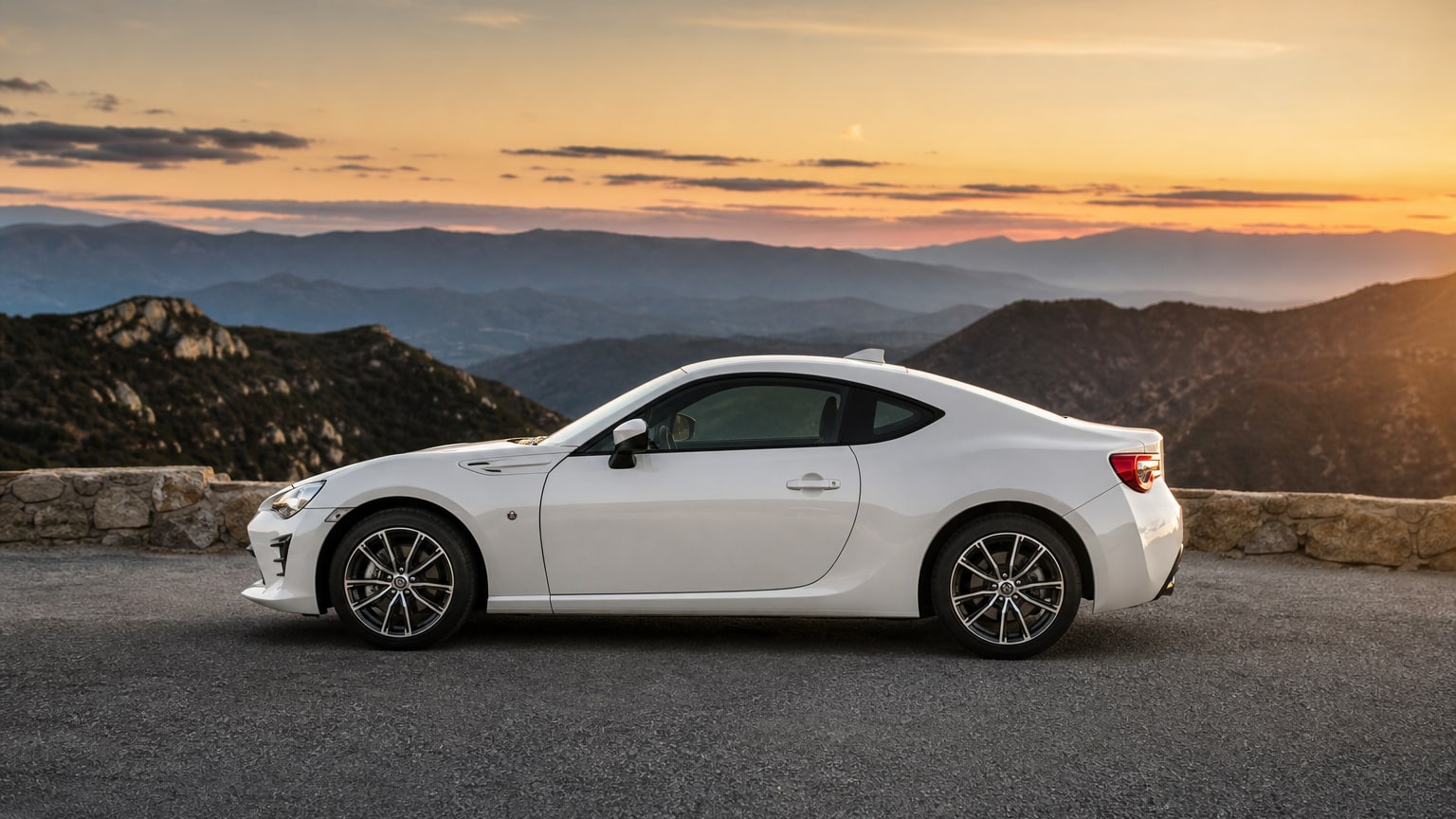
The best Toyota 86 years to buy are 2018, 2019, and 2023. These three model years combine low NHTSA complaint counts, remediated or no open recalls, and the fewest owner-reported cost surprises across both generations.
| Best Toyota 86 Year | Why It's a Strong Buy |
|---|---|
| 2018 | Low CarComplaints count; 1 recall (21V-587 fuel pump) easily confirmed as complete |
| 2019 | 11 reported problems on CarComplaints; fuel pump recall covered; good used-market value |
| 2023 | 11 NHTSA complaints, 1 recall; lower complaint rate than the 2022 launch year; gets the 2.4L engine without the first-batch RTV risk |
2018 Toyota 86
The 2018 Toyota 86 had one NHTSA recall (the low-pressure fuel pump campaign) and one reported complaint about a steering wheel shaking while braking, which is likely an isolated case; beyond that, significant issues and complaints are hard to find for this year. It is the cleanest first-generation year on both CarComplaints and NHTSA, and a confirmed fuel pump recall completion is all you need to check before buying. Check KBB listings for 2018 Toyota 86 values to benchmark your offer.
2019 Toyota 86
The 2019 is the final true "sweet spot" first-gen year before the model went on hiatus. The 2017 redesign added structural and calibration improvements, slightly increasing output in manual variants, while retaining a simple, relatively robust naturally aspirated drivetrain - and by 2019 any early-production gremlins had been sorted. The fuel pump recall (21V-587) affects 2018-2019 cars and should be confirmed complete, but once it is, the 2019 is a confident buy.
2023 Toyota GR86
The 2023 GR86 gets you the second-generation 2.4-liter engine and stiffer chassis without the first-batch assembly risk that plagued 2022 cars. The 2023 Toyota GR86 has 11 NHTSA complaints and 1 recall campaign - a fraction of the 2022's 21 complaints. Owners on the GR86 owner forum at gr86.org report far fewer oil-system scares on 2023 builds. This is the pick if you want the latest generation without the launch-year risk.
Toyota 86 pre-purchase checklist
Before you hand over a check on any used Toyota 86 or GR86, run through these model-specific checks:
- Run the VIN through NHTSA's recall checker at nhtsa.gov/recalls to confirm every open campaign - especially NHTSA Recall No. 21V-587 (low-pressure fuel pump) on 2018-2019 cars - has been completed at a dealer.
- On 2022 GR86s, ask about the oil pickup. Specifically, ask whether the oil pan has been dropped and inspected for RTV sealant debris. Excess RTV sealant used on the oil pan and timing cover can get into the oil and clog the oil pickup tube, restricting oil flow and causing oil starvation. If the seller can't answer, treat it as a risk.
- Check the oil level and color on any first-gen 86. Early engines often used more oil than expected; owners need to check levels frequently to avoid damage. Dark, burnt-smelling oil is an early warning sign of neglect.
- On manual-transmission cars, test the clutch bite point. A high clutch engagement point could indicate clutch wear; if it slips under acceleration, it may need replacement. Budget $800 - $1,500 for a clutch job if wear is evident.
- Listen for HPFP chirp versus rod knock at cold start. A cricket-like tick at idle is almost always the high-pressure fuel pump - annoying but harmless. A deeper metallic knock, especially one that persists after warm-up, needs a mechanic's inspection before you buy.
- Inspect for track or autocross use. Gaps in service history or missing oil change records are red flags, particularly on a sports car that may have been driven hard. Ask to see service records and look for any dealer notes about track events.
- Check the interior and lighting. Condensation in the headlights is a common issue, and rattling door panels or dashboard trim can signal a car that has been driven aggressively. These are negotiating points, not deal-breakers, but price accordingly.
Better alternatives to consider
If the Toyota 86 years in your budget land on the avoid list, consider these alternatives instead:
-
Subaru BRZ - the mechanical twin of the 86/GR86, sharing the same engine and chassis but with its own recall and complaint history worth checking separately
-
Toyota GR Corolla - a turbocharged hot hatch with similar enthusiast appeal, more practicality, and a newer production run with fewer accumulated complaints
-
Mazda MX-5 Miata - a lighter, two-seat roadster alternative with a long reliability track record and one of the lowest annual repair costs in the sports-car segment
-
Toyota FJ Cruiser - if you want a Toyota-built enthusiast vehicle in a totally different category, this model has its own year-by-year reliability spread worth studying before buying used
Is the Toyota 86 worth buying
Yes, the Toyota 86 is worth buying - as long as you avoid the 2017 first-gen and the 2022 GR86 launch year. The Toyota GR86 has an average reliability score of 79/100 across all model years, rated "good" - it is a reliable vehicle overall, though some model years perform better than others. A 2018, 2019, or 2023 car gives you the model's core strengths - rear-wheel drive, a balanced boxer engine, genuine driver engagement - without the known cost landmines.
Both generations follow the same basic formula: a compact front-engine, rear-wheel-drive 2+2 coupe built around low weight, a low center of gravity, and accessible performance. Run the VIN through NHTSA's recall checker before signing anything, verify oil-system history on 2022 cars, and confirm the fuel pump recall on 2018-2019 examples.
Frequently asked questions
What are the best Toyota 86 years to buy?
The best Toyota 86 years to buy are 2018, 2019, and 2023. The 2018 and 2019 first-gen cars carry low complaint counts and a confirmed-complete fuel pump recall makes them clean buys. The 2023 GR86 gets you the larger 2.4-liter engine with a much lower complaint count than the 2022 launch year.
What are the worst years for the Toyota 86?
The worst years for the Toyota 86 are 2017 and 2022. CarComplaints rates the 2017 Toyota 86 as the worst model year based on repair cost and average mileage at failure, and the 2022 GR86 has 21 NHTSA complaints, primarily engine and fuel system related, making it the highest-risk year.
Which year Toyota 86 is most reliable?
The 2018 Toyota 86 is the most reliable pick in the first generation. It had one NHTSA recall (fuel pump) and virtually no significant issues or complaints beyond that, making it the cleanest year on both CarComplaints and NHTSA for the 2017-2020 generation. In the second generation, the 2023 GR86 is the stronger pick over the 2022.
What year Toyota 86 has the worst oil-system problems?
The 2022 Toyota GR86 has the most documented oil-system failures. Blake Alvarado's 2022 GR86 was the high-profile case that exposed the issue: RTV sealant used as a gasket for the FA24D engine was allegedly applied too liberally at the factory and, when dislodged, clogged the pickup tube and caused oil starvation and a ruined bearing. The same class-action complaint extends to first-gen 2.0-liter engines as well, but the 2022 accounts for the greatest concentration of NHTSA filings. No manufacturer TSB with a confirmed published number has been issued for this defect as of this writing.
How long does a Toyota 86 last?
A well-maintained Toyota 86 can reach 150,000-200,000 miles on the original powertrain. The FA20 engine is a chain-driven DOHC flat-four with no turbocharger and modest specific output, with its strengths being simplicity and trackable maintenance needs. The key variables are oil-change frequency (critical on a boxer engine prone to consumption), clutch maintenance on manual cars, and avoiding deferred service on the high-pressure fuel pump or valve-train components. Cars with complete, documented service history consistently outlast those with gaps.