
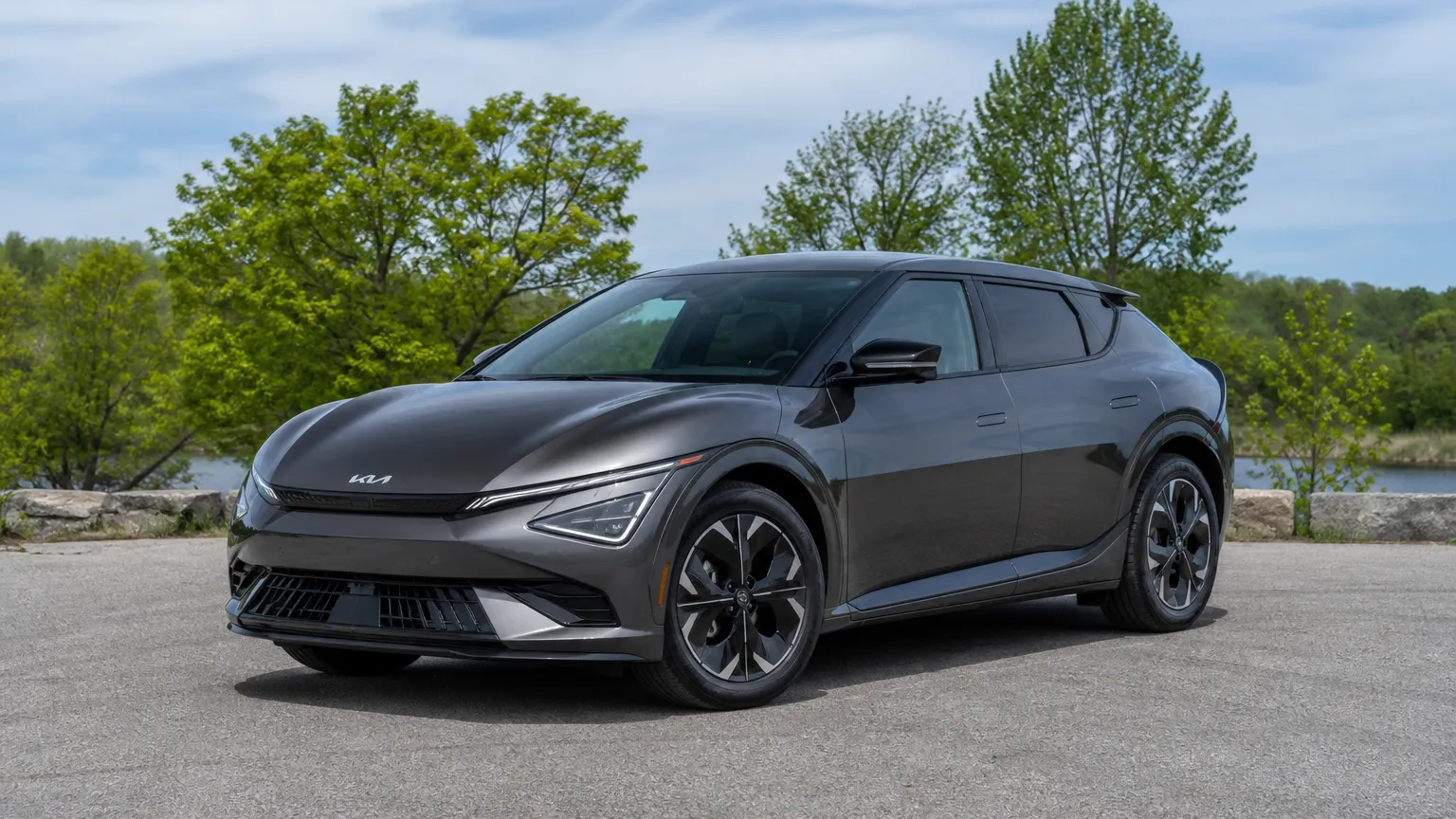
The Kia EV6 launched to critical acclaim, winning multiple awards including World Car of the Year 2022, but the early model years came with ICCU (Integrated Charging Control Unit) failures that can strand owners and have triggered major recalls. The 2022 EV6 has 403 NHTSA complaints — more than twice the 2023 — with electrical faults as the dominant problem category. This guide uses NHTSA complaint data, recall records, and owner reports to rank every EV6 year so you can buy with confidence.
For generations, engines, and ownership notes in one place, see the Kia EV6 hub.
Related: Hyundai Ioniq 5 years to avoid, Kia Niro years to avoid.
At a glance
- Worst years
- 2022 (without verified recall completion)
- Best years
- 2023
- 2025
- Top failure
- ICCU failure that stops 12-volt battery charging, leading to loss of motive power (NHTSA recalls covering 2022-2024); high-voltage battery electrode defect (limited July 2026 recall)
- Always do before buying
- Run the VIN through NHTSA's recall checker to confirm ICCU recalls are completed; on unrepaired vehicles, park outside and limit charging to 80% until the recall is complete
How we rated the best and worst Kia EV6 years
The 2022 Kia EV6 has the highest complaint rate in the lineup, with 403 NHTSA complaints at a rate of 220.8 per 10,000 vehicles sold — more than double the 2023 rate of 97.5. The electrical system is the dominant complaint category. Our ratings draw on NHTSA complaints and recalls, owner reports, and EV forum discussions.
NHTSA recorded 753 total complaints across 2022-2025 for the EV6. The ICCU recall affecting 2022-2024 models is the most significant safety campaign, addressing a defect that can cause loss of motive power. Our years to avoid methodology weighs complaint volume, recall severity, and real-world failure patterns to produce the verdicts throughout this guide.
| Kia EV6 Generation | Best Kia EV6 Years | Worst Kia EV6 Years |
|---|---|---|
| First generation (2022-present) | 2023, 2025 | 2022 (without verified recall completion) |
Every Kia EV6 model year ranked
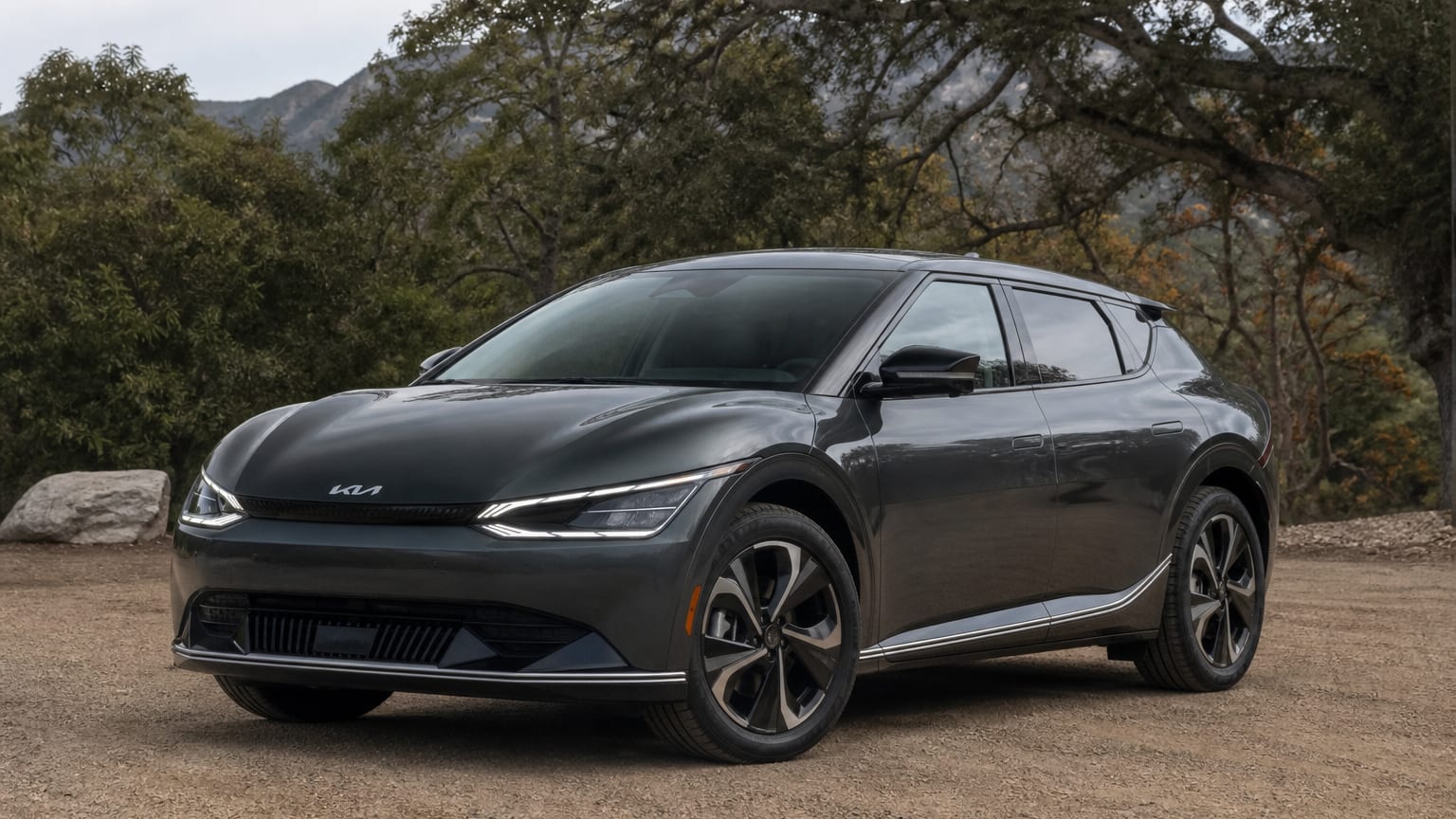
The Kia EV6 debuted in 2022 as Kia’s first dedicated electric vehicle platform (E-GMP), featuring 800-volt architecture for ultra-fast charging, AWD options, and up to 310 miles of range. All years share the same platform but have different recall and complaint profiles.
| Model Year | Generation | Verdict | Notes |
|---|---|---|---|
| 2022 | 1st gen (launch) | Avoid | 403 complaints; 220.8 per 10K sold; ICCU recall; highest risk without completed repairs |
| 2023 | 1st gen | Best | 184 complaints; 97.5 per 10K sold; significant improvement; ICCU recall applies |
| 2024 | 1st gen | OK/Mixed | 102 complaints; 47 per 10K sold; ICCU recall applies; some 12V battery issues |
| 2025 | 1st gen (refreshed) | Best | 64 complaints; 49.5 per 10K sold; updated components; improved 12V reliability |
Most common Kia EV6 problems
Electrical system problems account for 351 NHTSA complaints — nearly half of all complaints filed for the EV6. The ICCU failure is the single most documented defect.
1. ICCU (Integrated Charging Control Unit) failure
Kia recalled all 2022-2024 EV6 models because the Integrated Charging Control Unit may become damaged and stop charging the 12-volt battery. When this happens, the vehicle can lose motive power entirely, stranding owners and creating crash risks.
The ICCU manages power flow between the high-voltage battery and the 12-volt auxiliary system. When it fails, warning lights may appear, charging may stop working, and the vehicle can eventually become completely inoperable. Kia’s remedy involves inspection and, if needed, replacement of the ICCU and fuse, plus updated software.
This is the single most important item to verify before buying any 2022-2024 EV6. Run the VIN through NHTSA’s recall checker and confirm the ICCU recall is marked complete.
2. 12-volt battery failures
Beyond the ICCU issue, some owners report repeated 12-volt battery failures requiring multiple replacements. Early 2022 and some 2024 models shipped with lead-acid 12-volt batteries that proved less durable than needed. Some owners have upgraded to AGM batteries for improved reliability.
If buying used, ask for 12-volt battery replacement history and verify whether the vehicle has an original or upgraded unit.
3. High-voltage battery electrode defect (July 2026 recall)
In July 2026, Kia recalled a very limited number of 2022-2024 EV6 vehicles (7 units) because certain battery cells may contain misaligned electrodes, which can cause an internal short circuit and fire risk. Owners were advised to park outside and limit charging to 80% until the battery pack is replaced.
While this recall affects very few vehicles, it underscores the importance of checking VIN status before purchase. The remedy is free battery pack replacement.
4. Charging and range issues
Some owners report issues with the EV6’s 800-volt charging system, including DC fast charging not working properly, slower-than-expected charging speeds, or the vehicle refusing to charge at certain stations. Software updates have addressed some but not all of these issues.
5. Braking system concerns
The EV6 has 23 NHTSA brake-related complaints with a 21.7% crash-involvement rate — higher than other categories. Owners describe regenerative braking inconsistencies and unexpected braking behavior. While not a recall-level defect, it’s worth testing during a pre-purchase inspection.
Which Kia EV6 years should you avoid?
The Kia EV6 year to avoid is 2022 without verified recall completion. It has 403 NHTSA complaints at a rate of 220.8 per 10,000 vehicles — more than double any other year. The ICCU recall covers this model year, and unrepaired vehicles pose a stranding risk.
That said, a 2022 EV6 with completed ICCU recall work is not inherently a bad vehicle — it just requires more due diligence than a 2023 or 2025.
| Kia EV6 Generation | Model Years | Verdict | Main Issues |
|---|---|---|---|
| 1st gen (launch) | 2022 | Worst (if unrepaired) | ICCU failure, 12V battery drain, highest complaint rate |
| 1st gen | 2023, 2024 | OK/Best | ICCU recall still applies; improved reliability; verify recall status |
| 1st gen (refreshed) | 2025 | Best | Updated components; improved 12V system; lowest complaint rate |
Worst Kia EV6 year: 2022 (without verified recall completion)
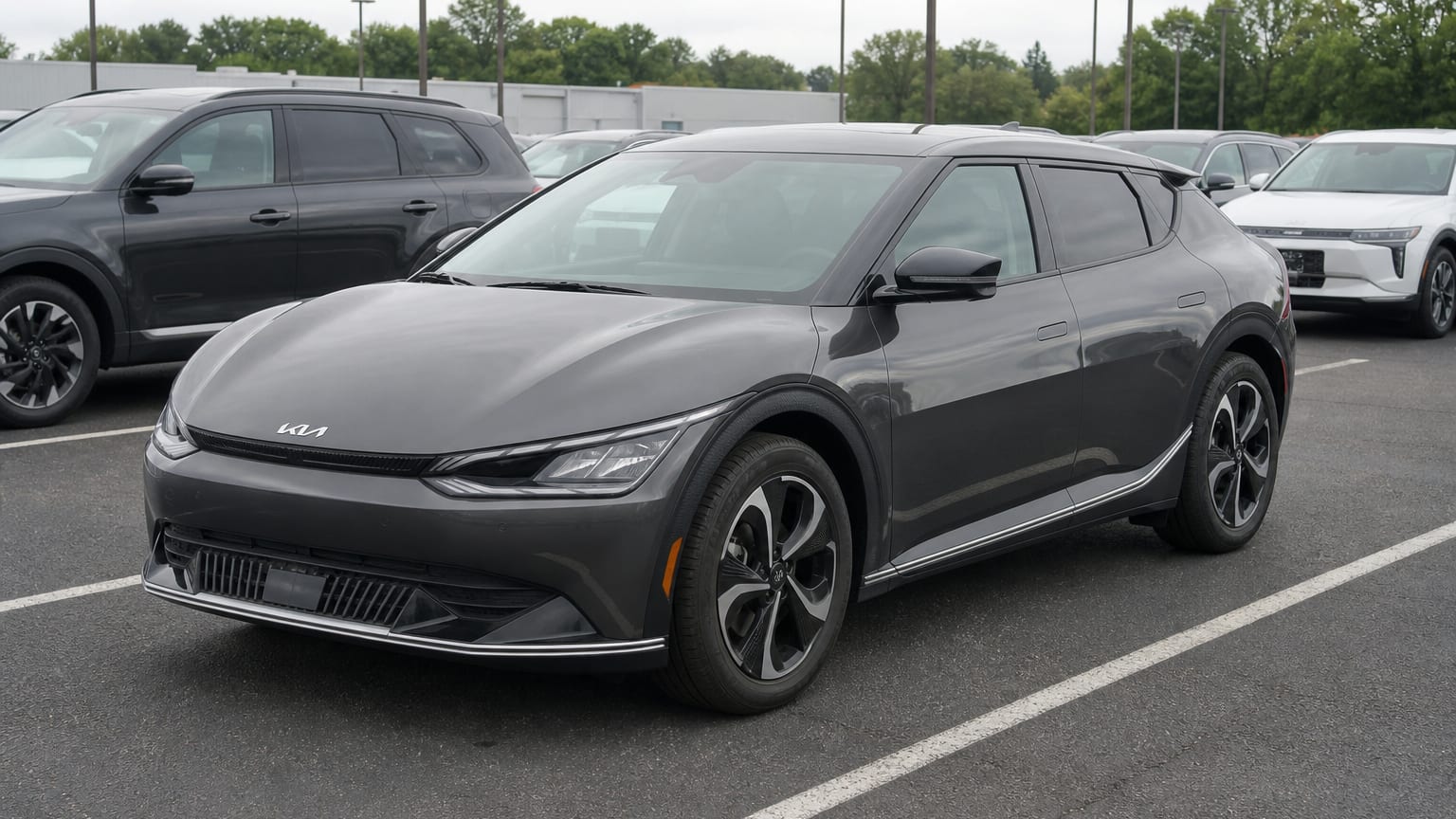
First-generation Kia EV6 (2022)
The 2022 Kia EV6 was the launch year and accumulated complaints at more than double the rate of any other year. The ICCU failure issue is concentrated in early-build 2022 vehicles. If you’re considering a 2022, treat any vehicle without completed ICCU recall work as a hard pass until it’s fixed.
What are the best Kia EV6 years to buy?
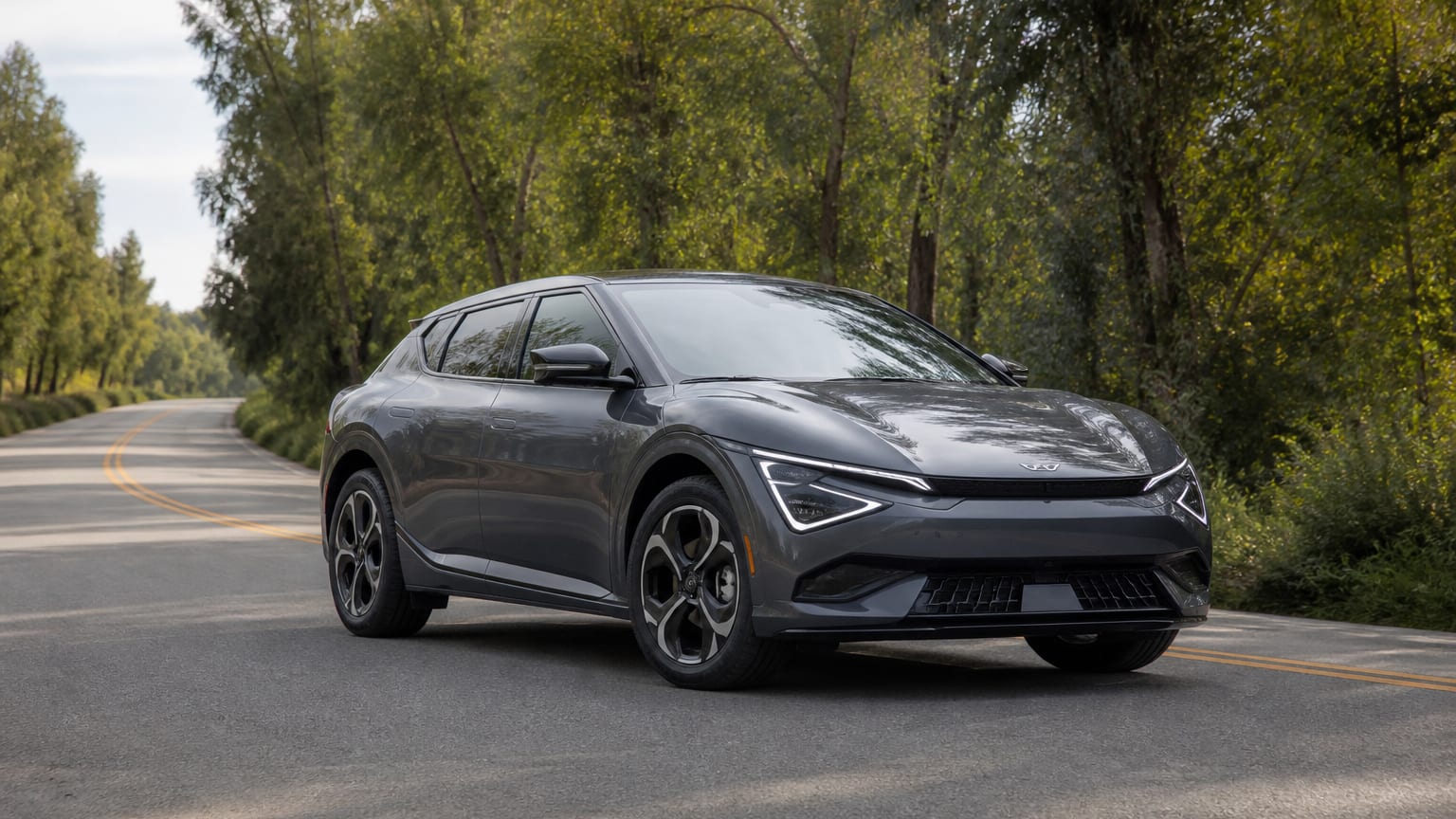
The best Kia EV6 years are 2023 and 2025. The 2023 model shows a dramatic improvement in complaint rate over 2022. The 2025 model has updated components and improved 12-volt battery reliability.
| Best Kia EV6 Year | Why It's a Strong Buy |
|---|---|
| 2023 | 184 complaints; 97.5 per 10K sold; half the complaint rate of 2022; best value |
| 2025 | 64 complaints; updated components; improved 12V reliability; lowest risk |
Most reliable Kia EV6 years: 2023, 2025
2023 Kia EV6
The 2023 EV6 shows a dramatic improvement over the launch year, with the complaint rate cut in half. The ICCU recall still applies, so verify it’s completed, but the overall reliability profile is much stronger. It represents the best value for used buyers.
2025 Kia EV6
The 2025 EV6 has updated components and improved 12-volt battery reliability. With 64 complaints and a rate of 49.5 per 10,000 sold, it’s the lowest-risk option in the lineup. If budget allows, this is the safest used pick.
Kia EV6 pre-purchase checklist
Before buying any used Kia EV6, run through this model-specific checklist:
- Run the VIN through NHTSA’s recall checker. Confirm the ICCU recall (all 2022-2024 models) is marked complete. Do not proceed without this verification.
- Check for the July 2026 battery electrode recall. While it affects only 7 vehicles, verify your VIN is not on the list.
- Check 12-volt battery health and replacement history. Ask for records of any 12-volt battery replacements. Early 2022 lead-acid batteries have proven less durable.
- Test DC fast charging if possible. Connect to a DC fast charger and verify the vehicle accepts a charge and displays accurate charging speeds.
- Verify software is up to date. Ask the dealer for the current software version and whether any pending updates exist.
- Test regenerative braking. Drive the vehicle and verify regenerative braking behaves consistently with no unexpected surges or hesitation.
- Check battery state of health. Request the current SOH reading from a Kia dealer. This indicates how much range capacity remains versus the original specification.
Better alternatives to consider
If the Kia EV6 years in your budget fall on the avoid list, consider these alternatives:
- Hyundai Ioniq 5 - same E-GMP platform with different styling and similar recall profile; cross-shop complaint records
- Tesla Model Y - the best-selling EV globally with a mature platform and extensive Supercharger network
- Ford Mustang Mach-E - American competitor with strong reviews and a growing charging network
- Volkswagen ID.4 - a well-reviewed EV with competitive pricing and strong build quality
Is the Kia EV6 worth buying?
Yes, the EV6 is worth buying if you verify recall completion and choose a 2023 or 2025 model year. The EV6 offers exceptional performance, ultra-fast 800-volt charging capability, and an award-winning design. It’s one of the most capable and efficient EVs on the market.
However, the ICCU recall affecting 2022-2024 models is not optional — it addresses a defect that can strand you. Run the VIN through NHTSA’s recall checker, verify 12-volt battery health, and check battery state of health before any purchase.