

Honda Ridgeline is a great used pickup option to go for, but buying a reliable model might not be as easy as it seems due to several problematic years. While it's a Honda and mostly dependable truck, we've laid out some common problems and years to avoid to get you and your purchase decision on the right path.
To do that, our seasoned team of automotive experts considered all the reports - from Honda Ridgeline safety ratings to reliability records and complaints, and up to recent recalls. This guide on the best years to buy and worst Honda Ridgeline years to avoid will fill you in on the details and serve as buying advice, so let us give you some important updates.
How we rated the best and worst Honda Ridgeline years
As the only current pickup truck offered by Honda, the Ridgeline proved to be a reliable option overall, but our team noticed some discrepancies as we went through the NHTSA reports. We saw that certain model years are plagued by issues that tend to repeat from one model to another, so we considered those reports while making this guide.
Also, we had to follow up on the car’s overall safety by going through IIHS records and we’ll share our findings with you in this guide. To make sure that our ratings are completely correct, we also compared the details we found with trustworthy Ridgeline sources including ratings of specific model years on Edmunds, Kelley Blue Book, and Consumer Reports.
Last but not least, our team also dedicated some time to scrolling through the forums in pursuit of commonly reported issues and some additional pieces of information. We’ve since rechecked every model year against the owner complaints filed with NHTSA, and the best and worst years below follow those numbers:
| Honda Ridgeline Generations | Best Honda Ridgeline Years | Worst Honda Ridgeline Years |
|---|---|---|
| 1st generation | 2009, 2013, 2014 | 2006 |
| 2nd generation | N/A | 2017, 2019 |
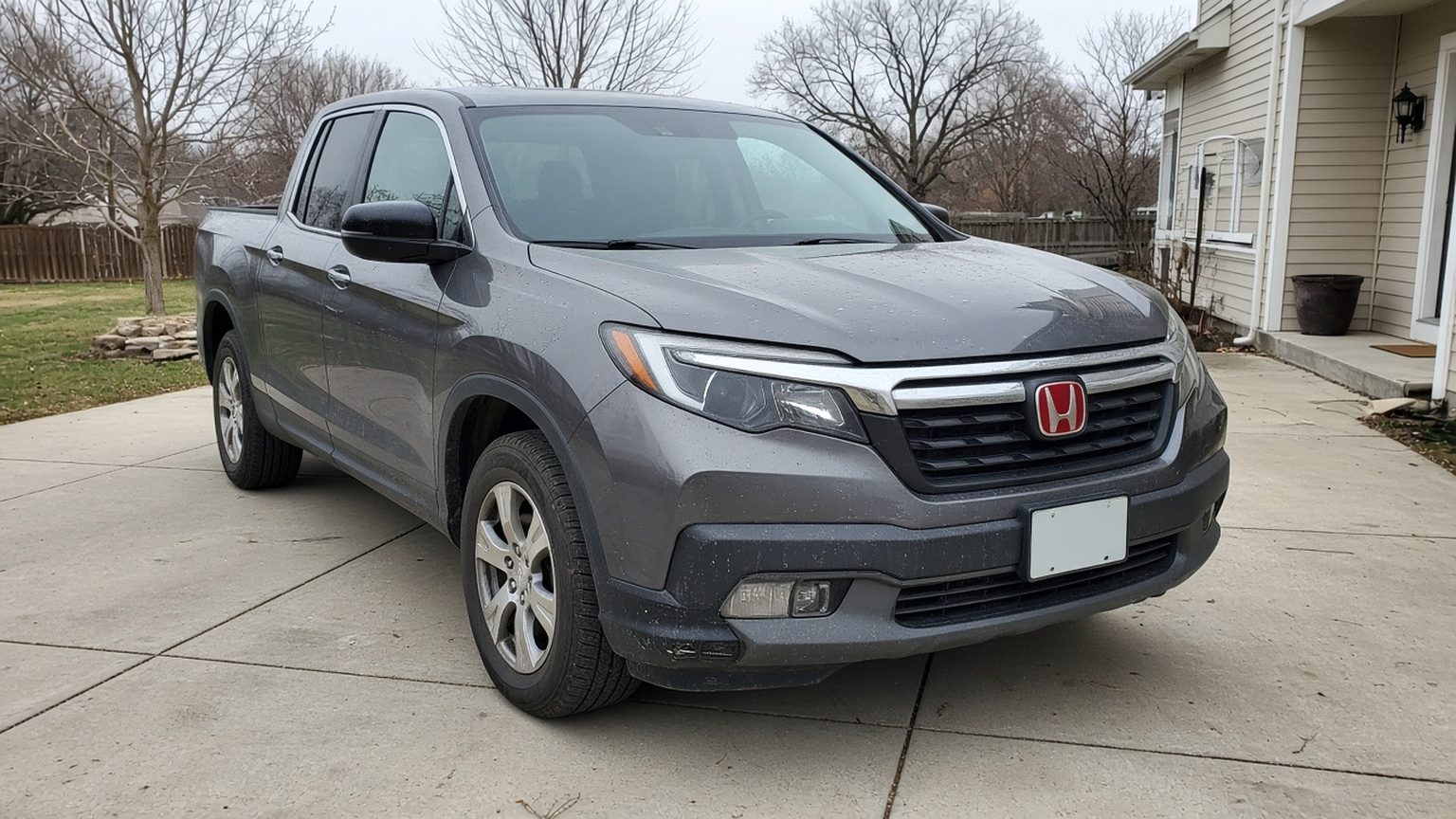
Most common Honda Ridgeline problems
If you want to have an easier time driving and maintaining your Honda Ridgeline, it’s crucial to avoid the model years that faced common problems and received some criticism. That’s why we’ve done the homework for you so you can take a look at the most commonly reported Ridgeline issues as found by our experts below:
1. Chipped paint
Many Ridgeline drivers complain about the paint chipping easily in areas prone to scuffing. If you spend a lot of time off-road, this will escalate into a bigger problem for you in no time. The rocks and other debris the truck would be exposed to on the track would help widen the chipping.
Repairing the chipping to return the car to its former glory is tricky, and most drivers fall into this trap not knowing what paint correction is. Therefore, if you must take the Ridgeline on an off-road adventure, getting a good set of rock guards or mud flaps would be in your best interest to prevent damage.
2. Electrical problems
The Ridgeline comes with many electronics. Some of these electronics were prone to breaking at certain times. For instance, the screen of the center console could easily be broken, causing other features like Bluetooth and the audio system to be inaccessible until the screen is replaced.
Also, drivers complained that the headlights stopped working after a few years of usage. Non-functional headlights are a safety hazard as they make it difficult to see at night. Headlight complaints with NHTSA are most common on the 2022 and 2023 Ridgeline (30 and 39), and there’s no recall for them, so check that the headlights work before you buy.
3. Broken fuel pump
The fuel pump of the Ridgeline is prone to damage primarily by corrosion, and Honda recalled 2017 to 2019 trucks (19V-053) because exposure to acids such as road salt can damage the pump. When it does break, the engine would not have access to gas, making it unusable. You must take precautions to prevent this issue from happening, especially if you reside in an area where rust is prevalent. Another common situation that drivers have faced is the problem with signs of a bad fuel pump relay which may lead to a stalling pump.
Broken fuel pumps are one of the most expensive repairs you can do on the Ridgeline. Getting a fuel tank liner to prevent rust would save you a good amount and some stress.
4. Engine issues
Ridgeline engines are durable, but they still have issues that are bound to happen. Engine problems show up most on the 2006 model and on the 2017, which has the most engine complaints with NHTSA (97). The most common one is broken valve springs.
Broken valve springs present a very severe problem if not addressed on time. It causes the engine to misfire and can damage the engine’s catalytic converter and other components. It would help if you stuck to an efficient maintenance schedule so you would not have to spend so much on repairs caused by noticing this problem late.
Also, the problem with the fourth cylinder going bad is one of the most common for the 2006 model year and in general when it comes to Honda Ridgeline engine issues.
5. Brake problems
Many Ridgeline drivers reported having brake problems due to malfunctioning anti-lock brake (ABS) systems. The sensors that monitor the speed of the wheels and remit relevant information to the ABS on how much brake to apply often get flawed or broken, causing the ABS to work erratically.
6. Broken torque converter
The function of the torque converter in the transmission is to convert the engine’s power into torque. If it gets damaged or broken, you will experience bad torque converter symptoms like vibrations, shuddering, and slipping, even when in overdrive. The vehicle will lag, and its drivability will be significantly reduced.
The Ridgeline is very prone to having this issue. It is expensive to fix, so it is best to invest more time in preventive maintenance arrangements than allow the vehicle to develop the problem on its own.
Worst Honda Ridgeline years to avoid
It’s no secret that the Honda Ridgeline is a reliable model, but there are few exceptions to that rule as you can clearly see from complaint reports. So, are you still wondering what are the worst Honda Ridgeline years to avoid?
The worst Honda Ridgeline years are 2017 and 2006, with 347 and 243 owner complaints filed with NHTSA, and here’s the full list:
- 2006
- 2017
- 2019
We’ll also tell you exactly why those years received worse rating than others in effort to help you pick the most reliable possible option.
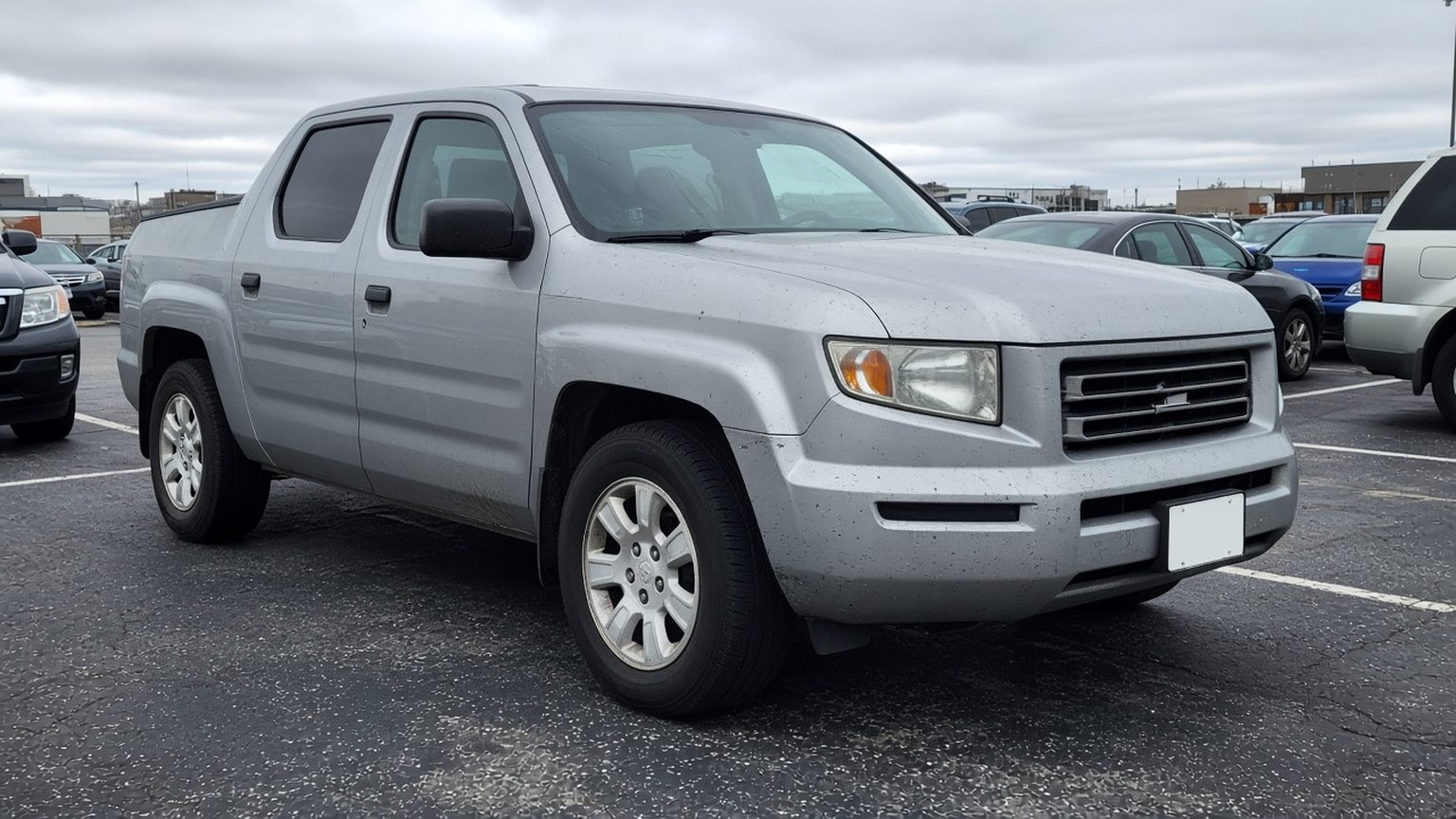
First-generation Ridgeline (2006 model year)
Like many other vehicles, the Ridgeline’s first models came with many problems. For this pickup, its first release was its worst one yet.
The fourth cylinder in the engine often failed prematurely, causing drivers to spend money on repairs. In severe cases, more than one cylinder would be affected.
Furthermore, the model also had issues with its HVAC system and airbags. Airbags are the biggest complaint area for the 2006 with NHTSA (63 complaints), as the airbags may not deploy properly, so there was a major airbag system recall.
The 2007 model tried to make up for the problems the first model presented, but it still suffered from airbag problems, and some owners reported oil consumption and rust. With 160 complaints, though, it’s well below the 2006, and the 2008 (143) is better still, so we don’t list either as a year to avoid. Just make sure the airbag recalls have been done.
Second-generation Ridgeline (2017 and 2019 model years)
The 2017 model started the second generation of Ridgelines Honda produced. Unfortunately for the line, it followed in the footsteps of the 2006 model to become ranked the worst in its era.
Drivers had a lot of complaints, most of them bothering the vehicle’s electrical system. What was more frustrating was that mechanics had a hard time pinpointing the exact cause of most of its warning lights so they could fix it.
Faulty fuel injectors were another problem on this model as they frequently failed without warning.
The 2019 model is relatively new but already gives a wrong impression. The National Highway Traffic Safety Administration (NHTSA) has received 238 complaints about it, most of them about the fuel system (73) and the engine (43).
Drivers have noticed fuel odor in the car, indicating a problem with its fuel line or engine, and the 2019 is part of the fuel pump recall too. With these two serious problems that ultimately become a safety hazard, the 2019 Ridgeline is one model you should stay away from so you do not spend unnecessarily on repairs.
What are the best Honda Ridgeline years to buy?
Regardless of the problematic model years, the Honda Ridgeline managed to create the impression of a reliable pickup truck. Still, we’ll give you a few hints on the best Honda Ridgeline model years to buy, just to make sure you’ve got it right:
- 2009
- 2013
- 2014
These models are reliable, safe, and return good value for their price, with 34 to 45 NHTSA complaints each. The 2010 to 2012 are close behind. More recent versions come with the latest innovations to improve the driving experience, so we’ll take a look at the best models from both the first-gen and the second-gen models.
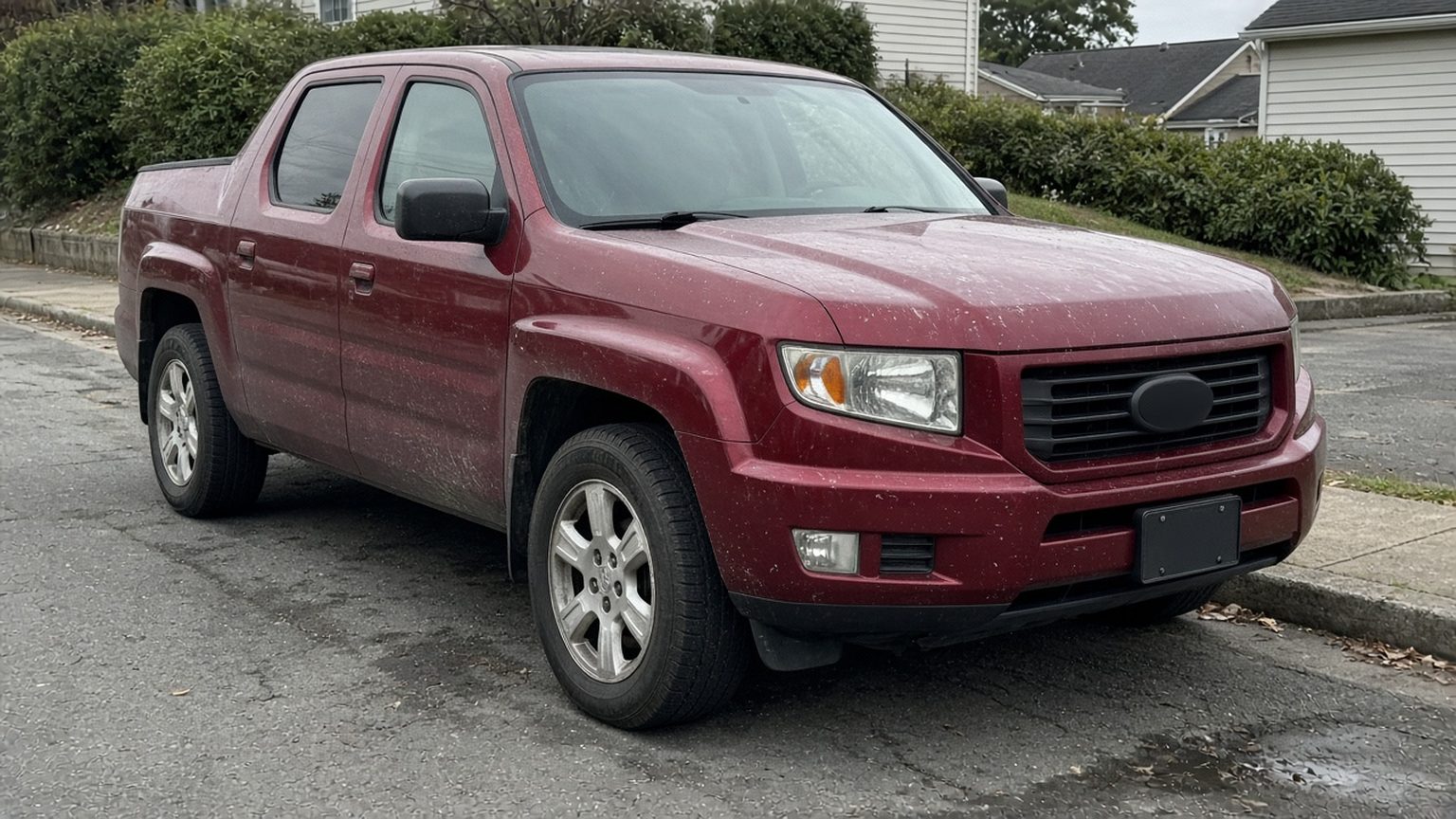
2012 Honda Ridgeline
The 2012 Honda Ridgeline is a special model in many things, including the extremely low amount of driver reports focusing on complaints and issues. It has only 24 NHTSA complaints, the fewest of any Ridgeline, though it’s covered by 12 recalls, so check the VIN before you buy. It proved to be reliable and dependable in the long run as it didn’t have any reported engine issues or problems with the transmission.
There were some problems with chipping paint and interior accessories, but nothing to worry about regarding the model’s general reliability.
2020 Honda Ridgeline
If you want a second-gen truck, the 2020 Honda Ridgeline is a fair pick, with 170 NHTSA complaints, about average for the generation and half the 2017’s count. It also received quite a decent rating on Edmunds and KBB.
Engine-related issues including the one with a faulty fourth cylinder were long gone by this point, so we advise you to get one of the later models of the second generation if you wish to get the most out of your truck.
Is the Honda Ridgeline worth buying?
The Honda Ridgeline is a great deal and is worth your money if you get any more reliable models. With the proper care and maintenance, it can last a long time.
Looking at durable and dependable trucks like the Ford Ranger, GMC Sierra, or Nissan Frontier? Each of these models brings strength and versatility to the table, but it’s important to note that not all model years are equally reliable.
What are the best years for Honda Ridgelines?
The best years for the Honda Ridgelines are 2009, 2013 and 2014, with the 2010 to 2012 close behind. The models of these years have better reliability ratings than the others and deliver better performances that reflect the true vision behind the Ridgeline.
What goes wrong with Honda Ridgelines?
The Ridgeline commonly suffers from problems with its electrical, engine, and braking systems. It also has a paint problem that can leave the vehicle structurally unfit if left to fester since it does not affect drivability.
How long should a Honda Ridgeline last?
With the proper care and maintenance, a Ridgeline lasts a long time and still delivers a superb performance.
Is the Honda Ridgeline reliable?
The Honda Ridgeline is generally considered to be a reliable truck. The right model year would serve you for many years without many complaints and breakdowns.