

As a highly reliable family 7-seater, the Honda Pilot makes a great pick, but even this premium SUV had some model years to avoid. Common issues like increased oil consumption and transmission faults made certain years of the Pilot less desirable for potential buyers, so our team will help with your buying decision.
We've ranked the best years to buy and worst Honda Pilot years to avoid based on NHTSA complaints, reports of previous owners, and recalls issued by Honda to fix common issues. We'll also give you the specifics on the most common issues that affected specific model years to be unreliable to help you get the most dependable Pilot model available.
How we rated the best and worst Honda Pilot years
Rating Honda Pilot years as best or worst wasn’t an easy task and our team wanted to provide only verified and proven information. That’s why we mostly relied on trustworthy driving safety organizations like NHTSA and IIHS for complaints, recalls, and safety ratings.
Once we went through the official reports, we also wanted to see what former and current Pilot owners had to say, which is why we compared that information with customer reviews. Finally, we also visited a lot of forum threads on Honda Pilot problems, years to avoid, and best years to buy, so that’s how we came up with this list:
| Honda Pilot Generation | Best Honda Pilot Years | Worst Honda Pilot Years |
|---|---|---|
| 1st generation | 2006, 2007, 2008 | 2003, 2004, 2005 |
| 2nd generation | 2012, 2014, 2015 | 2011 |
| 3rd generation | 2022 | 2016, 2017, 2019 |
| 4th generation | 2023, 2024 | N/A |
Most common Honda Pilot problems
Besides the first-generation transmission issues, the Honda Pilot had been through numerous recalls due to faulty airbags, body paint problems, and electrical issues. Also, there were some reports where drivers complained about the fuel injection system, so these are the main problems you can face by buying a used Honda Pilot:
1. Transmission problems
The only model year that came with significant transmission issues is 2003 and it’s no wonder since it’s the first production year of the Honda Pilot. The problematic transmission was a 5-speed automatic and this problem was luckily solved for the later model years.
Drivers have mostly complained about transmission slipping and harsh downshifts regarding this transmission, so it’s best to avoid the 2003 model year because of it. Problems of this nature could easily lead to expensive transmission repairs, which can be a big hit on an older SUV.
2. Aibag system recalls
Another crucial problem to consider before buying a used Honda Pilot is an airbag system failure. This issue was common for 2003 to 2008 Honda Pilot models, as well as the 2014 and 2015 models due to a faulty airbag module.
The frontal airbag module was suspected to cause inflator bag explosions in the front seating row. As a consequence, sharp metal fragments could pose a safety threat, and that’s the main reason behind the recall to replace the driver’s airbag inflator. Because of this, there were several major airbag recalls scheduled by Honda in 2006.
It’s therefore safe to buy recalled models, but it’s important first to check if the model you’ve got your eyes on has gone through the recall.
3. Electrical issues
While the airbag fault can be bad for driving safety, one problem that’s much less severe is an electrical issue. These problems were reported both for the second and third generation of the Honda Pilot, and the result was a recall of 2016 Honda Pilot vehicles to fix the issue.
The main problem was with false trouble codes that kept showing up on the dashboard. While false codes are common for many models, it’s dangerous in case something is truly wrong. On top of that, some instrument cluster issues caused the recall in 2015.
The instrument cluster was updated in those models, so they are now safe to buy as used.
4. Fuel injection problems
The third-generation Honda Pilot also faced some issues with the fuel delivery system. One of the common issues was the faulty fuel pump which often went out while driving. This caused a risk of engine stalling which posed a safety threat, so the recall happened in 2019.
Some of the model years that were most affected by this issue are the 2016, 2018, and 2019 model years. The low-pressure fuel pump within the fuel tank was mostly the culprit, and Honda replaced these pumps during the recall to fix the issue and ensure proper fuel injection.
Worst Honda Pilot years to avoid
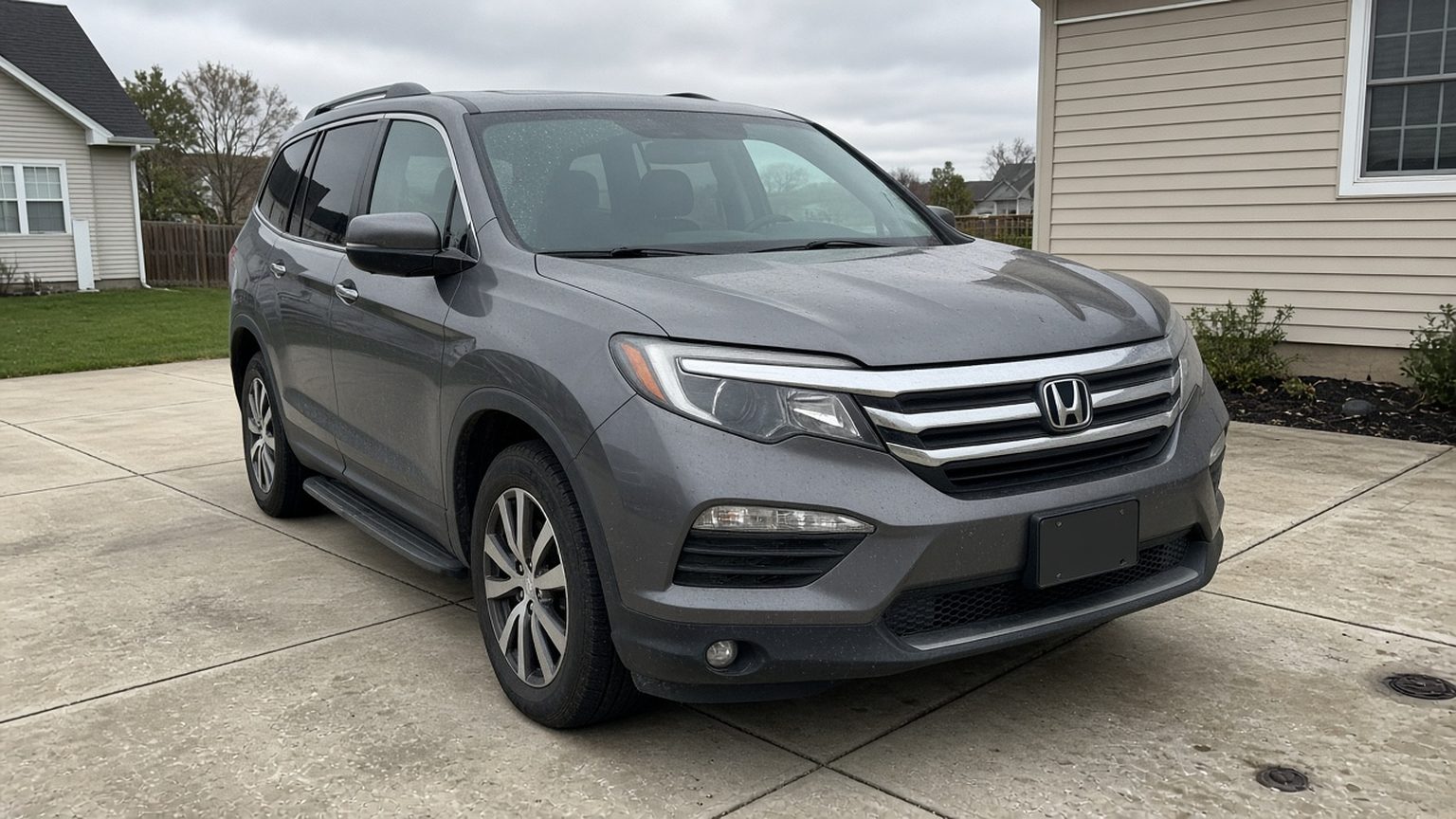
Now that you know about some of the main problems of Honda Pilot cars, it’s time to go over the model years you should avoid due to these issues. The biggest problem with these cars was the potential airbag risk, and it’s crucial to avoid the affected first-generation model years and to make sure any later Pilot, including the 2014 and 2015 models, has had its airbag recall work done.
Here’s a complete list of the model years to avoid based on airbags and all the other severe issues that we’ve mentioned:
- 2003
- 2004
- 2005
- 2011
- 2016
- 2017
- 2019
Honda did quite a few recalls with the different Pilot generations, so you should either go for a recalled model or avoid these model years completely:
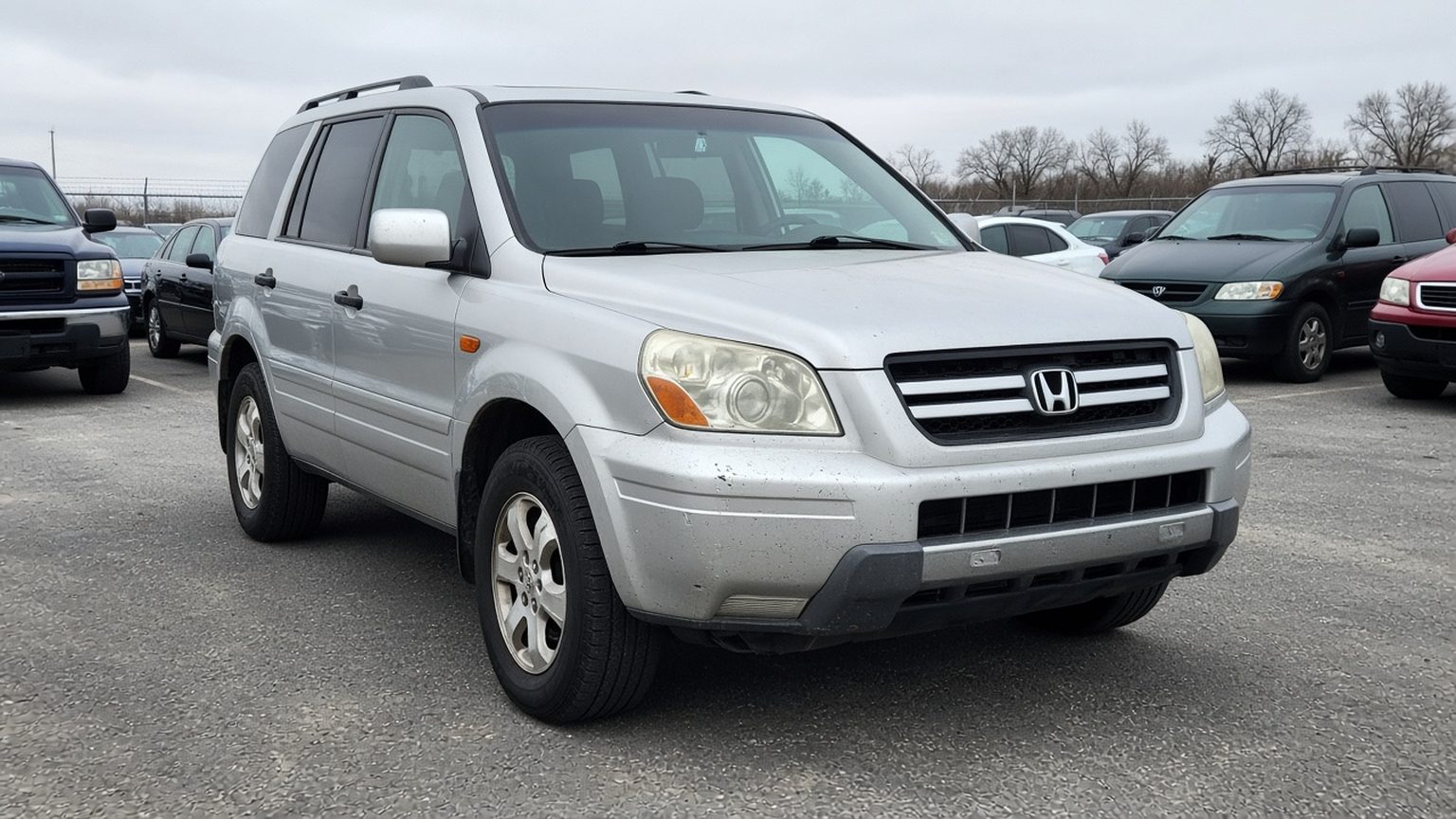
First-generation Honda Pilot (2003-2005 model years)
The first generation Honda Pilot didn’t live up to expectations mostly due to a 5-speed automatic transmission failing in the 2003 model. Luckily, this problem has been resolved for the later model years, but the 2005 model year has also proved unreliable.
It’s mostly due to electrical issues and the airbag risk which was later removed during the recall, but it’s still best to go around these model years. If you are buying a first-generation Honda Pilot, it’s best to go for a 2006 or later model year, with these problems being sorted out.
Second-generation Honda Pilot (2011 model year)
The second generation of the Pilot was sold from 2009 to 2015 and it features some of the most reliable models of the car. The one to skip is the 2011, which drew about 290 NHTSA complaints, more than double the 2009 or 2010.
The main reason for this is the problem with electrical features, warped brake discs, and body paint that quickly started to peel off. While these models didn’t have any significant problems like engine or transmission issues, it’s still a good idea to go for later model years of this Pilot generation.
Third-generation Honda Pilot (2016, 2017 and 2019 model years)
Due to the common problems regarding faulty airbag inflators, electrical issues, and fuel pump problems, the 2016 and 2017 model years suffered a lot of criticism. The 2016 drew about 1,700 NHTSA complaints, more than any other Pilot year, and the 2019 (about 920) is right there with the 2017 (about 940). It’s a safer option to go with the later models of the third generation to avoid having to inquire about the recall information and whether the airbag fault has been fixed.
Also, these models suffered a lot of electrical issues, especially concerning the instrument cluster, so that’s another thing to consider before buying. There were also some issues with paint peeling off on some Pilot models, starting with the second-gen 2014 model year and carrying on into the third generation.
What are the best Honda Pilot years to buy?
Two decades have passed since the Honda Pilot arrived for the 2003 model year, and there have been some great model years along with those few bad ones that we mentioned. So, if you are still wondering what are the best Honda Pilot years to buy, the best Pilot years are as follows:
- 2006
- 2007
- 2008
- 2012
- 2014
- 2015
- 2022
- 2023
- 2024
The first-generation car’s main problems, like faulty transmission or airbag faults, have mostly been sorted out for the 2006 model year. Second-generation issues like peeling paint and electrical faults aren’t as much of a safety risk, and the second-generation has proved reliable.
So, we’ll discuss the most reliable model years from both of these generations - the 2007 and 2014 Pilot.
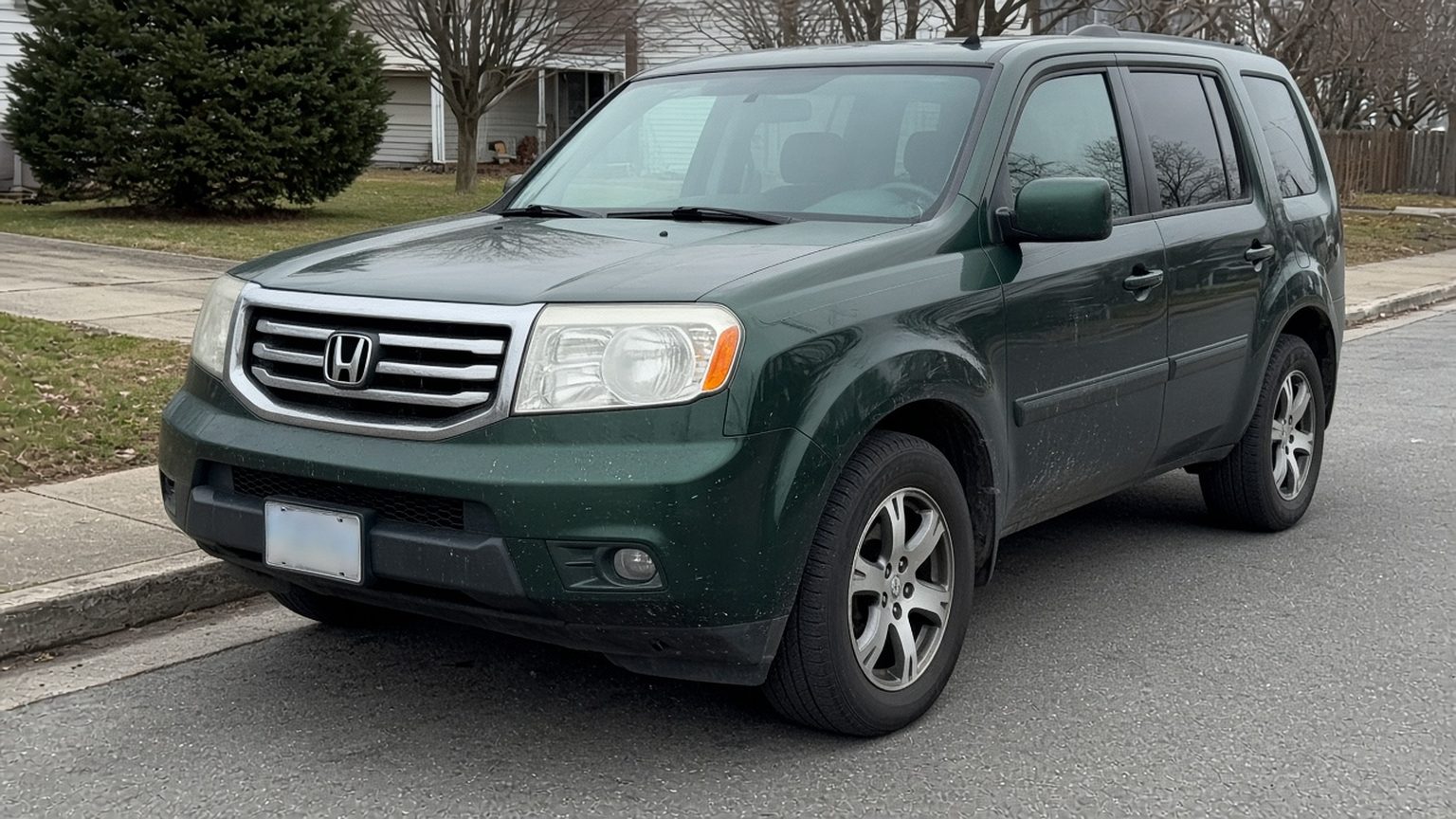
2007 Honda Pilot
While the first generation of the Pilot mostly featured problematic model years, that didn’t go for all the options. Out of all these, the 2007 Pilot stands out. It drew about 210 NHTSA complaints, far fewer than the 2003 to 2005 models, and it largely skipped the transmission failures of the early years. It still shares the first-gen airbag recalls, so check that they’ve been done.
Instead, it had some slight problems with windows and windshield cracks, as well as body/paint issues. However, it’s a pretty safe bet regarding all the driving safety features and main mechanical systems including the automatic transmission.
2014 Honda Pilot
While the 2014 Pilot was affected by the peeling paint problem, it turned out to have the least complaints overall among second-gen Pilot models. Its reliability is reflected through a low number of driver complaints and the model has only been recalled due to common issues of the second-gen models related to faulty airbags.
Other than that, it’s a pretty safe option to go with since its engines and transmission were mostly dependable.
Is the Honda Pilot worth buying?
The Honda Pilot is a solid mid-size SUV, and most of its trouble is tied to specific model years.
Hopefully, this guide will help you stay away from those problematic model years and pick the most reliable ones like the 2014 and 2015 Honda Pilot.
Combining real driver feedback with exhaustive analysis, our purpose is to simplify your car selection process. If you’re looking to navigate around the less favorable model years, our detailed examinations of Mazda CX-9 years to avoid, Toyota Highlander years to avoid, and Ford Explorer years to avoid highlight the periods to pass over. Embark on your quest for the ideal car, bolstered by the comprehensive and insightful guidance from our reviews, to make a choice that stands the test of time and miles.
What year Honda Pilots are most reliable?
The most reliable Honda Pilot years include the 2008, 2014, and 2015 model years.
Which year Honda Pilot has transmission problems?
Honda Pilot had transmission problems in the 2003 model year with the 5-speed automatic gearbox.
What year is the safest Honda Pilot?
The 2021 Pilot earned a five-star overall rating in NHTSA crash tests, and so did the 2016 and 2019 models, so the third generation as a whole scores well.