
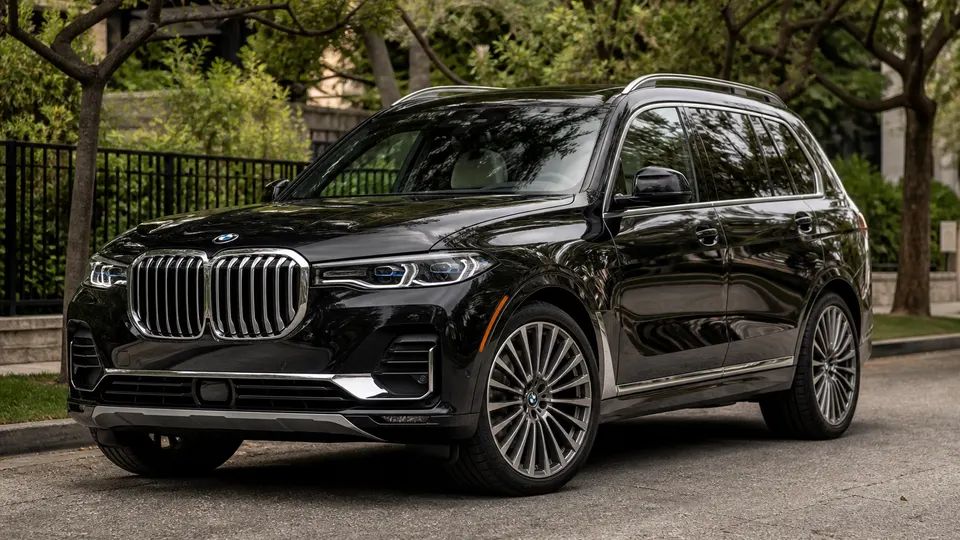
The BMW X7 is a capable, well-built full-size luxury SUV overall, but a handful of model years carry disproportionately high recall counts, repair costs, or complaint volumes that you should know about before buying used. This guide draws on data from NHTSA, CarComplaints, Consumer Reports, and RepairPal to rank every X7 model year and flag the specific problems that should give you pause. Knowing which years to skip - and which to target - can save you thousands of dollars in avoidable repairs.
At a glance
- Worst years
- 2019
- 2024
- Best years
- 2022
- 2023
- Top failure
- N63TU3 V8 oil consumption on 2019-2023 xDrive50i/M50i/M60i (TSB MC-10149960-9999)
- Always do before buying
- run the VIN through NHTSA's recall checker to confirm all open recalls are closed, and on any V8-equipped X7, check the oil level before the test drive
Recalls by year
Gray bands mark years the model was not produced.
How we rated the best and worst BMW X7 years
The 2019 and 2024 BMW X7 are the years to steer clear of, driven by the highest complaint counts and recall burdens in the model's short history.
We pulled data from NHTSA complaint and recall records, CarComplaints, RepairPal, Consumer Reports, and owner-forum reports. CarComplaints ranks the worst year by its PainRank algorithm, which weights repair cost and the mileage at which failures occur - lower mileage failures rank worse. NHTSA measures raw complaint volume filed by owners. These two metrics often point to different model years: CarComplaints rates the 2024 model year as worse because of higher repair cost or more problems at lower mileage, even though the 2019 BMW X7 has the most overall complaints on that site. NHTSA complaint volume is also highest in 2024, according to aggregated data. Keep both lenses in mind as you shop. Our editorial guidelines set out how we source and weight that data across every vehicle we evaluate.
| BMW X7 Generation | Best BMW X7 Years | Worst BMW X7 Years |
|---|---|---|
| First-gen G07 (2019-present) | 2022, 2023 | 2019, 2024 |
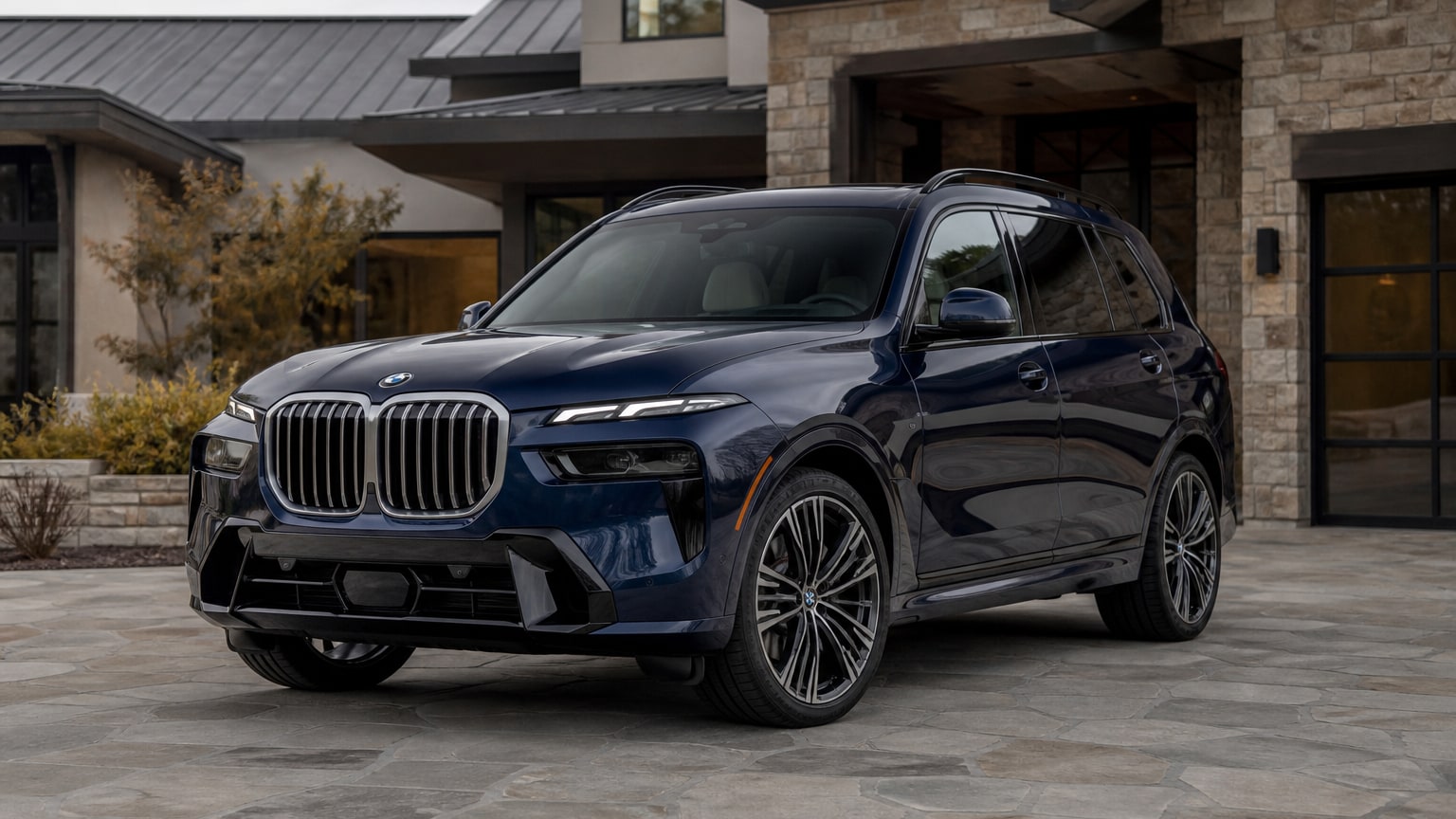
Every BMW X7 model year ranked
The BMW X7 has been sold as a single G07 generation since its 2019 debut, which means every year you can buy used falls within the same platform - the differences are in build-quality maturity, recall load, and software refinement.
| Model Year | Generation | Verdict | Notes |
|---|---|---|---|
| 2019 | G07 | Avoid | Most CarComplaints complaints; 10 NHTSA recalls; debut-year quality issues |
| 2020 | G07 | OK/Mixed | Elevated recall count; fire-risk starter recall (24V-576); improved over 2019 |
| 2021 | G07 | OK/Mixed | Consumer Reports rates below average; 9 NHTSA recalls; N63 oil-consumption risk on V8 |
| 2022 | G07 | Best | Fewest NHTSA complaints (11) and recalls (2); highest reliability score |
| 2023 | G07 | Best | Consumer Reports rates about average; 8 NHTSA recalls but mostly remedied |
| 2024 | G07 | Avoid | Worst CarComplaints PainRank; most NHTSA complaint volume; brake system recall; 72 CarComplaints complaints |
Most common BMW X7 problems
The single biggest failure on the X7 is N63TU3 V8 oil consumption on the xDrive50i, M50i, and M60i trims, a documented problem that BMW acknowledged in a TSB. Beyond that, air suspension compressor failure and brake system faults round out the top concerns across the model range.
1. N63TU3 V8 oil consumption and valve stem seal degradation (xDrive50i / M50i / M60i)
The N63TU3 4.4L twin-turbo V8 engine in X7 xDrive50i, M50i, and M60i models (2019-2023) suffers from premature valve stem seal degradation that causes excessive oil consumption, with repairs typically running $4,900-$12,000. The engine's "hot-vee" layout - where the turbochargers sit between the cylinder banks - generates extreme heat that breaks down the valve stem seals faster than normal wear would. You may notice blue smoke from the exhaust at startup, or your oil level dropping faster than expected between service intervals.
Oil consumption of 1 quart per 1,000 miles or more is common, and BMW issued TSB MC-10149960-9999 acknowledging the issue. Separately, a class action settlement (SIB 01 21 18) covers oil consumption on earlier N63 engines in X5, X6, and 7 Series models and provides diagnosis procedures; the X7's N63TU3 variant is addressed in TSB MC-10149960-9999. The repair is extremely labor-intensive, requiring cylinder head removal. Before buying any V8-powered X7, check the oil level cold, watch for blue exhaust smoke at startup, and ask for all service records showing oil top-offs between changes. A drivetrain malfunction warning on a V8 X7 can sometimes trace back to oil starvation from this failure.
2. Air suspension compressor failure
On the 2019-2026 BMW X7, the two-axle air suspension system is prone to compressor failure, especially in hot climates or when regularly loaded to capacity, because the compressor works harder than in lighter vehicles due to the X7's weight, leading to premature burnout, and air spring leaks exacerbate the problem. Symptoms include the vehicle sitting noticeably lower on one corner, a grinding or whirring noise from the compressor, or a dashboard warning about the suspension.
Air suspension compressor failure costs $1,500-$3,500 to repair, while a full air suspension compressor and strut failure runs $2,180-$5,000. This affects all trim levels since air suspension is standard equipment on the X7. If you are looking at a used X7, check that it isn't leaning or listing to one side, and look for worn-out parts like the air compressor or air struts. Test the ride comfort and suspension leveling during your test drive.
3. Starter motor fire risk (2019-2020 recall 24V-576)
BMW of North America issued a "park outside" recall for nearly 200,000 model year 2019-2022 BMW vehicles due to a risk of fire while parked or being driven. For the X7 specifically, the recall covers 2019-2020 BMW X7 xDrive40i vehicles, with approximately 19,992 vehicles manufactured with an engine starter of a certain production configuration.
The engine starter relay in the recalled vehicles may corrode, causing the relay to overheat and short circuit, which may cause a fire. NHTSA recall 24V-576 is the base campaign; a subsequent expansion (recall 24V-576, remedied under a later service action) requires owners who had the initial repair to return for a second fix. BMW is recalling certain 2019-2020 X7 and other vehicles because, after repeated attempts, the starter motor may overheat from an electrical overload, and dealers will replace the engine starter, free of charge. Before buying a 2019 or 2020 X7, confirm this recall has been completed on that specific VIN.
4. Integrated brake system (IBS) failure (2023-2024)
The integrated brake (IBS) system may malfunction and result in a loss of power brake assist or cause the Antilock Brake (ABS) and Dynamic Stability Control (DSC) systems to not function properly, and dealers will replace the integrated brake system, free of charge. This recall covers 2023-2024 X7 models and is the primary driver behind the 2024 X7's elevated NHTSA complaint volume.
A loss of power brake assist can extend the distance required to stop the vehicle, and malfunctioning ABS and/or DSC systems can cause a loss of vehicle control, either of which can increase the risk of a crash. NHTSA references recall numbers 24V-739 and 24V-104 in relation to these brake repairs on 2023-2024 X7s; vehicles previously repaired under the earlier campaign may need a second remedy. Verify this is resolved via the VIN lookup before purchase. A soft brake pedal or unexpected ABS activation at low speeds on a 2023-2024 X7 are the clearest early warning signs.
5. Coolant system leaks (xDrive40i B58 engine)
The plastic coolant expansion tank on B58-powered X7 xDrive40i models can develop hairline cracks causing slow coolant loss, as the tank material becomes brittle over time from heat cycling and pressure, often starting at the seam or near the cap mounting point, with repairs typically running $200-$600. The thermostat housing and coolant connections are also at risk.
The B58 3.0L turbo inline-6 in X7 xDrive40i (2019-2023) suffers from multiple coolant system failures, as the plastic expansion tank, thermostat housing, and coolant connections crack from heat cycling, causing coolant leaks and potential engine overheating. Check the coolant reservoir for staining or residue on a pre-purchase inspection, and look for a sweet smell from the engine bay. Coolant finding unexpected paths through the engine bay often precedes this failure becoming visible.
6. Panoramic sunroof rattle and creak
The most commonly reported issue across owner reports for the BMW X7 is panoramic sunroof rattle and creak, with 190 owner reports. This is not a safety-critical failure, but it is the most frequently mentioned annoyance across the entire model range (2019-present) and can be expensive to properly resolve. A related issue affects some 2020-2021 models: a problem with the roof function control unit allows the vehicle's sunroof to open or close even when the key fob is not present, which represents a specific security concern. This was addressed via a recall. Slide the sunroof open and closed several times during your test drive and listen for any creak or binding.
Checking a used BMW?
Scan for hidden fault codes from your phone in minutes — before you buy.
REREV may earn a commission if you sign up through this link. Learn more.
Which BMW X7 years should you avoid?
The BMW X7 years to avoid are 2019 and 2024.
Although the 2019 BMW X7 has the most overall complaints on CarComplaints, the site rates the 2024 model year as worse because of higher repair cost or problems appearing at lower mileage. On the NHTSA side, based on NHTSA complaint data, the most problematic year is 2024, with high complaint volumes linked to brake failures. The 2019 carries the heaviest recall burden as the debut year.
| BMW X7 Generation | Model Years | Verdict | Main Issues |
|---|---|---|---|
| G07 (2019-present), worst years | 2019, 2024 | Worst | Most complaints, most recalls (2019); brake failures, high repair cost (2024) |
| G07 (2019-present), mixed years | 2020, 2021 | Mixed | Elevated recalls; starter fire risk (2020); below-average Consumer Reports rating (2021) |
| G07 (2019-present), best years | 2022, 2023 | Best | Fewest recalls and complaints (2022); about-average reliability (2023) |
Worst BMW X7 years: 2019, 2024
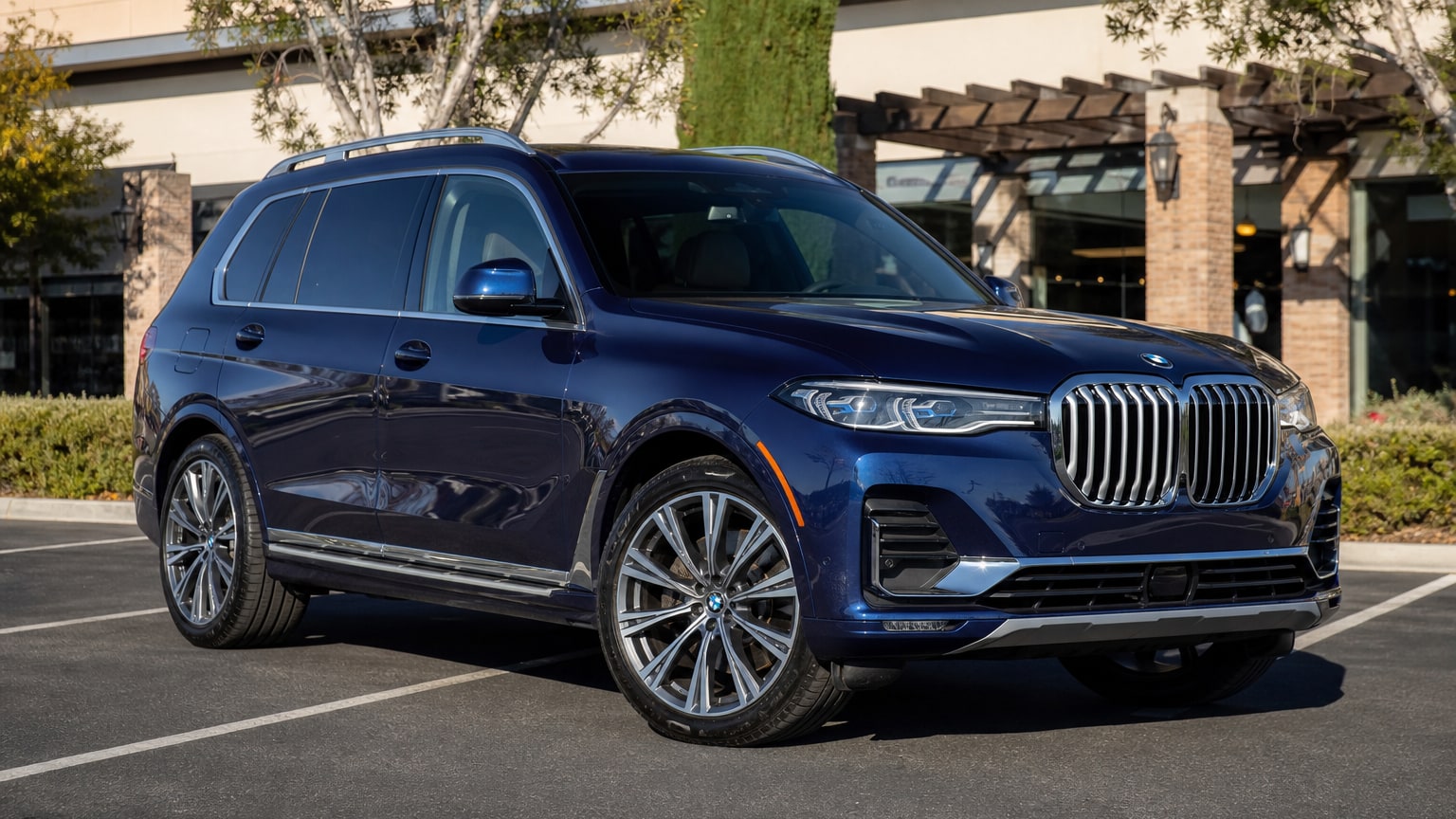
First-generation BMW X7 - worst years (2019, 2024)
The 2019 launch year is the one to approach most cautiously on the used market. BMW generally sees more recall activity in first model years, and the 2019 X7 had 10 NHTSA recalls. The 2019 BMW X7 earned a 1 out of 5 reliability rating from CarComplaints and carries numerous recalls and issues including electrical errors, accessory troubles, interior faults, and battery warning light problems. That debut recall load included a safety-critical airbag alignment issue (recall 19V-386000) where the driver and passenger head air bags may not have been properly aligned with the trim during installation, with the consequence that the head air bags may be impaired during deployment, increasing the risk of injury.
The 2024 model year presents a different problem profile. The 2024 BMW X7 has 72 problems and defects reported by X7 owners on CarComplaints, with the worst complaints in the accessories and interior category. The IBS brake recall (covering 2023-2024 models) is the dominant safety concern, and the elevated repair costs at relatively low mileage are what push 2024 to the top of CarComplaints' PainRank for the X7.
What are the best BMW X7 years to buy?
The best BMW X7 years to buy are 2022 and 2023.

| Best BMW X7 Year | Why It's a Strong Buy |
|---|---|
| 2022 | Fewest NHTSA complaints (11) and recalls (2); highest reliability score in the lineup |
| 2023 | Consumer Reports rates about average reliability; most debut-year issues resolved |
Most reliable BMW X7 years: 2022, 2023
2022 BMW X7
NHTSA data shows the 2022 model year had the fewest recalls (two) and the fewest complaints (11) overall across the X7 lineup. Among the years analyzed, the 2022 X7 achieved the highest reliability score of 90/100 with 2 recalls and 9 complaints. By this point BMW had addressed the major first-year electrical gremlins, and the IBS brake recall that would affect 2023-2024 cars had not yet appeared. The 2022 is the single safest pick if your budget allows it.
2023 BMW X7
The 2023 X7 has about average reliability compared to other cars from the same model year, according to Consumer Reports. The 2023 received a mid-cycle facelift (G07 LCI), bringing revised styling and updated technology, so you also get the freshest version of the first-generation platform. The 2023 BMW X7 has been recalled 8 times by NHTSA, which is higher than 2022, but the majority of those campaigns cover safety issues that dealers can remedy before you take delivery - verify the status on every recall via the NHTSA VIN recall checker before signing.
BMW X7 pre-purchase checklist
Before handing over any money on a used X7, run through these model-specific checks to avoid an expensive surprise.
- Run the VIN through NHTSA's recall lookup. Confirm every open recall - especially the starter fire recall (24V-576 on 2019-2020 models) and the IBS brake recall (2023-2024 models) - has been remedied before delivery.
- On any V8 model (xDrive50i, M50i, M60i), check the oil cold before the test drive. If the level is low between services or you see blue smoke at startup, TSB MC-10149960-9999 N63TU3 oil consumption may already be underway. Budget $4,900-$12,000 for the repair if so.
- Inspect the air suspension. Park the car on a level surface and look for any corner that sits lower than the others. Bounce each corner and listen for compressor noise. Air suspension repairs run $1,500-$5,000 depending on whether it's the compressor, struts, or both.
- Test the brakes firmly at low speed. On 2023-2024 X7s, confirm the IBS brake recall has been completed and that the pedal feels firm without unexpected ABS pulsation at normal stops.
- Check the coolant expansion tank. On B58 (six-cylinder) models, look for hairline cracks or residue around the seam and cap. The plastic coolant expansion tank on B58-powered xDrive40i models can develop hairline cracks causing slow coolant loss.
- Slide the sunroof open and closed. Listen for creaking, binding, or rattling. This is the most frequently reported owner complaint across all X7 years and can cost hundreds to resolve if the tracks or seals are worn.
- Ask for complete service records. Regular oil service is especially critical on the N63TU3 V8; a car with gaps in the service history raises the risk of accelerated valve seal wear. BMW X7 vehicles have 32 known recalls per RepairPal, with the most common recall involving power braking, anti-lock braking, and vehicle stability control system failures - confirm the paperwork shows these were addressed.
- Have a pre-purchase inspection done by an independent BMW specialist. A BMW X7 will cost about $20,420 for maintenance and repairs during its first 10 years of service, so paying $150-$200 for a thorough pre-purchase inspection is well worth it.
Better alternatives to consider
If the BMW X7 years in your budget land on the avoid list, consider these alternatives instead:
- BMW X3 - a smaller but closely related BMW platform with a more studied reliability record across a longer model run, useful if you can size down from the X7's three-row layout
- Ford Expedition - a full-size, three-row American alternative with broader parts availability and lower average annual repair costs than the X7
- BMW 7 Series - if the X7's V8 problems concern you but you still want BMW's flagship experience, the 7 Series shares engineering DNA and has a longer, better-documented reliability history
- Mercedes-Benz GLS - the X7's closest direct competitor in the full-size luxury three-row segment, with J.D. Power dependability data available for year-by-year comparison
Is the BMW X7 worth buying?
Yes, the BMW X7 is worth buying, as long as you target the 2022 or 2023 model years and avoid the 2019 and 2024. The 2022 X7 achieved the highest reliability score of 90/100 among analyzed years, with only 2 recalls and 9 NHTSA complaints - a strong result for a full-size luxury SUV. With consistent maintenance, most BMW X7 owners report 150,000 to 200,000 or more miles of service life. Run the VIN through NHTSA's recall checker before any purchase, and verify the full maintenance history, especially oil service intervals on V8 trims.