
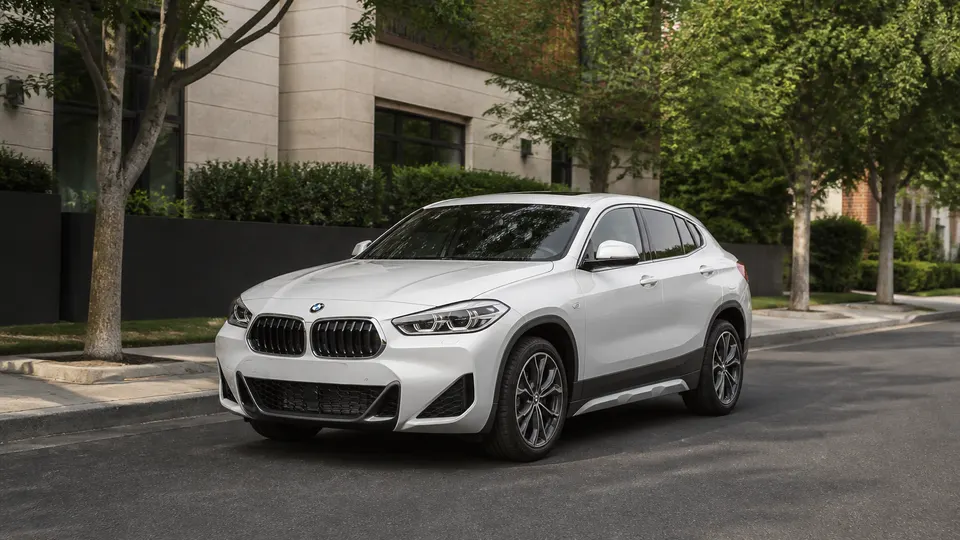
The BMW X2 is a well-designed subcompact luxury crossover that holds up reasonably well for its class, but the 2018 and 2019 model years carry a disproportionate share of complaints and recalls compared to later production. CarComplaints rates the 2018 BMW X2 as the worst model year, ranked on repair cost and average mileage when problems occur, and the most-reported problem is the early brake replacement light. This guide uses NHTSA complaint and recall data, CarComplaints PainRank scores, and owner-forum research to show you exactly which years to skip and which ones to seek out.
For generations, engines, and ownership notes in one place, see the BMW X2 hub.
At a glance
- Worst years
- 2018
- 2019
- Best years
- 2020
- 2021
- 2022
- Top failure
- Early brake wear indicator / brake system complaints, first-generation F39 (CarComplaints)
- Always do before buying
- Run the VIN through NHTSA's recall checker to confirm every open recall is closed, and on 2018-2019 cars inspect the steering tie rod recall completion status
How we rated the best and worst BMW X2 years
The BMW X2 F39 was produced from 2018 to 2023, replaced by the second-generation U10 platform. The first-generation F39 carries the bulk of the documented problems, with 2018 being the single worst year by CarComplaints' PainRank methodology.
This guide draws on NHTSA complaint and recall data, CarComplaints for the per-year complaint counts and PainRank repair-cost ranking, RepairPal for annual maintenance costs, J.D. Power for quality ratings, and owner discussions on Bimmerpost forums. CarComplaints ranks the worst year by repair cost and mileage at failure (its PainRank algorithm), while NHTSA shows raw complaint volume. Our years to avoid methodology combines these datasets so that a year with the highest NHTSA complaint count is not always the same as CarComplaints' worst year. The 2018-2023 BMW X2 has accumulated 19 NHTSA complaints in total, with the most frequently reported problem areas being Exterior, Electrical System, and Brakes.
| BMW X2 Generation | Best BMW X2 Years | Worst BMW X2 Years |
|---|---|---|
| 1st Gen (F39, 2018-2023) | 2020, 2021, 2022 | 2018, 2019 |
| 2nd Gen (U10, 2024+) | 2024 (insufficient data yet) | Insufficient data yet |
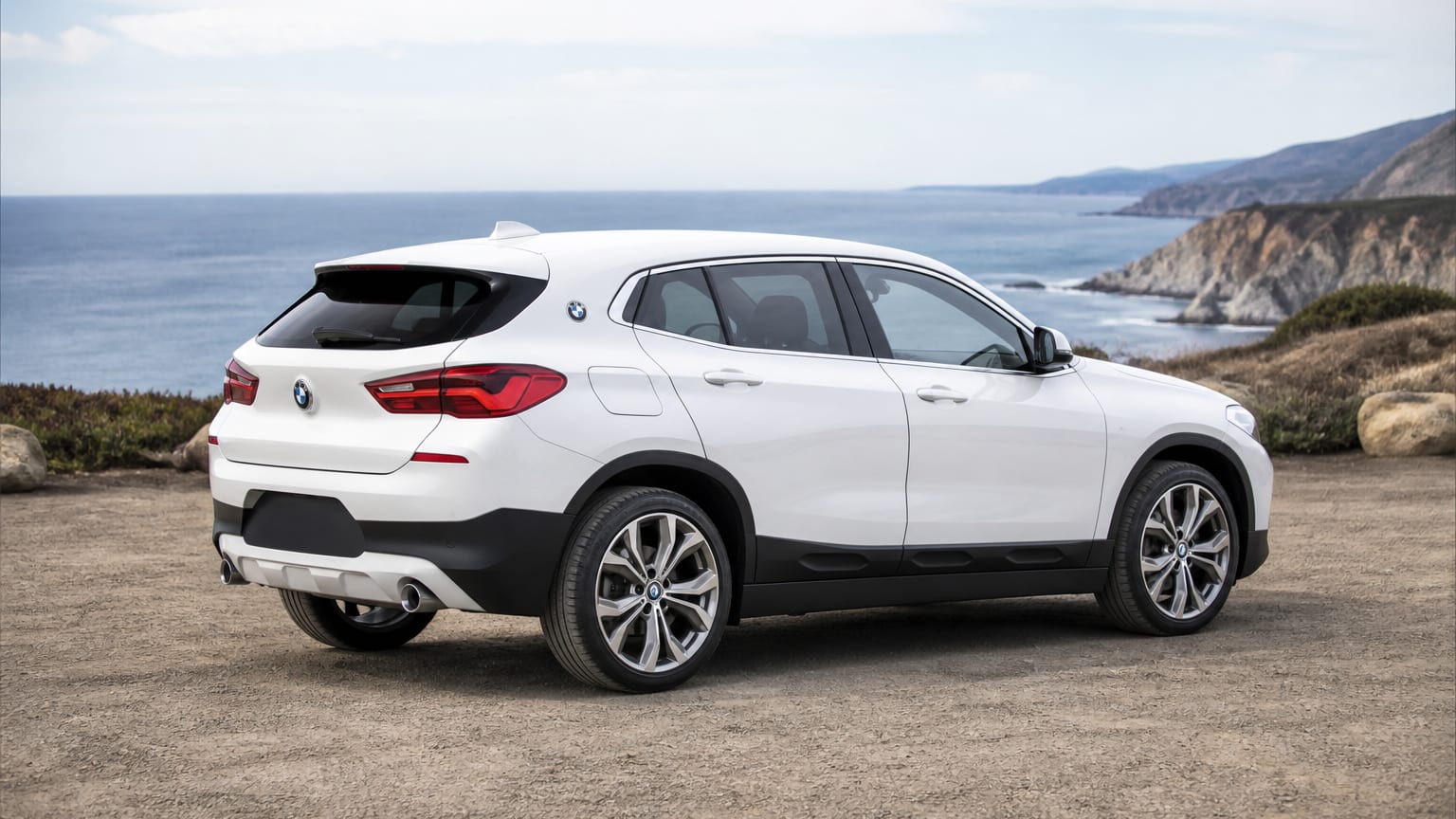
Every BMW X2 model year ranked
The 2018 BMW X2 stands out as the most problematic single year, while 2020-2022 represent the safest used-car buys from the first generation.
| Model Year | Generation | Verdict | Notes |
|---|---|---|---|
| 2018 | F39 (1st Gen) | Avoid | Most complaints on CarComplaints; worst PainRank; crankshaft recall; top brake complaints |
| 2019 | F39 (1st Gen) | Avoid | Steering tie rod recall (xDrive28i); 4 complaints on CarComplaints |
| 2020 | F39 (1st Gen) | Best | Mid-cycle refresh; 1 complaint on CarComplaints; airbag recall resolved |
| 2021 | F39 (1st Gen) | Best | Very low complaint volume; seat belt recall addressed |
| 2022 | F39 (1st Gen) | Best | Low complaint volume; updated iDrive 7 standard on more trims |
| 2023 | F39 (1st Gen) | OK/Mixed | Final F39 year; low complaints but aging platform |
| 2024 | U10 (2nd Gen) | OK/Mixed | New platform; recalled 2 times by NHTSA; too new for full reliability data |
Most common BMW X2 problems
The most frequently reported problem areas across the BMW X2 range are Exterior, Electrical System, and Brakes, with brake system issues being the single most common complaint category driving the 2018's worst-year ranking.
1. Brake system complaints and early brake wear indicators
The 2018 BMW X2 has the most overall complaints on CarComplaints, and the most-reported problem is the early indication of the brake replacement light. Owners report the warning activating far earlier than expected mileage, prompting brake pad replacements well before the pads are actually worn to minimum thickness. This appears to stem from overly sensitive brake wear sensors on the F39's first production run.
The 2018 BMW X2 has 20 problems and defects reported by X2 owners on CarComplaints, with the worst complaints covering accessories/exterior and brakes. Brake pad replacement at a BMW dealer typically runs $250 - $400 per axle. No NHTSA recall has been issued specifically for the brake wear indicator fault, but NHTSA lists service brakes among the top complaint categories for the model line.
On a pre-purchase inspection of any 2018 X2, ask for brake service records and check whether the wear sensors have been replaced or updated.
2. Steering tie rod failure (2019 xDrive28i)
BMW recalled certain 2019 X2 xDrive28i vehicles because the steering gear tie rod may have been assembled incorrectly, which may result in excessive wear of the tie rod end, eventually causing it to break. A broken steering tie rod can lead to a loss of vehicle control, increasing the risk of a crash.
BMW will inspect the vehicles and replace the tie rods and ball joints as necessary, free of charge; the recall began October 11, 2019. The NHTSA campaign number for this recall is 19V-601. Before buying any 2019 BMW X2 xDrive28i, confirm through the NHTSA VIN checker that this recall has been completed - it is a safety-critical repair.
3. Engine crankshaft sensor firmware (2018)
BMW's first X2 recall was issued on July 10, 2018, as the automaker indicated that a crankshaft sensor had incorrect firmware installed on it, which could cause the engine to stall. An engine stall at speed is a serious safety concern. The remedy is a software reflash of the crankshaft sensor, performed free of charge at any authorized BMW dealer.
This fault applies specifically to early 2018 production X2s. Confirm via the NHTSA recall checker that any 2018 X2 you inspect has had this reflash completed before purchase.
4. Plastic oil filter housing leaks (B48 engine)
The B48 engine uses a polycarbonate oil filter housing that is subject to a class action lawsuit for premature failure; the plastic housing and sealing gaskets become embrittled from repeated heating and cooling cycles, eventually cracking and leaking coolant or oil. When the gaskets soften and the plastic distorts, oil and coolant can intermix; replacing it before roughly 60,000 miles with an aluminum unit is advisable on Gen 1 cars.
At an independent specialist, replacement of the housing with an updated part costs around €400-700; BMW dealers typically charge €800-1,200 including the revised housing, gasket, and labor. In US dollar terms, dealer replacement generally falls in the $900 - $1,400 range. BMW issued a service bulletin (SIB 11 10 25) acknowledging the issue. This bulletin covers the oil filter housing replacement on B48-equipped vehicles and is the one manufacturer acknowledgment worth verifying before purchase.
5. Coolant system leaks
The plastic coolant expansion tank and hose connections are known weak points on the F39; hairline cracks or seeping fittings can develop around 40,000 to 60,000 miles, leading to slow coolant loss. Left unaddressed, a water pump failure or overheating episode can follow, turning a $150 - $300 expansion tank replacement into a much larger repair.
Coolant leaks can damage the X2's engine; if you notice the engine stalling or steam from beneath the hood, the coolant system may be defective. On any used F39 X2 above 40,000 miles, visually inspect the expansion tank and hose connections for white residue or staining before buying.
6. Infotainment system audio dropout
Some X2 owners have reported issues with the audio capabilities of their infotainment systems, noting that the system's audio goes out - an issue that may occur due to faulty wiring or a software glitch. This is most common on pre-refresh 2018-2019 cars running the earlier iDrive software version. A mid-cycle refresh in 2020 brought updated front and rear styling, revised interior trim, and the introduction of BMW's newer iDrive 7 interface on select trims, which resolved many of the software-related audio complaints.
Checking a used BMW?
Scan for hidden fault codes from your phone in minutes — before you buy.
REREV may earn a commission if you sign up through this link. Learn more.
Which BMW X2 years should you avoid?
The BMW X2 years to avoid are 2018 and 2019. CarComplaints rates the 2018 BMW X2 as the worst model year, ranked on repair cost and average mileage when problems occur; independently, NHTSA lists brakes, exterior, and electrical as the top complaint areas across the first-generation range. The 2019 earns an avoid verdict due to the safety-critical steering tie rod recall (19V-601) on the xDrive28i.
| BMW X2 Generation | Model Years | Verdict | Main Issues |
|---|---|---|---|
| F39 (1st Gen) | 2018, 2019 | Avoid | Brake complaints, crankshaft firmware recall, steering tie rod recall |
| F39 (1st Gen) | 2020, 2021, 2022 | Best | Post-refresh, low complaints, recalls remedied |
| F39 (1st Gen) | 2023 | Mixed | Final year, low volume, aging platform |
| U10 (2nd Gen) | 2024 | Mixed | New platform, too early for pattern data |
Worst BMW X2 years: 2018, 2019
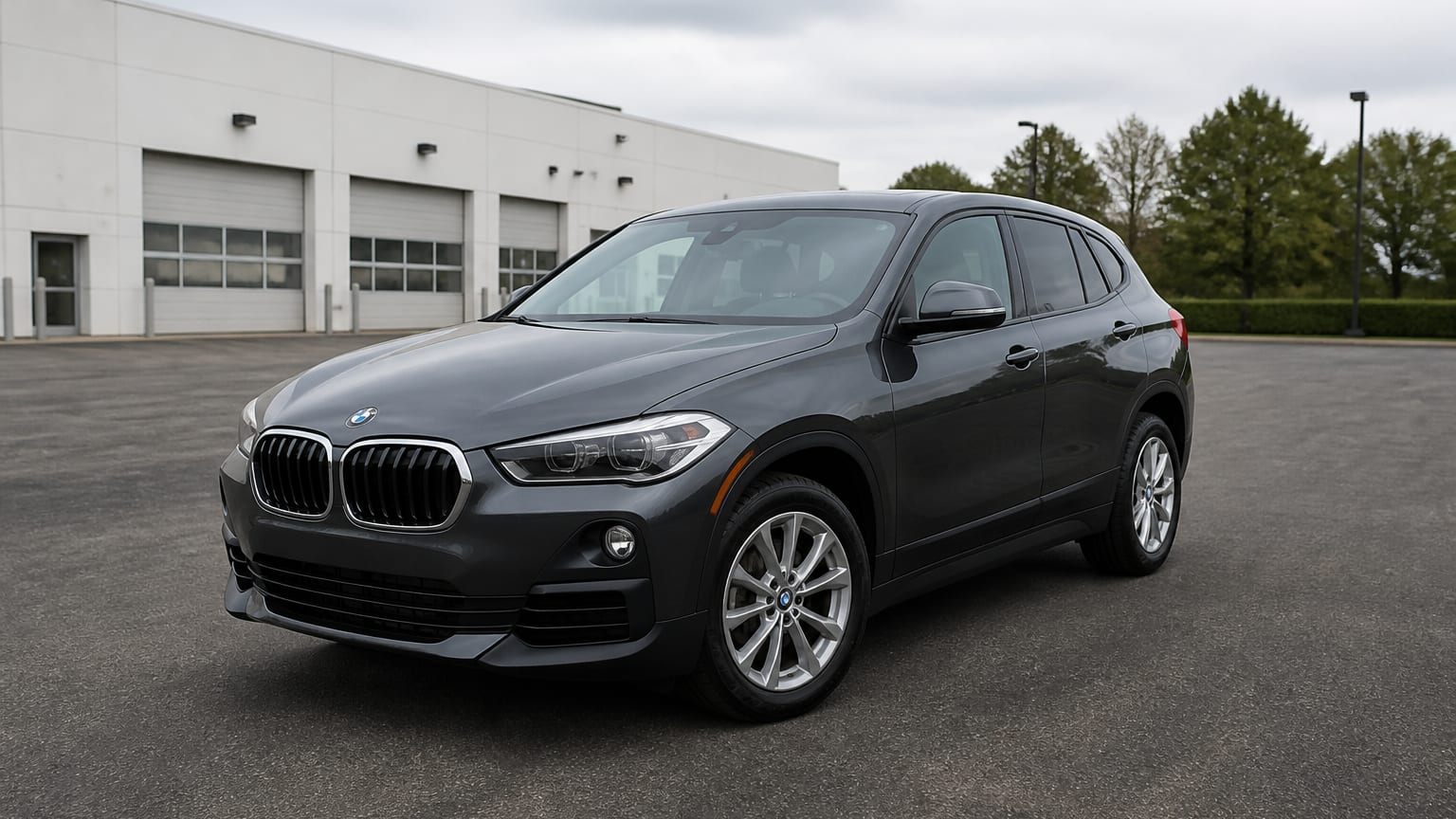
First-generation BMW X2 (2018-2019)
The 2018 BMW X2 has 20 problems and defects reported by X2 owners on CarComplaints - the highest count of any single BMW X2 model year. Brake system complaints dominate, with owners reporting the brake wear indicator light triggering prematurely and pushing unneeded pad replacements. BMW's first X2 recall, issued July 10, 2018, addressed a crankshaft sensor with incorrect firmware that could cause the engine to stall.
The 2019 BMW X2 has 4 problems and defects reported on CarComplaints, with the worst complaints covering lights. The bigger concern for 2019 buyers is the steering tie rod recall (19V-601) affecting xDrive28i models: BMW recalled certain 2019 X2 xDrive28i vehicles because the steering gear tie rod may have been assembled incorrectly, which may result in excessive wear of the tie rod end, eventually causing it to break. Confirm this recall is closed on any 2019 xDrive28i before purchase - NHTSA's VIN lookup takes under two minutes.
What are the best BMW X2 years to buy?
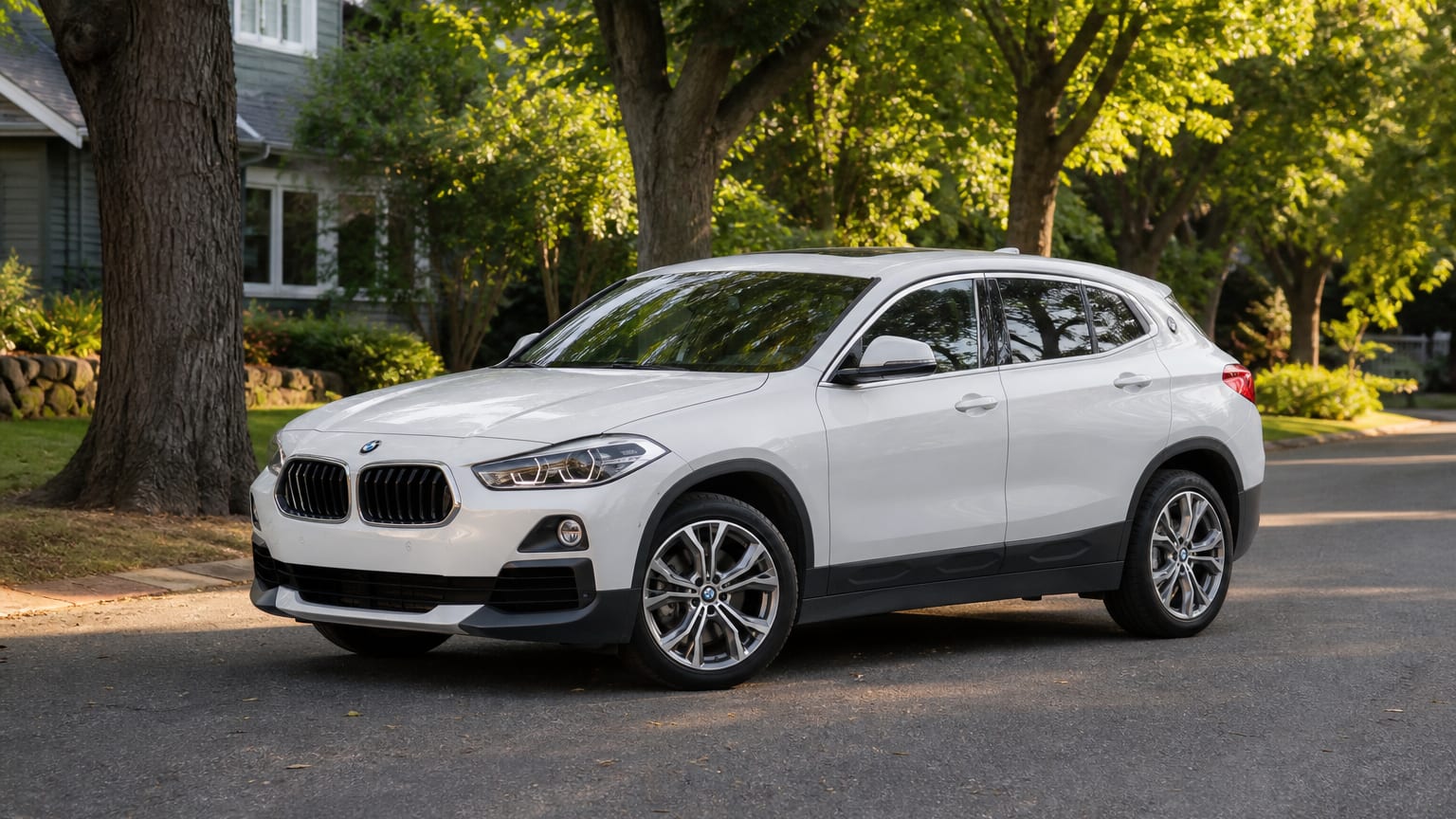
The best BMW X2 years to buy are 2020, 2021, and 2022. The 2020 BMW X2 has just 1 problem reported on CarComplaints, the lowest single-year count in the model's history. The 2020 refresh also introduced the updated iDrive 7 interface and addressed the early software and brake sensor issues that plagued the 2018-2019 cars.
| Best BMW X2 Year | Why It's a Strong Buy |
|---|---|
| 2020 | Only 1 CarComplaints report; mid-cycle refresh resolved brake sensor issue; airbag recall addressed |
| 2021 | Very low complaint volume; seat belt retractor recall completed at dealer; post-refresh reliability |
| 2022 | Low complaints; iDrive 7 more widely standard; final full production year before close-out |
Most reliable BMW X2 years: 2020, 2021, 2022
2020 BMW X2
A mid-cycle refresh in 2020 brought updated front and rear styling, revised interior trim, and the introduction of BMW's newer iDrive 7 interface on select trims. With only 1 complaint logged on CarComplaints, the 2020 is the safest first-generation X2 you can buy. It also benefits from all prior recalls - crankshaft firmware, steering tie rod - having been remedied in the field before most 2020 examples were even built.
2021 BMW X2
The 2021 carries the same low complaint profile as the 2020. BMW issued a seat belt retractor recall covering various X2 models in July 2021, a routine fix performed free of charge at any dealer. Confirm it is closed on any 2021 X2 you inspect. The B46/B48 engine has been in production since 2016 with little real known issues, making the 2021 a solid pick on the powertrain front.
2022 BMW X2
The 2022 is the final fully-developed year of the F39 before production wound down ahead of the U10 replacement. Complaint volume remains low, and the generation's early bugs are long resolved by this point. Average prices to repair and maintain the BMW X2 over its first 10 years amount to around $17,601, which is on par with other compact luxury crossovers in its class, and the 2022's shorter ownership window means fewer of those costs hit immediately.
BMW X2 submodel years to avoid
The BMW X2 was sold in three primary US configurations - the sDrive28i, xDrive28i, and M35i - each with its own engine, drivetrain, and model-year span. Each is assessed on its own record below.
BMW X2 sDrive28i years to avoid
The sDrive28i is the front-wheel-drive variant of the F39, powered by the B46 2.0-liter turbocharged four-cylinder. The B46 is mechanically identical to the B48, differing only in emissions hardware (catalytic converter connection, fuel tank, and charcoal-canister parts), so it fails in the same places and takes the same fixes. Its FWD-only layout means it avoids the xDrive transfer case and related drivetrain costs.
The sDrive28i was available from the 2018 model year through 2023. Its complaint record on both CarComplaints and NHTSA is folded into the general F39 complaint pool; no sDrive28i-specific complaint pattern has emerged that differs meaningfully from the standard X2 picture described above. The 2018 brake sensor issue and the crankshaft firmware recall apply to sDrive28i cars just as they do to the wider range. The steering tie rod recall (19V-601) does NOT apply to the sDrive28i - it was specific to the xDrive28i drivetrain.
Pre-purchase checks for a used sDrive28i:
- Confirm the 2018 crankshaft sensor firmware recall is closed via NHTSA VIN lookup
- Inspect the plastic oil filter housing for seeping around the gasket (B46 shares this fault with the B48)
- Check coolant expansion tank for cracks or white residue above 40,000 miles
BMW X2 xDrive28i years to avoid
The xDrive28i adds BMW's all-wheel-drive system to the B48 engine and is the variant with the most documented recall exposure. BMW recalled certain 2019 X2 xDrive28i vehicles specifically because the steering gear tie rod may have been assembled incorrectly, which may result in excessive wear of the tie rod end, eventually causing it to break. This makes the 2019 xDrive28i the single most recall-burdened X2 configuration from the first generation.
The xDrive system itself adds a transfer case and front differential to the drivetrain. Verify the transfer case is covered under any extended warranty terms, as it is sometimes excluded from BMW's own extended warranty packages. The 2018 xDrive28i carries the crankshaft sensor firmware recall in addition to the shared brake sensor complaints. The 2020-2022 xDrive28i follows the same improved complaint profile as the rest of the post-refresh range.
The 2019 xDrive28i is the year to avoid within this submodel specifically, due to recall 19V-601. The 2020-2022 xDrive28i is a reasonable buy with full recall verification.
BMW X2 M35i years to avoid
The M35i is the performance variant, sold from the 2019 model year through 2023. It uses the B48A20T1 engine - BMW's compact performance crossover pairing the most powerful production B48 engine with xDrive all-wheel drive and an M-tuned chassis, built on the UKL2 front-wheel-drive platform shared with the X1 F48. It produces 306 hp, paired with an 8-speed Aisin automatic transmission.
The B48A20T1 engine is well-regarded overall, though the oil filter housing, coolant system, and engine mounts deserve close attention on used examples. Engine mount collapse is a specific concern on the M35i: collapsed motor mounts have been reported on the X2 M35i, and they apparently fail on normal B46/B48 cars frequently too, though BMW has addressed them under warranty. A drivetrain malfunction warning on the M35i can trace to a failed mount accelerating powertrain vibration into the drivetrain sensors.
No M35i model year has accumulated a complaint count on NHTSA or CarComplaints that flags it as significantly worse than its siblings. The 2019 M35i shares the xDrive platform and therefore falls within the scope of recall 19V-601 for the tie rod - verify it is closed. Beyond that, the oil filter housing fault covered earlier applies to every M35i year; proactive replacement before 60,000 miles is the key preventive step.
BMW X2 pre-purchase checklist
Before buying any used BMW X2, run through these model-specific checks:
- Run the VIN through NHTSA's recall checker at nhtsa.gov/recalls and confirm every open campaign is closed - the crankshaft firmware (2018), steering tie rod 19V-601 (2019 xDrive28i), airbag (2020), and seat belt retractor (2021) recalls should all show completed.
- On 2018 cars, check the brake service history - ask for records showing whether brake wear sensors have been replaced or whether the early-warning light complaint was ever addressed at a dealer.
- On any F39 above 40,000 miles, inspect the coolant expansion tank - look for white residue, cracks, or staining around hose connections; hairline cracks or seeping fittings can develop around 40,000 to 60,000 miles.
- On any B48-engined car above 50,000 miles, check the oil filter housing - look for weeping oil or coolant around the polycarbonate housing; ask whether it has been replaced with the aluminum updated unit per service bulletin SIB 11 10 25.
- Check oil consumption on higher-mileage examples - some B48 units develop noticeable oil consumption between services, typically appearing after 50,000 to 70,000 miles, often traced to worn piston rings or valve stem seals.
- On 2019 xDrive28i cars, physically verify tie rod recall 19V-601 is completed - a broken steering tie rod causes complete loss of vehicle control.
- Request full dealer service records - the X2's recommended service interval is annual, and missed oil services accelerate oil filter housing gasket degradation on the B48.
- Test the iDrive infotainment audio thoroughly on 2018-2019 cars - play audio from multiple sources (radio, Bluetooth, USB) to check for the dropout fault described by owners.
Better alternatives to consider
If the BMW X2 years in your budget land on the avoid list, also see BMW X1 years to avoid and BMW X4 years to avoid, or consider these alternatives instead:
- BMW X1 - same UKL2 platform and B46/B48 engines but a taller roofline, more cargo space, and a slightly longer reliability track record
- BMW X3 - one segment larger with more cabin room; the post-2018 G01 generation uses the same B48 engine and has a more established used-car record
- BMW X4 - the coupe-SUV sibling if you want a sleeker roof line in a similar BMW crossover lane
- Audi Q3 - a direct cross-shop rival with a more mature long-term complaint history and a comparably priced used market
- Volvo XC40 - offers strong IIHS safety scores and a simpler powertrain in the same subcompact luxury crossover class
Is the BMW X2 worth buying?
Yes, the BMW X2 is worth buying as long as you avoid the 2018 and 2019 model years. Average repair and maintenance costs over the first 10 years run around $17,601, in line with the class, and the post-refresh 2020-2022 examples carry very low complaint counts. The most recent J.D. Power survey scored the BMW X2 "Average" for quality and reliability, which is a fair summary: not the class leader, but not a lemon either when you pick the right year. The B48 is one of the most dependable turbocharged four-cylinders BMW has ever built, and a step up from the N20 it replaced. Our editorial guidelines require sourcing every verdict to NHTSA, CarComplaints, and RepairPal data rather than manufacturer claims, so the ratings above reflect real-world owner experience.
Stick to 2020-2022, run the VIN through NHTSA's recall checker, and verify the oil filter housing and coolant system have been maintained - those two steps will filter out the majority of risk on any used F39 X2.