
Honda Civic
11th Generation (2022–present)
The Civic is Honda’s compact workhorse — cheap to run when you pick the right year, and expensive when you don’t. This hub pulls reliability, tire fitment, and ownership data into one place so you can buy, maintain, or shop tires without hopping across a dozen guides.
- Reliability8.7 / 10Overall
- Ownership cost$Low
- Insurance$$Moderate
- Repair difficultyEasy2/5
- Typical lifespan250k+ miWith proper care
Generations
- 11th Gen2022–presentCurrent
- 10th Gen2016–2021
- 9th Gen2012–2015
- 8th Gen2006–2011
- 7th Gen2001–2005
At a glance
- Worst years
- 2001, 2002, 2006–2008, 2016
- Best years
- 2018–2022
- Best engine
- 2.0L K20C2
- Avoid engine
- 1.8L R18 (early)
- Recommended tire
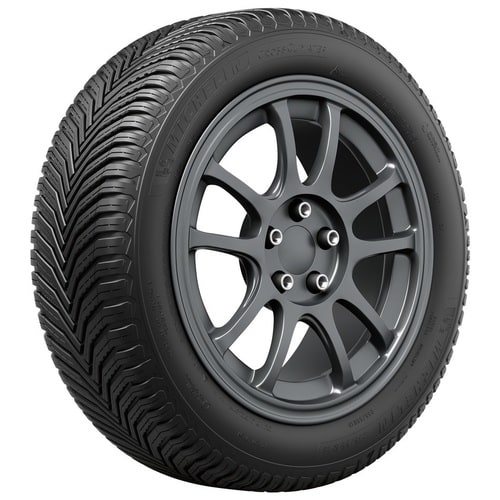
- Michelin CrossClimate 2
- Typical lifespan
- 250,000+ miles
Years to avoid
Trouble spots cluster in a few generations: early-2000s automatics, cracked-block R18 years (2006–2008), and early 1.5T oil-dilution cars (especially 2016).
Engines
Which powertrains hold up — and which to walk away from.
- Avoid
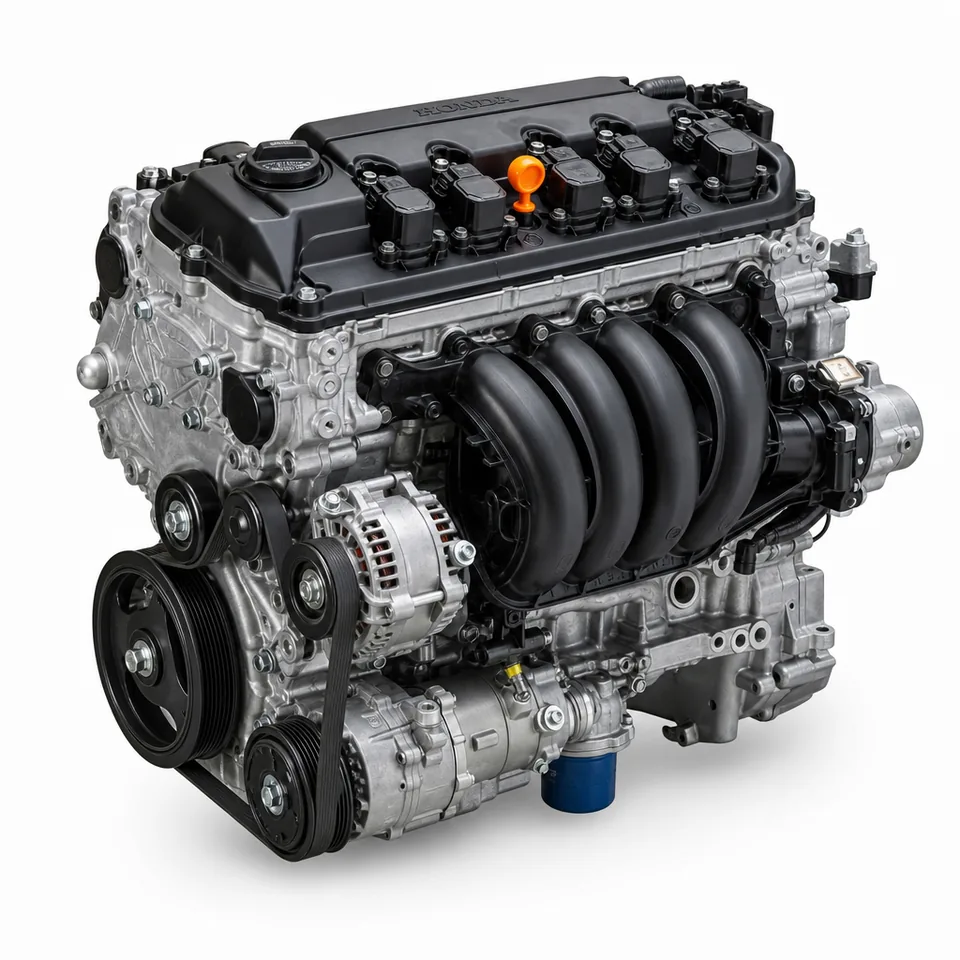
1.8L R18 I4
2006–2015
Early R18 blocks cracked and leaked coolant. Prefer Si / K-series cars from this era, or later ninth-gen non-R18 alternatives.
- Solid
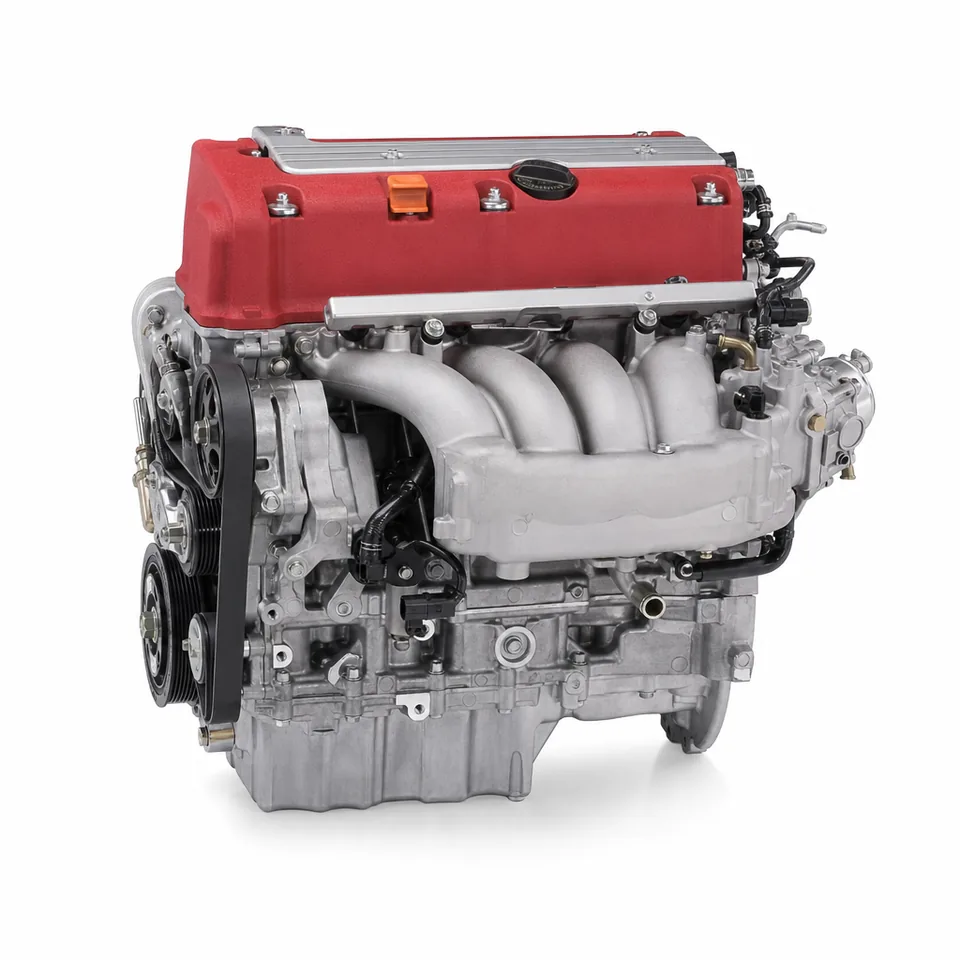
2.0L K20 (Si)
2002–2015 Si
The Si’s K20 is the enthusiast pick — strong, tunable, and generally more durable than the early R18 economy engines.
- Mixed
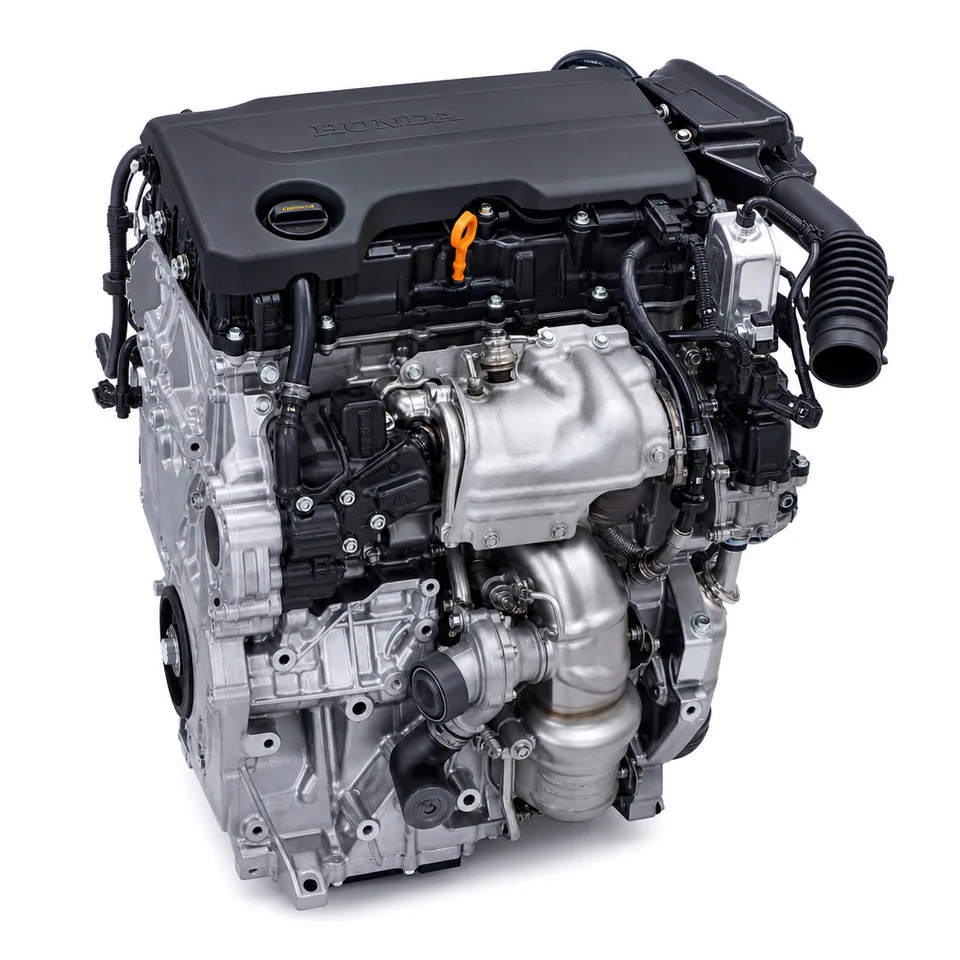
1.5L turbo (L15B7)
2016–2021
Early cars diluted oil with fuel in cold climates. Later calibration and software updates helped; still verify oil condition on any used 1.5T.
View details - Solid
2.0L NA (K20C2)
2016–present (LX/Sport base)
Naturally aspirated 2.0L base engines skip the early turbo oil-dilution story and are the safest tenth/eleventh-gen daily drivers.
- Solid
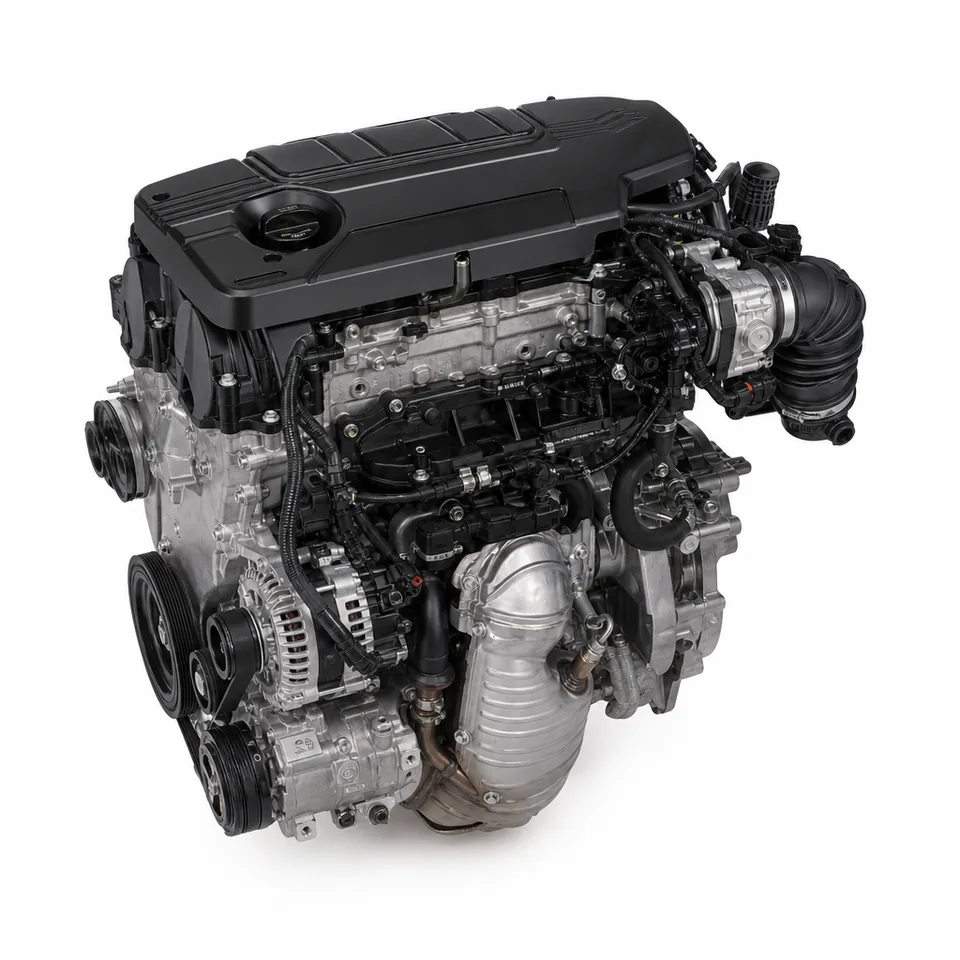
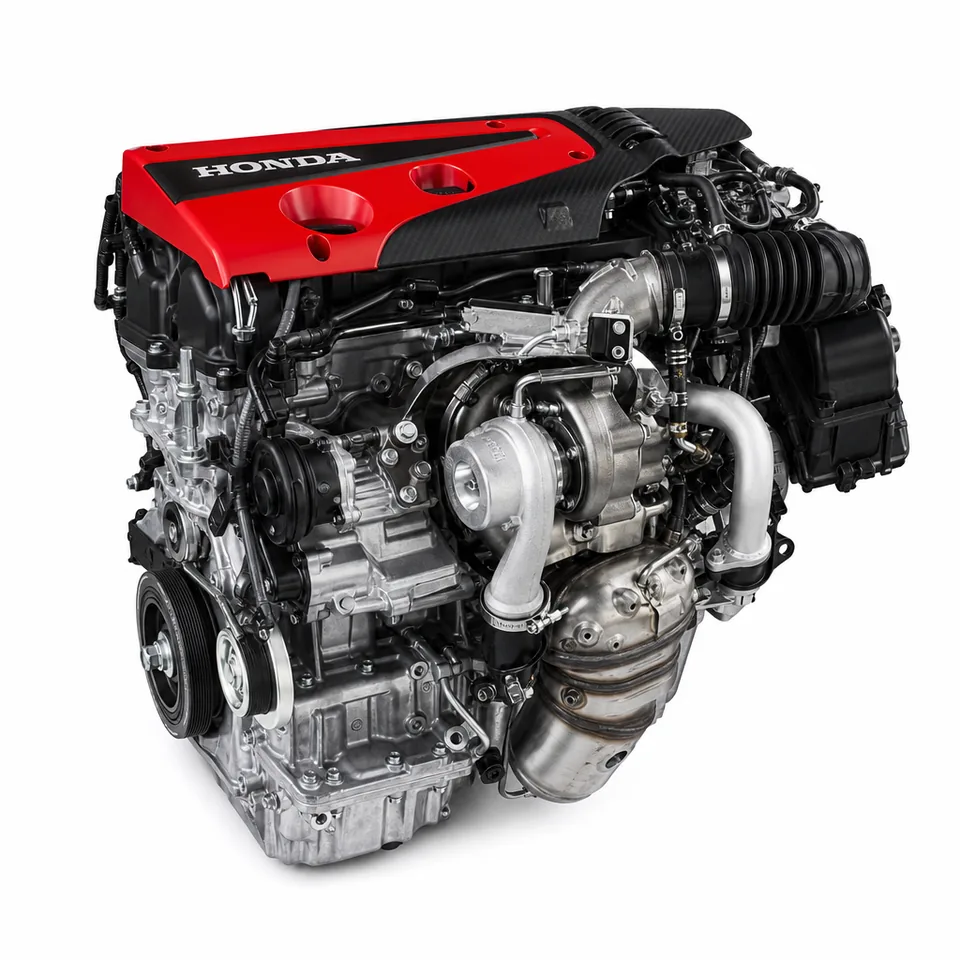
2.0L turbo (Type R)
2017–present Type R
Hot-hatch powertrain is robust when maintained; buy on service history and clutch condition, not mileage alone.
Transmissions
- Avoid
4-/5-speed automatic
2001–2005
Early seventh-gen automatics are the Civic’s worst ownership surprise — slipping, harsh shifts, and rebuild bills.
- Mixed
Honda CVT
2014–present
Software and pulley issues hit some mid-2010s cars. Fluid changes on schedule and a careful test drive matter more than the badge.
Transmission guide - Solid
5-/6-speed manual
Most generations
Manual Civics avoid most auto/CVT drama. Check clutch engagement, synchros, and Si dual-mass wear where equipped.
- Solid
10-speed automatic (1.5T)
Select 2016+ trims
Conventional auto alternative to the CVT on some turbo trims — smoother ownership story when fluid is maintained.
Ownership metrics
- Combined MPG
- 30–36 mpgVaries by gen / powertrain; 1.5T often leads EPA.
- Fuel tank
- 12.4 galTypical recent sedan / hatch capacity.
- Cargo (sedan)
- 14–15 cu ftHatchbacks add fold-flat flexibility.
- Turning radius
- ~35–37 ftTight enough for urban U-turns on most gens.
- Towing
- Not recommendedCivics are not rated for meaningful towing.
- Maintenance cost
- LowOil, filters, and brakes stay inexpensive vs peers.
- Insurance cost
- Moderate ($$)Compacts stay affordable; Si / Type R cost more.
- Reliability score
- 8.7 / 10Strong when you skip known bad years.
- Average lifespan
- 250,000+ miWell-kept examples routinely clear a quarter-million.
Factory tire sizes
| Size | Years / trims | Best all-season | Shop |
|---|---|---|---|
| 215/55R16 Common OE size on non-Sport tenth-gen cars. | 2016–2021 LX / similar base LX, base sedan/hatch |  Long-wear touring all-season — the default Civic daily-driver pick. | Live prices |
| 215/50R17 Sportier OE size; keep load/speed ratings at or above OE. | 2016–2021 Sport / EX Sport, EX |  Best all-weather all-season right now for Civic owners who see cold rain or light snow. | Live prices |
| 235/40R18 Lower-profile OE; watch pothole damage and align often. | 2017–2021 Touring / Si Touring, Si |  Quiet grand-touring all-season that fits Touring/Si diameters cleanly. | Live prices |
| 235/40R18 | 2022–present Sport Touring / Si Sport Touring, Si (11th gen) | Same all-weather recommendation for current-gen 18-inch Civics. | Live prices |
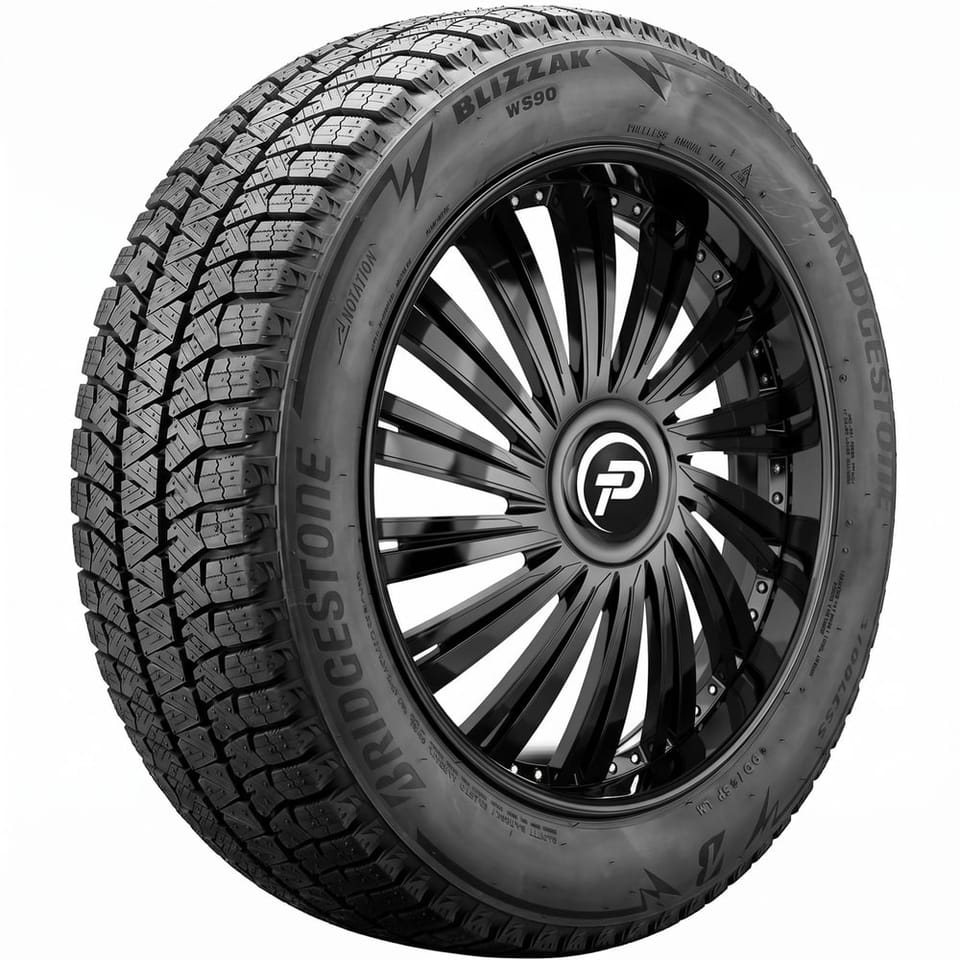
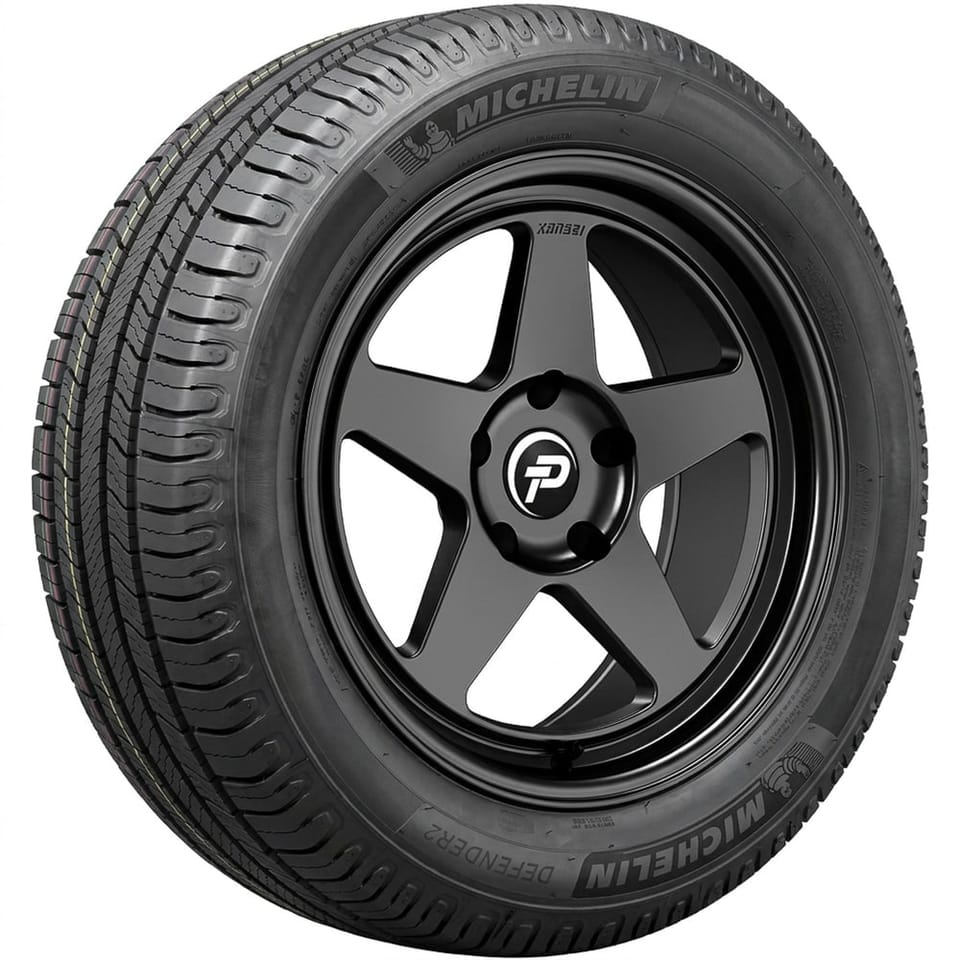
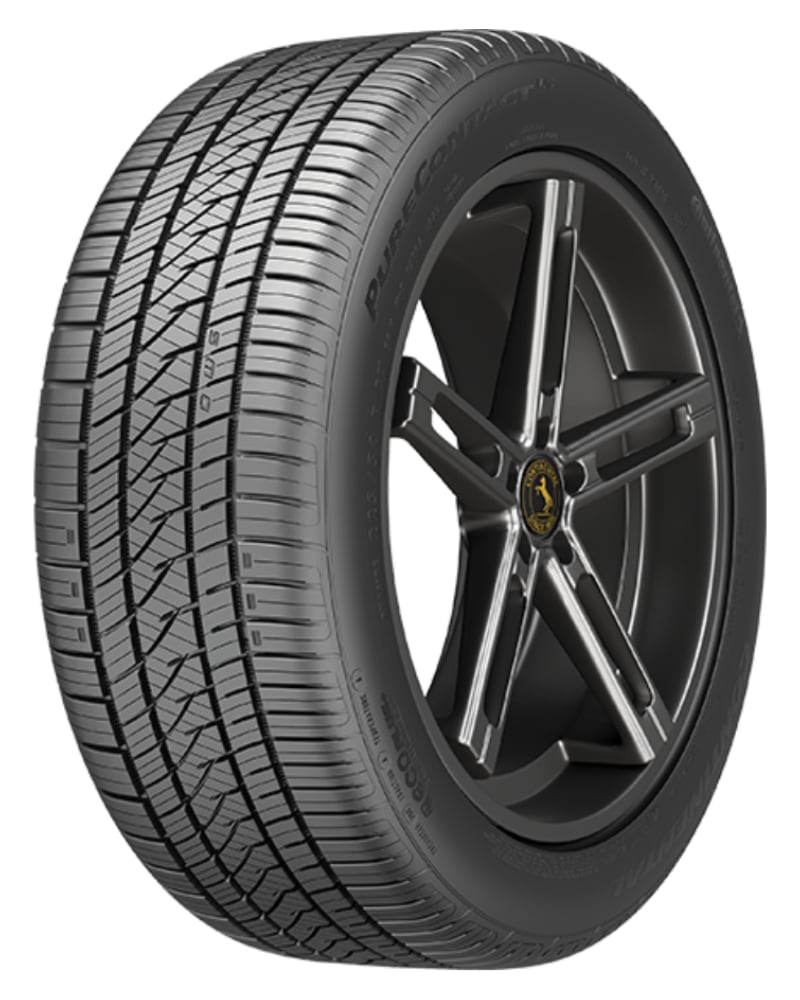
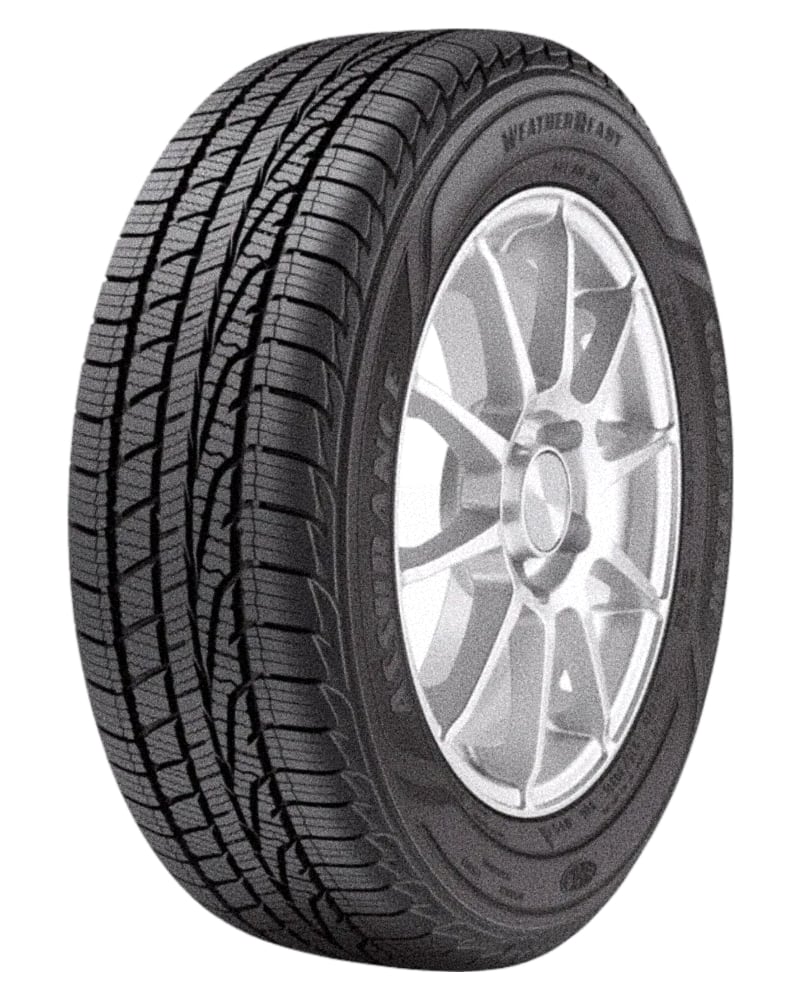
Recommended tires
- Best overall
- Budget
- Performance
- Winter



Common OBD-II codes
All codes- P0505 — Idle control systemCommon on 2001–2005 Civics with sticky IAC valves.
- P0685 — ECM/PCM power relayCivic ECM power relay failures can cause no-start and intermittent cutouts.
- P0743 — TCC solenoid circuitOften tied to automatic torque-converter clutch issues.
- P0430 — Catalyst efficiency (bank 2)Aging cats and injector imbalance show up frequently on higher-mile Civics.
- C1102 — ABS control module2006–2011 ABS module failures are a known Civic pattern.
Recalls
Takata airbag inflators
2001–2014 (many VINs)
Industry-wide inflator rupture risk. Confirm open recalls by VIN before buying any older Civic.
Check recallsCVT software / drive pulley
≈2014–2015
Some ninth-gen CVTs needed software and hardware updates for harsh shifts and pulley wear.
Fuel pump modules
2018–2020 (select)
Low-pressure fuel pump recalls affected many Hondas including Civics — check NHTSA by VIN.
Check recalls
Maintenance
| Interval | Service |
|---|---|
| Every 5,000–7,500 mi | Engine oil and filter Use 0W-20 where specified; 1.5T cars in cold climates benefit from shorter intervals. |
| Every 30,000 mi | Cabin and engine air filters |
| Every 30,000–40,000 mi | CVT fluid (if equipped) Honda CVT fluid only — skip universal ATF. |
| Every 30,000 mi | Brake fluid flush |
| Every 100,000+ mi | Spark plugs / coolant Follow the maintenance minder; iridium plugs often last the full interval. |
| As needed | Timing chain inspection Civics use chains, not belts — listen for cold-start rattle on higher-mile engines. |
Should you buy one?
Buy late tenth-gen and early eleventh-gen cars with service history. Skip cracked-block R18 years and early 1.5T oil-dilution cars unless a PPI clears them.
Compare with similar cars
- Civic vs CorollaCorolla usually wins pure reliability; Civic usually wins driving feel and hatch/Si options. Cross-check both years-to-avoid guides before you buy.
- Civic vs CR-VSame Honda DNA with more space and ride height. If you need cargo and AWD, start with the CR-V guide instead.
- Civic vs AccordAccord adds rear seat and trunk space; Civic stays cheaper to buy and insure. Compare engines carefully on both.