
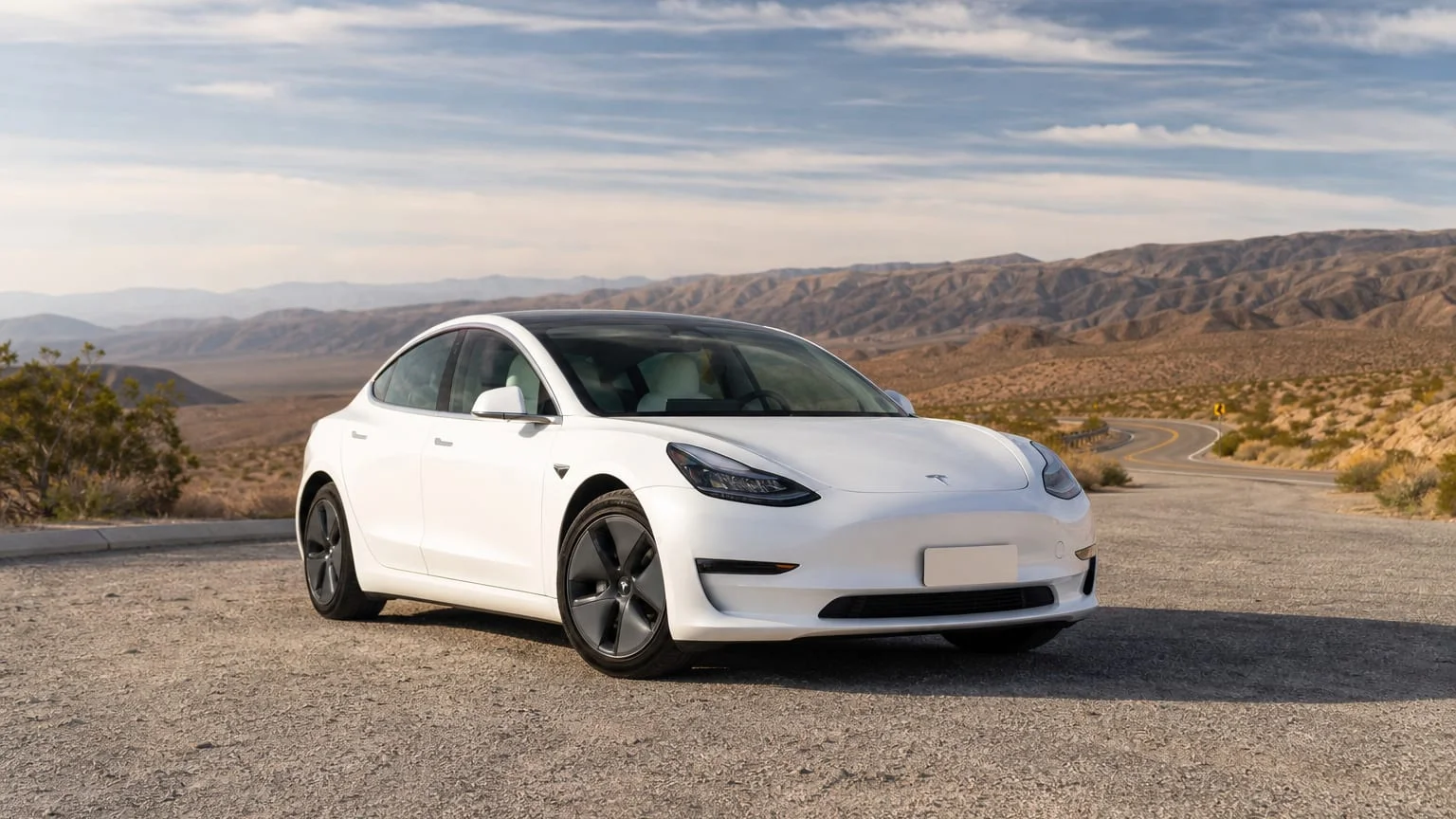
The Tesla Model 3 is one of the most capable and refined electric sedans on the used market, but a handful of model years carry significantly more complaints, recalls, and documented failures than the rest. Knowing which years to skip - and which to seek out - can save you thousands in repairs and frustration. This guide ranks every model year from 2017 to 2024 using NHTSA complaint and recall data, CarComplaints PainRank scores, and owner-reported problems, so you can buy with confidence.
For generations, engines, and ownership notes in one place, see the Tesla Model 3 hub.
Related: Tesla Model S years to avoid, Tesla Model Y years to avoid.
At a glance
- Worst years
- 2017
- 2018
- 2019
- 2021
- Best years
- 2020
- 2023
- 2024
- Top failure
- Autopilot phantom braking and forward-collision system complaints (all Gen 1 years, CarComplaints and NHTSA)
- Always do before buying
- Run the VIN through NHTSA's recall checker, and on any 2017-2021 car, physically inspect the front suspension lower lateral links for looseness or abnormal noise
Recalls by year
Gray bands mark years the model was not produced.
How we rated the best and worst Tesla Model 3 years
The 2019 Tesla Model 3 has the most overall complaints, and CarComplaints also rates 2019 as the worst model year ranked on several factors such as repair cost and average mileage when problems occur. That is CarComplaints’ PainRank verdict. The raw NHTSA complaint picture is different: on a normalized complaints-per-10,000-vehicles-sold basis, 2017 posts 311.9 complaints per 10K and 2018 posts 115.8 per 10K, both flagged as AVOID, while 2020 and 2023 are rated GOOD at 35.3 and 30.0 per 10K respectively.
We cross-referenced CarComplaints’ PainRank (which weights repair cost and mileage at failure) against NHTSA raw complaint volume and per-10K normalized rates, Consumer Reports reliability surveys, and owner reports from the Tesla Model 3 community on Reddit (r/TeslaModel3). CarComplaints ranks a worst year by repair cost and failure mileage; NHTSA shows raw complaint volume - they often point to different years, so both are cited here with their own attributions. Our years to avoid methodology combines these sources into a consistent verdict rather than relying on any single dataset.
| Tesla Model 3 Generation | Best Tesla Model 3 Years | Worst Tesla Model 3 Years |
|---|---|---|
| Gen 1 (2017-2023) | 2020, 2023 | 2017, 2018, 2019, 2021 |
| Gen 2 / Highland (2024-present) | 2024 | None |
Every Tesla Model 3 model year ranked
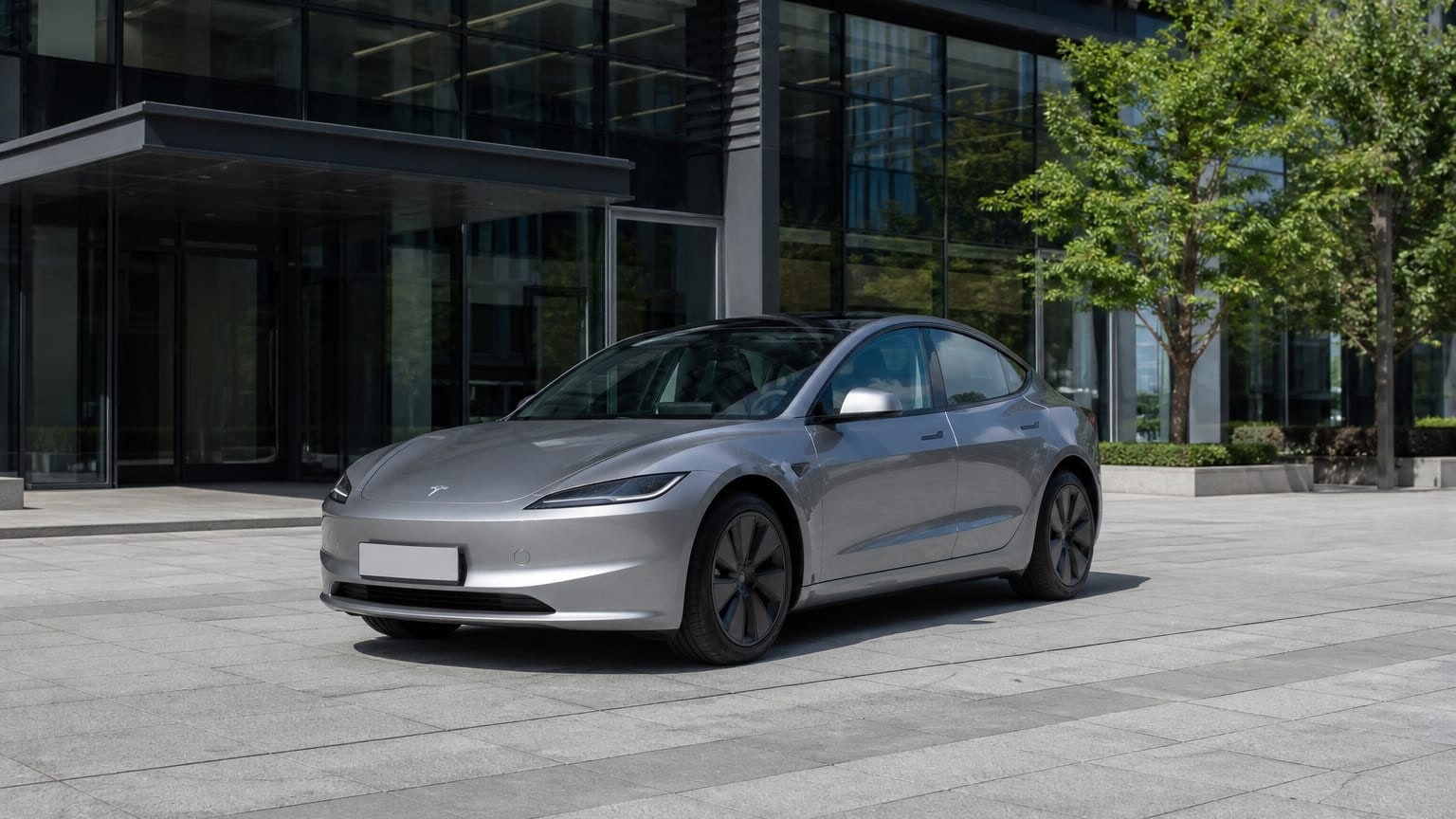
NHTSA complaint data sorted by normalized rate shows a clear pattern: early production years carry the heaviest complaint burden per vehicle sold, while 2020 and 2023 stand out as cleaner picks within the first generation.
| Model Year | Generation | Verdict | Notes |
|---|---|---|---|
| 2017 | Gen 1 | Avoid | Highest normalized complaint rate (311.9/10K), small production run, 16 recalls |
| 2018 | Gen 1 | Avoid | Highest raw NHTSA complaint count (1,625), worst reliability score (46/100) |
| 2019 | Gen 1 | Avoid | CarComplaints worst-year PainRank; 21 recalls on record |
| 2020 | Gen 1 | Best | NHTSA GOOD rating, lowest Gen 1 normalized rate (35.3/10K) |
| 2021 | Gen 1 | Avoid | 20 recalls, 626 complaints, heat pump issues emerge |
| 2022 | Gen 1 | OK/Mixed | 17 recalls, 743 complaints, elevated but below 2018/2021 |
| 2023 | Gen 1 | Best | NHTSA GOOD rating, 698 complaints, 10 recalls - Gen 1 low-water mark |
| 2024 | Gen 2 | Best | 4 recalls, 183 complaints, Consumer Reports "more reliable than average" |
Most common Tesla Model 3 problems
The most commonly reported issue across all Tesla Model 3 model years is forward collision avoidance and adaptive cruise control behavior, a pattern that runs across the entire first-generation lineup. Below are the four most documented recurring failure categories, ordered by severity.
1. Phantom Braking and Autopilot/TACC Misbehavior
Phantom braking, where the car brakes unexpectedly for no apparent reason, is often linked to the car’s sensors misreading certain situations, such as shadows or road signs. On the Model 3, this occurs primarily when Autopilot, Traffic-Aware Cruise Control (TACC), or Autosteer is engaged at highway speeds. Phantom braking occurs during cruise control, TACC, Autopilot, or Autosteer operation - the vehicle suddenly applies full brakes on a clear road with no traffic or obstacles, sometimes triggering seatbelt restraint activation from the hard braking event.
For the 2021 model year alone, forward collision avoidance accounts for 206 of the NHTSA owner complaints on file, with vehicle speed control adding another 105. The problem spans every Gen 1 year, but is most concentrated in 2020 and 2021 cars. Tesla service has in many cases been unable or unwilling to diagnose or remedy these faults despite video evidence and repeated attempts by owners.
Repair cost varies: phantom braking on Autopilot is rated a critical issue for the 2021 model year, though the documented repair cost at Tesla service centers is $0 - meaning no hardware fix has been offered, only software updates. Buyer takeaway: test Autopilot and TACC on a highway ramp before purchase, and check that the camera surfaces are clean and uncalibrated.
2. Front Suspension Lower Lateral Link Failure
The suspension failure involves detachment of the front lower lateral link, which can potentially cause a loss of vehicle directional control, and in most cases there was no advance warning or indication that the failure would occur. This is a physical hardware defect, not a software issue, and it can happen at speed.
NHTSA recall 21V-835 covered 2,791 Model 3 vehicles from model years 2019 through 2021 tied to a production issue, and recall 23V-235 covered 422 Model 3 vehicles from model years 2018 and 2019 that had experienced similar failures. NHTSA says the failures it is currently investigating go beyond the scope of those earlier recalls and do not appear to be the same production issue. As of July 2026, NHTSA opened a new investigation into roughly 1.2 million Tesla vehicles after receiving 156 complaints of front suspension links detaching, often with no warning - covering 2018-2020 Model 3 and 2021-2023 Model Y vehicles.
From the factory, the front suspension lateral link may not have been torqued to spec, and bolts on the brake calipers have also been found to lack the correct torquing specifications. Repair under recall is free. If the recall is already closed on the car you’re inspecting, budget up to $800-$1,500 for a lateral link replacement at an independent shop if signs of looseness appear. Ask for front-end inspection records and listen for abnormal clunking when test-driving any 2018-2021 car.
3. Build Quality: Panel Gaps, Paint, and Cabin Noise
The single most persistent Tesla Model 3 complaint since launch has been inconsistent build quality, showing up in three main ways: paint, panel alignment, and cabin noise. Early Model 3 production from 2017 to 2020 had inconsistent panel alignment from the Fremont factory, leading to wind noise and water ingress around doors, trunk lids, and glass roofs.
These flaws are mostly cosmetic but can affect water sealing and resale value. Consumer Reports owner comments for the 2022 model year cite squeaks, rattles, wind noise, and seals, with one owner noting the dealer was never able to determine how to fix the rattles, and another calling it simply “poor build quality.” The problem eased meaningfully on 2023 and 2024 cars but has not disappeared entirely.
Cosmetic fixes like seal replacements and panel adjustments run $150-$500 at a body shop. Water ingress that reaches electronics is a far more expensive outcome - up to $2,000+ in wiring or module repairs. Check every door seal, the glass roof perimeter, and the trunk weather stripping carefully before buying any 2017-2021 car.
4. 12V Auxiliary Battery Premature Failure
The small auxiliary 12V battery (not the main traction pack) is a known weak point; failure here kills the car completely, even with a full main battery. When the 12V system dies, the Model 3 cannot open its door handles, shift out of Park, or communicate with the Tesla app. Aux 12V battery drain is a documented issue owners typically notice within the first 12-24 months, and the diagnosis path is well-mapped via a connected scan tool, with the fix usually following a service-bulletin procedure.
Repair costs for known Tesla Model 3 issues range from $0 to $3,000 depending on the specific problem and whether you choose DIY or professional repair. A 12V battery replacement specifically runs roughly $100-$300 in parts, plus labor, at a Tesla service center. The problem affects all Gen 1 years but is most reported in 2019-2021 cars with higher mileage. Before buying, ask for the 12V battery’s age and check if it has ever been replaced.
5. Heat Pump / Octovalve Failure (2021+)
The octovalve assembly in post-facelift models can fail in cold conditions, losing cabin heat and increasing battery drain significantly. Tesla introduced the heat pump system starting with the 2021 model year, and while it improves cold-weather efficiency, the octovalve component proved fragile in early production. NHTSA recall 22V-050 covered Model 3 vehicles built between February 13, 2021 and January 12, 2022, on specific firmware releases, with repair costs ranging from $0 to $1,500.
The symptom is a sudden loss of cabin heat in cold temperatures, often accompanied by reduced range. An octovalve replacement outside warranty coverage can exceed $1,000 at a Tesla service center. Check whether recall 22V-050 has been completed on any 2021 model year car you consider. Tesla’s battery and drive unit warranty provides 8 years or 192,000 km of coverage with a 70% minimum capacity guarantee, which helps limit exposure to the most expensive component failures.
Which Tesla Model 3 years should you avoid
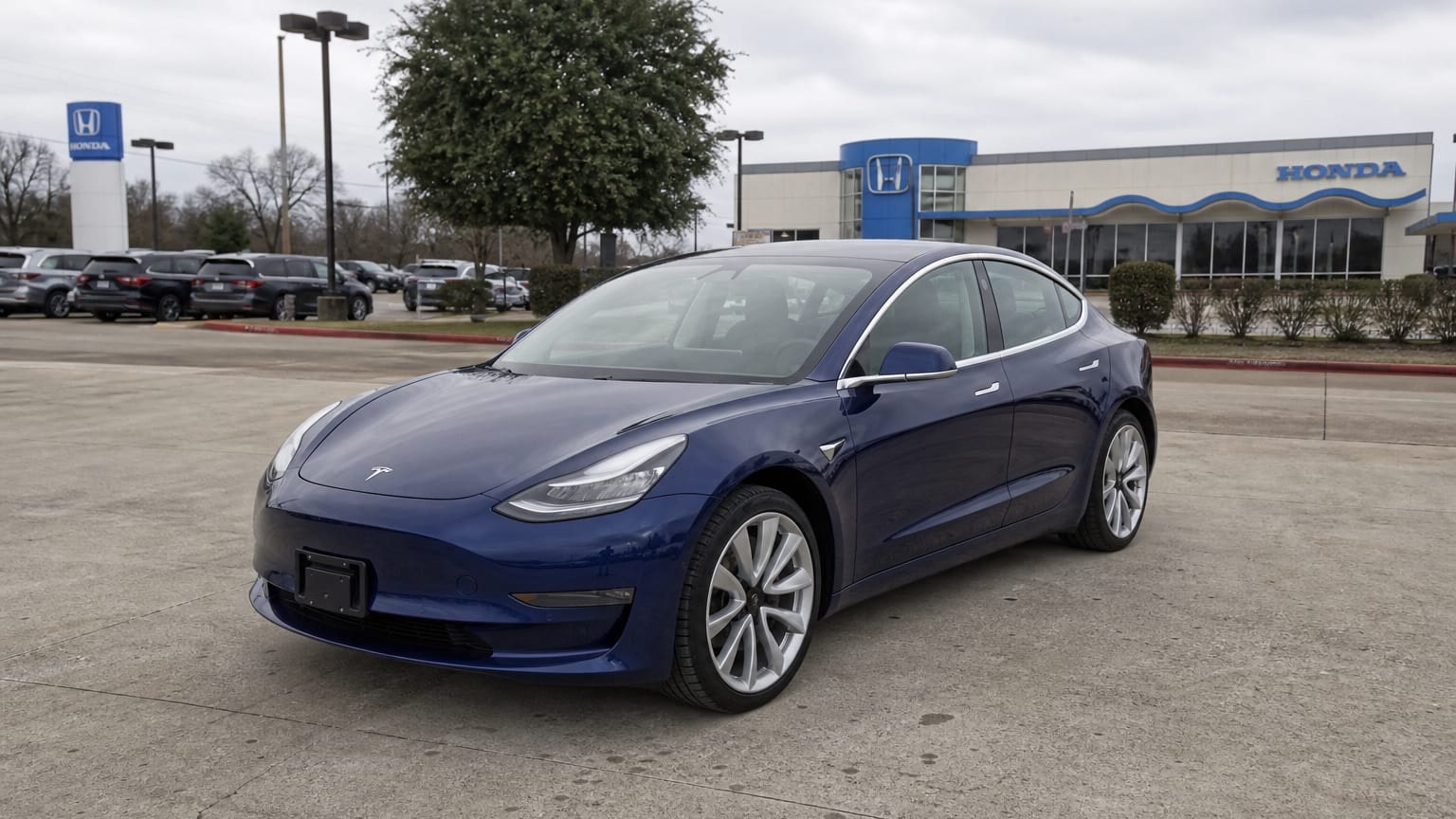
The Tesla Model 3 years to avoid are 2017, 2018, 2019, and 2021. CarComplaints rates 2019 as the worst year for the Model 3 on combined factors including repair cost and average mileage when problems occur, while on raw NHTSA complaint volume, 2018 logs the highest count at 1,625 complaints, with 202 crash-related complaints - the most crash-related reports of any Model 3 model year.
| Tesla Model 3 Generation | Model Years | Verdict | Main Issues |
|---|---|---|---|
| Gen 1 (2017-2023) | 2017, 2018, 2019, 2021 | Worst | Suspension recall, phantom braking, build quality, electrical |
| Gen 1 (2017-2023) | 2020, 2023 | Best | Lower complaint rate, fewer recalls |
| Gen 1 (2017-2023) | 2022 | Mixed | Elevated recalls (17), moderate complaints |
| Gen 2 / Highland (2024+) | 2024 | Best | 4 recalls, Consumer Reports "more reliable than average" |
Worst Tesla Model 3 years: 2017, 2018, 2019, 2021
First-Generation Tesla Model 3 (2017-2023)
The 2017 Model 3 carries a normalized complaint rate of 311.9 per 10,000 vehicles sold - the highest of any Model 3 year - and NHTSA lists 16 recall campaigns on file for this model year. It was Tesla’s “production hell” year with low volumes and the sharpest quality inconsistencies.
The 2018 is the worst Tesla Model 3 year on NHTSA-weighted reliability scoring, posting a score of 46/100 primarily due to electrical system issues, with 139 electrical system complaints alone. Complaint rates peaked in 2018 at 67.8 per 10,000 sold on a normalized basis, and the raw NHTSA count of 1,625 complaints is the highest in the model’s history. The 2018 also falls within both the 21V-835 and 23V-235 suspension recall windows.
Consumer Reports rates the 2019 Model 3 as less reliable than other cars from the same model year, and it carries 21 NHTSA recall campaigns - the most of any single Model 3 year on record. CarComplaints’ PainRank flags it as the single worst year overall when repair cost and failure mileage are weighted together.
The 2021 Model 3 has 20 recalls and 626 owner complaints on file, with 42 crash-related complaints and 5 fire-related complaints. It also introduced the heat pump system, which added new failure modes absent in earlier cars.
What are the best Tesla Model 3 years to buy
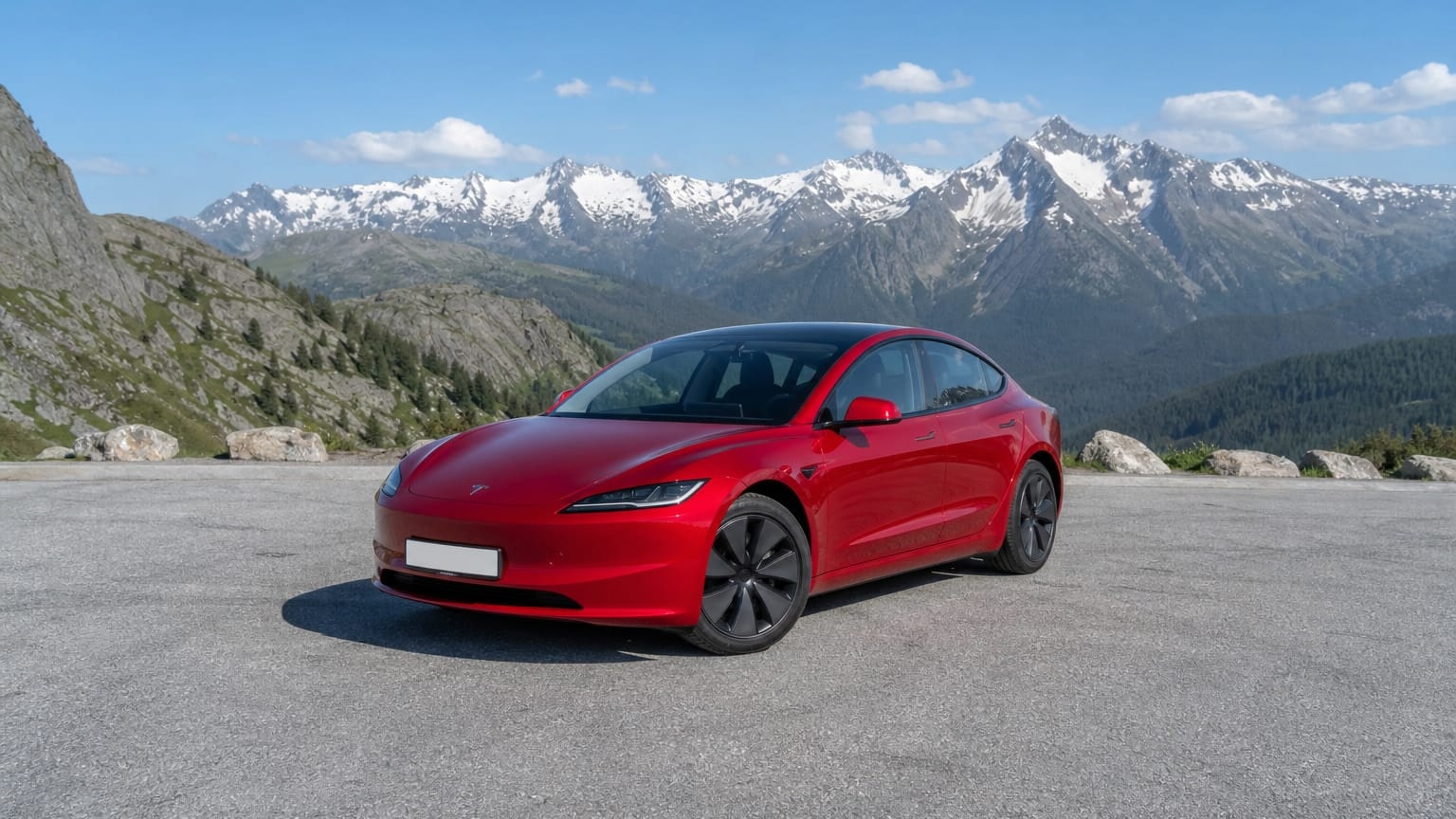
The best Tesla Model 3 years to buy are 2020, 2023, and 2024. The 2020 model year earns an NHTSA GOOD classification with just 35.3 complaints per 10,000 vehicles sold and 728 total complaints - the cleanest Gen 1 year by normalized rate.
| Best Tesla Model 3 Year | Why It's a Strong Buy |
|---|---|
| 2020 | NHTSA GOOD rating, lowest Gen 1 normalized complaint rate (35.3/10K) |
| 2023 | NHTSA GOOD rating, 698 complaints and only 10 recalls - Gen 1's lowest recall count |
| 2024 | Gen 2 Highland, 4 recalls, Consumer Reports "more reliable than average," 183 complaints |
Most reliable Tesla Model 3 years: 2020, 2023, 2024
2020 Tesla Model 3
The 2020 Model 3 carries 728 NHTSA complaints and is classified as GOOD at 35.3 complaints per 10,000 vehicles sold - roughly half the rate of the 2019 it replaced. Its most commonly reported NHTSA problem areas are forward collision avoidance, vehicle speed control, and unknown/other - all categories shared across Gen 1, not unique hardware defects of its own. It predates the heat pump system and its associated failures.
2023 Tesla Model 3
The 2023 Model 3 has 698 NHTSA complaints and 10 recall campaigns - the lowest recall count of any Gen 1 year and a GOOD normalized rate of 30.0 per 10,000 vehicles sold. It benefits from accumulated over-the-air software refinements across the full Gen 1 production run. The newer 2024-2025 Highland cars add their own set of software and hardware teething issues but do not show evidence of widespread battery-pack defects so far.
2024 Tesla Model 3
Consumer Reports rates the 2024 Model 3 as more reliable than other cars from the same model year. It scores 62/100 (Good) from Auto Reliability Index with 4 recalls and 183 owner complaints - the lowest complaint count of any fully-matured Model 3 year. The 2024 Highland redesign brought revised suspension tuning and improved interior fit, though squeaks and rattles remain the most cited owner complaints in Consumer Reports surveys. Despite ongoing complaints, the overall safety rating for each model year remains consistently excellent, with all years achieving a five-star rating from NHTSA.
Tesla Model 3 submodel years to avoid
The Tesla Model 3 is offered in Standard Range (base), Long Range, and Performance trims - each with its own drivetrain and complaint record. Each submodel is assessed here on its own data.
Tesla Model 3 Long Range Years to Avoid
The Model 3 Long Range uses a dual-motor all-wheel-drive powertrain and has been available since 2018, making it the most widely sold variant in the used market. Its own complaint record largely mirrors the parent platform because the hardware defects - lateral link separation, phantom braking, and 12V battery drain - are not specific to the Long Range drivetrain. That said, the Long Range’s additional rear motor adds one more inverter and motor unit to the vehicle’s electrical footprint, and early 2018-2019 Long Range cars sit squarely inside both the 21V-835 and 23V-235 suspension recall windows covered earlier.
Verify all recalls are completed using the VIN, paying particular attention to the suspension lateral link fasteners (2018-2021), seat belt warning (2017-2023), and rearview camera (2017-2020) campaigns. No Long Range model year has accumulated a complaint pattern distinct enough from the base Model 3 to justify a different avoid-year verdict - the worst years above (2018, 2019, 2021) apply equally to Long Range variants of those years.
- Check: front suspension for clunks on any 2018-2021 Long Range
- Check: 12V battery replacement history on cars over 50,000 miles
- Check: heat pump function in cold weather on 2021 Long Range cars
Tesla Model 3 Performance Years to Avoid
The Model 3 Performance uses a higher-output dual-motor AWD setup with larger front and rear motors, available from 2018 onward. A Performance-specific recall covered 2018-2022 Model 3 Performance vehicles: the unit of speed (mph or km/h) could fail to display on the speedometer while in Track Mode, causing these vehicles to fail to comply with Federal Motor Vehicle Safety Standard number 101 on Controls and Displays. This recall was resolved via an over-the-air update (Tesla recall number SB-22-00-008) and applies to no other Model 3 trim.
The Performance variant’s larger wheels and stickier tires accelerate suspension wear relative to the base and Long Range cars. Being a heavy electric car, the wear on the Model 3’s suspension components can be higher than on a regular sedan, and owners in early or higher-mileage cars report clunking from the suspension, especially up front. On a Performance car used for track days, front lower lateral link wear and brake caliper condition are the first two items to check. The same worst-year set (2017, 2018, 2019, 2021) applies to the Performance trim; no Performance-specific complaint pattern justifies a different verdict.
- Check: front suspension and caliper condition - track use accelerates wear significantly
- Check: SB-22-00-008 Track Mode speedometer recall status on any 2018-2022 Performance car
- Check: brake pad thickness, as regenerative braking use patterns vary widely and calipers can seize on urban-cycle cars
Tesla Model 3 pre-purchase checklist
Before buying any used Tesla Model 3, run through these model-specific checks:
- Run the VIN through NHTSA’s recall checker: Confirm that every open recall - especially 21V-835 (lateral link, 2019-2021), 23V-235 (lateral link, 2018-2019), and 22V-050 (heat pump EXV, 2021) - has been completed. Many Tesla recalls are OTA software fixes already applied, but the physical suspension and heat pump recalls require service center work.
- Inspect the front suspension on any 2017-2021 car: Bounce each front corner and listen for clunking or looseness. NHTSA notes that if the lateral link fasteners become loose, abnormal noise may occur and be detectable by the customer from the front suspension. Any noise warrants a lift inspection before purchase.
- Test Autopilot and TACC on a highway: Check for unexpected Autopilot or cruise-control disengagements, lane-keeping behavior, and phantom braking in specific road scenarios. Hard unexplained braking events should be a disqualifier.
- Check the 12V battery: Ask the seller for service records showing the 12V battery’s replacement history. On any car over 50,000 miles or three years old, factor a $200-$300 battery replacement into your budget.
- Check heat pump function on 2021 cars: On any 2021 Model 3, set the climate control to a specific temperature on a cool day and confirm warm air flows within 2-3 minutes. Slow or absent heating is an early octovalve warning.
- Inspect door seals and the glass roof perimeter: Water ingress is a documented build-quality issue on 2017-2020 cars. Press the seals firmly and look for staining or moisture in the trunk and B-pillar areas.
- Review charging history via the Tesla app (ask the seller): High-mileage ride-hail use, lots of DC fast charging, and hot climates can age packs quickly. Frequent Supercharger sessions are a yellow flag for battery degradation.
- Confirm battery capacity: For Long Range and Performance variants, ask Tesla service to pull a battery health report. Anything below 80% of original rated range is a negotiating point.
Better alternatives to consider
If the Tesla Model 3 years in your budget land on the avoid list, consider these alternatives instead:
- Chevrolet Bolt EV - a purpose-built EV with a simpler one-motor layout, consistently lower ownership costs, and no phantom-braking recall history comparable to the Gen 1 Model 3
- Hyundai Ioniq 6 - a newer dedicated EV platform with strong IIHS safety ratings and a shorter complaints history, making it a low-drama alternative for buyers who want modern EV range
- Toyota Prius Prime - the benchmark plug-in hybrid for buyers open to mixed powertrains, with Toyota’s long reliability record and far simpler suspension hardware than the Model 3
Is the Tesla Model 3 worth buying
Yes - as long as you avoid the 2017, 2018, 2019, and 2021 model years. The Tesla Model 3 has consistently maintained high safety ratings from NHTSA, and despite ongoing complaints and recalls, all model years have achieved a five-star overall rating from NHTSA. Viewed across all model years, the Model 3 is mechanically simpler than many gas cars and has fewer catastrophic engine-style failures; its weak spots tend to be build quality, software issues, and wear items like suspension and brakes, especially in regions with poor roads or heavy winter use.
The 2020, 2023, and 2024 model years represent the best value on the used market. Consumer Reports rates the 2024 Model 3 as more reliable than other cars from the same model year, and understanding how many miles a Tesla can last helps set realistic expectations for long-term ownership. Before finalizing any purchase, run the VIN through NHTSA’s recall lookup and verify the service history with Tesla directly.
Frequently asked questions
What are the best Tesla Model 3 years to buy
The best Tesla Model 3 years to buy are 2020, 2023, and 2024. The 2020 earns an NHTSA GOOD classification at 35.3 complaints per 10,000 vehicles sold, the 2023 carries only 10 recalls - the fewest of any Gen 1 year - and the 2024 is rated “more reliable than average” by Consumer Reports with just 4 recalls on record.
What are the worst years for the Tesla Model 3
The worst years for the Tesla Model 3 are 2017, 2018, 2019, and 2021. CarComplaints rates 2019 as the worst overall on repair cost and average mileage at failure, while NHTSA raw complaint volume is highest on the 2018 at 1,625 complaints, and the 2017 posts the worst normalized rate at 311.9 complaints per 10,000 vehicles sold.
Which year Tesla Model 3 is most reliable
The 2020 Tesla Model 3 is the most reliable of the widely available Gen 1 used cars, rated GOOD by NHTSA with the lowest normalized complaint rate (35.3/10K) of any Gen 1 year. Among newer cars, the 2024 is the strongest pick from the refreshed Highland generation. Neither year carries a unique hardware defect that targets it specifically, making them the lowest-risk choices on the used market. Our editorial guidelines require that verdicts like these rest on primary data from NHTSA, CarComplaints, and Consumer Reports rather than on subjective assessments alone.
What year Tesla Model 3 has the most suspension problems
The 2018 and 2019 model years are most affected by the documented front lower lateral link suspension defect - both fall within NHTSA recall 23V-235 (covering 422 vehicles), and the 2019-2021 range is covered by the earlier recall 21V-835 (covering 2,791 vehicles). A new NHTSA investigation opened in 2026 covers 2018-2020 Model 3 vehicles after 156 complaints of front suspension component detachment, expanding the concern beyond the earlier recalls.
How long does a Tesla Model 3 last
Tesla’s battery and drive unit warranty helps limit the financial risk of rare major pack failures, and viewed across all model years, the Model 3 is mechanically simpler than many gas cars with fewer catastrophic engine-style failures. Understanding the hidden costs of owning an electric car - including 12V battery replacements, brake caliper service, and tire wear - helps budget realistically for long-term ownership. With proper maintenance and a good charging history, a well-kept Model 3 can realistically reach 200,000 miles, though battery capacity will gradually decline.
Does the Tesla Model 3 use oil
No. As a battery-electric vehicle, the Model 3 has no engine oil, no oil changes, and no timing belt - one of its genuine ownership advantages over comparably priced gas cars. Owners who wonder whether electric cars use oil may be surprised to find that the main fluids requiring periodic attention on the Model 3 are brake fluid and the coolant circuit for the battery thermal management system.