

Toyota Highlander is a bargain if you are looking for a three-seater family SUV, but buying one gets a bit more difficult once you see its reliability reports. Although it's generally a decent and dependable model, there has been some negative feedback on particular model years.
To help you figure out the Toyota Highlander years to avoid, our team dealt with the matter by exploring the databases and records of driving safety organizations. We've also used several other sources as references for rating the best years to buy and worst Toyota Highlander years to avoid, so make sure to stick to the end of this guide for precise buying instructions.
How we rated the best and worst Toyota Highlander years
Once we got to the making of this guide, our team of automotive experts wanted to make sure we'd give you double-checked and verified information on Highlander issues and complaints. Ranking the best and worst model years became possible through the records of large-scale driving safety organizations and their logs, including NHTSA and IIHS.
We also wanted to expand our reach a bit and see what other Toyota Highlander drivers had to say to give you on-point explanations of what it's like to own one of these. For that matter, we used reliable sources like Edmunds, KBB, and Consumer Reports for Toyota Highlander feedback and ratings, as well as some details on common Highlander forum threads. Here's what we found out regarding the best and worst model years:
| Toyota Highlander Generation | Best Toyota Highlander Years | Worst Toyota Highlander Years |
|---|---|---|
| 1st generation (2001-2007) | 2001, 2007 | — |
| 2nd generation (2008-2013) | 2009, 2011 | 2008 |
| 3rd generation (2014-2019) | 2014, 2016 | 2019 |
| 4th generation (2020-present) | 2023 | 2021 |
Most common Toyota Highlander problems
For a car that's been in production for such a long time, having a few model years that don't exactly shine in the reliability category isn't anything too weird. However, it's still essential to avoid those to get to the good ones, and our team enlisted model-specific issues below to explain the difference.
1. Faulty airbags
Some 2013 and 2016 Highlanders drew reports of airbags which never deployed in the face of a collision to reduce the risk of injuries.
No recalls were made for them, but when the 2020 design suffered the same issue, over 3,300 Highlanders were recalled for repairs. In this case, the faulty trim covers prevented the seat-mounted side airbags from deploying in a crash.
2. Air Conditioner issues
Some Highlanders have been reported to develop damaged air conditioning condensers at some point, causing the AC system to blow hot air. Drivers solved the issue by replacing the faulty part.
3. Fuel tank and pump problems
The major Highlander that suffers from the fuel tank issue is the 2020 redesign model. The fuel tank has a maximum capacity of 17.1 gallons, but drivers reported it took only about 12 to 14 gallons.
The 2019 model experienced fuel pump failure the most, leading to it being recalled twice. The problem left many drivers stranded as it caused stalling and sometimes shut down the engine. Toyota had to replace the fuel pump assembly for free.
However, the trouble didn't stop even there for Highlander drivers, due to common problems after changing the fuel pump.
4. Excessive oil sludge buildup
The models of the first-generation Highlander had a severe problem with oil sludge buildup. The 3.0-liter 1MZ-FE engine of the 2001 to 2003 models experienced an overtly excess oil sludge buildup which was made worse by the use of low-quality oil, infrequent oil change, and frequent usage of the vehicle for only short trips.
The simple solution to this issue was for drivers to pay more attention to oil changes than they would in other vehicles and try taking longer trips occasionally.
5. Engine problems
The 2002 Toyota Highlander had the most reported case of engine failure, which was caused by various reasons. Some of those reasons are blown gaskets, broken engine blocks, damaged valves, scored bearings, and faulty oil pumps.
Some drivers also complained that the engine used oil at an alarming rate causing them to need to change the oil before the regular time.
6. Blocked idle air control valve
Drivers of the 2001-2003 Highlanders complained of the engine dying during start-up and being unable to keep an idle speed at cold temperatures. The cause of the issue is a lack of airflow into the engine due to blocked idle air control valves.
7. Stripped engine bolt threads
Several factors cause stripped threads to occur on the engine, the common being corrosion. The 2003 Highlander had a severe case with stripped engine bolt threads which caused it to suffer from head gasket failures, air conditioning system failure, and engine overheating.
Any stripped bolt in a car is a serious matter, especially if it's related to the engine.
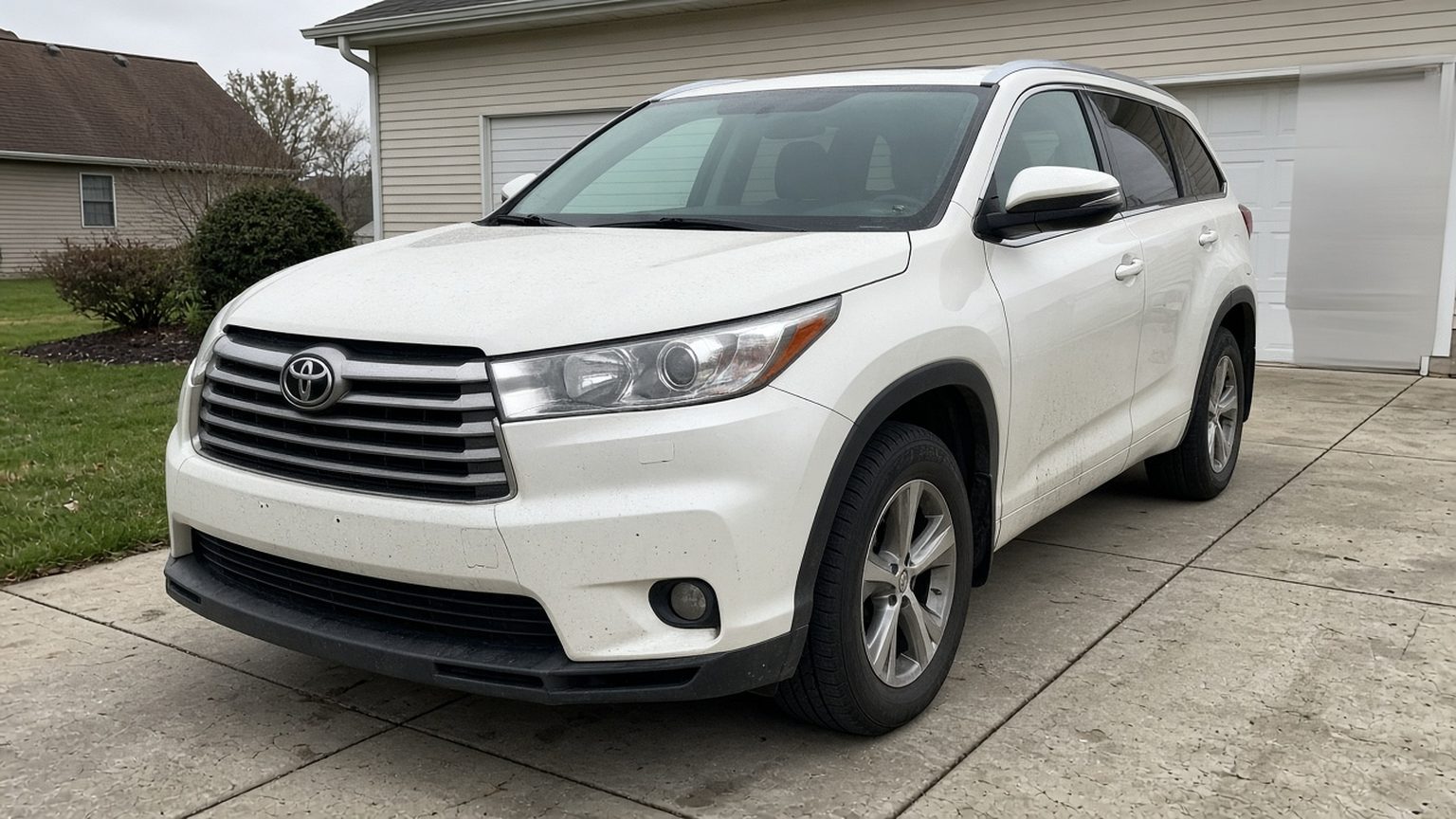
Worst Toyota Highlander years to avoid
If you want to buy a Toyota Highlander, it's not merely enough to know about the common problems we've listed, but to also apply that knowledge to avoid the problematic model years. By now, you are probably wondering - what are the worst Toyota Highlander years?
The worst Toyota Highlander years are 2019 and 2021 models, but here's a complete list:
- 2008
- 2019
- 2021
We'll also be highlighting the main issues that made these model years so unreliable, to make sure you'll make the right choice.
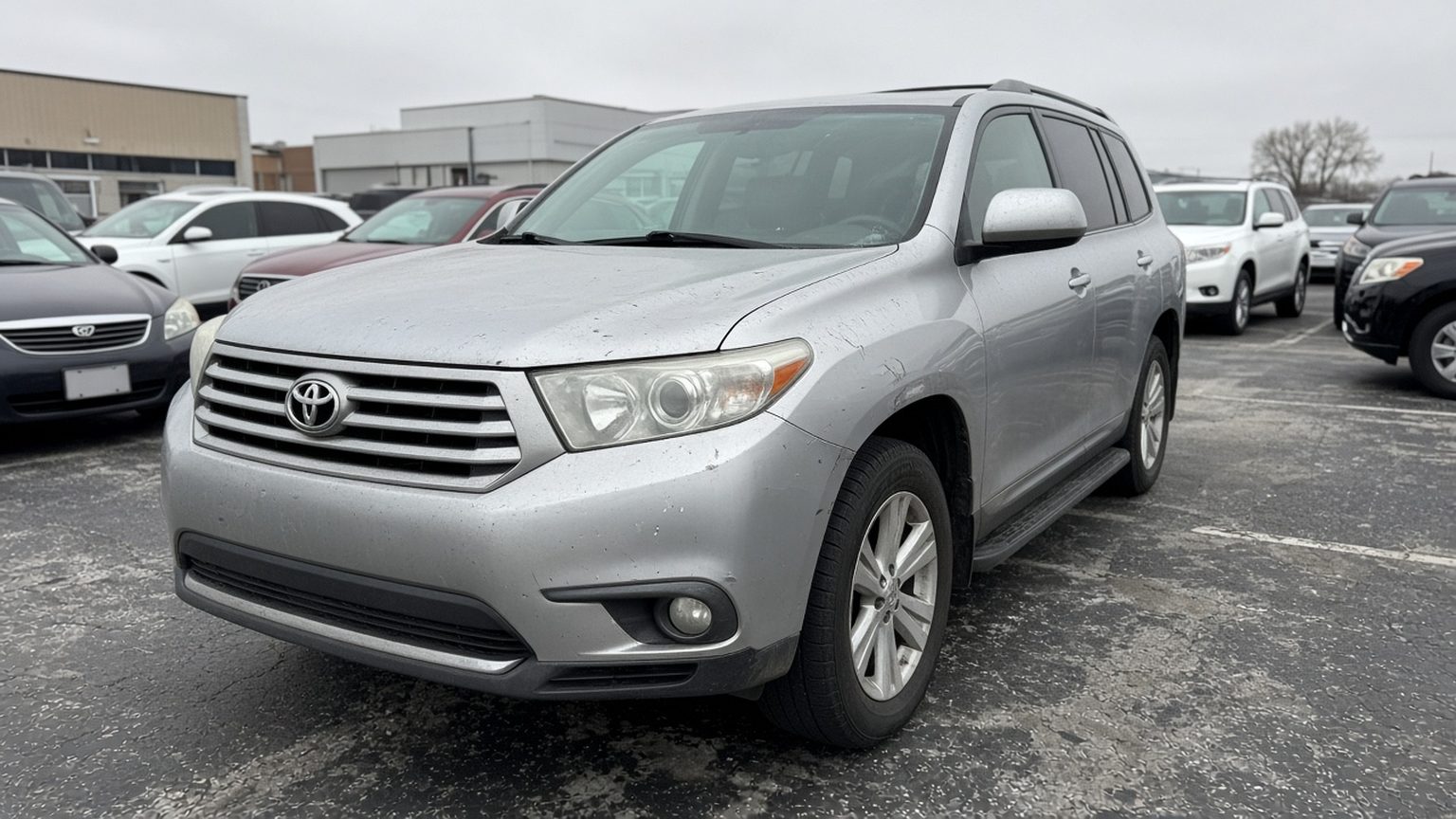
A word on the first-generation Highlander
The first generation of Toyota Highlanders is known for its 2003 model, which had its share of trouble. It consumed a lot of fuel and had many interior problems and oil leakage. The vehicle also suffered from brake failure, engine, paint, and coolant problems.
None of the first-gen years made our avoid list, though. Each drew between 124 and 328 complaints with NHTSA, with the 2002 drawing the most of the bunch.
The 2005 Highlander tried more than the 2003 model but still deserves a careful look. It had excessive oil sludge buildup and oil leakage problems. Drivers spent more on oil changes for this model than others, and the transmission and engine always got affected by one little delay in oil change.
Second-generation Highlander (2008 model year)
The first Highlander in this generation (2008) had a severe issue with the oxygen sensor component, which caused the engine light to keep going off. The problem usually caused the engine to misfire after some time, and in very severe cases, the engine would need to be replaced.
What made it more terrible is that regular proper engine maintenance could not prevent this issue from happening, causing drivers to either forfeit the vehicle later or replace the engine, which is a costly undertaking. On top of that, there was the infamous rod knock issue which appeared as the first sign of trouble.
The 2010 and 2012 drew far fewer complaints than the 2008, so they didn't make our avoid list. Still, some 2012 Highlanders suffered from excessive oil leaks and steering lock issues, so check for those before you buy.
A word on the 2013 and 2015 Highlander
The 2013 Highlander drew frequent reports of body/paint and engine issues.
Furthermore, the 2015 also inherited the transmission and air conditioning problems of the 2013 model, which was very unexpected. Neither year drew enough complaints to make our avoid list, but both are worth a careful inspection.
2019 and 2021 Toyota Highlander
The 2019, the last of the third generation, is among the worst-rated options considering that it earned negative driver feedback within just a couple of years since production.
It featured a lot of issues with malfunctioning interior accessories like dashboard defects and an inoperable navigation system. Plus, there were already some engine issues reported for this one including complete stalling or high idle RPMs. Owners filed 508 complaints about it with NHTSA, with the power train and the fuel pump near the top of the list.
The fourth generation got off to a shaky start too. The 2021 drew 535 complaints, again led by the power train, so we'd skip it. The 2020 sits in between with 323 complaints, and owners also grumbled about the A/C heater and interior accessories.
Checking a used Toyota?
Scan for hidden fault codes from your phone in minutes — before you buy.
REREV may earn a commission if you sign up through this link. Learn more.
What are the best Toyota Highlander years to buy?
So far we've only covered the bad stuff to prevent leading you astray with the purchase of a used Highlander. That being said, we believe the only thing on your mind currently is the question of what are the best Toyota Highlander years.
The best Toyota Highlander years are 2007 and 2014, but here's a complete list:
- 2001
- 2007
- 2009
- 2011
- 2014
- 2016
- 2023
These models fare better than the others with fewer issues, maintenance needs, and better fuel efficiency. We'll therefore further examine the best-rated years to help you understand the difference between, let's say, a 2007 model and a 2008 model.
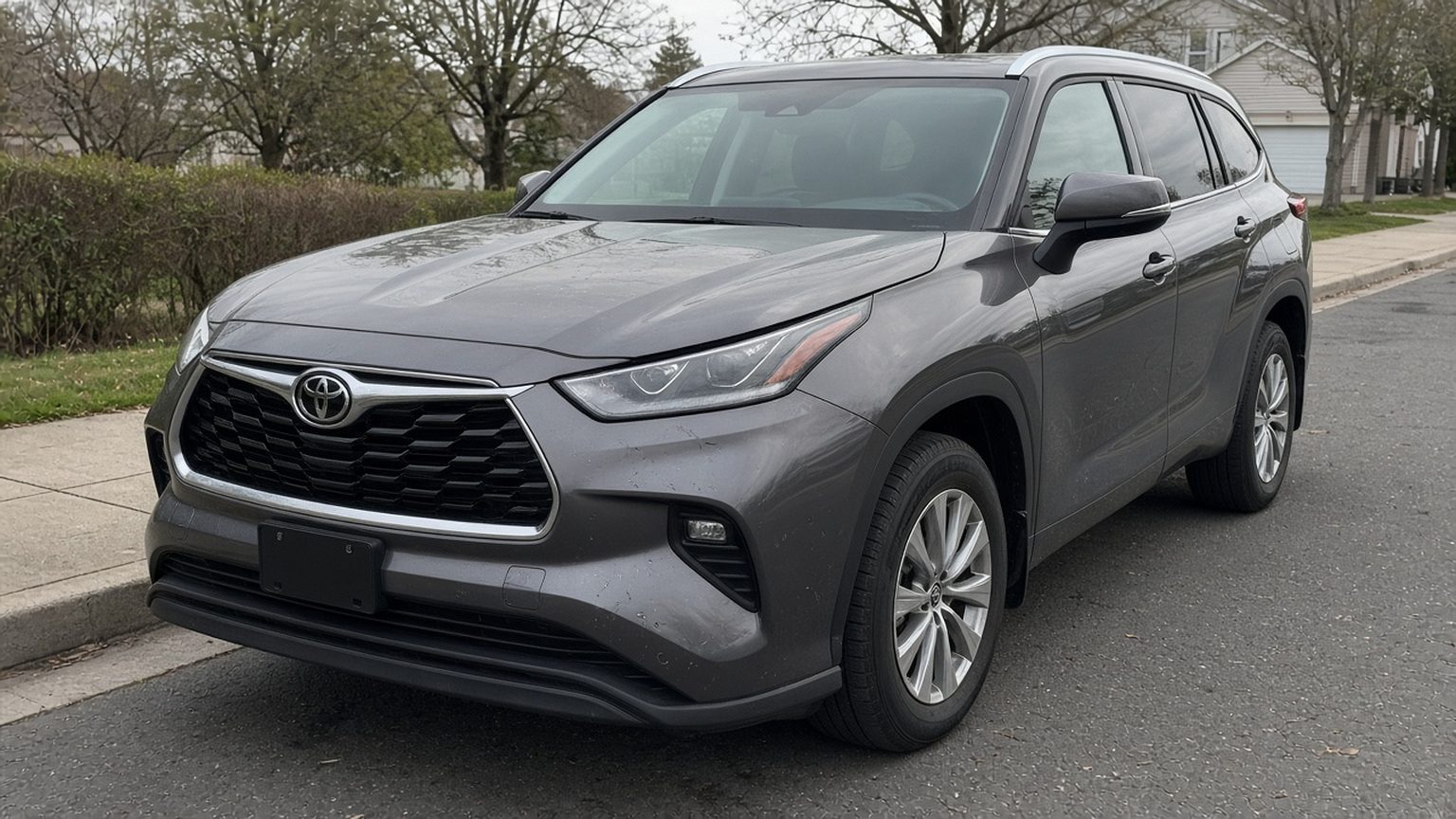
2007 Toyota Highlander
The 2007 Highlander did a lot of things right compared with a 2008 model and a few other early options. It only had a few complaints regarding engine issues which was a common problem for the Highlander at the time.
Also, there were just some minor reports of steering and interior accessories being faulty, but overall, the 2007 model deserves all the praise and positive criticism it received.
2014 Toyota Highlander
The 2014 kicked off the third generation, and it got off to a much better start than the 2008 did. Owners filed 136 complaints about it with NHTSA, about a third of what the 2008 drew, with electrical and body structure gripes topping the list.
As much as those are a drag, at least you wouldn't have to bother with the brake and power train trouble of the worst years if you buy one of these.
Is the Toyota Highlander worth buying?
The Toyota Highlander is a popular SUV option for many reasons. For one, the vehicle has a high-reliability score and offers excellent fuel economy, saving you a good deal of money. They are great options for most tracks, whether paved or off-road.
Also worthy of mention is that drivers can easily vary the use for the Highlander whether they wish to transport cargo, equipment, or passengers. They are also great for towing if the manufacturer’s requirements are met.
Furthermore, the Toyota Highlander has an outstanding safety rating and can endure much more than other midsize SUVs. It also has an excellent resale value which often turns into a profit.
With the proper maintenance, the Highlander can go a very long time without any serious issues. Even if you purchase it off the used vehicle market, you can still get many good years from it, so it is worth your money.
Pooling insights from driver testimonials and rigorous evaluations, our aim is to guide your vehicle purchase with precision. Interested in identifying the years that might tarnish your driving experience? Our targeted guides on Mazda CX-9 years to avoid, Ford Explorer years to avoid, and Honda Pilot years to avoid cast a spotlight on those less-than-ideal years. Begin your car acquisition journey with the solid backing of our thorough, insightful analyses, ensuring a choice you'll be content with long term.
What year did Toyota Highlander have problems?
The years with the most problems for the Toyota Highlander were 2019 and 2021, with more than 500 NHTSA complaints each. The 2008 isn't far behind, with 405.
Which model of Highlander is best?
Toyota has made steady progress with the Highlander and does its best not to repeat mistakes. Among newer models, the 2023 is a solid pick with far fewer complaints than the 2021, while the 2016 is the standout older pick.
What are the most common problems with the Toyota Highlander?
The most common problems with the Toyota Highlander are oil leaks, faulty airbags and conditioning systems, battery problems, excessive oil usage, and engine failure. You have to be careful about the model year you buy to avoid getting one that will drain your pocket significantly for maintenance and repairs.
Are Toyota Highlanders reliable?
Toyota Highlanders are reliable if you get the right one. That is why it is important to research before purchasing so you know the model to avoid. If you get the right model and are faithful to the proper maintenance schedule, you can drive the Highlander for many years without serious issues.