
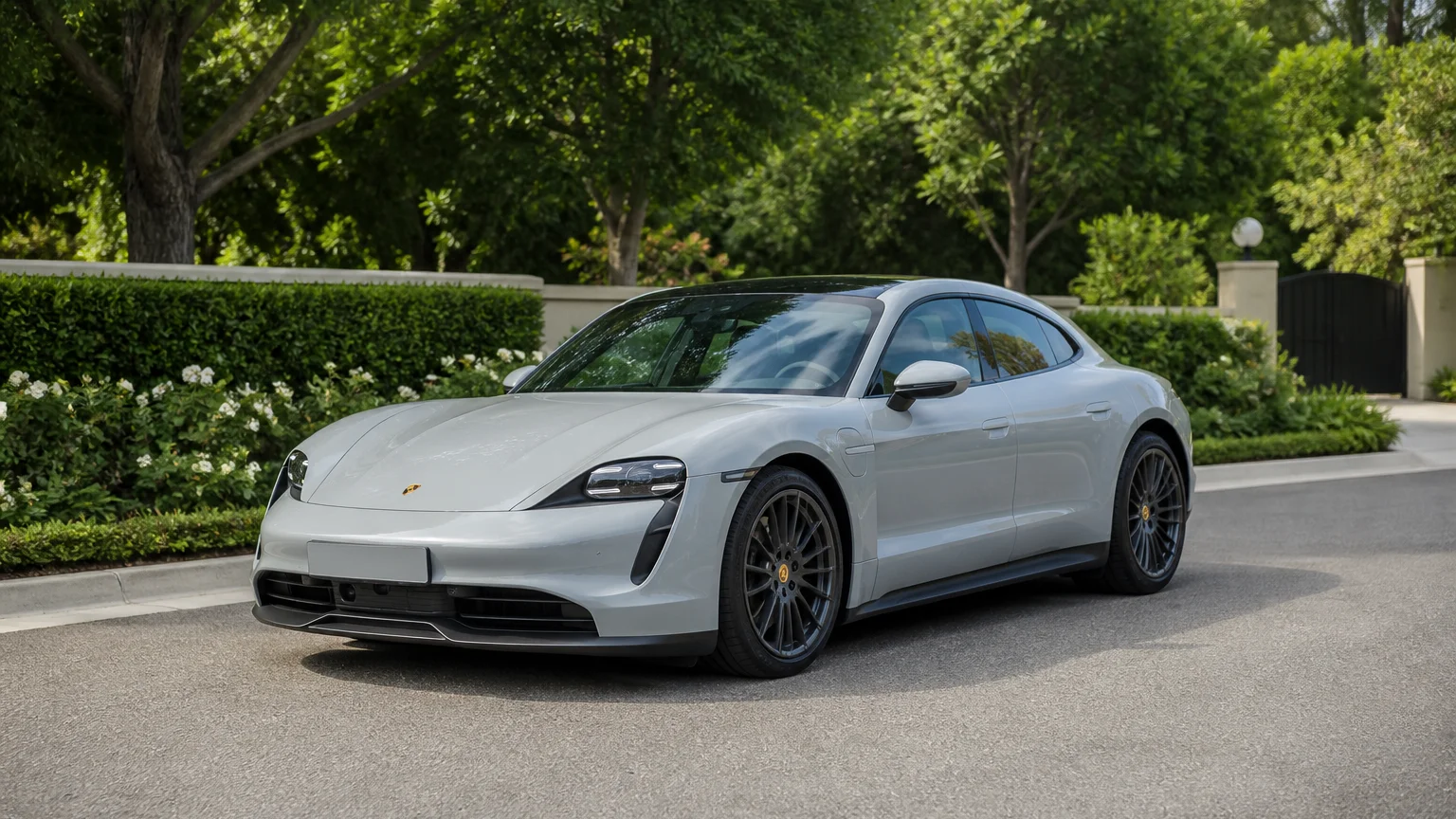
The Porsche Taycan is one of the most accomplished electric sports cars on the market, and the majority of model years are genuinely solid ownership propositions. That said, specific years carry documented high-voltage battery, 12V battery, and software issues that can mean significant out-of-pocket costs and extended dealer visits. This guide uses NHTSA complaint and recall data, CarComplaints owner reports, and owner-forum evidence to show you exactly which years to pass on and which to target.
For generations, engines, and ownership notes in one place, see the Porsche Taycan hub.
Related guides appear in the Porsche years to avoid directory.
At a glance
- Worst years
- 2020
- 2022
- Best years
- 2021
- 2025
- Top failure
- High-voltage battery short-circuit and fire risk across 2020-2023 (NHTSA recalls 24V-215 and 24V-732)
- Always do before buying
- Run the VIN through NHTSA's recall checker, and on any 2020-2023 car, confirm both HV-battery recall campaigns (24V-215 and 24V-732) are closed before you agree to purchase
Recalls by year
How we rated the best and worst Porsche Taycan years
The 2020 Porsche Taycan drew the most NHTSA complaints of any model year, making it the most complaint-heavy year by raw volume on NHTSA, while the 2022 Porsche Taycan has 81 problems and defects reported by Taycan owners on CarComplaints - the highest count on that platform, which uses a different methodology.
We rated model years using data from NHTSA complaints and recalls, CarComplaints (which ranks years by repair cost and mileage-at-failure via its PainRank system - a different measure from raw NHTSA volume), owner reviews on Edmunds and KBB, and owner discussions on TaycanForum. CarComplaints rates the worst year by repair cost and mileage-at-failure; NHTSA shows raw complaint volume. These are often different years, and we attribute each finding to the correct source throughout. Our years to avoid methodology weights complaint severity, recall count, and mileage-at-failure together rather than treating any single data source as the final word.
| Porsche Taycan Generation | Best Porsche Taycan Years | Worst Porsche Taycan Years |
|---|---|---|
| 1st gen (2020-2025, facelifted 2024) | 2021 | 2020, 2022 |
Every Porsche Taycan model year ranked
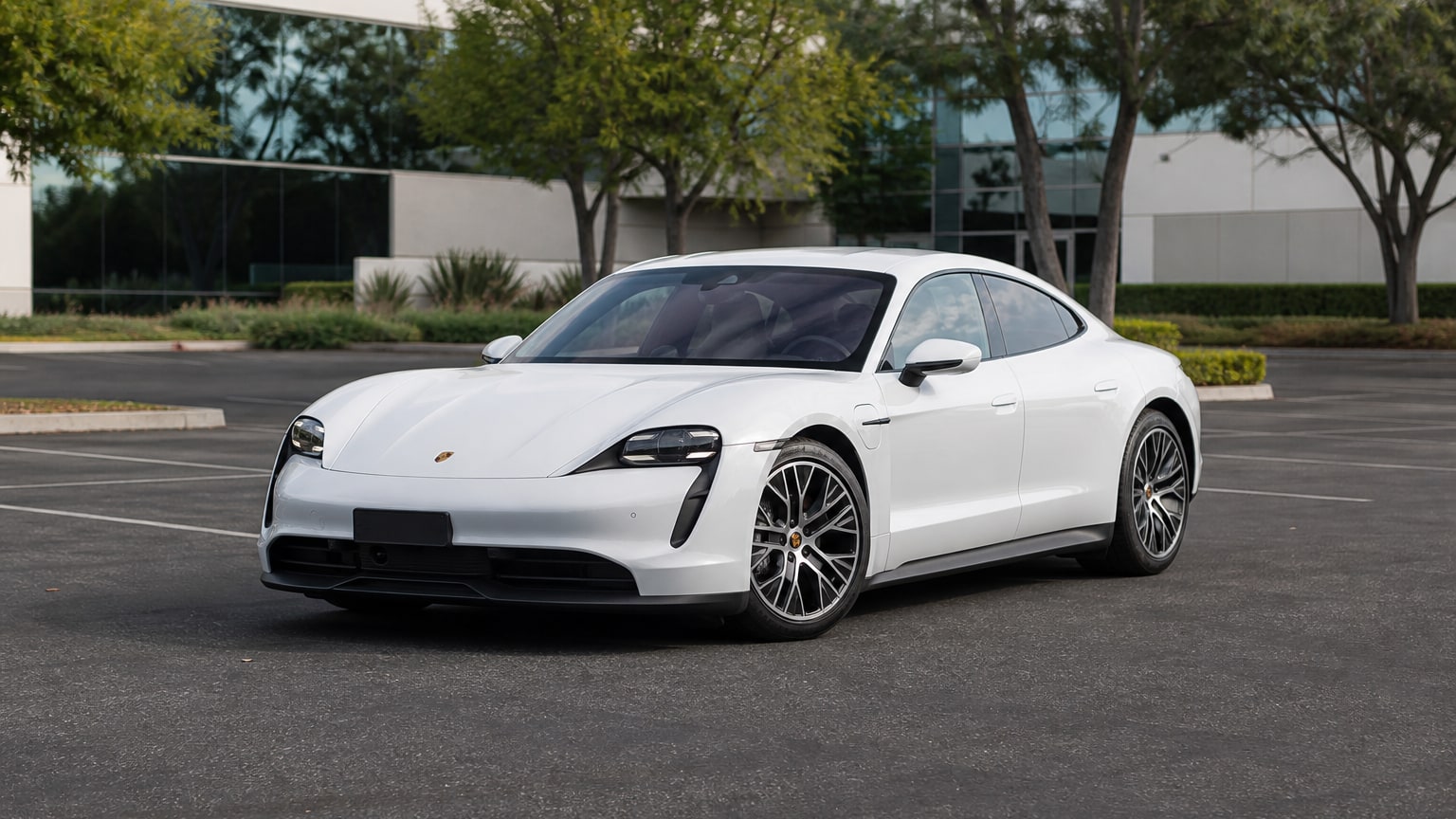
The Taycan spans a single generation from 2020 to present, and most years sit close to one another in overall reliability - but 2020 and 2022 stand apart on complaint volume and recall exposure.
| Model Year | Generation | Verdict | Notes |
|---|---|---|---|
| 2020 | 1st gen | Avoid | Highest NHTSA complaint volume; early software bugs; HV battery recalls |
| 2021 | 1st gen | Best | Lowest owner-complaint count on AutoReliabilityIndex; 70/100 reliability score |
| 2022 | 1st gen | Avoid | Highest CarComplaints report count (81); 40 recalls; fire-risk HV battery campaigns |
| 2023 | 1st gen | OK/Mixed | 40 recalls on file; HV battery sealant issue; electrical system complaints |
| 2024 | 1st gen (refreshed) | OK/Mixed | 19 recalls; 8 owner complaints; improved software; facelifted platform |
| 2025 | 1st gen (refreshed) | Best | 4 recalls; 2 owner complaints; 70/100 reliability score |
Most common Porsche Taycan problems
The single biggest documented failure across the Taycan lineup is the high-voltage battery short-circuit risk, which triggered multiple safety recalls and a fire hazard designation from NHTSA. Beyond that, 12V battery drain, software and infotainment instability, and charging irregularities are the recurring complaints owners report across all model years.
1. High-voltage battery short circuit and fire risk
The high-voltage battery may experience a short circuit within the battery modules, and as an interim measure, owners were advised to charge their vehicles to a maximum of 80% battery capacity until the repair was completed. The risk is serious: certain Taycan high-voltage batteries can experience short circuits within the battery modules, which can lead to thermal events and, in some cases, fires - and a short circuit in the high-voltage battery module increases the risk of a thermal event.
The first recall (NHTSA 24V-215, Porsche recall number ARA4) covered certain 2021-2023 Taycan, Taycan 4 Cross Turismo, 2020-2023 Taycan 4S, Taycan Turbo S, 2021-2022 Taycan 4S Cross Turismo, 2022 Taycan Turbo S Cross Turismo, 2022-2023 Taycan GTS, 2023 Taycan GTS Sport Turismo, and 2020-2021 Taycan Turbo vehicles. Porsche then expanded the campaign: NHTSA posted an expanded recall (24V-732) for certain 2021-2024 Porsche Taycans due to the high-voltage battery pack potentially experiencing a short circuit within the battery module, which could increase the risk of a fire, covering 27,527 Taycans.
Dealers replace the affected modules in the high-voltage battery, free of charge. Before buying any 2020-2023 Taycan, confirm at the dealer that both NHTSA campaigns 24V-215 and 24V-732 are closed on that specific VIN - the NHTSA recall checker makes this a one-minute task.
2. 12V battery drain and failure
The 2020 Taycan has the most reported issues, and 12V battery drain is the most common owner complaint. The mechanism is straightforward but costly: many Taycans have bricked due to the problem of not being charged by the high-voltage battery, and if you’re lucky you can recharge the 12V, but in many cases the battery is completely dead and Porsche replaces it at around $2,000.
At least one owner of a 2021 Taycan 4S with about 4,000 miles reported returning to find the 12V battery totally dead and having it replaced at a cost of over $2,000. A software update between 2020 and early 2024 allowed the HV battery to maintain the 12V battery charge when state of charge was above 50%, which suggests early cars lacked this protection. On TaycanForum, owners on 2020 builds consistently flag 12V charging bugs as a root cause. The fix is largely software-driven; confirm the latest powertrain software campaigns are applied before purchase.
3. Software and infotainment instability
Across 2020-2025 cars, software and infotainment bugs are the single most common annoyance owners discuss, especially on early builds that have not had regular updates - including the center screen freezing or rebooting mid-drive, slow startup when first getting in, and Bluetooth drops and Apple CarPlay/Android Auto glitches.
The 2020 Taycan, as the first production year, experienced the most software instability and early-generation quirks, while 2021 and newer models benefit from refined software, better energy management, and improved system integration. Unlike a bad battery pack, most Taycan software quirks can be resolved, or at least improved, by a dealer applying the latest campaigns and updates. Ask for a printout of all applied software campaigns as part of any pre-purchase inspection.
4. Charging irregularities and DC fast-charging complaints
Charging complaints are the most common Taycan discussion topic across owner forums. Owners reported issues with the car’s software including system crashes and glitches in the infotainment and navigation systems, and some experienced problems with the charging system such as slow charging speeds or difficulties connecting to chargers, which required dealer intervention.
The class-leading 270 kW DC fast-charge capability applies in ideal conditions; the real-world charge curve tapers steeply above 60% state of charge and is sensitive to ambient temperature, and cold-weather range loss is steeper than typical NCM packs - roughly 30-35% at 20°F. This is not a defect but a design characteristic; buyers in cold climates should factor it into range planning. A separate charging-cable recall (NHTSA 23V-841) also affects 2021-2023 Taycans and all submodel variants - verify it is closed.
5. Air suspension strut failure (2021 models)
A retaining ring on top of the suspension strut on certain 2021 Taycans may come loose, resulting in a dislodged strut and air loss from the strut spring - and an air suspension strut failure may cause a loss of vehicle handling and control, increasing the risk of a crash. This was addressed through a recall; confirm the specific VIN was remedied. Porsche’s recall number for this campaign is APA2, covered under NHTSA campaign 23V-176.
On a pre-purchase inspection, check for any warning lights related to suspension or ride height, and test the air suspension across all modes before agreeing to buy.
6. Brake rotor surface rust and accelerated tire wear
The most common Porsche Taycan problems also include rotor rust and tire wear. Because the Taycan relies heavily on regenerative braking during normal driving, the friction brakes go long periods without full engagement, allowing surface rust to form on the rotors. The Taycan weighs around 2,300 kg, sits on 20- or 21-inch low-profile performance tires, and has instant massive torque available at all times - a combination that causes tire wear, and owners, particularly Turbo S owners with the most aggressive torque outputs, report front tires wearing significantly faster than the rear.
The hidden costs of owning an electric car - including premium tire replacement on performance-spec rubber - are higher on the Taycan than most buyers expect. Budget for tire rotation every 5,000-7,000 miles and a rotor inspection if the car has sat unused for extended periods.
Which Porsche Taycan years should you avoid
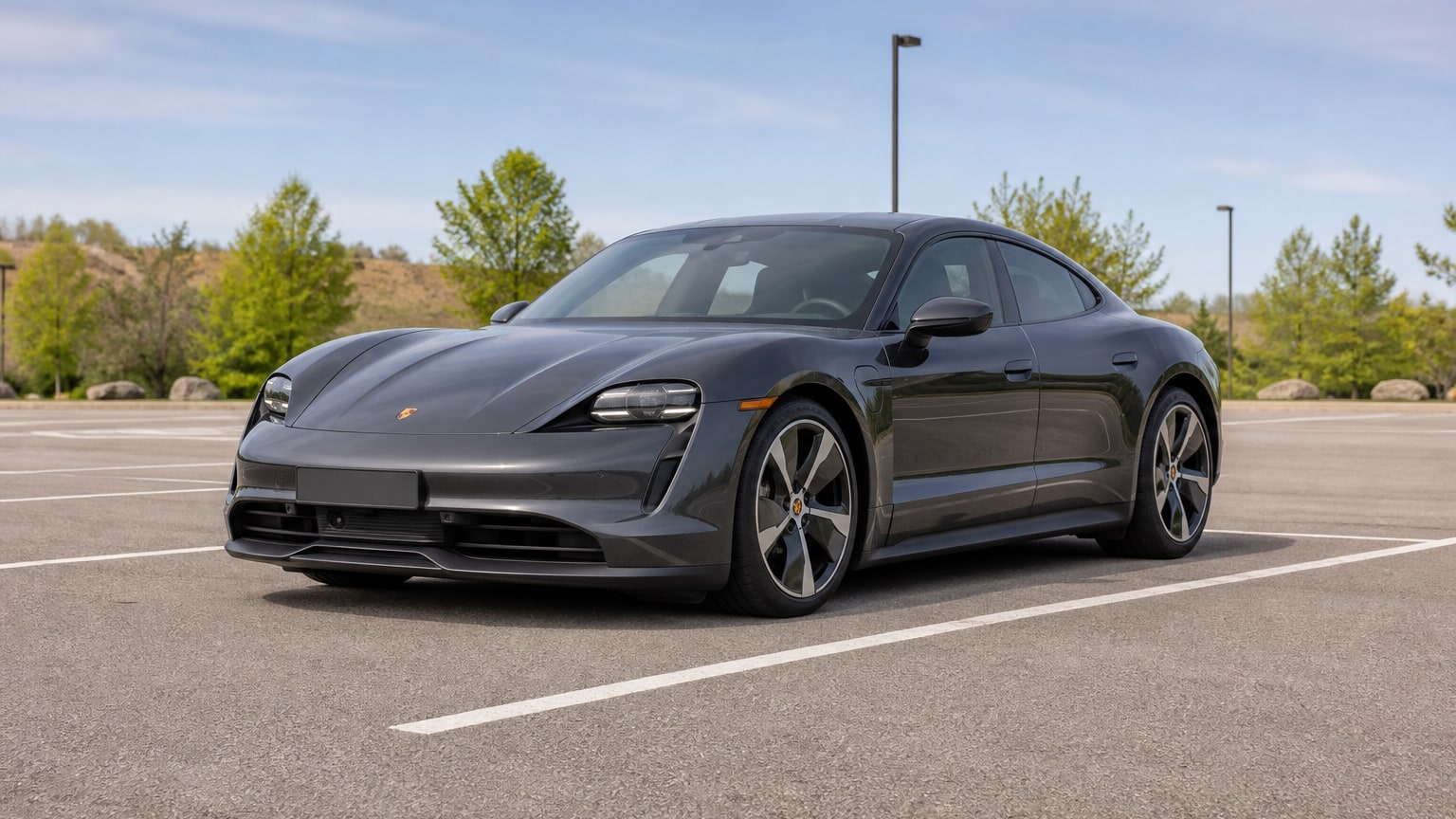
The Porsche Taycan years to avoid are 2020 and 2022. The 2020 Taycan logged the most NHTSA complaints of any model year, making it the highest raw-volume year on NHTSA, while the 2022 Porsche Taycan has 81 problems and defects reported on CarComplaints - the highest count by that platform’s measure.
| Porsche Taycan Generation | Model Years | Verdict | Main Issues |
|---|---|---|---|
| 1st gen (2020-2025) | 2021, 2025 | Best | Low complaint counts, refined software, strong reliability scores |
| 1st gen (2020-2025) | 2020, 2022 | Worst | High NHTSA volume / high CarComplaints count, HV battery recalls, 12V drain, software bugs |
| 1st gen (2020-2025) | 2023, 2024 | Mixed | Multiple recalls on file; mostly addressed; fewer owner complaints |
1st-generation Porsche Taycan (2020-2022)
The 2020 Taycan launched with the most software instability of any Taycan year. The 2020 Taycan is the year to approach carefully, as the first production year experienced the highest number of software bugs, charging issues, and early battery management quirks. The 2020 Porsche Taycan has 12 recalls on file per AutoReliabilityIndex, plus the highest NHTSA owner complaint volume of any year.
The 2022 is problematic for different reasons. There are 40 recalls and 76 owner complaints on file for the 2022 Porsche Taycan, with severity signals including 2 crash-related complaints and 2 fire-related complaints, and the most commonly reported problem areas being electrical system (31 complaints), powertrain (16 complaints), and unknown or other (8 complaints). The 2022 sits at the center of the HV battery short-circuit recall window and carries the highest CarComplaints report count of any Taycan year.
What are the best Porsche Taycan years to buy
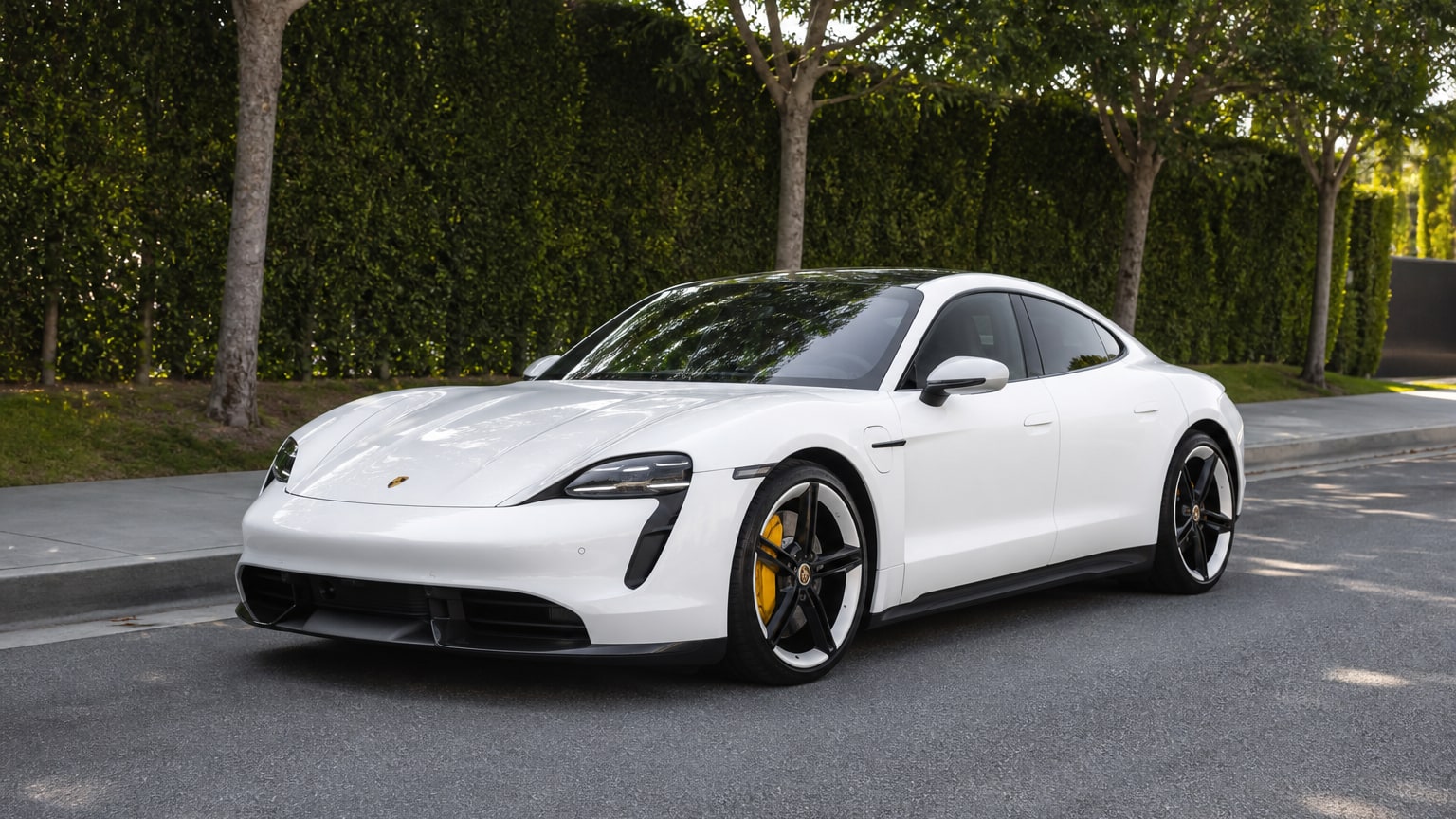
The best Porsche Taycan years to buy are 2021 and 2025. The 2021 Porsche Taycan has good reliability, with 16 recalls and just 1 owner complaint on file, the most commonly reported problem area being the electrical system - and it scores 70 out of 100 on AutoReliabilityIndex. The 2025 matches that score with even fewer recalls.
| Best Porsche Taycan Year | Why It's a Strong Buy |
|---|---|
| 2021 | Fewest owner complaints of all Taycan years; 70/100 reliability score; refined software over 2020 |
| 2025 | 4 recalls and 2 owner complaints on file; refreshed platform; highest reliability score alongside 2021 |
2021 Porsche Taycan
The 2021 is the sweet spot for used Taycan buyers. It received the software refinements that addressed 2020’s early bugs, and later models like the 2021 benefit from refined software, better energy management, and improved system integration. With only 1 owner complaint on file at AutoReliabilityIndex and a 70/100 reliability score, it is the cleanest year in the Taycan’s run so far. Verify the HV battery recall 24V-215 is closed (the 2021 falls within its scope), and confirm the air suspension strut recall (NHTSA 23V-176) is remedied, and the 2021 is a sound used buy.
2025 Porsche Taycan
The best Porsche Taycan year by reliability score is 2025, with 70 out of 100, rated good. The 2025 arrived with the facelifted platform and significantly reduced recall exposure. There are 4 recalls and 2 owner complaints on file for the 2025 Porsche Taycan, meaning it has the lightest recall burden in the model’s history. For buyers who can stretch to a near-new Taycan, the 2025 carries the least used-car risk. J.D. Power also named the Taycan best in its upper midsize premium EV segment in the 2024 APEAL study, reflecting very high owner satisfaction with quality, performance, and design.
Porsche Taycan submodel years to avoid
The Taycan lineup spans four main submodels - the Taycan 4S, Cross Turismo, and Turbo S - each assessed on its own complaint and recall record below.
Porsche Taycan 4S years to avoid
The Taycan 4S uses dual-motor all-wheel drive with a larger rear motor than the base rear-wheel-drive Taycan, placing it between the standard car and the Turbo on the power scale. It has been available since the 2020 model year. The 4S falls squarely within the scope of NHTSA recall 24V-215 (ARA4) for model years 2020-2023, and is also included in the expanded 24V-732 recall covering 2020-2024 Taycan 4S vehicles for the high-voltage battery short-circuit and fire risk.
No Porsche Taycan 4S model year has accumulated enough independent complaint data on CarComplaints or NHTSA to flag a 4S-specific avoid year beyond what is covered for the standard Taycan. The same 2020 early-software and 2022 elevated-complaint patterns apply here, because the 4S shares the J1 platform and battery architecture with the rest of the range. The one check specific to the 4S: a retaining ring on top of the suspension strut on certain 2021 Taycan 4S vehicles may come loose, resulting in a dislodged strut and air loss - and an air suspension strut failure may cause loss of vehicle handling and control. Confirm the suspension strut recall is closed on any 2021 4S before purchase.
-
Confirm NHTSA campaigns 24V-215 and 24V-732 are closed on the specific VIN
-
On 2021 cars, confirm the air suspension strut recall (NHTSA 23V-176 / Porsche APA2) is remedied
-
Check HV battery state of health via a Porsche dealer scan
Porsche Taycan Cross Turismo years to avoid
The Cross Turismo is the wagon/Sport Turismo variant of the Taycan, introduced for the 2021 model year. It shares the J1 platform and battery architecture with the sedan, offering slightly raised ride height and roof rails. The Cross Turismo (as Taycan 4 Cross Turismo and Taycan 4S Cross Turismo) is named within the ARA4/24V-215 HV battery recall for 2021-2022 model years.
No Cross Turismo model year has accumulated a distinct complaint pattern separate from the standard sedan. Because the Cross Turismo launched a year later than the base car, it missed the worst of the 2020 first-model-year software issues. The 2022 Cross Turismo sits within the same elevated-recall window as the 2022 sedan, so the same caution applies. Certain 2021-2023 Taycan 4 Cross Turismo vehicles are included in the high-voltage battery recalls, as the battery may experience a short circuit within the battery modules, which increases the risk of a fire. Verify both HV battery campaigns are resolved on any 2021-2023 Cross Turismo VIN.
-
Prioritize 2023-2024 Cross Turismo examples with confirmed recall completion over 2021-2022 cars
-
Ask for evidence of all software campaigns applied at dealer visits
Porsche Taycan Turbo S years to avoid
The Turbo S is the top-spec Taycan, producing over 750 hp in overboost with its dual-motor system and the largest battery pack in the range. It has been available since 2020. Turbo S owners with the most aggressive torque outputs report front tires wearing significantly faster than the rear. Budget for tire replacement more frequently than on lower-spec variants.
On the recall front, the Turbo S is subject to the same HV battery campaigns as the rest of the range. The 24V-732 recall covers 2020-2023 Taycan Turbo S vehicles for the high-voltage battery short-circuit and fire risk. No Turbo S model year has yet generated a unique fault pattern in NHTSA data that is distinct from the standard Taycan’s profile. Because the Turbo S draws on the same battery supplier production that triggered the ARA4 and 24V-732 campaigns, used buyers should treat recall verification as non-negotiable on this variant - one 2020 Taycan 4S owner reported being on their third high-voltage heater replacement at 41,000 miles, illustrating that high-use electrical components can see repeated failures on early builds of all high-spec variants.
-
Verify 24V-215 and 24V-732 are both closed before any purchase of a 2020-2023 Turbo S
-
Budget for premium tire wear, especially on the front axle
-
Request a battery health scan showing HV pack state of health percentage
Porsche Taycan pre-purchase checklist
Use this list on every used Taycan, regardless of model year, before you commit to a purchase.
- Run the VIN through NHTSA’s recall checker at nhtsa.gov/recalls: confirm NHTSA campaigns 24V-215, 24V-732, and 23V-841 are all closed - these are the three highest-stakes battery and charging recalls
- On 2020 and 2021 cars, ask about 12V battery history: the 2020 was the first model year known for 12V battery charging bugs; confirm the latest software campaigns addressing 12V maintenance are applied
- On 2021 cars, verify the air suspension strut recall (Porsche APA2 / NHTSA 23V-176) is remedied before test-driving
- Request a dealer battery health scan: ask for a printout showing high-voltage pack state of health; anything below 85% on a low-mileage car warrants negotiation
- Ask for a full software update history: all Taycan variants are updated via dealer visits; a car that has not been to a dealer in two or more years may be several campaigns behind
- Inspect around the charge port and underbody for corrosion: check around the charge port, trunk, and underbody for signs of corrosion or water intrusion, especially in snow-belt cars where road salt is common
- Test the DC fast-charge function: plug into a public fast charger and verify the charge rate climbs appropriately; a car that caps well below its rated peak may have a degraded battery or an unresolved software issue
- Check tire wear pattern: uneven or heavily worn front tires on a high-power variant can signal alignment issues or a history of aggressive driving that accelerates other drivetrain wear
Better alternatives to consider
If the Porsche Taycan years in your budget land on the avoid list, consider these alternatives instead:
-
Audi e-tron GT - shares the J1 platform with the Taycan, offering similar performance and build quality with its own distinct complaint profile worth comparing before you buy
-
Tesla Model S - longer production run and a more established used-car market, though fit-and-finish complaints are more common than on the Taycan
-
Porsche Boxster - if your budget is flexible on body style, the Boxster offers Porsche driving character with a longer reliability track record and clearer year-by-year data
-
Mercedes-Benz EQS - comparable luxury EV segment with a similar infotainment-heavy profile; worth cross-shopping if range is a priority over driving dynamics
Is the Porsche Taycan worth buying
Yes, the Taycan is worth buying as long as you avoid the 2020 and 2022 model years. For the Porsche Taycan overall, all 28 recalls on file have a remedy available, and no NHTSA investigations are currently open, which means the known problems are documented and fixable rather than ongoing unknowns. The 2021 and 2025 are the two years where complaint counts are lowest and reliability scores highest, and either makes a genuinely strong used-car purchase at the right price.
From a big-picture view, the Taycan lands in the “good but not bulletproof” camp; owners generally love the car and report relatively few day-to-day problems, and consumer owner reviews on major automotive sites hover around 4.0-4.5 out of 5 stars, with many praising build quality and reliability. Run the VIN through NHTSA’s recall database and verify a full maintenance and software update history before handing over any money.
Frequently asked questions
What are the best Porsche Taycan years to buy?
The best Porsche Taycan years to buy are 2021 and 2025. The 2021 has just 1 owner complaint on file at AutoReliabilityIndex with 16 recalls, all remedied, and the 2025 carries only 4 recalls and 2 owner complaints - the lightest burden in the model’s history.
What are the worst years for the Porsche Taycan?
The worst years for the Porsche Taycan are 2020 and 2022. The 2020 logged the most NHTSA complaints of any Taycan model year, and the 2022 has 81 problems and defects reported on CarComplaints - the highest count on that platform - along with 40 recalls and 2 fire-related complaint flags.
Which year Porsche Taycan is most reliable?
The 2021 Porsche Taycan is the most reliable pick among used examples. It scores 70 out of 100 on AutoReliabilityIndex, rated Good, with the fewest owner-submitted complaints of any Taycan year and refined software over the first-year 2020 model. The 2025 ties it on score but is newer and priced accordingly.
What year Porsche Taycan has the worst battery problems?
Porsche became aware of a battery fire report in 2021 and began investigating, tracing the issue to a production fault in battery modules. The resulting recalls (24V-215 and 24V-732) cover 2020-2024 Taycans across all trims. The 2022 model year sits at the center of the high-complaint window and carries 2 fire-related complaint flags on NHTSA. Verify both recall campaigns are closed before buying any 2020-2023 Taycan. The how far can electric cars go on one charge question is also affected on cars with degraded or partially-repaired battery packs, so a battery health scan matters here.
How long does a Porsche Taycan last?
Industry fleet data suggests 95% range retention at 5 years on average across 30,000-plus EVs tracked by Recurrent, and the Taycan’s battery architecture is designed to the same standard. When driven regularly and kept updated, the Taycan works very well as a daily car, and short trips without charging or long periods of inactivity are what cause most issues - not the drivetrain itself. With consistent charging, regular software updates, and a 12V battery maintainer for storage periods, a well-maintained Taycan should remain reliable well past 100,000 miles.