
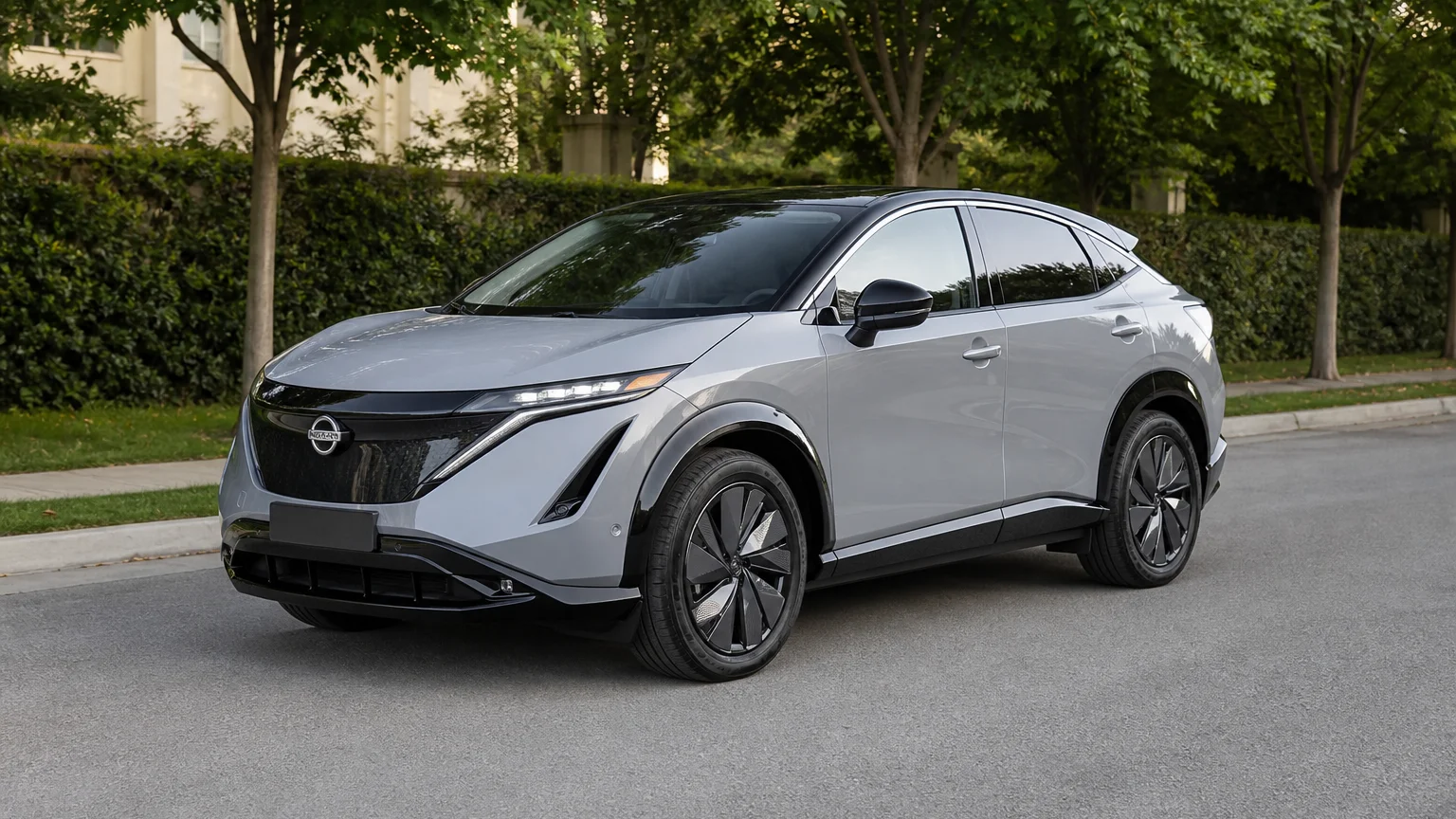
The Nissan Ariya is a strong all-electric crossover overall, but the first model year off the line came loaded with safety recalls and owner complaints that set it apart from every year that followed. If you know which year to skip and which to target, you can get a well-priced used Ariya with far less ownership drama. This guide ranks every model year on real data from NHTSA complaints and recalls, CarComplaints, owner forums, and third-party ratings so you can buy with confidence.
For generations, engines, and ownership notes in one place, see the Nissan Ariya hub.
Related guides appear in the Nissan years to avoid directory.
At a glance
- Worst years
- 2023
- Best years
- 2024
- 2025
- Top failure
- 2023-only inverter software shutdown and traction motor defect - the two issues triggered three of the Ariya's four lifetime recalls (NHTSA / CarComplaints)
- Always do before buying
- run the VIN through NHTSA's recall checker to confirm all four 2023 recalls are closed, plus check that the 12V auxiliary battery has been inspected or upgraded on any 2023-2024 car
Recalls by year
How we rated the best and worst Nissan Ariya years
The 2023 Nissan Ariya is the clear worst model year, carrying four federal safety recalls and 39 NHTSA owner complaints against zero recalls and six or fewer complaints for every later year. To reach these rankings we drew on NHTSA recall and complaint data, CarComplaints per-year defect filings, Consumer Reports owner surveys, Edmunds and Kelley Blue Book ratings, and the dedicated owner community at AriyaForums.com. CarComplaints ranks a year’s severity by repair cost and mileage-at-failure (its PainRank), while NHTSA shows raw complaint volume - and for the Ariya, both sources point to 2023 as the weakest entry. The two measures are different datasets and should not be mixed. Our years to avoid methodology weights recall severity, complaint volume, and mileage-at-failure together so that a single catastrophic fault is not buried by a high volume of minor gripes.
| Nissan Ariya Generation | Best Nissan Ariya Years | Worst Nissan Ariya Years |
|---|---|---|
| 1st gen (2023-present) | 2024, 2025 | 2023 |
Every Nissan Ariya model year ranked
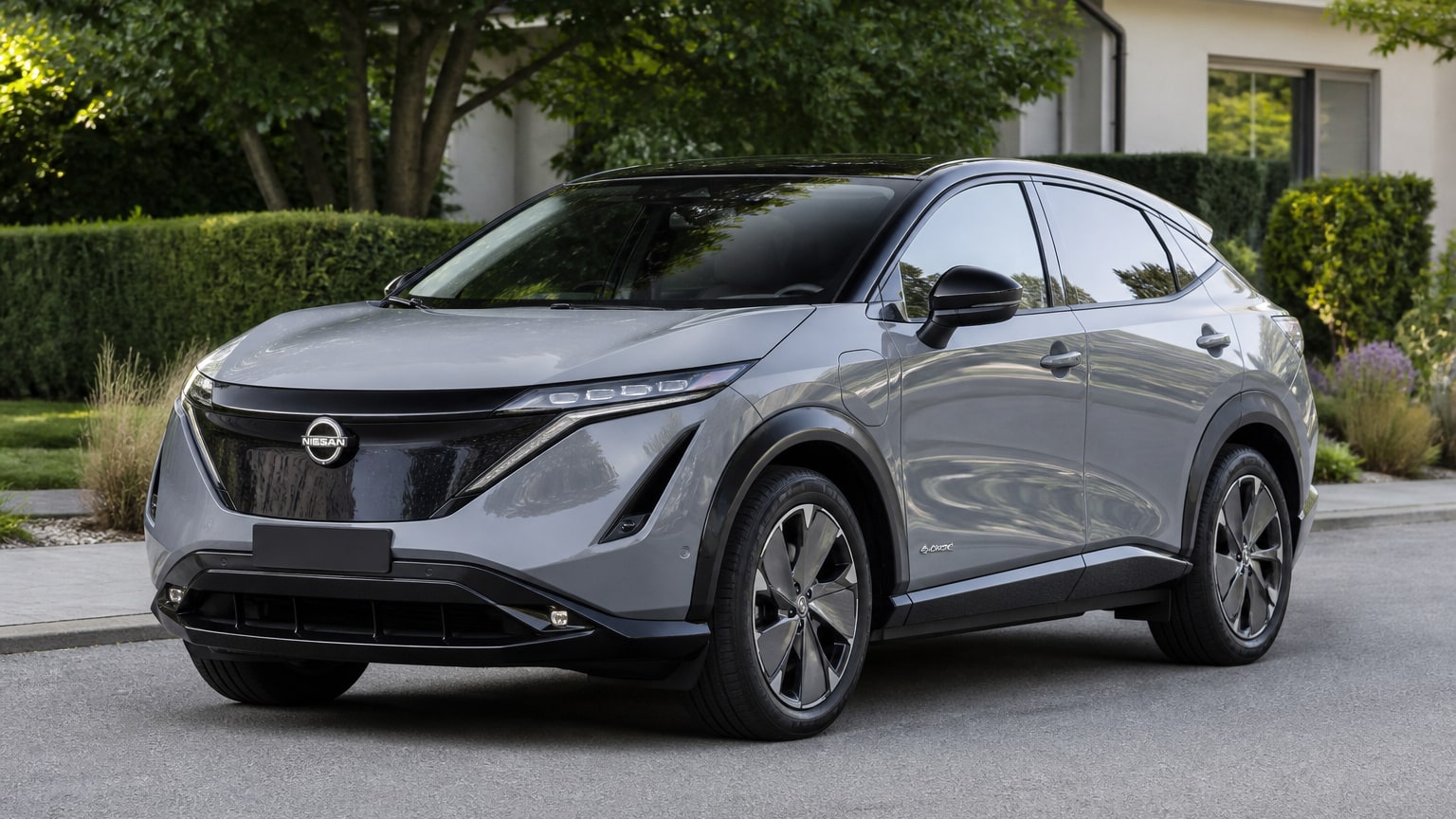
The Nissan Ariya has been sold in the US as a single generation starting with the 2023 model year. The table below covers all years with meaningful data; 2026 is included for reference but has no used-market history yet.
| Model Year | Generation | Verdict | Notes |
|---|---|---|---|
| 2023 | 1st gen | Avoid | 4 recalls, 39 NHTSA complaints, inverter and traction motor defects |
| 2024 | 1st gen | Best | 0 recalls, 6 NHTSA complaints, 5-star NHTSA crash rating |
| 2025 | 1st gen | Best | 0 recalls, 7 NHTSA complaints, improved software maturity |
| 2026 | 1st gen | OK/Mixed | 0 recalls, 0 complaints - too new for used-market assessment |
Most common Nissan Ariya problems
The single biggest failure on the Nissan Ariya is the inverter software defect that can cut drive power without warning at highway speed - a problem unique to the 2023 model year that spawned back-to-back federal recalls. Beyond the powertrain software issues, owners across all years report recurring 12V battery weakness, EV charging quirks, and in-car electronics glitches.
1. Inverter software shutdown (loss of motive power)
Conductive fibrous shavings from the drive motor’s slip ring assembly can momentarily short-circuit the two slip rings. When that happens, the shavings burn out instantly with no component damage - but the inverter interprets the surge as an over-current event and cuts motor torque as a fail-safe, producing an abrupt “EV System Off” message and total loss of drive power.
NHTSA recalls 23V-657 and 24V-560 both targeted this inverter software failure - two sequential acknowledgments of the same underlying fault. Vehicles covered by 24V-560 had all previously been recalled under 23V-657, meaning Nissan had to issue a follow-up software update after the first fix proved incomplete for some owners. NHTSA owner complaints confirm that completing both software updates was not enough for all owners, and power losses continued after the recalls were applied.
All repairs under both recalls are performed free of charge for parts and labor, and the dealer reprograms the inverter software in a session that typically takes under an hour. The Nissan manufacturer recall number for the first campaign is R23C6 (NHTSA 23V-657). Before buying any 2023 Ariya, confirm with the dealer that both the 23V-657 and 24V-560 software updates have been applied to that specific VIN. At high speeds, the inverter may cut electric motor torque suddenly and without prior warning, so an un-remedied car poses a real crash risk.
2. Front traction motor assembly defect
On certain 2023 Ariya vehicles, an internal O-ring may have been damaged during traction motor assembly. As a result, an oil leak can occur, mix with debris, and over time accumulate between the brush terminal and the motor housing - a build-up that can cause an abnormal electric current and trigger fail-safe mode.
The driver may experience a sudden loss of motive power with no ability to restart; the dashboard displays a “Restart is prohibited” warning when this occurs. This is covered under NHTSA recall 24V-391 (Nissan campaign ID R24A3), which applies only to 2023 model year cars. NHTSA reports 84 vehicles were potentially involved, and Nissan estimated 100% of them contained the defect.
Beginning July 12, 2024, owners of affected vehicles were notified to bring their Ariya to a Nissan dealer for replacement of the front traction motor assembly - a repair performed free of charge that takes up to 10.5 hours to complete. Ask any seller of a 2023 Ariya for written documentation that R24A3 / 24V-391 has been completed, since the motor replacement is a multi-hour job that not every dealer may have already performed.
3. 12V auxiliary battery failure
The bulk of complaints on 2023-2024 Ariyas involve 12-volt batteries, warning lights, and software glitches that can leave the car undriveable until reset or repaired, but usually without long-term damage. The lead-acid 12V battery - separate from the main high-voltage traction pack - is the system that powers door locks, the infotainment display, and the startup sequence. A weak or dead 12V triggers a cascade of “EV System error” warnings even when the high-voltage pack is fully charged.
One owner reported that after a 12V depletion event, the car would not start and showed an “EV error” message; after a jump-start, an “EV System error” persisted until the battery was disconnected and reconnected. Owners on AriyaForums.com widely recommend checking the 12V voltage on any used Ariya before purchase. One 2024 owner noted that the OEM 12V battery measured 11.4 volts - essentially 0% state of charge - and chose to replace it with an AGM battery independently. A replacement 12V battery typically costs $100-$200 for parts; the hidden costs of owning an electric car include this kind of auxiliary system wear that pure-EV shoppers often overlook.
4. In-car electronics and software glitches
The most common Nissan Ariya problems across all model years, based on NHTSA owner complaint data, are electrical system (26 complaints), powertrain (9 complaints), and unknown or other (2 complaints). The electrical system category covers infotainment freezes, blank display screens, Bluetooth pairing failures, and NissanConnect app disconnections.
Multiple Ariya owners report that over-the-air software updates have caused system malfunctions including infotainment freezing, climate control failures, and in some cases, the vehicle entering a non-drivable state requiring a dealer tow. Most complaints center on in-car electronics and software quirks, with relatively few serious drivetrain or high-voltage battery failures reported so far. This is a “fussy but not catastrophic” category: issues are annoying and sometimes leave you stranded, but they rarely cause permanent hardware damage.
5. DC fast-charging inconsistency
Owners across model years report Level 2 AC charging sessions stopping early or failing to initiate at all, DC fast-charging speeds that rarely hit the brochure numbers in real-world use, and navigation that struggles to reliably surface fast chargers despite user settings.
The charging software has improved through over-the-air updates on later cars, but used buyers should test a full charging cycle before purchase. Consumer Reports predicts the 2025 Ariya will be more reliable than the average new vehicle, drawing on data from 2023-2025 Ariyas - a positive trajectory that suggests the charging-related bugs are being progressively resolved. If you wonder how far electric cars go on one charge compared to the EPA estimate, real-world DC fast-charging throttling is one of the primary reasons the actual number falls short.
6. Steering wheel bolt recall (2023 only)
NHTSA recall 23V-131 covers a steering wheel bolt that may have been tightened incorrectly or not installed at all during assembly. A missing or loose steering wheel bolt allows the wheel to detach from the steering column while driving, creating an immediate loss-of-control crash risk. Nissan began notifying owners by phone on March 2, 2023; dealer repair consisting of bolt replacement is free of charge.
This recall applies exclusively to early 2023 production Ariyas and was issued before most cars had even reached customers. Verify via the NHTSA VIN lookup that 23V-131 has been completed before driving any 2023 Ariya off a dealer lot.
Which Nissan Ariya years should you avoid
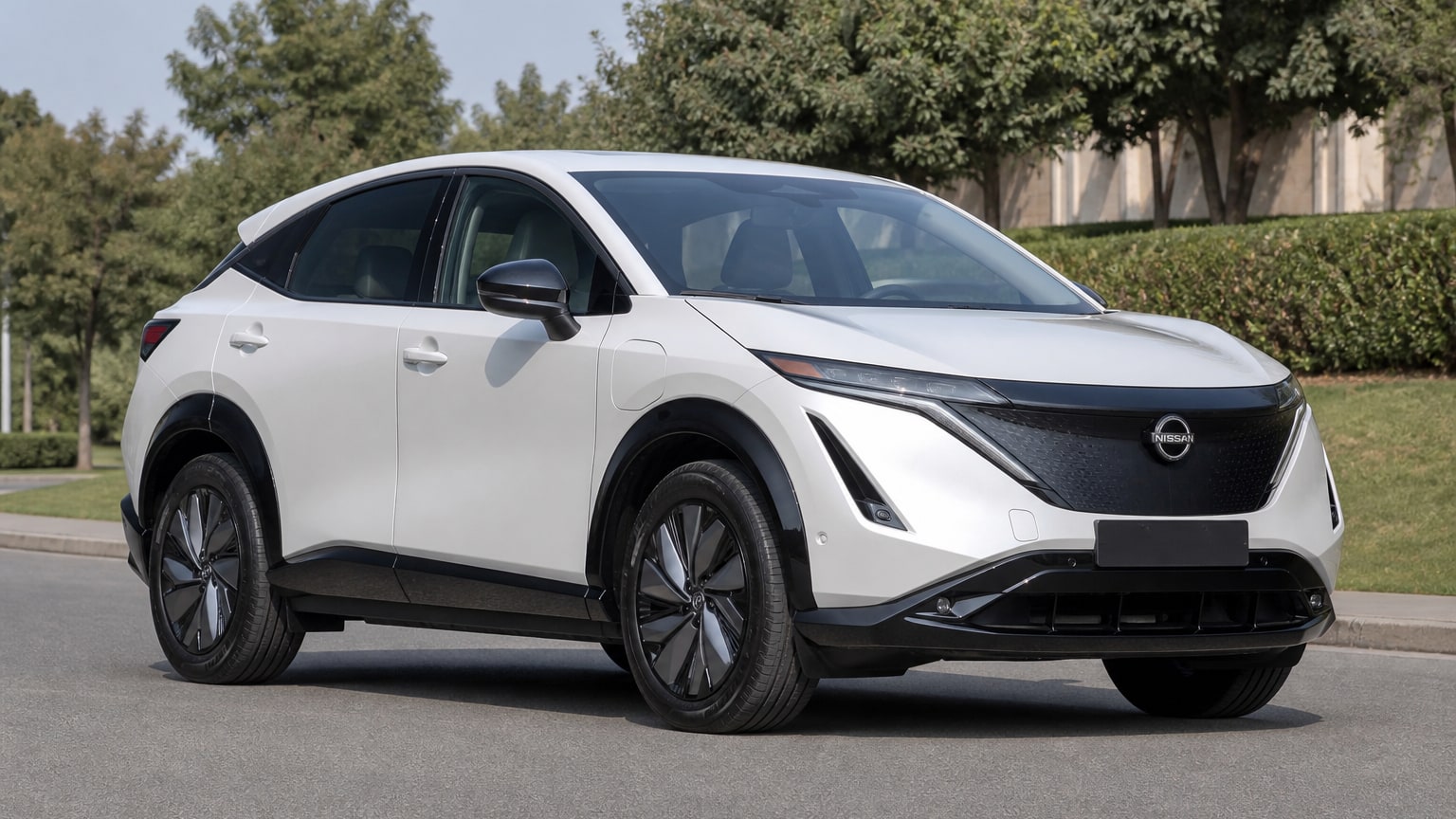
The Nissan Ariya year to avoid is 2023. The 2023 is the year to avoid based on reliability scores, NHTSA recalls, and owner complaints; it scores 76/100 - the lowest of any Ariya model year. On NHTSA complaint volume, the 2023 Ariya has 4 recalls and 39 owner complaints on file, including 1 crash-related complaint, with the top reported problem areas being Electrical System (19 complaints), Powertrain (9 complaints), and Unknown/Other (2 complaints). On CarComplaints, the 2023 Nissan Ariya has 44 problems and defects reported, making it by far the most-complained-about Ariya model year in that database.
| Nissan Ariya Generation | Model Years | Verdict | Main Issues |
|---|---|---|---|
| 1st gen | 2023 | Worst | 4 recalls, inverter shutdown, traction motor defect, 12V battery failure |
| 1st gen | 2024, 2025 | Best | 0 recalls, low complaint volume, strong safety ratings |
| 1st gen | 2026 | Mixed | Too new; no used-market data |
1st-generation Nissan Ariya (2023-present)
Within eighteen months of its first deliveries, Nissan issued four separate federal safety recalls on the 2023 Ariya, and three of those recalls share the same consequence: the electric drivetrain shutting off without warning at highway speed. The four recall campaigns - 23V-131 (steering wheel bolt), 23V-657 (inverter software, first fix), 24V-391 (traction motor O-ring), and 24V-560 (inverter software, second fix) - all apply exclusively to 2023 model year cars.
Common issues on the 2023 model include electrical system failures, with 19 electrical complaints and 4 recalls, while later models show improvement with fewer complaints and no recalls. If you find a 2023 Ariya priced attractively, make sure all four recalls have been completed on that VIN before you buy - the traction motor replacement alone takes up to 10.5 dealer hours.
What are the best Nissan Ariya years to buy
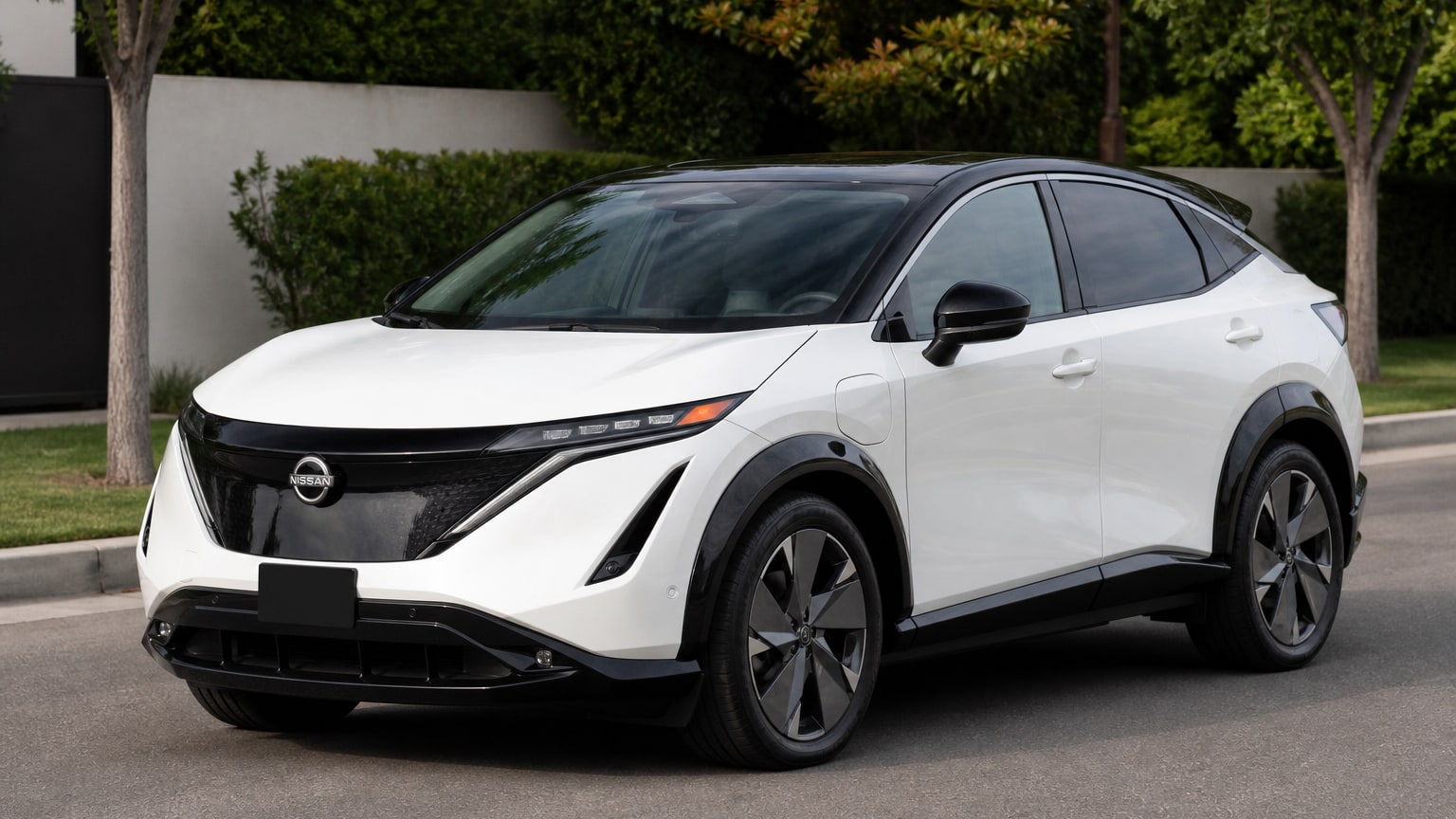
The best Nissan Ariya years to buy are 2024 and 2025. Both carry zero recalls and a fraction of the complaint volume seen in 2023, backed by strong crash-test scores.
| Best Nissan Ariya Year | Why It's a Strong Buy |
|---|---|
| 2024 | 0 recalls, 6 NHTSA complaints, 5-star NHTSA crash rating, Consumer Reports rates it "much more reliable than other cars from the same model year" |
| 2025 | 0 recalls, 7 NHTSA complaints, 5-star NHTSA overall safety rating, software maturity from two years of OTA updates |
2024 Nissan Ariya
The 2024 Nissan Ariya has excellent reliability with 0 recalls and 6 owner complaints on file. Consumer Reports rates the 2024 Ariya as “much more reliable than other cars from the same model year.” The 2024 Ariya also earned an IIHS 2024 TOP SAFETY PICK rating for FWD and AWD vehicles with a 63-kWh battery.
Edmunds experts tested the 2024 Ariya and gave it a 7.2 out of 10. The 2024 also received a price reduction from Nissan, making used examples particularly good value. The electrical system complaints that remain are minor software and Bluetooth issues rather than the powertrain safety faults seen on 2023 cars.
2025 Nissan Ariya
The 2025 Nissan Ariya has excellent reliability, with 0 recalls and 7 owner complaints on file; the most commonly reported problem areas are Electrical System (5), Unknown/Other (1), and Structure (1). The 2025 Ariya received an overall 5-star safety rating from NHTSA, with frontal crash rated 4 stars, side crash 5 stars, and rollover 5 stars.
The Nissan Ariya has earned IIHS TOP SAFETY PICK honors, and the 2025 model carries that strong safety baseline into its second full year of software refinement. KBB rates the 2023 Ariya 4.4 out of 5 overall, and the 2024-2025 cars have drawn similarly positive owner reviews. The 2025 benefits from two years of owner feedback baked into its OTA update cadence, which addresses the charging app and navigation bugs that plagued early cars.
Nissan Ariya pre-purchase checklist
Before buying any used Nissan Ariya, work through these model-specific checks:
- Run the VIN through NHTSA’s recall checker. Every 2023 Ariya was subject to four recalls (23V-131, 23V-657, 24V-391, and 24V-560). Confirm all four show as “completed” on nhtsa.gov/recalls before you negotiate a price.
- Verify the traction motor replacement on 2023 cars. Recall 24V-391 (Nissan campaign R24A3) requires up to 10.5 hours of dealer labor. Ask the seller for written documentation that this specific repair is done; a verbal “it’s been serviced” is not enough.
- Check the 12V auxiliary battery voltage. With a cheap voltmeter, measure the 12V battery at rest - it should read 12.6 volts or higher. Anything below 12.0 volts on a car that has been recently driven is a warning sign of a degraded battery that will cascade into EV system error warnings.
- Test a full charging session. Plug into both a Level 2 AC charger and, if possible, a DC fast charger. Confirm the session initiates, holds at the expected rate, and stops on command. Charging app disconnections and premature session stops are the most common ongoing Ariya complaint.
- Verify the inverter software version (2023 only). Ask the dealer to confirm that both the 23V-657 and 24V-560 inverter software updates have been applied, not just one. Some owners completed the first update but had not yet received the second.
- Check for open infotainment software updates. Ask the dealer to confirm the car is on the latest NissanConnect software build. Outdated software is the root of most blank-screen and Bluetooth pairing complaints.
- Request full service and charging records. Look for consistent charging history and any warranty repair documentation. Because the Ariya is a lower-volume EV, some owners have faced long waits for parts or limited EV expertise at their local dealer - a service history showing a knowledgeable dealer is a meaningful positive signal.
Better alternatives to consider
If the 2023 Ariya is all you can find in your budget, or if its recall history gives you pause, these alternatives occupy a similar EV crossover space:
-
Nissan Leaf - Nissan’s longer-running all-electric model with a more established year-by-year reliability record and a larger pool of used inventory to choose from
-
Hyundai Ioniq 5 - a highly rated rival EV crossover in the same segment with strong owner satisfaction scores and a wider dealer network for EV service
-
Kia EV6 - shares the Ioniq 5 platform, carries comparable range and charging speeds, and has a similarly short but clean reliability track record for later model years
-
Chevrolet Equinox EV - a newer entrant at a lower price point with no multi-recall first-year baggage, for buyers prioritizing a clean ownership slate
Is the Nissan Ariya worth buying
The Nissan Ariya is worth buying as long as you stick to 2024 or 2025. The Ariya covers model years 2023 to 2026 with an average reliability score of 85/100; common issues are concentrated in the 2023 model, while later models show improvement with fewer complaints and no recalls, and the estimated annual repair cost is $500.
The 2024 Ariya earned an IIHS 2024 TOP SAFETY PICK rating, and the 2025 received an overall 5-star NHTSA safety rating - strong scores that hold up well against segment rivals. The 2023, by contrast, drew four recalls and nearly 40 NHTSA complaints in its first year alone. Run the VIN through NHTSA’s recall checker on any Ariya you’re considering, and verify the full maintenance and recall-completion history before signing.
Our editorial guidelines for vehicle research require that every year-to-avoid verdict be supported by at least two independent data sources, which is why the 2023 Ariya’s ranking draws on both NHTSA and CarComplaints simultaneously.
Frequently asked questions
What are the best Nissan Ariya years to buy?
The best Nissan Ariya years to buy are 2024 and 2025. The 2024 has 0 recalls and 6 owner complaints on file, and Consumer Reports rates it much more reliable than average for its model year. The 2025 matches that recall-free record and adds a full 5-star NHTSA safety rating.
What are the worst years for the Nissan Ariya?
The Nissan Ariya year to avoid is 2023, which has a reliability score of 76/100 - the lowest of any model year in the lineup. It is the only Ariya year to carry federal safety recalls, and it accounts for the overwhelming share of lifetime NHTSA complaints.
Which year Nissan Ariya is most reliable?
The 2024 Nissan Ariya is one of the most reliable picks, with 0 recalls and 6 NHTSA complaints on file, and it carries Consumer Reports’ “much more reliable than average” designation. The 2025 is an equally strong choice if you can find one in your price range.
What year Nissan Ariya has the most powertrain problems?
The 2023 model year is the one to watch for powertrain problems - within eighteen months of first deliveries, Nissan issued four separate federal safety recalls on the 2023 Ariya, and three of those recalls share the consequence of the electric drivetrain shutting off without warning at highway speed. Recalls 23V-657 and 24V-560 targeted inverter software bugs - two sequential acknowledgments of the same underlying failure mode. If you own or are buying a 2023 Ariya, confirm all four recall campaigns are completed on your specific VIN.
How long does a Nissan Ariya last?
The Nissan Ariya draws 1.42 complaints per production run against 3.72 for the average car - better than typical, suggesting the model as a whole ages well when the 2023 recall issues are resolved. Nissan covers the Ariya’s high-voltage battery for 8 years or 100,000 miles under federal EV battery warranty requirements. Owner forums include many reports of 20,000-40,000 trouble-free miles, especially on 2023-2024 builds once the recall repairs are completed. With proper charging habits and a verified recall history, a well-maintained Ariya should comfortably reach 150,000 miles or more.