
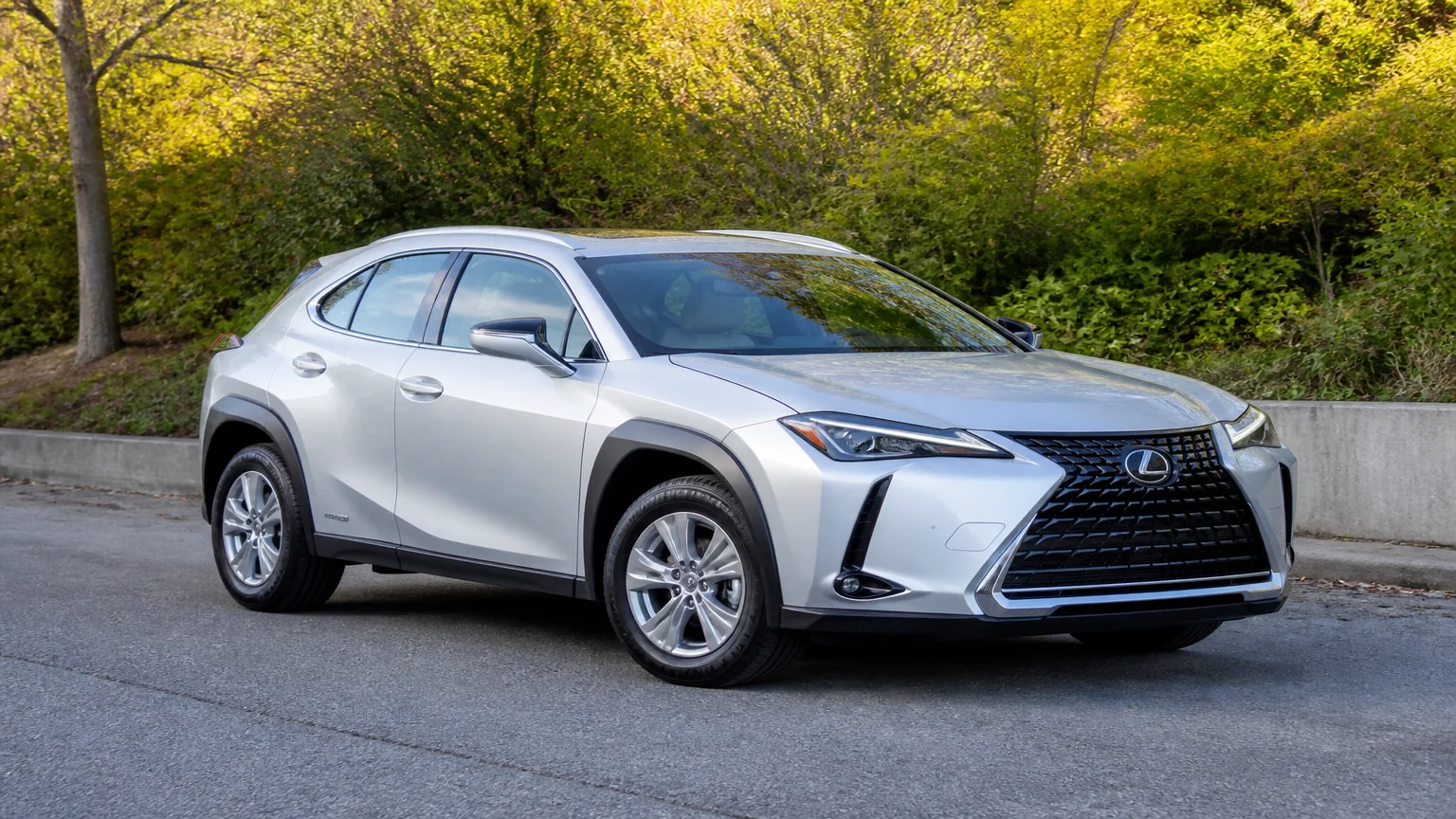
The Lexus UX is one of the more dependable compact luxury crossovers on the market, backed by a 5-star NHTSA safety rating and an overall reliability score that holds well above the segment average. From 2019 to 2026, the Lexus UX maintains an average reliability score of 80/100. That said, its earliest model years carry documented issues with the transmission, electrical system, and a key fuel-pump recall that you need to verify before buying. The guide below gives you a data-backed ranking of every model year so you can shop with confidence.
For generations, engines, and ownership notes in one place, see the Lexus UX hub.
Related: Lexus NX years to avoid, Lexus RX years to avoid.
At a glance
- Worst years
- 2019
- 2020
- Best years
- 2021
- 2023
- 2024
- Top failure
- First-gen Direct Shift-CVT shuddering and harsh shifts, predominantly on 2019-2020 UX 200 models (owner reports, ClubLexus forum)
- Always do before buying
- Run the VIN through NHTSA's recall checker to confirm open recalls are closed, and on any 2019 UX 200, verify the fuel-pump recall (NHTSA 20V-682, Lexus number 20LA01) has been completed
Recalls by year
How we rated the best and worst Lexus UX years
Early 2019 and 2020 models are the weakest years in the UX lineup, with the most reported issues including engine faults, transmission errors, and electrical problems - making them the ones to approach most carefully on the used market.
To build this guide, we pulled data from NHTSA complaints and recalls, CarComplaints.com per-year complaint counts, Consumer Reports subscriber reliability surveys, and owner reports from the ClubLexus UX forum. It is worth keeping two things straight: CarComplaints ranks a “worst year” by repair cost and mileage-at-failure (its PainRank system), while NHTSA shows raw complaint volume - the two sources can point to different years. The 2019-2025 Lexus UX has 25 total complaints filed with NHTSA, with the most frequently reported problem areas being brakes, wheels and tires, and transmission. CarComplaints notes it is still actively collecting UX data, so the 2020’s 10-complaint tally is the highest year-specific count on that platform.
Our years to avoid methodology draws on these same source categories - complaint databases, recall records, and owner forums - weighted by severity and mileage at failure.
| Lexus UX Generation | Best Lexus UX Years | Worst Lexus UX Years |
|---|---|---|
| First generation (2019-2026, facelifted 2023) | 2021, 2023, 2024 | 2019, 2020 |
Every Lexus UX model year ranked
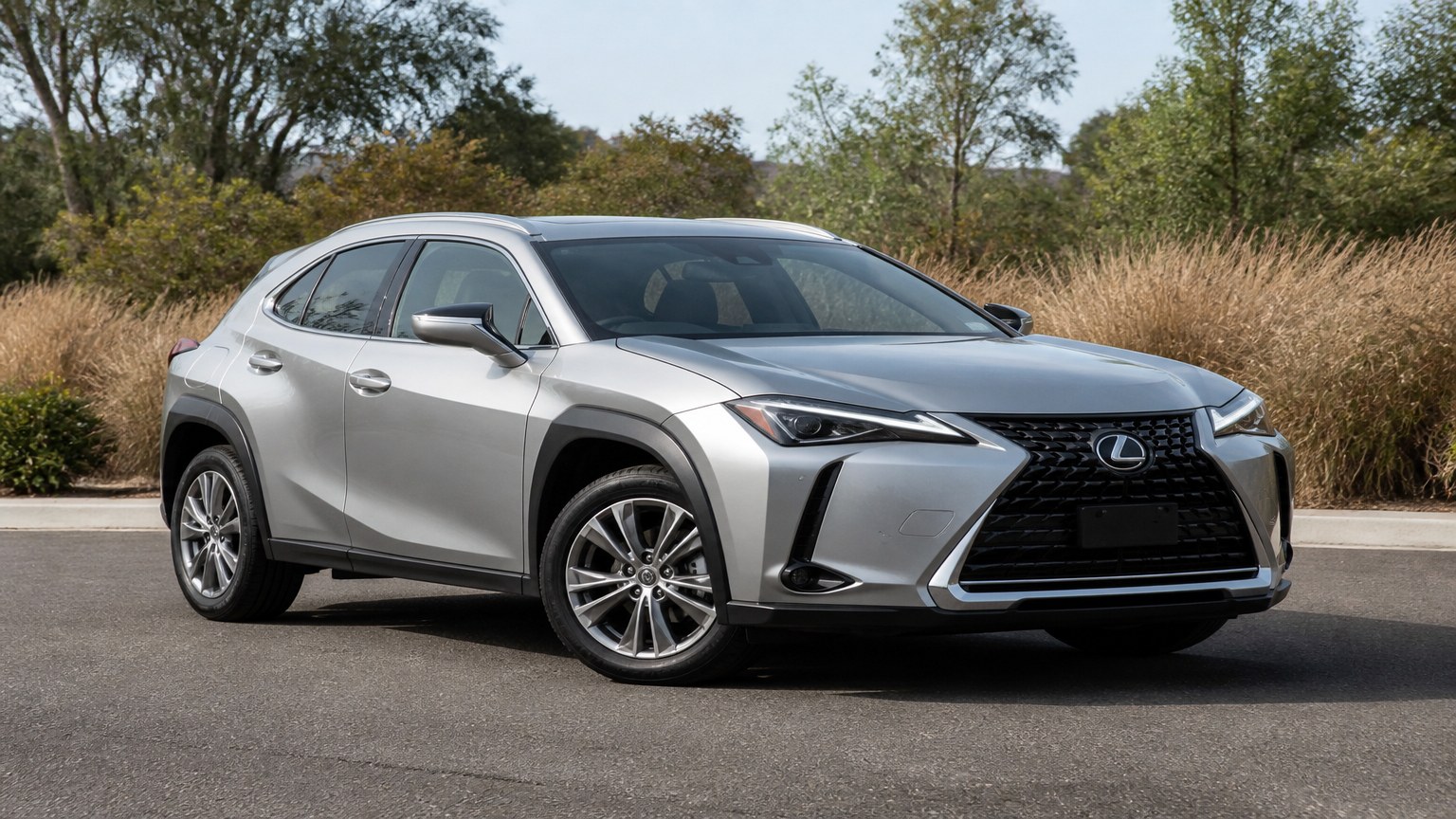
The first-generation Lexus UX debuted in 2019 on the GA-C platform, featuring a 2.0-liter engine on the UX 200 and a hybrid variant on the UX 250h. The table below covers every model year currently available to used-car shoppers.
| Model Year | Generation | Verdict | Notes |
|---|---|---|---|
| 2019 | 1st gen | Avoid | Most recalls (2), first-year CVT and electrical complaints |
| 2020 | 1st gen | Avoid | Highest CarComplaints count (10), 12V battery and electrical issues |
| 2021 | 1st gen | Best | Refined hybrid, fewer complaints (4 on CarComplaints), improved build |
| 2022 | 1st gen | OK/Mixed | Low complaint count, no recalls confirmed; pre-facelift infotainment |
| 2023 | 1st gen (facelift) | Best | Facelift with wireless CarPlay, updated EGR cooler, 0 recalls on NHTSA |
| 2024 | 1st gen (facelift) | Best | Above-average reliability, 0 recalls, 1 NHTSA complaint |
| 2025 | 1st gen (facelift) | OK/Mixed | 1 recall (hybrid wiring), about-average Consumer Reports rating |
Most common Lexus UX problems
Transmission reliability has been a focal point of owner discussions, with the Direct Shift-CVT in the UX 200 subject to complaints regarding harsh shifts, shuddering under acceleration, and occasional transmission control module failures. Below are the most documented recurring problems across the UX range, ordered most serious first.
1. Direct Shift-CVT shuddering and harsh shifts (UX 200)
The Direct Shift-CVT in the UX 200 has been subject to complaints regarding harsh shifts, shuddering under acceleration, and occasional transmission control module (TCM) failures. The “Direct Shift” design uses a physical first gear before transitioning to the belt-driven CVT ratio - a setup that some owners describe as a jolt or wheel-slip sensation on the 1-to-2 transition at low speed, particularly in Eco and Normal drive modes.
These issues are not widespread, but are disproportionately reported in vehicles with over 60,000 miles or those subjected to aggressive driving; in contrast, the e-CVT in the UX 250h has demonstrated greater durability, with fewer reports of catastrophic failure. One ClubLexus owner reported that after a transmission replacement failed to fully resolve the shudder, Lexus corporate approved a buyback on a 2019 UX 200, illustrating how seriously some cases escalated.
No formal TSB number covering a CVT software or hardware fix for the UX 200 appeared in our research - if a dealer cites a bulletin at the time of purchase, ask for the exact number. Buyers should test-drive the vehicle to assess transmission performance and request a diagnostic scan to check for any stored fault codes. A transmission fluid leak or pooling under a parked car is an early warning sign worth checking before you finalize any 2019-2020 UX 200 purchase.
2. Fuel-pump failure and stalling (2019 UX 200 - NHTSA recall 20V-682)
Affected vehicles have a fuel pump impeller that can deform due to excessive fuel absorption, resulting in potential malfunctions; drivers have reported check engine and master warning indicators engaging, rough engine running, not starting, and vehicle stalling - and rarely, stalling at high speeds, increasing crash risk.
NHTSA recall 20V-682, covering the 2019 Lexus UX 200, was issued in November 2020 under Lexus recall number 20LA01. This recall is an expansion of the earlier recall 20V-012. Dealers replace the fuel pump assembly with an improved one, free of charge. Before buying any 2019 UX 200, confirm this repair has been completed using NHTSA’s VIN recall lookup.
3. Brake booster pump failure (2019 UX 250h)
Toyota recalled certain 2019 Lexus UX 250h vehicles because the brake booster pump may fail, causing a deactivation of the Vehicle Stability Control system and a loss of braking assist. Dealers inspect and, if necessary, replace the brake booster pump free of charge; the recall began September 20, 2019.
This is a safety-critical issue - a spongy or unresponsive brake pedal on a 2019 UX 250h is a red flag that the recall may not have been completed. Some UX hybrid variants exhibit soft or spongy brake pedal feel, which may result from regenerative braking calibration inconsistencies, but the booster pump fault is distinct and covered by the recall. Verify this campaign is closed via a VIN check before purchase.
4. 12V auxiliary battery drain
The most commonly reported UX 250h issue, shared with many Toyota/Lexus hybrids, is that the auxiliary 12V battery is undersized relative to the car’s standby power draw, and early software versions of the telematics module kept the system continuously active, accelerating drain. Lexus released software updates that improved the situation, but the fundamental draw remains higher than many competitors, and the problem worsens in cold weather.
Consumer Reports owner surveys for the 2020 UX flag electrical accessories - including the 12V battery - as a common trouble spot. Replacement batteries are a routine but recurring cost for owners who leave the car parked for extended periods. Ask the seller when the 12V battery was last replaced, and check whether the telematics software update has been applied.
5. Infotainment glitches and screen freezes
The infotainment system, particularly in early 2019-2020 model years, has been criticized for slow response times, touchscreen glitches, and occasional system reboots. One of the most frequently reported electrical issues in owner accounts involves the infotainment system going glitchy, with screens freezing or not responding at all.
For the 2023 model year, the UX received a facelift with updated infotainment, larger screens, wireless Apple CarPlay and Android Auto, and a digital key - resolving most of the complaints tied to the pre-facelift system. If you are buying a 2019-2022 UX, confirm at the dealer that all available software updates have been installed.
6. EGR cooler corrosion (UX 250h, pre-2022)
Corrosion can develop inside the EGR cooler’s heat exchanger, eventually allowing coolant to seep into the combustion chamber; the primary symptom is white smoke from the exhaust, especially during warm-up, and if caught early, replacement of the EGR cooler resolves the issue. If ignored, coolant contamination of the engine oil can cause accelerated wear; the issue appears in a minority of affected-year cars, and 2022-and-later models have an updated EGR cooler design.
White exhaust smoke on a pre-2022 UX 250h during warm-up is a sign that may indicate coolant entering the combustion chamber - have it inspected before purchase. Repair costs for an EGR cooler replacement at a Lexus dealer can be significant, so factor that into your negotiation on an older UX 250h.
Which Lexus UX years should you avoid?
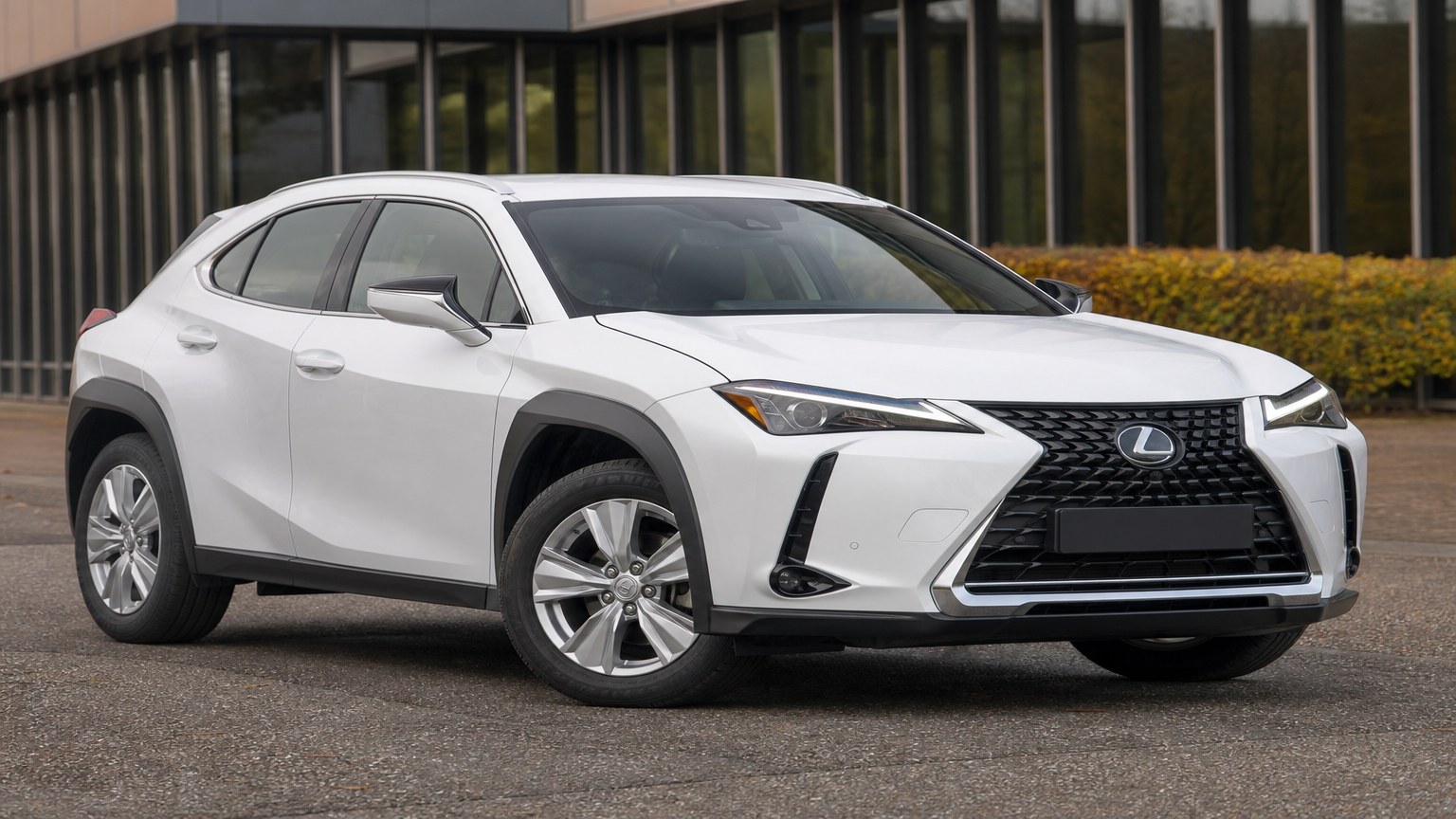
The Lexus UX years to avoid are 2019 and 2020. As the first model year, the 2019 UX had the most reported issues, including engine faults, transmission errors, and electrical problems, and many early adopters reported frequent repairs and reliability concerns. On NHTSA’s complaint volume data, the 2020 carries the most complaints on CarComplaints.com’s UX page (10 reports), while the 2019 carries 2 confirmed NHTSA recalls - the most of any single UX model year per Consumer Reports.
| Lexus UX Generation | Model Years | Verdict | Main Issues |
|---|---|---|---|
| First generation (pre-facelift) | 2019, 2020 | Worst: 2019, 2020 | CVT shuddering, fuel-pump recall, brake booster recall, 12V battery drain, infotainment glitches |
| First generation (pre-facelift) | 2021, 2022 | OK/Mixed or Best | Fewer complaints; 2021 is Best, 2022 is OK/Mixed |
| First generation (facelift) | 2023, 2024 | Best | Updated infotainment, improved EGR cooler, 0 recalls |
| First generation (facelift) | 2025 | OK/Mixed | 1 recall (hybrid wiring) |
Worst Lexus UX years: 2019, 2020
First-generation Lexus UX (2019-2022)
Early models faced reliability issues, particularly in 2019 and 2020, with complaints about engine, transmission, and electrical faults. The 2019 UX 200 is the only UX model year covered by the fuel-pump recall (NHTSA 20V-682 / Lexus 20LA01), and the 2019 UX 250h carries its own brake booster pump recall. The 2019 Lexus UX scores 77/100 (Good) on reliability indices, with 1 documented recall and 3 NHTSA owner complaints on record.
The 2020 model shows the highest complaint count on CarComplaints.com’s UX page at 10 reported problems, with electrical accessories and 12V battery drain the primary owner-reported concerns per Consumer Reports. The 2021 Lexus UX has 4 problems reported by UX owners on CarComplaints - a meaningful improvement - making it the clear dividing line between the troubled early years and the improved later cars.
What are the best Lexus UX years to buy?
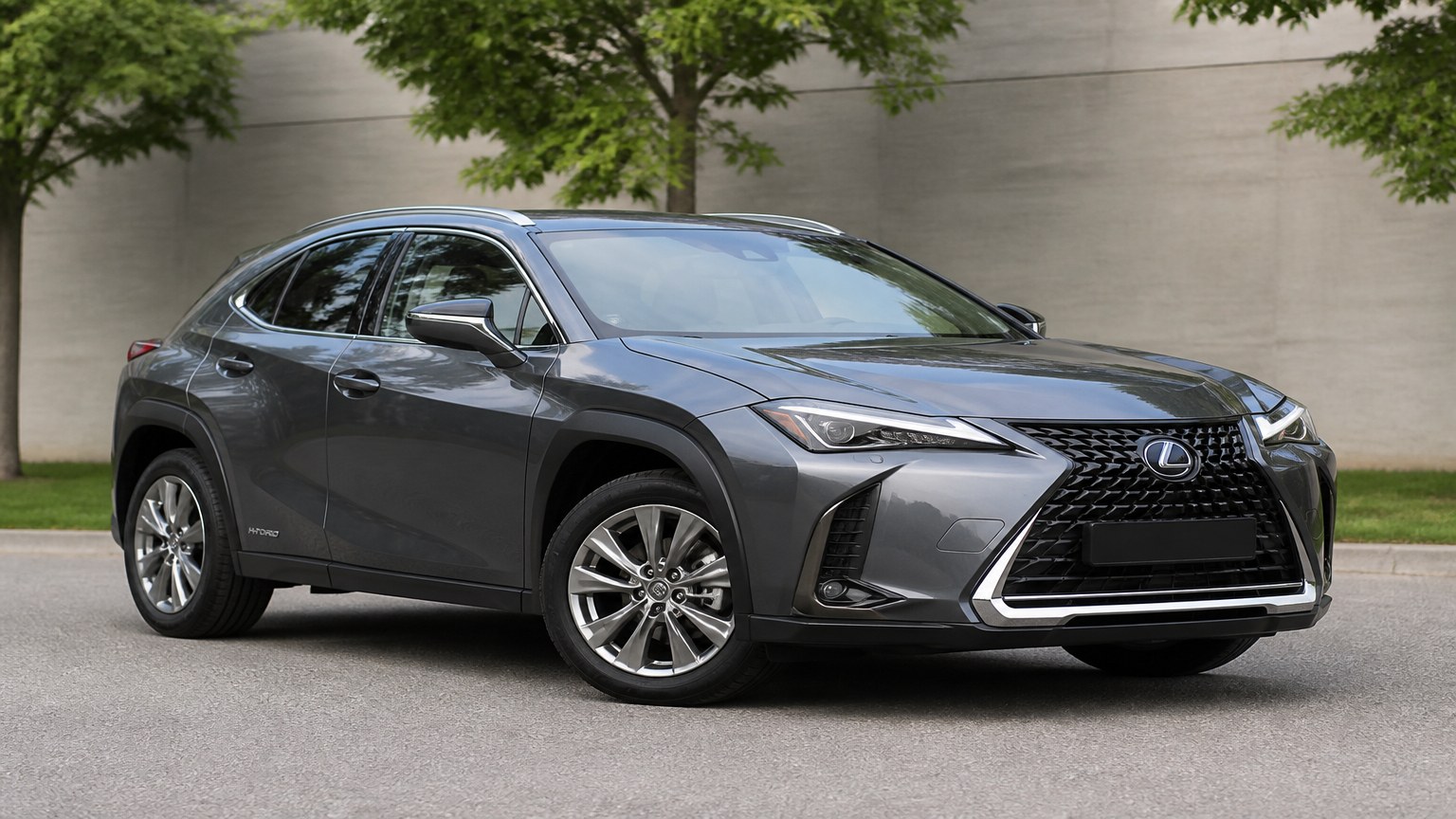
The most reliable years for the Lexus UX are 2021, 2023, and 2024: the 2021 model saw improvements in reliability and fewer owner complaints compared to earlier years with a more refined hybrid system, the 2023 UX brought a facelift with better reliability and fewer electrical faults, and the 2024 UX continues the trend of better engineering and fewer reported problems.
| Best Lexus UX Year | Why It's a Strong Buy |
|---|---|
| 2021 | Fewer complaints than 2019-2020, refined hybrid system, first-year issues corrected |
| 2023 | Post-facelift: updated infotainment, wireless CarPlay, updated EGR cooler, 0 NHTSA recalls |
| 2024 | Above-average Consumer Reports reliability, 0 recalls, just 1 NHTSA complaint on record |
Most reliable Lexus UX years: 2021, 2023, 2024
2021 Lexus UX
The 2021 Lexus UX has just 4 problems reported on CarComplaints.com - less than half the 2020’s tally - and no recalls on NHTSA per the available data. Consumer Reports rates the 2020 UX as “more reliable than other cars from the same model year,” and the 2021 continued that improvement. The CVT software had been updated, the hybrid system was more mature, and the brake booster and fuel-pump campaigns from 2019 were already resolved on new stock.
2023 Lexus UX
For the 2023 model year, the UX received a facelift with updated infotainment, larger screens, wireless Apple CarPlay and Android Auto, and a digital key. The 2023 Lexus UX scores 80/100 for reliability with 0 recalls and just 1 NHTSA owner complaint on record. The updated EGR cooler design (standard on 2022-and-later) removes the pre-2022 corrosion risk on hybrid models, making the 2023 a solid all-around pick.
2024 Lexus UX
Consumer Reports rates the 2024 UX as “more reliable than other cars from the same model year.” The 2024 Lexus UX has excellent reliability, with 0 recalls and just 1 NHTSA owner complaint on file. Fuel economy is a standout feature, with the 2023-2026 UX 250h models achieving 41 mpg combined, making it one of the most efficient luxury crossovers on the market.
Lexus UX submodel years to avoid
The Lexus UX has been sold in three distinct powertrain configurations - the UX 200, the UX 250h, and the UX 300h - and each has its own fault profile worth knowing before you buy.
Lexus UX 200 years to avoid
The UX 200 pairs a 2.0-liter naturally aspirated M20A-FKS engine with Lexus’s Direct Shift-CVT - a design that uses a physical first gear before handing off to the belt-drive ratio. That first-gear-to-belt transition is where the most owner friction lives: the Direct Shift-CVT has been subject to complaints regarding harsh shifts, shuddering under acceleration, and occasional transmission control module failures. The UX 200 was offered from 2019 onward as the base powertrain, in FWD only.
The 2019 UX 200 specifically is covered by the fuel-pump recall (NHTSA 20V-682 / Lexus 20LA01) described in the problems section above - the only UX model year with that specific pump defect. The 2020 UX 200 carries the highest CarComplaints count for any UX year (10 complaints) and shares the CVT shuddering complaints. If you are buying a UX 200, the 2021 and later are meaningfully cleaner, with software-updated transmissions and no open recalls from the first-gen teething period.
Pre-purchase checks specific to the UX 200:
- Test-drive in Eco and Normal mode to feel for shudder or jerk on the 1st-to-2nd transition
- Request a diagnostic scan for stored TCM fault codes
- Confirm NHTSA recall 20V-682 (fuel pump) is closed on any 2019 VIN
Lexus UX 250h years to avoid
The UX 250h uses the M20A-FXS hybrid-optimized 2.0-liter engine paired with an Atkinson-cycle combustion cycle and Toyota’s e-CVT (electronic CVT using a planetary gearset rather than a belt). This system generates a combined 181 horsepower and 177 lb-ft of torque, with the electric motor providing instant torque for low-speed responsiveness; the e-CVT uses a planetary gearset to blend power from the engine and motor.
The e-CVT is more durable than the UX 200’s Direct Shift-CVT - the shudder complaints covered above are largely absent on the 250h. The 250h’s own documented fault areas are the 12V battery drain and, on pre-2022 cars, EGR cooler corrosion (both covered in the problems section). The 2019 UX 250h carries the brake booster pump recall, which is distinct from the 2019 UX 200’s fuel-pump recall. Some owners have reported issues with the hybrid battery’s state of charge fluctuating or the system entering “limp mode” due to sensor faults, though these are typically resolved through software updates or sensor replacements.
No UX 250h model year has accumulated enough NHTSA complaint data to single one out as a definitive avoid year in its own right - the 2019 and 2020 are the weakest years for the broader UX range, and those years apply here too by virtue of the booster recall and early infotainment issues. The pros and cons of hybrid ownership are worth knowing before committing: the UX 250h’s battery warranty covers hybrid components for up to 10 years/150,000 miles in most US states, so confirm the remaining hybrid warranty when buying used.
Lexus UX 300h years to avoid
The UX 300h hybrid was introduced in 2025 with a lithium-ion battery and improved performance. This makes it a very new addition to the US lineup, with almost no used-market history to evaluate. The 2025 UX 300h was recalled for potential loss of motive power due to hybrid system wiring issues. Beyond that single recall, no UX 300h model year has yet accumulated enough complaint data to flag any year as one to avoid. That single NHTSA recall is the check that matters most: verify it is closed on any 2025 UX 300h VIN before purchase.
Lexus UX pre-purchase checklist
Run these checks on any used Lexus UX before signing:
- Run the VIN through NHTSA’s recall database at nhtsa.gov/recalls to confirm all open campaigns are closed - the 2019 UX 200 has a fuel-pump recall (20V-682 / Lexus 20LA01) and the 2019 UX 250h has a brake booster recall; neither is small.
- Test the Direct Shift-CVT on 2019-2020 UX 200s - drive in Eco and Normal mode at low speed and feel for shuddering or a jolt between first gear and the belt ratio; ask for a diagnostic scan showing no stored TCM fault codes.
- Check the 12V auxiliary battery date on any UX 250h - battery drain is the most commonly reported hybrid complaint; some owners report needing replacement every 2-3 years.
- Inspect for white exhaust smoke on pre-2022 UX 250h models at cold start - this points toward EGR cooler corrosion allowing coolant into the combustion chamber.
- Verify infotainment software is up to date on any 2019-2022 UX - Lexus released telematics and touchscreen firmware updates that reduce screen freezing and battery drain.
- Ask for full service records to confirm oil changes were done on schedule; the M20A-FXS engine’s long-term health depends on clean oil.
- Confirm hybrid battery warranty status on any UX 250h - hybrid components carry up to a 10-year/150,000-mile warranty in most states, so know how much coverage remains.
- Book an independent pre-purchase inspection (PPI) at a non-Lexus shop before finalizing; typical five-year maintenance costs are around $2,400, and the major repair probability in the first five years is about 21%, better than the segment average.
Better alternatives to consider
If the Lexus UX years in your budget land on the 2019-2020 avoid list, consider these alternatives instead:
- Lexus CT 200h - a proven Toyota hybrid platform with a longer production run and a clearer year-by-year reliability record in the compact luxury segment
- Lexus GX 460 - body-on-frame build and the 1GR-FE V8 give it a durability record that stretches well past 200,000 miles in reliable trim years
- Toyota RAV4 Hybrid - shares Toyota’s proven THS II hybrid system with the UX 250h, at a lower price point, with a longer used-car supply and strong owner satisfaction
- BMW X1 - turbocharged performance the UX 200 does not match, with a more mature used-market history once you avoid the B48-era oil-dilution years
Is the Lexus UX worth buying?
Yes - the Lexus UX is a solid used buy as long as you avoid the 2019 and 2020 model years. Common issues reported by owners include the electrical system and powertrain, while the vehicle consistently receives a 5-star NHTSA safety rating. The 2021, 2023, and 2024 years carry very low complaint counts and no open recalls, making them the safest picks on the used market today. With consistent maintenance, most Lexus UX owners report 150,000 to 200,000 or more miles of service life. Our editorial guidelines for reliability research require that every verdict be tied to verifiable complaint data and recall records rather than general reputation, which is why the 2021 and later years earn their recommended status here. Before you finalize any purchase, run the VIN through NHTSA’s recall checker and ask the seller for a complete maintenance history going back to the original purchase date.